
2027 Best Career Pivot Options for People With a Library Science Degree

Co-Founder and Chief Data Scientist
A library science degree can lead far beyond traditional library roles, but the pivot is rarely automatic. Employers in technology, healthcare, compliance, education, media, government, and corporate knowledge management may value the same abilities librarians use every day: organizing complex information, improving access, evaluating sources, managing records, supporting users, and making knowledge easier to find.
The challenge is translation. A hiring manager may not immediately connect cataloging, reference work, archives, metadata, collection development, or information literacy instruction with business problems such as content operations, data governance, UX research, compliance documentation, or internal knowledge sharing. As of 2023, 62% of library science graduates who changed careers reported success by focusing on transferable competencies such as information management, research, and digital literacy.
This guide explains where library science graduates can pivot, which industries are most receptive, what skills to emphasize, how employers evaluate the degree, which entry-level roles are realistic, when certificates or certifications are worth the cost, and how networking or freelance work can shorten the transition.
Key Things to Know About the Best Career Pivot Options for People With a Library Science Degree
- Library Science graduates leverage research, data management, and information organization skills-transferable to roles like data analyst, UX researcher, or knowledge manager in expanding tech and healthcare sectors.
- Entry-level pivots often include digital archivist or content strategist positions-supplemented by credentials such as data analytics certificates or project management to enhance employability and salary potential.
- Networking through professional associations and reframing resumes around information curation impact significantly improve long-term outcomes-77% of career changers report success by aligning skills with industry demands.
What Career Pivot Options Are Available to People With a Library Science Degree?
People with a library science degree can pivot into roles built around information organization, research, documentation, data stewardship, user support, content systems, and knowledge access. The best options usually do not require abandoning the degree; they require describing it in language employers outside libraries recognize.
Career pivoting has become a professionally normal part of the labor market. Data from the Bureau of Labor Statistics shows that the average employee changes jobs multiple times, often moving across distinct industries during their careers. Research from the National Association of Colleges and Employers also highlights that graduates with versatile degrees, such as library science, are well positioned for work in sectors that need research, communication, and information management skills.
LinkedIn Workforce Insights emphasizes that transferable skills like information management, research proficiency, and digital literacy are especially important for professionals navigating career transitions. For library science graduates, the most practical pivot options include:
- Information technology and data management: Library science training in database systems, metadata, taxonomies, and digital archiving can support moves into data curation, digital asset management, information systems support, and entry-level data analysis. Candidates may need to add tool-specific skills, but the underlying information structure work is closely related.
- Corporate knowledge management: Organizations need professionals who can make internal information searchable, usable, current, and trustworthy. Library science graduates can contribute to intranets, documentation systems, research portals, and employee knowledge bases.
- Instructional design and educational technology: Experience with information literacy, research guides, learning resources, and user instruction can translate into curriculum support, e-learning content development, and learning management system work.
- Archives and museum curation: Preservation, cataloging, public access, records description, and collections management are natural extensions for graduates interested in cultural heritage, historical materials, and institutional memory.
- Content strategy and digital marketing: Skills in organizing information, understanding user intent, applying metadata, and evaluating sources can support content operations, SEO workflows, editorial research, and digital publishing.
The strongest pivot strategy is not simply to apply everywhere. Start by choosing whether you want to keep your core function or change it. Moving from library-based research to corporate research is usually easier than moving from librarianship into software engineering because the function is more familiar, even if the industry changes.
Prospective students and working professionals considering added education should compare cost, accreditation, flexibility, and employer recognition. For example, researching online colleges with financial aid can help identify affordable ways to add targeted coursework or credentials without taking on unnecessary debt.
Which Industries Outside the Traditional Library Science Field Hire Library Science Degree Holders?
Industries outside libraries hire library science degree holders when the work depends on accurate information retrieval, records control, metadata, documentation, research, compliance, or user access. The degree may be immediately understood in education, government, archives, and research settings. In private-sector roles, candidates often need to translate the credential into business outcomes.
- Information technology: IT employers may hire library science graduates for data curation, metadata, taxonomy, digital asset management, documentation, and knowledge base roles. Some roles prioritize technical certifications, so applicants should match their resumes to the tools and systems named in job postings.
- Healthcare and medical research: Healthcare organizations value information governance, privacy awareness, medical records organization, evidence retrieval, and clinical data stewardship. Healthcare-specific vocabulary or credentials can strengthen applications.
- Education and academic research: Beyond academic libraries, graduates may support instructional design, research administration, digital repositories, open educational resources, and learning platforms. This sector is often more familiar with the value of library science training.
- Corporate knowledge management: Large organizations need knowledge managers, research analysts, documentation specialists, and information governance staff to reduce duplication, improve internal search, and preserve institutional knowledge.
- Publishing and digital media: Editorial research, content operations, digital archiving, taxonomy, rights tracking, and metadata tagging are common intersections between library science and media work.
- Government and public administration: Records management, archives, policy research, public information, and compliance roles often align well with library science preparation. Familiarity with government regulations and records standards may be required.
- Legal and compliance services: Law firms, corporate legal teams, and compliance departments need people who can retrieve, organize, classify, and preserve information accurately. Industry-specific knowledge can be a major advantage.
A useful rule: changing industries while keeping a familiar function is usually less difficult than changing both the industry and the function at once. For example, a library professional who conducts literature searches may have an easier transition into healthcare research support than into sales operations, unless they can show relevant CRM, reporting, or client data experience.
Before committing to a sector, conduct informational interviews with people already working in target roles. Ask what credentials matter, which tools are used daily, which entry-level titles are realistic, and what hiring managers misunderstand about library science backgrounds.
Those exploring library science degree alternative career paths may also consider complementary education if a target field requires additional formal training. An associates degree online may be useful for some learners who need a structured pathway into an adjacent technical or administrative area.
What Transferable Skills Does a Library Science Degree Provide for Career Changers?
A library science degree provides transferable skills that employers need whenever information must be collected, verified, organized, preserved, retrieved, explained, or used to make decisions. The key is to connect each skill to the target role instead of assuming employers will infer the connection from the degree title.
- Information management: Graduates learn to organize complex information using classification systems, metadata, taxonomies, catalogs, repositories, and controlled vocabularies. This applies directly to knowledge management, digital archiving, data governance, content operations, and documentation.
- Research expertise: Library science training builds skill in finding, evaluating, synthesizing, and citing information. These abilities support market research, policy analysis, competitive intelligence, UX research, prospect research, and evidence-based decision support.
- Technical proficiency: Coursework and practice may involve databases, discovery systems, metadata schemas, digital repositories, content management systems, and information retrieval tools. With additional tool training, these skills can support data analytics, information systems, and digital asset management roles.
- Critical thinking and problem-solving: Library science graduates are trained to evaluate source quality, resolve incomplete information, identify user needs, and design access pathways. This is valuable in consulting, compliance, project coordination, research operations, and business analysis.
- Communication skills: Translating complex information for different audiences is central to reference work, instruction, documentation, training, grant writing, communications, and public-facing content.
- User-centered service orientation: Library work requires understanding what users actually need, not just what they initially ask for. That mindset transfers to customer experience, human resources, product support, nonprofit services, and UX research.
- Collaboration and teamwork: Library science graduates often work with faculty, students, researchers, vendors, community groups, IT teams, and administrators. This supports cross-functional work in operations, education, product, and organizational development.
Career changers should collect examples from coursework, internships, volunteer work, and employment, then convert them into employer-facing evidence. For example, “cataloged archival materials” may become “created metadata and description standards that improved digital retrieval.” “Taught database workshops” may become “designed user training that improved information literacy and self-service research.”
The most common mistake is listing broad skills without proof. A stronger resume pairs each transferable skill with a tool, audience, result, deliverable, or workflow.
How Do Employers in Adjacent Fields Evaluate a Library Science Degree During Hiring?
Employers in adjacent fields usually evaluate a library science degree through three lenses: relevance to the role, evidence of applied skills, and ease of comparison with more familiar degrees. In sectors where information management is central, the degree may be a clear asset. In sectors that are less familiar with library science, applicants must make the connection explicit.
- Credential translation: Hiring managers may not understand how cataloging, reference work, archives, metadata, or collection development relate to their business problems. Strong applicants translate these experiences into terms such as data governance, information architecture, documentation, content operations, research support, user training, compliance, and knowledge management.
- Degree factors: Employers may weigh the degree level, institution, coursework, projects, GPA, and relevance to the job. Master’s degrees often carry more weight than bachelor’s degrees in government, education, and nonprofit environments. Institutional prestige can matter, but many smaller employers prioritize demonstrated ability over name recognition. GPA is usually more relevant for entry-level roles than for mid-career candidates.
- Implicit bias: Some employers default to familiar majors or professional backgrounds. Library science graduates can reduce this risk by showing work samples, certifications, volunteer projects, internships, or freelance deliverables that prove role-specific competence.
- Employer type and size: Larger organizations may use rigid screening filters, while smaller companies may be more open to candidates who can clearly explain their value. Government and education employers are often more familiar with library science credentials than private companies.
- Strategic targeting: The best targets are employers that already hire cross-disciplinary candidates. Use alumni searches, employee profiles, job descriptions, and informational interviews to identify organizations where library science graduates have already made similar moves.
Applicants should tailor the top third of the resume for each target role. A resume for knowledge management should emphasize taxonomy, documentation, search, repositories, and stakeholder needs. A resume for policy research should emphasize literature reviews, source evaluation, synthesis, and report writing.
Prospective students comparing educational pathways can also review options such as the best associate degrees to understand how different credentials may support specific career goals.
What Entry-Level Pivot Roles Are Most Accessible to Library Science Degree Graduates?
The most accessible entry-level pivot roles for library science graduates are positions that need organization, research, documentation, database use, user support, and workflow coordination. These roles may not always list “library science” as a preferred degree, so applicants should search by responsibilities and keywords rather than degree title alone.
- Operations coordinator: This role supports project logistics, documentation systems, data workflows, scheduling, reporting, and process tracking. Library science training in cataloging, metadata standards, and digital archiving can help graduates build orderly systems and maintain accurate records. Advancement to mid-level positions may occur within 2-3 years, depending on performance, industry, and prior experience.
- Communications assistant: Communications assistants draft, edit, organize, and distribute internal or external messages. Library science graduates can stand out through research accuracy, source evaluation, audience awareness, and content management skills. Early career growth often spans 2-4 years, with internships or portfolio samples helping applicants compete.
- Data analyst intern: Entry-level data roles may involve collecting, cleaning, organizing, querying, and visualizing data. Library science coursework in databases and information retrieval can reduce the learning curve, though candidates often need to add spreadsheet, SQL, or visualization practice. Progression from intern to analyst can occur around 1-3 years.
- Policy research assistant: Policy research assistants collect sources, summarize findings, organize documents, support literature reviews, and help prepare reports. Library science preparation in information ethics, archival research, and legal information can be especially relevant. Library science graduates may advance to analyst roles 20-30% sooner than novices when they can demonstrate strong research output.
- Sales support specialist: This role manages client data, updates CRM records, prepares materials, tracks correspondence, and supports sales teams. A library science background can help with database hygiene, information accuracy, and user-oriented service.
- Product documentation coordinator: Documentation coordinators create and maintain manuals, FAQs, release notes, help guides, and knowledge base articles. Library science expertise in controlled vocabularies, classification, usability, and information architecture can support growth into senior documentation or content strategy roles.
Graduates often worry that a pivot means “starting over.” In practice, the first title may be entry-level, but the work is not always a full reset. Foundational strengths in information organization, user experience, documentation, and ethical data handling can help graduates move faster once they learn the language and tools of the new field. Graduates with internship or project experience may reach mid-career roles 1-2 years earlier than peers without similar preparation.
A practical job search approach is to choose two or three target titles, collect 20 job postings for each, and identify repeated tools, keywords, deliverables, and credentials. Then revise the resume around those patterns instead of using a general library science resume for every application.
After establishing her career post-library science graduation, one professional described the hardest part as translating academic skills into business language and overcoming doubts about relevance. She found that roles built around information management gave her the clearest bridge, while alumni networking and internships helped her prove fit to employers.
What Are the Highest-Paying Career Pivot Options for People With a Library Science Degree?
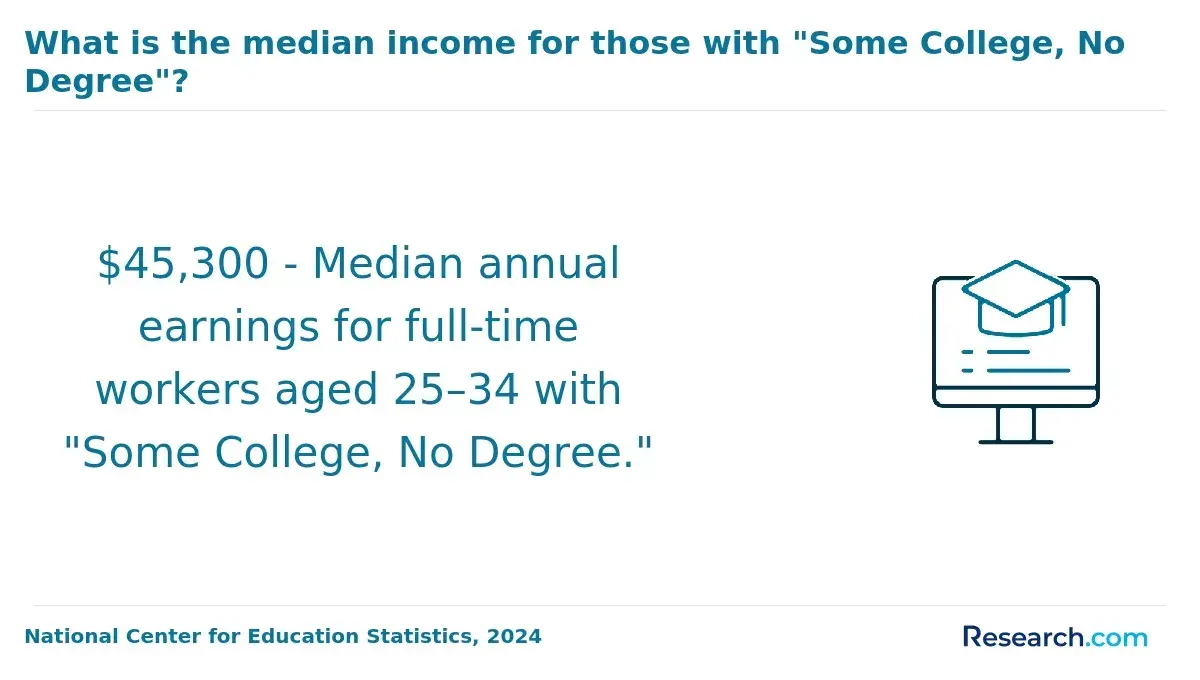
The highest-paying pivot options for people with a library science degree tend to be in sectors where information directly affects revenue, risk, product quality, regulation, or strategic decisions. These roles often pay more than traditional library positions, but they may also require added technical, business, compliance, or analytics skills.
- Enterprise technology: Data analysts, information architects, taxonomy specialists, digital asset managers, UX researchers, and knowledge managers can earn stronger compensation in technology companies because their work improves data use, search, product experience, and internal efficiency. Candidates may need skills in programming, data visualization, UX design, or enterprise platforms.
- Financial services: Compliance analysts, information governance officers, records specialists, and research professionals can benefit from the sector’s regulatory complexity and high value placed on accurate documentation. Certifications such as CFA or risk management credentials may improve competitiveness, depending on the role.
- Management consulting: Knowledge management, research, and information strategy roles in consulting can be well compensated because they support client recommendations and internal expertise sharing. Success often depends on strong synthesis, presentation, business writing, and networking skills.
- High-growth startups: Startups may hire library science graduates for content systems, customer knowledge bases, data organization, internal documentation, taxonomy, or research operations. Compensation may combine salary and equity, but equity carries risk and depends on company performance.
Nonprofits, government libraries, and academic settings often offer more predictable missions and benefits but may provide lower compensation because of tighter budgets. Private-sector offers may include base salary, performance bonuses, equity, retirement plans, health benefits, and professional development funds, so candidates should compare total compensation rather than salary alone.
The financial upside of a pivot should be weighed against preparation costs. Additional coursework, certifications, software training, portfolio projects, and networking take time and money. A high-paying target is more realistic when the candidate has a clear plan for closing skill gaps and proving applied experience.
Which High-Growth Sectors Are Actively Recruiting Professionals With a Library Science Background?
High-growth sectors recruit library science graduates when they need people who can impose order on expanding information systems. The strongest opportunities are not limited to job titles with “library” in the name; they appear wherever organizations need metadata, research, retrieval, records control, digital content, knowledge sharing, or trustworthy information workflows.
- Technology and information services: Growth in digital products and data systems creates demand for metadata specialists, taxonomy experts, knowledge managers, data curators, documentation professionals, and UX researchers. Library science graduates bring structure to complex information environments.
- Healthcare and life sciences: Evidence-based medicine, clinical research, patient records, and medical knowledge systems rely on accurate retrieval and data stewardship. Library science graduates may fit health informatics, clinical data, research support, and knowledge management roles.
- Education and e-learning: Digital learning requires resource curation, instructional support, learning content organization, repository management, and information literacy. Library science graduates can support both academic and corporate learning environments.
- Corporate knowledge management: Companies use internal knowledge systems to reduce duplication, improve onboarding, preserve institutional memory, and support decision-making. Library science skills in classification and retrieval are directly relevant.
- Environmental and policy research: Sustainability organizations, think tanks, government agencies, and NGOs rely on complex evidence bases. Library science graduates can help organize research, manage datasets, and synthesize policy information.
- Digital media and publishing: Publishers and platforms need metadata, archives, rights information, taxonomy, content organization, and searchable digital collections. These needs align closely with library science training.
- Financial services and compliance: Regulatory complexity creates demand for records management, document control, information governance, and compliance research. Library science graduates who can learn industry rules may be strong candidates.
To target these sectors effectively, search for employers that hire for skills rather than narrow degree requirements. Job descriptions that mention taxonomy, metadata, documentation, records, knowledge base, research, data quality, information governance, or content operations may be especially relevant.
A focused search also requires trade-off analysis. Technology and startups may offer faster growth but more volatility. Government and education may offer clearer credential recognition but slower hiring timelines. Healthcare and finance may offer strong demand but require careful attention to privacy, compliance, and industry-specific terminology.
How Does Earning a Graduate Certificate Help Library Science Degree Holders Pivot Successfully?
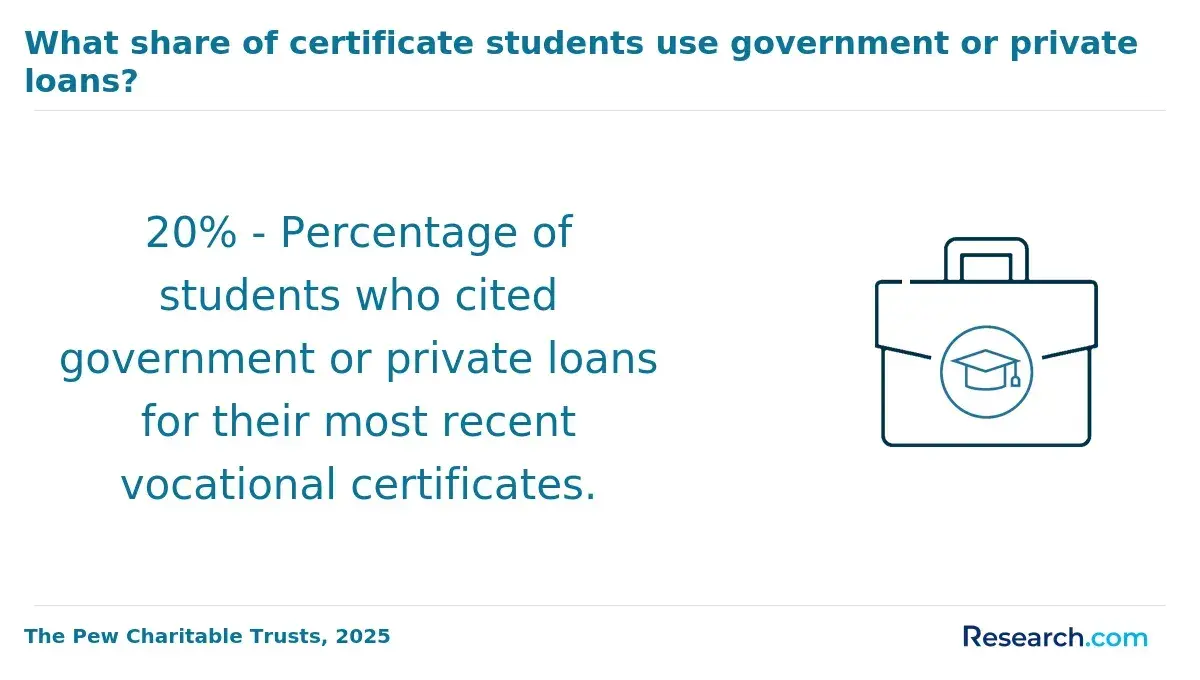
A graduate certificate can help library science degree holders pivot by adding a targeted, recognizable skill area without requiring a full second degree. Certificates generally require 12 to 18 credit hours, about six months to a year, compared to 30+ in master’s programs. According to the National Center for Education Statistics (NCES), certificates can provide focused expertise with fewer barriers than longer degree programs.
- Cost efficiency: The American Council on Education notes that certificates often cost a fraction of full degree tuition. This can reduce financial risk for mid-career professionals who want to test a new direction or meet a specific hiring requirement.
- Career signal: Certificates are most useful when they align with target job postings. Areas such as data analytics, project management, UX research, public health, nonprofit management, and financial analysis may be more valuable when they build directly on library science strengths.
- Labor market return: Salary increases of 10-15% are common with certificates in data analytics and project management. Specialized fields like public health may create more niche opportunities, though with less immediate pay impact.
- Credential inflation: Not every certificate improves employability. Before enrolling, review accreditation, employer recognition, alumni outcomes, cost, curriculum, faculty expertise, and whether the certificate appears in job postings for your target role.
- Timing strategy: A certificate can be useful before applying if it removes a clear credential barrier, during applications if it shows active upskilling, or after securing a role if it supports advancement. The right timing depends on whether the credential is required, preferred, or merely helpful.
Over 40% of mid-career professionals with master’s degrees now hold certificates to remain relevant amid evolving job markets. For library science graduates, the best certificate is not the most impressive-sounding option; it is the one that closes a specific gap between current experience and target roles.
Prospective students comparing a full online mlis degree with shorter certificates should weigh cost, time, accreditation, and career goals carefully. Exploring related options such as UI degree programs can also help clarify whether a targeted design, research, or technology credential is a better fit.
What Role Do Professional Certifications Play in Validating a Library Science Career Pivot?
Professional certifications can validate a library science career pivot by proving current, job-specific skills in a field where the library science degree may not be immediately understood. Unlike academic credentials, certifications usually signal practical competence with a role, method, platform, or professional standard.
The value of a certification depends on employer demand. A certification that appears repeatedly in target job postings can strengthen a resume. A certification unrelated to the target role may add cost without improving hiring odds. Before enrolling, review job descriptions, LinkedIn profiles of people in target roles, and advice from informational interviews.
Common career-relevant certifications for library science career pivots include:
- Project Management Professional (PMP): Requires project management experience and 35 hours of formal coursework; 3-6 months preparation; exam costs about $555; valued in project coordinator, operations manager, and nonprofit program director roles.
- Certified Analytics Professional (CAP): Needs education and professional analytics experience; self-study spans several months; exam fee around $695; suits data analyst and business intelligence positions.
- SHRM Certified Professional (SHRM-CP): Designed for HR roles; requires relevant work experience or education; 2-4 months preparation; exam fee $300-$400; ideal for HR specialists and organizational development.
- Salesforce Administrator: No prerequisites; prep time 2-3 months; exam fee $200; commonly needed for CRM administrator and business analyst jobs.
- Certified Records Manager (CRM): For records and information management; multiple exams with 6+ months prep; cost approximately $1,000; fits archivist, records manager, and compliance officer roles.
A smart certification plan starts with one target role, not with a list of popular credentials. Identify the top certification requested for that role, confirm that it fits your experience level, and decide whether you need the full credential or only the underlying skill. If you are enrolled or preparing, you can mention certifications in progress on a resume when they are relevant and honestly represented.
Library science graduates exploring broader professional changes may also compare adjacent pathways such as art therapy masters programs, especially if they are considering a field that requires a separate credential, supervised experience, or licensure.
How Can Library Science Degree Holders Leverage Freelance or Contract Work to Break Into a New Field?
Freelance, contract, and project-based work can help library science degree holders break into a new field by creating evidence of applied experience. This is especially useful when a candidate has the right transferable skills but lacks the job title employers expect. Recent gig economy data shows over one-third of independent workers use freelance engagements to enter new industries.
Freelance options that align well with library science training include:
- Content development: Writing, editing, organizing, and maintaining researched content for websites, courses, reports, or knowledge bases can demonstrate subject research and information architecture skills.
- Research assistance: Literature reviews, competitive research, prospect research, source verification, and data gathering can support applications in policy, nonprofit, business, academic, or market research roles.
- Data entry and analysis: Cleaning, organizing, tagging, and summarizing datasets can build practical evidence for data operations, business intelligence support, and information management roles.
- Virtual assistance: Scheduling, documentation, project tracking, correspondence, and file organization can support moves into operations, project coordination, or administrative leadership.
- Communications consulting: Helping organizations structure newsletters, resource libraries, messaging guides, or outreach materials can build a bridge into nonprofit, education, or corporate communications.
To make freelance work useful for a pivot, define a service that maps to the target job. For example, “research support for nonprofit grant teams” is stronger than a vague offer to “help with research.” Each project should produce a portfolio item, testimonial, metric, sample workflow, or case description that can be used in applications.
Freelancing also carries risk. Income may be inconsistent, some regulated sectors offer limited contract access, and new freelancers must manage scope, payment, timelines, and client communication. It works best for candidates who can tolerate uncertainty and use each project to build credibility toward full-time employment.
What Networking Strategies Are Most Effective for Library Science Graduates Pursuing a Career Change?
The most effective networking strategy for library science graduates is targeted relationship-building with people already doing the work they want to enter. Career changers often lack direct contacts in the new field, so networking helps uncover hidden job requirements, realistic entry points, referrals, and language that improves resumes and interviews.
Labor market sociology highlights the value of weak ties, or connections outside close personal circles, for finding job opportunities. Research from Harvard Business Review and MIT Sloan Management Review also supports the importance of referral hiring and sustained professional relationship-building.
- Activate alumni networks: Search for library science alumni who moved into your target sector. Ask specific questions about their transition, first role, most useful skills, and credentials employers cared about.
- Join professional associations: Industry associations provide events, job boards, member directories, webinars, and volunteer opportunities. Consistent participation is more effective than passive membership.
- Run informational interview campaigns: Request short conversations with practitioners. A simple script works: “I’m exploring a career change from library science into [field] and would appreciate 20 minutes to learn how your role works.”
- Use LinkedIn strategically: Personalize connection requests by mentioning a shared school, field, association, project interest, or career path. Avoid generic requests that do not explain why you are reaching out.
- Join communities of practice: Webinars, forums, meetups, Slack groups, and online professional communities help career changers learn vocabulary, tools, and current problems in the field.
Networking anxiety is common, especially when changing fields. Reframe the process as research, not self-promotion. Set a manageable weekly outreach goal, track conversations, send thank-you notes, and follow up when you apply their advice. A 2023 MIT Sloan study reveals that consistent networking increases the likelihood of successful career pivots by 40% within one year.
What Graduates Say About the Best Career Pivot Options for People With a Library Science Degree
- Emmanuel: "The best career pivot I found as a Library Science graduate centers around transferable competencies like information management and digital literacy-skills highly sought after in tech-driven industries. Starting in accessible entry-level roles such as digital archivist or data curator allowed me to build a strong foundation. Over time, focusing on credential strategies, like obtaining certifications in information technology, significantly broadened my opportunities and helped me stay competitive."
- Gage: "Reflecting on my journey after graduating in Library Science, one insight that stands out is the power of networking approaches-connecting with professionals in high-growth sectors like healthcare information systems opened many doors. I also discovered that resume reframing was essential; highlighting research and organizational skills in a business context made me stand out. Ultimately, these steps led to long-term career outcomes that I hadn't initially imagined, with steady growth in a dynamic field."
- Isaac: "From a professional point of view, graduates of Library Science should consider pivoting into roles within emerging digital content management sectors-these areas are expanding rapidly and welcome fresh perspectives. Credential strategies play a significant role here; earning specialized certificates helps demonstrate relevant expertise. Pairing this with understanding accessible entry-level pivot roles, like metadata specialist or knowledge manager, creates a robust path for sustainable career advancement."
Other Things You Should Know About Library Science Degrees
Library science graduates should focus on highlighting transferable skills such as information management, research proficiency, and digital literacy. Emphasizing project management experience and familiarity with metadata standards can appeal to employers in technology, archives, and knowledge management roles. Tailoring the resume to each target industry by using relevant keywords improves visibility in applicant tracking systems used by many employers.
The timeline for a career pivot can vary widely but typically ranges from six months to two years, depending on the level of re-skilling required and networking effectiveness. Graduates often benefit from gaining certifications or short courses during this period to strengthen their qualifications. Consistent job search efforts paired with strategic relationship building tend to accelerate successful transitions.
Graduate programs in fields like data science, digital humanities, or information technology provide library science graduates with formal credentials that validate new competencies. These programs also expose students to specialized knowledge and professional networks outside traditional library settings. Pursuing advanced degrees can open doors to roles in emerging sectors such as big data analytics and user experience design.
References
- After the MLIS https://www.libraryjournal.com/story/after-the-mlis
- Further Questions: What would transferable skills look like from an individual transitioning into librarianship from an unrelated job field? https://hiringlibrarians.com/2014/11/21/further-questions-what-would-transferable-skills-look-like-from-an-individual-transitioning-into-librarianship-from-an-unrelated-job-field/
- Let’s Talk About It: AI and the Academic Librarian Job Search - ACRLog https://acrlog.org/2025/12/09/ai-and-the-job-search/
- Networking for Job Opportunities in the Library Field https://www.librariancertification.com/networking-for-job-opportunities-in-the-library-field/
- 50+ Alternative Careers for Librarians https://bookriot.com/alternative-careers-for-librarians/
- A Certified School Librarian Is A Professional Learning Powerhouse https://learningforward.org/journal/starting-strong/a-certified-school-librarian-is-a-professional-learning-powerhouse/
- Librarian Career Change: Exploring Alternative Careers - King Career Services https://kingcareerservices.com/librarian-career-change-guide/
- Tips for Networking – Core News https://alacorenews.org/2021/12/07/tips-for-networking/
- So you want to be a library freelancer? — Ned Potter https://www.ned-potter.com/blog/so-you-want-to-be-a-library-freelancer
- Best Librarian Careers for Library Science Degree Graduates https://www.librarysciencedegrees.org/librarian-careers


