2027 Is Demand for Cinematography Degree Graduates Growing or Declining?

Co-Founder and Chief Data Scientist
Many students contemplating a cinematography degree face uncertainty about job prospects in a highly competitive media industry. Although content creation has surged due to streaming platforms, not all graduates secure positions aligned with their training. According to the U. S. Bureau of Labor Statistics, employment for camera operators and cinematographers is projected to grow only 4% from 2022 to 2032, slower than average for all occupations.
This article examines current demand trends for cinematography degree graduates and explores factors influencing employment opportunities, helping readers make informed decisions about pursuing this specialized education path.
Key Things to Know About the Demand for Cinematography Degree Graduates
- Employment for cinematography degree graduates is steady, with growth concentrated in digital media firms adapting to streaming platform demands.
- The U.S. Bureau of Labor Statistics projects a 7% employment growth for film and video editors through 2030, reflecting moderate expansion.
- Specializing in emerging technologies such as virtual production and drone cinematography enhances career longevity amid industry innovation shifts.
What Factors Are Driving Demand for Cinematography Degree Professionals?
Recognizing the factors that drive demand for cinematography degree professionals helps prospective students assess the long-term value and stability of their career choice. Several key forces influence hiring trends and opportunities in this evolving field.
- Industry Growth: The expansion of streaming platforms such as Netflix, Amazon Prime, and Disney+ has significantly increased demand for original video content. This growth translates to more projects requiring skilled cinematographers versed in high-quality visual storytelling.
- Technological Advancement: Innovations like 4K/8K cameras, drone technology, and virtual production techniques broaden creative possibilities. Graduates must adapt quickly to these tools, with employers valuing proficiency in both traditional cinematographic skills and modern digital methods.
- Demographic Shifts: Younger audiences increasingly consume media through mobile and online platforms. Cinematographers capable of crafting visually engaging content tailored for these formats are sought after in the changing media landscape.
- Employer Skill Expectations: Beyond camera operation, there is a growing emphasis on interdisciplinary knowledge such as color grading, lighting design, and collaborative communication in production teams. These broader competencies enhance graduates' job prospects and versatility.
Choosing accredited cinematography degree programs in the US is crucial for acquiring these in-demand skills and credentials. The importance of program accreditation for cinematography careers cannot be overstated, as it ensures curriculum quality and industry relevance. For students considering further education options, exploring affordable mba programs may also complement their creative skill set with valuable business knowledge.
Which Cinematography Occupations Are Seeing the Highest Growth Rates?
Growth rates are a key metric for students evaluating cinematography career paths because they reflect future job availability and industry demand. According to the U.S. Bureau of Labor Statistics, overall employment for multimedia artists and animators is projected to grow 13% through 2031, indicating expanding opportunities. Below are some of the fastest growing cinematography jobs in the United States that demonstrate significant promise for prospective professionals.
- Video Editors: Expected to grow around 12%, video editors benefit greatly from the rise of digital streaming platforms requiring high-quality content. A background in film editing or digital media is typically essential.
- Camera Operators: Projected growth is near 10%, driven by expanding live and recorded media markets. Many positions favor candidates with specialized training or an associate degree in cinematography.
- Film and Video Producers: With roughly 9% growth, producers are pivotal in industry diversification, managing projects across multiple platforms. A bachelor's degree in film or related fields is usually required.
- Directors of Photography: Steady growth is linked to advanced technology adoption in digital cinematography. These roles often need a bachelor's degree and hands-on experience.
- Special Effects Artists and Animators: Leading growth at about 16%, this group benefits from CGI trends and increased demand for visual effects in advertising and film. Most need a degree in animation or digital effects.
For students seeking accelerated education paths aligned with these careers, exploring 1 year msw programs online no bsw may offer flexible options for further specialization or complementary skills. Considering the top cinematography career opportunities by region can also help guide education choices and job searches.
Which Industries Hire the Most Cinematography Degree Graduates?
Knowing which sectors most actively employ graduates with a cinematography degree helps students identify promising career paths and gauge potential job security. Several key industries consistently seek the skills and creativity these professionals offer.
- Film and Television Production: This industry is the foremost employer of cinematography graduates, requiring expertise for positions like camera operators, lighting specialists, and directors of photography. The ongoing creation of films, TV series, and streaming content generates steady job openings that match the practical and artistic training cinematography programs provide.
- Advertising and Commercials: Many cinematographers find roles in advertising agencies and commercial production companies, working as videographers or visual storytellers. Creating engaging promotional material that captures consumer attention drives demand in this sector.
- Digital Media and Online Content: Growth in digital marketing and social platforms such as YouTube offers opportunities for shooting and editing video content. Cinematographers skilled in producing high-quality, efficient digital videos are increasingly sought after in this fast-evolving space.
- Live Event Production: Cinematography graduates often work behind the scenes at concerts, corporate events, and sports broadcasts, serving as camera operators or technical directors. Their knowledge is crucial to delivering captivating live visual experiences.
Job prospects for cinematography degree holders differ widely across the United States due to regional industry strengths and economic factors. These variations affect not only the number of available positions but also the intensity of competition and potential career growth. Several geographic elements shape these employment opportunities.
- High-Demand States: California, New York, and Georgia dominate the market with the largest clusters of production companies and studios, providing the most job openings for film and video professionals. California alone accounts for about 25% of the nation's cinematography-related workforce.
- Regional Industry Concentration: Emerging markets such as Louisiana and New Mexico benefit from state incentives that encourage film production, expanding roles and projects in less traditional locations. These areas offer growing alternatives outside major hubs.
- Urban vs. Rural Differences: Metropolitan regions usually have steadier employment thanks to closer connections with studios and networks, while rural areas tend to offer fewer opportunities that fluctuate more unpredictably.
- Cost-of-Living Considerations: Some states with lower living expenses may attract talent seeking affordability; however, they often have smaller film industries, resulting in limited job availability.
- Remote and Hybrid Trends: Advances in remote editing and virtual collaboration are gradually reducing the importance of being physically close to production centers, opening new work models and flexibility for cinematography professionals.
These geographic factors play a critical role in determining where cinematography graduates might find the most promising employment or face the toughest competition in their careers.
Education level significantly impacts job prospects, career advancement, and competitiveness in cinematography. The employment outlook for cinematography graduates by education level varies widely depending on the degree earned. Below is a comparison of degree levels and their influence on employability.
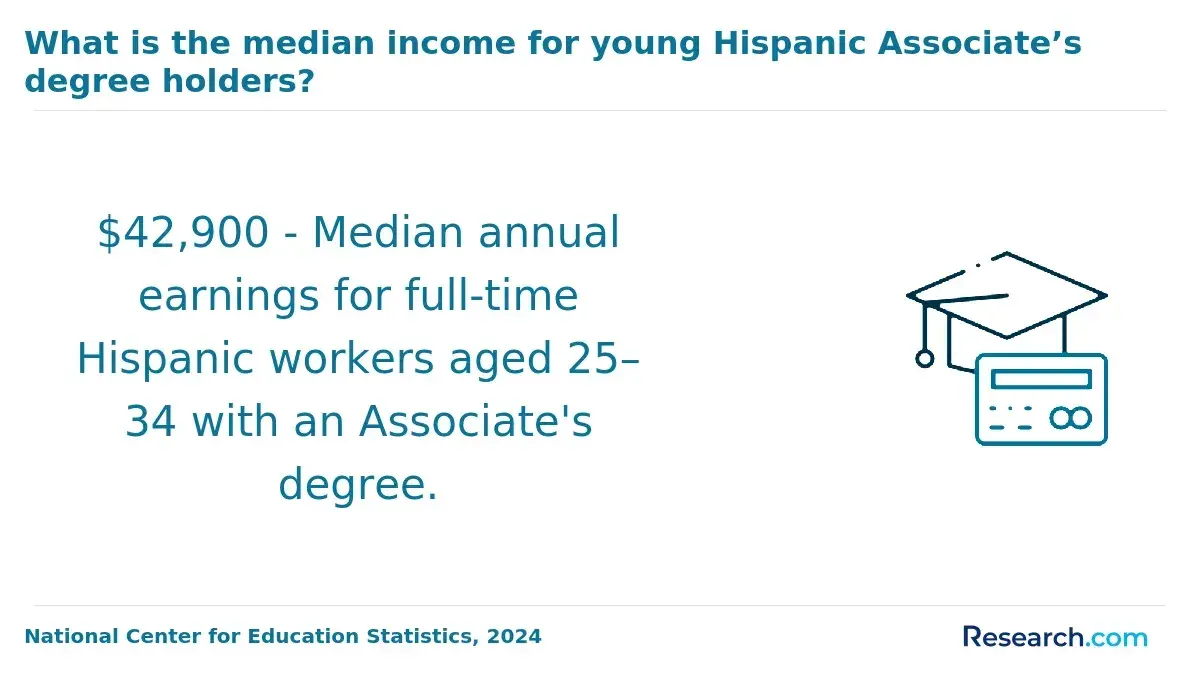
- Associate Degree: Often seen as entry-level training, this degree prepares graduates for supportive roles like camera assistants and technical crew. Practical skills are emphasized, but competition for these positions is intense and growth opportunities may be limited.
- Bachelor's Degree: The most typical credential for cinematography careers, combining theory, technical skills, and creativity. Graduates frequently secure roles such as cinematographer or camera operator. About 75% of bachelor's holders in related fields find employment within six months, highlighting a strong employment outlook for cinematography graduates by education level.
- Master's Degree: Provides specialization and positions graduates for senior creative or managerial roles like director of photography or film producer. This degree often boosts professional competitiveness by showcasing advanced expertise and leadership abilities. For those exploring advanced and affordable options, the cheapest mlis degree online programs can serve as a model for balancing quality and cost.
- Doctorate Degree: Rare in cinematography, this degree focuses on academic research or teaching and suits those pursuing university careers or high-level consulting. Direct film production employment is uncommon at this level but it enhances scholarly and technological contributions to the field.
Recognizing the skills most valued by employers is crucial for cinematography graduates to secure competitive positions and succeed professionally. These abilities form the foundation of on-set performance and creative contribution. The key competencies sought include:
- Technical Mastery: Proficiency with cameras, lighting setups, and editing tools is vital for delivering polished, visually appealing work. Familiarity with evolving technology ensures graduates can meet diverse production demands.
- Artistic Insight: A strong creative instinct helps in crafting visually engaging stories that resonate with audiences. This vision drives innovation and distinguishes projects from others in a crowded marketplace.
- Teamwork and Communication: Collaboration with directors, crew, and producers requires clear dialogue and interpersonal skills to translate artistic concepts into reality smoothly and efficiently.
- Flexibility: The film industry's fast-changing environment calls for adapting quickly to new workflows, equipment, and creative pivots, which enhances problem-solving during production.
- Detail Orientation: Attentiveness to framing, lighting precision, and continuity aids in maintaining high standards and seamless storytelling that professionals rely on.
When speaking to a recent cinematography graduate about employer expectations, he emphasized the importance of balancing technical and creative demands under pressure. "On one shoot, unexpected rain forced us to rethink lighting setups instantly," he recalled. "It wasn't just about knowing the gear but staying calm and working closely with the director to preserve the scene's mood." He also mentioned that strong communication helped avoid costly mistakes and kept the whole team aligned during tight schedules, illustrating how these skills translate into real-world challenges and successes.
Fluctuations in job demand significantly influence starting salaries, wage growth, and long-term earning potential for cinematography graduates. For instance, the U.S. Bureau of Labor Statistics projects a 12% employment growth for film and video editors and camera operators from 2022 to 2032, suggesting expanding opportunities and potential salary increases. The following points explain how these labor market changes affect graduates' earnings.
- Supply and Demand Balance: When demand for cinematographers rises, especially in growing sectors like film, television, and digital media, starting salaries increase as employers compete for limited talent. Conversely, an oversupply of qualified graduates during low demand periods can stagnate or reduce wages.
- Career Advancement Speed: High demand can accelerate promotions and salary hikes as companies aim to retain experienced professionals. In contrast, sluggish demand often slows career progression and wage growth, limiting financial growth over time.
- Technological Impact: Advancements in filming technology create new specialized roles, expanding the job market and boosting earning potential. Graduates skilled in the latest tools tend to benefit most from these shifts.
- Economic Cycles: Economic downturns often lead to reduced budgets for productions, restricting hiring and salary increases. This can temporarily depress market demand and slow income growth for cinematographers.
Advancements in artificial intelligence are transforming workforce demands within cinematography, with AI-related skills in creative sectors growing by over 15% recently. These developments are reshaping job functions and creating new employment dynamics for professionals in the field.
The main effects of AI on cinematography careers include:
- Automation of Routine Tasks: AI tools are streamlining workflows by handling repetitive processes like color grading and scene selection, reducing manual labor and speeding up post-production. This automation allows professionals to focus on higher-level creative work.
- Emergence of Specialized Roles: New positions are arising that require expertise in AI integration, virtual production, and real-time effects, expanding opportunities for those with hybrid technical and artistic skills.
- Evolving Skill Requirements: Cinematographers must now master AI-powered software alongside traditional camera techniques, emphasizing continuous learning to maintain relevancy and long-term job stability.
- Shifts in Hiring Patterns: Employers increasingly seek candidates who combine creative vision with technical proficiency in AI, fostering hybrid roles that balance artistry with technology.
When I spoke with a recent graduate of a cinematography degree program about how AI is affecting demand, she reflected on the initial challenges of adapting to AI-driven tools. "At first, it felt overwhelming to learn so much new software," she said, describing the steep learning curve. However, she soon realized the benefits: "Understanding the AI components gave me an edge, helping me land projects that required both creative insight and technical know-how." Her experience highlights how embracing AI can open doors to exciting, evolving roles in the industry.
Long-term career stability is essential for students and professionals evaluating cinematography as a career path because it influences their financial planning, ongoing education, and job security. Several factors contribute to whether a cinematography degree job stability in the United States remains strong over time.
- Long-Term Employment Trends: The film and media industries consistently demand skilled cinematographers due to ongoing production of movies, television shows, commercials, and digital content. This steady need helps support long-term career prospects for cinematography graduates.
- Industry Reliance on Cinematography Roles: Cinematographers are vital to visual storytelling, which is a central component in media, advertising, and entertainment sectors. This reliance provides a buffer against quick obsolescence, though professionals must stay current with emerging formats like virtual reality and streaming platforms to maintain relevance.
- Adaptability to Change: Advances in camera technology and software require cinematographers to continually update their skills. Economic fluctuations can affect production budgets and employment opportunities, so resilience and willingness to reskill are crucial for sustained career stability.
- Career Advancement and Reskilling: Expanding expertise beyond shooting, such as moving into directing, editing, or post-production, enhances marketability. Continuous learning is vital, especially when considering options such as fully funded edd programs online for those seeking to diversify their skills and improve long-term employment outcomes.
The job demand for cinematography degree graduates in the United States remains stable, reflecting average employment growth rates in film and video production industries. This field's hiring trends are consistent with broader labor market patterns, indicating moderate but not rapid expansion. While there are opportunities, competition is significant due to the specialized nature of the work. Individuals looking to enter this field should be aware that career openings often favor candidates with strong portfolios and relevant experience as much as formal education.
Educational attainment combined with practical skills is critical for those assessing the career opportunities and salary potential for cinematography degree holders. Higher degree levels and proficiency with contemporary filming technologies, such as digital cameras and editing software, significantly enhance employability. Networking, internships, and aligning skills with industry demands improve job prospects in a sector influenced by economic variability and technological shifts. Some students may consider pursuing 1 year master's programs to quickly build advanced competencies and better position themselves for freelance or contract roles common in this industry.
What Graduates Say About the Demand for Their Cinematography Degree
- Otto: "Pursuing a cinematography degree was one of the best decisions I've made for my creative career. Not only did it provide me with technical skills that translated directly to set work, but the return on investment was clear when I landed projects soon after graduating. This degree truly opened doors and shaped my professional identity. "
- Colsen: "Reflecting on my time studying cinematography, I realize how crucial the theoretical and practical blend was for my career growth. The degree demanded discipline and passion, and the career opportunities that followed justified every moment invested. It's a steady foundation that elevates your credibility in the industry. "
- Isaiah: "As a professional, I can confidently say that earning my cinematography degree transformed my approach to visual storytelling and enhanced my job prospects. The knowledge and networks gained made the degree an invaluable investment with measurable career returns. It accelerated my transition from an enthusiast to an industry expert. - "
Other Things You Should Know About Cinematography Degrees
Yes, many cinematographers work under unions or guilds, such as the International Cinematographers Guild in the U.S. These organizations set professional standards, provide collective bargaining, and offer access to exclusive job opportunities. Graduates should familiarize themselves with membership requirements and the benefits of joining industry unions.
Many cinematographers start their careers freelancing, which allows flexibility but may lead to income variability. Staff positions in studios or production companies are less common but often provide more stability and benefits. Understanding contract negotiation and networking is essential for success in freelance cinematography.
No, a union card is not legally required for every cinematography job, but many studio productions hire through unions such as IATSE Local 600, which represents camera professionals in the United States. Nonunion work is common in commercials, documentaries, and smaller independent productions.
- 17 In-Demand Film Industry Jobs to Watch in 2025 https://filmlocal.com/filmmaking/the-top-17-most-in-demand-film-industry-jobs/
- AI in Filmmaking: The Impact of Generative Content in Filmmaking - OAL | Leading law firm in nigeria https://oal.law/ai-in-filmmaking-the-impact-of-generative-content-in-filmmaking/
- Is Film School Worth It? The Truth About Filmmaking Careers https://www.insidetheedit.com/blog/is-film-school-worth-it
- AI in Filmmaking: Challenges, Opportunities, and the Human Touch - Celtx Blog https://blog.celtx.com/
- How To Build A Career As A Cinematographer — In Depth Cine https://www.indepthcine.com/videos/career
- Why Choose a Career in Film Making? Skills, Jobs & Future Opportunities https://indirauniversity.edu.in/blogs/why-choose-career-in-film-making
- Finding your place in the industry: exploring film career pathways https://www.metfilmschool.ac.uk/articles/blogs/finding-your-place-in-the-industry-exploring-film-career-pathways/
- What can you do with a film studies degree? | Blog | University of Essex https://www.essex.ac.uk/blog/posts/2024/03/18/what-can-i-do-with-a-film-studies-degree
- EditMentor - The Ultimate Guide to Careers in the Film Industry https://editmentor.com/blog/the-ultimate-guide-to-careers-in-the-film-industry/
- Pros and Cons of B.Sc. in Filmmaking https://www.seamedu.com/blog/Pros-and-cons-of-Filmmaking