2027 How Long Does It Take to Earn an Online Cinematography Degree?

Co-Founder and Chief Data Scientist
Online education offers unmatched convenience and flexibility, making it an attractive choice for aspiring filmmakers. According to the U.S. Bureau of Labor Statistics, employment of film and video editors is projected to grow 18% from 2022 to 2032, underscoring the demand for skilled cinematographers. Understanding how long does it take to earn an online cinematography degree is essential for planning your career path.
This article explores the average completion time for online cinematography programs, the key factors influencing program duration, and guidance on selecting the right length based on individual goals and schedules. It aims to help readers make informed, confident decisions about pursuing their degree.
Key Benefits of Online Cinematography Degree
- Many online cinematography degree programs can be completed in 2 to 4 years, matching the typical timeline of traditional on-campus degrees.
- Flexible scheduling allows students to balance coursework with work or personal commitments, often enabling accelerated completion through self-paced modules.
- Most programs require around 120 to 130 credit hours, providing a comprehensive curriculum that covers both technical skills and creative development within a standard undergraduate timeframe.
What is the Average Completion Time for Online Cinematography Programs?
Online cinematography programs typically take anywhere from several months to about four years to complete, depending on the degree level and program structure. To give a clearer picture of the average time to complete online cinematography degree options, the following bullet list breaks down typical durations by degree type.
- Certificate in cinematography: Most certificate programs can be completed in as little as 9 months when enrolled full-time, though part-time learners may take up to 3 years. These are ideal for those seeking foundational skills without the commitment of a full degree.
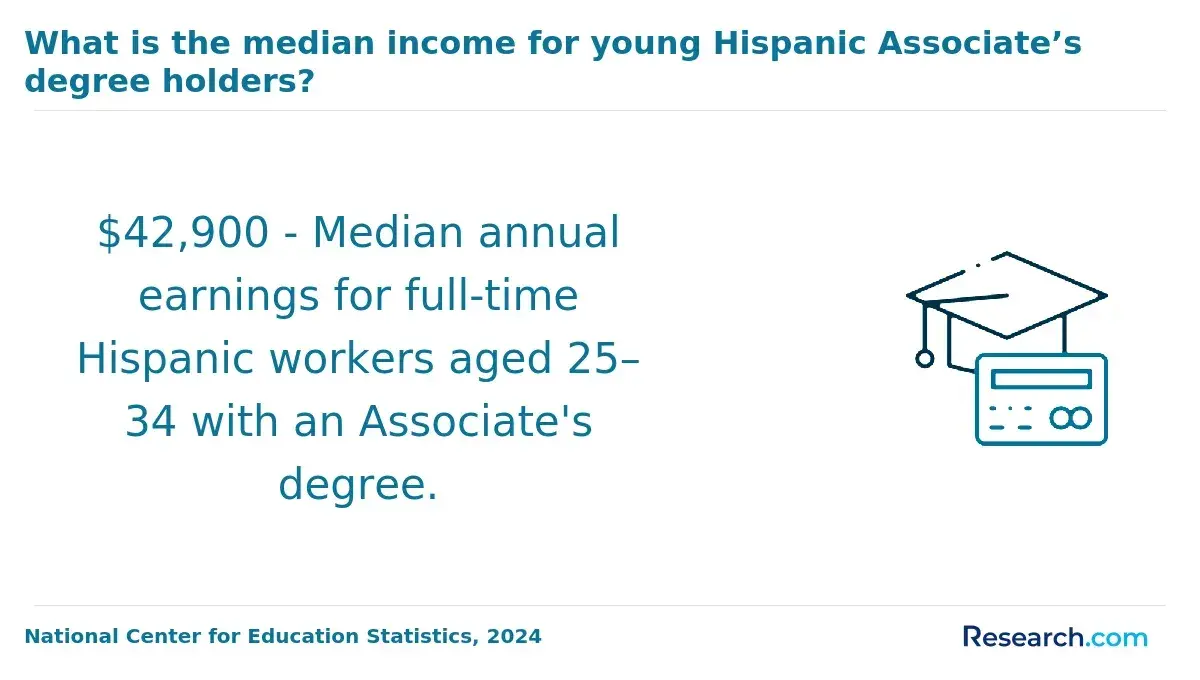
- Associate degree in cinematography or film: Associate degrees usually require about 2 years of full-time study. These programs balance general education with specialized film coursework, offering a comprehensive start suitable for entry-level positions or transfer to bachelor's programs. For insights into how fast you can get an associate's degree, many accelerated options are available online.
- Bachelor's degree in cinematography or digital filmmaking: Typically, a bachelor's degree takes between 3 to 4 years of full-time enrollment. Some accelerated programs allow completion in under 2.5 years with year-round study. This level includes detailed training in technical, creative, and theoretical aspects to prepare students for varied career paths.
- Master's degree (e.g., MFA) in cinematography or filmmaking: Online master's degrees generally take about 2 years full-time. These advanced programs focus on specialized expertise and creative development for professionals looking to deepen their skills and knowledge.
The actual time it takes can vary based on part-time vs. full-time enrollment, prior credits, and program design, so prospective students should consider these factors when estimating how long does an online cinematography program take to complete.
What Factors Can Affect How Long It Takes to Earn an Online Cinematography Degree?
Several key factors influence how long it takes to earn an online cinematography degree, shaping the overall program duration for each student. Understanding these variables can help prospective students set realistic timelines for completion.
Below are the main factors affecting online cinematography degree program duration, presented for clarity:
- Enrollment Status (Full-Time vs. Part-Time): Full-time students generally complete their degree in about four years, which aligns with traditional bachelor's timelines. Part-time enrollment, often chosen by those balancing work or family, typically extends the timeframe beyond four years.
- Accelerated Program Formats: Some programs offer courses in condensed formats such as 7- or 8-week sessions and allow year-round enrollment. Taking advantage of these accelerated schedules can help motivated students finish their degree sooner than the standard four years.
- Transfer Credits and Prior Learning: Students who transfer credits from previous college work or receive credit for professional experience can reduce their required coursework and shorten their degree completion time.
- Program Requirements and Credit Hours: Degree programs vary, typically requiring between 120 to 132 credit hours. Those with more credit demands or mandatory internships often take longer to graduate, especially if students do not maintain a full course load.
- Personal and Professional Commitments: Balancing jobs, family, or other responsibilities can slow a student's progress, extending how long it takes to complete the program despite the flexibility of online study.
- Course Availability and Scheduling: Limited course offerings or required sequences can delay completion if students have to wait for prerequisite or required classes to open.
For students considering how various factors affect online cinematography degree completion time, exploring colleges with open admissions may offer more flexible options suited to their individual pace and circumstances.
What Are the Different Types of Online Cinematography Programs Available?
Students interested in pursuing online cinematography programs have a variety of options designed to meet different creative interests and career objectives. These programs range from comprehensive degrees to short-term skill-building courses, each offering unique formats and specializations to fit diverse learner needs.
Below are the main types of online cinematography programs you can consider:
- Bachelor's Degree in Digital Cinematography or Filmmaking: These undergraduate programs cover fundamental aspects of cinematography, directing, and production, teaching skills like camera operation, lighting, and editing. They typically involve hands-on projects and are ideal for those aiming for entry-level positions or a broad foundation in film.
- Graduate Degrees and Certificates: Available as master's programs or certificates, these focus on advanced creative leadership, digital arts, or producing. They are designed for professionals seeking career advancement or specialization in higher-level film industry roles.
- Specialized Short Courses and Workshops: These targeted, hands-on classes concentrate on specific technical skills such as visual effects or digital production design. Suitable for working professionals or learners wanting focused training without committing to a full degree.
- Portfolio-Based and Project-Driven Programs: Emphasizing experiential learning, these programs help students build a professional portfolio alongside theoretical coursework, preparing them for direct entry into production or freelance work.
- Hybrid and Flexible Online Formats: Combining synchronous and asynchronous coursework with optional on-site classes, these flexible formats accommodate students balancing education with other commitments while maintaining access to instructors and peers.
The number of credit hours required to complete an online cinematography degree varies by the level of education pursued, typically aligning with standard credit hour expectations found in traditional on-campus programs.
To help you better understand how credit requirements differ across degree levels, here is an overview of typical credit hour ranges and factors that influence completion times for online cinematography studies.
- Associate Degree: Usually requires about 60 to 65 credit hours. Full-time students typically finish in around two years, but part-time learners may take up to four years. Some programs accept transfer credits, which can shorten the overall time needed.
- Bachelor's Degree: Generally demands approximately 120 credit hours. Full-time study can be completed in four years, though part-time students might extend beyond this timeframe. Flexible or accelerated formats offered by some schools can affect pacing, and transfer credits may reduce the total credits required.
- Master's Degree: Requires roughly 30 to 60 credit hours depending on program structure, including thesis or capstone demands. Full-time students may complete their degree in one to two years, while part-time paths can last up to three years. Foundational courses might be required if your bachelor's is in a different field.
- Doctoral Degree: Rare for cinematography specifically, but film studies or media arts doctorates focusing on cinematography usually need 60 or more post-bachelor's credit hours. Completion timelines vary widely due to dissertation and research commitments and study pace.
A graduate of an online cinematography degree shared with me how balancing work, family, and rigorous coursework required strong commitment and excellent time management. They recalled late nights editing projects and mastering lighting techniques through asynchronous modules, which allowed them to learn flexibly but demanded discipline.
Despite the challenges, the opportunity to immediately apply concepts on personal film projects kept their motivation high and made the extensive credit requirements feel worthwhile in building a professional skill set.
A standard online cinematography curriculum provides students with both artistic and technical skills essential for visual storytelling in the film and media industry. To give you an idea of what to expect, here is a list highlighting core and specialized courses commonly offered in these programs.
- Introduction to cinematography: Students learn the essential functions of digital cameras and foundational concepts such as framing, composition, and shot planning through film analysis and practical assignments. This course prepares students for entry-level roles like camera operators or assistants by building their ability to enhance narrative impact visually.
- Lighting techniques: This course covers lighting principles for film and video, including natural and artificial setups, color temperature, and mood creation. Mastering lighting skills is crucial for aspiring cinematographers, gaffers, or lighting technicians, as it helps shape the on-screen atmosphere and supports the director's vision.
- Digital production design: Students explore digital asset creation, storyboarding, and pre-visualization using industry-standard software like Photoshop. These skills are important for careers in production design, art direction, and shoot coordination.
- Visual effects (VFX): This course teaches the integration of post-production tools such as Adobe After Effects to enhance storytelling through compositing and digital effects. Knowledge in VFX prepares students for roles in post-production, VFX coordination, or editing.
- Film and media studies: Focusing on the cultural, historical, and economic context of film and media, this subject sharpens critical analysis skills. It supports career paths in criticism, curation, or advanced academic research.
- Screenwriting and storytelling: Students learn narrative structure, script formatting, and character development, laying the foundation for effective visual storytelling and collaborative content creation in production teams.
- Editing and post-production: Covering non-linear editing, sound design, and color correction, this course readies students for post-production careers such as editors and media managers.
- Production management and business of film: This course provides practical knowledge in budgeting, scheduling, and legal aspects, essential for future producers, production managers, and film business professionals.
Online cinematography programs frequently offer multiple start dates throughout the year, providing significant flexibility that helps students begin their studies according to their personal and professional schedules. This flexibility is especially valuable for working adults and those who prefer nontraditional academic pathways.
Below is a summary of the most common start schedules for online cinematography programs:
- Traditional Academic Calendar: Many institutions align their online cinematography programs with the standard academic calendar, offering start dates in the fall (August/September), spring (January), and sometimes summer (May/June). This schedule benefits students who favor a structured timeline and often aligns well with financial aid and scholarship opportunities.
- Multiple Annual Cohorts: Some programs, including the New York Film Academy, provide two or more fixed start dates per year, typically in January and September. This approach offers more flexibility than traditional schedules and suits students who want to plan their education in advance without waiting an entire year to start.
- Monthly or Frequent Starts: Certain online schools, like Full Sail University, offer cohort start dates every month or every few weeks, such as in November, January, February, and March. This model allows students to begin their studies almost immediately after enrolling, ideal for those eager to accelerate their careers or with unpredictable schedules.
- Rolling Admissions/Self-Paced: Some institutions, for example, Academy of Art University, feature rolling admissions that let students start nearly anytime and progress through coursework at their own pace. This highly flexible system works best for independent learners, working professionals, or individuals managing multiple commitments.
Accelerated online cinematography programs significantly reduce the time needed to earn a degree compared to traditional four-year campus or standard online formats by offering more flexible and intensive learning options. These programs streamline course scheduling and credit accumulation, allowing students to move through their studies efficiently.
Below are the common features that enable students to graduate faster in accelerated online cinematography programs.
- Shorter Course Terms: These programs break the academic year into shorter sessions, such as 8- or 10-week terms instead of the typical 16-week semesters. This setup enables students to complete more courses within the same calendar year, speeding up credit acquisition.
- Year-Round Enrollment: Students can enroll multiple times annually, with new cohorts starting every month or term. This eliminates waiting periods for traditional semester start dates, allowing students to begin and finish their degrees on their own schedule.
- Increased Course Load: Motivated students are often allowed or encouraged to take more courses simultaneously, accelerating their progress if they can manage the workload effectively.
- Transfer Credits: Prior college coursework can often be applied toward degree requirements, decreasing the total number of classes needed to graduate and shortening the timeframe accordingly.
- Competency-Based Learning: Some schools let students advance by demonstrating mastery rather than time spent in class. This benefits those with experience or self-discipline who can move quickly through familiar material.
One graduate of an online accelerated cinematography degree recounted the intense yet rewarding experience of balancing full-time work with back-to-back 8-week classes. They emphasized how challenging it was to maintain motivation during the compressed schedule but found the frequent start dates and ability to test out of certain modules invaluable.
The fast pace kept them engaged but required disciplined time management and resilience. Ultimately, their persistence paid off as they completed the degree in just under two years, a fraction of the time traditional programs demand, and felt well-prepared to jump directly into the industry.
Completing an online cinematography degree faster can indeed reduce the overall cost of education, making it a financially smart choice for many students. Accelerated programs help lower expenses in multiple areas, offering tangible savings that benefit students both during their studies and after graduation.
The following points highlight the main ways finishing early can help save money by graduating early in online film program:
- Lower Tuition Costs: Many online cinematography programs base tuition on the number of credits or terms completed. By finishing your degree in fewer terms, you pay less overall tuition and related fees. For example, cutting one year from a four-year program could reduce tuition by up to 25%, which significantly lowers the cost of accelerated online cinematography degree.
- Reduced Living Expenses: While online study often means reduced living costs compared to on-campus programs, housing, food, and personal expenses still accumulate over time. Shortening your program means fewer months or years of these ongoing costs, leading to considerable savings especially for out-of-state students.
- Earlier Entry Into the Workforce: Graduating earlier allows you to start working and earning income sooner. Since the median salary for film graduates six years after finishing is around $33,900, gaining a year's head start can make a meaningful difference in total lifetime earnings.
- Less Time Off Work: Many students balance their studies with part-time or freelance jobs, and accelerated completion reduces the period during which work hours need to be limited. This helps minimize lost income and supports a stronger financial foundation during your education.
Before deciding on an accelerated path, consider if you can manage a heavier course load alongside your personal and professional life. For those seeking even more flexible options related to graduate studies in film or related fields, exploring no dissertation doctorate programs might be worthwhile.
Graduates with an online cinematography degree can often start working soon after finishing their program. The typical time frame between graduation and employment varies widely, influenced by factors such as job demand, geographic location, and the graduate's portfolio or professional network. Many entry-level cinematography jobs after online degree programs do not require prior full-time experience, though having internships or demo reels can speed up the hiring process.
Median wages for roles like film editors and camera operators are competitive, and with a steady 3% job growth projected, opportunities exist but depend heavily on how actively graduates pursue their networks. Those with relevant work experience or strong industry contacts tend to land jobs faster compared to those who are new to the field.
Online cinematography programs are designed to help students gain real-world skills while studying, allowing them to work part-time, freelance, or complete internships. This hands-on experience and the chance to build a professional network can significantly influence how fast can you work after online cinematography program completion.
Many programs encourage collaboration on film projects, which simulates industry environments and enhances portfolios. Taking advantage of these opportunities often leads to smoother transitions into full-time roles, with some students securing jobs before or immediately after graduation.
For those exploring options, reviewing the best accredited online schools can help find programs that balance flexibility with practical career preparation.
Online cinematography graduates in the United States typically earn between $46,000 and $140,500 annually, depending on their job role, experience level, and location. Understanding the cinematography degree salary range by experience level and career path can help set realistic expectations for earnings.
Below is a breakdown of common career stages and their respective average salary ranges.
- Entry-Level Roles: Recent graduates or those with less than one year of experience can expect salaries between $39,222 and $46,000. These positions often include assistant camera operators or junior editors, with pay influenced by region and project budgets. Career growth depends on building skills and industry networking.
- Mid-Career Professionals: Individuals with 4-6 years of experience, such as camera operators or seasoned cinematographers, typically earn between $68,810 and $79,000. Advancement comes from technical expertise and work on higher-profile productions, especially in major cities.
- Specialized Positions: Experts in areas like color grading or lighting design see salaries from $58,655 to $97,000. Certifications and mastery of software like Adobe Premiere or After Effects can boost earning potential significantly.
- Leadership Roles: Senior cinematographers and directors of photography can command between $118,500 and $140,500, with top earners exceeding this range. These roles require extensive experience, artistic vision, and leadership skills.
- Industry Variations: Freelancers and those in corporate or pharmaceutical sectors may see pay ranging from $85,000 to $186,000, depending on project scope and employer. For cost-conscious students, exploring cheap online colleges for working adults can help reduce upfront expenses while entering a lucrative field.
Here's What Graduates of Online Cinematography Programs Have to Say About Their Degree
- Charlie: "Completing my online cinematography degree was a transformative experience that allowed me to balance family life and my passion for filmmaking. The flexibility of the program meant I could learn at my own pace while still gaining hands-on skills through innovative virtual projects. Since graduating, I've secured a role at a major advertising agency, where I get to bring stories to life visually every day. This degree truly opened doors I never thought possible."
- Rayden: "As someone who always dreamed of telling compelling visual stories but couldn't relocate for school, the online cinematography program was an ideal path. The courses challenged me creatively and technically, especially through peer collaborations and personalized feedback. I now work freelance directing and shooting music videos, and the confidence and professional network I built during the program have been invaluable. It wasn't just education-it was a powerful launchpad for my career."
- Emmy: "Reflecting on my time earning an online cinematography degree, I'm proud of the personal growth it inspired. Navigating the challenges of remote learning expanded my discipline and adaptability, while group projects helped me develop meaningful connections and leadership skills. Beyond advancing my filmmaking craft, this journey deepened my desire to mentor young creatives, investing back into the community that supported me. This degree was more than just career preparation-it shaped who I am today."
Other Things You Should Know About Online Cinematography Degree Programs
In 2027, an online cinematography degree typically takes about 2 to 4 years to complete. The exact duration depends on whether you enroll full-time or part-time and if any accelerated options are available, which can shorten the timeline.
In 2027, typical prerequisites for enrolling in an online cinematography degree program include a high school diploma or GED, a portfolio showcasing creative potential, and sometimes basic knowledge of film or photography. Some programs may also require proficiency in digital tools and software relevant to filmmaking.
In 2027, online cinematography programs often incorporate virtual labs, interactive assignments, and collaboration with industry professionals to provide hands-on experiences. Some programs may also offer partnerships with local studios for in-person practice, ensuring students gain practical and theoretical skills.
Yes. Most online cinematography programs end with a portfolio, showreel, or capstone film that demonstrates camera operation, lighting, composition, and postproduction skills. Schools usually review this final work before awarding the degree, and some programs require a minimum grade of C or higher in the capstone course.
- Transfer Students | Undergraduate Admissions https://www.artcenter.edu/admissions/undergraduate-admissions/transfer-students.html
- Motion Picture Arts Undergraduate Programs https://registrar.fsu.edu/bulletin/undergraduate-departments/motion-picture-arts
- Why Filmmakers Are Choosing Digital Over Film: A Growing Trend in Modern Cinema https://mediatech.edu/why-filmmakers-are-choosing-digital-over-film/
- Digital Filmmaking Online – The Los Angeles Film School https://www.lafilm.edu/programs/digital-filmmaking-online/
- Top Cinematography Courses Online - Updated [October 2025] https://www.udemy.com/topic/cinematography/
- How To Build A Career As A Cinematographer — In Depth Cine https://www.indepthcine.com/videos/career