
2027 Is an International Relations Degree Better Than Experience Alone? Salary, Hiring, and Career Growth Compared

Co-Founder and Chief Data Scientist
In the highly specialized field of International Relations, degree holders often face distinct advantages over those relying solely on experience and self-teaching. While hands-on experience provides practical insights, 68% of hiring managers surveyed in 2025 reported a clear preference for candidates with formal International Relations degrees when considering salary offers and career advancement. Entering this industry without a degree remains challenging, as core roles demand foundational knowledge typically gained through academic study. This divide raises questions for aspiring professionals about the true value of a degree versus on-the-job experience.
This article analyzes salary differences, hiring trends, and growth prospects to guide informed career decisions in International Relations.
Key Points About Having International Relations Degrees vs Experience Alone
- Degree holders generally earn 15% higher starting salaries in international relations roles compared to non-degree professionals relying on experience.
- Employers prioritize academic credentials for analyst and diplomatic positions, limiting opportunities for those without formal international relations education.
- Promotion rates to leadership roles are 20% higher among degree holders, reflecting the value placed on specialized knowledge and networking from degree programs.
What technical proficiencies can you gain from having International Relations degrees vs self-teaching?
Professionals pursuing international relations degrees receive structured training in foundational principles and practical applications that are often difficult to replicate through experience alone. While hands-on roles can provide valuable insights, formal education typically delivers a more systematic and comprehensive learning approach. Below are key technical proficiencies where degree programs particularly excel compared to self-taught or experiential learning.
- Advanced research methodologies: Degree programs provide extensive instruction in quantitative and qualitative techniques essential for analyzing political and global data. Self-directed learners may gain basic research skills, but lack the depth of academic rigor that formal training ensures.
- Geographic information systems (GIS) and data visualization: Students in structured programs receive guided practice with GIS tools critical for mapping international trends and conflict areas, whereas on-the-job learning often involves limited or informal exposure.
- International law frameworks: Courses in degree curricula systematically cover treaties, conventions, and diplomatic protocols, enabling effective interpretation. In contrast, gaining this expertise through experience alone can be slow and less comprehensive.
- Negotiation and diplomacy simulations: Immersive role-playing exercises embedded in programs build nuanced intercultural communication skills, which are hard to replicate without formal facilitation or coursework.
- Language and cultural competence: Language training combined with cultural studies within degree programs fosters proficiency and cultural awareness not easily developed through independent study or workplace interactions alone.
These technical skills gained from international relations degrees complement practical experience and are distinctly valued by employers. A 2025 survey by the Global Policy Institute found that 68% of international organizations preferred candidates with formal international relations education, especially for their expertise in research methods and legal frameworks. For those considering advanced study options, exploring online PhD programs offers flexibility in further developing these competencies.
Ultimately, assessing international relations self-taught vs degree competencies reveals that formal education delivers a structured foundation difficult to fully acquire through experiential learning alone.
Are there certifications or licenses that only International Relations degree holders can obtain?
Continuing education and additional credentials remain valuable assets, especially as more employers emphasize skills-based hiring. For those pursuing a career in international relations, certain certifications and licenses specifically require holding a formal degree. Below are some key credentials that illustrate this requirement.
- Certified Global Professional (CGP): This certification demonstrates expertise in global business, diplomacy, and intercultural communication. Obtaining the CGP typically requires a bachelor's degree in international relations or a closely related discipline, along with passing a comprehensive exam, making it exclusive to degree holders.
- Foreign Service Officer (FSO) qualification: Vital for diplomatic careers, this qualification demands an international relations degree or equivalent. Candidates must pass rigorous written and oral exams that assess diplomatic skills and policy knowledge, positioning degree holders for greater advancement in foreign affairs departments.
- International Affairs Certificate (IAC): Offered by universities and professional bodies, this certificate confirms advanced knowledge in global policy, security, and economic relations. Although some programs allow related backgrounds, an international relations degree is the most straightforward way to meet eligibility requirements. Employers in think tanks and NGOs often prefer this credential for senior roles.
Certain certifications exclusive to international relations degree holders reinforce the value of structured education alongside experience. Industry research shows that employers often prioritize formal degrees combined with such certifications over experience alone, especially for mid- to senior-level positions. This trend highlights how licensed credentials for international relations graduates can enhance career growth prospects.
For students weighing their options, combining a degree with targeted certifications aligns well with career goals in this field. Considering that international relations is among the 4 year degrees that pay well, pursuing these credentials can be a strategic investment in long-term success.
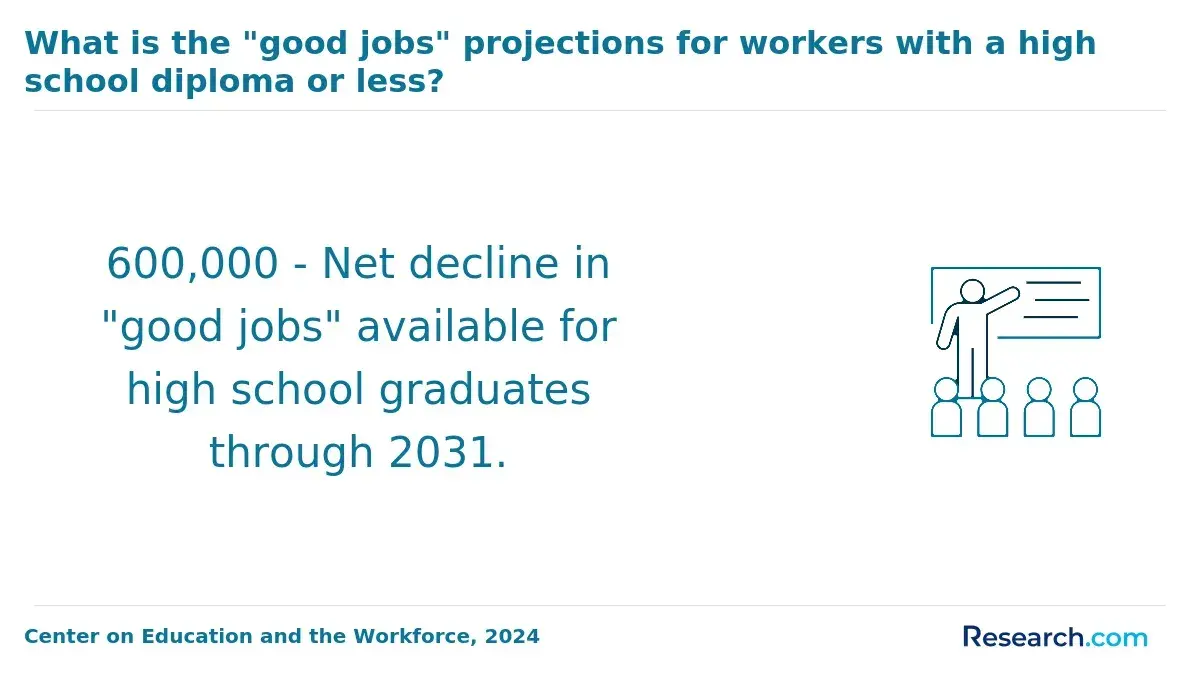
Will a degree in International Relations make you more employable?
Graduates with a degree in international relations generally have a stronger position in the job market compared to those without formal credentials. Employers in government, NGOs, and multinational organizations tend to prefer candidates with relevant academic backgrounds, especially for entry-level roles. While experience remains valuable, many hiring managers recognize the comprehensive training and analytical skills that a degree in international relations delivers.
This edge comes from education that covers geopolitical dynamics, policy development, and diplomatic practices, which are difficult to gain solely through experience. However, certain segments of the field emphasize practical skills, such as language fluency or technical expertise, which can sometimes outweigh formal qualifications. Many successful professionals blend both academic achievement and hands-on experience, including internships, to strengthen their profiles.
Ultimately, whether pursuing a degree or focusing on skill-building depends on individual career aspirations and the specific demands of the sector they wish to enter. For some, a degree opens doors and provides essential networking, while others may find targeted experience sufficient for their goals.
In a recent conversation with a professional who completed an online international relations bachelor's program, he shared his perspective on employability. He described the experience as challenging but rewarding, explaining that juggling coursework with part-time work required careful time management and persistence. "At first, I wasn't sure if the degree would matter much, but I realized the critical thinking and research skills gained set me apart in interviews," he said. He also valued the connections built through his school's virtual events, noting that "those networking opportunities led directly to internship offers." His journey illustrated how combining formal education with proactive engagement can enhance job prospects.
Some careers in international relations strictly require candidates to have a formal degree due to the specialized knowledge and analytical skills necessary. Other roles may prioritize proven skills and job-readiness, occasionally considering work experience or self-teaching as valuable, but often in more limited capacities. Below are examples of careers where holding an international relations degree typically opens more and better opportunities.
- Foreign Service Officer: Representing a country's interests abroad in embassies and consulates, foreign service officers manage complex political, economic, and cultural relations. This career usually mandates an international relations degree because of the deep understanding required in global affairs and diplomatic protocols.
- Policy Analyst: These professionals research and evaluate international policies for think tanks, government agencies, or private organizations. Their ability to interpret geopolitical trends and provide sound recommendations relies heavily on a formal international relations education.
- Intelligence Analyst: Working within defense or security agencies, intelligence analysts assess global threats to inform national security. Though experience in military or security fields is helpful, an international relations degree is highly relevant for acquiring necessary analytical and international contextual skills.
- International Development Specialist: Specialists in this field design and implement projects focused on humanitarian aid and sustainable growth. A degree provides essential knowledge of international economic systems and political structures, which is critical when working with varied stakeholders in complex frameworks.
- Diplomatic Service Professional: These professionals negotiate international treaties, trade agreements, or cultural exchanges. Because their roles demand a comprehensive understanding of international law and relations, formal study is almost always required alongside negotiation expertise.
Individuals with an international relations degree benefit significantly; a 2025 employment survey shows they have a 35% higher chance of securing stable mid- to senior-level roles in international organizations compared to those relying solely on experience and self-teaching. The degree is particularly valuable for access to some of the highest paying jobs for international relations graduates and competitive career options in the US.
For students exploring training alternatives, combining formal education with skills development remains a strong approach. For example, supplementing an international relations education with practical skills like bookkeeping can be beneficial, and resources such as the best bookkeeping certification online offer accessible ways to expand career readiness beyond traditional paths.
Degree holders in international relations benefit from structured networking channels such as alumni networks, faculty connections, and school-facilitated internships. These resources often provide a smoother entry into the referral-driven job market common in this field. In contrast, those without degrees usually rely more on personal initiative, building contacts through volunteering, online communities, and social media, which can be slower and less direct.
Networking assets differ between the two groups. Students in international relations programs often access mentorship from alumni, faculty guidance, and opportunities to engage in research or attend global conferences sponsored by their institutions. Those without formal education in the field typically must depend on immediate professional circles, current employers, or grassroots networks developed independently.
Networking plays a crucial role in careers related to international relations, where personal connections frequently influence hiring decisions and career advancement. While experience alone can open doors, the degree-related networks provide significant advantages, making it easier to access key opportunities and industry insiders that drive success in this sector.
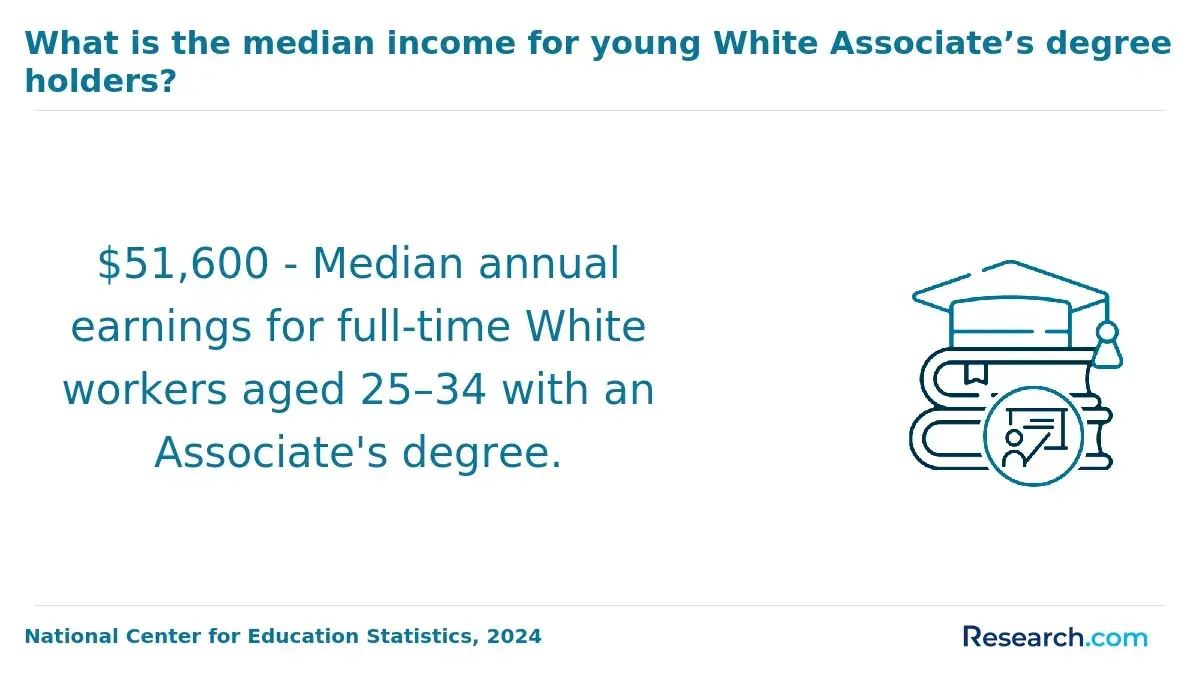
Holding a degree can increase eligibility for certain positions in the international relations field, especially those requiring leadership or specialized expertise. This often translates into better promotion prospects within organizations. Several factors contribute to why a degree may enhance career advancement opportunities.
- Specialized Knowledge: Degree programs provide in-depth understanding of global politics, diplomacy, and economic systems, equipping graduates with analytical tools to navigate complex international challenges effectively.
- Professional Networks: Studying often grants access to internships and industry connections that open doors to key opportunities and mentorship, which are valuable in climbing career ladders.
- Employer Recognition: A formal education signals dedication and a foundation in strategic thinking, qualities that many employers prioritize when considering candidates for senior roles.
While extensive experience and proven leadership can still lead to advancement without a degree, the path typically requires overcoming additional hurdles in industries where academic credentials remain highly regarded.
Professionals with an international relations degree typically earn about 20% more in entry-level positions such as foreign affairs analyst or policy advisor compared to those relying solely on experience and self-learning. Over time, this salary gap tends to reduce as non-degree holders gain practical expertise and advance into senior roles like diplomatic service or international consultancy. However, degree holders usually have earlier access to higher-paying opportunities due to formal education, recognized credentials, and professional networks, which contribute to a better income outlook, especially in the early and mid-career stages. Although both pathways can eventually reach comparable earning ceilings, those without degrees may face slower salary growth or hit income plateaus in some specialized areas.
Non-degree professionals can enhance their income potential by acquiring advanced qualifications, language skills, and relevant certifications. Constantly upgrading skills is crucial for becoming indispensable, especially during organizational changes caused by economic downturns.
For those interested in a related field, exploring a masters in game design may offer alternative career paths with growing opportunities.
The average tuition cost for an international relations degree ranges from $30,000 to $60,000, depending on the institution and program length. Typically, graduates begin to see a return on investment within 5 to 7 years after entering the workforce. This timeline reflects median starting salaries near $50,000 and steady income growth in diplomatic, governmental, or NGO roles. While the upfront cost can be significant, the potential to out-earn peers relying solely on experience and self-teaching by approximately 15% over a decade demonstrates the degree's earning advantage.
Financial aid and scholarships targeted at international relations programs can substantially reduce the initial financial burden. Students can maximize their ROI by accelerating their degree through summer courses, transferring credits, and gaining practical experience via internships or study-abroad opportunities. Investing in formal education offers not only structured learning but also valuable networking channels, which often contribute to enhanced long-term career prospects. Ultimately, the combination of these factors helps justify the cost of tuition and potential student debt over time.
In today's job market, international relations professionals face an evolving landscape where AI and automation primarily impact repetitive, data-focused roles. However, careers in international relations often rely on complex problem-solving, cross-cultural communication, and strategic policy development-areas that remain challenging to automate. Economic fluctuations continue to test job security, but evidence suggests that those with formal degrees maintain steadier employment compared to those without. One labor study found that nearly 70% of international relations graduates kept stable jobs amid economic challenges, outperforming non-degree holders significantly.
Holding a degree in international relations equips individuals with a blend of critical thinking, technological skills, and multidisciplinary knowledge, making them more adaptable to new tools and shifting market demands. These programs often incorporate emerging fields like cyber diplomacy and international analytics, which non-degree professionals may not encounter, limiting their mobility during downturns. Furthermore, degree programs provide access to valuable networks and internships, enhancing career resilience in volatile environments.
Asked about his experience, a professional who completed an online international relations bachelor's program shared how the degree helped him stay relevant. He noted, "During the recession, I saw many colleagues without formal education struggle with layoffs, while my training in data interpretation and policy analysis made me indispensable." He found the transition to working alongside AI tools smoother because of his coursework, adding that continuous learning through his program boosted his confidence in facing industry shifts without fear of displacement.
What Graduates Say About Their International Relations Degrees
- August: "Having an international relations degree truly gave me a competitive edge in the job market. The interdisciplinary approach prepared me to analyze global issues critically and communicate effectively across cultures, which employers value immensely. This foundation not only helped me land a role with a leading NGO but also accelerated my promotion trajectory within just a few years."
- Noah: "Reflecting on my career, the practical skills I gained from studying international relations were indispensable. It equipped me with a nuanced understanding of diplomacy and geopolitical dynamics, making me job-ready in ways I hadn't anticipated. The degree has positively influenced my salary prospects and opened doors in sectors I might not have considered otherwise."
- Julianne: "My international relations degree laid a strong groundwork that I continue to build on professionally. The rigorous training in policy analysis and cross-cultural negotiation boosted my confidence and professionalism. Thanks to this background, I've seen tangible benefits in both my career advancement and the breadth of opportunities that come my way."
Other Things You Should Know About International Relations Degrees
Experience can provide practical skills and industry insights that a degree may not offer. However, many employers in international relations still value formal education for foundational knowledge and credibility. Without a degree, professionals might face limitations in accessing certain roles that require academic qualifications.
Employers often see degrees as indicators of a candidate's commitment and structured understanding of complex global issues. While self-taught professionals can demonstrate valuable skills, degrees usually signal a baseline of theoretical knowledge and analytical abilities that are critical for policy-related and diplomatic positions.
Most universities require a 2.0 to 2.5 GPA for admission to the major, while competitive graduate programs often ask for a 3.0 GPA or higher. Many schools also expect 30 to 60 credit hours of lower-division coursework before students can declare the major.
In 2027, employers often see an international relations degree as providing foundational knowledge and analytical skills, whereas practical experience is valued for real-world application and problem-solving. The combination is typically viewed as the most advantageous, as each brings unique competencies to the workplace.
- 10 Highest Paying International Relations Jobs 2025 (Inc Salaries) | Nexford University https://www.nexford.edu/insights/highest-paying-international-relations-jobs
- International Affairs Major Builds Skills, Networks and Shapes a Career Pathway via Powerful Research-Based Internship Project https://resources.twc.edu/articles/international-affairs-major-builds-skills-networks-and-shapes-a-career-pathway-via-powerful-research-based-internship-project
- The rise of artificial intelligence can make college degrees 'out of date': Upskill in AI or fall behind, says expert https://www.cnbc.com/2025/06/11/report-the-rise-of-ai-can-make-college-degrees-out-of-date.html
- Diplomas and Certificates - Multilateral Diplomacy https://unitar.org/sustainable-development-goals/multilateral-diplomacy/our-portfolio/diplomas-and-certificates-multilateral-diplomacy
- careers24 https://www.careers24.com/
- Networking in the field of IR — it always pays off https://www.whatdiplomatsdo.com/post/the-art-of-networking-in-the-field-of-ir-and-why-it-always-pays-off
- Find your dream job | Sii Poland https://sii.pl/en/job-ads/
- Top 6 benefits of studying international relations https://www.rhulisc.com/blog/benefits-of-studying-international-relations
- ROI of a Degree in International Relations https://www.isthisdegreeuseless.com/blogs/how-to-assess-the-roi-of-a-degree-in-international-relations
- Should you pursue an MA degree in International Relations? — EA Forum https://forum.effectivealtruism.org/posts/ZevseWfzdkXgy7hW3/should-you-pursue-an-ma-degree-in-international-relations


