
2027 International Relations Degree vs Bootcamp vs Certificate: Which Path Leads to Better Career Outcomes?

Co-Founder and Chief Data Scientist
Choosing between an international relations degree, a bootcamp, or a certificate can challenge career hopefuls-each promises distinct advantages, yet outcomes vary widely. Salary data reveals that degree holders earn an average 20% higher annual income compared to certificate completers, while bootcamp graduates often report faster job placements but lower long-term growth. Employers in foreign service and policy sectors typically favor degrees, valuing deep academic grounding and networking access. Yet, bootcamps attract those seeking skill-specific training with quicker return on investment. This article analyzes these pathways-examining salary, employer preferences, job placement rates, networking, and career growth-to guide informed decisions for diverse learners.
Key Things to Know About Which Path Leads to Better Career Outcomes: International Relations Degree, Bootcamp, or Certificate
- International Relations degrees typically lead to higher starting salaries-averaging 15% more-and greater employer preference for leadership and policy roles compared to bootcamps or certificates.
- Bootcamps offer faster job placement rates and strong networking within specialized sectors but often lack the long-term career growth potential of a formal degree.
- Certificates provide a cost-effective return on investment for working professionals seeking skill enhancements-ideal for those balancing part-time study with ongoing careers.
How Does International Relations Degree Compare to Bootcamps and Certificates in Total Program Cost and Time to Completion?
Prospective students must weigh a clear choice when pursuing a career in international relations today, between a multi-year degree program and faster, more affordable alternatives such as bootcamps or professional certificates. Neither path is inherently better for every learner, as each offers distinct advantages in time commitment and financial investment. Understanding these differences is crucial for making an informed decision.
A traditional international relations degree-commonly a bachelor's or associate's-typically requires two to four years of full-time study, covering broad theoretical and practical aspects of global politics, economics, and diplomacy. According to the National Center for Education Statistics (NCES), public four-year institutions average about $10,000 per year in tuition for in-state students, while private colleges often exceed $35,000 annually. Part-time degrees extend the timeline but tend to have comparable overall costs. This time and expense comparison of international relations certificates and degrees highlights the degree's substantial long-term investment.
Bootcamps present a more concentrated alternative, lasting roughly 8 to 26 weeks. They deliver focused, career-oriented training in specialized areas such as data analysis, digital diplomacy, or policy research. Costs vary widely, from $5,000 to $20,000-based on length and format, with some bootcamps offering income-share agreements. Bootcamp review aggregators like SwitchUp and Course Report provide comprehensive data on these programs, allowing comparison against degrees and certificates.
Professional certificates provide the most flexible and affordable option, often self-paced or instructor-led through platforms like Coursera, Google, or industry bodies. These programs range from several weeks to months and cost from a few hundred to a few thousand dollars, making them accessible for working professionals. Certificates serve learners seeking quicker skills acquisition without the resource demands of longer programs.
While cost and duration create a baseline for comparison-especially in the international relations degree vs bootcamp cost and duration debate-they do not fully capture each pathway's value. Factors such as employer recognition, career progression, job placement rates, networking opportunities, and long-term return on investment are equally critical. Exploring these dimensions alongside cost will better help learners determine the best route for their career goals. For those considering a one-year concentrated study, exploring 1 year master's programs can also provide efficient alternatives within traditional degree structures.
What Career Outcomes Can International Relations Degree Graduates Expect Compared to Bootcamp and Certificate Completers?
Graduates holding an international relations degree typically see career outcomes characterized by higher median starting salaries and broader job title levels upon initial employment compared to those completing bootcamps or professional certificates. According to Bureau of Labor Statistics data, degree holders entering the international relations workforce enjoy median starting salaries of $55,000 to $65,000, with employment rates within six months of graduation often exceeding 80%.
These roles commonly include analyst, diplomat trainee, policy advisor, or research associate positions-reflecting the degree's comprehensive theoretical and practical foundation. This data aligns with broader salary and job placement rates for international relations certificate holders versus degree graduates, underscoring the competitive advantage of a formal degree in many sectors.
Bootcamp and certificate completers show mixed results. Course Report's annual bootcamp outcome reports suggest that bootcamp graduates targeting international relations-related careers see employment rates close to 70% within six months, with median starting salaries ranging from $40,000 to $50,000.
Job titles at first placement often skew toward specialized assistant roles, project coordination, or entry-level analyst positions, sometimes lower than those accessed by degree holders. However, an increasing employer focus on skills-based hiring allows bootcamp and certificate graduates to narrow the gap in certain niche areas, particularly where technology, data analytics, or language proficiency are critical.
In sum, the gaps between degree and non-degree pathways in international relations are real but can vary widely by specific career aims and labor markets. Evaluating these patterns with caution and questioning data quality helps prospective students make informed decisions about which educational path best supports their career aspirations. Those interested in expanding their credentials or exploring flexible, affordable options may find value in online counseling programs or similar alternatives that complement their International Relations studies.
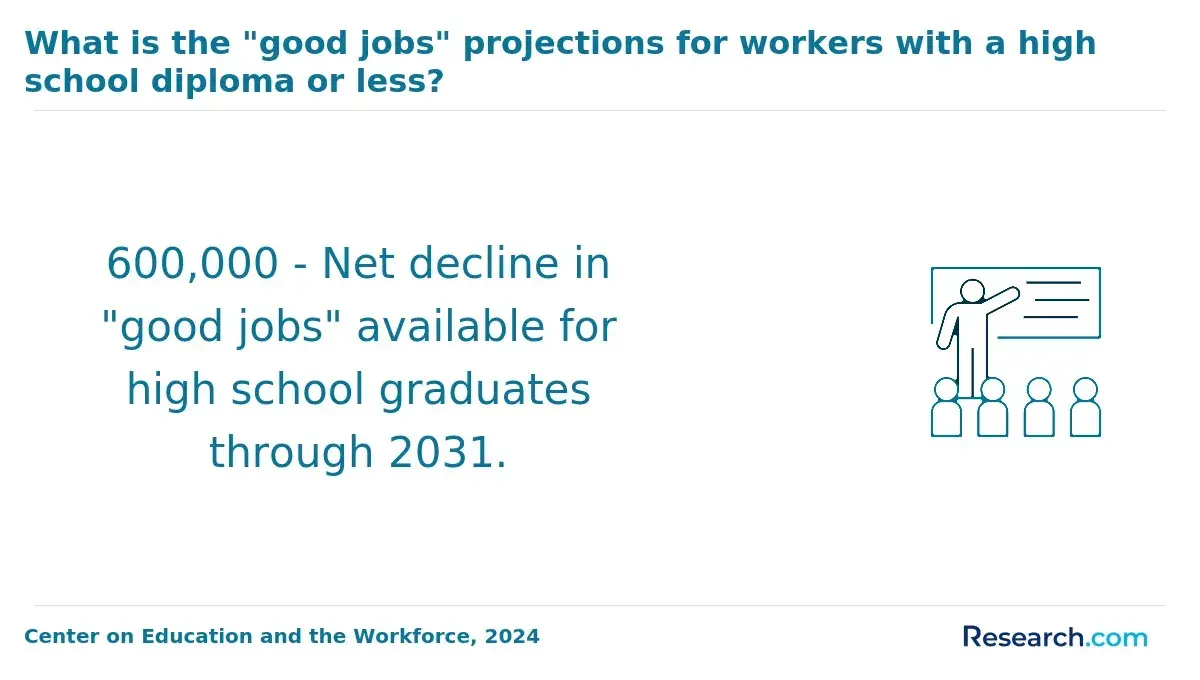
Which International Relations Pathway - Degree, Bootcamp, or Certificate - Offers the Highest Starting Salary for Graduates?
Median starting salaries for entry-level positions in international relations vary by education pathway. Degree holders typically earn between $50,000 and $60,000 annually, reflecting opportunities in government agencies, multinational firms, and established non-profits. Bootcamp graduates, often transitioning from related experience or upskilling, see starting salaries from $45,000 to $55,000 in roles focused on policy analytics or geopolitical data, frequently within startups or smaller consultancy settings. Certificate completers usually earn between $40,000 and $50,000, qualifying for analyst or coordinator positions but rarely meeting requirements for senior roles.
- Employer Type: Larger organizations and governmental bodies generally prioritize degree credentials, offering better pay and clearer promotional pathways. Smaller firms and startups emphasize practical skills from bootcamps or certificates but tend to offer lower starting compensation.
- Industry Sector: The diplomatic and international development arenas favor academic qualifications, boosting earnings for degree holders entering these fields.
- Job Title: Positions demanding advanced policy analysis or research expertise usually require degrees, while technical roles tied to data frequently accept bootcamp qualifications.
- Geographic Market: Salary levels fluctuate significantly by location, with international hubs like Washington, D.C., or Geneva offering premiums tied to local demand and institutional presence.
Over time, degree holders commonly accelerate into management or specialized tracks faster than bootcamp or certificate graduates, as many promotion criteria in international relations stress formal education. While initial salaries between pathways can be close, advancement often depends on credential type alongside experience accumulation.
It is important to remember median salaries mask considerable individual variation. Factors such as prior work history, niche expertise, geographic mobility, and the reputation of the educational program greatly impact financial outcomes. For in-depth cost-effectiveness comparisons, consulting the ROI analysis elsewhere in this guide is recommended.
A professional who earned an international relations degree shared that while the coursework was rigorous and required balancing multiple projects and internships, the degree's credibility opened doors early in his career with a government agency. He reflected, "The transition from study to employment felt challenging, especially competing against graduates from diverse programs, but the structured career path and higher starting salary made the effort worthwhile." His experience highlights how degree pathways-despite their demands-can provide a stable foundation and competitive edge in the international relations labor market.
Employers in North America show distinct preferences regarding credentials for international relations careers. Large enterprises, government agencies, and regulated industries typically require a formal degree-bachelor's or master's-as a key qualification. This remains the primary screening criterion due to compliance demands and security protocols, reinforcing a traditional value placed on academic credentials in this field.
In contrast, startups and certain consulting firms increasingly adopt skills-based hiring, considering bootcamps and professional certificates valid when paired with strong portfolios. These sectors are more flexible, reflecting a growing trend toward outcome-focused evaluations rather than strict credential requirements.
Despite initiatives by some federal agencies and technology companies promoting skills-first recruitment, practical hiring outcomes show that degrees still dominate in international relations roles. Labor economics studies confirm that degree holders generally experience better initial job placements and greater long-term advancement than non-degree holders. However, bootcamps can improve employment prospects in specialized niches involving technology and data analysis.
- Sector-Specific Signaling: Degrees signify broad mastery and sustained commitment, which remain difficult for certificates or bootcamp credentials alone to convey in this sector.
- Hiring Trends: Stated skills-first policies have yet to significantly alter hiring patterns in traditional international relations roles.
- Practical Guidance: Candidates focused on government or established consulting fields benefit most from a degree, while those targeting innovative startups might consider supplementing their credentials with certificates or bootcamp training along with demonstrable skills.
Those evaluating educational pathways may explore options such as an affordable psychology degree online to balance cost and credential value in related social science fields.
Admission standards for accredited international relations degree programs tend to be demanding, highlighting academic rigor and selectivity. Typical requirements include a minimum high school GPA often around 3.0, standardized test scores like the SAT or ACT (though some institutions now waive these), and completion of coursework in subjects such as social sciences and English. Applicants must generally submit transcripts and letters of recommendation that attest to both their academic ability and character. These programs also operate on fixed application deadlines, requiring early planning that can present obstacles, especially for non-traditional students.
Degree Program Admission Requirements:
- GPA Minimums: Commonly 3.0 or higher at competitive institutions
- Standardized Tests: SAT or ACT scores; some schools are test-optional
- Prerequisite Coursework: Rigorous high school studies, including social sciences and English
- Letters of Recommendation: Typically from educators or mentors, highlighting academic and personal strengths
- Application Timeline: Set deadlines, often many months before enrollment
In comparison, bootcamps and certificate programs in international relations have minimal to no admission constraints. They usually forgo GPA requirements, standardized tests, and recommendation letters, favoring open enrollment and flexible start dates. By lowering entry barriers, these programs increase accessibility for working adults, career changers, and learners facing challenges like geographic limitations or family commitments. Because admission standards are not selective, these programs must establish credibility through tangible outcomes such as job placement rates, accreditation, instructor expertise, and curriculum quality.
Bootcamp and Certificate Admission Characteristics:
- GPA and Tests: Generally not required
- Prerequisites: Rarely enforced; open to diverse educational backgrounds
- Letters of Recommendation: Usually unnecessary
- Application Process: Rolling enrollment with flexible start dates
Selective admissions in degree programs work as a gatekeeper-signaling quality to employers, but also potentially restrict access for those facing systemic challenges. Meanwhile, lower barriers in bootcamps and certificates promote inclusivity but require careful evaluation of program outcomes. Prospective students should weigh their academic preparation, resources, and career priorities to determine which pathway best aligns with their needs and how admission criteria factor into their educational and professional goals.
A professional who built her career after completing an international relations bootcamp shared how the open enrollment made a crucial difference. "Balancing work and family, I couldn't afford to pause my income for college applications or worry about GPA requirements," she said. The rolling admissions allowed her to start quickly and focus on gaining practical skills. While she initially worried about the program's reputation, seeing the instructors' expertise and post-completion job support reassured her. "It was challenging but rewarding-and gave me access I might not have had through a traditional degree."
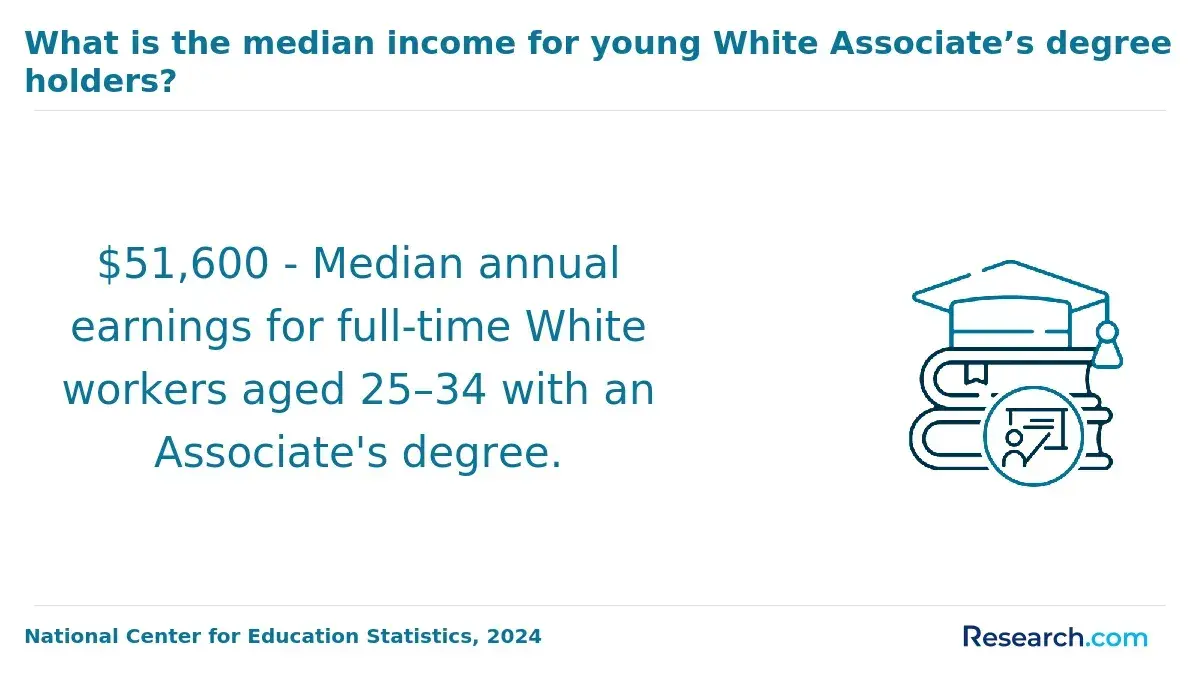
Degree programs provide a broad curriculum spanning general education, core major classes, a variety of electives, and frequently a research thesis or capstone project. Students engage with subjects like history, political science, economics, foreign languages, and global security, building a strong theoretical framework combined with analytical and research competencies. Though typically lasting around four years, which can delay immediate workforce entry, this extended study cultivates critical thinking and adaptability for evolving global challenges.
Bootcamps offer an accelerated, hands-on learning experience designed to develop job-ready skills in a short period, often weeks or months. Their curriculum centers on practical applications such as diplomatic communication, policy analysis exercises, and relevant data tools tailored for international affairs careers. While highly effective at teaching specific competencies quickly, bootcamps omit deeper theoretical content and wider contextual understanding, which may limit versatility or suitability for research-focused roles.
Certificates vary widely from entry-level credentials offered by platforms like Coursera or Google-providing foundational or technical skills related to international relations-to advanced professional certificates granted by industry bodies that recognize specialized expertise, for example in conflict resolution or trade compliance. These programs usually exclude comprehensive theory or research method instruction and function best as complementary qualifications depending on the issuing authority, intended role, and applicant background.
Each pathway emphasizes different curriculum strengths: degrees build transferable, foundational knowledge supporting long-term career growth; bootcamps focus on immediate, practical proficiencies for rapid employment; and certificates supply targeted credentials enhancing particular skill sets or signaling professional dedication.
Calculating the return on investment (ROI) for international relations educational paths requires considering total costs-tuition, fees, materials, and especially opportunity cost, which reflects lost income during enrollment. Traditional two- or four-year degree programs carry substantial opportunity costs since students often must pause full-time employment, dramatically increasing effective expenses beyond tuition alone. In contrast, bootcamps and certificates-being shorter-minimize lost earnings and thus often enable faster recovery of costs through salary gains.
The concept of opportunity cost is key: it represents the income forgone while studying. For a mid-career professional earning $50,000 annually, taking time off for a degree can significantly delay positive ROI. For recent high school graduates without prior full-time earnings, opportunity cost is mostly tuition plus living expenses, making degrees more attractive over a longer horizon. Part-time learners studying alongside employment see minimal opportunity cost, enhancing degree ROI despite longer program length.
- Recent High School Graduate: Faces higher upfront costs but benefits from increased salary premiums over five to ten years, often achieving solid ROI relative to shorter credentials.
- Mid-Career Professional: Encounters significant opportunity cost by leaving a steady job, making bootcamps or certificates-lasting weeks to months with lower upfront costs-more likely to offer quicker ROI in most scenarios.
- Part-Time Learner: Studies without interrupting income, reducing opportunity costs to near zero; degree programs become financially viable while certificates and bootcamps still speed up credential attainment and career advancement.
While bootcamps and certificates can provide rapid ROI, degrees frequently deliver deeper expertise, access to specialized roles, and stronger employer credibility. These factors and individual situations must be weighed carefully.
Job placement rates differ notably based on the origin and verification methods. Degree pathways typically rely on independently audited graduate outcomes surveys from sources like the Integrated Postsecondary Education Data System (IPEDS) or institutional career services, which track alumni over time and focus on employment closely related to international relations fields.
Conversely, bootcamps and certificate programs often depend on self-reported statistics, sometimes checked through the Council on Integrity in Results Reporting (CIRR) for well-regarded coding bootcamps, but such standardized oversight is less widespread for international relations programs. This distinction means degree data tends to be more uniform and comparable, while bootcamp and certificate figures may be inconsistent or overstated, influencing comparative job outcomes for international relations degrees and certificates.
"Placement" varies across educational paths. Degree programs usually apply a narrow definition, tracking jobs directly tied to international relations such as policy analysis, diplomacy, or global nonprofit roles. Bootcamps and certificate courses often adopt a broader scope, including employment in related or adjacent sectors, such as administrative or entry-level positions that may not require specialized international relations training. Prospective students should clarify what each program counts as placement to interpret published job placement rates accurately, especially given the diversity in international relations job placement rates after boot camp.
Quality career services play a crucial role in improving placement outcomes. Programs-whether degrees or bootcamps-with strong career support infrastructure, including employer partnerships, resume coaching, interview preparation, and alumni networks, consistently achieve higher placement rates. Evaluating this support infrastructure is essential as it can significantly boost meaningful employment chances post-completion.
When reviewing placement claims, students should look beyond aggregate headline figures. Requesting detailed data broken down by job role, salary range, and time-to-placement offers a clearer understanding of graduate outcomes. This approach reveals whether graduates secure high-quality, relevant positions or simply any form of employment quickly.
Benchmarking a program's claims against industry averages helps distinguish genuinely competitive results from typical variations. Adult learners may also consider pathways aligned with their career goals-some might explore supplementing their studies with a specialized online master's in organizational leadership to enhance long-term growth and networking access.
Networking opportunities in international relations degree programs are often among the most comprehensive compared to other educational pathways. Traditional degree programs provide well-established networking infrastructures-including active alumni associations, career fairs, faculty mentorship, and professional organizations such as Model United Nations or specialized clubs-that build sustained peer and employer connections. The prestige and geographic reach of the institution significantly expand access to influential networks, enabling graduates to tap into global employer relationships, which often enhances long-term career mobility and senior-level advancement.
- Degree Programs: These typically offer extensive alumni access benefits in international relations bootcamps and certificates as well, underscoring the importance of lifelong connections. Universities connect students to internships and job referrals through faculty and institutional partnerships, with the geographic and reputational weight of the degree amplifying these advantages.
- Bootcamps: Although newer and smaller, bootcamps cultivate close-knit cohort communities and increasingly strong alumni referral systems. Many emphasize technology-adjacent skills like data analysis or cybersecurity within international relations, supported by employer partnerships forming targeted hiring pipelines. However, the scope of the network remains narrower and focused on earlier career stages compared to degree programs.
- Certificate Programs: Offered by industry groups or tech companies, certificates focus network benefits on specialized skills. While they provide peer forums, mentorship opportunities, and limited employer job board access, their alumni engagement often lacks the structure or longevity of degree or bootcamp networks.
For learners interested in cost-effective education, exploring options like a cheap online masters in counseling may also offer insights into balancing credential value with networking opportunities across fields.
Earnings and job prospects in international relations pathways vary notably by location-major urban centers like Washington D.C., New York, and San Francisco offer the strongest demand for degrees, largely due to dense employer networks in government and diplomacy sectors. Bootcamps based in these cities tend to deliver higher job placement rates because graduates benefit from close proximity to active employers, but those who move away often face diminished opportunities. Mid-sized markets show mixed awareness of bootcamps and certificates; employers in these areas typically prefer degree holders, especially for government and NGO roles, though non-degree credentials may be advantageous if aligned with local industry needs.
In smaller or rural areas, fewer employers and a lack of familiarity with alternative credentials cause degrees to dominate hiring preferences. Certificate and bootcamp completers may struggle with limited local networks and less employer recognition, unless remote positions are accessible. Remote work has softened these regional divides by enabling international relations professionals from any credential background to apply for jobs with metropolitan-level salaries. This also increases competition nationally, as a broader candidate pool vies for such roles.
When selecting a pathway, learners should consider:
- Employer Density: The concentration of international relations employers locally and their recognition of credentials.
- Credential Value: Whether the local market favors degrees over bootcamps or certificates.
- Remote Work Options: The availability and viability of remote roles in their chosen field.
Recent data indicate over 70% of bootcamp graduates secure employment within six months in their bootcamp's home city, underscoring the importance of geographic alignment for career outcomes in alternative credential paths.
Employer preferences for credentials in the international relations field vary widely depending on the type and size of the organization. Large enterprises and government agencies typically uphold strict degree requirements as essential filters-data from LinkedIn Talent Insights and SHRM confirm that candidates with traditional degrees dominate these sectors. Conversely, startups and skills-first employers prioritize tangible skills demonstrated through portfolios, technical assessments, and certificates or bootcamps, often valuing practical experience over formal education.
- Large Enterprises and Government Agencies: These employers tend to require degrees upfront, reflecting longstanding norms that tie credentials to career advancement and salary. Degree holders remain the majority in conventional roles, and certificates typically serve as supplementary qualifications rather than substitutes.
- Skills-Focused Employers: Startups and smaller agencies emphasize applied skills and real-world problem-solving abilities. Candidates who showcase competencies through certifications or bootcamps-especially when paired with strong portfolios-have a better chance of success here.
- Post-2020 Trends: Although many major employers officially dropped degree mandates from job ads since 2020, evidence from Indeed research shows this has only modestly diversified hiring. Non-degree credentials have gained some ground, particularly in contract and project-based roles, but the traditional degree still predominates for permanent positions in large organizations.
- Credential Impact: Degrees correlate strongly with long-term career growth and compensation in large firms, while certificates and bootcamps offer accessible entry points and skill verification-valuable for career changers or those without full degree access.
- Research Strategies: Beyond published policies, prospective candidates should conduct informational interviews with hiring managers and analyze LinkedIn profiles of recent international relations hires to understand real-world credential trends at target organizations.
What Graduates Say About Which Path Leads to Better Career Outcomes: International Relations Degree, Bootcamp, or Certificate
- Augustus: "Pursuing an international relations degree offered me the broad academic foundation and networking access necessary for long-term career growth, especially in governmental and NGO sectors. While the salary outcomes may initially be moderate compared to tech bootcamps, the employer credential preferences for degree holders in diplomacy and policy analysis roles are notably stronger. For learners committed to deep, theoretical knowledge and diverse career paths, the degree provides unmatched return on investment."
- Antonio: "After completing an international relations bootcamp, I appreciated the intense, focused training that led to rapid job placement-much faster than traditional degree programs usually offer. Employers in certain areas value the practical skills and updated methodologies bootcamp graduates bring, which reflected positively in my salary outcomes. The bootcamp's condensed format made it ideal for professionals like me-balancing work and study-which really improved my pathway fit."
- Julian: "The international relations certificate was a strategic choice to boost my career without the time and financial investment of a full degree. From my experience, while certificates don't typically have the same employer credentials as degrees, their return on investment is excellent for mid-career professionals seeking specific skills and faster advancement. The focused curriculum also enhanced my networking access within specialized circles-an unexpected but valuable perk."
Other Things You Should Know About International Relations Degrees
Many International Relations bachelor’s programs require 1 internship or a 3-credit practicum, often completed in the junior or senior year. Employers in diplomacy, NGOs, and policy research commonly value that supervised field experience because it shows applied research, writing, and stakeholder communication skills.
In economic downturns, International Relations degree holders generally have a competitive advantage because their qualifications are widely recognized and often required for government, nonprofit, and multilateral agency roles. Bootcamp and certificate graduates may face more competition for limited positions, as their credentials are sometimes seen as supplementary rather than primary qualifications. Employers tend to prioritize candidates with robust academic backgrounds during hiring freezes or layoffs, which can limit immediate job security for bootcamp or certificate holders.
International Relations degrees come from accredited universities, providing officially recognized credentials that meet established academic standards. Bootcamps and certificates vary widely in accreditation-some are offered by reputable organizations but many lack formal accreditation, which can affect employer recognition. Degree programs carry more weight for roles requiring official qualifications, while certificates and bootcamps are often valued as supplemental proof of specific skills or knowledge rather than standalone credentials.
- Networking in the field of IR — it always pays off https://www.whatdiplomatsdo.com/post/the-art-of-networking-in-the-field-of-ir-and-why-it-always-pays-off
- A World of Possibilities: Navigating Career Opportunities After... https://www.euruni.edu/blog/a-world-of-possibilities-navigating-career-opportunities-after-studying-international-relations-and-diplomacy/
- Which Degrees Have the Best Return on Investment Internationally? https://uninewsletter.com/blogs/which-degrees-have-the-best-return-on-investment-internationally/en
- Certificate vs. degree programs: What's the difference? | edX https://www.edx.org/resources/what-is-the-difference-between-a-certificate-and-a-degree
- Top 6 benefits of studying international relations https://www.rhulisc.com/blog/benefits-of-studying-international-relations
- How Employers Verify Foreign Degrees: What You Need to Know https://www.scholaro.com/db/News/How-Employers-Verify-Foreign-Degrees-What-You-Need-to-Know-247
- How a Strong Alumni Network Can Benefit Students https://www.pacificu.edu/blog/how-strong-alumni-network-can-benefit-students
- What Can You Do With An International Relations Degree? https://www.immerse.education/career-exploration/international-relations/careers-in-international-relations/
- Professional Certificates vs College Degrees: What Employers Really Care About https://careerkarma.com/blog/professional-certificates-vs-college-degrees-what-employers-really-care-about/


