
2027 Which International Relations Degree Careers Offer the Best Return Without Graduate School?

Co-Founder and Chief Data Scientist
As education costs rise steadily, many recent graduates wonder if pursuing graduate school in international relations justifies the additional debt and time. With over 60% of international relations bachelor's degree holders entering the workforce directly, the job market demands clarity on career paths that offer competitive salaries without advanced degrees.
Roles like legislative assistants, policy analysts, or intelligence analysts often require strong analytical and communication skills more than further schooling. This article explores which international relations degree careers provide the best financial return and stable growth without graduate school, helping readers make informed decisions about their professional futures.
Key Benefits of International Relations Degree Careers That Offer the Best Return Without Graduate School
- Strong earning potential and early salary growth in international relations careers enhance long-term return on investment, with median starting salaries around $55,000 and rapid progression in key sectors.
- Stable job demand and expanding global markets create consistent career growth opportunities, supporting financial security for international relations graduates without graduate degrees.
- Accessible entry requirements allow faster workforce entry, enabling graduates to gain experience and increase earning capacity sooner compared to peers pursuing graduate education.
Which International Relations Careers Offer the Best Return Without Graduate School?
Evaluating the return on investment (ROI) for careers in international relations is essential for bachelor's degree holders aiming to enter the workforce without pursuing graduate school.
According to data from the Georgetown University Center on Education and the Workforce, certain bachelor's-level careers in international relations can offer competitive long-term earnings and advancement potential. Identifying roles that balance salary, career longevity, and promotion opportunities can significantly enhance overall career ROI.
Here are several top international relations jobs with high return on investment that typically do not require graduate education:
- Foreign Service Specialist: These professionals provide technical and administrative support to U.S. embassies and consulates worldwide. Unlike Foreign Service Officers who often need advanced degrees, specialists benefit from competitive government salaries and steady advancement fueled by on-the-job training.
- Policy Analyst: Working primarily in think tanks or NGOs, policy analysts leverage undergraduate research and critical thinking skills to interpret data and draft reports. Many organizations prioritize practical experience, allowing analysts to progress into senior roles without graduate education.
- International Trade Specialist: Specialists manage trade agreements and assist companies with global market entry strategies. Their roles exist in both public and private sectors, offering salaries that reflect the expanding scope of international commerce and opportunities for career growth.
- Intelligence Analyst: Frequently employed by government or private security firms, intelligence analysts use a bachelor's degree in international relations or related fields as a foundation. Continuous specialized training supports their advancement based on skill rather than formal graduate credentials.
For individuals planning long-term advancement in diplomacy, policy, or global affairs, exploring the easiest masters programs can be a practical option later on.
Many flexible graduate degrees in international affairs, public policy, or global studies are designed for working professionals and focus on applied coursework, allowing students to upskill while continuing their careers rather than committing to highly research-intensive academic tracks.
What Are the Highest-Paying International Relations Jobs Without a Master's Degree?
Evaluating earning potential in international relations careers without pursuing a master's degree is crucial for students wanting strong returns from their bachelor's degree investment.
According to the U.S. Bureau of Labor Statistics, professionals with only a bachelor's degree in this field can earn median salaries ranging from $60,000 to over $100,000 annually.
Below are some of the highest-paying jobs that typically do not require graduate education:
- Foreign Service Specialist: These specialists support U.S. diplomacy by managing logistics, security, and communications abroad, earning between $71,000 and $120,000 per year. Their roles are vital for international operations and demand adaptability and expertise without requiring a master's degree.
- Trade Compliance Analyst: With average salaries from $65,000 to $95,000 annually, trade compliance analysts help companies navigate global trade regulations. Their work impacts international business success and risk, making this role lucrative for those with a bachelor's in international relations or a related field.
- Intelligence Analyst: Often employed by government agencies, intelligence analysts earn from $70,000 to $110,000 per year by evaluating geopolitical developments and security threats. Strong analytical skills and specialized knowledge drive salary potential without necessitating advanced degrees.
- International Sales Manager: Managing global sales strategies and client relations, these professionals earn between $75,000 and $115,000 annually. Their commercial focus and revenue responsibilities contribute to higher pay, making this a top choice for bachelor's degree holders.
Which Industries Offer High Salaries Without Graduate School?
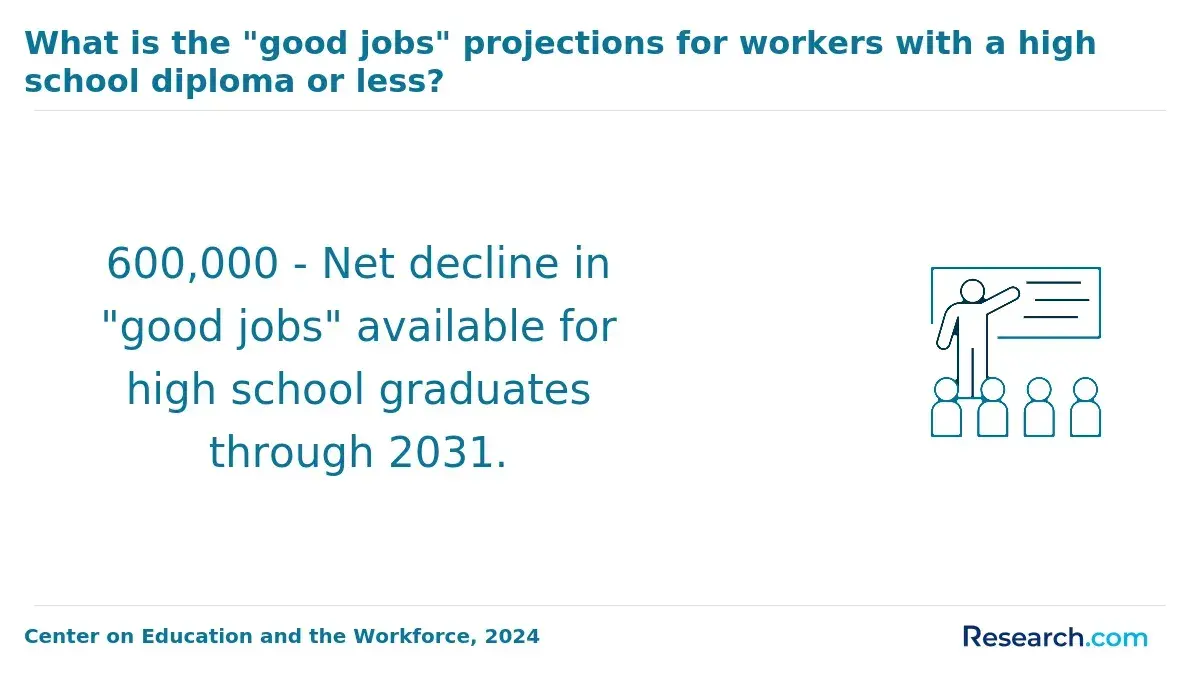
Salary outcomes for graduates with a bachelor's degree in international relations vary widely depending on the industry they enter. Data from the U.S. Bureau of Labor Statistics shows that sectors like finance and technology can offer median wages up to 40% above the national average, even without requiring further education.
Below are several industries known to provide strong earning potential for international relations graduates without the need for graduate degrees:
- Finance and Banking: This sector values knowledge of global markets, regulatory frameworks, and risk management. With a strong international focus, salaried professionals often earn between $60,000 and $100,000 annually, reflecting the industry's lucrative and dynamic nature.
- Technology: Tech firms operating internationally require expertise in geopolitical trends and cross-cultural communication. Salaries commonly start above $70,000 and grow considerably with experience due to the sector's competitiveness and growth.
- Consulting: Consulting firms emphasize skills in analyzing complex international challenges and advising on market strategies. Initial salaries typically begin around $65,000 and can increase significantly as expertise deepens, fueled by client demand.
- Government and Defense Contracting: While some government roles favor advanced degrees, many defense contractors hire bachelor's-level analysts for policy and contract management. Pay generally ranges from $55,000 to $90,000, supported by steady projects and substantial budgets.
- International Trade and Logistics: This industry manages global supply chains and trade agreements, offering salaries from about $50,000 to $80,000. Ongoing globalization ensures continued demand and competitive compensation.
One international relations degree graduate I spoke with shared his experience navigating these options. He described weighing industries carefully, influenced by not only salary but job stability and growth potential.
"Entering finance without a graduate degree was intimidating," he explained, "but focusing on building practical skills helped me secure a solid starting salary. It wasn't easy, and I faced moments of uncertainty, especially competing against candidates with higher degrees. However, persistence and leveraging internships gave me a pathway."
His reflections highlight the nuanced decisions involved in choosing industries that offer rewarding compensation without further schooling.
Entry-level roles with clear advancement opportunities are crucial for graduates aiming to build lasting careers in international relations. Data from the U.S. Bureau of Labor Statistics show promotion rates can reach up to 15% within the first five years, emphasizing the value of starting in positions that foster skill growth and professional development.
Below are several entry points known for strong career trajectories:
- Policy Analyst Assistant: Assisting senior analysts by conducting research and summarizing policy issues exposes early-career professionals to government and think tank environments. This foundation often leads to senior analyst roles, developing strategic and analytical expertise.
- Foreign Service Specialist: Providing administrative and technical support at diplomatic missions offers a structured path of promotions. Specialists gain experience suited for roles focused on consular services or diplomatic negotiations, increasing their influence in foreign affairs.
- International Development Coordinator: Working within NGOs or international organizations, coordinators manage projects and engage in cross-cultural communication. This experience is essential for rising to program or country director positions.
- Trade Compliance Assistant: Handling export-import regulations in multinational companies provides practical knowledge of international trade laws. This role can lead to positions in trade compliance management or international business expansion.
- Research Assistant in Global Affairs: Supporting research teams deepens understanding of global systems and policies. Professionals in this role often progress to senior research or advisory roles.
For those considering further education, pursuing an online executive MBA can complement practical experience gained in these positions, enhancing leadership and management skills.
Building targeted skills can significantly boost earnings for international relations graduates, even without a master's degree. Studies show that candidates with key competencies can earn as much as 20% more than those without.
Below are several valuable skills that notably enhance salary prospects in this field:
- Effective Communication: The ability to convey complex ideas clearly-whether in writing, speaking, or navigating cultural differences-is essential. Strong communicators often influence negotiations and build partnerships, increasing their professional worth.
- Analytical Reasoning: Skills in interpreting data and spotting trends empower individuals to support strategic decision-making. This capability is prized for shaping policy and assessing risks, which can lead to higher pay.
- Multilingual Fluency: Proficiency in additional languages expands access to diverse roles and global networks. This expertise reflects cultural awareness and opens doors to international assignments, directly impacting compensation.
- Project Oversight: Managing initiatives effectively and meeting deadlines elevates operational outcomes. Professionals adept at resource coordination frequently receive financial rewards for their contributions to organizational success.
- Tech Savviness: Comfort with digital tools like GIS, data visualization platforms, or communication technologies adds a competitive edge. This knowledge streamlines workflows and drives innovation, qualities valued in salary considerations.
A professional with a International Relations degree shared that early in her career, she initially struggled balancing multiple projects without formal training. By dedicating time to mastering project management techniques and embracing emerging software, she noticed her responsibilities grew and so did her salary offers.
She recalls, "Investing in these skills felt daunting at first, but it empowered me to take on challenging roles I hadn't imagined." Her journey illustrates how cultivating practical competencies can meaningfully enhance earnings without graduate education.
Professional certifications provide a practical alternative to graduate education by boosting credibility and career flexibility in international relations. A survey from the Association for Talent Development found that 60% of hiring managers are more likely to offer jobs and higher starting salaries to candidates with relevant certifications.
Below are key certifications that enhance expertise and marketability for international relations graduates:
- Certified International Trade Professional (CITP): This credential, offered by several global trade organizations, validates knowledge of international trade laws, compliance, and cross-border business operations. It is especially valuable for professionals involved in global commerce and diplomatic efforts, signaling comprehensive trade expertise to employers.
- Project Management Professional (PMP): Widely respected across sectors, the PMP certification recognizes skills in leading and executing projects. For those working on multinational initiatives, it confirms abilities in planning and management, thereby improving leadership prospects and earning potential.
- Certified Risk Management Professional (CRMP): Essential for roles involving global affairs, the CRMP demonstrates proficiency in risk evaluation and mitigation. This credential is relevant to careers in government, nonprofit, and corporate environments focused on managing international operational risks.
- Diplomatic Studies Certificate: Offered by various educational institutions, this certification focuses on negotiation techniques, international law, and diplomatic protocols. It equips professionals with targeted skills advantageous for roles in public agencies and international organizations.
- Foreign Language Proficiency: Certificates such as DELE for Spanish or HSK for Chinese confirm advanced language skills vital for international communication in diverse diplomatic and business contexts. Language proficiency broadens employment opportunities and enhances cross-cultural engagement.
These certifications serve as effective substitutes for advanced degrees by providing specialized knowledge and practical skills that increase competitiveness and facilitate career growth in international relations.
Professional experience often plays a crucial role in advancing careers within international relations, as many employers prioritize demonstrated skills, practical knowledge gained on the job, and proven performance over formal credentials.
Candidates who show effective project management, negotiation abilities, and cross-cultural communication expertise can stand out even without graduate degrees.
This is especially true in government agencies, nonprofits, or multinational corporations, where real-world problem solving and measurable outcomes are highly valued. Experience also helps build extensive networks and insider knowledge that newer graduates might not yet possess.
However, relying exclusively on experience has its drawbacks. Certain senior or specialized roles may require advanced research skills or theoretical knowledge that typically come from graduate education, which employers might insist upon.
Additionally, career progression into higher-level positions can be slower without formal credentials, requiring professionals to spend more time proving their expertise and leadership.
Experience tends to be most beneficial in environments focused on practical impact and transferable skills, where combining a bachelor's degree with varied internships or relevant work often yields strong career returns without the need for graduate study.
Professionals considering career pathways in international relations often weigh the trade-offs of not pursuing a graduate degree, especially since those with master's degrees typically earn about 20% more than bachelor's holders. This earnings gap reflects broader challenges faced by those who stop at a bachelor's degree.
Below are key limitations encountered by bachelor's degree holders in seeking high return international relations careers without graduate school:
- Slower Advancement: Many government agencies and international NGOs prioritize candidates with graduate degrees for mid-level and senior positions. This preference can slow career progress for those without advanced degrees, limiting opportunities for timely promotions.
- Limited Specialized Roles: Graduate education often provides deeper expertise and access to niche skill sets. Without this, professionals may find it harder to qualify for specialized policy analysis, diplomatic, or strategic advisory roles that require advanced knowledge.
- Competitive Hiring Disadvantages: In competitive job markets, candidates with graduate degrees usually present stronger profiles with more research or internship experience. This can place bachelor's degree holders at a disadvantage when competing for coveted positions.
- Insufficient Complex Issue Training: Some international relations challenges demand sophisticated understanding of economic, political, and cultural dynamics typically addressed at the graduate level. Bachelor's degree holders might find contributing fully to high-stakes negotiations more difficult without such training.
Despite these challenges, it's possible to pursue rewarding careers by building on language skills, practical experience, and entry-level roles emphasizing real-world knowledge.
Those seeking alternatives to graduate school might explore resources like masters in data science online programs, which can complement an international relations background with valuable technical skills.
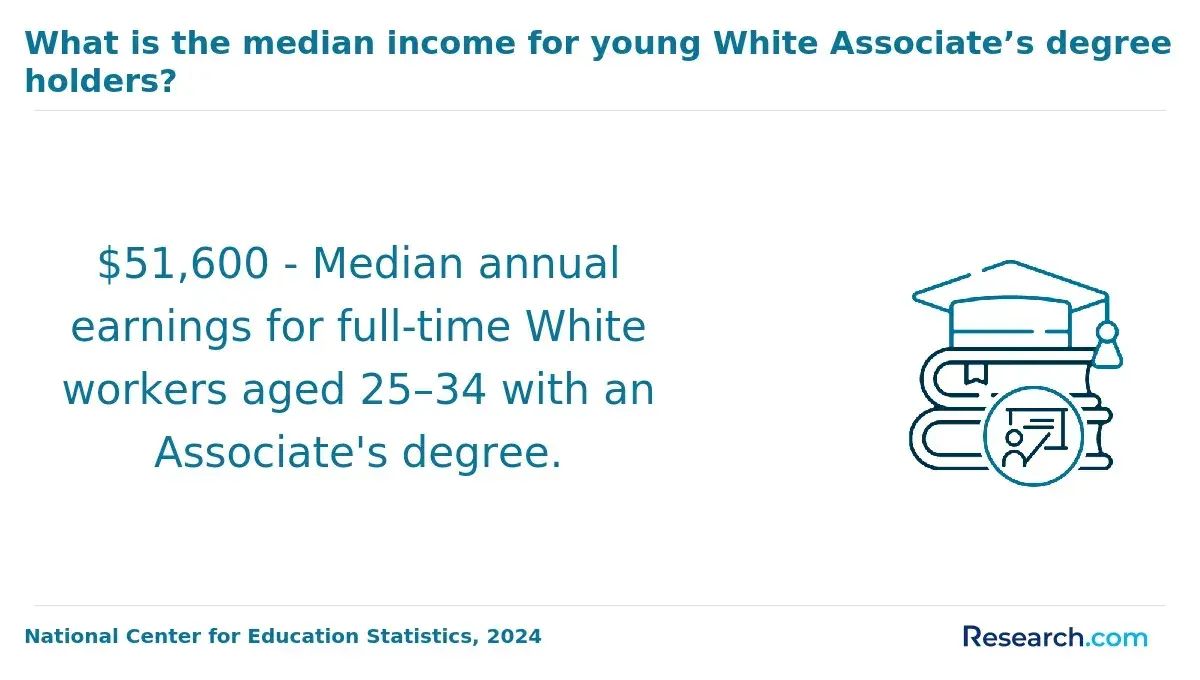
Return on investment (ROI) in education measures the balance between costs, time invested in earning a degree, and the financial and career benefits that follow. For international relations graduates, estimated median early career salaries of around $53,000 highlight the strong potential returns when pursuing careers strategically.
Understanding how to increase return on investment for international relations graduates involves targeting specific strategies that enhance long-term career value without additional graduate education:
- Selective Experiential Learning: Pursue internships and practical experiences with governmental agencies, NGOs, or multinational firms that develop relevant skills and networks. High-impact internships significantly improve employability and salary prospects by providing real-world exposure and professional connections.
- Language and Analytical Proficiency: Mastering a critical foreign language coupled with skills in data analysis or policy research increases attractiveness to well-paying roles in diplomacy or international consulting. These abilities differentiate candidates in competitive job markets.
- Focus on Lucrative Sectors: Target industries such as international business, cybersecurity policy, or defense contracting, which often provide better compensation than typical entry-level nonprofit positions. Aligning career goals with sectors known for higher remuneration improves overall ROI.
- Networking and Mentorship: Actively engage with alumni and professional networks early to uncover career opportunities and gain mentorship. Strong connections help accelerate career advancement, enhancing lifetime earnings.
- Continuous Skill Enhancement: Seek specialized project roles or employer-provided certifications that deepen expertise within the field. These in-field credentials can lead to promotions and salary growth, boosting ROI without the costs associated with further degrees.
For students interested in complementing their international relations degree with digital skills, consider options like a UI UX masters degree online, which can open additional pathways to careers blending international affairs with technology and design fields.
Deciding to attend graduate school in international relations hinges on your career objectives, industry standards, and return on investment. Many roles in diplomacy, government, or international organizations prefer a graduate degree, often resulting in higher salary potential.
Data from the U.S. Bureau of Labor Statistics shows that professionals with a graduate degree in related fields typically earn about 20% more than those with only a bachelor's degree.
For students considering their path, weighing advanced salary potential with graduate degree in international relations is crucial.
Graduate education is usually advantageous when pursuing specialized positions requiring expert knowledge in international law or economics, or aiming for leadership roles in government and NGOs.
It also matters in regulated fields like intelligence analysis or foreign service, where a master's or higher is often mandatory. Additionally, research-focused or academic careers demand advanced qualifications.
For those exploring alternatives, combining a bachelor's degree with experience can provide strong returns, as seen in some careers highlighted alongside a library degree.
What Graduates Say About International Relations Degree Careers That Offer the Best Return Without Graduate School
- Augustus: "Choosing not to pursue a graduate degree in international relations was one of the best decisions I made for my career. I focused on gaining practical experience through internships and language proficiency, which employers valued highly. This approach opened doors to roles in multinational organizations where expertise and cultural understanding were key."
- Antonio: "Reflecting on my journey, I realized that maximizing my international relations degree without further schooling required strategic networking and continuous learning on my own. I took specialized online courses and volunteered for policy research projects, which boosted my résumé and helped me land a policy analyst position. This path showed me that dedication outside the classroom can truly pay off."
- Julian: "My international relations degree gave me a unique perspective that set me apart professionally, even without attending graduate school. I leveraged my degree by joining think tanks and participating in public diplomacy programs, which enhanced my practical skills and expanded my connections. It proved that a bachelor's in this field can lead to impactful careers if you actively seek out opportunities."
Other Things You Should Know About International Relations Degrees
Many employers in government agencies, non-governmental organizations (NGOs), and private sector firms value bachelor's-level international relations graduates for roles in diplomacy support, policy analysis, and global communications. Positions in trade companies, consulting firms, and international nonprofits often seek candidates who have strong research and cross-cultural skills but do not require advanced degrees.
Language skills are highly advantageous and sometimes essential for international relations careers, especially when working abroad or in multinational organizations. Fluency in widely spoken languages such as Spanish, French, Arabic, or Mandarin enhances job prospects and salary potential but is not always a strict requirement for entry-level roles.
Internships provide critical real-world experience and networking opportunities that significantly improve employment chances after graduation. They allow students to develop practical skills and demonstrate commitment to the field, which can differentiate candidates in a competitive job market even without a graduate degree.
Yes. Many federal, defense, and intelligence roles require a security clearance, often at the Secret or Top Secret level. Applicants must pass background checks, and some jobs also require U.S. citizenship and a clean financial and criminal record before hiring can proceed.
- 10 Highest Paying International Relations Jobs 2025 (Inc Salaries) | Nexford University https://www.nexford.edu/insights/highest-paying-international-relations-jobs
- Exploring Career Opportunities with a Degree in International Relations https://ubisglobal.com/blog/career-opportunities-international-relations-degree/
- Top 15 Highest‑Paying Pharmacy Jobs in the UK 2025 (Including Salaries) https://apexlearning.org.uk/highest-paying-international-relations-jobs-uk-2026/
- Advanced Certificate in International Relations and the UN https://www.lsbronline.com/course/advanced-certificate-in-international-relations-and-the-un/
- Certificate in International Law and Diplomacy (UPEACE-UNITAR) https://upeace.org/certificate-in-international-law-and-diplomacy-upeace-unitar/
- Top 3 Great Careers for Anyone with a Degree in International Relations. | SSHE Business School https://sshe.ch/blog/top-3-great-careers-for-anyone-with-a-degree-in-international-relations/
- The problem with graduate degrees in international affairs and development? https://chrisblattman.com/blog/2011/12/06/the-problem-with-graduate-degrees-in-international-affairs-and-development/
- Top 10 Careers in International Relations | University of Aberdeen International Study Centre https://www.aberdeen-isc.ac.uk/blog/top-10-careers-in-international-relations
- Diplomas and Certificates - Multilateral Diplomacy https://unitar.org/sustainable-development-goals/multilateral-diplomacy/our-portfolio/diplomas-and-certificates-multilateral-diplomacy
- Should you pursue an MA degree in International Relations? — EA Forum https://forum.effectivealtruism.org/posts/ZevseWfzdkXgy7hW3/should-you-pursue-an-ma-degree-in-international-relations


