
2027 What Careers Can You Pursue With an International Relations Degree? Salary Potential, Job Outlook, and Next Steps

Co-Founder and Chief Data Scientist
Considering a degree in international relations often leads to uncertainty about career options and salary expectations. Recent graduates face a competitive job market where understanding the value of skills like diplomacy, policy analysis, and global communication is crucial. The U. S. Bureau of Labor Statistics projects a 5% growth for social science-related roles over the next decade, indicating steady demand. Professionals with international relations degrees can find opportunities in government agencies, NGOs, and multinational corporations.
This article explores career options, salary potential, job outlook, and practical next steps, guiding graduates to make informed decisions about their professional futures.
Key Things to Know About the Careers You Can Pursue With a International Relations Degree
- Careers with an international relations degree span diplomacy, global business, intelligence, and nonprofit sectors, highlighting significant diversity across industries.
- Transferable skills like critical thinking, cultural competency, and communication enhance employability in policy analysis, consulting, and international development roles.
- Education in international relations supports long-term growth, with 8% projected job growth in related fields and pathways to advanced roles via graduate studies or certifications.
What Careers Can You Pursue With a International Relations Degree?
An international relations degree opens doors to diverse career paths across government, nonprofit, global business, and diplomacy sectors. Employment in social science occupations, which includes many careers related to international relations in the United States, is projected to grow about 7% from 2021 to 2031, reflecting steady demand in this field. This varied landscape offers multiple opportunities for graduates to apply their expertise in global affairs.
Common career options for those with an international relations degree include:
- Foreign Service Officer: These professionals represent their home country abroad by managing diplomatic relations, analyzing political risks, and promoting national interests. Their work directly involves international relations principles such as diplomacy and international law.
- Political Analyst: Political analysts interpret and research political developments globally, advising governments, media, or think tanks. Their expertise in global political systems is rooted in their international relations education.
- International Development Specialist: Specialists in this role collaborate with government agencies or NGOs to implement programs targeting economic growth, education, and health in developing countries. Their knowledge of international economic systems and cultural contexts is essential.
- Global Risk Analyst: Often employed by multinational corporations or consulting firms, these analysts assess political, security, and economic risks impacting global operations. Their abilities stem from an understanding of geopolitics, international law, and economic trends taught in international relations programs.
- Human Rights Advocate: Focused on protecting human rights worldwide, advocates work with NGOs or international organizations, dealing with diplomacy, international treaties, and global policy frameworks learned through an international relations degree.
For those interested in advancing their studies, pursuing a 1 year masters degree can enhance prospects in these competitive international relations degree careers in the United States and beyond.
What Are the Highest-Paying Careers With a International Relations Degree?
An International Relations degree opens pathways to diverse high-paying careers across government, business, and nonprofit sectors. Graduates benefit from expertise in global affairs and diplomacy, with salaries ranging from $60,000 to over $150,000 annually depending on role and experience. Wage growth for international relations graduates remains competitive compared to many social sciences, reflecting strong demand for cross-cultural and analytical skills.
Careers with top international relations jobs and best salary potential often include the following roles:
- Foreign Service Officer: Acting as diplomats, these officers manage international relations, negotiate treaties, and support citizens abroad. Their salary typically falls between $70,000 and $130,000 annually, increasing with seniority.
- International Business Consultant: Advising firms on global market strategies and regulatory compliance, these consultants combine economic and cultural knowledge. They usually earn between $75,000 and $140,000 per year.
- Intelligence Analyst: Working in government or private sectors, intelligence analysts evaluate security threats worldwide. Median salaries range from $80,000 to $120,000, reflecting the role's critical importance.
- Nonprofit Program Director: These leaders oversee international development projects and stakeholder engagement, earning between $65,000 and $110,000 depending on the organization.
- Policy Analyst: Researching and advising on foreign policy or trade, policy analysts earn roughly $70,000 to $115,000 and work in think tanks, government, or private institutions.
Students exploring international relations degree options might also consider related fields such as an engineering online degree to complement their skillset and expand career flexibility.
What Is the Job Outlook for International Relations Degree Careers?
Careers related to an international relations degree are expected to experience steady growth due to an increasingly connected global economy and shifting international dynamics. Demand spans multiple sectors, including government, international organizations, and private companies engaged in global markets.
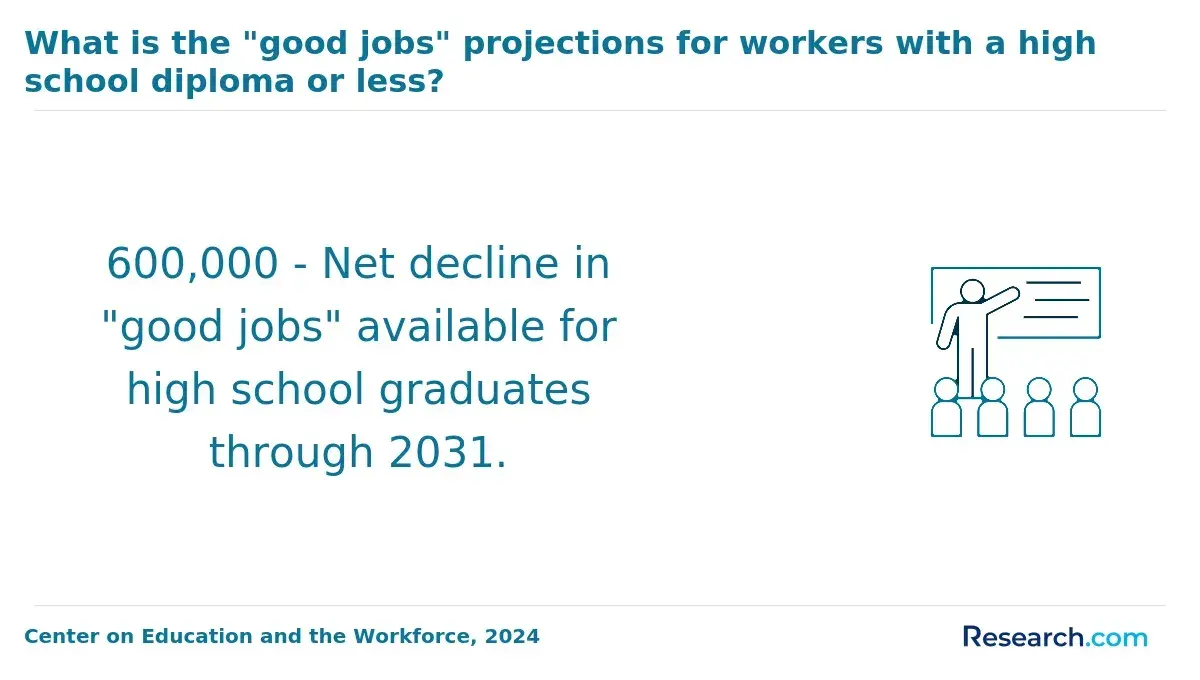
The U.S. Bureau of Labor Statistics projects a 6% growth from 2022 to 2032 in political science roles, a field closely linked to international relations, indicating steady opportunities for analytical and diplomatic skills. As global challenges evolve, employers will seek professionals who can navigate geopolitical complexities, adapt to policy shifts, and manage cross-border cooperation. Continuous learning and specialized experience, such as language proficiency and internships, enhance prospects in this competitive job landscape.
When asked about the job outlook, a professional with an international relations degree shared that navigating the job market demanded patience and flexibility. "It wasn't just about having the degree; gaining relevant experience through internships was crucial," he explained. He also noted that staying informed on global events and building a diverse network helped him overcome moments of uncertainty. "The process involved constant learning and adapting to how international issues change, which keeps the career both challenging and rewarding," he reflected. This perspective highlights the importance of resilience and proactive engagement for those entering the field.
A degree in international relations develops critical skills in analyzing global issues, economics, and cultural interactions that prepare graduates for diverse entry-level careers. Roughly 62% of social sciences graduates find employment within six months, indicating strong hiring trends for those pursuing entry-level careers with an international relations degree. For those considering further education, exploring options for a low cost masters degree online may be worthwhile.
Common roles for international relations graduates include:
- Policy Analyst Assistant: Assisting senior analysts by researching foreign policies and summarizing complex geopolitical topics. Coursework in international relations sharpens critical thinking and provides analytical tools essential in this support role.
- Diplomatic Service Officer Trainee: Managing diplomatic communications and consular affairs under supervision. The degree's study of diplomacy and international law equips students to understand and navigate international protocols effectively.
- Research Associate: Gathering and evaluating data on political developments for think tanks or NGOs. The emphasis on research methods during the degree program builds strong analytical capabilities needed for this position.
- International Development Coordinator: Facilitating the planning and execution of aid programs by coordinating among partners. Knowledge of economics and cultural dynamics from the degree supports efficient project implementation.
- Foreign Affairs Assistant: Providing logistical and administrative support to teams in government or private sectors focused on global affairs. The foundational understanding of international institutions gained during the degree aids in managing these responsibilities.
A degree in international relations cultivates a versatile skill set highly sought after across sectors such as government, nonprofits, business, and global organizations. Research indicates that more than 80% of employers value candidates who demonstrate strong critical thinking and communication capabilities-qualities central to this academic field. These competencies enable graduates to navigate complex issues in a variety of professional environments.
Key skills developed through an international relations program include:
- Analytical Thinking: This skill entails dissecting intricate global problems, interpreting international data, and recognizing geopolitical patterns. Coursework in comparative politics and global political economy challenges students to critically examine causes and consequences of worldwide events.
- Cross-Cultural Communication: Students gain proficiency in interacting effectively across diverse cultural contexts, often through language study, regional focus, and diplomatic simulations that enhance interpersonal skills.
- Research and Writing: Rigorous training in research methodologies and policy evaluation equips students to produce detailed reports, policy briefs, and scholarly articles with clear, evidence-based arguments.
- Problem-Solving and Negotiation: Practical exercises such as case studies and role-playing foster strategic decision-making and negotiation techniques vital for conflict resolution and international diplomacy.
One international relations degree graduate reflected on how navigating demanding group projects and diplomatic simulations during her studies sharpened her ability to listen attentively while advocating persuasively. She recalled moments of tension when conflicting viewpoints required patience and adaptability, ultimately enhancing her confidence in managing real-world negotiations. This journey deepened her appreciation for collaboration and strategic thinking, skills she continues to rely on professionally.
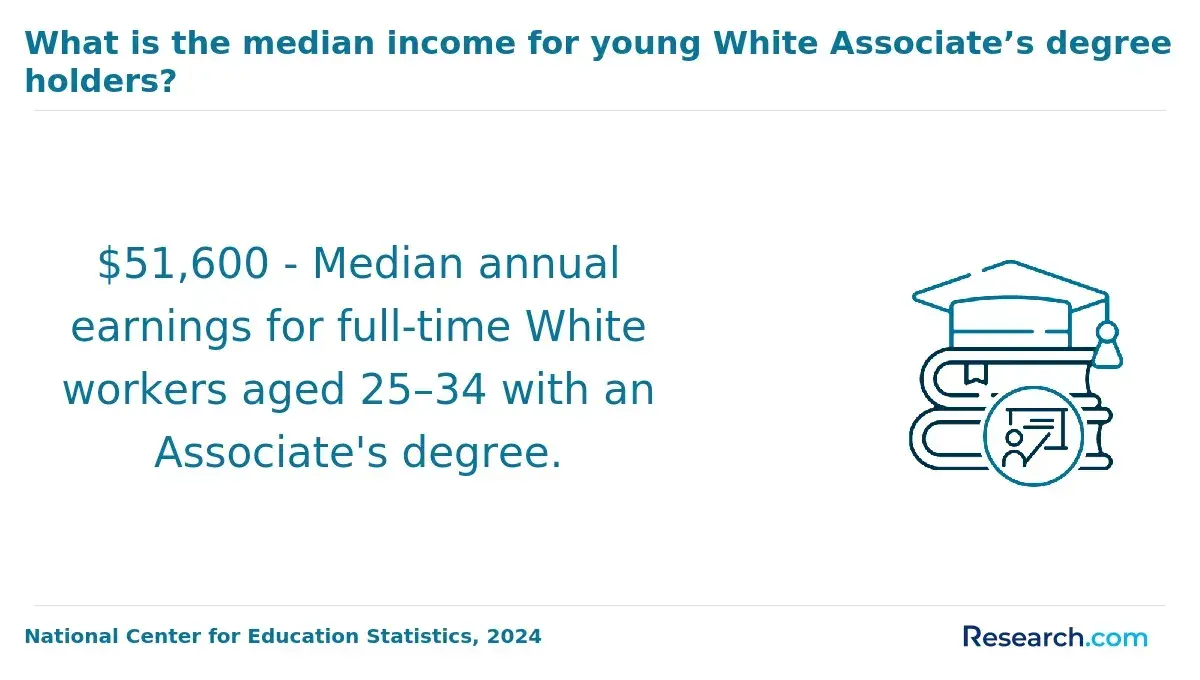
A bachelor's degree in international relations equips graduates to advance into professional roles without necessarily obtaining further formal education or certifications. Data from the National Center for Education Statistics highlights that around 60% of those holding a bachelor's degree move into mid-level managerial or specialist positions within five years of employment. This demonstrates how a foundation in international relations can lead to meaningful career growth through experience and skill application.
Several career opportunities capitalize on the expertise developed during an international relations program, especially roles demanding higher responsibility and strategic oversight. Key positions include the following:
- Foreign Service Officer: These officials represent their nation in diplomatic capacities, managing overseas missions and negotiating bilateral or multilateral agreements. A background in international relations sharpens awareness of global political landscapes, essential for diplomatic effectiveness.
- Policy Analyst: Professionals in this role evaluate legislation and international policies, providing insights and recommendations to decision-makers. Skills gained from studying international relations, such as research and political analysis, are fundamental to their effectiveness.
- Intelligence Analyst: Tasked with interpreting data related to national security and foreign threats, intelligence analysts rely on geopolitical knowledge and critical thinking nurtured through international relations studies to assess evolving situations accurately.
- Corporate Social Responsibility Manager: Overseers of ethical business operations on a global scale, CSR managers use their understanding of international law and cultural dynamics gained in international relations programs to guide corporate practices responsibly.
Progression to these roles generally depends on applying analytical, communication, and problem-solving abilities developed during undergraduate studies, paired with relevant professional experience. Graduates can reach advanced positions by strengthening their expertise and networks without the immediate need for additional degrees or certifications.
Many careers associated with an international relations degree demand additional certifications or advanced degrees beyond the bachelor's level. In fact, about 60% of professionals working in these fields pursue postgraduate education to meet credential standards or to specialize. These qualifications enhance expertise and are often necessary to access higher-level or government positions.
Careers that commonly require these additional credentials include:
- Diplomats and Foreign Service Officers: These professionals often need advanced degrees in international relations, law, or public policy. They must also pass challenging government exams and complete specialized training to work effectively in diplomatic roles.
- Intelligence Analysts: Security clearances are typically required, and many analysts hold master's degrees in fields like security studies or political science. Certifications related to cybersecurity or data analysis can further support career advancement.
- International Lawyers: Earning a law degree and passing the bar are mandatory steps. Advanced specialization in international law or human rights through further education greatly increases job opportunities.
- Policy Analysts and Advisors: These roles frequently demand graduate degrees in international relations, economics, or public administration to provide credible policy insights within governments or think tanks.
- NGO Managers: Advanced degrees focusing on international development, nonprofit management, or social policy improve leadership skills and open doors to senior positions within nonprofits.
Across these careers, certifications and advanced education play a critical role in navigating complex international frameworks, meeting regulatory requirements, and demonstrating the expertise employers expect.
Graduates with a degree in international relations can leverage their versatile skill set to explore alternative career options for international relations graduates beyond traditional diplomatic or governmental roles. About 40% transition into interdisciplinary careers within five years, demonstrating the degree's adaptability in various professional settings. This flexibility allows graduates to apply critical analysis and cross-cultural communication skills in diverse industries.
Some career paths beyond traditional international relations roles include:
- Corporate Social Responsibility Specialist: These professionals help corporations develop ethical business practices and sustainability initiatives. International relations graduates' global awareness and cultural sensitivity equip them to guide companies in responsible international operations.
- Policy Analyst in NGOs: Policy analysts research and evaluate policies related to international development, human rights, or environmental issues. Graduates' strong analytical and research skills enable them to provide valuable policy recommendations in nonprofit settings.
- Public Relations Manager: Managing communications for organizations with global audiences requires nuanced cultural understanding. Graduates' expertise in cross-cultural communication aids in crafting effective messaging across diverse populations.
- International Business Consultant: Consultants assist businesses in market entry strategies, regulatory compliance, and cultural adaptation. An international relations background helps graduates navigate geopolitical and economic factors influencing global markets.
- Data Analyst in Global Risk Assessment: Analysts combine quantitative skills with knowledge of international trends to evaluate geopolitical, security, or financial risks. This role capitalizes on both the analytical and contextual proficiencies developed in international relations programs.
Many international relations graduates also complement their expertise with specialized education, such as pursuing a blockchain degree, which can open further interdisciplinary opportunities in emerging fields.
Salary potential for international relations graduates can vary widely depending on several professional and educational factors. Research shows that mid-career professionals may experience up to a 40% salary increase compared to entry-level roles, reflecting growth with experience. Understanding these dynamics helps clarify key determinants of earning potential for international relations degree holders in North America.
Several crucial factors influence salary outcomes for international relations graduates, including:
- Industry Choice: Earnings differ notably by sector. Government and diplomatic services typically have distinct pay scales compared to private-sector consulting or international nonprofits, which can offer competitive compensation based on market demand.
- Experience Level: Entry-level positions generally offer lower salaries; however, as professionals gain expertise and seniority, their earning potential usually rises substantially.
- Geographic Location: Urban centers like Washington D.C. or New York City often provide higher salaries due to cost of living adjustments and the presence of numerous international organizations.
- Specialization: Graduates focusing on areas such as international trade, security policy, or global health often command higher salaries. Additional technical skills or language proficiencies can further boost employability and compensation.
- Role Responsibility: Leadership roles, policy advisors, and senior analysts tend to receive better pay compared to junior or administrative posts. Advancement into management frequently correlates with increased earnings.
For those considering further education after completing an international relations degree, pursuing a clinical psychology online masters could offer additional career pathways and income opportunities beyond the typical scope of international affairs careers.
Nearly 70% of bachelor's degree graduates either begin working or continue their education within a year, highlighting the variety of paths available after earning a degree in international relations. Graduates can explore multiple avenues to build their careers and expand their expertise in this evolving field.
Common next steps include:
- Entering the Workforce: Many graduates pursue roles in government, NGOs, international firms, or policy think tanks, applying their understanding of diplomacy, global affairs, and economics in practical settings.
- Graduate Studies: Advanced degrees in international relations, law, or public policy can deepen subject matter knowledge and open doors to higher-level positions, especially in diplomacy or policy analysis.
- Internships and Fellowships: These opportunities provide hands-on experience and networking in embassies, international organizations, or research centers, enhancing professional skills and career prospects.
- Skill Development: Building language fluency, data analysis capabilities, and communication skills increases competitiveness. Certifications related to international affairs further support ongoing career growth.
What Graduates Say About the Careers You Can Pursue With a International Relations Degree
- August: "Studying international relations opened my eyes to the complexity of global issues and the importance of diplomacy. I initially pursued this degree to understand world politics better, but it also equipped me with skills to navigate careers in policy analysis, international law, and even journalism. The degree truly broadened my perspective and gave me confidence in pursuing diverse opportunities across the public and private sectors."
- Bella: "Choosing a career after earning my international relations degree was challenging, but the program's interdisciplinary approach helped me identify where my passions lie-human rights advocacy and conflict resolution. This degree gave me not only theoretical knowledge but practical insights into global governance. It fundamentally shaped how I approach complex problems in my current role at a nonprofit organization."
- Julian: "My experience studying international relations was both intellectually rewarding and professionally transformative. The critical thinking and negotiation skills I developed directly contributed to my advancement in international development and diplomacy. Earning this degree affirmed my commitment to fostering cross-cultural understanding and helped me build a career with tangible impacts in global cooperation."
Other Things You Should Know About International Relations Degrees
Networking is highly important for careers linked to an international relations degree. Building relationships with professionals in diplomacy, global nonprofits, government agencies, and international businesses can open doors to job opportunities and mentorship. Attending conferences, joining relevant organizations, and engaging in internships are effective ways to expand your network.
Yes, proficiency in foreign languages substantially enhances job prospects in international relations. Fluency can be critical for roles in diplomacy, intelligence, and international development where communication across cultures is essential. Employers often prefer candidates who can navigate multiple languages to engage effectively with global partners.
Useful credentials include the Foreign Service Officer Test for U.S. State Department hiring, the Certified Global Business Professional designation from NASBITE International, and security or export-compliance certificates for policy-adjacent roles. Many employers also value a master’s degree, but certification can strengthen applications for analyst and diplomacy-track positions.
- Vacancies for "international relations" | UNjobs https://unjobs.org/skills/international-relations
- Top 6 benefits of studying international relations https://www.rhulisc.com/blog/benefits-of-studying-international-relations
- International Relations Salary and Career Paths https://teach.com/online-ed/government-degrees/online-masters-international-relations-business/salary-and-career-outlook/
- Highest Paying Jobs in International Relations [with Qualifications, Skills, and Salary] https://internshala.com/blog/highest-paying-jobs-in-international-relations/
- Exploring Career Opportunities with a Degree in International Relations https://ubisglobal.com/blog/career-opportunities-international-relations-degree/
- What Can You Do With An International Relations Degree? https://www.immerse.education/career-exploration/international-relations/careers-in-international-relations/
- International Relations Salary https://www.internationalrelationsedu.org/salaries/
- 17 International Organizations Offering Early-Career Opportunities https://www.humanrightscareers.com/magazine/international-organizations-opportunities-recent-graduates/
- How Diplomacy Studies Shape a Future Career in Global Affairs https://moderndiplomacy.eu/2026/01/08/how-diplomacy-studies-shape-a-future-career-in-global-affairs/
- 17 Cool International Affairs Jobs I Didn’t Even Know Existed https://www.whatdiplomatsdo.com/post/17-cool-international-affairs-jobs-i-didn-t-even-know-existed


