2027 Is a 2-Year Industrial Engineering Degree Worth It: Accelerated Bachelor's ROI & Time Trade-Offs

Co-Founder and Chief Data Scientist
Recent data shows that accelerated industrial engineering programs can lead to a 15% faster entry into the workforce compared to traditional four-year degrees. However, students must weigh this advantage against potential income variances and job market competition.
This article examines the return on investment of such accelerated degrees, analyzing salary projections, completion costs, and career progression to help readers determine if this educational route aligns with their long-term professional and financial objectives.
Key Benefits of a 2-Year Industrial Engineering Degree
- Completing a 2-year accelerated industrial engineering degree can lead to faster entry into the workforce, reducing opportunity costs compared to traditional 4-year programs.
- The average starting salary for industrial engineering graduates supports strong ROI, often surpassing $65,000 annually, offsetting initial educational expenses quickly.
- Accelerated programs emphasize practical skills and internships, enhancing employability and increasing long-term career advancement potential within engineering fields.
How Do 2-Year Industrial Engineering Programs Work?
Two-year industrial engineering programs offer an accelerated pathway designed to help students complete foundational and specialized courses in roughly half the time of traditional degree tracks. This condensed structure can be appealing for those eager to enter the workforce quickly or balance education with other responsibilities.
Understanding how these programs operate provides insight into the intensive commitment expected and the potential benefits of completing an industrial engineering associate degree course structure within a shorter timeframe.
- Accelerated Pacing: Courses are delivered in a faster format, condensing material so students cover more content in less time, which demands strong focus and time management skills.
- Year-round Enrollment: Students can enroll continuously across multiple terms instead of standard semesters, enabling quicker progress and flexibility in scheduling.
- Condensed Course Terms: Programs often use shorter, intensive terms rather than traditional quarters or semesters, increasing course frequency and workload.
- Credit Load Expectations: A heavier credit load per term-typically between 12 and 18 credits-is common to keep pace with the accelerated schedule and curriculum requirements.
- Instructional Format: Courses may blend face-to-face sessions, hybrid models, or fully online platforms, offering adaptability to diverse student needs including working adults.
- Assessment Methods: Steady evaluation through frequent quizzes, projects, and exams ensures consistent mastery of industrial engineering topics like systems optimization and quality control.
- Curriculum Progression: Sequential and rapid course sequencing mandates maintaining academic standards to avoid delays, underscoring the importance of consistent performance.
Data on 2-year accelerated industrial engineering degree programs shows the field's promising outlook: industrial engineering jobs are projected to grow faster than average, and median wages reflect a solid return on investment.
For those balancing career and education, programs designed with flexible formats, akin to options found within RN to BSN online with no clinicals pathways, offer viable routes to advancing credentials while managing other commitments.
What Are the Admission Requirements for a 2-Year Industrial Engineering Degree?
For students weighing the decision to pursue an accelerated bachelor's degree in industrial engineering, understanding the admission requirements for a 2-year industrial engineering degree is crucial.
Below is a detailed breakdown of typical requirements to consider when exploring accelerated industrial engineering program entry criteria.
- Prior Education: Admission usually requires a high school diploma or an equivalent credential such as a GED. Many programs emphasize completed coursework in math and science-including algebra, geometry, and introductory physics-to prepare students for technical subjects.
- GPA Expectations: A minimum GPA often falls between 2.5 and 3.0, reflecting a baseline academic proficiency that indicates readiness for the rigors of engineering studies.
- Standardized Tests: While some programs make SAT or ACT scores optional-particularly community colleges or transfer-focused options-accelerated bachelor's tracks may look for strong standardized test results as an efficient measure of quantitative ability.
- Prerequisite Courses and Credits: Programs frequently require or prefer students who have completed prerequisite college-level courses. Transfer credits can shorten degree completion time by allowing students to bypass introductory classes.
- Work Experience: Although not commonly mandatory, relevant technical or manufacturing work experience can strengthen an application by demonstrating practical knowledge and commitment.
- Program Structure Benefits: Accelerated paths leverage transfer credits and focused study plans to reduce typical four-year durations by up to 50%, saving time and tuition. According to the National Center for Education Statistics, such programs can offer significant efficiency and cost advantages.
Students exploring options similar to easy dnp programs might find that understanding such admission nuances enhances their capacity to select the best accelerated pathway for their career goals.
What Does a Typical Week Look Like in a 2-Year Industrial Engineering Program?
Knowing how weeks are structured and how much work is involved can help prospective students decide if an accelerated industrial engineering degree fits their lifestyle and goals.
Below is a breakdown of what a typical week often entails.
- Class sessions or lectures: Students usually attend multiple fast-paced sessions weekly, covering essential industrial engineering principles such as systems optimization and operations research, often with little downtime between topics.
- Assignments and assessments: A continuous stream of homework, including problem-solving exercises and data analysis, demands steady effort. Regular quizzes and exams gauge understanding and reinforce material throughout the course.
- Group work: Collaborative projects consume several hours weekly, developing communication skills and teamwork abilities vital for future industry roles.
- Independent study time: Outside of lectures, students dedicate additional hours to reading, practicing problems, and completing assignments, ensuring deep comprehension of complex concepts.
- Instructor interaction: Though limited by time, office hours and feedback sessions provide targeted support essential for mastering difficult topics quickly.
- Time management: The accelerated nature of the program forces students to organize their schedules precisely, prioritize activities, and maintain consistent discipline to keep up with the intense workload.
When asked about his experience, a professional who completed a 2-year industrial engineering bachelor's degree shared, "The pace was relentless-I often felt like I was sprinting through semesters rather than pacing myself."
"Juggling multiple group projects alongside continuous tests was challenging, but it taught me to be efficient and reactive. At times, the pressure felt overwhelming, but regular instructor feedback helped me stay on track."
"Looking back, the intensity prepared me better for industry deadlines than I initially expected." This firsthand account highlights the demanding but rewarding environment characteristic of such accelerated programs.
Delivery format plays a crucial role for students pursuing an accelerated industrial engineering degree, impacting their ability to balance studies with work or personal commitments. Flexibility and accessibility through online learning can make a significant difference in time management and overall success.
Below is a closer look at the available options and key considerations for accelerated programs lasting around two years.
- Fully online vs. hybrid formats: Strictly online two-year industrial engineering degrees are uncommon because of the hands-on nature of the field. Most programs adopt a hybrid model, blending online coursework with in-person labs or practical sessions to ensure students gain necessary real-world experience.
- Asynchronous and synchronous learning: Programs typically mix asynchronous lectures that students can access anytime with scheduled live sessions. This combination supports flexibility while maintaining interactive engagement essential for the accelerated pace.
- Technology requirements: Reliable internet, a capable computer, and specialized software for simulations are essential. These tools enable students to effectively complete technical assignments and collaborate remotely.
- Student support services: Access to online tutoring, academic advising, and tech help is critical when navigating an intensive curriculum. These resources help manage the faster timeline and complex content.
- Pacing and engagement: The rigorous nature of a two-year accelerated program demands strong self-discipline. Online delivery blends flexibility with structured interaction but can challenge students to stay consistently engaged throughout the condensed schedule.
Assessing the total cost of a 2-year industrial engineering degree is crucial for evaluating its return on investment, especially in accelerated programs where time and money pressures intensify.
The following outlines the primary components affecting tuition and fees for accelerated industrial engineering programs.
- Tuition Structure: Tuition is typically charged per credit hour, with accelerated programs often increasing course load per semester to reduce total time. This means higher tuition costs each term but fewer semesters overall compared to traditional four-year degrees.
- Additional Fees: Programs frequently include mandatory fees such as lab access and technology charges. These cover specialized equipment and software essential for engineering studies and are common in most industrial engineering programs.
- Textbooks and Learning Materials: Rapid pacing demands swift acquisition of textbooks and materials, which can raise costs due to less time to shop for used or discounted resources. These expenses add notably to the total program cost.
- Accelerated Pacing Impacts: While completing a degree faster may reduce living expenses and tuition over time, it can also limit opportunities for part-time employment, increasing financial pressure during study periods.
For those also exploring other efficient education paths, resources on easy nursing schools to get into can provide comparative insight into accelerated program affordability and accessibility.
For students considering an accelerated 2-year industrial engineering degree, understanding financial aid options is crucial. The faster pace and condensed schedule can influence how aid is applied and when funds become accessible.
Exploring key types of support helps prospective students plan for both academic and financial success.
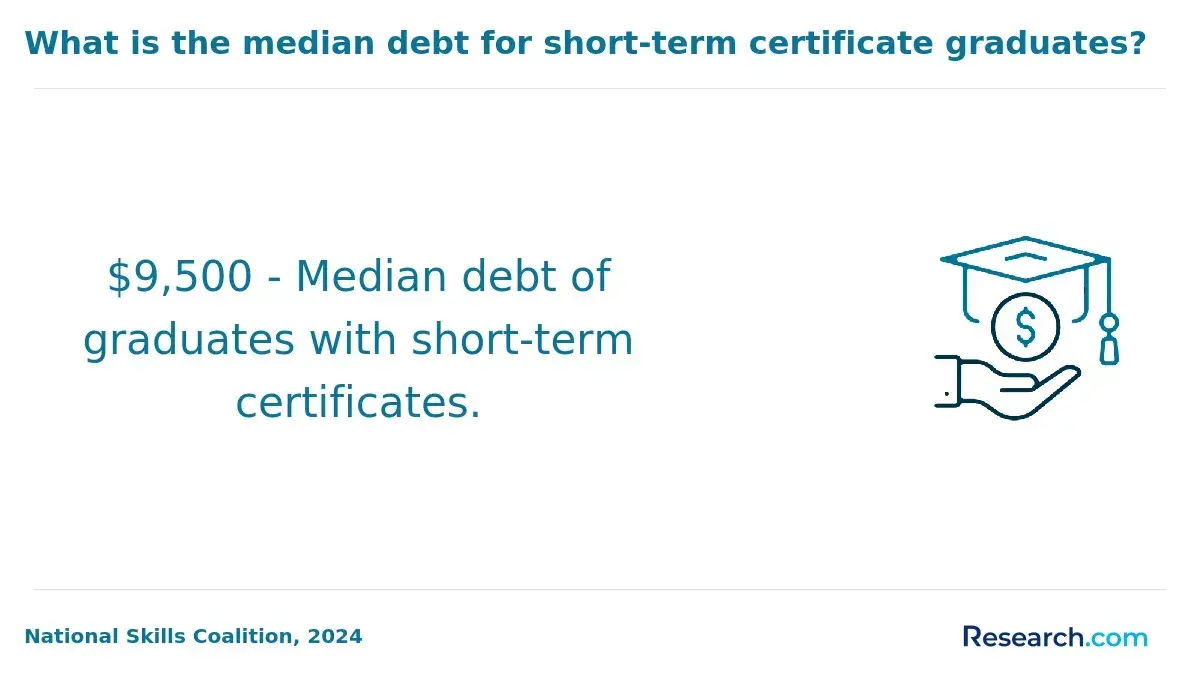
- Federal student aid eligibility: Most accredited industrial engineering programs qualify for federal aid, such as Pell Grants and Direct Loans. However, accelerated timelines may shift disbursement schedules, requiring students to stay attentive to deadlines and loan terms.
- Scholarships and grants: Many awards target STEM students, women in engineering, and underrepresented groups, offering merit- or need-based funding. Some scholarships may enforce credit load requirements that can be challenging in accelerated formats, so reviewing each award's conditions is essential.
- Employer tuition assistance: Working adults often benefit from employer programs that help cover tuition. These resources can reduce out-of-pocket expenses while allowing students to balance work and study.
- Payment plans: Institutions may offer installment options to spread tuition payments across shorter terms. This helps manage cash flow without relying solely on loans or scholarships.
- Impact of accelerated pacing: Completing the degree faster may limit the duration for which certain aid is available, as some programs tie funding eligibility to credit hours completed per term or academic year. Students should anticipate these nuances when applying for aid.
When speaking with a professional who earned an accelerated bachelor's degree in industrial engineering, she recalled the complexity of managing her financial aid alongside an intense class schedule.
"It wasn't just about getting the funds-staying on top of paperwork and timing was a challenge," she explained. Despite this, she appreciated how the combination of federal loans, a couple of STEM-focused scholarships, and a flexible payment plan at her school made finishing in two years financially attainable.
"Having a clear financial plan was as important as the study plan," she added, highlighting that proactive communication with financial aid advisors helped her navigate unexpected shifts in aid availability caused by the program's accelerated structure.
Her experience underscores that while financial aid can be secured for fast-track industrial engineering studies, staying informed and organized is key to leveraging it effectively.
Evaluating career outcomes is crucial when considering an accelerated industrial engineering bachelor's degree, as it helps determine whether the time investment aligns with one's professional goals.
The following overview highlights common roles and industries for these graduates, along with key skills the accelerated programs emphasize.
- Industrial Engineering Technicians: These entry-level roles focus on supporting engineers in areas like process improvement and efficiency. Technicians apply lean manufacturing principles and assist with data collection and workflow optimization.
- Process Analysts: Graduates work to analyze and enhance production processes, using statistical data and quality control techniques to identify bottlenecks and suggest improvements.
- Quality Assurance Associates: These positions involve maintaining product standards and ensuring compliance within manufacturing environments, often requiring the application of statistical quality control methods learned during coursework.
- Production Planners: Early-career professionals coordinate manufacturing schedules and resources to streamline operations, applying basic systems engineering principles gained through accelerated study.
- Industries Hiring Graduates: Key sectors include automotive, aerospace, healthcare manufacturing, and supply chain management. The demand in these fields reflects the practical, workforce-ready skills the accelerated format cultivates.
- Workforce Readiness and Advancement: Accelerated programs equip students with hands-on technical skills alongside project management software competency, enabling a quicker transition into relevant roles. While senior engineering roles may require further education or experience, a 2-year degree offers a solid base for career growth.
For related options in healthcare education, some students may explore fields like the cheapest online health science degree, which similarly offer accelerated study paths and career-focused curricula.
Salary outcomes are a critical factor when evaluating the return on investment (ROI) of accelerated 2-year industrial engineering programs versus traditional bachelor's degrees.
Below is a detailed comparison of key salary aspects between these two degree types.
- Early-Career Earnings: Graduates with a 2-year industrial engineering degree often start with median salaries near $60,000, reflecting the associate degree level in engineering technology reported by the U.S. Bureau of Labor Statistics. In contrast, industrial engineering bachelor's degree salary differences show that those with a bachelor's typically begin with earnings closer to $70,000 or higher.
- Long-Term Salary Growth: Traditional bachelor's degree holders generally experience faster salary growth, frequently surpassing $90,000 within 5 to 10 years. This increase is driven by advancement opportunities requiring deeper technical knowledge or management skills. Meanwhile, 2-year degree holders tend to see slower progression due to credential limitations.
- Employer Perception and Advancement: Employers often prefer bachelor's degrees for roles with leadership potential and advanced responsibilities, which affects promotion speed and salary increases. This preference can limit career progression for those holding only a 2-year industrial engineering degree.
- Workforce Entry and Lifetime Earnings: Graduates with 2-year degrees enter the workforce faster, saving one to two years in time and tuition costs. This accelerated entry can partially offset initial salary differences, potentially leading to earlier overall income accumulation despite lower starting pay.
For students considering the financial aspects of their education, balancing salary expectations with time and cost savings is essential. Those interested in exploring educational pathways beyond industrial engineering might also research cheapest online DNP programs as a comparative model.
When considering accelerated industrial engineering degree programs, evaluating return on investment (ROI) helps students determine whether the time and financial commitments align with their long-term career goals.
Below is an overview of key elements that impact ROI for these programs.
- Time-to-completion: Accelerated degrees typically shorten the usual four-year path to two or three years, enabling earlier entry into the workforce. This reduced timeframe can lead to higher lifetime earnings by minimizing time spent out of the job market.
- Tuition and total cost: Though per-semester costs may be higher due to increased course loads, the overall expense can be lower because fewer semesters are required. However, students should review program details carefully, as accelerated pathways sometimes involve necessary summer courses or extra fees.
- Opportunity cost savings: Completing a degree faster means less time without income or professional experience. Graduates can begin advancing their careers sooner, which is particularly valuable given the median industrial engineering salary close to $95,000 annually, according to recent data.
- Employment outcomes and industry demand: Industrial engineering jobs are projected to grow steadily, with about an 8% increase expected over the next decade. Graduating faster can position students to capitalize on these job opportunities sooner.
- Transferability of skills: The practical skills developed-such as process optimization and data analysis-apply broadly across industries. This versatility enhances career flexibility and may improve earning potential over time.
Deciding if a two-year industrial engineering degree suits you involves reflecting on your learning preferences, time management skills, and readiness for an intensive study schedule.
Accelerated programs condense material and demand consistent focus and discipline, so consider whether your weekly availability supports this faster pace. Your motivation to enter the workforce quickly and how this aligns with your long-term career goals is also critical.
Additionally, assess if you can handle limited opportunities for internships or electives, which might affect your skill development and specialization options.
Financially, these shorter degrees can lower tuition and reduce time away from earning income, improving overall value. Engineering graduates tend to see strong earnings potential, which can make an accelerated path a worthwhile investment if employment is secured.
It's important to research employer preferences, as some roles favor experience or advanced qualifications. Finally, think about how the program's structure fits with your plans for gaining practical experience and expanding your expertise over time.
What Graduates Say About Their 2-Year Industrial Engineering Degree
- Olly: "Choosing the 2-year accelerated bachelor's degree in industrial engineering was a strategic move for me due to its balance between cost and time efficiency-especially with the average attendance cost being more manageable than traditional programs. The intense, fast-paced schedule required strict discipline, but the supportive faculty and clear curriculum helped me stay on track. Now, I'm thriving in a manufacturing systems analyst role where I apply lean principles daily, and I truly believe this degree fast-forwarded my career."
- Natalie: "The decision to pursue a two-year program in industrial engineering sprang from my desire to enter the workforce swiftly without compromising on quality education. Managing the rigorous schedule meant prioritizing and adapting quickly; it was challenging but rewarding. Reflecting on my journey, I appreciate how this accelerated path sharpened my problem-solving skills and opened doors to advanced roles in supply chain management."
- Amara: "Opting for a 2-year industrial engineering degree aligned perfectly with my professional goals and financial considerations, given the typically lower average costs compared to four-year degrees. The compressed timeline demanded excellent time management and focus, which helped build resilience. I now see tangible benefits as a process improvement consultant, where the credential significantly bolsters my credibility and client trust."
Other Things You Should Know About Industrial Engineering Degrees
Most accelerated programs accept up to 60 semester credits from an accredited community college or prior bachelor’s work. Core engineering courses usually must be taken at the degree-granting school, and transfer approval is set by the university registrar and engineering department before enrollment.
A 2-year industrial engineering degree in 2027 might face limitations in curriculum depth, potentially lacking comprehensive coverage of advanced topics compared to a 4-year curriculum. Employers may view these degrees as less rigorous, affecting long-term career advancement opportunities in specialized engineering roles.
- Custom machine design in your browser https://vention.io/blogs/industry/evaluating-roi-on-industrial-automation-projects-657
- Industrial Engineering Degrees Help Productivity | All Engineering Schools https://www.allengineeringschools.com/engineering-careers/career/industrial-engineering/
- Industrial Engineering Scholarships https://www.collegescholarships.com/major-degree/industrial-engineering-scholarships/12
- What do industrial engineers do? Everything you need to know about studying to become and Industrial Engineer | IQS https://iqs.edu/en/what-do-industrial-engineers-do-everything-you-need-to-know-about-studying-to-become-and-industrial-engineer/
- Two-year Degree Courses in the UK | GoStudyIn https://gostudyin.com/study-in-uk/study-options/two-year-degree/
- Can You Get a Bachelor's Degree in 2 Years or Less? https://www.coursera.org/articles/can-you-get-a-bachelors-degree-in-2-years
- How to Become an Industrial Engineer - Steps and Time Required https://www.onlineengineeringprograms.com/faq/how-do-i-become-an-industrial-engineer
- What is the ROI of an Industrial Engineering Department? https://anddiligence.com/what-is-the-roi-of-an-industrial-engineering-department/
- 2-Year Engineering Degree Guide for 2025–2026 - Educating Engineers https://educatingengineers.com/degrees/2-year-engineering-degree/
- Industrial Engineering Master's Degree Online - Penn State World Campus https://www.worldcampus.psu.edu/degrees-and-certificates/penn-state-online-industrial-engineering-masters-degree