2027 Accelerated vs. Traditional Industrial Engineering Degrees: Pros & Cons

Co-Founder and Chief Data Scientist
Choosing between accelerated and traditional industrial engineering degrees involves weighing speed against depth. Accelerated programs cater to working adults or career changers by offering faster completion, often within two years. In contrast, traditional degrees provide a more flexible pace, allowing students to immerse themselves deeply in foundational engineering principles and apply theory extensively. Notably, accelerated learning formats have grown by over 25% in popularity among U.S. engineering students in recent years.
This article compares these two paths by examining time commitment, learning experience, career outcomes, and essential factors students should consider. Understanding these differences will help prospective industrial engineering students make informed decisions aligned with their professional goals and life circumstances.
Key Points About Accelerated vs. Traditional Industrial Engineering Degrees
- Accelerated industrial engineering programs offer flexibility for working professionals and fast-track degree completion, supporting quicker entry into advanced roles with potential salary growth.
- Traditional degrees provide deeper academic exploration, fostering critical thinking and comprehensive understanding vital for complex system design and innovation in industrial engineering.
- Students in traditional programs benefit from stronger peer networks and paced learning, which enhances skill retention and readiness for collaborative engineering environments.
What Are the Differences Between Accelerated vs. Traditional Industrial Engineering Programs?
Program structure differs considerably between accelerated and traditional industrial engineering degree formats, particularly in pacing, scheduling, and intensity of study. These variations impact how students engage with course material and balance academic and personal responsibilities. Below is a comparison of the key differences between accelerated and traditional industrial engineering degrees in crucial areas affecting student experience.
- Session Length & Intensity: Accelerated industrial engineering programs use condensed sessions, typically around eight weeks or fewer, demanding faster absorption of material and heavier course loads per term. Traditional programs follow standard-length sessions of 14-16 weeks, allowing a more gradual pace and often lighter simultaneous course loads, which can be easier to manage.
- Course Delivery Format: Accelerated programs frequently rely on fully online and asynchronous classes, offering flexibility for students balancing work or other commitments. In contrast, traditional bachelor's degree structure often includes in-person classes and synchronous sessions, encouraging more direct interaction with faculty and peers.
- Student Support Services: Support in accelerated online programs tends to be virtual and robust, including academic advising, career counseling, and engineering-specific software resources to help with the program's intensity. Traditional programs generally provide on-campus support services, labs, and networking opportunities favored by students who prefer face-to-face engagement.
- Lab, Group, and Hands-On Components: Accelerated online formats may limit access to physical labs and group projects, sometimes substituting these with virtual simulations or project-based assignments. Traditional programs typically integrate extensive lab work and collaborative projects over longer durations for more immersive experiential learning.
Understanding the accelerated industrial engineering program vs traditional bachelor's degree structure can help prospective students choose a format that best matches their learning style and time constraints. For those interested in faster credentialing options, examining the best 6 month certificate programs that pay well may also provide valuable insights into efficient educational pathways.
How Fast Can You Finish an Accelerated vs. Traditional Industrial Engineering Program?
Program length varies significantly between accelerated and traditional industrial engineering degrees. Accelerated formats condense coursework into shorter terms, often allowing year-round study, while traditional paths follow a standard academic pace with longer semesters. This difference impacts how quickly students can complete their degrees. Below is a comparison of the accelerated industrial engineering degree completion time versus the traditional industrial engineering program length.
Key factors affect the time required to finish an industrial engineering degree:
- Transfer Credits: Students bringing credits from previous college work or associate degrees can shorten their timeline substantially. Accelerated programs especially benefit from this, sometimes enabling students to finish a bachelor's in as little as two years, while traditional programs may still take longer despite transfer credits.
- Full-Time vs. Part-Time Enrollment: Full-time students typically complete their degree faster since they take more credits per term. Part-time enrollment, more common among working professionals, extends the duration notably in both program types.
- Course Intensity and Term Structure: Accelerated programs use compressed terms (7-10 weeks) that enable quicker completion compared to traditional 16-week semesters. This often includes year-round enrollment options, which aren't usually available in traditional formats.
- Prior Learning and Credit-by-Exam: Some accelerated programs grant credit for professional experience or proficiency exams, decreasing required coursework significantly, a feature less common in traditional settings.
- Combined Degree Program Structure: Accelerated bachelor's/master's combined tracks allow select courses to count toward both degrees, reducing overall credits and shortening total time compared to pursuing these degrees sequentially in traditional programs.
Students looking for the easiest online bachelor's degree programs should carefully evaluate these factors to estimate realistic completion timelines.
What Are the Admission Requirements for Accelerated vs. Traditional Industrial Engineering Programs?
Admission requirements for accelerated and traditional industrial engineering programs often share core standards such as GPA benchmarks, test score expectations, and prerequisite coursework. However, they differ in how they assess academic readiness and professional experience, reflecting distinct approaches to student preparation and selection. Below are key differences in admissions expectations between these program formats.
- Academic Performance: Accelerated industrial engineering program admission requirements typically demand a higher undergraduate GPA, often 3.25 or above, emphasizing early academic excellence. Traditional industrial engineering degree entry criteria tend to accept a minimum GPA of around 3.0 but focus more on overall undergraduate performance and degree completion.
- Progress Toward Degree: Accelerated applicants must be current undergraduates, usually nearing completion of their bachelor's degree, such as having 40 credit hours left or after completing 80 credits. In contrast, traditional programs require applicants to have already earned a bachelor's degree before enrollment, targeting students ready for graduate-level study.
- Application Timing and Materials: Candidates for accelerated programs commonly apply during their junior or senior years, potentially with waived GRE scores or fewer supplemental documents. Traditional programs often require GRE scores, letters of recommendation, and statements of purpose, seeking a robust application package to assess readiness.
- Prerequisite Coursework: Traditional industrial engineering degree entry criteria may include additional prerequisite courses for applicants without an undergraduate industrial engineering background. Accelerated programs generally restrict admission to students within the same or closely related fields to ensure prerequisite coverage via their undergraduate curriculum.
These distinctions align with the accelerated industrial engineering program admission requirements prioritizing seamless transitions for high-performing undergraduates, while traditional programs offer broader access to diverse preparatory backgrounds. For students considering career outcomes, reviewing the most money making majors can be a useful step when choosing a focus within engineering.
Accelerated industrial engineering degree programs are designed to deliver the same curriculum as traditional degrees but within a shorter timeframe. They emphasize faster pacing, increased workload, and flexible delivery formats to help students graduate sooner compared to the standard four-year track. These programs often utilize continuous enrollment and condensed terms to meet industry standards without compromising academic rigor.
Key differences between accelerated and traditional industrial engineering courses include:
- Course Length: Accelerated programs condense the semester into 7-8 week terms, allowing degree completion in 2-3 years, while traditional programs follow a 16-week semester over four years. Accelerated formats fit motivated students or career changers aiming to enter the workforce quickly.
- Weekly Workload: Students in accelerated courses handle heavier workloads, typically juggling 4-5 intensive classes at once, whereas traditional students have fewer simultaneous demands due to longer terms. Despite this, both formats uphold consistent credit and accreditation standards.
- Instruction Style: Accelerated degrees often offer flexible online or hybrid learning to accommodate working professionals, contrasting with traditional programs that usually require in-person attendance and on-campus labs. Both maintain academic quality to ensure graduates meet professional expectations.
Tuition rates per credit tend to be comparable between accelerated and traditional industrial engineering programs, but the overall costs can vary significantly. Accelerated programs often shorten the time students spend enrolled, which can reduce expenses beyond just tuition.
Below are key cost-related factors distinguishing the two program types:
- Tuition Rate per Credit: Both formats generally charge similar costs per credit hour and require a comparable number of credits to graduate. For example, online bachelor's degrees in industrial engineering typically range from $10,900 for in-state public schools to $33,000 at private institutions regardless of program length.
- Program Duration and Total Cost: Accelerated degrees can be completed in two to three years compared to four years in traditional programs. This condensed timeframe often lowers living expenses, fees, and textbook costs, resulting in reduced overall outlays.
- Opportunity Cost: Finishing earlier allows students in accelerated programs to enter the workforce sooner, minimizing lost earnings during study and potentially increasing lifetime income relative to traditional counterparts.
- Financial Aid Availability: Both traditional and accelerated students typically have access to similar federal financial aid and scholarship options, making support equally attainable across formats.
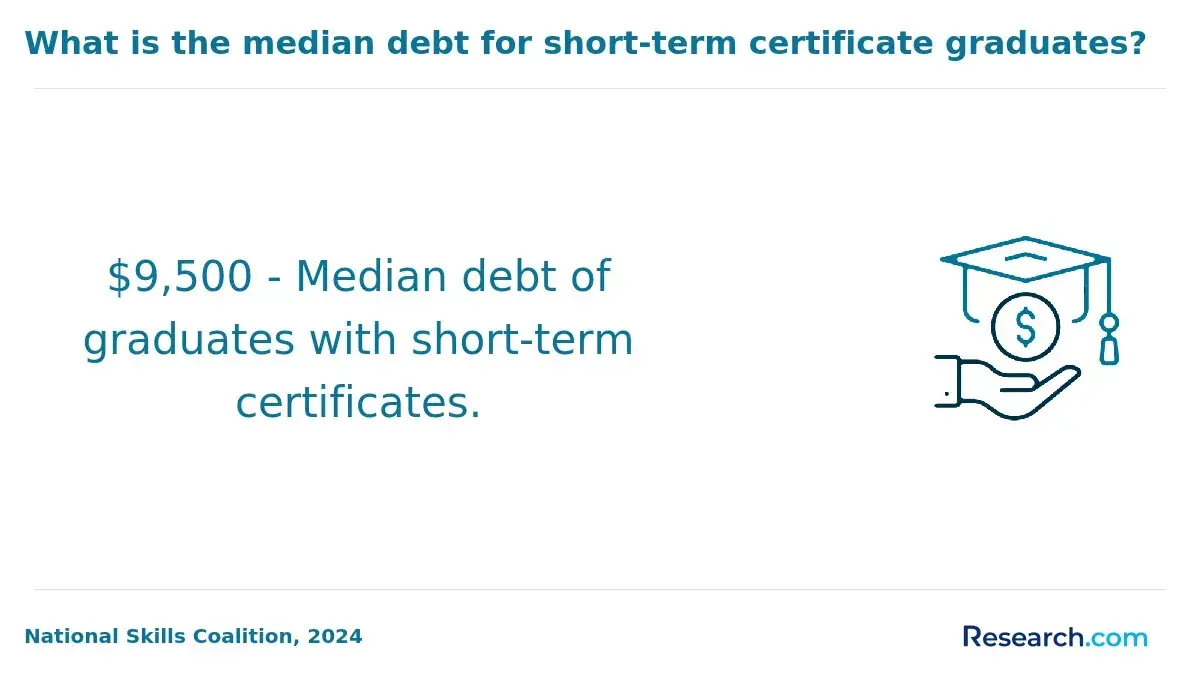
Students pursuing either accelerated or traditional industrial engineering degrees in the U.S. often qualify for financial aid, but the nature and timing of funding can vary significantly depending on program format and enrollment status. Understanding these differences is crucial for planning tuition payments and managing aid effectively.
Here is a breakdown of how financial aid options differ between accelerated and traditional industrial engineering programs:
- Federal Aid Eligibility: Traditional students benefit from typical semester schedules that align with federal loan and Pell Grant guidelines, often allowing aid to be spread over four years. Accelerated students may face challenges since compressed terms can alter disbursement timing or eligibility for aid linked to full-time enrollment across regular semesters.
- Scholarship Timelines: Many scholarships are designed for traditional academic calendars and might exclude accelerated or nonstandard program timelines, requiring accelerated students to verify specific eligibility before applying.
- Employer Tuition Assistance: Both program types generally qualify, though employers often require accreditation and may prefer traditional pacing. It's important to check reimbursement policies carefully to avoid coverage gaps.
- Aid Disbursement and Renewal: Accelerated programs' condensed schedules may impact when aid is distributed and the renewal process, sometimes necessitating more frequent communication with financial aid offices to maintain funding.
When I spoke with a professional who completed an accelerated industrial engineering degree, he reflected on navigating financial aid as a "bit of a balancing act." He explained that while the shortened program allowed him to finish quickly, managing the timing of loan disbursements required extra attention. "I had to work closely with the financial aid office to ensure my eligibility statuses matched the accelerated calendar," he said.
Relying on employer tuition assistance, he also emphasized the importance of confirming whether accelerated credits qualified. Despite these hurdles, he viewed his experience positively, noting that careful planning helped him "turn potential obstacles into manageable steps" that supported both his education and career goals.
Student support is essential for success in industrial engineering education, with notable differences between accelerated and traditional programs in how services are delivered and scheduled. These variations impact the type, timing, and accessibility of assistance available to students. The following points compare common support structures found in both program formats.
- Academic Advising: Accelerated programs typically offer virtual advising with flexible, frequent check-ins to keep pace with the condensed curriculum. Traditional programs often provide scheduled in-person or hybrid advising spaced further apart due to longer semesters.
- Tutoring: Students in accelerated formats often benefit from online tutoring platforms that provide rapid, sometimes 24/7, support. Traditional students usually access tutoring onsite or by appointment, enabling deeper, ongoing academic mentoring.
- Career Services: Accelerated programs emphasize virtual career counseling and webinars that focus on quick job readiness and condensed networking suited for working professionals. Traditional formats favor in-person workshops, campus events, and extended internship opportunities allowing more time for career exploration.
- Peer Interaction: Traditional students often experience more face-to-face peer engagement through group projects and campus activities, while accelerated learners rely more on virtual collaboration tools due to the compact schedule.
Employment outcomes are a major factor when choosing between accelerated and traditional industrial engineering programs. While both pathways can lead to successful careers, the time it takes to secure a job varies depending on program format and individual circumstances. The following points compare key aspects influencing job placement for graduates of each type of program.
Insights on hiring speed and employment outcomes include:
- Employer Perception: Traditional industrial engineering degrees are still seen as more comprehensive by many employers. However, accelerated online programs from accredited schools are gaining credibility, especially where skills and applied knowledge matter more than program duration.
- Career Readiness: Accelerated programs tend to emphasize practical technical and business skills needed for immediate employment. Graduates from recognized online schools often report high job placement rates, benefiting from targeted curricula and professional networking.
- Industry Demand: With projected growth of 11% in industrial engineering jobs from 2024 to 2034, companies increasingly hire from both traditional and accelerated programs to fill urgent roles.
- Job Placement Speed: Graduates of accelerated online programs often join the workforce faster thanks to flexible start dates and condensed courses, while traditional degree holders usually leverage industry internships and deeper connections to secure offers.
When asked whether graduates from accelerated versus traditional industrial engineering programs find jobs more quickly, a professional who earned a traditional degree shared her experience. She described the intense job search following graduation, highlighting that while the process was competitive, internships gained through the program helped her build valuable industry relationships.
"I was nervous at first," she explained, "but the connections and hands-on experience made a big difference. I received my first offer within months and felt prepared to start my career." Her reflections point to how traditional programs may take longer overall but can offer opportunities that contribute to early hiring success.
ABET accreditation for accelerated Industrial Engineering degrees ensures academic quality and legitimacy for both accelerated and traditional programs, regardless of pacing or delivery format. This accreditation confirms that programs meet established standards essential for professional practice. It significantly impacts financial aid eligibility, transferability of credits, and recognition by employers and licensing boards.
Students pursuing either format benefit from accreditation's assurance that their education satisfies rigorous academic and industry requirements. Ensuring that a program holds current ABET accreditation is crucial for students to maintain these benefits throughout their studies.
While the accreditation process generally applies equally to both traditional and accelerated Industrial Engineering programs, there are some accreditation differences between accelerated and traditional Industrial Engineering programs in how institutions design and deliver coursework. Accelerated formats often compress schedules and use alternative teaching methods to meet the same educational standards within a shorter timeframe.
Regional and programmatic accrediting bodies oversee these standards to ensure curricula, faculty, and learning outcomes align with professional expectations. Prospective students should always verify their institution's accreditation status before enrolling to ensure their degree is broadly recognized. Additionally, students seeking low tuition online universities that accept fafsa can consult resources like the ABET website and trusted educational guides to make informed decisions.
Choosing between an accelerated and a traditional industrial engineering degree depends largely on your career goals, schedule flexibility, and preferred learning pace. Both options offer distinct advantages that suit different personal circumstances. Below are key factors to consider when deciding which path fits you best, helping you identify the best way to choose between accelerated and traditional industrial engineering degree programs.
Time Commitment
Accelerated programs require a more intense, focused schedule, often lasting 12 to 18 months at the master's level. They demand a heavy workload in a shorter timeframe. Traditional degrees typically span two to three years for graduate studies or about four years for undergraduate studies, spreading coursework out to allow greater balance with outside commitments.
Learning Style
If you thrive under pressure and maintain focus in fast-paced environments, an accelerated program may work well. Some evidence suggests students in accelerated formats perform as well or better, benefiting from deeper immersion and fewer distractions. Conversely, those preferring more time to digest material or managing significant responsibilities may find traditional programs more suitable.
Career Goals
Accelerated degrees offer a faster route to enter the workforce or advance in your current role. Traditional degrees, however, often provide more research, networking, and internship opportunities, valuable for those seeking in-depth experience or further academic study. Considering these aspects will aid in evaluating factors to consider when deciding on accelerated vs traditional industrial engineering program options.
For students exploring educational options, reviewing options at top accredited trade schools online can offer additional guidance on program formats and timelines.
What Students of Accelerated vs. Traditional Industrial Engineering Programs Say About Their Degree
- Nathan: "Enrolling in an accelerated industrial engineering program was intense and fast-paced, which suited my learning style perfectly. Although the cost was higher per semester, finishing earlier saved me in long-term tuition and enabled a quicker transition into my career. However, the demanding schedule meant less downtime and limited opportunities for extracurriculars compared to traditional routes."
- Ameer: "The traditional industrial engineering program was rigorous but rewarding. I appreciated the in-depth coursework and the chance to build long-lasting relationships with professors and peers. On the downside, the length and cost of the program were significant investments, but it prepared me well for a stable career in manufacturing and operations management."
- Paxton: "Pursuing a traditional industrial engineering degree gave me a solid foundation in both theory and practical applications. While the pace was steady, it allowed me to absorb complex concepts without feeling overwhelmed. The overall cost was manageable compared to some accelerated programs, but it did take longer to complete, which delayed my entry into the workforce."
Other Things You Should Know About Traditional vs. Accelerated Industrial Engineering Degrees
No. Employers treat ABET accreditation the same for accelerated and traditional industrial engineering degrees if the program is ABET-accredited. ABET reviews curriculum, faculty, facilities, and outcomes. Graduates from ABET-accredited programs are usually eligible for Engineer in Training and PE licensure pathways.
Accelerated industrial engineering degrees cover the core curriculum but often with a faster pace and fewer elective options. While they offer rigorous training, the compressed format may limit opportunities for in-depth study, research projects, or hands-on internships compared to traditional programs. Students seeking broader specialization might find traditional degrees better suited to in-depth learning.
Both accelerated and traditional industrial engineering degrees cover key subjects, but the accelerated programs are more intensive, often condensing the curriculum into a shorter time frame. While traditional degrees allow for more in-depth exploration, accelerated programs require students to quickly absorb material, potentially impacting mastery.
- Fastest Online Engineering Degree Programs - Educating Engineers https://educatingengineers.com/degrees/fastest-online-engineering-degree-programs/
- Benjamin M. Statler College of Engineering and Mineral Resources | Industrial Engineering https://www.statler.wvu.edu/academics/industrial-engineering
- Bachelor of Science in Industrial Engineering - Department of Mechanical & Industrial Engineering https://mie.northeastern.edu/academics/undergraduate-studies/bs-inde/
- Guide to Online Accelerated Degree Programs https://www.onlineu.com/resources/accelerated-degrees
- Two Year Accelerated Degree in Engineering UK https://www.acadfly.com/blogs/uk-accelerated-engineering-degrees
- What to Expect from an Industrial Engineering Degree https://aiiem.org/what-to-expect-from-an-industrial-engineering-degree/
- Attrition and success rates of accelerated students in nursing courses: a systematic review https://pmc.ncbi.nlm.nih.gov/articles/PMC4825075/
- Industrial Engineering https://catalog.iastate.edu/collegeofengineering/industrialengineering/
- 2025-2026 Edition https://catalog.wichita.edu/undergraduate/engineering/industrial-manufacturing-engineering/accelerated-bs-to-ms/