2027 Industrial Engineering Degree vs. Certificate: Which Should You Choose?

Co-Founder and Chief Data Scientist
Today's students and professionals face important decisions when choosing between earning a degree or a certificate in industrial engineering. Both educational paths can enhance career prospects, but they differ in duration, depth of study, and costs. An industrial engineering degree typically offers a comprehensive foundation, while a certificate focuses on specific skills or tools.
Industrial engineering degree holders often qualify for a broader range of roles, but certificates can provide targeted knowledge quickly, appealing to working professionals. This article compares their key differences, including time commitment, curriculum, and career impact, to guide readers toward the option best suited to their goals and lifestyle.
Key Points About Industrial Engineering Degree vs. Certificate Programs
- An industrial engineering degree offers comprehensive theoretical knowledge and broader career opportunities, often leading to higher salary potential compared to certificate holders.
- Certificate programs provide targeted, practical skills ideal for quick workforce entry or specialization without lengthy commitments.
- Degree programs support long-term professional growth with leadership roles, while certificates enhance specific technical competencies suitable for industry demands.
What Are the Differences Between Industrial Engineering Degree and Certificate Programs?
Both industrial engineering degrees and certificate programs can open doors to meaningful career paths, but they differ significantly in scope, depth, and commitment. Recognizing these differences is essential for students to decide which educational route aligns best with their professional goals and available time.
Here are the main distinctions between industrial engineering degrees and certificate programs:
- Career Advancement: Degrees typically offer broader qualifications that support long-term career growth in industrial engineering roles, appealing to those aiming for leadership positions. Certificates are ideal for professionals seeking quick skill upgrades without a full degree commitment.
- Depth of Learning: Degree programs provide comprehensive knowledge covering theoretical foundations and practical applications. Certificates focus on specific skills or topics, suitable for learners wanting targeted expertise.
- Time Investment: Degrees require a substantial time commitment, often multiple years of study, which suits individuals ready for an extended educational journey. Certificates can be completed in shorter periods, making them attractive for busy professionals or career changers.
- Flexibility and Accessibility: Certificates often offer flexible formats such as online or part-time options, accommodating working students better. Degree courses may have more structured schedules and prerequisites, fitting those prepared for traditional academic settings.
How Long Does It Take to Complete a Industrial Engineering Degree vs. a Certificate Program?
Completion time is one of the most important factors for students deciding between an industrial engineering degree vs. a certificate. Understanding how long each path takes helps prospective students weigh their educational and career goals against time commitments and flexibility.
- Typical Duration: An industrial engineering degree program duration typically requires a longer time commitment, with a bachelor's degree taking about four years of full-time study. In contrast, the industrial engineering certificate program length is much shorter, often lasting from a few months up to two years depending on the curriculum and institution.
- Flexibility: Both degree and certificate options offer full-time and part-time formats. However, part-time study may extend a degree program beyond the standard four years, while certificate programs, often designed around practical skills, allow for faster completion, especially through accelerated or intensive formats.
- Factors Affecting Timeline: Degree durations are influenced by program structure, including general education and core courses, and may be shortened through transfer credits or prior coursework. Certificate program lengths are less affected by transfer credits but benefit considerably from prior experience and online or hybrid delivery modes offering self-paced learning.
Students looking to maximize both speed and flexibility might explore options such as the accelerated online bachelor's degree for working adults, which can shorten the industrial engineering degree program duration while balancing professional commitments.
Can You Complete a Industrial Engineering Degree or Certificate Entirely Online?
Online education has expanded significantly in recent years, and industrial engineering programs are part of this trend. Many universities now offer online industrial engineering degree programs that provide flexibility for students balancing work, location, or personal commitments.
For instance, Liberty University's BS in industrial engineering technology is fully online and allows up to 75% of credits to be transferred. Lamar University offers a 2+2 program where students complete the last two years mostly online, but it requires a brief campus visit for a manufacturing lab. Additionally, industrial engineering certificate online options are widely available and generally have fewer residency requirements than full degrees, making them attractive for those seeking quicker or more flexible entry into the field.
However, industrial engineering typically involves hands-on training, laboratories, or internships that cannot be fully replicated virtually. Some programs, like Lamar's, mandate in-person lab sessions, and internships may require local placements. Licensure and advanced career roles often depend on accredited programs that support experiential learning.
If you prioritize completing your education fully online, carefully verify these aspects. Those focused on practical skills or rapid workforce entry might prefer certificates, while degree seekers should assess whether hybrid or online formats align with their long-term goals. For insights on degree options, consider visiting easiest PhD to earn.
Admission requirements play a critical role in deciding whether an industrial engineering degree or certificate program best suits your academic background and career objectives. These requirements can affect the duration of study, tuition costs, and professional opportunities after program completion. Below is a side-by-side comparison of what applicants can expect when applying to each program type.
Admission Requirements for Industrial Engineering Degree Programs
- Educational Background: Applicants typically need a high school diploma for undergraduate degrees, emphasizing strong math and science skills. Graduate programs require a bachelor's degree in engineering or a related technical field.
- Minimum GPA: Most degree programs expect a minimum GPA ranging from 2.6 for undergraduates to 3.0 for competitive graduate admissions. For example, the University of Illinois reports an average transfer GPA of 3.86.
- Standardized Test Scores: SAT or ACT scores are commonly required for undergraduate admission, with thresholds such as a 990 SAT or 19 ACT. Graduate applicants might submit GRE scores, especially for fellowships.
- Math Proficiency: Eligibility to enroll in pre-calculus or higher math is often mandatory for undergraduate programs, while graduate applicants should have completed at least two years of calculus or equivalent.
- Supporting Documents: Graduate applicants must provide letters of recommendation, a statement of purpose, and official transcripts.
Admission Requirements for Industrial Engineering Certificate Programs
- Educational Background: Certificate programs usually require a high school diploma or GED for entry-level certificates, while advanced certificates may require a bachelor's degree or relevant professional experience.
- Minimum GPA: GPA requirements tend to be lower than degree programs, often accepting students with a 2.5 GPA or higher.
- Standardized Test Scores: These programs rarely require SAT, ACT, or GRE scores, focusing more on prior coursework or practical experience.
- Math Skills: Basic math proficiency is expected; advanced certificates may demand introductory college-level math completion.
- Supporting Documents: Application forms and proof of education are standard, and some may request professional references or a resume.
Understanding these industrial engineering degree admission requirements and industrial engineering certificate program prerequisites can help you select the best educational pathway. For those interested in accelerated options, exploring the fastest masters online programs can further align academic progress with career goals.
Knowing the number of credits required for industrial engineering programs helps students estimate the time and effort needed to complete their education. Understanding these credit demands is essential for effective academic planning and career goal setting.
Below is a comparison of typical credit requirements for industrial engineering degree and certificate programs.
- Bachelor's degree: Usually requires between 120 and 180 credits, covering a broad curriculum of general education, core engineering classes, technical electives, and sometimes specialized concentrations.
- Certificate program: Typically ranges from 12 to 18 credits, focusing narrowly on essential industrial engineering principles and practical skills for professionals seeking targeted knowledge without committing to a full degree.
When I spoke with a student who chose the industrial engineering certificate route, he shared how the shorter program allowed him to balance work and study more effectively. "I appreciated how focused the courses were," he said, "each class directly built skills I could apply on the job." Unlike a full degree, he valued the flexibility to complete the certificate in a few semesters without the stress of additional general education requirements. The quick pace was challenging but rewarding, offering a sense of progression without overwhelming his schedule. He explained that pursuing the certificate helped him advance professionally while managing his existing responsibilities, which made all the difference in his learning experience.
Tuition costs are a critical factor for students deciding between pursuing a degree or a certificate in industrial engineering, impacting both upfront expenses and long-term career outcomes. Comparing average tuition ranges clarifies the financial commitments associated with each path.
Average Tuition for Industrial Engineering Degree Programs
- Tuition Range: In-state undergraduate tuition at public universities averages around $11,470 per year, while out-of-state students may pay up to $30,241 annually for industrial engineering degrees.
- Graduate Tuition: Master's programs typically cost about $12,923 annually for in-state students, with out-of-state tuition reaching $28,043; private universities often charge significantly more, sometimes exceeding $20,000 per year.
- Online Program Costs: Online master's degrees in industrial engineering range from approximately $7,950 to over $15,000 annually, offering flexible alternatives for remote learners.
- Institution Type: Public versus private status heavily influences tuition, with private universities charging up to $64,800 per year for graduate engineering programs.
- Program Length: Degree programs require a multi-year time commitment-four years for bachelor's and two for master's-multiplying overall tuition costs accordingly.
Average Tuition for Industrial Engineering Certificate Programs
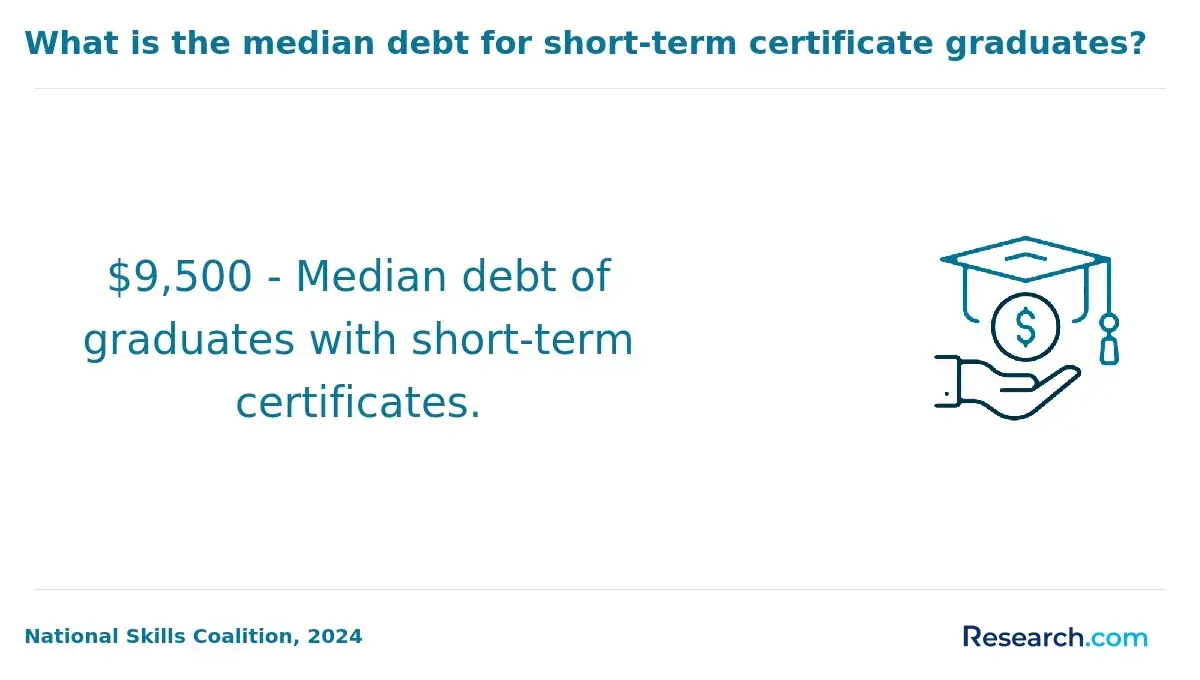
- Tuition Range: Certificate programs generally cost between $2,000 and $8,000 total; some are priced per credit at $700 to $1,000, totaling $5,000 to $12,000 depending on the institution and format.
- Program Length: Most certificates can be completed in under a year, reducing total expenses and time investment relative to degrees.
- Public vs. Private Costs: Public universities usually charge less per credit than private institutions, which may impose higher tuition rates.
- Online vs. On-Campus: Online certificate programs often provide cost savings through reduced fees and no relocation expenses, appealing to working professionals.
- Financial Aid Availability: Certificate programs typically offer fewer financial aid options, which affects the net cost for many students.
For those exploring options, researching accredited online programs is essential. Prospective students may find useful information about affordable options at accredited colleges online that waive application fees. Understanding industrial engineering degree average tuition cost and industrial engineering certificate program cost comparison helps inform educational choices aligned with both career goals and financial planning.
Yes, credits earned from an industrial engineering certificate can sometimes be transferred toward a degree program, but this depends largely on institutional policies and accreditation. Different colleges and universities have varying rules on credit acceptance, with some having formal transfer agreements that simplify the process. Credits from regionally accredited programs are more likely to be accepted, especially if the coursework closely aligns with industrial engineering degree requirements. Generally, general education and core technical courses have a higher chance of transfer than specialized or elective certificate classes.
Important factors to consider include transfer limits-many institutions cap the number of credits accepted from certificates or other schools-and minimum grade requirements, often a C or higher. Since credit transfer policies can vary widely even within the same state, it's essential to check with academic advisors or admissions offices before enrolling. Confirming transferability early helps avoid surprises and ensures maximum benefit from the certificate. This proactive approach empowers students to plan a smoother academic pathway toward their industrial engineering degree.
When I spoke with a student who transitioned from an industrial engineering certificate to a degree program, she recalled how navigating the transfer process was initially confusing. "I wasn't sure which credits would count or if they'd help me at all," she said. It took several meetings with advisors to clarify which courses transferred and what grades were needed. Eventually, she was relieved to find that a significant portion of her certificate coursework applied, making her degree pursuit feel more attainable. "It really motivated me to keep going, knowing that my earlier efforts were recognized," she reflected, emphasizing the value of early research and communication in the transfer journey.
Certificate programs in industrial engineering are not accredited in the same manner as degree programs. Industrial engineering degrees, like bachelor's or master's, are usually accredited by established organizations such as ABET, which ensures programs meet strict standards for curriculum, faculty, and facilities.
his accreditation is vital for students aiming for Professional Engineer (PE) licensure or for those who want assurance their education meets industry expectations. Conversely, certificate programs are often overseen by professional bodies like the American Society for Quality (ASQ) or the Project Management Institute (PMI), which validate the certification through exams and experience but do not provide ABET-style accreditation.
Accreditation plays a critical role in confirming educational quality, facilitating credit transfers, and gaining employer trust. Degree program accreditation signals that the curriculum has been independently reviewed and meets national standards, which can impact job eligibility and advanced study opportunities.
For certificates, the credibility of the issuing organization and industry recognition are key factors. Students should carefully evaluate programs, prioritizing ABET or regional accreditation for degrees and verifying the reputation of the certifying organizations for certificates. Always ensure to check accreditation status through officially recognized bodies before enrolling in any program.
Both an industrial engineering degree and certificate can open doors to employment, but they typically prepare individuals for different roles and levels of responsibility. Understanding the distinctions between these credentials can help you decide which aligns best with your career objectives.
Below is a comparison of common job opportunities associated with each credential.
Jobs You Can Get with a Industrial Engineering Degree
- Industrial engineer: Designs and improves systems to optimize production efficiency in various industries.
- Process engineer: Develops and manages manufacturing processes to enhance quality and reduce costs.
- Manufacturing engineer: Oversees equipment setup and workflow on production lines to ensure smooth operations.
- Quality engineer: Implements quality control protocols to maintain product standards and compliance.
- Operations analyst: Analyzes operational data to support decision-making and improve business processes.
- Supply chain analyst: Monitors supply chain activities to optimize logistics and inventory management.
Jobs You Can Get with a Industrial Engineering Certificate
- Industrial engineering technician: Assists engineers by collecting data and supporting plant operations.
- Production technician: Monitors and maintains equipment on manufacturing floors to ensure functionality.
- Quality control technician: Performs inspections and tests to verify product adherence to standards.
- Manufacturing associate: Supports production activities through hands-on tasks and routine maintenance.
- Process improvement assistant: Helps implement incremental operational enhancements under engineer supervision.
Salary potential often varies notably between industrial engineering certificate holders and those with an industrial engineering degree. Understanding these differences can help prospective students make informed decisions about their educational paths.
Below is a side-by-side comparison of starting salaries for graduates from each program type, along with key factors influencing these figures and the overall career outlook.
- Typical Salary Range: Industrial engineering degree starting salary in the US typically falls between $66,000 and $70,000 per year, reflecting entry-level roles that benefit from broader qualifications.
- Certificate Salary Comparison: Industrial engineering certificate average salary comparison shows starting salaries generally range from $45,000 to $60,000, with median technician positions around $61,000 annually.
- Influencing Factors: Education level plays a critical role, as degree holders access higher-paying, advanced roles such as process design and project management, while certificate holders often qualify for support or technician jobs.
- Industry and Location: Manufacturing, aerospace, and technology sectors frequently offer higher pay, especially in urban or high-cost areas; however, salaries in rural regions may be below national averages for both groups.
- Experience and Certifications: Additional credentials like Six Sigma can enhance starting offers, particularly for degree graduates, but also help certificate holders specialize or advance.
- Career Outlook: Industrial engineers face an 11% job growth projection from 2024 to 2034, favoring degree holders who usually see more promotion and salary growth opportunities compared to certificate holders.
Those considering their options might explore cheapest online bachelors programs to balance educational investment with long-term salary potential.
Here's What Graduates of Industrial Engineering Programs Say About Their Degree or Certificate
- Paxton: "The industrial engineering certificate program was perfect for me because I wanted a faster, more affordable way to enhance my skills without committing years to a degree. The accelerated pace kept me engaged and allowed me to quickly apply new techniques at work. While the certificate cost less than a full degree, it still created a meaningful boost in my career prospects and confidence."
- Ameer: "Pursuing the industrial engineering degree was a substantial investment in time and money, but it offered a comprehensive learning experience that a certificate couldn't match. The depth of study prepared me for leadership roles and gave me a strong foundation for continual growth. Reflecting on the cost, it was worth it given the long-term career impact and the broad network I built."
- Nathan: "Completing both the industrial engineering certificate and degree programs gave me a unique perspective on the trade-offs between the two. The certificate's quick completion helped me get started in the field, while the degree deepened my knowledge and opened doors to advanced positions. Understanding the cost differences aided my planning, making both programs valuable at different points in my career."
Other Things You Should Know About Industrial Engineering Degrees
In 2027, industrial engineering degree programs typically offer a more comprehensive curriculum, covering a wide range of subjects like operations research, systems engineering, and production systems. Certificates focus on specific skills or areas, often providing a faster route to niche expertise without the broader knowledge base.
A bachelor’s degree from an ABET-accredited engineering program is the standard educational requirement for PE licensure. Most states also require the FE exam, four years of qualifying experience, and passing the PE exam administered by NCEES. A certificate alone does not meet the degree requirement.
Degree holders typically have greater access to postgraduate education, such as master's or doctoral programs that facilitate advanced research or leadership roles. Employers may prefer candidates with degrees for managerial or design positions due to the rigorous training involved. Degrees can also provide a wider professional network and recognition in the field, which can support career growth beyond initial job placement.
- Industrial Engineers https://www.bls.gov/ooh/architecture-and-engineering/industrial-engineers.htm
- What Programs Does ABET Accredit? - ABET https://www.abet.org/accreditation/what-is-accreditation/what-programs-does-abet-accredit/
- Accreditation vs Certification: What's the difference? | UKAS https://www.ukas.com/accreditation/about/accreditation-vs-certification/
- Best Certifications for Industrial Engineers in 2025 (Ranked) https://www.tealhq.com/certifications/industrial-engineer
- The Ultimate Industrial Engineer Career Guide https://www.4cornerresources.com/career-guides/industrial-engineer/
- Graduate Certificates and Online Programs https://www.lsu.edu/eng/mie/graduate/certificates-and-online-programs.php
- 2025 Industrial Engineering Tuition https://www.collegetuitioncompare.com/majors/14.3501/industrial-engineering/
- Certificate vs. degree programs: What's the difference? | edX https://www.edx.org/resources/what-is-the-difference-between-a-certificate-and-a-degree
- Engineering Salary Statistics https://www.mtu.edu/engineering/about/salary/
- Graduate Certificate or Diploma of Industrial Engineering | UniGuide Course Directories CMS https://postgradaustralia.com.au/graduate-certificate-or-diploma-of-industrial-engineering