2027 Is a 2-Year Communication Degree Worth It: Accelerated Bachelor's ROI & Time Trade-Offs

Co-Founder and Chief Data Scientist
Many prospective students struggle to decide if pursuing a 2-year communication degree or an accelerated bachelor's program delivers sufficient value for their time and finances. Recent data reveals that graduates with communication degrees can expect a 10% salary increase over those with associate degrees within five years of employment, highlighting potential long-term gains. However, the upfront time commitment and tuition costs remain significant concerns.
This article evaluates the return on investment and time trade-offs of accelerated communication bachelor's degrees, offering clear insights into career prospects, earning potential, and educational timelines to guide informed decisions.
Key Benefits of a 2-Year Communication Degree
- Accelerated 2-year communication degrees reduce time-to-degree, enabling graduates to enter the workforce sooner, potentially increasing lifetime earnings by up to 20% compared to longer programs.
- Lower tuition and living costs during the shorter study period improve overall ROI, making accelerated degrees financially attractive for budget-conscious students.
- Strong demand in media, PR, and digital marketing fields often leads to quicker job placements, enhancing early career growth and salary prospects within communication industries.
How Do 2-Year Communication Programs Work?
Two-year communication programs offer an accelerated path to completing a bachelor's degree, condensing the usual four-year curriculum into a shorter time by increasing pacing and reducing breaks. For students evaluating their options, understanding the structure and workload of 2 year communication degrees is essential to balance the intense schedule with career and financial goals. Below is a breakdown of how these programs typically operate.
- Accelerated pacing and year-round enrollment: Students engage in continuous study without extended summer breaks, allowing degree completion in about half the usual time through back-to-back terms.
- Condensed course terms: Terms may last six to eight weeks rather than a full semester, requiring a heavier credit load each term to maintain steady progress.
- Credit load expectations: Students take more credits per term than traditional programs, demanding strong time management to handle the workload effectively.
- Instructional format: Many programs offer flexible delivery through online, hybrid, and in-person classes, accommodating diverse schedules and working adults.
- Assessment methods: Frequent evaluations such as projects, presentations, and exams regularly test practical communication skills alongside theory.
- Curriculum progression: Core courses cover media studies, interpersonal communication, public speaking, and communication theory, with electives for career alignment and specialization.
Choosing an accelerated degree can reduce tuition costs and enable earlier entry into the workforce, where communication-related roles show positive growth prospects. Prospective students comparing options might also consider related fields such as RN to BSN online programs without clinicals for flexible accelerated pathways.
What Are the Admission Requirements for a 2-Year Communication Degree?
Knowing the admission requirements for a 2-year communication degree helps prospective students assess whether they meet the essential criteria and how to prepare their application effectively. This insight is especially valuable for those exploring accelerated bachelor's options aiming to enter the workforce faster. Below is a detailed breakdown of common admission elements you can expect when applying to such programs.
- Prior Education: Most programs require a high school diploma or an equivalent credential like a GED. Community college communication program entry requirements often focus on this basic academic foundation to ensure students are prepared for college-level coursework.
- GPA Expectations: Many schools set minimum GPA standards, frequently around 2.0 to 2.5 on a 4.0 scale, to help evaluate academic readiness and likelihood of success in accelerated settings.
- Standardized Tests: Unlike traditional four-year degrees, numerous accelerated programs waive SAT or ACT requirements, making admissions more accessible to non-traditional or returning students.
- Prerequisite Coursework: Applicants may need to complete foundational courses in English or basic communication to establish necessary skills prior to full program enrollment.
- Work Experience and Personal Assessment: Relevant occupational experience can strengthen applications, especially in programs emphasizing hands-on communication skills. Some institutions also request a personal statement or conduct interviews to assess motivation and program fit.
Accelerated bachelor's degrees, including the 2-year communication degree, offer a faster path to graduation, typically saving one to two years compared to traditional timelines, which can improve career return on investment. For those interested in related fields, exploring programs like the easiest DNP program online may provide additional pathways. According to the Bureau of Labor Statistics, communication-related careers are projected to grow by 13% through 2032, making timely entry into the workforce advantageous.
What Does a Typical Week Look Like in a 2-Year Communication Program?
Knowing how a typical week is structured in a 2-year communication program helps prospective students assess whether the intensity fits their personal and professional lives. The demanding schedule requires dedication and strategic planning to navigate the fast-moving curriculum effectively. Below is an overview of what students can usually expect during each week of their accelerated studies.
- Class Sessions and Lectures: Students attend multiple classes spread over several days, accumulating roughly 12 to 15 contact hours weekly. The curriculum covers diverse subjects such as media analysis, public speaking, and communication theories.
- Assignments and Assessments: Frequent essays, presentations, and multimedia projects are assigned to reinforce concepts and develop practical skills. Deadlines come often, necessitating consistent progress and focus.
- Group Collaboration: Teamwork is integral, requiring coordination with peers to complete joint projects under tight timelines. This enhances communication and project management skills but demands flexible scheduling.
- Independent Study: Outside of class, students allocate significant time to reviewing course materials, conducting research, and practicing new techniques. Self-motivation is key to mastering content in a condensed timeframe.
- Instructor Interaction: Opportunities such as office hours and online forums provide valuable support, feedback, and clarification. Staying in active contact with instructors is recommended for success in the accelerated setting.
- Time Management: Balancing overlapping classes, assignments, group responsibilities, and studying requires strong organizational habits. Many students rely on planners or digital tools to track deadlines and commitments efficiently.
A professional who completed a 2-year bachelor's degree in communication shared how the pace was initially overwhelming. "There were weeks when I felt like I was juggling on a tightrope," he recalled, describing how he developed a strict weekly schedule down to the hour.
He found that breaking large projects into smaller tasks and regularly checking in with classmates eased the stress. Evenings were often spent rehearsing presentations or refining papers late into the night. Despite the intensity, he emphasized that staying proactive and asking for help early prevented burnout and ultimately made the experience extremely rewarding.
Choosing the right delivery format is crucial when pursuing an accelerated communication degree, as it impacts flexibility, accessibility, and how students manage their time. Online options can accommodate various lifestyles and responsibilities, making it easier to balance studies with work or personal commitments. Below are key aspects of online 2-year communication programs that prospective students should consider.
- Fully online vs. hybrid formats: Students can opt for completely online programs or hybrid models that mix virtual classes with occasional in-person sessions. Fully online formats offer maximum flexibility, while hybrid options provide some face-to-face interaction.
- Asynchronous and synchronous learning: Programs may blend self-paced courses, where students access content anytime, with scheduled live sessions promoting real-time engagement and collaboration.
- Technology requirements: Reliable internet, a computer with webcam capability, and access to learning platforms are essential. Many programs also offer technical support to assist with these tools.
- Student support services: Remote tutoring, career counseling, and digital library access help maintain academic success despite the distance learning setup.
- Impact on pacing and engagement: Accelerated online programs often let students complete credits faster than traditional paths, though staying disciplined is vital. Well-designed courses with interactive elements tend to foster engagement comparable to in-person learning.
Evaluating the total cost of a 2-year communication degree tuition cost is crucial when assessing the return on investment (ROI) of an accelerated communication degree program. Accelerated formats often involve distinct tuition structures and additional expenses that can impact overall affordability. Below is a detailed breakdown of the key cost components to consider when exploring accelerated communication degrees.
- Tuition Structure: Accelerated programs usually charge tuition per credit hour, which can be higher than traditional rates due to the intensive, fast-paced nature of the coursework. However, students typically pay for fewer total terms, which may reduce overall tuition costs compared to a standard four-year degree.
- Additional Fees: Registration, technology, and lab fees often apply, especially since some communication courses require specialized media equipment or software. These fees can add up and should be factored into the total program cost.
- Textbooks and Learning Materials: Digital resources may help lower expenses, but students often need to purchase updated communication tools or subscriptions for multimedia projects, increasing material costs in accelerated settings.
- Technology and Lab Costs: Depending on the curriculum, investment in technology or lab access is necessary to complete course requirements efficiently, which might increase upfront spending.
- Accelerated Pacing Effects: The compressed timeline demands a heavier course load and faster mastery, potentially lowering living and ancillary school expenses during study. According to the National Center for Education Statistics, accelerated bachelor's programs can save 25% or more of time, enabling earlier entry into the workforce. For those interested in comparable fast-track credentials, exploring a fast track healthcare administration degree offers a similar time-saving benefit.
Financial aid plays a crucial role for students considering accelerated communication programs, as these options can reduce the time and cost of earning a degree. Knowing what types of funding are available helps students plan their finances and balance educational goals with affordability. The following points outline key financial aid opportunities and considerations specific to these intensive programs.
- Federal Student Aid Eligibility: Many accelerated programs qualifying under accredited institutions allow students to apply for federal aid like Pell Grants and Direct Loans through FAFSA. This aid is often pivotal in reducing upfront expenses and making the accelerated timeline more affordable.
- Scholarships and Grants: Numerous private organizations and community groups award scholarships and grants based on merit, career interests, or demographic criteria. These funds typically do not require repayment and can significantly offset tuition costs.
- Employer Tuition Assistance: Working adults may benefit from tuition reimbursement or assistance programs offered by employers, especially if their job aligns with communication fields. Such support can help manage or eliminate tuition payments while advancing career skills.
- Impact of Accelerated Pacing: Because accelerated degrees compress courses into shorter terms, financial aid disbursement schedules may differ from traditional programs. Students should confirm timing and eligibility details with financial aid offices to ensure funds are received as needed.
- Flexible Payment Plans: Institutions often provide payment options tailored to accelerated learners to help manage tuition without incurring extra debt. These plans offer more predictable budgeting across the faster program timeline.
When asked about her experience with financial aid during a two-year communication degree, a professional graduate shared that balancing intense coursework and funding was challenging but manageable. She recalled feeling uncertain at first about how quickly aid would be distributed but found that early communication with the financial aid office was invaluable.
"The scholarships I received were a big relief," she said, emphasizing they made finishing in two years possible without overwhelming debt. Additionally, employer tuition help eased financial pressures while she worked full-time. Her story highlights that, with careful planning and utilization of available resources, obtaining financial aid for accelerated communication programs is realistic and beneficial.
Evaluating the career outcomes of an accelerated communication bachelor's degree is crucial for understanding its value and aligning it with your professional goals. Knowing the types of positions attainable with a 2-year communication degree helps set realistic expectations and informs decision-making about time and financial investment. The following overview outlines key job opportunities and career paths commonly pursued by graduates.
- Public Relations Assistant: Many graduates start in PR roles where they support communication strategies, manage media lists, and assist with press releases. This entry-level position helps build foundational skills in managing community relations and external communications.
- Social Media Coordinator: This role involves creating and scheduling content, monitoring online engagement, and supporting marketing efforts. With the rise of digital platforms, social media coordinators play a vital role in brand messaging and customer interaction.
- Marketing Associate: Graduates often join marketing teams to contribute to campaign development, conduct market research, and coordinate promotional materials. This position offers hands-on experience relevant to various industries including advertising and corporate communications.
- Broadcast Production Aide: Working behind the scenes in media production, aides assist with the technical and organizational aspects of broadcast projects. This role is suitable for those interested in journalism, television, or radio environments.
- Career Advancement Potential: The accelerated format of many communication programs compresses essential coursework into a shorter timeframe, allowing graduates to enter the workforce quickly and apply critical skills such as writing, public speaking, and digital communications. This prepares them for mid-level roles like communication specialist or media planner, especially when combined with practical experience.
- Industry Demand: Industries hiring communication graduates include advertising, public relations, nonprofit organizations, and journalism. The outlook is positive with a 9% projected growth in media and communication jobs from 2022 to 2032. Choosing an accelerated degree can therefore align well with both time-sensitive career pursuits and job market demand.
For those considering educational expenses alongside career options with accelerated communication degree programs, comparing costs to other accelerated paths is advisable. For example, students researching cheapest online acute care nurse practitioner programs may find useful cost-efficiency strategies that apply across accelerated degree formats.
Salary outcomes are a critical factor when evaluating the return on investment (ROI) of accelerated versus traditional degree paths, especially in communication fields. Understanding these outcomes helps prospective students weigh time and financial commitments against potential earnings. Below is a detailed comparison of how salaries typically differ between holders of 2-year communication degrees and those with traditional bachelor's degrees.
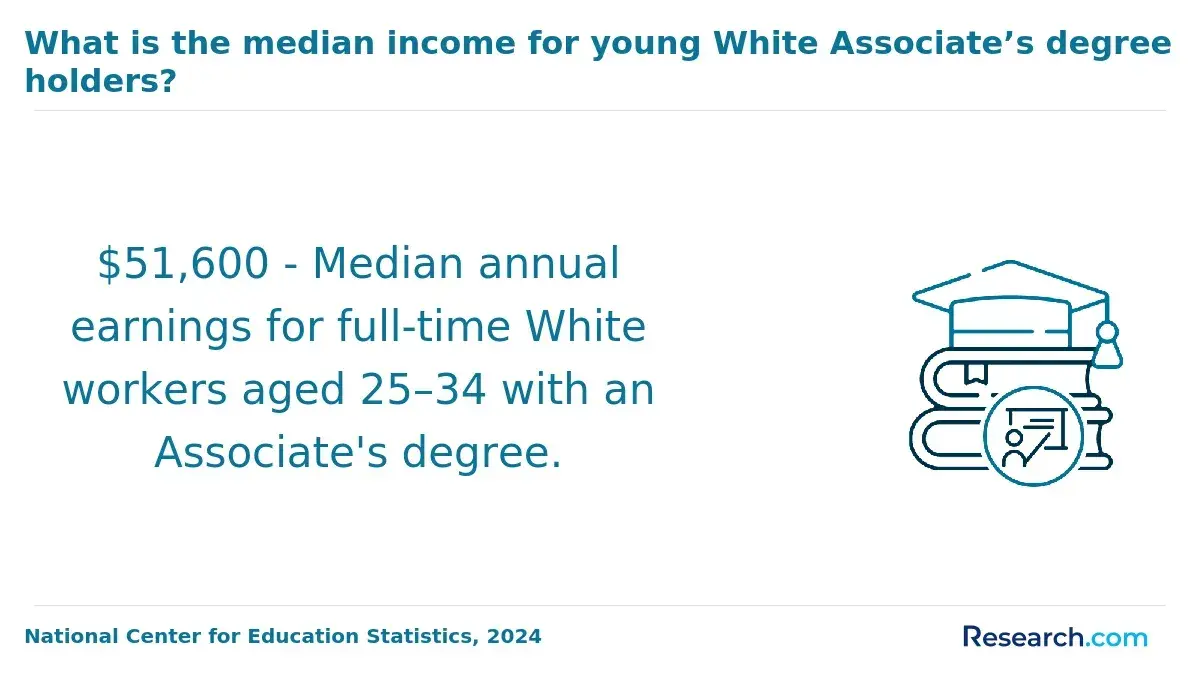
- Early-career earnings: Graduates with an associate degree in communication-related fields generally earn a median annual wage ranging from approximately $40,000 to $50,000 according to the U.S. Bureau of Labor Statistics, reflecting common entry-level salaries. In contrast, bachelor's degree holders start higher, with median salaries around $60,000 or more within their first five years.
- Long-term earning potential: Over time, bachelor's degree holders often experience greater salary growth due to expanded opportunities for promotions and managerial roles, which frequently require a four-year degree. This typically results in a widening wage gap favoring those with traditional bachelor's communication degrees.
- Employer perception and career progression: Employers usually prefer candidates with bachelor's degrees for specialized and leadership positions, influencing both upward mobility and salary ceilings. Many upper-level roles list a bachelor's degree as the minimum qualification, limiting advancement for associate degree holders.
- Faster workforce entry: Completing a 2-year communication degree allows quicker entry into the labor market, enabling earlier income generation and reducing tuition costs. This accelerated timeline can partly offset lower starting salaries by increasing total years of workforce participation, impacting lifetime earnings.
- Financial considerations and educational planning: Prospective students should consider individual career goals, financial situations, and timeline preferences when comparing the average salary for 2-year communication degree graduates with earning potential compared to traditional bachelor's communication degree holders. Evaluating options like the cheapest online RN to BSN programs can also provide insight into cost-effective educational pathways.
Return on investment (ROI) is a crucial metric for students weighing the value of accelerated communication degree programs. These programs promise faster completion times, but assessing financial and career benefits requires examining multiple factors. The following points highlight what most significantly impacts the ROI of accelerated communication degrees.
- Time-to-Completion: Accelerated programs often cut degree completion by one to two years, reducing both tuition payments and time out of the workforce. This shorter path can lead to earlier career progression and earnings.
- Tuition and Total Cost: While the cost per credit might be higher in accelerated formats, the overall expense tends to be less due to fewer credits and reduced enrollment periods. Flexible scheduling also allows many students to work while studying, lessening financial strain.
- Opportunity Cost Savings: Completing a degree faster means entering or returning to the labor market sooner at a higher qualification level. This can translate into accelerated salary growth and minimized income loss during education.
- Employment Outcomes and Salary Growth: Communication-related fields show median salaries ranging from $55,000 to over $100,000 depending on role and experience. Earning a degree more quickly can help tap into these opportunities earlier.
- Industry Demand: Sectors that utilize communication skills, such as marketing, PR, and media, are expected to grow at an average pace of around 6% through 2032, supporting stable job prospects for graduates.
- Transferability of Skills: Accelerated programs focusing on practical areas like digital media, strategic communication, and analytics equip students with versatile abilities. These skills enhance adaptability in a changing job market, supporting long-term career resilience.
Choosing whether a two-year communication degree fits your needs involves assessing your learning preferences, schedule, and career priorities. Accelerated programs demand strong discipline and the ability to absorb material quickly, so they may not suit everyone. If entering the job market promptly is a top priority, these programs offer a faster path compared to traditional four-year degrees.
Evaluate how well you can manage an intensive academic pace while balancing other commitments. Understanding your urgency to begin working can help determine if this streamlined option aligns with your goals.
Financially, shorter programs generally cost less, often 30 to 50 percent lower than four-year alternatives, improving affordability and potential return on investment. However, consider how employer requirements and industry standards might affect your career advancement, as some positions favor a bachelor's degree or more experience.
Job growth in communication-related fields is steady, but earnings vary widely based on role and education. Long-term flexibility may be impacted, since accelerated schedules often limit opportunities for internships and exploring different career paths.
What Graduates Say About Their 2-Year Communication Degree
- Nathan: "Professionally, the 2-year communication degree offered a fast track to career advancement, which was essential given my focus on efficiency. I handled the compressed schedule by leveraging online resources and building strong peer networks to keep up. The credential quickly opened doors to public relations opportunities and has been an asset ever since. "
- Ameer: "I opted for the 2-year communication program to save on the average cost of attendance while still gaining a comprehensive education. Balancing an accelerated pace and personal commitments required discipline and reflective time management, but it was worth every moment. Since graduating, I've noticed a clear advantage in my marketing career thanks to the practical skills the program emphasized. "
- Paxton: "Choosing a 2-year accelerated communication degree was a game changer for me because I wanted to finish my education quickly without sacrificing quality. The intense schedule was challenging, but I managed it by staying organized and prioritizing my coursework alongside a part-time job. This degree significantly boosted my confidence and helped me land a role in corporate communications within a few months of graduating. "
Other Things You Should Know About Communication Degrees
Most bachelor’s completion programs require lower-division courses such as public speaking, interpersonal communication, media writing, and introduction to mass communication to transfer as direct equivalents. Schools usually accept only courses with a C grade or higher, and many require a 60-credit associate-to-bachelor transfer block.
Yes, many 2-year communication programs are designed as transfer degrees, allowing credits to be applied towards a bachelor's degree. This pathway offers flexibility and can reduce overall time and cost when pursuing an accelerated bachelor's in communication. It is important to verify articulation agreements between community colleges and four-year institutions before enrolling.
In 2027, a 2-year communication degree provides foundational skills that may improve entry-level job prospects, yet it often requires further education for significant career advancement. Pursuing an accelerated bachelor's program can enhance opportunities and ROI, offsetting initial time and cost investments.
- Accelerated Online Communications, BA | Lindenwood https://online.lindenwood.edu/programs/accelerated-online-bachelors-communications/
- Media and Communication Studies: Culture, Collaborative Media, and Creative Industries, Master's programme (Two-Year) HAMKV | Malmö University https://mau.se/en/study-education/programme/hamkv/
- Bachelor of Communications Scholarships https://teach.com/online-ed/communications-degrees/online-bachelor-communications/bachelors-communications-scholarships/
- Can You Get a Bachelor's Degree in 2 Years or Less? https://www.coursera.org/articles/can-you-get-a-bachelors-degree-in-2-years
- Communications Degree Salary Guide https://online.maryville.edu/online-bachelors-degrees/communications/careers/communications-degree-salary-guide/
- Accelerated Degree Pathway https://www.uakron.edu/schlcomm/ugrad-programs/accelerated-degree-pathway
- View of Factors Enabling the Measurement of Return on Investment (ROI) for Academic Staff Training in South African Public Universities https://ojs.umt.edu.pk/index.php/jmr/article/view/1780/436
- Home https://www.husson.edu/online/blog/2023/03/communications-vs-business
- What do you study in communication studies? - INSEEC https://www.inseec.com/en/guides/orientation-guide/what-do-you-study-in-communication-studies
- EIU Master of Arts in Communication Studies https://www.eiu.edu/commstudiesgrad/accelerated.php