2027 Return on Investment (ROI) of a Communication Degree Program

Co-Founder and Chief Data Scientist
Many prospective students face uncertainty about the financial benefits of pursuing a communication degree amid rising tuition costs. Recent data shows that graduates with a communication degree have a 7% higher employment rate within six months compared to peers without a degree in the field. However, the variation in career paths and salaries causes confusion about the actual return on investment. This article will explore salary expectations, job market trends, and career advancement opportunities tied to communication degrees, offering clear insights to help students and professionals make informed decisions about their education and future earnings.
Key Things to Know About Communication Degree ROI
- Graduates with a communication degree earn a median annual salary of approximately $60,000, reflecting higher earning potential than many liberal arts fields.
- Communication skills enable career advancement in diverse roles, including public relations, marketing, and corporate leadership, fostering long-term professional growth.
- The degree offers job stability and flexibility, as effective communication is critical across industries such as healthcare, media, and technology, supporting sustained employment opportunities.
How Is ROI Calculated for a Communication Degree Program?
Return on investment (ROI) in higher education measures the financial benefits gained from a degree relative to the costs and time invested. For prospective students in communication degree programs, ROI helps compare how much value the education adds to their career and income against tuition, fees, and time away from the workforce.
Several important factors play a role in calculating communication degree program return on investment. These include:
- Tuition and fees: The total cost encompasses tuition, mandatory fees, and additional expenses such as textbooks. These direct costs are the primary financial outlay that students must consider when evaluating ROI.
- Opportunity cost: Time spent pursuing a degree often means lost income from full-time employment or other opportunities. This potential income foregone is a significant part of the overall investment.
- Time to completion: The length of the degree program affects expenses and opportunity cost. Longer programs increase the total investment and delay earning potential, potentially lowering ROI.
- Post-graduation salary outcomes: Starting salaries soon after graduation indicate the immediate financial return. Higher early earnings help students recover their educational costs faster.
- Career advancement and long-term earnings: The degree's value often grows over time as it enables access to higher-paying roles and sustained salary growth, which enhances overall ROI.
Evaluating factors affecting ROI of communication degree programs is crucial for those calculating communication degree program return on investment effectively. For individuals considering alternative routes, exploring options like MSW online programs may also provide valuable comparative insight.
How Much Does a Communication Degree Program Cost?
Accurately gauging the complete cost of a communication degree is crucial for assessing its return on investment, especially as graduate tuition in the U.S. has increased nearly 3% annually over the last ten years, contributing to average student debt exceeding $37,000. This rising expense highlights the need to look beyond just tuition when calculating total program costs.
Key factors influencing ROI include:
- Tuition and fees: These represent the primary expense and can differ significantly depending on whether the institution is public, private, or nonprofit.
- Books and materials: Required textbooks, software licenses, and other supplies often add several hundred dollars each term.
- Living and relocation expenses: Housing, meals, commuting, and sometimes moving costs are vital considerations for students studying away from home.
- Opportunity cost: The income lost when attending school full-time rather than working can impact the overall financial benefit of the degree.
- Hidden costs: Additional charges such as technology fees, parking permits, campus facility usage, and travel expenses for internships or professional events often catch students by surprise.
When I spoke with a recent communication graduate about his experience, he emphasized how the true costs extended far beyond tuition. "Balancing part-time jobs, managing unexpected fees, and adjusting my budget for rising rent made the program financially stressful," he shared. He also noted that calculating opportunity cost was challenging because "missing out on full-time work income weighs heavily, but the long-term career growth justifies it." His reflections highlight how essential it is to consider all expenses and trade-offs when deciding if a communication degree is a worthwhile investment.
What Financial Aid Is Available for Communication Degree Programs?
Reducing initial expenses through financial aid plays a vital role in enhancing the long-term return on investment for communication degree programs. More than 60% of graduate students in the U.S. utilize some form of financial support, helping to minimize borrowing and ease post-graduation debt burdens.
Common types of financial aid that improve affordability and ROI include:
- Scholarships: Awarded for academic excellence or specific qualifications, scholarships do not require repayment, lowering overall education costs and reducing debt accumulation.
- Grants: Often need-based, grants provide tuition assistance without repayment, easing financial pressure especially for students from lower-income households and improving economic outcomes.
- Fellowships: Typically aimed at graduate students, fellowships offer stipends and tuition waivers that support research or professional development, decreasing out-of-pocket spending and enhancing financial value.
- Employer Tuition Assistance: Many employers help cover tuition for employees, allowing working students to maintain income while studying and avoid loans, which strengthens ROI by preserving earnings.
- Federal Loans: Though repayable with interest, federal loans usually have favorable rates and flexible repayment plans that help students manage education financing without excessive financial strain.
Breakdown of Private Fully Online Nonprofit Schools

The duration needed to complete a communication degree influences its return on investment by impacting opportunity costs, the timing of income, and the total expenses involved. Finishing sooner can lead to earlier entry into the job market, boosting lifetime earnings, while longer programs may delay financial benefits and increase overall costs. Several factors play a crucial role in determining how long the process takes and affect overall ROI.
The main influences on time to degree completion include:
- Enrollment status: Students attending full-time typically complete their degree within four years. Part-time students often extend their studies due to fewer classes each term, which can push back when they start earning full-time salaries.
- Program format: Choosing online or accelerated courses can reduce degree length. These options allow learners to finish faster, decreasing tuition fees and enabling earlier workforce participation.
- Transfer credits: Applying previous college credits toward degree requirements can significantly shorten the time needed, limiting redundant coursework and associated costs.
- Practical requirements: Internships or thesis projects add meaningful experience but might lengthen the timeline. These components can enhance employability yet require additional commitment.
- Schedule flexibility: Programs offering evening or weekend classes help students balance work and school, preventing income interruptions while maintaining steady progress.
When speaking with a graduate of a communication degree, she reflected on her personal journey through the program's timeline. She explained that managing part-time studies alongside a full-time job stretched her degree to nearly six years. "Balancing work deadlines and coursework wasn't easy," she described, "but the flexibility allowed me to keep earning while progressing steadily." She also mentioned how transferring credits from earlier studies eased some pressure, even though her required internship extended the overall duration. Her experience highlighted the complex trade-offs between time, financial stability, and gaining valuable skills, showing how each factor uniquely shapes individual outcomes in completing a communication degree.
The delivery format of communication degree programs can significantly influence return on investment (ROI) through differences in cost, flexibility, and subsequent career outcomes. Over 40% of higher education students have enrolled in some online courses recently, reflecting a growing trend toward digital learning environments.
When comparing the online vs on-campus communication degree ROI, several key factors stand out:
- Tuition and fees: Online programs often have lower tuition and fees, which can reduce upfront expenses and increase ROI by minimizing student debt.
- Opportunity cost: Online students can often continue working while studying, which helps reduce income loss and supports financial stability during the degree.
- Networking and career services: Traditional on-campus programs may offer stronger face-to-face networking opportunities, though online institutions are increasingly providing robust virtual career support.
- Employer perception: While acceptance of online communication degrees is rising, some employers may still prefer graduates from on-campus programs, impacting initial job prospects.
- Long-term earning potential: Ultimately, career earnings tend to be more influenced by individual experience and skills rather than program delivery format.
Prospective students should also consider exploring CACREP accredited programs when evaluating the comparative ROI of communication programs, as accreditation can affect both educational quality and employer recognition.
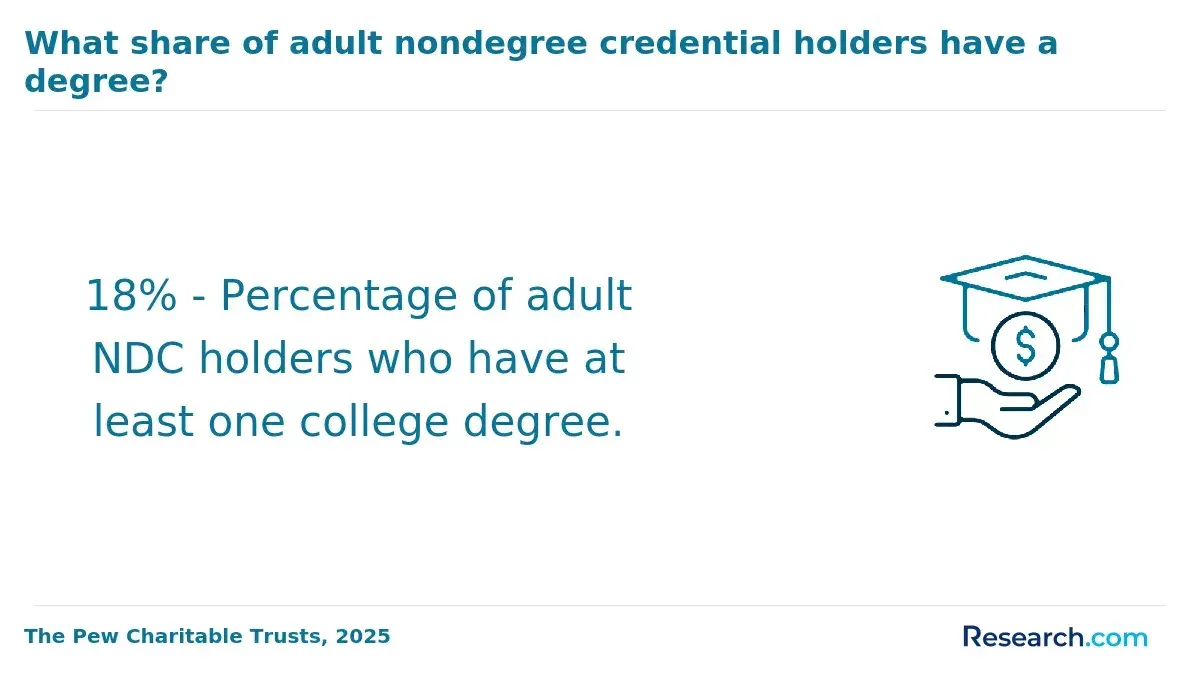
Post-graduation salary is a key driver of return on investment (ROI) for a communication degree because it directly influences how quickly graduates can recover the cost of tuition and related expenses. The average salary for communication degree holders in the US typically ranges from $45,000 to $75,000 annually, reflecting various earning potentials based on career progression and other factors.
Several factors shape typical earnings after communication degree graduation and affect overall ROI:
- Industry: Salaries vary across sectors such as public relations, marketing, or corporate communications, with demand and budget size influencing pay scales.
- Geographic location: Metropolitan areas often offer higher wages but come with increased living costs, impacting real income and purchasing power.
- Prior experience: Internships and related work experience can improve starting salaries and accelerate salary growth over time.
- Specialization: Fields like digital media, crisis communication, or technical communication may command premium salaries due to specialized skills.
- Career level: Advancement to leadership or strategic roles considerably enhances earning potential and long-term financial returns.
For those exploring educational options, comparing the financial outcomes of a communication degree with other fields can be important. For example, researching a psychology degree online may provide valuable perspective on affordability and salary expectations.
Promotions contribute significantly to the return on investment (ROI) of earning a communication degree by offering salary increases, expanded responsibilities, and greater career mobility. These advancements can enhance both financial gain and professional development. A notable workforce trend is the rise of credential-based promotion, where formal education increasingly becomes a prerequisite for leadership positions.
Here are key ways a communication degree may influence promotion opportunities and ROI:
- Credential Requirements: Many higher-level roles require formal qualifications. A communication degree helps meet these requirements, positioning graduates as eligible candidates for promotion.
- Leadership Preparation: Communication programs often include training in interpersonal and organizational skills, which prepare students for leadership challenges and responsibilities.
- Enhanced Skills: Coursework in negotiation and conflict resolution sharpens abilities critical for management, making graduates more attractive for advancement.
- Employer Tuition Support: A communication degree can increase eligibility for tuition reimbursement programs, providing financial incentives to continue education and improve qualifications for promotion.
- Experience Synergy: Combining practical work experience with a communication degree enables candidates to outperform peers and secure internal promotions.
Employer policies and recognition of academic achievement also impact promotion outcomes. While experience remains important, a communication degree often acts as a catalyst, enhancing opportunities for advancement in competitive environments. For professionals seeking advanced leadership roles, pursuing further education such as an online doctorate in organizational leadership may further strengthen career advancement prospects.
Choosing to invest in a communication degree supports career advancement by aligning educational credentials with employer expectations and promotion criteria, especially in environments valuing formal qualifications and strong communication skills.
The return on investment (ROI) for a communication degree varies significantly across industries due to differences in salary levels, career progression opportunities, and demand for specialized skills. Graduates who enter sectors with higher compensation and faster promotion paths often experience stronger financial and career returns.
Several industries tend to offer the highest ROI industries for communication graduates. These sectors typically reward effective communication skills with competitive pay, growth potential, and job stability:
- Technology: This industry highly values expertise in digital communication, content strategy, and public relations. It offers competitive salaries and rapid advancement, reflecting the growing reliance on communication professionals for branding and user engagement.
- Healthcare: Communication roles in healthcare focus on patient education, public health messaging, and internal corporate communications. The expanding healthcare sector ensures steady employment and consistent income growth.
- Finance and Banking: Communication specialists who articulate complex financial products clearly are in strong demand. The sector typically offers higher-than-average salaries and well-defined promotion sequences, contributing to an attractive ROI.
- Marketing and Advertising: This field depends heavily on communication skills for brand development and strategic messaging. It provides diverse career opportunities and increasing salary potential with experience.
- Media and Entertainment: Creativity and storytelling are central here, with income progression often tied to skill specialization and reputation within this competitive arena.
Ultimately, the best paying careers for communication degree holders emerge where graduates can apply their expertise in industries with strong growth and reward structures. Prospective students should also explore online college programs that align with these high-ROI fields for enhanced career outcomes.
Accreditation in communication degree programs signifies formal approval by an authorized body, confirming that the curriculum, faculty, and student support meet accepted academic and professional benchmarks. This validation plays a crucial role in enhancing the return on investment (ROI) because it ensures the program aligns with industry standards. As employers increasingly prioritize candidates with verified skills and credible educational backgrounds, graduating from an accredited program can substantially improve job market outcomes. Additionally, accreditation often impacts eligibility for professional certifications and licensure, which are becoming more important in communication-related careers.
Accredited communication programs tend to deliver greater long-term ROI by fostering employer confidence in graduates' abilities and qualifications. They also open doors to federal and state financial aid, lowering the overall cost of education and making it more accessible. Furthermore, credits earned at accredited schools are typically easier to transfer, allowing students more flexibility to continue their education or pivot their careers without losing earned progress. Since some communication-related licenses and certifications require degrees from accredited institutions, attending such a program can significantly affect career advancement and mobility opportunities.
The return on investment for a communication degree depends largely on factors such as tuition costs, the length of study, and post-graduation earnings. Most programs take between two to four years to complete, with costs varying based on the format and institution. Graduates typically earn a median salary near $60,000 annually, though this figure fluctuates widely depending on the field and location. Career growth opportunities are significant because communication skills are in demand across industries like marketing, public relations, media, and corporate sectors. Research indicates that graduates with strong communication skills experience approximately a 10% higher employment rate within six months compared to other humanities graduates.
The value of a communication degree also hinges on external factors such as current industry trends, program flexibility, and available financial aid. High demand in areas like digital marketing can boost employment prospects, while online or part-time study options may reduce lost income during enrollment. Scholarships and grants improve affordability and enhance overall ROI. However, if a graduate's career path does not directly utilize communication skills or requires advanced qualifications, the immediate financial benefits might be limited. Ultimately, assessing personal career objectives alongside these variables is crucial to determining whether investing in a communication degree makes financial sense.
What Graduates Say About The ROI of Their Communication Degree
- Paxton: "Choosing a communication degree was a strategic move for me. Despite the average cost of attendance being around $30,000, I saw it as a valuable investment in my future career. Completing the program gave me practical skills and confidence, opening doors in marketing and public relations that might have otherwise been closed. The ROI has definitely justified the cost. "
- Ameer: "When I enrolled in the online communication degree program, I was initially cautious about the expense and the long-term benefits. Considering tuition can reach upwards of $25,000, it felt like a significant commitment. Reflecting now, that decision has proven worthwhile as the flexibility allowed me to work simultaneously, and the degree enhanced my credibility and communication expertise in my current role. "
- Nathan: "Balancing a part-time communication degree while working full-time was not easy, especially given the financial investment near $28,000. However, I regarded the program as essential for advancing my professional skills and leadership potential. The practical knowledge and networking opportunities I gained have propelled my career forward, making the degree cost a justifiable expenditure. "
Other Things You Should Know About Communication Degrees
Yes. Many employers reimburse up to $5,250 per year in education benefits under IRS rules, which directly lowers out-of-pocket cost and improves ROI. To qualify, the degree should align with job duties or a documented career path, and the employee usually must meet grade or service requirements.
Specializations such as digital communication, media studies, or corporate communication can influence ROI due to varying industry demands and salary scales. For example, digital communication experts may experience higher ROI because of strong market growth in online marketing and content strategy. Choosing a specialization aligned with industry trends improves career prospects and earning potential.
Continuing education, including certificates, workshops, or advanced degrees, can significantly enhance ROI by expanding skills relevant to evolving communication fields. Pursuing such opportunities often leads to promotions, salary increases, and greater job security. Staying updated with trends like digital media analytics or crisis communication is especially beneficial.
- Top 10 Highest Paying Jobs with a Communications Degree 2026 | Nexford University https://www.nexford.edu/insights/highest-paying-jobs-with-communications-degree
- Where Communications Majors Earn the Most (and Least) https://www.mastersincommunications.org/where-communications-majors-earn-most-least/
- Jobs for Communications Graduates: Top 12 Best Across Industries https://www.betterup.com/blog/jobs-for-communications-graduates
- How to measure internal communications ROI that actually matters | Redefining Communications https://redefiningcomms.com/blog/how-to-measure-internal-communications-roi-that-actually-matters/
- What Kind of Jobs Can You Get With a Communications Degree? https://www.belmont.edu/stories/articles/2025/what-kind-of-jobs-can-you-get-with-a-communications-degree.html
- Survey: Students Choosing Online Programs Closer to Home -- Campus Technology https://campustechnology.com/articles/2019/06/04/survey-students-choosing-online-programs-closer-to-home.aspx
- In person vs. Online University Comparison https://newu.university/in-person-vs-online-university-for-traditional-age-college-students-its-a-clear-choice/
- 25 Frequently Asked Questions About ROI – Insources Group https://insources.com.au/25-frequently-asked-questions-about-roi/
- Communications Degree: Waste or Worth It? - The Fairfield Mirror https://therearview.org/communications-degree-waste-or-worth-it/
- Accreditation and financial ROI | Woolf News & Updates https://woolf.university/news/accreditation-and-financial-roi