2027 Information Security & Assurance Degree Completion Programs for Working Adults

Co-Founder and Chief Data Scientist
Many working adults-military veterans with ACE-credited training, mid-career professionals, and career changers-struggle to find information security & assurance degree completion programs that accommodate their busy schedules and acknowledge prior learning. Without clear guidance, they risk enrolling in generic undergraduate pathways lacking accreditation or credit transfer policies critical for career advancement. High-quality programs offer flexible scheduling, recognized accreditation, and cost-effective structures tailored to adult learners. Graduates of such programs see a 15% higher median salary within two years-demonstrating strong ROI. This article examines these distinguishing features to help readers assess and select programs that align with their professional, financial, and life goals.
Key Things to Know About Information Security & Assurance Degree Completion Programs for Working Adults
- Maximizing credit for prior learning-especially from military training or industry certifications-can reduce program length by up to 40%, accelerating degree completion for working adults.
- Choosing employer- and licensure-recognized programs ensures that credentials meet professional standards and improve promotion prospects in today's competitive cybersecurity job market.
- Accessing financial aid-via employer tuition assistance or federal grants tailored to adult learners-can significantly offset costs, with 68% of information security graduates reporting aid use as of 2023.
What Are Information Security & Assurance Degree Completion Programs, and Who Are They Designed For?
Information Security & Assurance degree completion programs provide a specialized pathway for working adults aiming to finish their bachelor's degrees more efficiently. Unlike traditional four-year degrees or graduate programs, these completion programs focus on accelerating degree attainment by recognizing prior college credits and professional experience.
- Accelerated Pacing: Condensed course schedules help students complete remaining credits faster-ideal for those balancing work and family obligations.
- Credit Transfer Policies: Programs typically accept generous credit-for-prior-learning, including military training evaluated through ACE recommendations and earlier college coursework.
- Scheduling Formats: Evening, weekend, and online courses provide flexibility to accommodate working adults who cannot attend traditional daytime classes.
- Target Audiences:
- Adults with some college but no degree.
- Military veterans seeking to convert service-related knowledge into academic credit.
- Working professionals aiming for career advancement through credential recognition.
- Career changers entering information security & assurance fields requiring relevant certification.
- Accreditation and Quality: Most programs hold regional accreditation and align curricula with industry standards and certifications for employer and licensure recognition.
- Financial and Career Outcomes: These completion programs often grant access to adult learner financial aid and support services, helping students manage costs while boosting job market competitiveness.
Research by the National Student Clearinghouse, the American Association of State Colleges and Universities (AASCU), and the Lumina Foundation confirms the effectiveness of degree completion pathways in expanding higher education access for working adults. When evaluating online information security & assurance degree programs with credit transfer, it is essential to assess the rigor of credit acceptance policies, verify accreditation, and consider scheduling flexibility relative to professional and personal needs. For those comparing options, it helps to review the best degrees to identify programs that best align with career goals and financial circumstances.
How Do Information Security & Assurance Degree Completion Programs Differ From Traditional On-Campus Degree Programs?
Information security & assurance degree completion programs primarily serve working adults by offering flexible information security degree completion options for working adults that differ significantly from traditional on-campus programs. These programs provide a variety of scheduling formats-including online, hybrid, evening, and weekend classes-enabling students to balance employment and family commitments. Unlike traditional undergraduate education, which is tied to a full-time, semester-based residential model with daytime campus attendance, completion programs emphasize accessibility and convenience.
- Scheduling Formats: Completion programs allow asynchronous engagement and accommodate non-traditional hours, while traditional programs generally require daytime, on-campus attendance.
- Pacing Options: Accelerated cohorts and rolling or multiple start dates offer flexibility, with some programs permitting self-paced enrollment-contrasting the rigid semester calendar typical in traditional paths.
- Residency Requirements: Traditional degrees often mandate campus residency credits; completion programs minimize or eliminate these, supporting remote study and reducing relocation or commute demands.
- Asynchronous Coursework: A majority of coursework can be completed asynchronously in completion programs, allowing students to revisit materials and work at their own pace compared to synchronous traditional classes.
- Credit Transfer Flexibility: Streamlined credit transfer recognizes prior learning-including military training accredited by ACE-to shorten time-to-degree and lower costs, unlike less flexible traditional transfer policies.
- Advising Services: Dedicated advising tailored to adult learners assists with credit evaluations, financial aid navigation, and career alignment, providing more personalized support than generalized traditional advising.
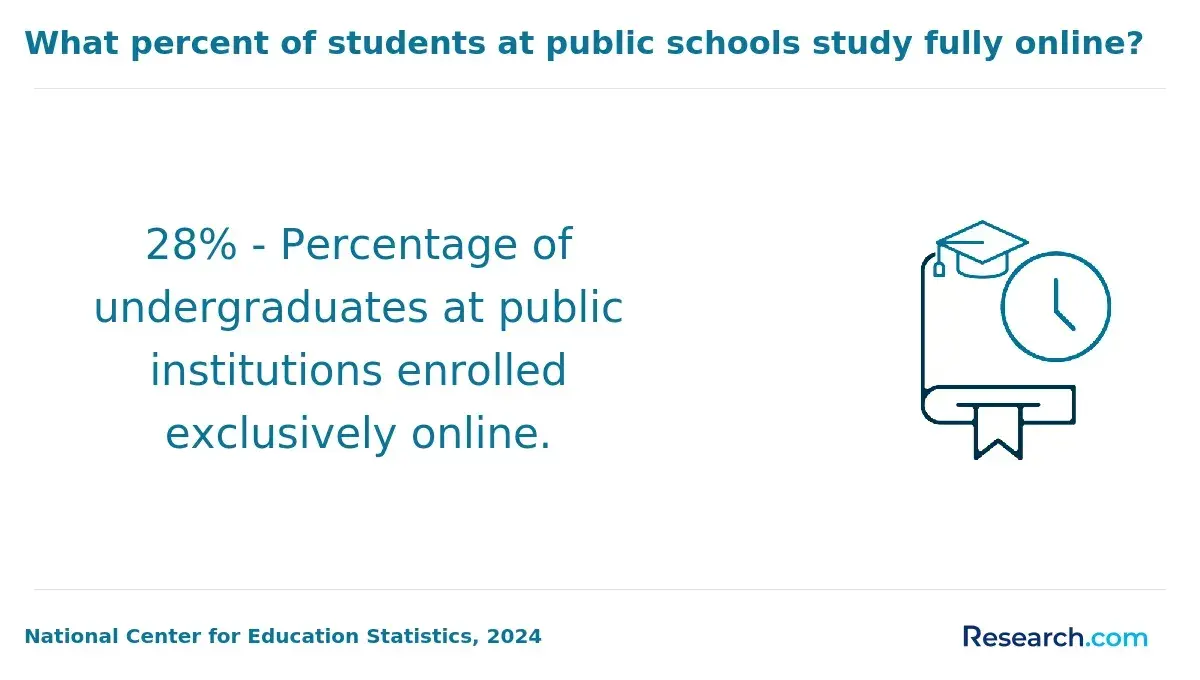
Data from the National Center for Education Statistics (NCES) and IPEDS highlight a notable growth in enrollment in degree completion programs over the past decade, reflecting the rising demand for flexible, career-compatible education pathways. Although the awarded credential-such as a Bachelor of Science or Bachelor of Arts in Information Security & Assurance-is typically the same, the learning pathway is designed to minimize disruption to work and family life, offering a substantively different student experience.
Prospective students should evaluate how programs maximize credit for prior learning, ensure employer and licensure recognition, provide financial aid options, and maintain accreditation. These considerations distinguish high-quality completion programs from generic undergraduate alternatives and are crucial for career advancement in the information security & assurance field. Working adults seeking affordable options may also consider exploring the cheapest online mechanical engineering degree pathways, which share many flexible features and affordability concerns relevant to degree completion.
What Prior Credits and Experiences Count Toward a Information Security & Assurance Degree Completion Program?
Transfer Credits: These programs commonly accept credits from regionally accredited colleges or universities, though acceptance varies by school. Credits from regionally accredited institutions typically carry more weight, influencing how many transfer hours apply toward degree requirements.
- Military Training Credits: Evaluated through the American Council on Education (ACE) registry, military training credits are broadly recognized. Applicants with veterans' status should verify that programs honor ACE recommendations to maximize credit gains.
- Professional Certifications: Industry credentials such as CISSP, CISM, or CompTIA Security+ often translate into academic credit-especially when supplemented with documented relevant work experience.
- Prior Learning Assessment (PLA): Many institutions assess experiential learning, portfolios, or workplace training through PLA, allowing professional experience to convert into meaningful academic credit, thus accelerating completion.
- Credit-by-Examination: Exams like CLEP and DSST provide opportunities to earn credits by demonstrating mastery of foundational subjects without classroom attendance.
Credit transfer acceptance depends heavily on institutional policies and the originating institution's accreditation. Prospective students should submit official transcripts and seek a pre-enrollment credit evaluation to clarify applicable credits, ensuring realistic timelines and cost projections.
Research by the Council for Adult and Experiential Learning (CAEL) finds that adult learners using PLA can graduate up to two semesters earlier-cutting tuition expenses significantly and hastening career advancement. Prospective students should avoid programs that disregard ACE military credits or arbitrarily cap transfer credits without transparent reasons, as this contradicts recommendations from the American Association of Collegiate Registrars and Admissions Officers (AACRAO).
One professional who completed an information security & assurance degree reflected on the process: "Navigating the credit evaluation was initially overwhelming-figuring out which certifications and military trainings would count was confusing. The real turning point came when my prior work experience portfolio was accepted for PLA credits, letting me skip several classes. That saved me both time and money. I'd advise anyone in a similar spot to push for a thorough pre-enrollment review and to stay patient; the process can feel bureaucratic, but it's worth it to leverage what you've already achieved."
What Is the Minimum GPA Requirement for Information Security & Assurance Degree Completion Programs?
Minimum GPA requirements for information security & assurance degree completion programs usually range between 2.0 and 2.5 on a 4.0 scale, reflecting a baseline expectation of academic readiness. Yet, many institutions designed for working adults adopt more flexible, holistic admission practices that extend beyond GPA alone.
- Conditional Admission: Some programs allow entry with GPAs slightly under the threshold if students commit to academic support measures such as tutoring or limited course loads initially.
- Professional Experience: Relevant work history-especially for veterans and mid-career professionals-often compensates for lower academic marks and plays a significant part in acceptance decisions.
Letters of Recommendation and Personal Statements: Applicants are frequently assessed on these components which highlight motivation, skills, and leadership potential not evident from grades.
Many schools accredited by regional bodies like the Higher Learning Commission (HLC) apply these multifaceted evaluations, aiming to accommodate adult learners' diverse backgrounds. Additionally, individuals returning after a substantial break with a low GPA may benefit from academic forgiveness or fresh-start policies resetting GPA calculations after a non-enrollment period.
Before submitting applications, candidates should seek formal pre-admission academic evaluations at each institution they consider. This proactive step provides a realistic view of their standing and helps align expectations.
Evaluating such policies alongside credit transfer options and flexibility is vital when navigating the required GPA for information security & assurance degree completion pathways. Prospective students should also investigate accredited online colleges to find reputable programs matching their circumstances.
How Are Information Security & Assurance Degree Completion Programs Structured Around Full-Time Work Schedules?
Information security & assurance degree completion programs tailor their schedules to fit adults working full-time-often 40+ hours weekly-through evening cohorts, weekend intensives, fully asynchronous online courses, or hybrid formats blending online instruction with occasional on-campus sessions. These options allow students to juggle professional duties, family, and study commitments without sacrificing any vital area.
Typically, programs advise a manageable 6 to 9 credits per term for full-time working learners, promoting steady progress while respecting outside obligations. Many also adopt a cohort learning model, where students move through courses together as a set group. This model offers strong accountability, peer camaraderie, and calendar predictability-critical for adults needing months of advance planning amid shifting work and personal schedules.
Data from the National Student Clearinghouse Research Center reveals that cohort-based students demonstrate higher persistence and graduation rates compared to traditional enrollment formats, underscoring the benefits of a structured learning environment that fosters collaboration and consistent pacing.
When assessing program fit, prospective students should inquire about:
- Course Cancellation Policies: Frequency of cancellations and contingency plans to prevent delays.
- Make-Up Provisions: Options available for handling unavoidable work conflicts.
- Student Success Advisors: Availability of dedicated advisors to assist with scheduling and academic progress.
One professional who built her career after completing an information security & assurance degree shared that balancing a demanding job with studies was daunting at first. She described how the program's clear schedule and cohort support eased uncertainty, enabling her to plan work trips and family time without risking course delays. "Having peers moving through the same milestones gave me motivation and practical advice," she reflected. "The advisors really helped me navigate a sudden project deadline that threatened to knock me off track, which made all the difference." This structure made it feasible to stay committed and finish successfully amid real-world challenges.
Is Online or Hybrid Delivery Available for Information Security & Assurance Degree Completion Programs?
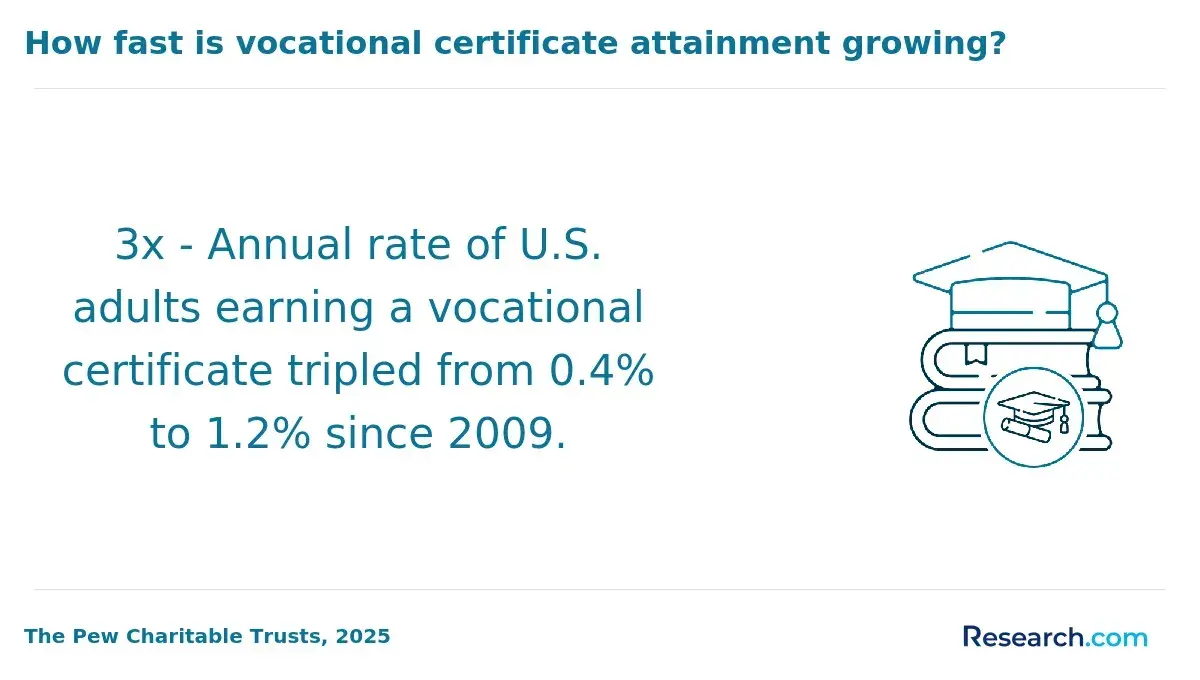
As of 2023, roughly 65% of adults pursuing information security & assurance degree completion programs choose fully online formats, while around 25% enroll in hybrid models combining online and on-campus learning. This shift reflects expanding flexibility for professionals balancing work and personal life.
- Synchronous Live Sessions: Scheduled real-time video classes allow interactive learning with instructors and peers, ideal for those seeking immediate feedback but challenging across time zones or unpredictable work hours.
- Asynchronous Recorded Lectures: Pre-recorded materials offer maximum scheduling freedom-especially for working adults-yet demand strong self-discipline due to limited live interaction.
- Blended Hybrid Models: Combining online coursework with required short on-campus residencies, these hybrid formats benefit learners valuing hands-on experiences and networking but require managing geographic and time constraints.
The COVID-19 pandemic accelerated investments in digital infrastructure and instructional design, enabling many institutions to offer robust, high-quality online information security & assurance programs with comprehensive academic supports. Key quality factors include faculty expertise in cybersecurity, favorable student-to-faculty ratios in online classes, availability of virtual tutoring and career services, and accreditation equivalent to on-campus programs.
Choosing between fully online, hybrid, or in-person delivery depends on individual needs. Questions to explore with enrollment advisors include:
- Credit Transfer Policies: What prior learning and military training credits are accepted?
- Scheduling Flexibility: Are live sessions mandatory or optional?
- Technology Infrastructure: What platforms and support services are provided?
- Career Outcomes: Does the program have employer partnerships or licensure alignment?
Considering these factors helps working adults select programs aligned with their lifestyle, professional goals, and learning preferences, improving their chances for successful degree completion.
How Long Does It Take to Complete a Information Security & Assurance Degree Completion Program?
Time-to-completion for Information Security & Assurance degree completion programs varies significantly based on prior credits and enrollment choices. Students entering with approximately 60 transferable credits-roughly equal to an associate degree-typically need about two years of full-time study. Those with 90 or more transferred credits can often finish within a year if enrolled full-time and managing a consistent course load. Learners with substantial prior learning assessments (PLA)-such as military training credited by the ACE or verified professional certifications-may reduce their requirements further, sometimes completing in under a year. However, the availability and scope of PLA vary by institution, affecting this timeline.
Several factors strongly influence program duration:
- Credit Recognition: The amount of credit awarded through transfer or PLA greatly impacts remaining coursework. It is essential to confirm acceptance by the institution's accreditation body and alignment with degree requirements.
- Enrollment Format: Full-time enrollment shortens completion time, while part-time study-common among working adults-extends it. Accelerated formats with intensive or shortened sessions demand greater time commitment but enable faster graduation.
- Program Constraints: Fixed-duration requirements such as internships, capstone projects, or field experiences may limit how much the degree timeline can be accelerated despite prior credits.
- Financial Impact: Graduating sooner reduces total tuition costs and minimizes lost earnings, accelerating entry into salary brackets associated with degree attainment-making speed a critical financial consideration.
- Advisory: Prospective students should request in writing each program's average time-to-degree for their credit profile, avoiding reliance on minimum advertised times often reflecting ideal cases.
What Accreditation Should a Information Security & Assurance Degree Completion Program Hold?
- Regional Accreditation: Regional accreditation-granted by agencies such as the Higher Learning Commission (HLC), Middle States Commission on Higher Education, and SACSCOC-is the most widely respected institutional accreditation for information security and assurance degree completion programs in the United States. This accreditation ensures acceptance by employers, graduate schools, and eligibility for federal financial aid. It also facilitates smoother credit transfer, an important factor for working adults and military veterans with prior learning credits seeking to complete their degrees.
- National Accreditation: Some institutions possess national accreditation from organizations like the Distance Education Accrediting Commission (DEAC). While these accreditors maintain educational standards, their recognition is generally considered lower. Programs with national accreditation often face limitations in credit transferability, which may pose challenges for career changers and mid-career professionals pursuing advanced credentials through information security and assurance degree program accreditation standards.
- Programmatic Accreditation: Beyond institutional accreditation, specialized certifications enhance a program's value and professional standing. For instance, ABET accredits engineering and technology programs, ACBSP or AACSB serve business-related curricula, and CSWE applies to social work fields if relevant. These accreditations strongly influence professional licensure eligibility, hiring prospects, and acceptance into graduate education for information security and assurance graduates.
- Risks of Unrecognized Accreditors: Beware of programs from institutions that list unrecognized or diploma mill accreditors. Completing degrees without legitimate accreditation can damage a graduate's reputation, restrict job opportunities, and cause financial setbacks. Careful evaluation is vital to avoid these pitfalls.
Verification Resources: The U.S. Department of Education's Database of Accredited Postsecondary Institutions and Programs (DAPIP) is the definitive tool to verify accreditation status. Prospective students must independently confirm accreditation rather than relying solely on marketing claims to ensure the program aligns with their career goals and financial situation.
For professionals balancing work and study, exploring the best MBA programs without GMAT can also provide insights into flexible degree options that align with career advancement, complementing information security and assurance completion programs.
How Much Do Information Security & Assurance Degree Completion Programs Cost, and What Financial Aid Is Available?
Costs for information security and assurance degree completion programs vary significantly depending on the institution type. Public regional universities charge roughly $300 to $600 per credit hour for in-state students, while private nonprofit colleges typically range from $500 to over $1,000 per credit hour. For-profit institutions often mirror these ranges but may impose additional mandatory fees. Beyond tuition, students must budget for technology costs, course materials, and occasional residency fees or intensives, adding several hundred to a few thousand dollars per year. This realistic cost-of-attendance picture is crucial for adults evaluating information security and assurance degree completion program tuition costs.
- Financial Aid: Working adults can access various aid options-including Pell Grants, which support part-time learners pursuing completion degrees. Military-affiliated students benefit from GI Bill or MyCAA funding tiers, while employer tuition reimbursement programs significantly reduce out-of-pocket expenses. Many institutions also offer scholarships specifically targeting non-traditional adult learners.
- FAFSA Guidance: Adult learners who file independently should submit the Free Application for Federal Student Aid promptly to maximize eligibility. Understanding dependency status and required financial documentation streamlines the process for working adults.
- Tax Advantages: Tools such as the Lifetime Learning Credit and IRS Section 127's employer education assistance exclusion (up to $5,250) provide valuable tax relief for adults paying out-of-pocket. Consultation with a tax professional helps tailor these benefits to individual circumstances.
- Cost Comparison: When comparing programs, consider net costs after aid, transfer credit applicability, and reimbursement eligibility. Because working adults often leverage prior credits and employer benefits, the sticker price rarely reflects true financial commitment. Constructing a comprehensive comparison is essential for selecting the best program financially and academically.
For those exploring accelerated paths, reviewing certifications for jobs in the cybersecurity and assurance fields can complement degree completion strategies and enhance career outcomes.
What Career Outcomes Can Working Adults Expect After Completing a Information Security & Assurance Degree?
Adults completing an Information Security & Assurance bachelor's degree completion program often experience significant career benefits-median earnings data from the College Scorecard and research from the Georgetown University Center on Education and the Workforce suggest a 20% to 30% salary increase compared to those with some college but no degree, influenced by job type and location.
Employment roles frequently include cybersecurity analyst, network security engineer, information security manager, and risk assessor, with Bureau of Labor Statistics data showing these positions command higher wages and faster advancement for degree holders versus those without completed degrees.
- Promotion Eligibility: Degree completion grants access to senior and management positions that require a bachelor's credential, allowing graduates to move beyond entry-level jobs.
- Credential-Gated Careers: Several roles-such as certified incident responder or security consultant-often mandate a bachelor's degree to qualify for requisite certifications or licenses.
- Salary Premium: Completing the degree reflects enhanced skills and credentials, leading to increased earnings.
- Career Experience Integration: Working adults leverage existing professional experience-military, IT, or technical backgrounds-to enter advanced roles immediately after graduating, unlike traditional new graduates without prior work history.
Prospective students should verify their target occupations' credential or licensure requirements to confirm the degree program meets these standards, especially when pursuing management roles, professional certifications, or graduate studies. Choosing an accredited Information Security & Assurance completion program that recognizes prior learning and offers flexible scheduling can optimize both career outcomes and financial investment.
How Do Employers View a Information Security & Assurance Degree Completed Through a Completion Program?
Employer hiring data from organizations like the Society for Human Resource Management (SHRM) and the National Association of Colleges and Employers (NACE) show that what matters most is an institution's accreditation and the formal recognition of the program-not how a student completed their coursework or how much was earned via prior learning assessment (PLA).
- Diploma Consistency: Accredited schools issue diplomas from completion programs that do not differentiate between traditional and completion-track graduates, ensuring equal credential value in the job market.
- Resume Presentation: Candidates should list their degree straightforwardly-without emphasizing the completion program-but can highlight the accelerated or adult-focused nature of their education during interviews to showcase dedication and effective time management.
- Employer Scrutiny: Certain hiring contexts-including federal government jobs governed by Office of Personnel Management (OPM) standards and licensed professions overseen by state boards-may closely examine how the degree was earned. Those pursuing regulated careers should confirm degree acceptability with licensing bodies or HR departments prior to enrollment.
- Private Sector Hiring: For most private-sector information security & assurance roles, practical experience, verified skills, and reputable references overshadow concerns about degree completion paths-positioning such degrees as credible enhancers of professional standing rather than secondary alternatives.
This evidence helps adults pursuing a completion pathway understand how to present their credentials confidently and select programs aligned with employer expectations while meeting their personal and career objectives.
What Graduates Say About Information Security & Assurance Degree Completion Programs for Working Adults
- Jayce: "Completing the online information security & assurance degree truly opened my eyes to the importance of accreditation standards-knowing my program met rigorous criteria gave me confidence it was respected by employers. The scheduling formats were incredibly flexible, allowing me to balance coursework with a demanding job. For anyone juggling life and work, this structure isn't just convenient; it's essential."
- Kaizen: "Reflecting on my degree journey, I realize how vital credit transfer policies were in accelerating my progress-being able to apply previous coursework saved me both time and money. Cost considerations were another big factor; I appreciated the transparent tuition rates that made budgeting easier. This wasn't just an ordinary program-it truly catered to working adults who need both quality and affordability."
- Dominic: "From a career standpoint, the information security & assurance online completion program distinguished itself by delivering tangible outcomes-securing a promotion within months of graduation validated my investment. The program's structural features-such as hands-on projects and expert instructors-prepared me to hit the ground running. For seasoned professionals seeking an edge, this pathway offers more than just a degree."
Other Things You Should Know About Information Security & Assurance Degrees
Programs geared toward working adults typically provide a range of support services designed to balance education with career and personal responsibilities. These often include academic advising tailored for adult learners, career counseling with a focus on cybersecurity job markets, tutoring services in key technical subjects, and access to virtual libraries. Additionally, many programs offer flexible help desks and mentorship opportunities to assist with technology challenges and course navigation.
Yes, credits earned in accredited degree completion programs often transfer into relevant graduate studies in cybersecurity, information assurance, or related fields. This applies especially when the completion program is aligned with recognized standards such as those from ABET or CAE. Students planning to pursue a master's degree should verify transfer policies with both their undergraduate institution and target graduate programs to ensure coursework meets prerequisites.
Networking is critical in this field-degree completion programs frequently integrate opportunities to connect students with industry professionals and alumni through online forums, local meetups, and virtual career fairs. These connections help working adults access mentorship, internship placements, and job opportunities in cybersecurity and information assurance sectors. Networking also fosters peer support, which can improve course retention and professional growth.
Military veterans can leverage several education benefits in 2027, such as the Post-9/11 GI Bill and the Montgomery GI Bill, to cover tuition costs for Information Security & Assurance degree programs. They should consult with their chosen institution's veterans affairs office to navigate the application and enrollment processes smoothly, ensuring they maximize available benefits.
References
- Cyber Security and Information Assurance Certificate | DeVry https://www.devry.edu/online-programs/graduate-certificates/information-security.html
- 25 Best Online Cybersecurity Degree Programs https://cybersecurityguide.org/online/cybersecurity-bachelors-degree/
- Anne Arundel Community College https://catalog.aacc.edu/preview_program.php
- Cybersecurity Degree Requirements: What’s New for 2025 - Programs.com https://programs.com/resources/cybersecurity-degree-requirements/
- Cybersecurity Courses vs. Traditional Degrees: Pros and Cons | Cybrary https://www.cybrary.it/blog/cybersecurity-courses-vs-degrees
- Information Technology/Information Assurance and Security Concentration, Bachelor of Applied Arts and Sciences https://catalog.tamusa.edu/undergraduate/arts-sciences/computational-engineering-mathematical-sciences/computer-information-systems-assurance-security-concentration-bba/
- Completed BSCSIA In 159 Days https://jonthecyberguy.tech/
- Certification and accreditation: What’s on the CISSP exam? | Infosec https://www.infosecinstitute.com/resources/cissp/certification-and-accreditation/
- Bachelor of Business Administration in Information Security and Assurance https://www.kennesaw.edu/degrees-programs/bachelor-degrees/information-security-and-assurance.php
- Information security qualifications https://grcsolutions.io/information-security-qualifications/