2027 Does an Online Information Security & Assurance Degree Qualify You for Licensure?

Co-Founder and Chief Data Scientist
A career changer exploring degree options might wonder if an online information security & assurance program can meet licensure requirements in states that regulate cybersecurity professionals. With employers projecting a 33% job growth rate in cybersecurity roles through 2030, understanding credential eligibility is crucial. Licensing often involves supervised practical training and passing state-specific exams, which may require degrees from accredited institutions. Students must evaluate program accreditation, curriculum depth, and alignment with licensing board standards before enrolling.
This article examines whether an online information security & assurance degree qualifies graduates for licensure and offers guidance to help prospective students navigate these complexities.
Key Things to Know About Online Information Security & Assurance Degree Licensure Qualifications
- Accreditation by recognized agencies and state program approval are essential for online information security & assurance degrees to meet licensure educational standards.
- Licensure eligibility varies by state, with some requiring degrees from regionally accredited institutions or specific curriculum content for online program graduates.
- Completion of clinical, practicum, or supervised experience components is often mandatory to fulfill practical training requirements for professional information security & assurance licensure.
Does an Online Information Security & Assurance Degree Qualify You for Licensure?
Online education has become increasingly prevalent, even in fields that often lead to professional licensure. Data from the National Center for Education Statistics reveals that more than 40% of U.S. higher education students were enrolled in at least one online course, reflecting a significant rise in distance learning options. This growth has extended to licensure-track programs, including information security & assurance degrees. Understanding how these online programs relate to licensure requirements is essential for prospective students exploring university majors.
The eligibility for state licensure after completing an online information security & assurance program depends on several key factors, including institutional recognition, program structure, and practical components. Licensing bodies emphasize whether the degree is awarded by an accredited institution and whether the curriculum aligns with professional standards for the field.
Additionally, many licensure paths require hands-on experience, which some baccalaureate and associate degree online programs accommodate through supervised practicums or employer partnerships. Ultimately, the degree's ability to meet established educational standards, rather than its online format, determines its qualification for licensure.
Which Information Security & Assurance Careers Require Professional Licensure?
Professional licensure in information security & assurance careers serves to protect sensitive data, uphold ethical standards, and maintain public trust when handling critical information systems. According to the U.S. Bureau of Labor Statistics, about 20% of information security analysts work in regulated industries that effectively require licensing or certification. The following outlines key careers where licensure is often mandatory to legally practice or provide services.
- Certified Information Systems Security Professional (CISSP): Though the CISSP is a certification rather than a license, some states require licensure for individuals performing cybersecurity assessments or audits for government agencies or critical infrastructure. This licensure ensures accountability and compliance with security regulations.
- Cybersecurity Consultant (Forensic Expert): Professionals specializing in digital forensics frequently need state-issued licenses or certifications. Licensure in this role guarantees that forensic analyses meet legal standards and that evidence handling is reliable for judicial proceedings.
- Information Security Auditor: Auditors working with federally regulated organizations may require licensure to confirm adherence to strict guidelines. Licensing prevents conflicts of interest and safeguards the integrity of data audits.
- IT Risk Manager: In sectors such as finance and healthcare, risk managers overseeing cybersecurity frameworks often must hold licenses. This ensures regulatory compliance and protects sensitive financial and personal data from breaches.
An information security & assurance degree graduate shared that pursuing licensure was both rigorous and rewarding. He described navigating complex application processes and strict continuing education requirements as challenging but necessary steps to affirm his professional credibility. Reflecting on his experience, he noted, "Licensure wasn't just a box to check-it truly established trust with clients and employers, showing my commitment to ethical standards and security best practices." This firsthand perspective highlights the essential role licensure plays beyond formal qualifications.
What Accreditation Is Required for Information Security & Assurance Licensure?
Accreditation significantly impacts whether an online information security & assurance degree meets professional licensure requirements. Graduates of accredited programs typically experience about 20% higher success rates on licensure exams compared to those from non-accredited schools. The following accreditations are particularly important for aligning educational credentials with licensure standards.
- ABET: The Accreditation Board for Engineering and Technology is widely respected across engineering and technology fields, including cybersecurity. Many licensing authorities recognize ABET-accredited programs as fulfilling core educational standards necessary for professional qualification.
- Computing Accreditation Commission (CAC) of ABET: CAC focuses specifically on computing disciplines. Completing a program accredited by CAC often strengthens eligibility for certifications and licensure paths within the information security & assurance domain.
- National Center of Academic Excellence (CAE): Sponsored by the NSA and DHS, the CAE designation confirms that programs meet strict criteria in information assurance education, enhancing graduates' credentials for licensure consideration.
- Higher Learning Commission (HLC): Although regional accreditation like HLC covers overall institutional quality rather than specific disciplines, it is essential for the legitimacy of the education provider and serves as a fundamental benchmark in licensure evaluations.
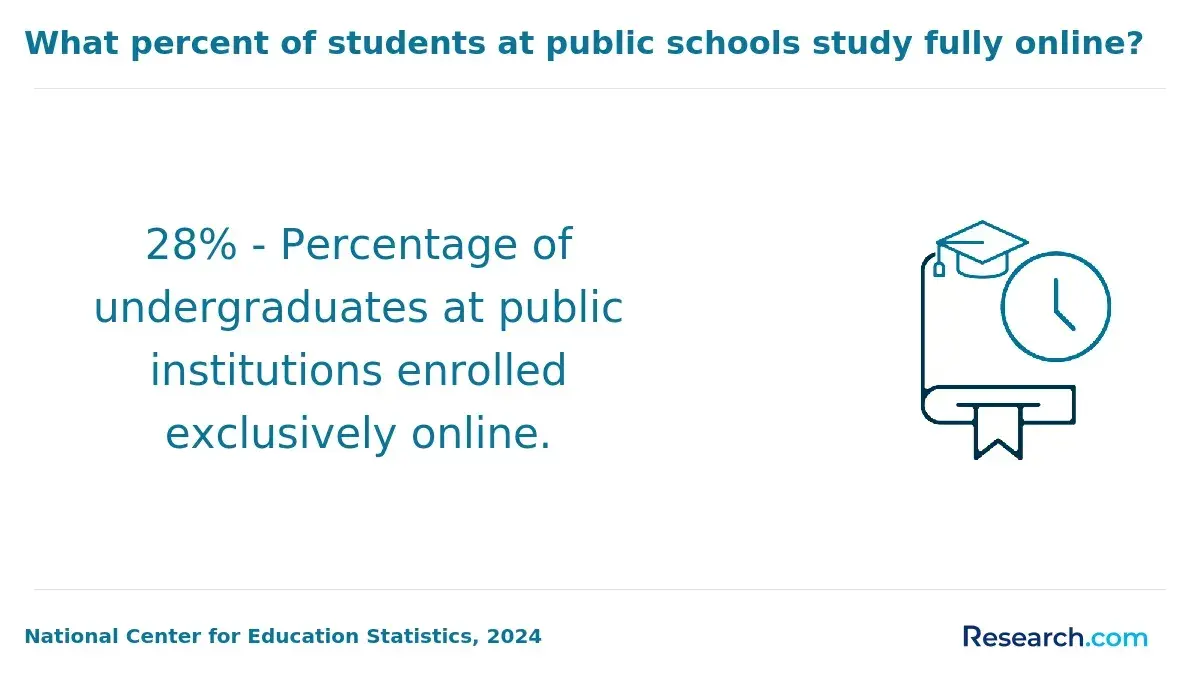
Breakdown of Public Fully Online Title IV Institutions (In Percentage)

Do Licensure Requirements Vary by State for Information Security & Assurance Careers?
Licensure eligibility for graduates of both online and traditional Information Security & Assurance programs depends heavily on state regulations. About 60% of U.S. states have distinct licensing or certification requirements for information security professionals, which can influence whether an online degree meets local standards. This variation affects how degrees are recognized across state lines, making it important to consider regional criteria. The following discussion explores these state-specific licensing rules for information security & assurance professionals.
Differences in licensure requirements may impact educational criteria such as required coursework or credit hours, which must align with each state's standards. Additionally, some states require programs to be approved by local licensing boards, potentially limiting acceptance of online degrees offered from institutions outside their jurisdiction. These variations mean that professional eligibility depends on navigating diverse regulations, as licenses are often not transferable between states. Prospective students should carefully review these conditions to ensure their online degree qualifies for licensure where they intend to work. For those interested in affordable options, reviewing programs like the cheapest online business management degree may offer useful insights.
What Online Courses Are Required for Information Security & Assurance Licensure?
Online information security & assurance degree programs are carefully designed to fulfill educational requirements necessary for licensure. With nearly half of higher education students engaging in online courses, these programs effectively combine theoretical and practical elements to prepare candidates for professional standards. The following points outline common coursework categories crucial for licensure eligibility.
- Foundational Theory: These courses cover core concepts like network security, cryptography, and risk management. They establish the essential knowledge base needed to understand and protect digital environments.
- Applied Practice: Focused on hands-on skills, this area involves training in security protocols, vulnerability assessments, and incident handling. Such practical experience is vital to demonstrating competency in real-world scenarios.
- Ethics and Compliance: Coursework emphasizes the legal and professional responsibilities inherent in safeguarding sensitive information. This component ensures candidates grasp the ethical standards required in the cybersecurity field.
- Research and Analysis: Teaching methods to critically evaluate current threats and develop strategic responses, these classes support ongoing professional development and innovation needed for licensure.
When I asked a professional with an information security & assurance degree about her experience, she reflected on how balancing coursework with real-life demands shaped her journey. She mentioned that mastering both technical skills and ethical considerations through online classes was challenging but rewarding. "Understanding the nuances of legal responsibilities took time," she noted, "but the structured approach of the program helped me confidently meet licensure criteria." Her experience highlighted that while rigorous, online coursework can fully prepare candidates for licensure in this evolving field.
Do Online Information Security & Assurance Programs Require Internships for Licensure?
Many online information security & assurance degree programs aligned with licensure incorporate practical experience components, such as internships or alternative experiential opportunities. Around 60% of students in online or hybrid cybersecurity and information assurance programs participate in internships, practicums, or cooperative education, highlighting the value placed on hands-on learning. These experiences enable students to apply theoretical knowledge in real-world contexts, a crucial aspect for professional readiness. This discussion explores the role of internships within these programs and their connection to licensure requirements.
Internship mandates differ widely depending on each program's design and the expectations set by licensing bodies. Rather than serving as mere administrative steps, these experiential elements focus on developing applied skills and professional competencies vital for career advancement. Some institutions integrate flexible options including virtual labs, project-based assignments, or supervised workplace roles that fulfill practical learning goals. Ultimately, the presence and nature of internships are intended to enhance skill development while accommodating diverse student needs, especially in remote or hybrid learning environments.
How Do Licensing Exams Work for Online Information Security & Assurance Graduates?
Licensing exams serve as a standardized measure of competency for both online and traditional Information Security & Assurance graduates. Pass rates for certifications like the Certified Information Systems Security Professional (CISSP) exam are around 70%, highlighting that online education does not hinder success in professional certification. The following points outline key elements of how these exams operate for online graduates.
- Eligibility: Graduates must have completed a qualifying degree covering foundational subjects to register for licensing exams. Accredited online Information Security & Assurance degrees typically meet these education requirements.
- Exam Content: Licensing exams test core areas including risk management, cryptography, network security, and compliance protocols. These topics ensure candidates demonstrate both practical and theoretical expertise relevant to industry standards.
- Preparation Expectations: Candidates should utilize official study guides and practice exams that mimic the format and scope of the actual test. This helps ensure readiness across multiple knowledge domains tested during licensure.
- Testing Administration: Exams are offered in proctored centers or secure online environments. These methods maintain exam integrity and provide equitable conditions for candidates, regardless of whether they attended online or on-campus programs.
Online graduates should confirm their program's alignment with licensing criteria to smoothly transition from degree completion to professional certification, a critical step for advancing in Information Security & Assurance careers.
How Do You Verify an Online Information Security & Assurance Program's Licensure Status?
Verifying whether an online information security & assurance program meets licensure requirements is crucial for students aiming to qualify for professional credentials. Research shows that about 30% of prospective students enroll in programs that ultimately do not meet licensing criteria, leading to costly setbacks. To avoid this, students should take several key steps to ensure their chosen program supports licensure eligibility.
- Official Program Disclosures: Review the institution's official disclosures on licensure eligibility and any state-specific approvals. These documents typically clarify whether the program meets the educational standards required for licensing in different jurisdictions.
- Institutional Recognition: Confirm that the college or university offering the program is recognized by a regional or national educational authority. This broader institutional legitimacy is a strong signal that the program maintains quality standards relevant to licensure outcomes.
- Licensing Board Guidelines: Consult the general requirements posted by licensing boards related to information security & assurance. Although details vary by state and profession, licensing boards often provide valuable resources outlining accepted educational pathways for licensure.
- Program Outcomes: Check whether the program publishes data on graduate success in obtaining licensure or employment in the field. Proven outcomes indicate a commitment to meeting professional standards and supporting students in achieving licensure.
Students should combine these verification methods when exploring state licensing requirements for online information security & assurance degrees. Additionally, those interested in related fields may find MSW programs still accepting applications helpful for comparison on program acceptance and eligibility factors.
What Challenges Do Online Information Security & Assurance Students Face With Licensure?
Obtaining professional licensure in information security & assurance can be particularly challenging for online students due to varying state licensure requirements for online information security and assurance programs and the complexity of credentialing processes. Nearly 40% of online graduates report difficulties assessing whether their degree meets in-person requirements for licensure eligibility. These challenges often extend beyond academics, impacting licensing exam eligibility for online information security and assurance graduates. Below are key obstacles faced by students pursuing licensure.
- Varied Program Expectations: Licensing boards differ widely in their acceptance of online degrees, requiring students to navigate inconsistent criteria. This variability complicates understanding whether the online curriculum satisfies specific educational standards essential for licensure.
- Documentation Challenges: Online students frequently encounter intensified scrutiny during transcript verification, with some licensing authorities favoring traditional or regionally accredited programs. These additional steps can delay processing and complicate proving coursework completion.
- Curriculum Alignment: Ensuring that an online degree covers all competencies expected by professional bodies is critical. Some online programs may lack experiential components or current industry relevancy, potentially creating gaps in licensure readiness.
- Eligibility Pathways: Confusing or incomplete guidance on licensure prerequisites hinders students' ability to pursue timely certification. The lack of transparent, detailed pathways leaves many online learners uncertain about next steps.
Prospective students should seek programs carefully designed to meet licensing criteria and stay informed about evolving professional standards. For those interested in related fields, exploring an accelerated finance degree online might offer alternative career pathways with clearer licensure options.
Are Online Information Security & Assurance Degrees Respected in Licensed Professions?
Perceptions of online education within licensed professions, including information security and assurance, have notably changed over recent years. Historically met with skepticism, online degrees now gain wider acceptance as technology and course design improve. A 2023 survey by the Society for Human Resource Management found that 62% of employers regard online degrees from reputable institutions as equally credible as traditional ones. This growing acceptance paves the way for further discussion on licensure qualification through online programs.
Respect for online information security and assurance degrees licensure acceptance generally hinges on rigorous program quality, clear learning outcomes, and proven competencies rather than the mode of delivery. Licensed professions tend to value evidence of technical skills and practical knowledge acquired, regardless of whether the education was in-person or remote. This trend reflects a broader shift toward prioritizing capability over format. Prospective students may also explore related fields like SLP bridge programs to understand how online learning pathways evolve across licensed professions.
What Graduates Say About Online Information Security & Assurance Degree Licensure Qualifications
- Chase: "Pursuing an online information security & assurance degree was a decisive choice for me, especially because I wanted the flexibility to study while working. I discovered that many states recognize online degrees when applying for licensure in cybersecurity roles, but it's crucial to verify accreditation upfront. Obtaining licensure after graduation significantly enhanced my professional credibility and opened doors I hadn't anticipated."
- Hudson: "Reflecting on my journey, earning my information security & assurance degree online was surprisingly rigorous yet rewarding. I learned that although an online degree typically qualifies for licensure, requirements can vary by jurisdiction, so it's important to navigate the application process carefully. The licensure itself solidified my confidence and gave me a competitive edge in the cybersecurity industry."
- Dom: "As a professional already in the field, choosing an online information security & assurance degree to meet licensure requirements was a strategic move. I found that the degree generally fulfills the educational prerequisites, but supplementing it with hands-on experience was key to licensure success. Having this official credential has greatly impacted my career progression and client trust."
Other Things You Should Know About Information Security & Assurance Degrees
In 2027, reputable online degree programs in information security & assurance strive to match traditional programs in preparing students for licensure exams. These programs often incorporate interactive modules, mock exams, and faculty support to ensure students meet licensure standards effectively.
Many accredited online information security & assurance programs build exam preparation into their curricula to align with industry licensing exams, such as CISSP or CISM certifications. The quality and depth of preparation can vary across institutions, so students should verify that the program offers comprehensive coverage of exam domains and practice materials. Online students often have access to virtual resources and instructor support comparable to traditional formats.
Continuing education requirements for maintaining licensure or certifications in information security & assurance are generally the same regardless of whether the original degree was earned online or on campus. Licensed professionals must complete a set number of hours in approved educational activities regularly to renew their credentials. Online degree holders must stay up to date with these mandates like all other practitioners.
Employer perceptions of online degrees in information security & assurance can vary, but many recognize accredited online programs as equivalent to traditional degrees for licensure eligibility. The key factor is whether the program is properly accredited and recognized by licensing bodies. Candidates with online degrees who obtain licensure often face similar employment opportunities as those with on-campus degrees.
References
- SANS Cybersecurity Courses | SANS Institute https://www.sans.org/cyber-security-courses
- Google Cybersecurity Certificate - Grow with Google https://grow.google/certificates/cybersecurity/
- The 2026 Guide to Cybersecurity Internships - Programs.com https://programs.com/resources/cybersecurity-internships/
- Certificate Verification https://verify.onwingspan.com/
- Online Certificate in Information Security and Assurance https://academicearth.org/certificate-in-information-security-and-assurance/
- Q/IAP - Qualified Information Assurance Professional Certificate http://www.securityuniversity.net/QIAP.php
- Top 10 Cybersecurity Certifications https://www.infosecurityeurope.com/en-gb/blog/guides-checklists/top-10-cybsersecurity-certifications.html
- 7 Online Schools with Strong Cybersecurity & Tech Degrees https://www.euroeducation.net/articles/7-online-schools-with-strong-cybersecurity-and-tech-degrees.htm
- CYBERSURE - Master's Programme in Cybersecurity and Assurance https://cybersure-master.eu/admission/requirements
- Advanced Cyber Security and Information Assurance Certificate, C.P.C. - Vincennes University https://www.vinu.edu/major/advanced-cyber-security-and-information-assurance-certificate-cpc.html