2027 Hybrid vs Fully Online Business Development & Sales Bachelor's Degree Programs

Co-Founder and Chief Data Scientist
Choosing between a hybrid and a fully online business development & sales bachelor's degree is really a question of fit: how much structure, campus access, networking, and schedule control do you need to finish the program while managing work, family, and career goals?
A hybrid program can give you face-to-face practice in communication, pitching, negotiation, and relationship-building, but it also requires reliable attendance at scheduled campus sessions. A fully online program removes the commute and offers more control over when and where you study, but it usually demands stronger self-direction and more intentional networking.
Nearly 60% of students pursuing online business degrees cite flexibility as their key enrollment factor. This guide compares hybrid and fully online formats for business development and sales bachelor's degrees so you can evaluate delivery style, admissions, workload, tuition, employer perception, and the type of learning environment most likely to help you succeed.
Key Benefits of Hybrid vs Fully Online Business Development & Sales Bachelor's Degree Programs
- Hybrid programs offer greater learning flexibility by combining scheduled in-person sessions with online coursework, benefiting students who need structured time but also remote access.
- They provide enhanced in-person interaction, fostering networking and real-time collaboration, which fully online programs may lack despite digital communication tools.
- Hybrid formats better support balancing education with work and family responsibilities by reducing commuting frequency, unlike fully online degrees that rely entirely on independent time management.
What Is a Hybrid vs Fully Online Business Development & Sales Bachelor's Degree?
A hybrid business development & sales bachelor's degree combines campus-based learning with online coursework. A fully online degree delivers all required classes, assignments, discussions, and assessments through digital platforms. The academic goal is similar: both formats prepare students to understand customers, build pipelines, manage accounts, use sales technology, analyze markets, and support revenue growth.
The main difference is not usually the degree title. It is how you learn, how often you interact in real time, and how much control you have over your weekly schedule. Recent data from the National Center for Education Statistics shows that about 35% of higher education students take some or all courses online, reflecting the growing demand for flexible delivery options.
Hybrid Programs
- Blend face-to-face class meetings with online lectures, readings, assignments, quizzes, and discussion activities.
- Usually require scheduled campus attendance, such as weekly meetings, evening sessions, weekend intensives, labs, presentations, or orientations.
- Provide more natural opportunities for live role-playing, sales presentations, group projects, instructor feedback, and peer networking.
- Work best for students who want flexibility but still benefit from a set routine and in-person accountability.
- May be especially useful for learners who want to practice interpersonal business skills in a live setting before applying them in professional sales or business development roles.
Fully Online Programs
- Deliver all coursework through an online learning platform, with no required campus attendance in most cases.
- Often use asynchronous materials, allowing students to complete lectures, readings, and assignments within posted deadlines rather than at fixed class times.
- Use discussion boards, recorded lectures, video meetings, collaborative documents, simulations, and virtual presentations for interaction.
- Fit students who need to study around work shifts, caregiving, travel, military service, or geographic distance from campus.
- Can be a strong foundation for future graduate study; students planning long-term education may later compare options such as a cheap doctorate degree online after completing a bachelor's program.
| Factor | Hybrid Degree | Fully Online Degree |
| Campus attendance | Required for some sessions | Usually not required |
| Schedule control | Moderate | High |
| Networking style | In-person plus online | Primarily virtual |
| Best fit | Students who want structure and live interaction | Students who need maximum flexibility |
How Does a Hybrid vs Fully Online Business Development & Sales Bachelor's Degree Program Work?
Both hybrid and fully online business development & sales bachelor's programs typically follow a planned sequence of general education, business core, major courses, electives, and a capstone or applied project. Students may study topics such as professional selling, customer relationship management, marketing, analytics, negotiation, entrepreneurship, finance, leadership, and strategic account development.
The delivery format affects how students move through those courses. Enrollment in distance education courses has grown by nearly 30% in the last decade, showing that colleges have expanded digital learning models for students who need more adaptable pathways.
How Hybrid Programs Usually Work
- Students attend scheduled campus sessions, commonly once or twice per week, while completing additional coursework online.
- In-person meetings may focus on presentations, sales simulations, group problem-solving, faculty coaching, and applied business scenarios.
- Online components usually include readings, recorded lectures, quizzes, case studies, discussion posts, and written assignments.
- Communication happens through classroom discussion, email, virtual office hours, forums, and learning management system announcements.
- The format creates a predictable rhythm, but students must plan for commute time, parking, work schedule conflicts, and attendance requirements.
How Fully Online Programs Usually Work
- Students access course materials, submit assignments, join discussions, and complete exams through online platforms.
- Lectures may be recorded, livestreamed, or offered in a mix of synchronous and asynchronous formats.
- Group projects are completed through video conferencing, shared documents, messaging platforms, and virtual presentation tools.
- Deadlines keep students moving through the term, even when there are no fixed class meetings.
- The format removes campus travel but requires students to monitor calendars, messages, and assignment portals consistently.
The hybrid business development & sales bachelor's program structure is best understood as a managed blend of classroom and digital learning. Fully online business development & sales bachelor's program flexibility is stronger, but it also places more responsibility on the student to stay engaged. Students comparing flexible formats across fields may also review the masters in counseling online cost to understand how online pricing and delivery models can vary by discipline.
Are Admission Requirements Different for Hybrid and Fully Online Business Development & Sales Bachelor's Degrees?
Admission requirements are usually similar for hybrid and fully online business development & sales bachelor's degrees because both lead to the same undergraduate credential. Applicants commonly submit an application, transcripts, proof of high school completion or prior college work, and any materials required by the institution. Transfer students may also need to provide course descriptions or credit evaluations.
The differences tend to be logistical rather than academic. Hybrid programs must confirm that students can participate in campus-based requirements, while fully online programs focus more heavily on technology readiness and remote participation.
- Transportation and location needs: Hybrid students may need to live within commuting distance or have reliable transportation for required in-person sessions. Fully online students generally have fewer geographic limitations.
- Technology expectations: Both formats require dependable computer and internet access. Fully online programs may place greater emphasis on webcams, microphones, testing software, collaboration tools, and comfort using digital platforms.
- Application materials: Some hybrid programs may ask applicants to acknowledge attendance expectations or campus participation requirements. Fully online programs may include technology readiness checks or online orientation steps.
- Prerequisites and coursework: Academic prerequisites are often comparable, but some hybrid programs may emphasize readiness for hands-on workshops, live presentations, or team-based exercises.
- Orientation and initial attendance: Hybrid degrees may require an on-campus orientation or first meeting. Fully online programs typically provide remote onboarding through videos, webinars, checklists, and advisor meetings.
A student enrolled in a fully online business development & sales bachelor's program described the admissions process this way: "The process was smooth, but they emphasized technology readiness heavily. I had to demonstrate familiarity with certain software, which was a bit daunting at first."
She added that not having to commute or attend a physical orientation reduced stress. Her experience shows that the biggest admissions differences often involve access, scheduling, and technology—not the academic value of the degree itself.
Is the Learning Experience Better in Hybrid vs Online Business Development & Sales Bachelor's Degrees?
Neither format is automatically better for every student. A hybrid business development & sales bachelor's degree may provide a stronger live communication environment, while a fully online degree may provide better access and schedule control. The better choice depends on how you learn, how much support you need, and how you plan to build professional skills outside required coursework.
Where Hybrid Learning Can Be Stronger
Hybrid programs can be valuable in a sales-focused field because students often practice skills that depend on timing, tone, body language, persuasion, objection handling, and relationship-building. In-person sessions can make role-play, live pitches, negotiations, and team exercises feel closer to workplace situations. Immediate instructor feedback can also help students correct communication habits quickly.
The trade-off is that the learning experience depends on your ability to attend consistently. Missed campus sessions can mean missed practice, missed feedback, and reduced networking value.
Where Fully Online Learning Can Be Stronger
Fully online programs can be better for students who learn well independently and want to connect coursework directly to their current jobs. Students can often review recorded lectures, revisit materials before assessments, and complete assignments at times that match their energy and availability.
The trade-off is that online students must be intentional about interaction. Discussion boards and video meetings can support collaboration, but they rarely replace the ease of hallway conversations, informal networking, or spontaneous feedback. Students in fully online programs should actively attend virtual office hours, volunteer for group leadership roles, and practice presentations on camera to strengthen communication skills.
| Learning Need | Better Fit | Why |
| Frequent live feedback | Hybrid | More face-to-face instructor and peer interaction |
| Maximum control over study time | Fully online | Coursework can often be completed around other obligations |
| Sales role-play and live presentations | Hybrid | More opportunities for in-person practice |
| Studying while working full time | Fully online | Less travel and fewer fixed meeting times |
Which Is More Flexible: Hybrid or Fully Online Business Development & Sales Bachelor's Degree?
A fully online business development & sales bachelor's degree is generally more flexible than a hybrid degree because it usually removes required campus attendance. Students can study from home, work, or another location and often complete coursework asynchronously within weekly deadlines.
Hybrid programs still offer more flexibility than traditional campus-only programs, but they include fixed in-person requirements. Those requirements can be worthwhile if you want live interaction, structured accountability, and campus resources. They can also create conflicts if your work schedule changes, you travel often, or you manage caregiving responsibilities.
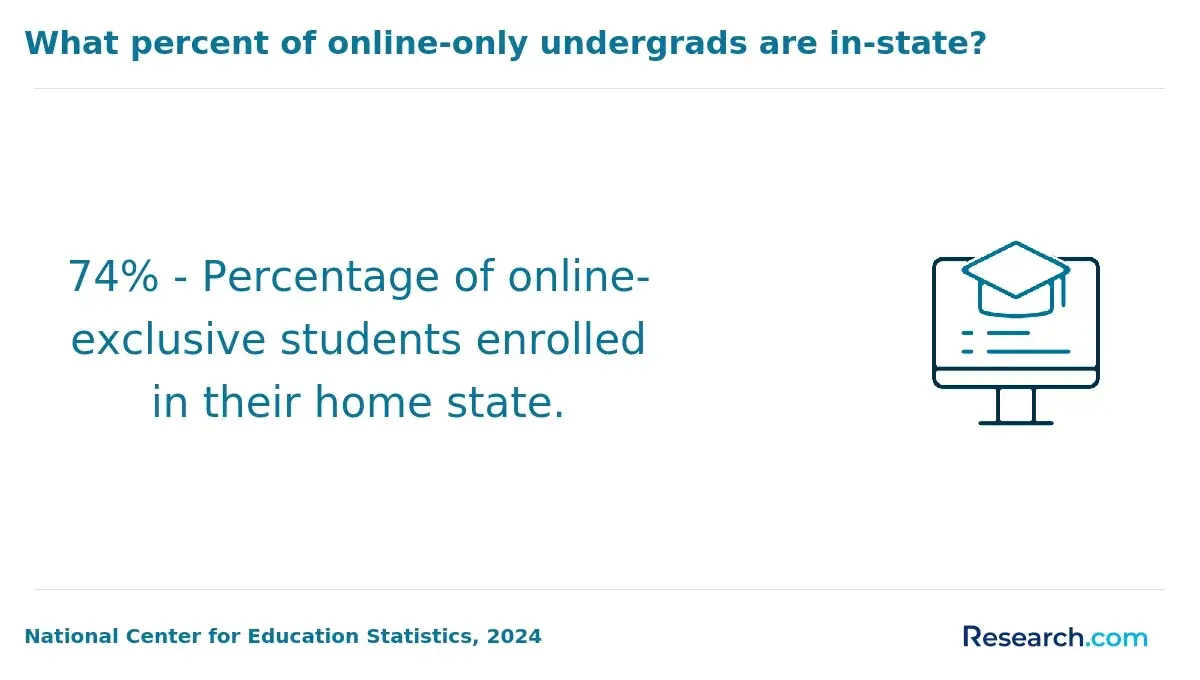
According to the National Center for Education Statistics, about 75% of online students choose this format specifically for its scheduling freedom. That makes fully online learning the stronger option for students who need the highest level of control over when and where they study.
Choose Hybrid for Flexibility With Structure
- You can reliably attend scheduled campus sessions.
- You want some online convenience but do not want a fully self-directed experience.
- You learn better when you see instructors and classmates in person.
- You want to use campus services, events, and networking opportunities.
Choose Fully Online for Maximum Flexibility
- Your work hours change from week to week.
- You live far from campus or do not want to commute.
- You need to study around family, travel, or military commitments.
- You are comfortable managing deadlines without regular in-person reminders.
Students exploring flexible online education in other professional fields may also compare models such as PsyD programs to see how remote coursework, live requirements, and clinical or practical components can differ by discipline.
What Is the Workload for Hybrid vs Fully Online Business Development & Sales Bachelor's Degrees?
The academic workload is often similar across hybrid and fully online business development & sales bachelor's degrees, but the way that workload feels can be very different. Research from the Online Learning Consortium in 2023 found that students in online courses typically dedicate 15 to 20 hours weekly to coursework, though time demands vary by course load, assignment type, and study habits.
Hybrid programs divide the workload between scheduled class meetings and independent online work. The fixed meetings can help students stay on pace because class time creates routine and accountability. However, students must also account for commuting, parking, campus transitions, and time between work and class. For a working adult, those hidden time costs can be significant even when the number of academic assignments is manageable.
Fully online programs shift more of the weekly structure onto the student. Coursework may include recorded lectures, readings, quizzes, case analyses, sales plans, customer research, discussion posts, virtual presentations, and team projects. Because there are fewer built-in meeting times, students must create their own schedule for watching lectures, completing assignments, participating in discussions, and preparing for assessments.
Common Workload Mistakes
- Underestimating asynchronous courses: Flexible does not mean easier. Online courses still require regular participation and timely submissions.
- Ignoring group project logistics: Sales and business development courses often use team assignments, which can be harder to coordinate across different schedules.
- Failing to block study time: Fully online students in particular should reserve recurring weekly study periods rather than waiting for free time to appear.
- Forgetting commute time: Hybrid students should calculate total time commitment, not only classroom hours.
In practical terms, hybrid programs provide more external structure, while fully online programs provide more scheduling control. Students who are organized can succeed in either format, but those who struggle with self-management may find hybrid courses easier to sustain.
How Does Tuition Compare for Hybrid vs Online Business Development & Sales Bachelor's Degrees?
Tuition for hybrid and fully online business development & sales bachelor's degrees can vary widely by institution, residency status, credit requirements, transfer credits, and fee structure. Data from the National Center for Education Statistics highlights that online programs can offer tuition rates 10-20% lower per credit hour compared to hybrid or on-campus options, though this is not universal.
Students should compare total cost of attendance, not just advertised tuition. A hybrid program may have higher indirect costs because of campus attendance, while a fully online program may include technology or distance learning fees. If affordability is a major factor, comparing programs through an online business school resource can help you evaluate business degree options with cost in mind.
- Per-credit costs: Fully online programs may use standardized per-credit tuition rates. Hybrid programs may charge rates that reflect both online delivery and campus-based instruction.
- Technology and campus fees: Hybrid students may pay fees tied to facilities, student services, campus technology, or activity access. Online students may pay technology or distance education fees instead.
- Residency and facility charges: Hybrid formats may involve campus-based charges or residency-related pricing. Fully online programs may reduce some facility-related expenses, though policies vary.
- Payment flexibility: Some online programs allow students to pay by course or term, which can help working adults plan cash flow. Hybrid programs may follow more traditional billing schedules.
- Additional expenses: Hybrid students should budget for transportation, parking, meals near campus, schedule disruptions, and possible lost work hours. Fully online students should budget for reliable internet, software, hardware, and a suitable study setup.
| Cost Category | Hybrid Program | Fully Online Program |
| Tuition | May be higher depending on campus costs | May be lower, but not always |
| Fees | May include campus and facility fees | May include technology or distance learning fees |
| Transportation | Often required | Usually not required |
| Schedule-related costs | Possible work or childcare conflicts | Usually easier to plan around existing obligations |
One graduate of a hybrid business development & sales bachelor's degree said tuition planning was more complicated than expected because the cost was not limited to credits. "I often had to plan my payments carefully because hybrid tuition wasn't just about credits-it included parking permits and tech fees that I hadn't fully anticipated." He valued the personal interaction, but noted that fully online options might have been easier to manage financially.
Do Employers Prefer Hybrid or Fully Online Business Development & Sales Bachelor's Degrees?
Employers generally care more about the institution, accreditation, relevant experience, skills, and results than whether a business development & sales bachelor's degree was completed in a hybrid or fully online format. Surveys indicate that nearly 77% of employers now regard online degrees as equally credible to traditional formats when obtained from reputable institutions.
For sales and business development roles, hiring managers often look for evidence that a candidate can communicate clearly, build relationships, understand customer needs, use CRM tools, analyze markets, manage a pipeline, and meet goals. The degree format matters less when the graduate can demonstrate those abilities through internships, work experience, projects, certifications, portfolios, and interviews.
- Interpersonal interaction: Hybrid programs may offer more visible practice in live presentations, networking, and face-to-face collaboration, which can be useful in relationship-driven roles.
- Flexibility and accessibility: Fully online graduates may demonstrate self-discipline, remote collaboration skills, digital communication ability, and comfort with technology.
- Skill development: Employers may ask how students practiced sales conversations, presentations, negotiation, and client communication, especially if the degree was fully online.
- Institution reputation: Accreditation, program quality, faculty expertise, career support, and employer familiarity with the school often carry more weight than delivery mode.
- Industry trends: As remote and hybrid work become more common, employers increasingly focus on competencies and outcomes rather than classroom format alone.
How to Present Either Degree to Employers
- List the degree normally on your resume without overexplaining the format unless asked.
- Highlight sales projects, CRM experience, market research, pitch decks, analytics work, internships, and measurable achievements.
- Prepare interview examples that show communication, persistence, problem-solving, and relationship management.
- If you studied online, emphasize remote collaboration, digital presentation skills, and self-management.
- If you studied in a hybrid format, emphasize live presentations, networking, and hands-on classroom projects.
Prospective students comparing employer preference for hybrid vs fully online business development & sales degree programs should weigh format alongside school quality and career support. Related business pathways, such as the best online MBA under 30k, also show how accepted online business education has become when programs are reputable and outcomes are clear.
Who Should Choose a Hybrid vs Fully Online Business Development & Sales Bachelor's Degree?
The right choice depends on your schedule, learning style, location, support needs, and career plan. A hybrid business development & sales bachelor's degree is usually better for students who want in-person interaction and structured accountability. A fully online degree is usually better for students who need maximum flexibility and can manage their time independently.
Choose a Hybrid Program If You:
- Learn best through live interaction: You want regular face-to-face discussion, immediate feedback, and in-person sales practice.
- Can attend campus reliably: Your commute, work schedule, and family responsibilities allow you to meet required in-person expectations.
- Want networking built into the program: You value campus relationships with classmates, faculty, speakers, and local employers.
- Need external structure: Scheduled sessions help you stay accountable and reduce the risk of falling behind.
- Are returning to school after a break: Campus interaction may make the transition back into academic work feel more supported.
Choose a Fully Online Program If You:
- Need the most schedule flexibility: You work irregular hours, travel, care for family members, or live far from campus.
- Are comfortable learning independently: You can plan your week, track deadlines, and ask for help without frequent in-person reminders.
- Already have workplace exposure: You may be able to practice sales and business development concepts directly in your current job.
- Want to reduce commuting costs: You prefer to avoid transportation, parking, and time away from home or work.
- Are comfortable with technology: You can use online platforms, video meetings, shared documents, and virtual collaboration tools effectively.
Cost comparisons also influence the decision. Some students research affordability across unrelated online fields, such as mechanical engineering degree online cost, to understand how online tuition structures can differ before comparing business development & sales programs.
How Can I Succeed in a Hybrid vs Fully Online Business Development & Sales Bachelor's Degree Program?
Success in either format requires consistent time management, active participation, and deliberate skill practice. Business development and sales are applied fields, so students should not treat coursework as only reading and exams. The strongest graduates use the program to build communication confidence, understand buyer behavior, practice presentations, analyze markets, and connect assignments to real business problems.
Success Tips for Hybrid Students
- Protect campus days: Treat in-person sessions as professional commitments. Plan transportation, work shifts, and childcare well in advance.
- Use live time strategically: Ask questions, practice presentations, request feedback, and build relationships with classmates and instructors.
- Do not postpone online work: Hybrid students can fall behind when they assume campus meetings are the main workload. Online assignments still require steady attention.
- Use campus resources: Take advantage of libraries, tutoring, advising, career services, speaker events, and employer networking opportunities when available.
- Connect class practice to career goals: Save pitch decks, case analyses, market research projects, and sales plans for a professional portfolio.
Success Tips for Fully Online Students
- Create a weekly study schedule: Block time for lectures, readings, discussions, assignments, and review before the week becomes crowded.
- Participate visibly: Post thoughtful discussion responses, attend virtual office hours, volunteer in group projects, and ask questions early.
- Practice communication on camera: Sales roles often require confident verbal communication, so use video presentations as serious professional practice.
- Build your network intentionally: Connect with classmates, instructors, alumni, and professional groups instead of waiting for networking to happen naturally.
- Use digital tools well: Become comfortable with video conferencing, shared documents, CRM concepts, project management tools, spreadsheets, and presentation software.
Strategies That Help in Both Formats
- Track all deadlines in one calendar.
- Meet with an advisor before changing course loads.
- Confirm accreditation and transfer policies before enrolling.
- Ask how the program supports internships, career placement, and employer connections.
- Build a portfolio of sales scripts, market analyses, presentations, and business development plans.
What Graduates Say About Hybrid vs Fully Online Business Development & Sales Bachelor's Degree Programs
- Romeo: "Choosing a fully online Business Development & Sales bachelor's program was essential for me because of my work schedule and family commitments. The flexibility helped me manage my time while still gaining practical industry knowledge through interactive courses. Graduating from the program boosted my confidence and opened doors to leadership roles in sales strategy."
- Aidan: "I enrolled in a hybrid Business Development & Sales bachelor's program because I valued face-to-face networking alongside online learning. The mix of in-person and virtual classes helped me develop stronger communication skills and adaptability. That experience gave me an edge in my career and helped me build meaningful client relationships from day one."
- Luke: "Pursuing my Business Development & Sales degree fully online was a strategic move because I wanted to advance my career without leaving my job. The self-paced structure taught me discipline and helped me use digital tools more effectively, which are important skills in today's sales environment. As a sales professional, I connect my ability to analyze data and make strategic decisions directly to what I learned in the program."
Other Things You Should Know About Business Development & Sales Degrees
Both hybrid and fully online business development & sales programs offer networking opportunities, but the formats differ. Hybrid programs often provide in-person events, group projects, and face-to-face interactions, which can enhance relationship-building. Fully online programs rely on virtual tools, such as discussion boards and video conferencing, to facilitate networking, which may require more proactive effort from students to engage.
Internship availability generally depends on the school rather than the program format. Many hybrid and fully online business development & sales programs partner with companies to offer internships that align with students' schedules. Students in both formats must be proactive in seeking internships, but hybrid students might find it easier to pursue local in-person opportunities.
Career services are offered by most schools regardless of program format, providing guidance on resumes, interviews, and job placements. Hybrid program students may have more direct access to on-campus career centers, while fully online students often receive virtual career support through webinars and online consultations. Both formats strive to connect students with employers and industry networks.
References
- Hybrid vs. fully online: how different teaching models impact satisfaction https://www.amba-bga.com/insights/hybrid-vs-fully-online-how-different-teaching-models-impact-satisfaction
- Online Sales and Marketing (Undergraduate) https://www.schellhammerbusinessschool.com/online-sales-and-marketing-undergraduate/
- Hybrid vs. Blended Learning: Choosing the Right Model for Customer Training - Edly https://edly.io/blog/hybrid-vs-blended-learning-choosing-the-right-model-for-customer-training/
- Online Bachelor's Degree in Business Administration: Your Best Decision | EU Business School https://www.euruni.edu/blog/online-bachelors-degree-in-business-administration-your-best-decision/
- Hybrid MBA or Full-Time MBA: Flexibility vs. Immersion at Top B-Schools https://www.stacyblackman.com/blog/hybrid-mba-or-full-time-mba/
- Bachelor Online - Business Development | INSEEC https://www.inseec.com/en/program/bachelor-online-business-development/
- Building a Career in Sales Technology for Remote and Hybrid Teams https://www.lsitm.com/blog/building-a-career-in-sales-technology-for-remote-and-hybrid-teams
- What are the benefits of pursuing a Bachelor of Business Administration through distance learning? https://www.umu.com/ask/q11122301573854629284
- Difference between Hybrid, Online & In-Class Degree Programmes | BSBI https://www.berlinsbi.com/blog/what-is-the-difference-between-hybrid-online-and-in-class-degree-programmes