2027 Online Business Development & Sales Bachelor's Degree Programs With No Prerequisites

Co-Founder and Chief Data Scientist
Choosing an online business development and sales bachelor's program with no prerequisites is usually a practical question: can you start a credible degree without first taking extra college courses, pausing your job, or proving prior business experience? For many adult learners, career changers, and first-generation students, the answer can be yes—but the quality, cost, support, and recognition of these programs vary widely.
Business development and sales roles reward communication, market awareness, relationship-building, negotiation, and revenue strategy. A bachelor's program can help students build those skills in a structured way, especially when it includes core business coursework, sales management, marketing, analytics, customer relationship management, and career services. With 30% of U. S. sales professionals entering the field through nontraditional education routes, flexible online pathways have become especially important for learners who do not fit the traditional college timeline.
This guide explains what “no prerequisites” actually means, how open-admission programs differ from selective ones, what accredited options may accept students with no prior college coursework, and how to compare tuition, completion time, support services, transfer credit, and admissions requirements before enrolling.
Key Benefits of Online Business Development & Sales Bachelor's Degree Programs With No Prerequisites
- Online business development & sales bachelor's programs offer flexible scheduling, enabling working professionals to balance education with job and family responsibilities effectively.
- These programs facilitate accelerated skill acquisition through focused curricula and practical projects, helping students quickly gain industry-relevant expertise.
- Students can build valuable credentials on timelines and budgets that suit their individual circumstances, often benefiting from open-admission policies and financial aid options.
What Does 'No Prerequisites' Mean for Online Business Development & Sales Bachelor's Degree Programs, and Who Benefits Most?
In an online bachelor's program, “no prerequisites” usually means you do not need to complete specific college courses before entering the program. For business development and sales, that may mean no prior accounting, economics, marketing, statistics, or business law courses are required at admission. It does not mean the program has no admissions standards at all.
Most no-prerequisite programs still require proof of high school completion or an equivalent credential, basic identity documentation, and, in some cases, English-language proficiency. The key difference is that students can begin with introductory college-level coursework instead of being told to complete separate prerequisite classes before they are admitted.
No prerequisites vs. open admission vs. low-barrier enrollment
| Term | What it usually means | What students should verify |
| No prerequisites | No required prior college courses in business, sales, or related subjects before enrollment. | Whether foundational courses are built into the degree plan or charged separately. |
| Open admission | The school typically admits applicants who meet minimum baseline requirements, often a high school diploma or equivalent. | Whether placement tests, orientation, or conditional enrollment apply. |
| Low-barrier enrollment | The application process is simplified, but academic or documentation requirements may still exist. | Whether the program requires transcripts, essays, test scores, or previous credits. |
These programs are especially useful for career changers who want to move into sales, account management, client success, revenue operations, or business development without first earning separate credits. They can also help working adults who need flexible pacing, returning learners who have been away from school for years, and first-generation college students who want a clearer entry point into higher education.
Data from the National Center for Education Statistics (NCES) shows growing enrollment among non-traditional students, which helps explain why colleges continue to expand accessible online business pathways. Some learners also compare short credential routes, such as an accelerated associates degree online, before deciding whether to start directly in a bachelor's program.
When evaluating no-prerequisite online business development and sales programs, focus on four issues:
- Admission flexibility: Confirm that the program does not require prior college coursework in business or sales.
- Academic quality: Look for recognized accreditation, a coherent business curriculum, and transparent graduation requirements.
- Financial support: Check eligibility for federal aid, scholarships, employer tuition assistance, and payment plans.
- Career outcomes: Review whether the program supports internships, resume development, networking, sales tools, and job-search preparation.
Which Accredited Online Business Development & Sales Bachelor's Programs Accept Students With No Prior College Coursework?
Students with no prior college coursework should look for accredited online bachelor's programs that start with foundational business courses and do not require transfer credits for admission. Many programs are not titled exactly “business development and sales”; instead, they may be offered as business administration, business management, marketing, or sales-focused concentrations that prepare students for similar roles.
The institutions below are commonly considered by online learners because they combine recognized accreditation with flexible entry points. Applicants should always confirm current admissions rules, program names, concentration availability, tuition, and credit requirements directly with the university before applying.
- Liberty University: Liberty has an open admissions policy and allows enrollment without prior college credits. Its business administration bachelor's degree includes sales and marketing-related study, beginning with foundational business courses. Liberty is accredited by the Southern Association of Colleges and Schools Commission on Colleges (SACSCOC).
- Colorado State University Global: Colorado State University Global is accredited by the Higher Learning Commission (HLC) and offers a bachelor's in business management that covers business development and sales-relevant topics. The university serves over 15,000 online learners and typically does not require previous college experience, with bridge coursework available to support academic readiness.
- University of Massachusetts Lowell: UMass Lowell offers a business administration degree with options in sales and marketing. The program accepts students with minimal or no prior credits and is accredited by the New England Commission of Higher Education (NECHE). Foundational business coursework helps students build the academic base needed for upper-division classes.
- Western Governors University: WGU uses a competency-based model and is accredited by the Northwest Commission on Colleges and Universities (NWCCU). Its bachelor's in business management includes sales-related content and is designed for flexible, self-paced learning, which can help students who are entering college for the first time.
- Southern New Hampshire University: SNHU offers a Bachelor of Science in Business Administration with a sales concentration and has open-enrollment features with no formal prerequisites. Accredited by NECHE, SNHU provides flexible pacing, financial aid options, and online student support.
For students comparing these options, accreditation should come before convenience. A flexible admissions policy is valuable only if the credential is respected, transferable, and eligible for appropriate financial aid. Students who are also weighing cost and career return may compare business-related pathways with lists such as the easiest college majors with high pay, but they should interpret any salary or pay ranking in light of experience, location, industry, and job function.
A strong no-prerequisite program usually has these characteristics:
- recognized institutional accreditation;
- introductory coursework for students new to business;
- clear transfer-credit and prior-learning policies;
- career services connected to sales, business development, marketing, or account management;
- transparent total cost estimates, not just per-credit tuition.
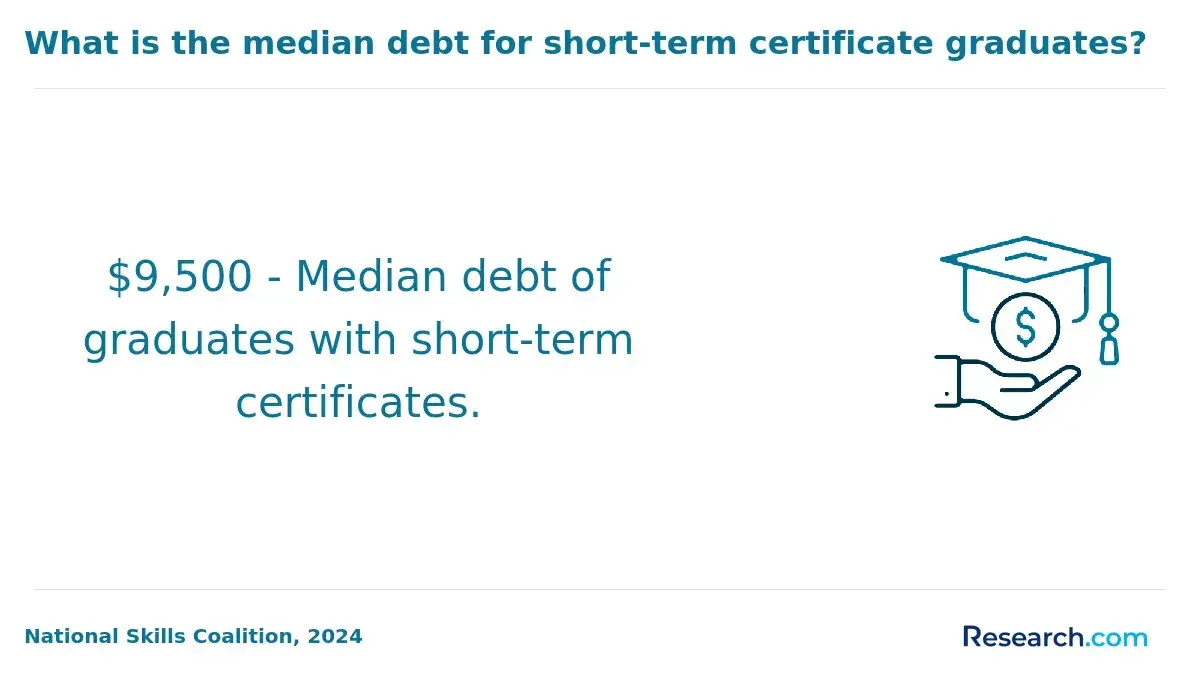
How Do Open-Admission Policies in Online Business Development & Sales Programs Differ From Traditional Selective Admissions?
Open-admission policies are designed to admit students who meet minimum eligibility requirements, commonly a high school diploma or equivalent. Traditional selective admissions use additional screening factors, such as GPA, test scores, prior coursework, essays, recommendations, or limited program capacity. For business development and sales students, the difference is not just how hard it is to get in; it also affects the type of academic support the program should provide after enrollment.
| Admissions model | Typical entry standard | Best fit | Potential concern |
| Open admission | Minimum eligibility, often high school completion or equivalent. | Working adults, career changers, returning learners, and students without prior college credits. | Students may need stronger tutoring, advising, and study-skills support. |
| Selective admission | GPA, test scores, prerequisites, essays, or other screening factors. | Students with stronger recent academic records or completed college coursework. | Applicants may be denied or required to complete extra steps before admission. |
| Conditional admission | Initial admission depends on meeting academic benchmarks after enrollment. | Students who show potential but need to prove readiness. | Failure to meet conditions may affect progression or financial planning. |
| Rolling admission | Applications are reviewed throughout the year until space or deadlines close. | Students who need flexible start dates. | Rolling admission does not automatically mean open admission. |
Schools such as Western Governors University and Southern New Hampshire University publicly provide information about their open-enrollment policies through official admissions pages and IPEDS data. Data from the National Center for Education Statistics shows a 15% increase over five years in undergraduate enrollments in open-admission online programs, reflecting growing demand for flexible access.
Open admission can be a strength when the program is built for students with varied preparation levels. It can be a weakness when a school admits broadly but does not provide enough advising, tutoring, career guidance, or early academic intervention. Before enrolling, ask how the program identifies students who need help in writing, quantitative reasoning, technology use, or business fundamentals.
- Broad access: Open admission can make a bachelor's degree more realistic for adults who were previously excluded by traditional criteria.
- Built-in support: Strong programs use orientation, foundational coursework, writing support, and tutoring to help students adjust.
- Different preparation levels: Classmates may enter with very different academic backgrounds, which can affect discussion pace and group work.
- Career relevance: Students should confirm that the program offers practical sales and business development preparation, not only general business theory.
One professional who pursued an online business development and sales bachelor's degree with no prerequisites described the open-admission route as less intimidating but not effortless. He was balancing full-time work with coursework and quickly realized he needed to strengthen foundational skills. “The lack of strict entry requirements made it less intimidating to start, but I knew I had to catch up on some foundational skills.” He credited orientation, tutoring, and career services with helping him move from uncertainty to internship-ready preparation.
What Are the Typical Enrollment Requirements for No-Prerequisite Online Business Development & Sales Bachelor's Programs?
No-prerequisite does not mean no documentation. Most online business development and sales bachelor's programs still require applicants to prove baseline eligibility before they can register for courses or receive financial aid.
- Proof of secondary education: Applicants generally need an official high school transcript, diploma, GED, or recognized equivalent. This confirms basic eligibility for college-level study.
- Language proficiency: If the program is taught in English, non-native English speakers may need TOEFL, IELTS, or evidence of prior English-language education. Some schools waive testing when applicants meet institutional criteria.
- Minimum age threshold: Many programs expect students to be at least 18 years old. Some institutions allow younger students through dual-enrollment or bridge arrangements, but those policies vary.
- Residency and tuition information: Public colleges may charge different rates based on residency, while private nonprofit institutions often use a single online tuition structure. Admission and tuition classification are separate issues, so students should verify both.
- Placement or readiness checks: Even when prerequisites are not required, some schools use assessments to place students in the right writing, math, or introductory business courses.
- Application materials: Students may need identification, official transcripts, a short application form, a personal statement, and any required test results.
Applicants who lack standard documentation should ask about alternative admission routes, such as GED completion, evaluated international credentials, or dual-credit coursework. The safest approach is to request a written admissions checklist from the school and confirm whether any required course is part of the degree plan or must be completed before full enrollment.
Accreditation should also be verified before submitting an application or financial aid documents. Students can use resources on accredited online colleges to understand why institutional recognition matters for aid, transfer credit, and employer acceptance.
Are No-Prerequisite Online Business Development & Sales Bachelor's Programs Available at Regionally Accredited Universities?
Yes. No-prerequisite or open-access online business development and sales-related bachelor's pathways are available at regionally accredited universities, often through business administration, business management, marketing, or sales concentrations. Regional accreditation matters because it is one of the clearest signals that the institution has been reviewed for academic quality, governance, student support, and financial integrity.
For students entering without prior coursework, accreditation is especially important. A program with easy enrollment but weak recognition can create problems later if the student wants to transfer, apply to graduate school, use federal financial aid, or present the degree to employers. Regional accreditation generally offers broader credit transfer and institutional recognition than many nationally accredited options, although transfer decisions always remain up to the receiving institution.
What to verify before applying
- Institutional accreditation: Confirm the university's current status through the U.S. Department of Education or the Council for Higher Education Accreditation.
- Program coverage: Make sure the business development, sales, business administration, or management program is included within the institution's accredited offerings.
- Credit transfer policy: Ask how the school evaluates previous coursework, military training, exams, and prior learning.
- Financial aid eligibility: Verify whether students in the online program can use federal loans, grants, scholarships, or employer tuition benefits.
- Employer recognition: Review alumni outcomes, career services, internship support, and whether graduates work in relevant business or sales roles.
Students who are comparing multiple business pathways should also consider whether a broader business degree may provide more flexibility than a narrowly focused sales program, especially if they may later move into operations, marketing, management, or entrepreneurship.
One graduate who entered an online business development and sales program without prerequisites said accreditation was a deciding factor. She was concerned about returning to school after time away and wanted assurance that employers would take the degree seriously. “Knowing the program was regionally accredited gave me confidence employers would respect my degree.” Her experience shows why access and credibility need to be evaluated together.
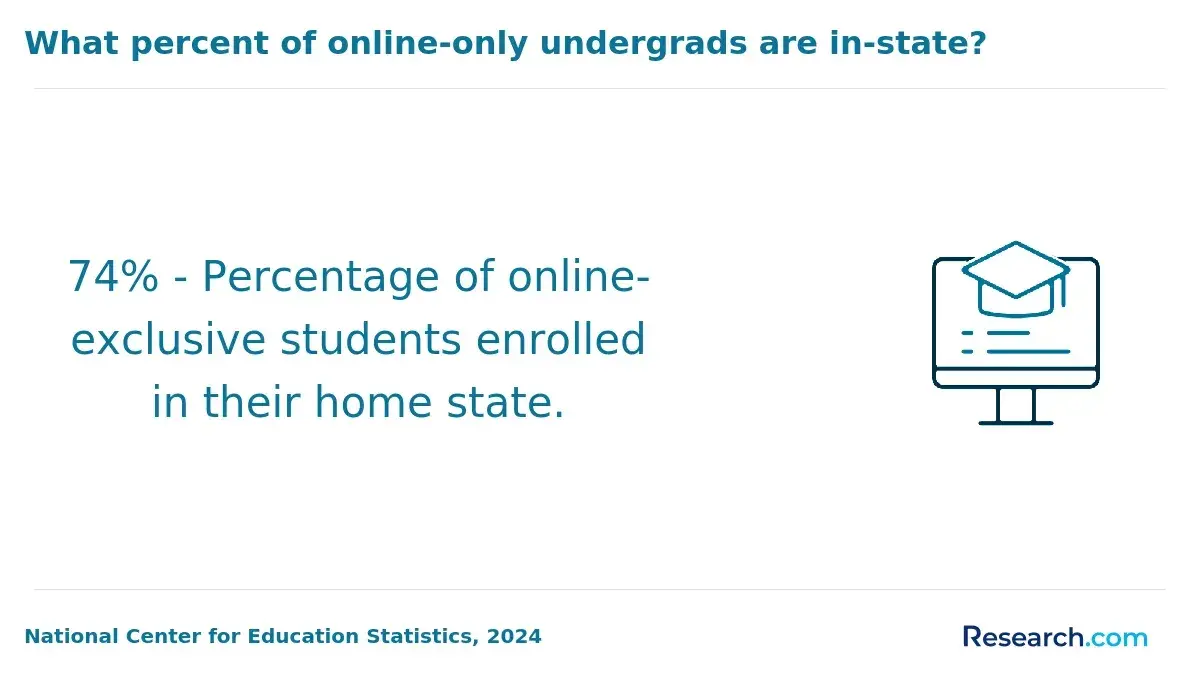
How Do Students Without Academic Prerequisites Catch Up in Online Business Development & Sales Bachelor's Courses?
Students who enter without prior college coursework can catch up when the program provides structured academic support and when they use it early. The first term is usually the most important. Students should focus on writing, quantitative reasoning, time management, technology use, and basic business vocabulary before upper-level coursework becomes more demanding.
- Developmental and bridge courses: Some programs offer introductory modules in business fundamentals, math, communication, and academic writing. Southern New Hampshire University features pre-credit modules that reinforce key concepts before students move into more advanced business subjects.
- Tutoring and academic support: Online tutoring can help students with writing, spreadsheet work, quantitative reasoning, and core sales concepts. Purdue Global offers focused help in sales strategies and other core competencies.
- Peer mentoring: Mentoring can help new students understand course expectations, manage deadlines, and stay engaged. According to the National Survey of Student Engagement (NSSE), this kind of social support correlates with improved motivation and reduced attrition rates.
- Self-assessment tools: Diagnostic quizzes, sample lessons, and orientation activities can help students identify gaps before they affect grades.
- Online learning resources: Digital libraries, webinars, workshops, recorded tutorials, and writing centers can be especially useful for working adults who study outside standard business hours. The University of Maryland Global Campus offers continuous learning opportunities that complement formal coursework.
Data from the 2023 NSSE report highlights that online students who engage regularly with academic support services have a 28% higher retention rate than those who do not. For no-prerequisite students, the practical lesson is straightforward: do not wait until a course becomes difficult. Use tutoring, advising, and faculty office hours during the first few weeks.
Skills worth strengthening before upper-level sales courses
- professional writing and email communication;
- basic spreadsheet and data interpretation skills;
- presentation and public speaking practice;
- introductory marketing and customer behavior concepts;
- time-blocking and weekly study planning.
Breakdown of Private Fully Online Nonprofit Schools

What Support Services Help No-Prerequisite Students Succeed in Online Business Development & Sales Bachelor's Programs?
No-prerequisite students are often capable and motivated, but many are balancing school with jobs, caregiving, military service, or long gaps in formal education. The best online programs anticipate those realities instead of assuming every student can navigate college independently. Programs ranked by U.S. News Best Online Bachelor's Programs often feature nationally recognized student support infrastructures, but students should still verify which services are available to their specific online program.
- Academic advising: Advisors help students choose courses, sequence requirements, understand transfer credits, and avoid registration mistakes that can delay graduation.
- First-term onboarding: Orientation, academic success courses, and technology walkthroughs can reduce early confusion in online platforms.
- Tutoring and writing help: Business students often need support with reports, presentations, quantitative assignments, and case analyses.
- Mental health resources: Virtual counseling and wellness services can help students manage stress, isolation, and competing responsibilities.
- Disability accommodations: Eligible students may receive extended test time, accessible course materials, screen-reader compatibility, captioning, or alternative assignment formats.
- Career counseling: Resume reviews, mock interviews, networking events, virtual job fairs, and mentorship can help students translate coursework into sales and business development opportunities.
- Technical support: Online students need reliable help with learning management systems, video tools, account access, and proctored exams, ideally outside standard office hours.
According to a report by the Online Learning Consortium, students using both academic and mental health resources are 40% more likely to complete their degrees on time. That makes support services a completion factor, not a convenience. Before enrolling, ask whether tutoring, counseling, career services, and technical help are included in tuition or billed through separate fees.
Can Transfer Credits or Prior Learning Assessments Replace Prerequisites in Online Business Development & Sales Programs?
Transfer credits and Prior Learning Assessments (PLAs) can reduce the time and cost of an online business development and sales bachelor's degree, even when the program does not require prerequisites. They do not always “replace” prerequisites in a formal admissions sense, but they can satisfy general education, elective, or lower-division business requirements once the student is admitted.
Many institutions accept transfer credits from accredited schools, often allowing a range of 60-90 semester hours. Thomas Edison State University and Excelsior College are known for flexible transfer policies, making them common options for adults who have previous academic, military, or professional learning.
- Transfer credit: Colleges may accept prior coursework from accredited institutions and apply it to general education, electives, or major requirements. Policies differ by grade earned, course age, accreditation type, and subject match.
- Prior Learning Assessments: PLAs evaluate college-level knowledge gained outside traditional classrooms. Methods may include CLEP, DSST, challenge exams, or portfolio review.
- ACE credit recommendations: The American Council on Education reviews military training, workplace learning, and certifications and provides credit recommendations that many colleges consider.
- Documentation: Students should gather transcripts, syllabi, certificates, licenses, training records, employer letters, and detailed descriptions of professional learning.
- Institutional examples: The University of Maryland Global Campus and Charter Oak State College enable students to apply up to 75% of their degree credits through PLA and transfer options.
- Usage trend: According to the National Center for Education Statistics, over 20% of undergraduates use some form of PLA or transfer credit.
Students should request an official credit evaluation before committing to a program. A generous transfer policy can shorten the degree, but only if credits apply to actual requirements rather than unused electives. Adult learners comparing faster degree models may also find it useful to review how an accelerated human services degree online handles prior learning and streamlined completion.
What Is the Average Time to Completion for No-Prerequisite Online Business Development & Sales Bachelor's Degree Programs?
Most no-prerequisite online business development and sales bachelor's programs follow the standard 120-credit-hour bachelor's degree structure. For a student starting with no transfer credits, that commonly means about four years of full-time study. The actual timeline can be shorter or longer depending on course load, transfer credits, competency-based pacing, term length, and whether the student studies year-round.
- Standard credit structure: A bachelor's degree typically requires approximately 120 credit hours. Students entering with no prior college credit should plan around the full requirement unless they earn credit through exams, PLA, or transfer options later.
- Full-time vs. part-time pace: Full-time enrollment can support faster completion, while part-time enrollment may be more realistic for students balancing work and family.
- Accelerated terms: Some institutions, including Western Governors University and Southern New Hampshire University, offer eight-week terms and year-round enrollment. These formats may allow motivated students to finish in approximately two to three years.
- Competency-based learning: In competency-based programs, students may progress by demonstrating mastery rather than spending a fixed amount of time in every course.
- Open-admission timelines: IPEDS data highlights that open-admission, no-prerequisite programs often have longer average completion times compared to selective-admission programs, partly because students may be balancing more responsibilities or rebuilding academic skills.
- Financial impact: Time to completion affects tuition, fees, borrowing, and opportunity cost. A lower tuition rate may not save money if the program requires extra terms or unused credits.
Students comparing flexible online degrees should calculate the total cost under realistic timelines: full-time, part-time, and accelerated. Those exploring other affordable online options can compare structures with an affordable library science degree online to see how tuition, pacing, and credit requirements differ across fields.
How Does Tuition Compare Between No-Prerequisite and Standard Online Business Development & Sales Bachelor's Programs?
Tuition for no-prerequisite online business development and sales bachelor's programs can be lower, similar, or higher than standard-admission programs depending on the institution. The admissions model alone does not determine cost. Public universities, private nonprofit colleges, for-profit institutions, competency-based programs, and community college transfer pathways all price online degrees differently.
| Cost factor | How it can affect no-prerequisite programs | What to ask before enrolling |
| Per-credit tuition | Open-access programs at public or community college-connected institutions may have lower rates, while private options may charge more. | What is the exact online tuition rate for this program? |
| Developmental coursework | Some students may need foundational or remedial courses that add cost or time. | Are bridge courses required, optional, credit-bearing, or separately billed? |
| Fees | Technology, online learning, graduation, proctoring, and course materials fees can increase the total price. | What is the full program cost, including mandatory fees? |
| Transfer credit | Accepted credits can reduce total tuition if they apply to degree requirements. | How many credits can transfer, and where will they apply? |
| Pacing model | Competency-based or accelerated formats may reduce cost for fast-moving students but may not suit everyone. | Is tuition charged by credit, term, subscription period, or flat rate? |
Open-admission options are often marketed as accessible, but students should not assume they are automatically the cheapest. A standard-admission program with stronger transfer credit, fewer extra fees, or better scholarship support may cost less in practice. Compare net price, not sticker price, and ask for a written estimate based on your expected course load and transfer-credit status.
Which Online Business Development & Sales Bachelor's Programs Allow Students To Start Without A High School Diploma Or GED?
Accredited online bachelor's programs generally do not allow regular degree-seeking enrollment without a high school diploma, GED, or recognized equivalent. A program may have no college prerequisites, but that is different from admitting students who have not completed secondary education. For federal financial aid and standard bachelor's admission, proof of high school completion or equivalency is typically required.
Students who do not have a traditional high school diploma still have options. Many accredited online business development and sales-related bachelor's programs accept a GED or equivalent credential, and some may consider evaluated international secondary credentials. The important point is that applicants should complete or document secondary equivalency before expecting full admission to a bachelor's program.
- GED acceptance: Many institutions treat a GED as equivalent to a high school diploma for admission review.
- Conditional enrollment: Some schools may admit GED holders conditionally and require placement assessments or developmental coursework during the first term.
- International credentials: Applicants educated outside the U.S. may need an official credential evaluation to show equivalency to a U.S. high school diploma or GED.
- Dual-enrollment routes: Younger learners may be able to earn college credits while completing high school, but this is not the same as full bachelor's admission without secondary completion.
- Accreditation check: Be cautious with any school claiming that no diploma, GED, or equivalent is needed for a full bachelor's degree. Verify accreditation and aid eligibility before submitting payment.
- Financial aid access: Holding a GED generally qualifies students to apply for federal aid, scholarships, and grants if they meet all other requirements and complete the FAFSA.
The safest path for students without a diploma is to complete the GED or equivalent first, then apply to an accredited online business program with no college prerequisites.
What Graduates Say About Their Online Business Development & Sales Bachelor's Degree Program With No Prerequisites
- : "Choosing the online business development and sales bachelor's degree was a turning point for me because I did not have to complete extra prerequisites before starting. The affordability mattered because I was working while studying, and the program helped me build confidence for corporate sales roles. — Rome"
- : "The flexibility and lack of prerequisites were the main reasons I enrolled. I needed a program that could fit around family responsibilities without creating additional entry barriers. The cost felt manageable, and the coursework gave me practical skills I could apply as I moved toward leadership responsibilities. — Aiden"
- : "The online business development and sales bachelor's degree gave me a direct route into the field without requiring a traditional academic background. Compared with a more conventional degree path, it felt cost-effective and career-focused. Since graduating, I have been able to pursue roles centered on strategic sales and client relationships. — Luke"
Other Things You Should Know About Business Development & Sales Degrees
For students enrolling in 2027, financial aid options include federal financial aid like Pell Grants and Direct Loans, state financial aid, and institutional scholarships. Many online programs also offer scholarships specific to non-traditional learners. Eligibility and application processes vary, so students should consult their school's financial aid office for details.
Graduates can pursue a range of roles such as sales manager, business development specialist, account executive, and marketing coordinator. The degree equips students with skills in customer relationship management, market analysis, and strategic planning, which are valuable in industries like technology, retail, and services. Entry-level jobs are common initially, but with experience and continued learning, advancement to management positions is attainable.
Quality is assured when programs hold regional accreditation from recognized agencies, which validates the institution's overall educational standards. Additionally, specialized accreditation from business education bodies like the Accreditation Council for Business Schools and Programs (ACBSP) or the Association to Advance Collegiate Schools of Business (AACSB) signals high standards specific to business curricula. Prospective students should verify both institutional and programmatic accreditation before enrolling.
References
- Colleges Without High School Diploma or GED 2025 https://www.educationconnection.com/resources/colleges-that-dont-require-high-school-diploma-or-ged/
- How Can You Get a Business Degree Online? | University of Bridgeport https://www.bridgeport.edu/news/how-to-get-a-business-degree-online/
- Support Services for Online MBA Students Without a Bachelor's Degree https://www.lsib.co.uk/2022/answers.aspx
- Small Business Development Centers (SBDC) https://www.sba.gov/local-assistance/resource-partners/small-business-development-centers-sbdc
- Online Business Bachelor’s Degree (2 Years) | Bushnell University https://www.bushnell.edu/online-business/
- Online Bachelor's Degree in Business Administration: Your Best Decision | EU Business School https://www.euruni.edu/blog/online-bachelors-degree-in-business-administration-your-best-decision/
- Business administration online bachelor degree https://www.mci.edu/en/study/bachelor/business-administration
- Online Bachelor's Degree in Marketing | CSU Global | Accredited https://csuglobal.edu/academic-programs/undergraduate-degrees/bachelors-degree-marketing
- Is an Online Business Degree Program Right for You? https://www.allbusinessschools.com/blog/getting-a-business-degree-online/
- The Advantages of Earning a Business Degree Online https://www.strategydriven.com/2023/05/24/the-advantages-of-earning-a-business-degree-online/