2027 Online Business Development & Sales Bachelor's Degree Programs With Weekly Start Dates

Co-Founder and Chief Data Scientist
Choosing an online business development and sales bachelor's program is often a timing decision as much as an academic one. If you are trying to move into sales operations, account management, business development, marketing, or revenue-focused leadership, waiting months for the next semester can slow your career plan. Weekly or rolling start dates reduce that delay by letting eligible students begin much closer to the time they are ready to enroll.
This guide explains how weekly-start online bachelor's programs work, how they compare with traditional semester-based enrollment, and what to check before committing. It covers accredited institutions, tuition, transfer credit, financial aid, admission requirements, coursework structure, accreditation, and credit-for-prior-learning options. According to recent data, 42% of students in online business-related programs prefer weekly starts to maintain momentum and meet employer-driven timelines. The goal is to help you decide whether this format fits your schedule, budget, and career timeline.
Key Benefits of Online Business Development & Sales Bachelor's Degree Programs With Weekly Start Dates
- Online business development & sales bachelor's programs with weekly start dates offer unmatched flexibility-ideal for working professionals and career changers balancing jobs and family commitments.
- They eliminate traditional semester wait times, allowing enrollment and coursework start within days of acceptance-removing a major barrier for returning students.
- Students can earn a regionally accredited degree on a personalized timeline-maximizing transfer credits and prior learning assessments to accelerate graduation and reduce costs.
What Are Weekly Start Dates in Online Business Development & Sales Bachelor's Programs, and How Do They Differ From Traditional Term-Based Enrollment?
Weekly start dates allow accepted students to begin an online business development and sales bachelor's program on a much more frequent schedule than the standard fall, spring, or summer semester calendar. Instead of waiting for one of a few fixed entry points each year, students can often start coursework soon after admission, transcript review, and financial arrangements are complete.
This model is most common in online programs built around short courses, modular curriculum, competency-based pacing, or rolling enrollment. Institutions such as Western Governors University and Purdue Global show how continuous enrollment can work in practice, using flexible academic calendars that help adult learners begin sooner and progress without long gaps between terms.
The main difference is control over timing. Traditional term-based programs may work well for students who want a predictable academic calendar, longer courses, and a campus-style rhythm. Weekly or rolling-start programs are usually better for students who need speed, flexibility, and fewer enrollment bottlenecks.
- Flexible entry: Students can begin when they are prepared to commit, rather than waiting for the next semester deadline.
- Less downtime: Rolling starts help applicants avoid months of delay between deciding to enroll and taking the first course.
- Potentially faster progress: When frequent starts are combined with competency-based learning, transfer credits, or prior learning assessment, motivated students may reduce time to completion.
- Better fit for working adults: Students can plan around work schedules, family responsibilities, relocations, and employer deadlines.
- More responsibility for pacing: Flexibility can be an advantage, but students must manage deadlines carefully because shorter courses can move quickly.
Weekly starts do not automatically mean a program is faster, cheaper, or easier. The real value depends on course length, transfer policies, credit limits, tuition structure, academic support, and whether the institution is properly accredited. Students comparing accelerated programs in other fields can also review 12-month online DNP programs to see how flexible schedules are used in different degree pathways.
Which Accredited Institutions Offer Online Business Development & Sales Bachelor's Degree Programs With Weekly or Rolling Start Dates?
Several regionally accredited U.S. institutions offer online bachelor's programs connected to business development, sales, sales management, marketing, and business administration with frequent start opportunities. Not every program uses true weekly admission, so applicants should distinguish between weekly starts, monthly starts, and multiple annual start dates before enrolling.
Examples include the following institutions and program models:
- Western Governors University: Offers a Bachelor of Science in Business Management with a sales and marketing specialization. Tuition is about $3,750 per six-month term, based on a competency model that facilitates flexible pacing. While enrollment occurs monthly, this approach mimics weekly starts by providing continuous admissions. The university is accredited by the Northwest Commission on Colleges and Universities.
- Southern New Hampshire University: Features a Bachelor of Science in Business Administration with a sales concentration. Tuition runs approximately $320 per credit hour, with eight start dates annually supporting near-continuous enrollment. SNHU holds regional accreditation from the New England Commission of Higher Education.
- Capella University: Provides a Bachelor of Science in Business Management with business development and sales coursework. Tuition is around $399 per credit, and the FlexPath format offers monthly starts similar to weekly enrollment windows. Accreditation is granted by the Higher Learning Commission.
- Liberty University: Offers a Bachelor of Science in Business Administration - Sales and Marketing Concentration. Tuition costs approximately $390 per credit hour. This fully online program admits students every week, offering true weekly enrollment flexibility. The university is accredited by the Southern Association of Colleges and Schools Commission on Colleges.
- Granite State College: Provides a Bachelor of Science in Business Administration focusing on sales and marketing. Tuition is about $362 per credit with 12 annual start dates, supporting rolling admissions. The college is accredited by the New England Commission of Higher Education.
When comparing these options, do not focus on start frequency alone. A program that starts weekly but accepts few transfer credits may take longer and cost more than a program with monthly starts and stronger credit evaluation policies. Students should ask each school for a written estimate of accepted credits, remaining requirements, total tuition, fees, and expected graduation timeline.
It is also worth comparing sales-focused programs with broader business pathways. A business administration degree may offer a wider foundation in management, finance, operations, and marketing while still supporting careers in sales and business development.
Prospective students evaluating flexible admission policies in other fields may also review nursing colleges that don't require SAT for another example of programs designed around nontraditional applicants.
How Do Weekly Start Dates in Online Business Development & Sales Programs Benefit Working Adults and Non-Traditional Students?
Weekly start dates benefit working adults by reducing the waiting period between acceptance and enrollment. For a student balancing a full-time job, caregiving, military service, shift work, or an unpredictable schedule, the ability to start quickly can make the difference between acting on a career goal and postponing it again.
- Faster action after admission: Students can move from application to coursework without waiting for the next traditional semester.
- Better alignment with work and family schedules: Flexible enrollment gives students more control over when they begin, which can be especially useful during job changes, promotions, or family transitions.
- Improved momentum: Starting while motivation is high can help adult learners avoid the drop-off that sometimes happens during long enrollment gaps.
- Support for career transitions: Students pursuing business development and sales roles can begin building skills in communication, customer acquisition, market analysis, negotiation, and sales strategy sooner.
- Potential persistence benefits: Data from the NCES and Lumina Foundation shows that flexible enrollment times significantly increase adult learners' persistence and graduation by reducing dropout risks associated with scheduling conflicts or life changes.
The trade-off is that frequent starts often come with condensed courses and recurring deadlines. Students who enroll quickly should still make sure they have enough weekly study time, reliable internet access, a realistic budget, and a clear plan for handling work peaks or family obligations.
One professional who enrolled in an online business development and sales bachelor's degree program with weekly start dates described the model as a "game changer." After years of delaying school because of unpredictable work hours, he said rolling enrollment helped him begin immediately instead of waiting for a future semester.
He also noted that flexibility did not remove the need for discipline. "I didn't have to wait for the next semester or worry about deadlines months away-I could plug in and make progress every week, which kept my momentum strong despite juggling a full-time job and family." For students with similar constraints, the main advantage is not simply convenience; it is the ability to keep career progress moving.
What Is the Total Tuition Cost for Online Business Development & Sales Bachelor's Programs That Allow Weekly Enrollment?
Total tuition depends on the school's pricing model, the number of credits required, transfer credits accepted, fees, and whether the institution charges by credit, term, or subscription-style period. Most bachelor's programs require about 120 credit hours, so even a small difference in per-credit pricing can significantly affect the final cost.
- Per-credit tuition: Tuition usually ranges between $300 and $600 per credit hour. Based on 120 credits, the total tuition cost typically falls between $36,000 and $72,000 before additional fees.
- Flat-rate or term-based tuition: Some universities charge a set amount for a term or allow students to complete more coursework within a fixed period. This can lower the effective cost for students who can handle a heavier pace.
- Online tuition policies: Some schools extend in-state tuition rates to all online students regardless of location, which can reduce residency-based price differences.
- Mandatory fees: Technology, course materials, graduation, assessment, and other required fees often add 10-20% to the base tuition, so students should request a full cost breakdown.
- Transfer and prior learning credits: Accepted credits can lower both time and cost because students pay for fewer remaining courses.
- Financial aid: Federal aid, scholarships, grants, and employer tuition assistance may reduce out-of-pocket expenses, but loan funds still require repayment.
Before enrolling, ask the school for a degree plan that shows completed credits, accepted transfer credits, remaining credits, tuition per credit or term, fees, and estimated completion time. Students comparing accelerated formats in other career areas may also review an LPN accelerated program to understand how pricing and pacing can vary across online programs.
How Quickly Can Students Complete an Online Business Development & Sales Bachelor's Degree When Enrolling Through a Weekly Start Option?
Weekly start dates can shorten the wait to begin, but they do not automatically shorten the degree itself. Completion speed depends on course load, transfer credits, prior learning credit, program format, and how much time the student can realistically dedicate each week.
Students enrolling full-time, usually taking 12 to 15 credits each term, generally complete their degree in three to four years. Part-time learners, often balancing work and family, may extend their studies to five years or more, depending on their course pace.
Transfer credit is often the biggest factor in reducing time to graduation. Many online business development and sales programs accept transfer credits and awards for prior learning, sometimes up to 90 credits. For students with substantial prior college coursework or evaluated professional learning, this can shorten degree duration to as little as one or two years.
Competency-based formats may also help students move faster through material they already know. For example, a student with sales management experience may be able to progress efficiently through topics such as customer relationship management, negotiation, market segmentation, or professional communication. However, students should be cautious about overloading their schedules. Accelerated completion only works when the pace is sustainable.
One professional who completed a self-paced online business development and sales bachelor's degree with weekly start options said the ability to begin any week removed the frustration of waiting for a semester to open. She still found the experience demanding, especially while balancing work and family, but competency-based assessments helped her apply existing knowledge and move through familiar material more quickly. By graduation, she felt the program's structure matched the realities of adult life better than a traditional calendar would have.
What Admission Requirements Must Students Meet to Enroll in an Online Business Development & Sales Bachelor's Program With a Weekly Start Date?
Admission requirements for weekly-start online business development and sales bachelor's programs are often designed for adult learners, transfer students, and first-time college students who need a flexible entry process. Many programs require a high school diploma or GED and use open or rolling admissions rather than a single annual deadline.
Some schools do not require strict minimum GPA thresholds or standardized tests such as the SAT or ACT. That accessibility can be helpful, but students should still evaluate academic quality, advising, tutoring, and career support. Open admission does not mean the coursework will be easy; it means the school is giving more students a chance to demonstrate college readiness.
- High school diploma or equivalency: Most programs require completion of secondary education or an equivalent credential.
- Application form: Applicants generally submit an online application and basic personal, academic, and contact information.
- Official transcripts: Schools usually require high school and college transcripts to verify eligibility and evaluate transfer credit.
- Rolling or open admissions: Continuous enrollment systems allow frequent class start dates and reduce wait times compared with semester-based admissions.
- Possible placement or readiness review: Some institutions may use placement tools, advising calls, or orientation modules instead of standardized test requirements.
- Support services: Tutoring, academic advising, writing support, and student success coaching can be especially important in accelerated or flexible formats.
Applicants with gaps in education can strengthen their file by highlighting work experience, sales achievements, professional certifications, military training, leadership responsibilities, and clear reasons for returning to school. Transfer credits and prior learning assessments may also help reduce the number of courses required after admission.
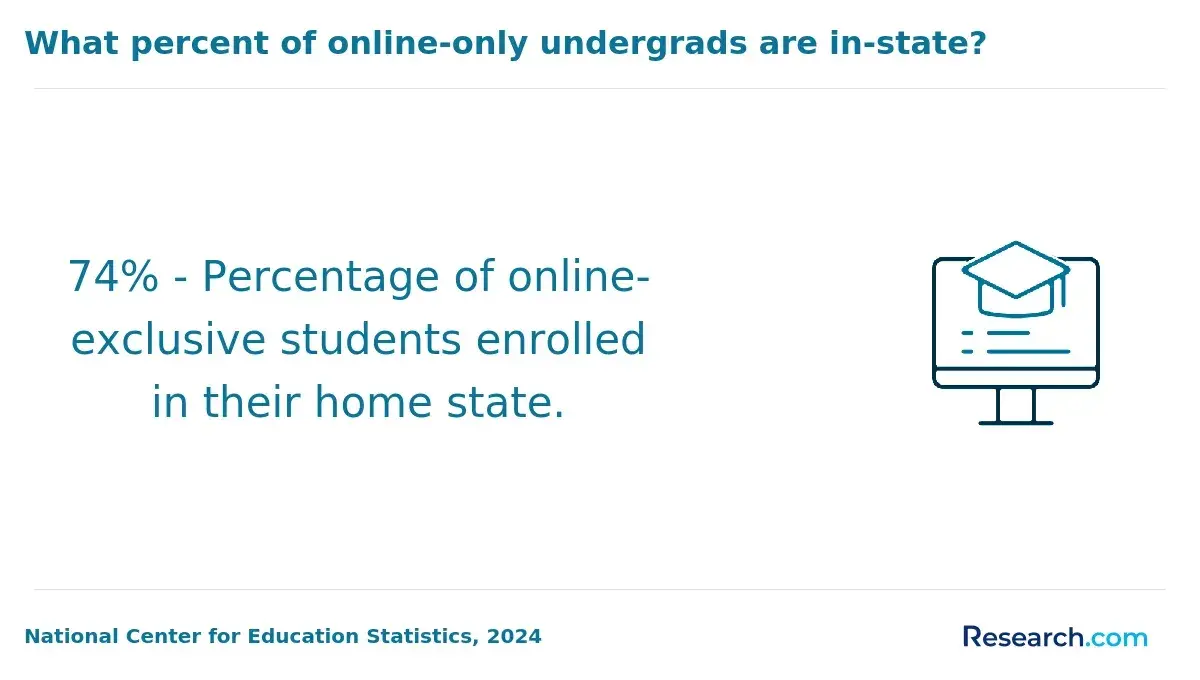
According to the National Center for Education Statistics, online enrollment in higher education has surged by more than 60% over the past ten years-underscoring the rising popularity of flexible programs with rolling start dates.
How Do Online Business Development & Sales Programs With Weekly Starts Handle Transfer Credits From Previous College Coursework?
Weekly-start online business development and sales bachelor's programs often use transfer credit policies to help students avoid repeating coursework they have already completed. This is especially important for adult learners who may have credits from community colleges, four-year institutions, military education, workplace training, or previous unfinished degree programs.
Many schools accept up to 75% of total credits from accredited community colleges, four-year institutions, military training, or employer-based experiential learning. Policies vary by institution, so students should not assume every prior course will transfer. Courses may be rejected if they are too old, come from a nonrecognized institution, do not match degree requirements, or were completed below the required grade threshold.
The American Council on Education (ACE) plays a crucial role by evaluating non-traditional learning such as corporate training and military courses, providing credit recommendations that numerous institutions honor to convert real-world experience into academic progress. Students should request an official transcript evaluation before enrolling whenever possible.
According to the National Center for Education Statistics, about 60% of undergraduates transfer credits during their academic careers, highlighting how important clear transfer policies are for students using frequent enrollment windows.
- Transfer credit limits: Many programs accept between 60-75% of credits from evaluated coursework and training, which can reduce the remaining course load.
- ACE credit recommendations: ACE evaluations can help convert military and employer training into academic credit when the institution accepts those recommendations.
- Official transcript evaluation: A formal review helps students understand which credits apply to general education, business core, major requirements, or electives.
- Cost reduction: Maximizing accepted credits lowers tuition by reducing the number of required courses.
- Enrollment timing: Weekly start dates can help students begin soon after credit evaluation, but students should avoid starting before they understand how many credits have been accepted.
A practical approach is to collect all transcripts, military records, training documents, certifications, and course descriptions before applying. Then compare each school's transfer estimate before making a final enrollment decision.
What Financial Aid and Scholarship Options Are Available for Students Enrolling in Weekly-Start Online Business Development & Sales Programs?
Students in weekly-start online business development and sales bachelor's programs may be eligible for many of the same financial aid options available to students in traditional formats, provided the institution and program meet federal aid requirements. The starting point is the FAFSA, which determines eligibility for federal grants, loans, and some school-based aid.
Common federal aid options include Pell Grants, subsidized and unsubsidized Stafford loans, and, in some cases, work-study. Work-study availability depends on the institution and may be less practical for fully online students, so applicants should ask how it works before counting on it.
Coordinating aid with the standard academic year financial aid calendar is important because weekly-start terms may not line up neatly with a traditional semester schedule. According to the College Board's Trends in Student Aid, the average financial aid package blends grants, loans, and work-study funds, with Pell Grants averaging roughly $3,200 annually for eligible students. Individual awards vary based on financial need, cost of attendance, enrollment status, dependency status, and institutional policies.
- FAFSA: Complete it early and renew it annually. Some grants and scholarships are limited and may be awarded on a first-come, first-served basis.
- Pell Grants: These need-based grants do not require repayment if students remain eligible and meet program requirements.
- Federal student loans: Subsidized and unsubsidized Stafford loans can help cover costs, but they must be repaid with interest under the applicable terms.
- Institutional scholarships: Many online universities offer scholarships for transfer students, adult learners, military-affiliated students, or business majors.
- Employer tuition assistance: Sales, business development, and corporate roles may come with tuition benefits, reimbursement programs, or professional development funds.
- Private scholarships: Professional associations, nonprofits, and community organizations may offer awards for business students or online learners.
Students should also factor transfer credits and prior learning assessments into financial planning because reducing required credits can lower total tuition. Those exploring career credentials alongside a degree can compare options such as CCS certification to understand how certificate and degree pathways differ in cost and career use.
What Accreditation Standards Should a Weekly-Start Online Business Development & Sales Bachelor's Program Meet to Ensure Employer and Transfer Recognition?
Accreditation is one of the most important checks before enrolling in a weekly-start online business development and sales bachelor's program. A flexible start date is only valuable if the credential is recognized by employers, graduate schools, licensing-related bodies where relevant, and other colleges for transfer purposes.
Accreditation falls into two broad categories: regional and national. Regional accreditation is widely recognized in U.S. higher education and is often preferred for credit transfer and graduate admission. There are seven regional accrediting bodies recognized by the U.S. Department of Education: the New England Commission of Higher Education (NECHE), Middle States Commission on Higher Education (MSCHE), Southern Association of Colleges and Schools Commission on Colleges (SACSCOC), Higher Learning Commission (HLC), Northwest Commission on Colleges and Universities (NWCCU), Western Association of Schools and Colleges Senior College and University Commission (WSCUC), and the Accrediting Commission for Community and Junior Colleges (ACCJC).
Weekly-start online programs frequently hold accreditation from SACSCOC, HLC, and MSCHE, given their broad geographic coverage of schools offering flexible enrollment options. Prospective students should always confirm a program's accreditation status through the U.S. Department of Education's official database before enrolling.
- Regional vs. national accreditation: Regionally accredited institutions are generally more widely accepted for transfer credit and graduate school admission.
- Institutional legitimacy: Accreditation helps confirm that the school has undergone external review for academic quality and institutional operations.
- Transfer protection: Credits from nationally accredited-only institutions may not transfer easily to regionally accredited schools.
- Employer recognition: Many employers prefer or require degrees from accredited institutions, especially for management-track roles.
- Graduate school planning: Students who may pursue an MBA or other graduate business program should confirm that their bachelor's degree will meet admission expectations.
Students should also be careful with programs that advertise speed more heavily than outcomes, accreditation, faculty qualifications, or student support. A legitimate weekly-start program should be transparent about accreditation, tuition, fees, credit transfer, curriculum, graduation requirements, and student services.
For students considering education beyond the bachelor's level, related management pathways may also be worth exploring, including online master's healthcare management programs for those interested in healthcare-related leadership roles.
How Is Coursework Structured in Online Business Development & Sales Bachelor's Programs With Weekly Starts Compared to Semester-Based Formats?
Weekly-start business development and sales bachelor's programs are usually built for online delivery and accelerated pacing. Students often complete asynchronous video lectures, readings, quizzes, discussion posts, projects, and exams through a learning management system. Because courses may begin frequently, the curriculum is often divided into shorter modules rather than long semester blocks.
Assignments commonly have weekly deadlines, which helps keep students engaged but also leaves little room to fall behind. These programs often condense typical semester material into modules lasting five to eight weeks, much shorter than traditional 15-week courses. This structure can work well for motivated students who prefer focused, fast-moving classes.
Coursework may cover topics such as professional selling, business communication, marketing, consumer behavior, sales analytics, leadership, customer relationship management, negotiation, and strategic account planning. The online format can also strengthen digital collaboration skills, which are increasingly relevant to remote sales teams and technology-enabled business development roles.
- Asynchronous learning: Students can often view lectures and complete assignments on their own schedules, within posted deadlines.
- Shorter course modules: Five to eight-week terms promote steady progress but can feel intense if several courses overlap.
- Frequent interaction: Discussion boards, group tools, and instructor messaging replace many in-person classroom interactions.
- Applied assignments: Sales presentations, market research, business proposals, and customer strategy projects may connect coursework to workplace tasks.
- Less time for long projects: Shorter terms may limit extended case studies or complex group work compared with traditional 15-week courses.
- Higher need for self-management: Students need a calendar, reliable technology, and a consistent study routine to keep pace.
Enrollment in accelerated online degree programs has risen nearly 25% in the last five years, reflecting a growing preference for flexible, fast-paced learning. Still, students should choose the structure that matches how they learn best. A weekly-start program favors speed and convenience; a semester-based format may provide more time for reflection, deeper projects, and slower pacing.
Can Students Earn Credit Through CLEP, DSST, or Prior Learning Assessment in Weekly-Start Online Business Development & Sales Programs?
Many weekly-start online business development and sales bachelor's programs allow students to earn credit through CLEP, DSST, or prior learning assessment. These options can help students reduce repeated coursework, lower tuition, and move more quickly into advanced business classes.
The College Board's CLEP exams and DSST tests, supported by the American Council on Education (ACE), provide standardized credit recommendations widely accepted by many weekly-start programs. Students may be able to test out of selected general education or introductory business requirements, depending on the school's policies and minimum passing scores.
Prior learning assessment, or PLA, is broader. It may include portfolio review, evaluation of military training, professional certifications, corporate training, or documented work experience. PLA policies vary by school and often require students to show that their experience matches specific course outcomes. Institutions typically cap credit awards between 30 and 45 hours.
- CLEP exams: Standardized tests may satisfy certain lower-division requirements if the institution accepts the exam and score.
- DSST exams: These exams can provide another route to credit for students with military, professional, or independent learning experience.
- PLA portfolios: Students may submit evidence such as work samples, training records, certifications, supervisor letters, and reflective essays tied to course objectives.
- Military and workplace training: ACE-reviewed training may be eligible for credit when accepted by the institution.
- Credit caps: Most schools limit how much credit can be awarded through PLA, commonly around 30-45 credits.
- Advisor review: Students should confirm how alternative credit applies to the major, not just whether it counts as elective credit.
For weekly-start students, the best time to explore CLEP, DSST, and PLA is before the first term begins. Testing or portfolio review after enrollment may still help, but early planning reduces the risk of paying for courses that could have been satisfied through approved credit alternatives.
What Graduates Say About Online Business Development & Sales Bachelor's Degree Programs With Weekly Start Dates
- : "I chose the online business development & sales bachelor's program with weekly start dates because it offered the flexibility I needed while working full-time. The cost was surprisingly affordable compared to other programs, which made it easier for me to commit financially. Since graduating, I've noticed a significant boost in my confidence and networking skills, directly impacting my career growth. — Romeo"
- : "Reflecting on my decision to pursue an online business development & sales degree with weekly start dates, I valued the continuous enrollment, which allowed me to start without waiting months. The program's cost was reasonable and aligned with the quality of education I received. Professionally, this degree opened doors to new opportunities and gave me strategic insight that set me apart in the competitive job market. — Aidan"
- : "Enrolling in the online business development & sales bachelor's degree with weekly start dates was a game-changer for me-I needed a program that fit my unpredictable schedule. Despite the affordability of the program, the value was high, offering practical skills that translate well in real-world scenarios. Completing this degree helped me transition into a leadership role much faster than I expected. — Luke"
Other Things You Should Know About Business Development & Sales Degrees
2027 online business development & sales programs with weekly start dates offer flexibility through asynchronous learning, allowing students to access coursework at their convenience. This structure provides frequent start dates, enabling students to begin their studies without waiting for traditional semester schedules, thereby accommodating diverse schedules and learning paces.
In 2027, online business development & sales programs with weekly start dates may have a varying cost structure. Generally, they can be comparable to or slightly higher than the national average for bachelor's programs, owing to their flexible scheduling and intensive curriculum designed to facilitate rapid progression.
Programs with weekly start dates often provide extensive student support, including academic advising, career counseling, and tutoring services tailored to business development & sales subjects. Many institutions offer 24/7 technical support and access to virtual libraries and writing centers. Peer networking opportunities and mentorship programs are common as well, which help students stay engaged and motivated throughout their studies.
References
- Benefits of Online Business School Programs https://smceducation.com/blog/benefits-of-online-business-school-programs/
- MBA Scholarships and Financial Aid Guide | OnlineMBA.com https://www.onlinemba.com/resources/mba-scholarships/
- How to Start Your Online Training Programs: A Comprehensive Guide https://aaa-accreditation.org/how-to-start-your-training-center-a-comprehensive-guide/
- Admissions for the MBS Bachelor https://www.mbs-education.com/international/
- Semesters or terms? https://www.heinfo.slc.co.uk/resources/guidance/courses-management-service-user-guide/creating-courses/creating-a-full-time-undergraduate-course/term-dates/semesters-or-terms/
- Credit for Prior Learning https://catalog.ladelta.edu/content.php
- What Every Business Major Needs to Know https://www.bachelorsdegreecenter.org/business/online-learning-survival-guide/
- CLEP and DSST Exams https://www.frontrange.edu/student-experience/academic-support/testing-centers/clep-dsst.html
- Credit for Prior Learning - Starting with Credits: Transfer, AP & More | Ozarks Technical Community College https://ozarkstech.edu/admissions/starting-with-credits/getting-credit-for-what-you-know/
- How to become a Certified Business Developer | The BD School https://www.thebdschool.com/blog/how-to-become-a-certified-business-developer