2027 Arizona State University Online MS in Regulatory Science: Cost, Curriculum, Admissions, and Career Outcomes

Co-Founder and Chief Data Scientist
Choosing an online MS in Regulatory Science program requires balancing career goals with educational demands and delivery format. Arizona State University offers a flexible option, but prospective students must consider if its curriculum and pacing align with their professional aspirations and personal schedules.
As of 2024, the National Center for Education Statistics reports that over 40% of graduate students engage in online learning, reflecting growing demand for accessible and adaptable programs. This signals increased competition and the need for programs to demonstrate clear career benefits.
This article examines the cost, curriculum, admissions criteria, and career outcomes of ASU's online MS in Regulatory Science to inform an evidence-based decision.
Key Points About Arizona State University's MS in Regulatory Science Program
- A 90% acceptance rate at Arizona State University's online MS in Regulatory Science lowers admission barriers but may require students to proactively engage with faculty to maximize learning outcomes.
- The program's total tuition of $34,845 is comparatively moderate, balancing financial investment with the expectation that graduates achieve recognized employability within regulatory sectors.
- Regional accreditation signals credible academic standards, which supports graduate acceptance among employers though candidates must still demonstrate practical skills to stand out.
What can students expect from Arizona State University's online MS in Regulatory Science curriculum?
Students in Arizona State University's online MS in Regulatory Science curriculum encounter a program structured around applied regulatory knowledge critical for navigating healthcare and pharmaceutical industries. For example, a graduate tasked with ensuring the compliance of a new biotech product must integrate regulatory strategy with scientific rigor, a skill this curriculum fosters.
The program aligns closely with typical U.S. standards but distinguishes itself by pulling interdisciplinary perspectives from pharmaceutical sciences, law, and business. Below are three key coursework areas reflecting this focus:
- Regulatory Frameworks and Policy: This area requires students to grasp the evolving landscape of regulations governing product development and approval processes. Mastery here prepares graduates to interpret complex legislation and policy shifts, a foundational skill for roles involving regulatory submissions and compliance oversight.
- Clinical Research Regulations: Students delve into compliance standards for clinical trials, learning to balance ethical considerations and scientific rigor. This coursework is essential for understanding how data integrity and participant safety influence product approval and post-market surveillance.
- Product Lifecycle Management: Emphasizing risk management and quality assurance, this coursework equips students to oversee the entire product journey, from development through post-market activities, ensuring adherence to good manufacturing practices and regulatory expectations.
Overall, the curriculum emphasizes practical skills through case studies and real-world scenarios, making graduates workforce-ready for regulatory affairs, policy development, and quality control roles. The career-focused coursework in Arizona State University's regulatory science program addresses current industry demands for professionals capable of navigating shifting regulations and complex compliance challenges.
For additional insights on cost-effectiveness and value, prospective students might consider exploring best online degrees that balance investment with tangible career outcomes.
What are Arizona State University's admission requirements for online MS in Regulatory Science program?
Admission to Arizona State University's online MS in Regulatory Science demands more than just baseline credentials; it requires candidates to demonstrate both academic preparation and language proficiency suited to rigorous graduate studies.
For example, a working professional with a technical bachelor's degree seeking to pivot into regulatory affairs will need to ensure official academic records and language proof are thoroughly documented before application evaluation.
Below is a concise overview of the typical admission requirements for prospective students.
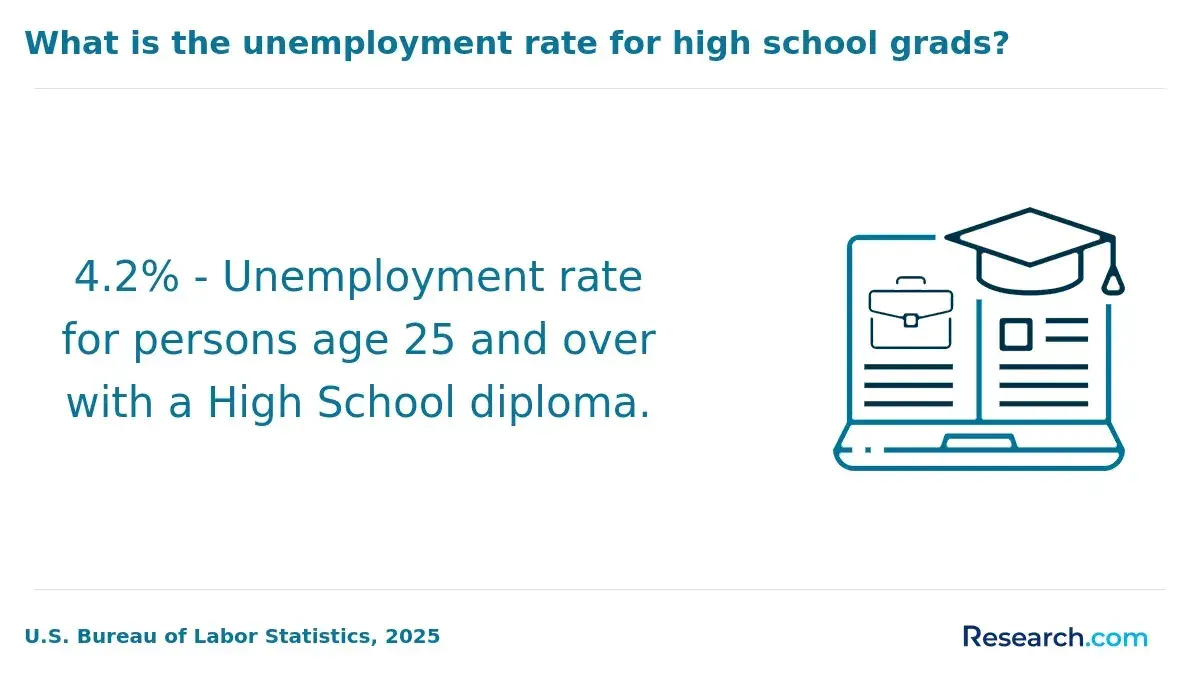
- Academic Background: Applicants must have completed high school or possess a GED to qualify, establishing basic educational readiness. Though specific SAT or ACT thresholds are not disclosed, submitting test scores is recommended to validate academic capability.
- Secondary School Records: Official transcripts from secondary education must be provided to verify foundational coursework, which supports assessment of an applicant's academic consistency and potential for graduate study.
- Recommendations: Letters of recommendation are suggested but not mandatory; they serve to enhance the application by offering insights into the candidate's skills and suitability for advanced regulatory science coursework.
- English Proficiency: Non-native English speakers must submit TOEFL scores to confirm language skills adequate for graduate-level communication and comprehension within the program.
- Competency Demonstration: Formal evidence of relevant competencies is advised to confirm readiness to engage with the specialized regulatory topics, reflecting practical and theoretical alignment with program demands.
While transfer credits, dual credit, or life experience credits are not evidently accepted, Arizona State University emphasizes traditional academic qualifications. Additionally, owning or arranging access to a computer through purchase or lease plans is a pragmatic requirement for participation in this exclusively online curriculum. These criteria aim to ensure that admitted students can meet the cognitive and technical demands of the MS in Regulatory Science program effectively.
Is it difficult to get admitted to Arizona State University's online MS in Regulatory Science program?
Admission to most MS in Regulatory Science programs tends to be moderately competitive, often attracting candidates with specific experience in healthcare, biotechnology, or pharmaceuticals. Employers generally expect applicants to demonstrate both academic preparation and relevant industry knowledge, which filters the pool before formal admission decisions.
Arizona State University's online MS in Regulatory Science stands out with an unusually high acceptance rate of 90%, admitting 62,084 out of 68,840 applicants. This suggests the program prioritizes accessibility, lowering barriers such as standardized test requirements.
While this broad acceptance might ease entry, candidates still need to align their background and application materials with the program's focus to remain competitive in post-graduate employment markets that demand substantive regulatory expertise.
One graduate shared that although the admission form was straightforward with no SAT or ACT scores needed, they initially hesitated due to the program's scale and reputation. They felt relief after acceptance but acknowledged the real challenge was leveraging the degree in job interviews, where employers probed for hands-on regulatory experience beyond enrollment credentials. Their advice emphasized clear articulation of one's practical skills over credentials alone when preparing to enter this field.
What is the cost of attending an online MS in Regulatory Science program at Arizona State University?
The tuition for the online MS in Regulatory Science program at Arizona State University is set at $12,051 annually for base tuition and fees, which presents a relatively transparent cost structure compared to many competitors. Additional expenses such as books and supplies add around $1,320, bringing the total annual cost close to $34,845 when factoring in room, board, and other personal costs for students who might live near campus or engage with on-site resources. These figures highlight a financial commitment that requires careful budgeting, especially when weighing online versus potentially higher on-campus cost models.
The cost breakdown for online MS in regulatory science at Arizona State University shows no specific technology fee, a notable difference since many institutions charge extra for online course delivery platforms or digital services. This flat-rate tuition model for in-state students simplifies financial planning but could lead to higher costs for out-of-state or non-resident learners. It's critical for applicants to assess residency status and any related implications, as this can impact overall affordability.
Compared to the national averages for similar programs, ASU's online MS in Regulatory Science is competitive, with many other programs exceeding the $12,051 annual base tuition once technology fees and additional supplies are included. This positions ASU's offering as a financially transparent option for professionals seeking flexibility without unexpected fees, an important factor for those balancing work and study.
For students exploring cost-effective educational paths, combining the insights on tuition with available alternatives such as an accelerated associate degree might shape longer-term planning around regulatory science careers, emphasizing tradeoffs between initial cost, program length, and workforce entry points.
Are there financial aid options for online MS in Regulatory Science students at Arizona State University?
Financial aid availability significantly influences who can realistically pursue an online MS in Regulatory Science at Arizona State University, shaping access and post-graduation debt burdens. While the program itself may not have exclusive scholarships, the broader institutional support network and alternate financing options create a multifaceted aid landscape. Deciding how to fund this education involves weighing employer sponsorship potential, federal loan terms, and eligibility criteria that vary markedly across student circumstances.
The following outlines key financial aid sources relevant to prospective students.
- Institutional Scholarships: These general graduate scholarships rely on academic merit or financial need rather than program-specific criteria. Applicants typically must submit separate scholarship applications early in the admissions cycle, with awards varying in size but rarely covering full tuition.
- Corporate Tuition Reimbursement: Working students employed by companies offering tuition reimbursement can apply for this benefit, often requiring proof of course relevance and maintaining a minimum grade. This reduces out-of-pocket expenses but depends heavily on one's employer policies and job role alignment with regulatory science.
- Veteran Education Benefits: Eligible veterans and active military personnel can use GI Bill benefits to cover a significant portion of tuition and fees. Accessing these funds necessitates verification of service and adherence to federal guidelines, providing a valuable alternative to loans.
- Federal Financial Aid: Completing the FAFSA opens eligibility for federal loans, grants, and occasionally work-study programs. Loan options include subsidized and unsubsidized types, with distinct repayment terms that influence long-term financial planning.
- Graduate STEM Scholarships: Although specific awards for regulatory science are limited, some STEM-focused grants are available at Arizona State University that candidates with qualifying backgrounds can pursue, requiring demonstration of STEM ties and academic performance.

What learning resources are available to online MS in Regulatory Science students at Arizona State University?
Effective learning resources are critical to navigating the complexity of regulatory science, where students must integrate scientific knowledge with evolving legal and policy frameworks. For online learners in the MS in Regulatory Science program at Arizona State University, access to specialized digital tools and academic support can directly affect their ability to synthesize interdisciplinary content and meet employer expectations in sectors such as pharmaceuticals and regulatory agencies.
For example, proficiency in navigating databases and interacting with faculty remotely can differentiate candidates in job interviews or internships that demand both technical acumen and clear communication.
The following resources illustrate the infrastructure designed to support these outcomes.
- Learning Management System: This platform serves as the central hub for coursework, enabling students to engage with video lectures, interactive assignments, and discussion forums. Its real-time communication features facilitate direct exchanges with instructors and peers, which is crucial for clarifying complex regulatory scenarios.
- Technical Support: The program offers ongoing assistance for issues related to platform access, software compatibility, or digital content. Reliable tech support ensures that technical barriers do not disrupt study continuity, a common challenge in fully online graduate education.
- Academic Advising and Tutoring: Personalized academic advising helps students tailor their learning pathways to meet degree requirements efficiently, while tutoring services provide targeted help on challenging topics, supporting retention and practical application.
- Digital Library Resources: Students benefit from extensive access to research databases, e-books, and journals. This resource is indispensable for conducting thorough regulatory research, which underpins evidence-based decision-making in professional roles.
- Career Services and Networking: Tailored services such as resume review and interview preparation connect students with industry professionals and alumni. These relationships often lead to internships and positions in regulatory science, offering pathways to employment that go beyond academic credentials alone.
Does Arizona State University's online MS in Regulatory Science program have in-person clinicals or practicums?
Regulatory science roles often demand demonstrated familiarity with clinical environments or regulatory compliance practices, which traditionally entails in-person practicums or clinical rotations. However, such requirements can pose significant barriers for working professionals or those who cannot relocate. Arizona State University's regulatory science online program's on-site practicum requirements in Arizona differ from many conventional programs by not mandating any in-person clinical components, a distinction that allows greater flexibility but may impact hands-on experience acquisition.
Arizona State University's online MS in Regulatory Science does not require students to engage in in-person clinicals or practicums. Instead, the curriculum relies on virtual case studies, project assignments, and expert interactions to develop regulatory skills. Practical experience is expected to come from the student's prior or concurrent professional roles rather than structured, university-mandated placements. This approach suits learners seeking an entirely remote option but requires students to proactively secure external internships or on-the-job exposure if they lack relevant industry background.
This absence of compulsory clinicals may influence employer perceptions, especially in highly regulated sectors where direct involvement in clinical trial monitoring or quality assurance remains critical. Prospective students weighing Arizona State University's regulatory science online program's on-site practicum requirements in Arizona should consider their current experience level carefully.
Those new to regulatory affairs might find the lack of supervised practical training a limiting factor, whereas experienced professionals could leverage the program's flexibility. For those balancing work and study, this format avoids logistical challenges often associated with in-person clinicals or practicums.
Students interested in flexible learning options may also explore other offerings such as 5 week college courses online that complement regulatory expertise development.
What careers can graduates of online MS in Regulatory Science at Arizona State University secure?
The marketability of graduates from the online MS in Regulatory Science at Arizona State University hinges on the program's ability to equip students with regulatory expertise directly applicable to evolving compliance demands. For professionals navigating sectors like pharmaceuticals or medical devices, this credential often opens doors to roles critical for ensuring regulatory adherence and product safety, with median salaries typically between $70,000 and $120,000.
The program's value is reflected in its potential to lead into careers that require interpreting complex legal and scientific standards, a necessity in a regulatory landscape shaped by agencies such as the FDA. A growing share of roles demand specialized knowledge of regulatory guidelines like FDA CFR Title 21, underscoring the practical importance of the curriculum.
Common roles held by graduates include:
- Regulatory Affairs Specialist: Prepares and submits regulatory documentation to agencies, ensuring pharmaceutical and biotech products meet development and post-market requirements. Salaries vary but often align with mid-career industry standards.
- Regulatory Compliance Analyst: Focuses on assessing organizational adherence to regulatory policies, mitigating risks of non-compliance within pharmaceutical, device, or biotech firms.
- Clinical Research Associate: Monitors clinical trials, enforcing protocol compliance and participant safety while ensuring data integrity throughout study phases.
- Quality Assurance Manager: Oversees quality assurance processes to maintain product standards and reduce compliance risks, typically within manufacturing or clinical settings.
Individuals seeking practical career pathways through Arizona State University's online MS in Regulatory Science career opportunities should weigh the program's alignment with employer expectations in diverse sectors such as government agencies and contract research organizations. For those assessing affordability and accessibility, resources offering perspectives on online colleges can provide useful comparative insight.
What is the salary outlook for online MS in Regulatory Science graduates?
The salary outlook for graduates of the online MS in Regulatory Science program at Arizona State University suggests a middle-ground position within science and engineering fields. While direct salary data for Regulatory Science alumni is sparse, related disciplines at ASU provide a useful benchmark: typical earnings for engineering graduates range from $56,023 to $74,873 annually, framing realistic financial expectations for regulatory science professionals. This indicates that those entering pharmaceuticals, biotechnology, or healthcare with regulatory expertise may find remuneration that aligns with these sectors but potentially varies based on employer size and geographic location.
Arizona State University regulatory science graduate career earnings tend to reflect roles requiring specialized knowledge in compliance and regulatory affairs, which are essential yet sometimes undervalued compared to direct engineering or technology roles. For example, median salaries in biomedical and chemical engineering at ASU, roughly $56,023 and $65,389, respectively, illustrate probable near-term financial outcomes for regulatory science graduates, though career progression may hinge heavily on industry connections and additional certifications.
Considering the salary outlook for Arizona State University online MS in Regulatory Science graduates involves weighing program benefits against local job market competitiveness and typical pay scales in life sciences regulation. Those exploring this pathway should also consult resources like online colleges starting soon to better align enrollment timing with career plans and employer demand cycles.
How do you know if Arizona State University's online MS in Regulatory Science program is the right choice for you?
Deciding whether Arizona State University's online MS in Regulatory Science fits your needs requires scrutinizing how its structure and outcomes align with your individual priorities and career trajectory. Matching a program to one's work-life balance, learning style, and professional goals is critical to avoid costly detours or underutilized credentials.
Below are key factors to consider in making this determination:
- Flexible Learning Format: Many regulatory roles demand ongoing employment during study. Assess whether asynchronous coursework and limited live sessions sufficiently accommodate your schedule and enable deep engagement with material without burnout.
- Applied Curriculum Emphasis: Determine the extent to which the program integrates real-world scenarios and case studies that reflect current industry challenges, because practical competence often outweighs theoretical knowledge in hiring decisions.
- Faculty Expertise and Industry Access: Evaluate faculty involvement within regulatory agencies or biotech sectors and how the program facilitates networking opportunities that could open doors beyond coursework.
- Community Diversity and Support: A diverse peer group can enrich problem-solving perspectives and professional connections; consider if the program's demographics and support resources align with your expectations for inclusion and collaboration.
A recent graduate shared how choosing this program hinged on balancing her full-time regulatory affairs job with graduate studies. She recalls, "I hesitated at first about online learning since I'm used to in-person dynamics, but the asynchronous design allowed me to manage work deadlines and family life more effectively than traditional programs. The occasional live sessions felt meaningful because they brought the cohort together without overwhelming my schedule."
Her experience underscores the importance of realistic self-assessment regarding flexibility and practical application when selecting a regulatory science master's pathway.
What Graduates Say About Arizona State University's MS in Regulatory Science Program
- Madison: "Studying the ms in regulatory science program at Arizona State University gave me hands-on experience that proved essential when transitioning into regulatory affairs roles. The coursework's emphasis on real-world case studies helped me build a portfolio that employers valued even more than licensure credentials. While the field remains competitive, this practical foundation allowed me to secure a position in medical device regulation much faster than peers who followed more traditional paths."
- Marissa: "I approached the ms in regulatory science at Arizona State University with a clear goal to pivot careers, and the program's flexibility was a crucial factor. I appreciated how the curriculum integrated internships and remote collaboration opportunities, which reflected the increasing work-from-anywhere culture in our industry. Although career advancement often requires additional certifications, the degree opened doors to remote roles that matched my lifestyle and allowed me to grow steadily within the pharmaceutical sector."
- Elena: "Arizona State University's ms in regulatory science challenged me intellectually but exposed me to the complexities of navigating regulatory job markets. In my experience, employers prioritize candidates with diverse portfolios and industry experience over purely academic qualifications or licensure. Graduating from ASU helped me understand these practical hiring realities, prompting me to seek additional internships that complemented my studies, which has been instrumental in moving beyond entry-level regulatory analyst roles."
Other Things You Should Know About Degrees
In 2027, the cost of the Arizona State University Online MS in Regulatory Science includes tuition and fees. Tuition is estimated at approximately $543 per credit hour, with the program requiring 30 credit hours. Additional fees may apply for technology and other resources.
While the curriculum centers largely on pharmaceuticals, biotechnology, and medical devices, it offers foundational regulatory knowledge applicable to broader life sciences sectors. Those aiming for regulatory roles in fields like agriculture or environmental sciences might find fewer directly relevant case studies and may need supplementary learning. If your goal is a niche regulatory area outside the life sciences core, prioritize evaluating how adaptable the curriculum content is to your target industry.
Networking is more limited compared to on-campus programs, as interactions rely heavily on virtual platforms and faculty connections. The program facilitates occasional live webinars and discussion forums, though peer networking depends on individual initiative. For students prioritizing strong industry networking, actively engaging in external regulatory science groups or supplementing their studies with industry conferences is advisable to compensate for the online format's constraints.
The workload is consistently demanding, with multiple projects and assignments requiring critical analysis and regulatory writing skills. Students working full-time should anticipate dedicating about 15-20 hours weekly, which may necessitate sacrifices in personal time. Prioritizing this degree requires realistic planning and possibly negotiating flexible work arrangements to maintain performance both academically and professionally.
References
- How to Become a Regulatory Affairs Specialist - Education & Certification https://www.mhaonline.com/faq/how-do-i-become-a-regulatory-affairs-specialist
- Regulatory Science/Affairs https://www.fastweb.com/directory/scholarships-for-regulatory-science-affairs-majors
- ASU Nursing and Health launches Regulatory Science and Health Safety Master's program - Flinn Foundation https://www.flinn.org/asu-nursing-and-health-launches-regulatory-science-and-health-safety-masters-program/
- MS in Regulatory Science at Arizona State University : Admission 2025-26, Requirements & Fees https://yocket.com/universities/arizona-state-university/regulatory-science-55110