2027 Healthcare Administration Degree Careers That Do Not Require Graduate School

Co-Founder and Chief Data Scientist
A healthcare administration bachelor’s degree can lead to real healthcare careers without an immediate master’s degree, but the right path depends on the role you want, the setting you choose, and how quickly you build job-specific experience. Many early roles focus on operations, patient access, records, billing, compliance support, and office coordination. More senior positions involving enterprise strategy, executive leadership, or advanced policy work may still favor graduate education or specialized credentials.
According to the Bureau of Labor Statistics, employment in healthcare management is projected to grow 28% from 2021 to 2031. That growth makes early planning important: graduates who understand which jobs are realistic at the bachelor’s level can start earning experience sooner, choose certifications strategically, and avoid paying for graduate school before it is necessary.
This guide explains healthcare administration degree careers that do not require graduate school, including entry-level options, higher-paying paths, valued skills, industries that hire bachelor’s graduates, flexible work models, and the trade-offs of delaying or skipping graduate education.
Key Things to Know About the Healthcare Administration Careers That Do Not Require Graduate School
- Many healthcare administration careers allow direct workforce entry with a bachelor's degree, bypassing graduate school while providing a solid foundation for career growth.
- Employers commonly prioritize practical skills, internships, and certifications over advanced degrees for entry-level healthcare administration roles.
- Labor market data shows bachelor's-level healthcare administration graduates have strong employment rates, emphasizing experience and applied knowledge in hiring decisions.
What Career Paths Can You Pursue with a Healthcare Administration Degree Without Graduate School?
With a healthcare administration bachelor’s degree, you can pursue administrative, operational, records, billing, patient access, compliance support, and practice management roles without enrolling in graduate school first. About 60% of graduates with a healthcare administration degree enter the workforce immediately after earning their bachelor's without pursuing graduate school. The best opportunities are usually roles where employers value knowledge of healthcare systems, documentation, reimbursement, scheduling, regulations, and patient service more than advanced academic credentials.
The main distinction is scope. Bachelor’s-level roles often support or manage daily operations. Graduate-level roles are more likely to involve executive planning, systemwide strategy, advanced finance, or senior policy leadership.
- Healthcare Office Manager: Coordinates front-office operations, scheduling, staff workflows, vendor communication, and patient service processes in clinics, physician practices, or hospital departments. This path is a strong fit for graduates who want early management responsibility in a smaller or department-level setting.
- Medical Records Technician: Maintains patient records, supports documentation accuracy, and works with health information systems. This role suits detail-oriented graduates who prefer structured work involving compliance, privacy, and data quality.
- Patient Service Representative: Serves as a first point of contact for patients, helping with appointments, registration, insurance information, and basic service coordination. It is often a practical starting point for graduates who want direct exposure to healthcare operations.
- Healthcare Billing Coordinator: Supports claims, payment posting, insurance follow-up, and reimbursement workflows. A bachelor’s program’s coverage of healthcare finance and reimbursement can help graduates enter this area without graduate school.
- Clinical Administrative Assistant: Provides administrative support in clinical settings, including scheduling, documentation, communication, and coordination across care teams. This role can help new graduates learn how providers, patients, and administrative staff interact in real time.
When comparing these paths, look beyond the job title. A “coordinator” role in a large hospital may offer more advancement potential than a “manager” title in a very small office, while a billing or records role may provide stronger specialization for graduates who want a clearer technical niche.
What Are the Highest-Paying Jobs for Healthcare Administration Degree Graduates Without a Graduate Degree?
The highest-paying healthcare administration jobs without a graduate degree are usually roles tied to operations, compliance, revenue, information management, or practice leadership. According to the U.S. Bureau of Labor Statistics, the median annual wage for medical and health services managers was approximately $101,340 in 2022. Actual pay can vary widely by employer size, region, responsibility level, and whether the role manages people, budgets, compliance risk, or revenue.
For bachelor’s graduates, the strongest earning potential usually comes from building experience in areas that directly affect organizational performance: regulatory compliance, revenue cycle, health information accuracy, staff productivity, and patient flow.
- Medical and Health Services Manager: Oversees departments, clinics, or healthcare service lines. These roles can include staffing, budgets, quality processes, reporting, and regulatory coordination. Larger systems may prefer advanced degrees for senior roles, but bachelor’s graduates can still enter through assistant manager, department coordinator, or practice leadership pathways.
- Health Information Manager: Manages health records, data integrity, privacy practices, and health information workflows. The growing reliance on electronic health records makes this path valuable for graduates who combine administrative training with technology comfort.
- Practice Manager: Runs daily operations for physician offices, specialty clinics, or group practices. Responsibilities may include scheduling, billing oversight, staffing, patient service, and vendor coordination. This can be one of the clearest bachelor’s-level management paths.
- Healthcare Compliance Officer: Helps organizations follow healthcare laws, privacy rules, documentation standards, billing requirements, and internal policies. Entry may begin in compliance assistant or analyst roles before moving into officer-level responsibility.
- Revenue Cycle Manager: Focuses on billing, claims, denials, coding coordination, collections, and payment processes. Because revenue cycle work directly affects cash flow, experienced professionals in this area can become especially valuable to healthcare employers.
To compete for these higher-paying roles without graduate school, graduates should document measurable achievements whenever possible, such as reducing claim errors, improving scheduling workflows, supporting audit readiness, or helping a department meet compliance requirements.
What Skills Do You Gain from a Healthcare Administration Degree That Employers Value?
A healthcare administration degree develops the operational, communication, analytical, and problem-solving skills needed to keep healthcare organizations running effectively. These skills matter because many bachelor’s-level jobs are not purely clerical; they require judgment, professionalism, and the ability to coordinate across patients, providers, payers, and administrators. A 2023 survey found that 82% of employers prioritize candidates with strong transferable skills such as communication and problem-solving over purely technical knowledge.
- Organizational Management: Graduates learn how healthcare departments coordinate schedules, workflows, staffing needs, policies, and service delivery. Employers value this because healthcare settings depend on reliable processes and timely communication.
- Effective Communication: Healthcare administrators often translate information between patients, clinical teams, insurers, vendors, and leadership. Clear communication reduces confusion, improves service, and helps prevent administrative errors.
- Data Analysis and Technology: Many programs introduce electronic health records, reporting tools, healthcare information systems, and basic data interpretation. These skills help graduates support decisions related to patient volume, billing, quality, and operations.
- Critical Thinking and Problem-Solving: Case studies, projects, and internships help students practice identifying operational problems, weighing options, and recommending practical solutions. This is especially important in fast-moving clinical environments.
Employers also look for reliability, confidentiality, professionalism, and comfort with regulated environments. A candidate who understands why accuracy, privacy, and documentation matter can often stand out even without years of experience.
One healthcare administration graduate shared how applying organizational and communication skills during a hectic hospital internship helped navigate unexpected staffing shortages. They noted that “being able to quickly adapt and coordinate between departments made a real difference,” showing how transferable skills can make a new graduate useful early in a healthcare career.
What Entry-Level Jobs Can Healthcare Administration Graduates Get with No Experience?
Healthcare administration graduates with no professional experience can still qualify for entry-level roles that provide training in patient access, scheduling, office coordination, records, billing support, and health services operations. Approximately 40% of healthcare administration bachelor's degree graduates secure jobs within six months of finishing their degree, despite lacking prior professional experience.
The strongest first job is usually not the most impressive title. It is the role that gives you exposure to healthcare systems, measurable responsibilities, and a path to internal promotion.
- Administrative Assistant: Supports scheduling, documentation, communication, purchasing, meeting coordination, and general office workflows. This role helps graduates learn how healthcare teams operate day to day.
- Medical Office Coordinator: Handles front-desk operations, patient communication, appointment management, and coordination between clinical and administrative staff. It is a practical entry point for graduates who want to move toward practice management.
- Health Services Coordinator: Coordinates services, referrals, documentation, basic reporting, and sometimes billing or compliance support. This role can build broad operational experience across departments.
- Patient Access Representative: Manages registration, admissions, insurance verification, and patient intake. This position is especially useful for learning how coverage, documentation, and patient service intersect.
Recent graduates should tailor applications to show coursework, internships, capstone projects, customer service experience, software skills, and familiarity with healthcare terminology. If a job posting lists “experience preferred,” it may still be worth applying when the responsibilities match your academic preparation.
Graduates should also distinguish administrative healthcare pathways from clinical doctorate routes. For example, an online DNP program is designed for nursing career advancement, while healthcare administration graduates usually build experience first through operations, patient access, billing, records, or compliance support roles.
What Certifications and Short Courses Can Boost Healthcare Administration Careers Without Graduate School?
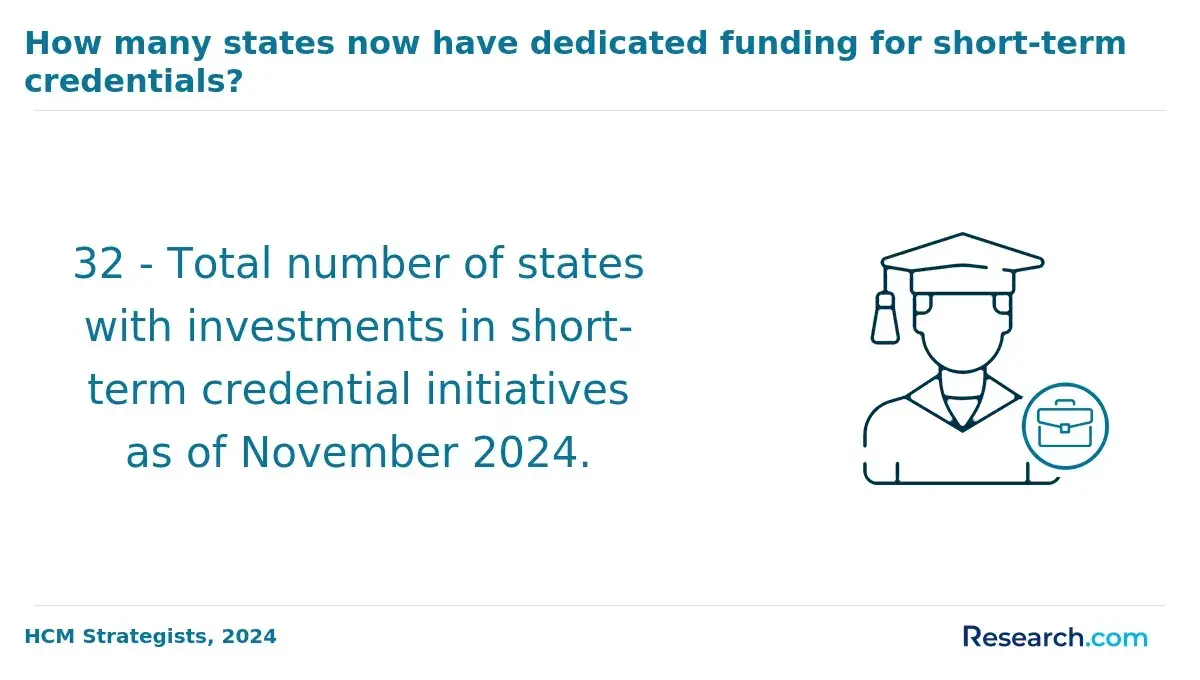
Certifications and short courses can help healthcare administration graduates specialize without committing to graduate school. They are most useful when they match a specific job target, such as practice management, healthcare quality, compliance, informatics, billing, or project coordination. Industry research shows that more than 70% of healthcare organizations prefer candidates with completed certifications or short-term training programs, highlighting their growing value in hiring decisions.
Before choosing a credential, compare the cost, eligibility requirements, exam content, renewal rules, employer recognition, and relevance to your target role. A short course is not automatically valuable; it should help you prove a skill employers are already requesting.
- Certified Medical Manager (CMM): Signals preparation for the business side of medical practice administration, including operations, billing, personnel processes, and compliance. It can support advancement from office coordination into practice management.
- Certified Professional in Healthcare Quality (CPHQ): Focuses on quality improvement, patient safety, performance measurement, and healthcare quality systems. This credential fits graduates interested in quality departments or process improvement roles.
- HIMSS Certifications: Emphasize health information technology, informatics, and digital healthcare systems. These can help graduates compete for roles involving electronic records, reporting, and technology-enabled operations.
- Project Management Professional (PMP): Provides a recognized project leadership framework. Although not healthcare-specific, it may be useful for administrators involved in implementation projects, workflow redesign, or cross-department initiatives.
Graduates who want a shorter, career-focused credential rather than a full master’s program may also compare options such as a healthcare administration certificate with role-specific certifications to determine which better supports their immediate job goals.
A healthcare administration professional shared that pursuing a CMM certification significantly affected their career direction. They described balancing work responsibilities with focused study in billing, regulations, and practice management.
The credential deepened their understanding of daily operations and helped them pursue leadership opportunities they had not considered feasible without graduate education. For comparison, an online MBA program may support broader business leadership goals, but a targeted certification can be a more direct option for professionals who want to strengthen a specific healthcare administration skill set first.
Which Industries Hire Healthcare Administration Graduates Without Graduate Degrees?
Healthcare administration graduates without graduate degrees are hired across hospitals, clinics, insurers, long-term care organizations, public agencies, and healthcare service companies. Approximately 45% of healthcare administration professionals work in hospitals, but bachelor’s-level opportunities are not limited to hospital systems.
The right industry depends on the work environment you prefer. Hospitals may offer larger teams and more internal mobility. Clinics may offer faster exposure to practice operations. Insurance companies may provide structured training in claims, utilization, and reimbursement. Public health agencies may emphasize programs, compliance, and community services.
- Hospitals and Health Systems: Offer roles in patient access, department coordination, scheduling, operations support, compliance assistance, records, and quality support. These employers often have multiple departments, which can create internal transfer opportunities.
- Health Insurance Companies: Hire graduates for claims support, provider relations, network coordination, member services, utilization support, and administrative analysis. These roles are a strong fit for graduates interested in reimbursement and payer operations.
- Long-Term Care Facilities: Need administrators and coordinators who understand staffing, documentation, resident services, compliance, and daily facility operations. Some senior facility leadership roles may require state-specific credentials, so graduates should check local requirements before planning this path.
- Government and Public Health Agencies: Employ bachelor’s graduates in program coordination, regulatory support, health services administration, outreach, and reporting roles. These jobs may value policy knowledge, documentation accuracy, and public service experience.
- Healthcare Consulting Firms: May hire graduates into analyst, research, operations support, or project assistant roles. These positions can expose early-career professionals to process improvement, data review, and client-facing healthcare projects.
Applicants should read job descriptions carefully. A position in healthcare consulting or compliance may be “entry level” but still expect strong Excel skills, writing ability, or internship experience. A clinic role may be easier to enter but require comfort with frequent patient interaction.
What Freelance, Remote, and Non-Traditional Careers Are Available for Healthcare Administration Graduates?
Healthcare administration graduates can find remote, hybrid, project-based, and non-traditional roles in billing support, claims operations, telehealth administration, scheduling, compliance documentation, virtual assistant work, and consultant support. Approximately 30% of healthcare and social assistance workers now hold roles that are at least partially remote, reflecting the continued shift toward flexible healthcare operations.
Remote healthcare administration work can be attractive, but it usually requires strong documentation habits, privacy awareness, self-management, and comfort with healthcare software. Graduates should be cautious with freelance postings that lack clear privacy protocols, training, or legitimate healthcare clients.
- Distributed work systems: Remote teams handle claims, scheduling, patient communication, records coordination, and operations support across multiple locations. These roles can help graduates access employers outside their local market.
- Digital-first labor markets: Online platforms may connect graduates with healthcare organizations that need administrative support, research assistance, documentation review, or operational help. Candidates should verify client legitimacy and confidentiality expectations.
- Project-based independent work: Short-term assignments may involve billing audits, compliance file organization, workflow documentation, or data cleanup. This can build a portfolio of practical experience, but income may be less predictable than full-time employment.
- Virtual consultancy support: Graduates may assist healthcare consultants with research, meeting preparation, client communication, reports, and project tracking. This can be useful for those interested in consulting but not yet ready for analyst-level roles.
- Telehealth administration support: Telehealth providers need help with scheduling, patient onboarding, insurance verification, technical coordination, and follow-up communication. These jobs combine patient service with digital healthcare operations.
For remote roles, applicants should emphasize experience with scheduling systems, electronic records exposure, data accuracy, written communication, customer service, and confidentiality. Employers need to trust that remote administrators can protect patient information and complete work without constant supervision.
How Can You Build a Career Without Graduate School Using a Healthcare Administration Degree?
You can build a healthcare administration career without graduate school by entering a practical role, choosing a specialization, documenting results, earning targeted credentials, and pursuing internal advancement. About 65% of graduates secure employment directly after finishing their bachelor's degrees, which shows that many employers are willing to hire bachelor’s-level candidates into the healthcare workforce.
A strong career plan should move in stages rather than relying on one degree to do all the work.
- Start with an accessible role: Patient access, office coordination, administrative assistant, billing support, records, and health services coordinator roles can provide the operational foundation employers want.
- Learn the system from the inside: Pay attention to reimbursement, scheduling, compliance, documentation, patient flow, staffing, and reporting. These are the areas where administrators create value.
- Choose a direction: After gaining experience, decide whether you want to specialize in practice management, revenue cycle, health information, compliance, quality, public health administration, or consulting support.
- Build evidence of performance: Track achievements such as improving workflow accuracy, supporting audits, reducing missed appointments, resolving billing issues, or helping a team meet operational goals.
- Add targeted training: Use certifications or short courses to fill specific gaps rather than collecting credentials that do not match your target job.
- Apply for advancement before assuming you need a master’s degree: Many promotions depend on performance, leadership, reliability, and organizational knowledge. Graduate school can be useful later, but it does not have to be the first step.
Long-term advancement depends on the employer and the role. Some organizations promote bachelor’s graduates into management based on results. Others may prefer graduate credentials for director-level or executive positions. The practical approach is to build experience first, then decide whether graduate school would remove a real barrier for your specific career goal.
Graduates should also keep related healthcare education paths in context. Nursing PhD programs are research-focused nursing pathways, while healthcare administration graduates who do not hold nursing credentials usually advance through administrative experience, management responsibility, and targeted professional development.
What Are the Pros and Cons of Skipping Graduate School for Healthcare Administration Careers?
Skipping graduate school can be a smart choice for healthcare administration graduates who want to enter the workforce quickly, avoid additional tuition, and test different career paths before specializing. It can also limit access to some senior, executive, academic medical center, or policy-heavy roles. Studies indicate bachelor's degree holders in healthcare administration earn about 15% less on average than those with graduate degrees but benefit from earlier workforce participation.
- Pro: Earlier workforce entry. Starting sooner allows graduates to build experience, earn income, and learn which healthcare administration specialty fits them best.
- Pro: Lower immediate education cost. Avoiding graduate school can reduce tuition pressure and give graduates time to decide whether an advanced degree is worth the investment for their target role.
- Pro: More career exploration. A bachelor’s degree can lead to roles in patient access, billing, compliance support, practice operations, insurance, public health, and records management before committing to a specialty.
- Con: Some advancement limits. Larger healthcare systems, government agencies, academic medical centers, and executive-track roles may prefer or require graduate credentials for senior leadership.
- Con: Slower access to strategy roles. Jobs involving systemwide planning, executive finance, advanced policy, or high-level organizational leadership may be harder to reach without further education.
- Con: More pressure to prove value through experience. Without a graduate credential, candidates may need stronger work results, references, certifications, and internal credibility to compete for promotions.
The best decision depends on timing. If you are unsure which healthcare administration specialty you want, working first can prevent an expensive mismatch. If you already know you want senior leadership in a competitive system, graduate school may become important later.
Graduates comparing healthcare pathways should also distinguish administrative roles from clinical support training. Online medical assistant classes with financial aid may support hands-on clinical entry-level work, while a healthcare administration degree is more directly aligned with operations, management support, billing, records, and organizational coordination.
What Are the Real-World Career Outcomes and Job Market Trends for Healthcare Administration Graduates?
Real-world outcomes for healthcare administration graduates are generally shaped by job market demand, employer type, location, internships, technical skills, and willingness to begin in operational roles. Graduates holding a bachelor's healthcare administration degree generally experience a positive job market outlook with diverse employment opportunities by 2025. Many find jobs that do not require graduate school but still offer meaningful progression through experience and specialization.
The strongest outcomes often come from combining the degree with practical exposure. Internships, part-time healthcare work, customer service experience, billing familiarity, electronic records exposure, and strong communication skills can make a candidate more competitive than a degree alone.
- Hospitals and large systems: May offer structured entry points and internal mobility, but competition can be stronger for management-track roles.
- Physician offices and clinics: May provide faster responsibility in scheduling, billing, staff coordination, and patient service.
- Insurance and payer organizations: Can offer stable administrative pathways in claims, member services, provider relations, and utilization support.
- Compliance, quality, and revenue cycle: May offer stronger specialization for graduates who want to move beyond general office administration.
- Remote and hybrid operations: Can expand access to jobs, but applicants must show reliability, privacy awareness, and strong written communication.
Career trajectories are not uniform. A graduate in a high-demand region with internship experience may move quickly into coordinator or assistant manager roles, while another may need to start in patient access or administrative support before advancing. The key is to treat the first job as a platform for learning healthcare operations, not as a permanent ceiling.
Strategic education choices can also affect outcomes. For example, a 6 month RN to BSN program is relevant for registered nurses seeking bachelor’s-level nursing advancement, while healthcare administration graduates typically improve outcomes through administrative experience, certifications, and targeted specialization rather than clinical nursing progression.
What Graduates Say About Healthcare Administration Careers Even Without Pursuing Graduate School
Graduate experiences vary by employer and role, but many bachelor’s-level healthcare administration graduates report that practical coursework, internships, and early exposure to operations helped them enter the workforce without immediately pursuing graduate school. Their comments also point to a common theme: experience becomes especially important when you choose not to rely on an advanced degree.
- Kylian: "Graduating with a degree in healthcare administration gave me a solid foundation to step confidently into the workforce without feeling the need for further schooling. I found that the practical skills I learned-especially in management and compliance-were exactly what employers were looking for. Looking back, I appreciate how well my program prepared me for real-world challenges right from the start."
- Dallas: "Entering the healthcare industry straight out of my healthcare administration degree was a rewarding experience. I often reflect on how the coursework and internships helped me develop a professional mindset and an understanding of healthcare operations that set me apart from peers. Without pursuing graduate school, I was able to quickly climb into roles with responsibility, which boosted my confidence and career satisfaction."
- Ryan: "As a healthcare administration graduate who chose not to attend graduate school, I noticed that my degree equipped me to effectively contribute to the organizations I joined. The balance of theory and practical application translated well to early career roles, allowing me to focus on building experience rather than additional credentials. It was a strategic choice that helped me launch my career quickly while still feeling prepared and capable."
Other Things You Should Know About Healthcare Administration Degrees
Yes, internships provide practical experience that can significantly improve job prospects. They offer exposure to healthcare settings and help build professional networks, which are valuable when applying for entry-level or administrative roles without a graduate degree.
Advancement is possible through gaining work experience, earning relevant certifications, and developing leadership and technical skills. Many employers promote candidates who demonstrate strong abilities and consistent performance, even without additional formal education.
Many positions in healthcare administration provide competitive salaries along with benefits like health insurance, retirement plans, and paid time off. Stability often depends on the employer, but hospitals, clinics, and large healthcare organizations tend to offer more secure employment opportunities.
In 2027, healthcare administration graduates can pursue entry-level roles such as medical office manager, health services coordinator, or billing specialist. These positions offer a start in the healthcare field, allowing individuals to gain experience and potentially advance through work performance and additional certifications.
References
- The Best Certifications for Healthcare Administrators | 2025-26 Guide https://masterspublichealth.com/healthcare-administrator-certifications/
- Learn How to Use Social Media Responsibly in College https://www.edumed.org/faqs/can-you-get-into-healthcare-administration-with-no-experience/
- Remote Entry Level Healthcare Jobs | Working Nomads https://www.workingnomads.com/remote-entry-level-healthcare-jobs
- Why Are Healthcare Administrators in High Demand in 2025? | NCC https://www.northwestcareercollege.edu/blog/why-are-healthcare-administrators-in-high-demand-in-2025/
- What Type of Companies Hire Someone With a Healthcare Administration Degree? - Healthcare Administration Degree Programs https://www.healthcare-administration-degree.net/faq/what-type-of-companies-hire-someone-with-a-healthcare-administration-degree/
- Healthcare Administration Certifications https://www.publichealthdegrees.org/careers/healthcare-administrator/certification/
- Healthcare Administration Job Outlook: 2025 Trends | IntuitionLabs https://intuitionlabs.ai/articles/healthcare-admin-job-market-2025
- 20 Highest Paid Non-Physician Jobs in Healthcare | Medical Field Jobs https://www.healthcare-management-degree.net/highest-paid-non-physician-jobs-in-healthcare/
- Remote Masters Healthcare Administration Jobs https://www.virtualvocations.com/q-remote-masters-healthcare-administration-jobs.html
- Five Emerging Careers in Healthcare Administration https://www.mhaonline.com/blog/five-new-healthcare-administration-careers