2027 General Studies Degree Careers Ranked by Salary, Growth, and Work-Life Balance

Co-Founder and Chief Data Scientist
Choosing a career path with a general studies degree often poses a challenge due to its broad nature-graduates face uncertainty about which fields offer the best balance of salary, job growth, and work-life harmony. Recent analyses show that only 35% of general studies graduates find careers that rank highly across all three metrics. Without clear guidance, individuals risk settling for positions with limited advancement or poor lifestyle compatibility. This article systematically ranks general studies degree careers based on comprehensive data from authoritative sources-examining salary, growth potential, and work-life balance-to equip readers with actionable insights for informed decision-making.
Key Things to Know About General Studies Degree Careers Ranked by Salary, Growth, and Work-Life Balance
- Career paths for general studies graduates vary significantly-median salaries range from $40,000 to over $70,000 annually depending on industry and location.
- Jobs with strong growth outlooks include healthcare administration and human resources, projected to expand by over 10% through 2030.
- Work-life balance scores are highest in education and nonprofit sectors, offering flexible schedules and lower stress levels compared to corporate roles.
How Are General Studies Degree Careers Evaluated and Ranked Across Salary, Growth, and Work-Life Balance?
Careers tied to a general studies degree are evaluated using a three-pillar framework-salary, career growth, and work-life balance-that reveals a fuller picture of career quality beyond just compensation. This approach highlights how professionals succeed financially while also accounting for future opportunities and personal well-being over time.
- Salary: Median earnings data come from the U.S. Bureau of Labor Statistics' Occupational Employment and Wage Statistics, representing the midpoint income most workers in a specific occupation can expect. This provides a realistic baseline to assess financial viability across fields.
- Career Growth: Based on BLS ten-year employment projections, this dimension gauges the expected increase or decrease in demand for occupations. High projected growth rates suggest stable, resilient fields with promising advancement and job security, crucial for general studies degree career salary comparison in the United States.
- Work-Life Balance: This pillar integrates composite data from the American Time Use Survey, Glassdoor employee reviews, and sector-specific satisfaction studies to reflect factors like flexible work hours, workload, commute, and overall quality of life. It offers essential insight into which careers are sustainable for the long term.
The rankings developed from these pillars serve as a decision-making guide rather than an absolute hierarchy since individual priorities-such as valuing flexibility over income-may shift which career suits someone best. This holistic evaluation supports students and mid-career professionals seeking careers aligned with their ambitions.
The careers analyzed include project management, technical writing, human resources, marketing coordination, and nonprofit program administration. Each is compared through evidence-based metrics so readers can make informed choices tailored to their goals and lifestyles.
For those interested in further education, exploring the easiest masters degrees may offer additional pathways for career advancement.
Which General Studies Degree Career Paths Offer the Highest Starting and Mid-Career Salaries?
Salary levels for these top careers vary widely by region-high cost-of-living areas like the Northeast and West Coast generally yield higher pay. The type of employer also greatly influences earnings, with larger private organizations often providing more lucrative packages compared to smaller or public-sector institutions. For further details, a comprehensive geographic salary analysis is available in the regional salary variation section.
- Business Management: Careers in business management consistently rank high for general studies degree holders seeking strong salary growth and career advancement. Entry-level salaries typically start around $50,000 annually, rising to $95,000 or more mid-career. This premium pay reflects the broad applicability of management skills across industries, crucial organizational leadership roles, and sustained demand for effective managers. Large corporations and private-sector employers usually pay more than public-sector roles, while urban centers provide wage premiums compared to rural areas. This career path also offers a favorable balance between growth potential and work-life flexibility, appealing to many graduates.
- Human Resources Specialist: Starting salaries range from $45,000 to $55,000, with mid-career earnings near $80,000. The field's value lies in specialized knowledge of workforce planning, legal compliance, and employee relations, which become increasingly important for organizational productivity. Expertise in labor laws and benefits administration is particularly compensated in industries experiencing talent shortages. Enterprise-level employers in competitive markets tend to offer the highest salaries. This role also maintains moderate work-life balance prospects, enhancing its appeal for those focused on career sustainability over time.
- Marketing Coordinator and Analyst: Median starting pay is about $48,000, growing to $85,000 or more mid-career. These roles reward creativity combined with strong analytical skills, especially in digital marketing and data-driven campaign optimization. Rising e-commerce and social media sectors drive demand, with private companies in metropolitan areas offering wage advantages. Marketing careers with strong communication and technical skills show solid growth outlooks and a dynamic yet manageable work environment.
- Public Relations Specialist: Entry-level salaries begin near $43,000, increasing to about $78,000 with experience. The compensation premium is due to the critical responsibility of managing corporate image and crisis communications, especially in healthcare and technology sectors. This field requires exceptional interpersonal abilities and competitive skill sets, which leads employers to value seasoned practitioners. Agencies and large firms in major cities generally provide higher remuneration. The profession balances busy periods with reasonable work-life integration.
- Information Technology Support: IT support roles start around $42,000, with mid-career wages reaching $80,000 or more. Compensation is driven by technical expertise and constant demand for troubleshooting and system maintenance across industries. Certifications and specialized skills augment earning potential. Private sector companies tend to offer better pay than government jobs. This career path offers strong salary growth alongside work schedules that can support long-term balance.
For those investigating the highest paying careers with a general studies degree in the United States or exploring general studies degree salary and growth outlook by profession, these data provide key insights. More information is accessible through the analysis of the best bachelor's degrees and their career trajectories.
What Do the Bureau of Labor Statistics Job Growth Projections Reveal About the Future of General Studies Degree Careers?
Several career paths linked to general studies degrees are projected to expand faster than the national occupational growth average of 5%, indicating robust demand. Common areas like administrative and clerical jobs demonstrate growth rates near or just below average. Despite automation risks, these fields hold value by requiring human judgment and interpersonal skills in specialized niches.
- Healthcare Support Roles: With an aging population and ongoing healthcare investments, jobs such as medical assistants and health services managers are seeing accelerated growth.
- Education and Training: Roles like adult education instructors benefit from increased attention to lifelong learning and digital technologies, ensuring steady job openings.
- Information and Technology Services: Although not a direct career track, many graduates find opportunities in tech-related positions, supported by policy emphasis on digital innovation, particularly in IT support and project coordination.
These projections reflect national trends and may not fully capture local or sector-specific shifts. Regional economic conditions, policy changes, and demographic patterns can influence job growth differently across areas.
Work-life balance incorporates multiple measurable factors to evaluate quality of life for general studies careers. This article applies several indicators, including average weekly hours worked, schedule predictability, availability of remote or hybrid work, paid time off policies, and employee satisfaction scores drawn from Glassdoor, Indeed, and Payscale to build comprehensive profiles.
Across various general studies degree jobs, work-life balance often differs by job function, sector, and career phase. According to the BLS American Time Use Survey and industry data, early-career professionals usually face longer hours and less flexibility while gaining experience, whereas mid- and senior-level workers tend to have more autonomy over schedules.
- Hours Worked: Typical general studies positions require between 40 and 48 hours weekly, with public sector roles generally offering steadier 9-to-5 timetables compared to private or nonprofit sectors that sometimes demand overtime.
- Schedule Predictability: Careers in education, administration, and corporate training mostly provide fixed hours, while jobs in communications or consulting often experience variable workloads.
- Remote Work Availability: Hybrid arrangements are rising, notably in research, writing, and project coordination roles, enhancing flexibility and satisfaction.
- Paid Time Off Norms: Government and academic employers often grant more generous leave, positively impacting overall balance.
- Employee Satisfaction: General studies professionals report higher work-life balance where job flexibility and autonomy are emphasized, such as in content strategy and organizational development.
Understanding work-life balance metrics for general studies careers enables individuals to actively shape their work conditions through deliberate employer selection and career planning. This approach positions balance as a dynamic element of career design, not a fixed trait.
For those interested in exploring related flexible educational options, consider the best 2 year construction management degree online, which offers accelerated pathways supporting work-life integration.
Applying an equal weighting to salary, career growth, and work-life balance offers a well-rounded evaluation of career paths for graduates with a general studies degree-each factor contributing one-third to the overall score. This balanced approach reveals several fields that align with the goals of professionals seeking both financial stability and sustainable career progression without sacrificing personal time.
- Human Resources Specialist: Combines solid pay with notable growth and excellent flexibility, providing a reliable path for those who value steady advancement and a healthy work-life dynamic.
- Marketing Coordinator: Though salaries are moderate, strong upward mobility and flexible schedules appeal to creative individuals looking for steady career momentum.
- Education Administrator: Offers respectable compensation paired with steady growth and predictable hours, attractive to those focused on community impact and work-life harmony.
- Project Manager: Excels in earnings and growth but may require compromises in personal time, suiting professionals ready to take leadership roles with potential trade-offs in balance.
- Corporate Trainer: Presents lower salary ranges but exceptional growth forecasts and flexible working conditions, well-suited for those prioritizing versatility and people-oriented roles.
- Administrative Services Manager: Provides competitive wages, steady demand, and manageable hours, making it a practical choice for graduates seeking a stable, well-compensated career.
- Public Relations Specialist: Balances decent pay and robust growth outlooks with moderate flexibility, fitting for dynamic professionals aiming for career mobility.
Depending on individual priorities, readers might adjust these weights-focusing more on income could elevate project management and administrative roles, whereas emphasizing flexibility might spotlight corporate training and human resources careers. This adaptability helps personalize career selection based on one's unique goals.
Specializing within the general studies field shapes salary prospects, career advancement, and work-life balance more distinctly than a broad-based approach. Areas like education administration, human resources, public relations, health services management, and project coordination display varied results when viewed through these three critical factors.
- Salary: Concentrations such as education administration and health services management tend to offer higher starting pay, reflecting the need for certifications and specialized expertise. These positions often demand longer hours and intensified responsibility.
- Career Growth: Sectors like project coordination and human resources are experiencing steady job growth, fueled by increasing organizational demands for efficiency and talent management. Attainment of graduate degrees or certifications accelerates career progression and access to supervisory roles.
- Work-Life Balance: Public relations roles frequently provide more flexibility, especially in freelance or consulting contexts, balancing a moderate income with adaptable schedules. Conversely, health services management, while lucrative, may involve extensive working hours and higher stress levels.
- Timing and Pathways: Early dedication to specialization through targeted internships, certifications such as SHRM for HR or PMP for project management, and focused graduate studies significantly influence long-term outcomes. This early pathway leads to divergent trajectories in salary ceilings and lifestyle quality over time.
- Trade-Offs: Specialists often command higher initial salaries, but generalists honing broad strategic and analytical skills may surpass them at senior levels by harnessing versatility across disciplines. This adaptability can open doors to executive and consulting opportunities.
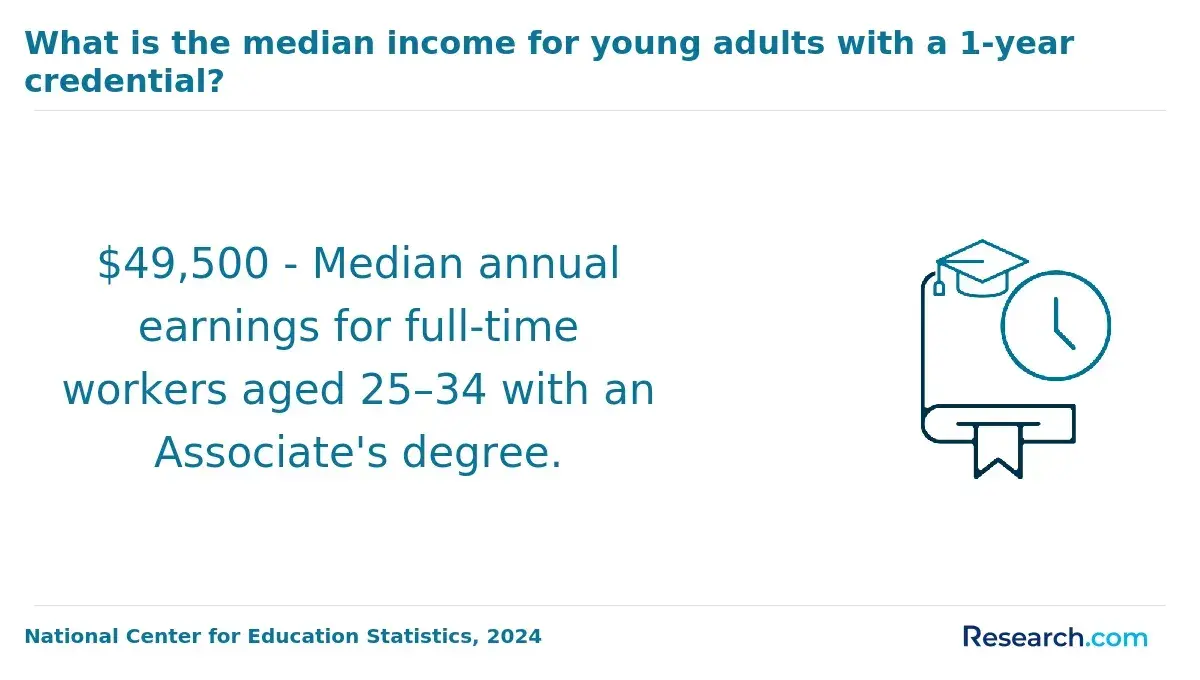
According to recent BLS data, occupations requiring specialized training in social sciences and management are expected to grow 7% from 2022 to 2032-outpacing average growth and underscoring the value of well-planned specialization within general studies majors.
The geographic location of employment significantly influences salary, job growth, and work-life balance for general studies graduates-impacting both immediate earnings and long-term career satisfaction. According to BLS sub-national Occupational Employment and Wage Statistics and state workforce development data, clear regional differences emerge across the U.S.
- Northeast: This region offers some of the highest median salaries in general studies careers, especially in metropolitan hubs like New York City and Boston. Yet, high costs of living-including housing and taxes-often reduce actual purchasing power, so net financial gains may be modest despite strong pay. Job growth is moderate, while work-life balance can suffer due to long commutes and urban density.
- Southeast: Featuring generally lower wages, the Southeast compensates with faster employment growth and affordable living costs. Places such as Atlanta and Charlotte provide emerging opportunities with competitive salaries adjusted for cost. Work-life balance tends to be better due to shorter commutes and community-centered environments.
- Midwest: Combining moderate salaries with stable job growth, the Midwest markets like Chicago offer diverse roles. However, smaller cities often yield better financial outcomes after factoring in housing and taxation. The region supports better lifestyle balance with less congestion and close-knit neighborhoods.
- Southwest: Metropolitan areas including Dallas and Phoenix are notable for vigorous employment expansion and competitive salaries. Living costs vary, but affordability often exceeds coastal metros. Hybrid and remote work options add flexibility, enhancing work-life balance.
- West: High median salaries in West Coast metros such as San Francisco and Seattle exist alongside steep living costs, eroding take-home gains. Remote roles have begun to uncouple salary from location, allowing professionals to earn urban-level wages while living in more affordable regions.
Remote and hybrid work is altering how location affects compensation, enabling some general studies professionals to command salaries benchmarked to high-cost urban centers while residing in lower-cost areas. This shift offers stronger purchasing power and lifestyle advantages.
When planning a career, graduates and professionals should carefully weigh personal priorities-commuting preferences, community ties, housing costs, and family proximity-alongside specific career paths to find the geographic setting that best aligns financial and life-quality goals.
When comparing public sector vs private sector general studies careers across salary, growth, and work-life balance, distinct differences emerge that can guide both new graduates and mid-career professionals in evaluating job offers or planning strategic pivots. Salary-wise, private sector roles usually offer higher base pay at entry, mid, and senior levels compared to public sector positions.
However, the total compensation gap narrows considerably once public sector benefits are factored in-including defined-benefit pensions, loan forgiveness eligibility, and superior health coverage-which provide significant long-term value beyond the paycheck. These benefits make public sector compensation highly competitive over a full career.
- Salary: Private sector salaries start higher but the pay gap shrinks when considering comprehensive public sector benefits that enhance total compensation and financial security over time.
- Growth: The public sector shows robust hiring in agencies focused on social services, education, infrastructure, and healthcare policy, driven by demographic changes and government priorities. Meanwhile, private sector growth for general studies graduates is strongest in corporate training, consulting, and nonprofit management-sectors valuing versatile generalists in innovation-driven environments.
- Work-Life Balance: Public sector jobs generally offer more predictable schedules, generous leave policies, and higher employee satisfaction with work-life balance. Although private sector flexibility varies widely, some companies promote remote work and flexible hours, while others demand long hours tied to performance goals. Within both sectors, work-life quality depends heavily on role, industry, and career stage.
For those considering a faster route to advanced qualifications that can enhance placement across these career paths, it's worth exploring programs like a masters in 6 months. This accelerated graduate degree can expand opportunities in both sectors by strengthening specialization without a lengthy time commitment.
Advanced degrees and certifications significantly influence salary, career growth, and work-life balance for general studies professionals in the United States, with effects varying by credential type and individual goals. Data from NACE and BLS consistently show that higher educational attainment correlates with a meaningful salary premium and enhanced advancement opportunities, though the time, cost, and lifestyle trade-offs require close consideration.
- Master's Degrees: Typically offer a 15-30% salary increase over bachelor's degrees, depending on the field of study. These degrees usually require 1-3 years of study and open doors to leadership roles in education, management, and specialized consulting that are otherwise inaccessible. Many such roles provide greater autonomy, improving work-life balance, although some managerial positions may entail longer hours.
- Doctoral Degrees: Yield salaries 30-50% above bachelor's level particularly in academia and research, but demand a significant time investment of 4-7 years and considerable financial resources. Doctorate holders often attain senior or specialized positions with more flexible schedules, though expectations for research output and grant writing can increase work pressures.
- Professional Certifications: Credentials like project management (PMP) or human resources (SHRM) generally deliver a 10-25% salary boost with less time and expense than advanced degrees. Such certifications enhance career progression in corporate and nonprofit sectors and frequently improve work-life balance due to clearer role definitions and greater control over work tasks.
- Return on Investment Considerations: Each credential aligns best with specific career paths-advanced degrees suit those aiming for leadership or expert roles, while certifications favor quicker advancement without extended schooling. Pursuing multiple credentials without strategic focus may dilute benefits and strain personal resources.
Choosing the right credential requires weighing salary increases against costs and lifestyle impacts. Professionals prioritizing work-life balance may prefer certifications or master's programs that unlock leadership positions with flexibility. For those focused on salary growth and long-term advancement, investing in a doctoral degree might be worthwhile despite potential balance challenges.
For example, students interested in clinical mental health can explore fast track mental health counseling master's programs to advance efficiently while managing time commitments. Overall, understanding how advanced degrees impact salary growth and work-life balance for general studies professionals helps guide strategic decisions about career investment.
Nearly half of U.S. workers in administrative, education, and social services sectors-key areas within general studies-now have access to remote or hybrid work, according to the 2023 Owl Labs State of Remote Work report. Hybrid models are becoming especially widespread, reshaping where and how professionals engage with their roles.
- Remote Work Availability: Careers in general studies that align with administrative or educational consulting often provide substantial location flexibility, whereas roles demanding direct fieldwork or consistent in-person collaboration tend to require on-site presence.
- Salary Impact: Remote-eligible positions generally deliver salaries on par with traditional office roles. In some tech-adjacent or administrative tracks, remote roles may command a modest premium due to competitive talent markets and geographic arbitrage-allowing employees to earn urban-level wages while living in lower-cost areas, boosting their real income.
- Career Growth: Early fears that remote work stunts progression have lessened as hybrid and remote practices have become normalized. Fields such as public administration and educational consulting preserve strong advancement potential regardless of work setting, although jobs necessitating frequent face-to-face networking may still see faster career development.
- Work-Life Balance: The benefits of remote work include shorter commutes, enhanced schedule control, and greater autonomy. However, blurred work-home boundaries and an "always-on" culture pose challenges. Success in maintaining balance often depends on personality traits, self-discipline, and the presence of a dedicated home workspace.
These evolving dynamics suggest those in general studies careers can strategically leverage remote opportunities to enhance earnings and flexibility while navigating growth and balance considerations.
Several career options linked to a general studies degree offer excellent work-life harmony without demanding sacrifices in earnings or future prospects. These roles consistently rank highly in satisfaction and work-life balance metrics alongside solid median salaries and positive industry growth, according to Glassdoor, PayScale's Work-Life Balance Index, and BLS data.
- Human Resources Specialist: Typically found in corporate and nonprofit environments, HR specialists manage recruiting, employee relations, and benefits. They benefit from predictable 9-to-5 hours with little overtime, contributing to strong balance scores. Median salaries align closely with national averages, and steady job growth is common. Organizational cultures that focus on employee wellness and flexible policies further enhance balance.
- Project Coordinator: Present in sectors like marketing, construction, and education, project coordinators handle schedules and resources. Structured office hours and team collaboration support manageable workloads, while growing demand sustains moderate salaries. The wide adoption of project management tools helps minimize after-hours work, promoting work-life balance.
- Administrative Services Manager: Overseeing office operations in healthcare, government, and education, these managers enjoy stable schedules and task autonomy. Median wages typically exceed average pay, with dependable growth forecasts. Employers valuing efficiency often offer flexible work setups, supporting employee balance.
- Marketing Specialist: Engaged in campaign development and market analysis, marketing specialists frequently work in hybrid settings allowing flexible hours. Although pay varies by location and experience, career upward mobility compensates well. The creative nature of the role adds to job satisfaction.
It's important to recognize work-life balance is subjective-shaped by management style, team atmosphere, and personal boundaries. Thus, rankings serve best as initial guides when considering employers, not guarantees.
Recent BLS findings note that jobs with clear structures and predictable hours report roughly 15% higher employee satisfaction related to work-life balance compared to roles with irregular schedules.
What Graduates Say About the General Studies Degree Careers Ranked by Salary, Growth, and Work-Life Balance
- Lawrence: "Choosing a general studies degree really opened my eyes to the diverse career opportunities out there. When ranking careers by salary, I learned that while some fields may offer moderate starting pay, the potential for long-term growth can be quite impressive. Most importantly, the day-to-day work-life balance in many general studies careers allowed me to maintain a fulfilling personal life alongside professional ambitions."
- Yitzchok: "From my perspective, the salary aspect of general studies careers can be quite varied, making it essential to weigh other factors carefully. I found that prioritizing long-term career growth gave me confidence in my path, even when initial earnings were modest. Reflecting on this, I appreciate how the work-life balance in many roles can truly support sustained motivation and well-being over time."
- Cameron: "Professionally, I approached ranking general studies careers by focusing on sustainable growth and quality of life. High salary attracted me at first, but I soon realized that consistent long-term career advancement was more meaningful. The excellent work-life balance in many positions made me confident that this degree prepared me not just for success-but for a balanced and enjoyable career."
Other Things You Should Know About General Studies Degrees
Entry-level positions for general studies graduates typically offer lower salaries but present valuable opportunities to build diverse skills and gain experience. Senior-level roles often provide higher pay and more leadership responsibilities, reflecting greater expertise and influence. However, work-life balance can vary-while senior roles may demand longer hours, they sometimes allow for more flexible schedules due to increased autonomy.
The industry sector plays a significant role in shaping salary, career growth, and work-life balance for general studies graduates. For example, careers in corporate management or technology sectors tend to offer higher salaries and faster growth but may come with more demanding schedules. On the other hand, fields like education or nonprofit work might offer better work-life balance, though often with more modest pay and slower advancement.
Project Management Professional (PMP), SHRM-CP, Google Data Analytics, and CompTIA A+ are common add-ons for general studies graduates. Employers usually expect the bachelor’s degree plus the certificate, and some roles require 1 to 3 years of experience before moving into stronger pay bands and better advancement options.
- General Studies Degree Jobs: 10 Careers + Salaries (2026) | Extern https://www.extern.com/post/general-studies-degree-jobs-career-guide
- The value of advanced education in a competitive job market - Keele University - Study online https://online.keele.ac.uk/the-value-of-advanced-education-in-a-competitive-job-market/
- Employment statistics for graduates: how country and major shape your career - GLOSS Education Agency https://gloss.education/en/blog/employment-statistics-for-graduates-how-country-and-major-shape-your-career
- The Rise of Hybrid Work: Redefining Work-Life Balance https://blog.radancy.com/2025/02/06/the-rise-of-hybrid-work-redesigning-work-life-balance/
- Is a General Studies Degree Worth It? https://www.snhu.edu/about-us/newsroom/liberal-arts/is-a-general-studies-degree-worth-it
- Comparing Public vs. Private Sector Compensation | JER HR https://jerhrgroup.com/public-vs-private-sector-compensation-comparison/
- Jobs in the future: No boom in the need for college graduates | Economic Policy Institute https://www.epi.org/publication/webfeatures_snapshots_07212004/
- General Studies Degree Jobs: Top Careers You Can Pursue | University of the People | https://www.uopeople.edu/blog/general-studies-degree-jobs/
- Top 10 Highest Paying Jobs With General Studies Degree 2025 | Nexford University https://www.nexford.edu/insights/highest-paying-jobs-with-general-studies-degree
- Ranking The Best College Degrees for Employment in 2025 | National University https://www.nu.edu/blog/best-college-degrees-for-employment/