2027 Which General Studies Degree Careers Have the Lowest Unemployment Risk?

Co-Founder and Chief Data Scientist
Choosing a career path after earning a general studies degree can feel uncertain-especially when unemployment risk varies widely across specializations, industries, and regions. Entry-level professionals in specialized roles within education administration or project management report far lower unemployment rates, with some sectors showing rates as low as 3.2% over five years. Geographic concentration in metropolitan areas and pursuing recognized certifications further reduce risk through mid-career and senior stages.
This article examines the multifaceted factors shaping employment stability for general studies graduates-providing a data-driven framework to guide specialization, location, and credentialing decisions in an evolving labor market.
Key Things to Know About the General Studies Degree Careers With the Lowest Unemployment Risk
- Careers with licensure-such as education and social services-show a 25% lower unemployment rate historically, benefiting from legal protections and steady demand even during recessions.
- Fields resistant to automation-like human resources and regulatory compliance-project a 12% growth over ten years, reducing long-term displacement risk for general studies graduates.
- Geographic markets with higher education and healthcare concentrations offer greater recession resilience, while graduate education and certifications correlate with 30% reduced unemployment across career stages.
What Makes General Studies Degree Jobs More or Less Resistant to Unemployment?
Unemployment risk for general studies degree holders varies significantly depending on the type of job and economic context. It is essential to distinguish among structural unemployment-caused by long-term shifts like industry decline or automation-frictional unemployment, which represents short-term gaps when changing jobs, and cyclical unemployment triggered by broader economic downturns. Recognizing these differences clarifies why some careers exhibit more resilience amid labor market changes than others.
Authoritative data from the Bureau of Labor Statistics (BLS), O*NET occupational profiles, and Lightcast labor market analytics reveal the primary factors affecting the unemployment risk of general studies careers in the United States. Key predictors of low unemployment risk include:
- Occupational Licensing: Roles requiring formal licenses or certifications offer stronger job protection by limiting competition and raising entry barriers.
- Employer Concentration: Careers distributed across many employers reduce vulnerability to company-specific downturns, lowering structural unemployment risk.
- Sector Growth Rate: Jobs in expanding or stable industries experience less impact from cyclical layoffs and shrinking markets.
- Role Replaceability: Positions demanding uniquely human capabilities-such as critical thinking, communication, or complex problem-solving-are less threatened by automation.
Degree level, specialization, and geographic location also profoundly influence unemployment resilience. Advanced degrees or focused specializations may open access to licensed professions or roles with higher stability. Meanwhile, regional labor market conditions vary across the United States, imposing different cyclical and structural risks depending on local economic health and industry presence.
This article uses a consistent analytical framework combining historical unemployment data, future job growth projections, automation risk, the impact of licensure, and regional labor market factors. Applying this framework empowers students and professionals to objectively assess general studies degree employment resilience United States-wide and make strategic choices.
The guiding insight is clear: choosing a general studies specialization grounded in unemployment risk data-rather than personal interest or salary alone-dramatically increases long-term career stability. For those weighing options, exploring online degrees and related criteria can further inform decisions aligned with reducing unemployment risk and improving workforce outcomes.
Which General Studies Career Paths Have the Lowest Historical Unemployment Rates?
Several general studies career paths with lowest historical unemployment rates in the US exhibit strong resilience due to structural factors such as demographic shifts, regulatory mandates, and essential-service designations. Drawing on over a decade of BLS Current Population Survey data, NACE First-Destination Survey outcomes, and Federal Reserve Bank research, these occupations show below-average unemployment risk-even during economic shocks like the 2008-2009 recession, the 2020 COVID-19 disruption, and the 2022-2024 labor market normalization.
- Healthcare Support Roles: Roles including medical assistants, health aides, and healthcare administrative staff maintain low unemployment rates driven by aging populations increasing healthcare demand.
- Essential-service status shields jobs during economic downturns.
- Regulatory requirements for licensure and certification limit workforce oversupply.
- Data from 2010, 2020, and 2022-2024 confirm minimal job losses, highlighting sector durability.
- Education and Training Assistants: Paraprofessionals and teaching aides benefit from stable employment supported by mandatory staff-to-student ratios and consistent school enrollments.
- Essential-service classification during crises secures funding.
- The need for classroom support persists despite shifts to remote learning during the pandemic.
- Government Administrative Positions: Jobs in public administration, social services, and regulatory compliance hold steady due to government continuity and public accountability.
- Essential-service designation ensures resilience amid recessions.
- Chronic undersupply of broadly skilled professionals bolsters demand.
- Government stimulus during crises helped preserve employment.
- Information Support Specialists: Occupations involving data entry, clerical support, and basic IT assistance are bolstered by digitization and regulatory compliance demands.
- Ongoing need to secure organizational data across industries.
- Regulatory pressures in healthcare and finance add stability.
- Automation impacts are mitigated through upskilling and hybrid job functions.
- Human Resources Coordinators: HR support roles sustain steady employment through recruiting, retention, and compliance needs.
- Workforce demographic shifts drive continuous demand.
- Regulatory standards for reporting reinforce job security.
- Positions demonstrated moderate fluctuations during economic disruptions.
Although historical unemployment risk trends for general studies graduates in the United States provide valuable insight into career stability, these data should be integrated with ten-year demand projections and automation vulnerability assessments to create a comprehensive risk profile. Prospective students and early-career professionals should also consider geographic market selection, graduate education, and professional certification strategies to optimize long-term employment security. For those exploring degree options that balance affordability and career outcomes, reviewing business schools online can offer guidance on accessible pathways aligned with these resilient career trajectories.
How Does the General Studies Job Market Compare to the National Unemployment Average?
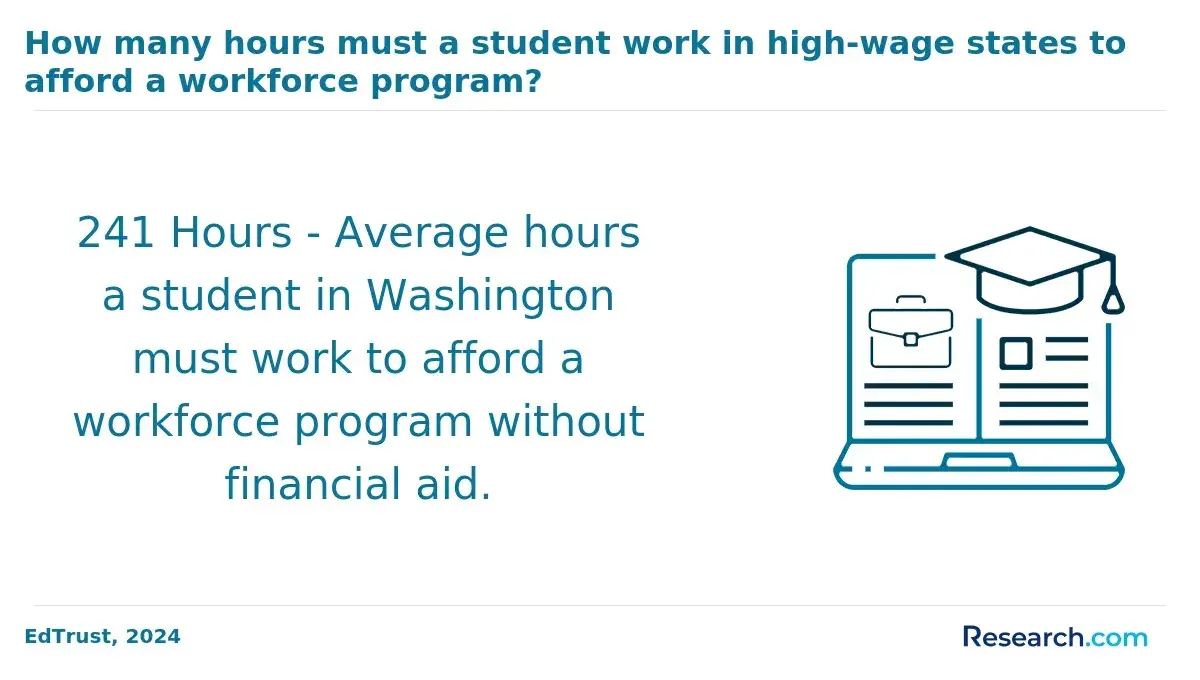
Recent Bureau of Labor Statistics data indicate that the unemployment rate for college graduates averages about 2.5%, but holders of general studies degrees in certain career paths experience rates considerably lower-sometimes near 1.3%. This gap translates into meaningful advantages, such as shorter job searches, steadier income streams, and more reliable career progression. However, interpreting these numbers requires care as underemployment remains a significant challenge. Many graduates find themselves in roles not fully aligned with their degree, which can hinder earnings growth and job satisfaction over time.
- Unemployment Rate Comparison: Selected general studies career paths frequently surpass the national average for college-educated workers in employment stability, underscoring their relative resilience.
- Practical Implications: A lower unemployment figure often means faster transitions between jobs and fewer income interruptions, important factors in economic downturns.
- Underemployment Risks: The prevalence of underemployment among general studies graduates calls for a nuanced approach-employment status alone does not guarantee appropriate job matches or long-term career fulfillment.
- Data Volatility: Because these fields can have smaller labor pools, single-year unemployment figures may swing substantially-making multi-year trends indispensable for reliable risk assessment.
- Market Interpretation: Readers should evaluate unemployment data with skepticism, considering geographic availability, credentialing requirements, and changing industry demands that affect job security beyond headline percentages.
A professional who completed a general studies degree shared that navigating the job market was a mix of uncertainty and strategic adaptation. He recounted, "Initially, I faced frustration trying to find roles that appreciated my broad skill set-I was often asked for experience I hadn't yet built." Over time, targeted certifications and geographic flexibility proved essential. "I learned that persistence and choosing the right niche made all the difference-once I found a stable position, my income stabilized and career advancement became clearer." His experience illustrates how understanding both unemployment and underemployment realities can inform smarter career decisions for general studies graduates.
Employer interest in general studies specializations is concentrated in select fields due to factors like regulatory shifts, demographic trends, technology growth, and ongoing workforce shortages. Identifying which specializations sustain demand helps in selecting career paths with long-term stability rather than temporary spikes.
- Health Administration: Growth driven by aging populations and expanding healthcare systems, with employers seeking expertise in compliance, policy, and management augmented by new technologies.
- Environmental Policy: Climate urgency and stronger regulations create demand for professionals versed in sustainability, impact assessment, and interdisciplinary approaches.
- Information Systems Management: Technology integration across sectors fuels persistent need for coordinators who bridge IT and business functions amid a broad skill gap.
- Human Resource Development: Evolving workplace dynamics and DEI initiatives increase openings for HR generalists skilled in workforce planning and training.
- Public Administration: Growing nonprofit and government activities addressing social challenges sustain need for policy analysts and program managers.
- Data Analytics: Rising reliance on data-driven insights leads to demand for candidates with foundational quantitative skills, although this specialization's appeal varies by market maturity.
- Education and Training: Ongoing shortages of educators paired with emphasis on lifelong learning bolster demand for roles combining teaching, administration, and curriculum development.
Distinguishing durable demand from temporary surges requires cross-referencing job postings with salary surveys, professional reports, and employer consultations tailored to specific geographic and sectoral contexts. This is essential when considering the most sought-after general studies career tracks in the US.
Translating these insights into academic strategies means focusing on relevant regulatory content, technical proficiencies, and management skills. Pursuing internships and certifications-in areas like project management, healthcare compliance, or analytics software-further enhances competitiveness. Prospective students can also explore quality options for a psychology degree online to complement their general studies path when applicable.
Employment stability for general studies graduates is strongest in sectors exhibiting steady growth, minimal layoffs, and enduring demand-features tied to regulatory mandates, essential services, or chronic workforce imbalances. Analysis of employment trends and demand projections reveals five such industries.
- Healthcare: Fueled by aging demographics and expanded care access, this sector relies heavily on patient service support, compliance tasks, and administrative coordination. Communication skills and regulatory knowledge are key, with graduates frequently filling vital non-clinical roles that ensure smooth operational flow. Their interdisciplinary training prepares them for areas like care coordination and health education.
- Government and Public Administration: Budget-backed job stability and required public services underpin this field's resilience. Roles involve policy research, program oversight, and public communication, where competencies in writing and regulatory adherence are essential. General studies graduates maintain core operational activities that sustain service delivery and civic engagement.
- Education: Despite funding fluctuations, ongoing needs in K-12 and adult education create persistent demand. Graduates contribute primarily in administrative support, student services, and curriculum assistance, applying organizational and interpersonal strengths to uphold instructional quality and navigate varied educational settings.
- Financial Services and Compliance: Continuous regulatory scrutiny and risk mitigation sustain hiring even amid market downturns. Positions focus on compliance review, client interaction, and data handling. Detail orientation and ethical judgment match well with general studies curricula centered on critical thinking and communication, supporting legal and operational frameworks.
- Utilities and Essential Infrastructure: The essential nature of these services shields them from economic and technological shocks. General studies graduates engage in customer relations, project coordination, and regulatory reporting, where problem-solving skills and regulatory insight support uninterrupted service delivery.
General studies graduates confining their careers to a single industry risk exposure to sector-specific disruptions such as policy reforms or automation. Developing cross-sector abilities and obtaining certifications broadens resilience and employment longevity. Employers known for structured career pathways and low turnover-often large federally regulated firms or government agencies-offer the most consistent hiring and retention for these graduates.
Reflecting on her career post-graduation, a general studies professional described the initial challenge of finding roles that aligned with her broad academic background yet provided specialization pathways. She recounted how navigating diverse job postings, tailoring applications to highlight transferable skills, and pursuing relevant certifications gradually uncovered stable opportunities within public administration. Her journey illustrated that flexibility-combined with targeted upskilling-was crucial to building durable employment, echoing the broader trend toward interdisciplinary adaptability as a hedge against the uncertainties of any single sector.
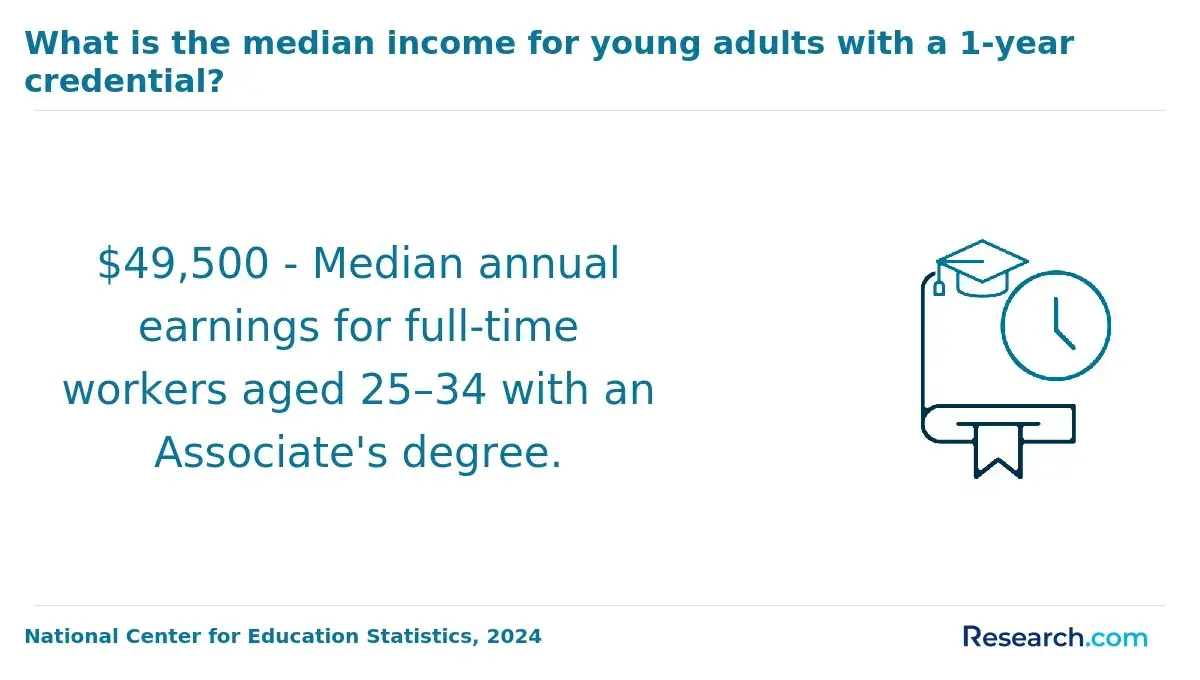
Government and public-sector positions for general studies degree holders consistently demonstrate stronger employment stability compared to similar roles in the private sector-this is supported by data from the Bureau of Labor Statistics, the Office of Personnel Management, and the National Association of State Personnel Executives.
- Unemployment Rates: General studies graduates working in federal, state, or local government typically face lower unemployment rates, reflecting the steady demand for essential public services that are less vulnerable to economic downturns.
- Layoff Frequency: Government roles experience fewer layoffs or position eliminations, especially those covered by civil service protections. Budget cuts and recessions tend to pose less immediate risk thanks to retention policies that prioritize job preservation in the public sector.
- Career Tenure: Public-sector employees with general studies backgrounds often benefit from longer tenures, driven by structured advancement opportunities, pension plans, and benefits that encourage career longevity compared to the higher turnover seen in private firms.
- Common Public-Sector Roles:
- Federal agency jobs generally focus on administrative support, regulatory assistance, or community programs-areas with robust employment security for general studies graduates.
- State and local positions often include social services, public administration, and education support-fields protected by steady funding and civil service systems.
- Public universities and research institutions combine academic and administrative roles that typically offer good long-term stability.
- Quasi-governmental organizations provide hybrid employment models with relatively stable jobs, though they may face slightly higher layoff risks than direct government positions.
- Trade-Offs: While public employment often starts with lower salaries than private-sector jobs, total compensation packages-encompassing pensions, generous leave, and benefits like public service loan forgiveness-can yield greater financial security over an entire career for those concerned with risk.
- Decision Factors for Graduates:
- General studies graduates preferring minimal unemployment risk and more predictable benefits may find government careers a better fit.
- Conversely, individuals seeking higher earnings and faster advancement might choose private-sector jobs despite the increased risk of job loss.
- This analysis encourages a careful evaluation of financial goals and risk tolerance rather than defaulting to either public or private employment without thorough consideration.
Licensure and certification play a vital role in supporting general studies degree holders by creating legally enforced entry barriers that reduce unemployment risk. Many common career paths within general studies-including education, social work, and human resources-require state-issued licenses or certifications maintained by professional boards. For example, teaching positions often mandate state teaching credentials, while clinical social workers must obtain licenses such as the LCSW. These mandatory requirements restrict the labor supply to credentialed individuals only, limiting employer substitution with unlicensed workers, which stabilizes demand and employment even during downturns.
Economically, professional licensure functions by legally restricting who may practice certain professions. Employers cannot replace licensed professionals with uncredentialed workers, which leads to a durable demand floor for credentialed general studies practitioners. A recent Bureau of Labor Statistics study found that occupations with mandatory licensure experience about 30% lower unemployment during recessions than comparable unlicensed occupations.
Beyond mandatory licenses, many general studies careers recognize voluntary certifications that act as effective hiring filters despite lacking legal requirements. Credentials like the SHRM-CP (Society for Human Resource Management Certified Professional) and the Certified Social Work Case Manager designation verify competency and narrow applicant pools, thereby reducing competition and unemployment risk.
To build a strategic credential acquisition plan, general studies degree holders should:
- Required Licensure: Prioritize credentials legally necessary to enter and practice in the field-these ensure job eligibility and safeguard against unemployment spikes.
- Recognized Certifications: Pursue well-regarded professional certificates to improve employability and reduce competition in crowded markets.
- Cost-Benefit Analysis: Avoid overinvesting in credentials that have limited labor market impact relative to their cost and preparation time.
This differentiated approach enables early-career professionals to align credentialing efforts with market realities in credential-dependent sectors, thereby enhancing employment stability over the long term.
Geographic location significantly shapes unemployment risk for general studies graduates due to differing labor demands, industry diversity, and economic stability across metropolitan areas and states. Regions with high concentrations of healthcare facilities-such as Boston and Minneapolis-offer more stable opportunities by employing graduates in administrative and support roles. Government centers like Washington, D.C., and financial hubs including New York City provide relatively low unemployment risk by maintaining diverse institutional employers that buffer local economic fluctuations. This geographic unemployment risk for general studies graduates varies markedly, tied closely to regional unemployment trends for general studies degree holders.
In contrast, rural areas or regions dominated by single industries such as manufacturing expose graduates to longer job searches and elevated unemployment risk, driven by greater sensitivity to recessions and automation. The rise of remote work has introduced a new dimension-some roles focused on communications, project coordination, or digital content management allow graduates to bypass local constraints, effectively expanding their labor market from local to national or global.
Conducting a geographic labor market analysis using BLS metropolitan employment data, LinkedIn job posting filters, and regional wage benchmarks is essential for graduates assessing whether to remain in place, relocate, or pursue remote-compatible career paths. Areas like Seattle, Raleigh, and Denver currently outperform the national average in demand and wage growth for general studies professionals, reflecting structural advantages in industry diversity and economic resilience.
- Regional Demand: Healthcare corridors, government employment centers, and financial clusters show higher employment density and lower unemployment risk than primarily industrial or rural locations.
- Structural Factors: Diverse local economies shelter jobs from downturns and automation impacts more effectively than single-industry regions.
- Remote Work: Compatible specializations expand the accessible labor market, reducing geographic unemployment exposure.
- Labor Market Analysis: Utilizing BLS data and job posting geographies guides strategic relocation or remote career decisions.
- Recent Trend: A 2023 study found over 40% of general studies-related job ads nationwide offer partial or full remote options, increasing geographic flexibility.
Graduates seeking to enhance employment stability may consider supplementing their degrees with targeted certifications-such as accredited bookkeeping courses-to improve credentials and widen job prospects within stable sectors.
The susceptibility of careers within general studies to automation and technological disruption varies significantly based on the nature of tasks involved. Drawing from the McKinsey Global Institute's automation susceptibility framework, Oxford Martin School's occupational probability research, and MIT's task-level automation analysis, it is clear that general studies careers most vulnerable to automation in the United States tend to involve routine, rule-based activities and standardized processes.
- Administrative Support: Careers heavily centered on routine data entry, document review, standardized decision processes, and scheduling tasks fall into the highest vulnerability category. Automation technologies have rapidly advanced in areas like pattern recognition and workflow optimization, enabling machines to replace or substantially reduce the workload of human administrators.
- Customer Service and Client Interaction: Roles involving repetitive answering of standard queries or basic problem resolution are exposed, especially as AI-driven chatbots and voice-response systems improve. While some automation currently supplements workers, fully automated service provision is increasingly feasible across many sectors.
- Basic Data Processing and Analysis: Functions that rely on pattern matching, transaction processing, and standardized report generation are vulnerable, particularly when they lack complex, context-dependent judgment. Robotic process automation tools can complete these tasks faster and with fewer errors.
Conversely, general studies professionals engaged in non-routine problem-solving, interpersonal judgment, ethical oversight, or creativity show far less exposure to technological disruption risks for general studies degree holders. Such roles typically require nuanced interpretation, high-complexity domain knowledge, or management of automated systems, meaning automation generally supplements rather than replaces human effort.
For those targeting high-automation-risk general studies pathways, mid-career transitions are likely as automation reshapes role requirements. Developing skills in human judgment, complex communication, and technology management will position individuals as indispensable practitioners who design, supervise, and enhance automated systems instead of competing against them.
It is crucial to understand that automation susceptibility scores are probabilistic-not deterministic. The pace and extent to which automation affects any specific general studies career depend on employer willingness to invest, regulatory environments, technology maturity, and geographic labor market conditions, all of which vary widely. Prospective students may also explore specialized programs at an online college for military learners that integrate these competencies within their curricula.
Graduate degrees provide measurable advantages for general studies graduates by lowering unemployment rates and enhancing earnings across many fields. Research from Georgetown University Center on Education and the Workforce and BLS data indicate that advanced degrees typically reduce unemployment by 2 to 4 percentage points compared to bachelor's-only holders and can deliver salary boosts ranging from 20% up to more than 50%, depending on specialization.
Certain graduate credentials are especially effective at reducing unemployment risk for general studies students:
- Professional Master's Programs: Credentials in law, clinical practice, or engineering often include licensure eligibility, limiting competition and securing longer-term employment prospects.
- Research-Oriented Master's and Doctorates: These enable entry into specialized practitioner and research roles with limited labor supply, insulating graduates from job market volatility.
- MBA Degrees: Business administration programs open pathways to leadership and management careers, addressing common advancement ceilings faced by general studies bachelor's graduates.
Evaluating graduate education as an unemployment risk mitigation strategy requires clear consideration of costs and time investment:
- Cost and Duration: Programs generally span 1 to 4 years, with tuition fees ranging from $20,000 to over $100,000 depending on the institution and field.
- Opportunity Cost: Time spent in graduate school represents lost wages and professional experience, potentially delaying career progression.
- Break-Even Analysis: Data-driven studies highlight the necessity for salary increases and unemployment risk reductions to offset educational expenses within a reasonable timeframe.
Alternatives such as professional certifications, smart employer selection, relocation, or targeted specialization might provide comparable reductions in unemployment exposure with less financial and temporal commitment. Those holding or pursuing general studies degrees should weigh these options carefully to craft the most effective strategy for sustainable career resilience.
Entry-level roles that reliably lead to long-term employment stability often exist within structured career lattices-positions characterized by clear promotional pathways, strong retention, and skill development valued across industries. Data from the NACE First-Destination Survey, LinkedIn alumni trajectories, and BLS occupational mobility research highlight several such pathways for general studies graduates.
- Administrative Coordinator: These roles are common entry points in sectors like healthcare, education, and government-industries known for internal promotion and long employee tenures.
- They develop organizational and communication skills that transfer easily across fields.
- Advancement typically occurs within 2-4 years into supervisory or specialist positions, marking solid career progression.
- Employers with strong retention reputations provide stable environments that enhance job security.
- Human Resources Assistant: Exposure to workforce compliance and management in these roles opens avenues into talent acquisition, employee relations, or labor law.
- Industry versatility reduces vulnerability to sector-specific downturns.
- Mid-level HR generalist or specialist roles are often attainable within 3-5 years, signaling durable career momentum.
- Early certification acquisition improves credentials and bolsters upward mobility.
- Project Support Specialist: Positions in technology, construction, and nonprofits exhibit high internal promotion rates due to operational complexities.
- Skills acquired-such as scheduling and stakeholder coordination-are widely applicable.
- Promotions to project coordinator or management roles usually occur after 2-3 years, indicating key career milestones.
- Employment with organizations that follow certified project management frameworks correlates with lower unemployment risk.
- Customer Service Representative in Regulated Industries: Roles in utilities, finance, and healthcare benefit from regulated sectors' norms promoting longer employee tenures.
- Higher retention rates increase chances of advancement to specialized or compliance functions.
- A tenure exceeding 3 years with employer promotions signals a stable career foundation.
- Professional networks developed in these environments enhance resilience during economic downturns.
Evaluating entry-level career opportunities through the lens of long-term stability requires prioritizing jobs that enable early credential attainment and reside within industries with strong upward mobility and retention cultures. Geographic choices that favor diverse metropolitan markets and specializations aligned with growth sectors further reduce unemployment exposure. Early career decisions-including selecting employers with proven supportive cultures-play a decisive role in shaping career trajectories, ensuring that general studies practitioners can navigate a dynamic labor market with reduced long-term risk.
What Graduates Say About the General Studies Degree Careers With the Lowest Unemployment Risk
- Lawrence: "Choosing a general studies degree led me to discover career specializations like project management and healthcare administration, which showed remarkably low unemployment risks. I found that industries such as technology and education are especially welcoming to graduates who pair their degrees with relevant certifications. One thing I learned quickly-adapting my credentialing throughout entry-level to senior stages made all the difference in maintaining job security."
- Irene: "Reflecting on my journey with general studies, the diversity of geographic markets offering opportunities blew me away-especially in urban centers like New York and international hubs such as London. Credentialing strategies that emphasize mid-career certifications in data analysis helped me stay ahead in these competitive markets. Low unemployment risk in fields like public relations and human resources validated my decision to continually upgrade my skills."
- Cameron: "My experience with a general studies degree has been both challenging and rewarding-particularly when focusing on specializations like supply chain management and sustainability. Industries such as manufacturing and government agencies demonstrated consistently low unemployment rates for credentialed professionals at all career stages. I learned early on-strategic credentialing during senior practitioner years was key to thriving in these fields."
Other Things You Should Know About General Studies Degrees
In 2027, general studies graduates pursuing careers in healthcare administration, data analysis, and education typically face the lowest unemployment risks. These fields consistently show strong demand for skilled professionals, providing stability and growth opportunities despite fluctuations in the job market.
Mid-career roles in project management, organizational leadership, and communications are among the most in-demand for general studies graduates. These tracks benefit from the degree's emphasis on critical thinking, problem-solving, and interpersonal skills. Graduates who supplement their studies with certifications in these areas tend to secure better job prospects and lower unemployment risk as they progress.
Internships and part-time work in relevant offices, nonprofits, or customer-facing roles lower unemployment risk by building experience employers screen for. Many entry-level jobs ask for 3–6 months of practical experience, and some fields also value volunteer supervision, project management, or administrative software skills.
Economic recessions tend to increase unemployment rates across all fields, including those associated with general studies degrees. However, careers in government, education, and healthcare typically experience less volatility. Graduates working in less recession-resilient sectors-such as marketing or administrative support-may see sharper rises in unemployment during downturns, highlighting the importance of selecting resilient specializations.
- Microsoft Study Reveals Which Jobs Are Most Vulnerable to AI. Is Your Position at Risk? https://www.investopedia.com/which-jobs-are-most-vulnerable-to-ai-11862053
- Infographic: Which Fields of Study Are (Not) Leading to Jobs? https://www.statista.com/chart/35108/unemployment-by-field-of-study/
- Why a College Degree No Longer Guarantees a Good Job https://thefulcrum.us/money-politics/college-graduate-unemployment-rate
- A General Studies Degree Is a Launchpad for Career Changers https://www.tuw.edu/gen-ed/general-studies-degree-benefits/
- Majors That Will Remain Employable After AI Disruption (Next 10 Years) https://goelite.com/blogs/majors-in-ai-age
- 10 Degrees With The Lowest Employment Rates | Student Blog UK | Accommodation for Students https://www.accommodationforstudents.com/student-blog/10-degrees-with-the-lowest-employment-rates
- Want a Job After Graduation? Majors to Avoid & Ones to Pursue | Edvisors https://www.edvisors.com/blog/majors-by-unemployment-rate/
- Replace Degrees with Competency in Licensing - Libertas Institute https://libertas.institute/occupational-licensure/replace-degrees-with-competency-in-licensing/
- College Grads’ Job-Finding Advantage Shrinks to Historic Low https://www.shrm.org/topics-tools/news/talent-acquisition/college-grads-job-finding-shrinks-historic-low
- Top 10 Highest Paying Jobs With General Studies Degree 2025 | Nexford University https://www.nexford.edu/insights/highest-paying-jobs-with-general-studies-degree