2027 Which General Studies Degree Careers Offer the Best Work-Life Balance?

Co-Founder and Chief Data Scientist
Choosing careers in general studies that provide a strong work-life balance can be challenging due to the field's broad scope and varied job roles. Many graduates face uncertainty about which paths offer manageable hours and flexibility without sacrificing career growth. A 2025 survey revealed that 63% of professionals with a general studies background prioritize flexible schedules when selecting roles, reflecting growing demand for balance alongside earnings.
This article explores specific career options within general studies, comparing their work-life balance characteristics, to guide prospective and current students toward informed decisions that align with their personal and professional goals.
Key Points About General Studies Careers With Good Work-Life Balance
- Careers such as academic advisor, education coordinator, and communications specialist offer strong work-life balance with moderate stress scores, average salaries around $50,000, and steady job growth.
- General Studies careers typically report lower burnout rates and higher job satisfaction compared to national averages, supporting sustained employee retention in these roles.
- Employment outlook for these positions remains positive, with 8% projected growth and stable demand driven by evolving educational needs and cross-disciplinary skills.
Is working in the General Studies industry demanding?
Careers in general studies often require juggling a broad range of skills and knowledge areas, which can create unique challenges. Professionals frequently handle diverse responsibilities that demand adaptability and effective time management. While not always facing high-risk decision-making like specialized fields, many roles involve important choices, especially in educational or administrative positions, where outcomes impact multiple stakeholders.
The level of technical expertise expected varies, with some jobs emphasizing analytical or project leadership skills, and others focusing on communication and coordination. Fast-changing deadlines and shifting workplace priorities can heighten pressure, making it difficult to maintain a steady workflow. Regulatory demands also add complexity, particularly for those in public institutions who must keep up with evolving policies and compliance standards. Research indicates that around 38% of individuals in general studies professions experience moderate to high levels of stress, which often affects their balance between work and personal life.
When discussing these demands with a general studies professional who completed an online bachelor's program, he described the experience as "a constant balancing act." He noted that "the variety of tasks keeps things interesting but also makes it easy to feel overwhelmed." He explained that adapting to frequent changes "requires patience and flexibility," while maintaining communication between diverse teams can be "emotionally taxing." Despite these challenges, he found that "learning to prioritize and set boundaries has been essential" for managing stress and sustaining a fulfilling career path.
Which General Studies careers are known to offer the best work-life balance?
Several careers within the general studies field offer a strong mix of professional growth and personal flexibility. In fact, studies show that nearly 40% of roles in this area provide flexible schedules, making them some of the best general studies careers for work-life balance. Below are five prominent career paths known for their manageable workloads and adaptability.
- Education Coordinator: These professionals plan and organize educational programs, often within community organizations or schools. Their structured hours and opportunities for remote work make it easier to maintain a healthy balance between work and personal time.
- Corporate Trainer: Working mainly during regular business hours, corporate trainers benefit from part-time or remote work options. With minimal overtime, about 75% rate their jobs as excellent for work-life balance, which appeals to those seeking high work-life balance jobs with a general studies degree.
- Human Resources Specialist: HR specialists manage employee relations and benefits with mostly predictable hours. Telecommuting possibilities and a typical 40-hour workweek help prevent burnout and contribute to a more balanced lifestyle.
- Research Assistant: Often employed by academic or nonprofit organizations, research assistants enjoy flexible scheduling and remote work options. According to a 2025 study, they experience 20% less work-related stress than other entry-level roles, making this a favorable choice for those valuing work-life balance.
- Project Manager: These coordinators oversee teams and deadlines but increasingly rely on digital tools to work remotely and manage workloads efficiently. With employers encouraging time management, project managers typically work 40 to 45 hours weekly without excessive overtime.
For students focused on flexibility and career accessibility, exploring options tied to the best general studies careers for work-life balance can be especially rewarding. Those interested in combining educational goals with affordable pathways may also consider programs such as the cheapest online masters in artificial intelligence, which provide further specialization along with manageable schedules.
Are there non-traditional careers for General Studies professionals that offer better flexibility?
General studies graduates possess a versatile skill set that enables them to successfully transition into non-traditional careers, many of which provide enhanced flexibility and autonomy. A recent survey found that 68% of adult education specialists enjoy a better-than-average work-life balance, showcasing the potential benefits of these alternative fields. Below are several promising roles that highlight flexible career options for general studies graduates.
- Content strategist or freelance writer: These roles offer the ability to work remotely and manage one's own schedule, making them ideal for those seeking autonomy outside typical business hours. Selecting projects and clients personally can reduce burnout, supporting a healthier work-life balance.
- Project coordinator in nonprofit or small business settings: With flexible hours and collaborative cultures, these positions allow professionals to engage meaningfully with community-focused missions. The dynamic nature of the work keeps it interesting and less routine-driven compared to traditional corporate roles.
- Corporate training and development specialist: Leveraging broad knowledge bases, individuals design and deliver educational programs often offered in remote or hybrid formats. This emerging field highlights improved work-life balance, making it an attractive alternative for general studies professionals.
- User experience researcher or instructional designer: Blending analytical skills with creativity, these careers offer flexible deadlines and frequent remote work options. They particularly value diverse intellectual backgrounds and prioritize quality, enabling graduates to excel without rigid schedules.
For students interested in advancing their education while maintaining flexible career trajectories, exploring affordable business degree online programs can be a strategic step. Overall, these non-traditional job paths with work-life balance for general studies professionals provide meaningful alternatives that align both with personal well-being and professional growth.
Most general studies professionals follow a typical 40-hour workweek, generally working Monday through Friday during daytime hours. While many roles maintain standard business hours, occasional overtime may be required, especially during busy project phases or important deadlines. Entry-level positions often offer predictable schedules with limited after-hours work.
Workloads are usually manageable within normal hours, though certain subfields tied to academic or consulting environments might demand extra time during peak periods like enrollment or fiscal year-end. Flexible arrangements, including remote work and adjustable schedules, are increasingly common and help accommodate personal commitments.
These scheduling patterns generally support a healthy work-life balance, allowing professionals to keep evenings and weekends free except when seasonal demands arise. Senior roles or consulting positions tend to offer more flexibility but sometimes require longer hours to meet strategic goals. Overall, the typical work schedule in general studies supports time for both career and personal life.
The responsibilities in general studies careers often shape the pace and intensity of the workday, directly influencing overall work-life balance. Data shows that about 62% of graduates in these fields find roles with a manageable mix of deep and reactive work. Below are some typical responsibilities that define daily tasks and schedules in general studies jobs.
- Research Focus: Conducting research is a central responsibility, involving gathering and synthesizing information. This task demands sustained attention and often consumes the largest portion of work hours, requiring strong analytical skills and focus.
- Communication Duties: Effective communication-both written and verbal-is essential for collaboration with colleagues and stakeholders. These interactions include a blend of planned meetings and spontaneous conversations, requiring adaptability and interpersonal skills.
- Administrative Tasks: Routine activities such as organizing schedules, preparing reports, and managing correspondence support the workflow. These duties are typically less mentally taxing but are necessary for maintaining operational efficiency.
- Balancing Deep and Reactive Work: Professionals often juggle deep tasks like strategic planning or creative development alongside reactive duties such as answering emails or attending meetings. This balance influences workday fragmentation and flexibility.
Many general studies roles allow flexibility in time management, which can promote better work-life integration depending on the industry and position. For those interested in advanced education pathways within these careers, pursuing a doctorate of education can be a beneficial step toward leadership roles.
Almost half of the professionals holding general studies degrees now perform their jobs remotely or in hybrid formats, reflecting a notable shift toward flexible work arrangements. Positions such as academic advising, curriculum development, research coordination, and communications frequently support these models due to their reliance on digital tools and independent work. This flexibility often enhances work-life balance by reducing commuting time and allowing greater control over daily schedules.
However, sectors requiring face-to-face contact, like social services or hands-on educational support, face limitations in adopting remote work because of confidentiality concerns and the need for direct interaction. Such roles may find it challenging to replicate the same level of service virtually. Additionally, some professionals experience increased stress from the blending of home and work environments without clear boundaries, highlighting the importance of effective time management.
A hybrid approach often offers the best compromise, combining remote work's convenience with necessary in-person engagement. For individuals pursuing careers in general studies, embracing these flexible opportunities can be key to achieving improved work-life balance while meeting sector-specific demands.
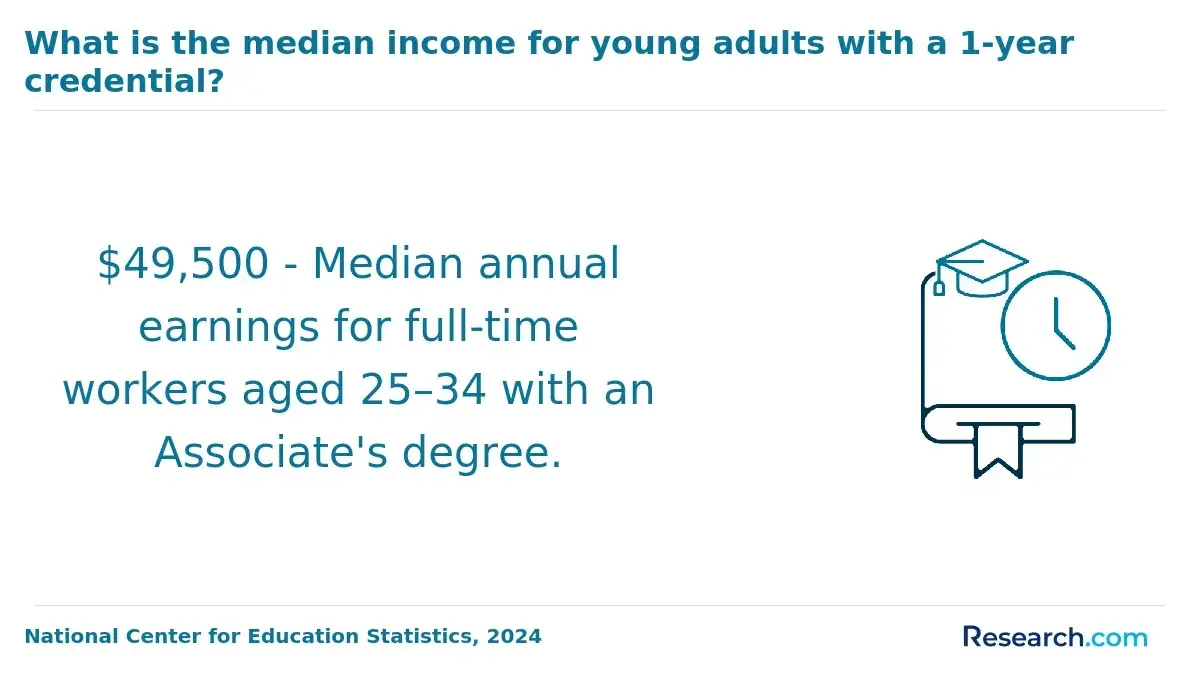
Graduates with a general studies degree often enter mid-level roles in administration, education, or human services, where median annual salaries typically range between $40,000 and $60,000. These positions usually demand a broad skill set rather than specialized expertise, aligning with general studies' interdisciplinary nature. The average cost of earning a bachelor's degree in general studies is approximately $30,000 to $50,000, suggesting a moderate return on investment relative to earnings potential.
Research indicates that 62% of general studies graduates working in flexible or part-time jobs report better work-life balance, despite earning around 15% less than their full-time counterparts. This trade-off is often offset by benefits such as paid leave, remote work options, and flexible schedules. While the income associated with these careers generally matches the moderate job demands, individuals prioritizing balance over high earnings can find satisfactory financial and personal outcomes in these roles.
Overall, general studies careers tend to offer reasonable compensation combined with manageable workloads, making them a suitable choice for those valuing work-life balance without excessive professional strain.
Careers in general studies typically involve a moderate cognitive load that can be managed effectively throughout a 40-year work life. Many roles, such as educational coordinators or community outreach specialists, require mental engagement without overwhelming pressure, especially when paired with balanced work-life habits. Professionals in these fields often experience mental demands that are challenging but not exhausting, contributing to steady long-term career satisfaction.
However, some positions within the general studies spectrum, particularly those with high administrative responsibilities or fast-paced education environments, present greater cognitive challenges. These roles often demand multitasking and constant problem-solving, which can increase stress and mental fatigue over time. Despite this, many general studies careers remain sustainable, as those focused on communication and interdisciplinary skills allow for adaptability, reducing repetitiveness and allowing professionals to maintain engagement and energy well into later career stages.
When asked about his experience, a general studies professional reflected that the mental demands were manageable but required intentional stress management techniques. He mentioned, "Balancing deadlines and diverse responsibilities was often tough, especially early on." Yet, he also noted that learning to prioritize and setting clear boundaries "made the workload feel less daunting." His routine of scheduling breaks and connecting with supportive colleagues helped him maintain focus and enthusiasm, making the career sustainable and rewarding over the long term.
The initial job offer is a crucial opportunity for aspiring general studies professionals to set clear boundaries that support work-life balance. Research shows that 62% of general studies employees who negotiated flexible work conditions experienced higher job satisfaction and better performance. Below are practical strategies for negotiating improved work-life balance in general studies careers.
- Highlight Flexibility Through Adaptability: Emphasize your ability to manage diverse, interdisciplinary tasks efficiently. This quality supports requests for flexible schedules without sacrificing productivity, a key factor employers respect in general studies roles.
- Leverage Project Management Skills: Showcase how you successfully balance multiple responsibilities simultaneously, which aligns well with remote or hybrid work models common in education and administration sectors.
- Propose Results-Oriented Metrics: Suggest measurable goals focused on outputs rather than strict hours. Framing your negotiation around results builds employer trust and encourages performance-based flexibility.
- Use Industry Benchmarks: Reference typical timelines for curriculum development or administrative processes to justify staggered hours or compressed workweeks, demonstrating your understanding of organizational efficiency.
- Address Commute Reduction Benefits: Point out that minimizing travel time through remote work options can enhance engagement and lower burnout, an important consideration in academic advising or community outreach positions.
Approaching work-life balance negotiations as a mutually beneficial collaboration can improve creativity and retention in general studies careers. For students seeking to enhance career flexibility in education or administration, those exploring social media degree programs may find additional strategies applicable across interdisciplinary roles.
Aspiring professionals in general studies should look beyond flexible work schedules for general studies professionals and carefully evaluate the organizational culture of potential employers, as it greatly affects long-term work-life balance. Below are several key employer traits that can promote a balanced lifestyle in this field.
- Flexible Scheduling: Employers offering flexible hours or remote work options allow employees to tailor their workdays to personal needs, greatly reducing stress. Green flags include clear policies on telecommuting and options for adjusted start and end times.
- Wellness Programs: Companies with comprehensive mental health and stress management resources demonstrate a commitment to holistic employee well-being. Prospective candidates should ask about these during interviews to ensure support beyond just the basics.
- Supportive Leadership: Management that actively encourages setting work boundaries and taking personal time can prevent burnout. Asking how teams manage peak workloads without excessive overtime reveals a workplace's respect for employee balance.
- Professional Development: Employers who provide ongoing training specifically tailored to general studies professionals while avoiding excessive off-hours demands help employees grow without sacrificing personal time.
- Clear Workload Expectations: Transparent communication about average weekly hours and availability requirements avoids surprises and helps employees plan their time effectively.
Job seekers benefit from reviewing online employee feedback and industry forums to confirm that employer policies align with actual practice. For those wondering what are the cheapest online colleges that offer degrees enabling such flexibility, research.com offers a helpful resource.
What Graduates Say About Having General Studies Careers With Good Work-Life Balance
- Lawrence: "Choosing a career path after earning my degree in general studies was surprisingly rewarding. The workload tends to be well-balanced, which allowed me to manage my time effectively between professional projects and personal interests. Additionally, the income level combined with a supportive work culture made it easier to maintain a healthy work-life balance, which ultimately contributed to my overall job satisfaction."
- Yitzchok: "Reflecting on my experience in the general studies field, I appreciate how the work demands are challenging yet manageable. The environment encourages collaboration and growth, which aligns well with my personal values. While the income is steady, it's the positive work culture and job flexibility that truly make this career fulfilling and sustainable over time."
- Cameron: "From a professional standpoint, a career grounded in general studies offers a unique blend of intellectual stimulation and work-life balance. The workload can be intense during peak times, but the compensatory income coupled with a respectful, inclusive culture makes it worthwhile. I find great satisfaction in knowing that my work contributes meaningfully while still leaving room for family and self-care."
Other Things You Should Know About General Studies Degrees
Graduates with a general studies degree develop strong critical thinking, communication, and problem-solving skills. These versatile abilities allow them to adapt to various roles and work environments, often leading to flexible job options. Such adaptability helps maintain a manageable workload and supports a healthier work-life balance.
Continuing education plays a key role in keeping skills current, which can open doors to less stressful or more flexible positions. Staying updated through workshops, certifications, or advanced degrees enables professionals to shift into roles that better suit their lifestyle preferences. This proactive approach can reduce job strain and enhance work-life balance over time.
Yes. Many federal, state, and local government jobs tied to general studies degrees use 37.5- to 40-hour workweeks, Monday through Friday schedules, and paid holidays. Most follow civil service rules, with set leave policies and formal overtime approval requirements.
General studies graduates often find favorable work-life balance in industries such as education, nonprofit organizations, and government services. These fields tend to offer stable hours, predictable workloads, and benefits supportive of personal time. Choosing an industry aligned with these characteristics can significantly enhance work-life balance.
- Work-life balance information for employers l Hays https://www.hays.net.nz/employer-insights/management-issues/work-life-balance
- Is a General Studies Degree Worth It? https://abound.college/finishcollege/advice/is-a-general-studies-degree-worth-it/
- The Ultimate Guide to Understanding the Importance of Work-Life Balance and How To Maintain It https://www.eirkoo.ie/insights/the-ultimate-guide-to-understanding-the-importance-of-work-life-balance-and-how-to-maintain-it/
- 5 ways employers can provide a work-life balanced environment | First Reference https://www.firstreference.com/blog/5-ways-employers-can-provide-a-work-life-balanced-environment/
- How To Study With A Full Time Job https://blog.alexanderfyoung.com/how-to-study-with-a-full-time-job/
- 12 Tips to Achieve a Healthy Work-Life Balance https://www.betterup.com/blog/how-to-have-good-work-life-balance
- Rethinking work-life balance: A researcher's guide to designing a sustainable academic life https://www.researchmasterminds.com/blog/rethinking-work-life-balance
- 70 workplace stress statistics you need to know in 2024 https://www.spill.chat/mental-health-statistics/workplace-stress-statistics
- How can HR support a better work-life balance? https://www.sage.com/en-gb/blog/hr-support-better-work-life-balance-workplace/
- Bridging the Work-Life Balance Gap: Aligning Employee and Employer Expectations in 2024 and Beyond https://balancedscorecard.org/blog/bridging-the-work-life-balance/