
2027 Best Career Pivot Options for People With a General Studies Degree

Co-Founder and Chief Data Scientist
Many graduates with a general studies degree face uncertainty about their career direction-struggling to translate broad academic skills into concrete job opportunities. Nearly 45% of general studies graduates report difficulty identifying accessible entry-level roles aligned with their diverse competencies.
This challenge is compounded by the rapidly evolving job market-where high-growth sectors demand specialized credentials yet value flexible, transferable skills. Strategic credential acquisition, effective resume reframing, targeted networking, and understanding industry demands become essential tools for a successful pivot. This article explores these critical areas-offering a data-driven roadmap to help general studies degree holders navigate career transitions with tangible, long-term outcomes.
Key Things to Know About the Best Career Pivot Options for People With a General Studies Degree
- General studies graduates excel in transferable skills-critical thinking, communication, and adaptability-enabling entry into roles like project coordinator or marketing assistant in growing sectors such as healthcare and technology.
- Credentialing through targeted certifications-like digital marketing or data analysis-enhances employability, while strategic resume reframing highlights interdisciplinary strengths to attract hiring managers.
- Networking via professional associations and online platforms boosts opportunities; these pivots often lead to sustainable, high-growth careers with median wages exceeding $60,000 within five years.
What Career Pivot Options Are Available to People With a General Studies Degree?
Career pivoting has become a mainstream strategy driven by evolving economic conditions, shifting industry demands, and personal growth goals. Data from the Bureau of Labor Statistics shows that the average worker changes careers multiple times during their life, highlighting the professional legitimacy of career reinvention.
This trend strongly benefits individuals with a general studies degree, a credential prized for broad transferable competencies rather than narrow technical skills. Graduates with this background often excel by leveraging adaptable abilities across diverse sectors.
Research from the National Association of Colleges and Employers confirms that those with versatile academic profiles-such as general studies graduates-thrive in varied roles owing to strengths in critical thinking, communication, and problem-solving. LinkedIn Workforce Insights further reveals that professionals holding liberal arts or multidisciplinary degrees frequently transition fluidly between industries, capitalizing on their wide-ranging skill sets without being confined to one specialty.
Common entry-level careers for general studies graduates align with several key pivot directions:
- Business and Administration: These roles rely on organizational and analytical skills-positions like project coordinator, operations analyst, or administrative manager represent accessible entry points.
- Education and Training: Graduates use their broad knowledge and communication talents in instructional design, corporate training, or adult education.
- Human Resources and Recruitment: This path leverages interpersonal skills and organizational insight, with opportunities as HR assistant, recruiter, or talent acquisition specialist.
- Marketing and Communications: The ability to communicate clearly opens doors to digital marketing, content creation, social media management, and public relations.
- Information Technology Support: Although not deeply technical, some graduates supplement their foundations with certifications to pivot into IT support or systems coordination roles.
Each career pivot rests on the core logic of emphasizing communication, management, or coordination rather than specialized technical expertise. For those exploring career pivot options for people with a general studies degree, strategies like attaining industry-specific credentials, strategic networking, and resume reframing are essential.
Many also pursue further education-such as the cheapest online MBA programs-to unlock higher compensation and broader career horizons.
This comprehensive guide will help graduates and career changers at any stage to evaluate professional pivot possibilities thoughtfully-demonstrating that a general studies degree is far from limiting and instead serves as a foundation for resilient, adaptable career pathways.
Which Industries Outside the Traditional General Studies Field Hire General Studies Degree Holders?
Many industries beyond the traditional general studies employment pipeline actively recruit graduates with a general studies degree due to their broad critical thinking, communication, and analytical skills. Using BLS Occupational Employment and Wage Statistics, Lightcast labor market analytics, and LinkedIn Talent Insights, several sectors stand out as consistent employers of general studies degree holders, ranked here by hiring volume.
- Healthcare Administration: This field hires general studies graduates for operations, patient coordination, and healthcare communications roles that do not require clinical credentials. Graduates commonly fill entry-level administrative positions, medical records management, and patient liaison roles. Credential relevance increases when combined with health system knowledge or certifications.
- Financial Services: Banks, credit unions, and insurance companies employ graduates for customer service, compliance, and administrative functions. Positions include client services, operations support, and junior analyst roles. Employers often require additional financial literacy or training for recognition.
- Government and Public Administration: Federal, state, and local agencies consistently hire for program coordination, policy support, and constituent services. These roles include administrative specialists, research assistants, and outreach coordinators. Many agencies explicitly accept general studies degrees, especially for entry- to mid-level roles.
- Education and Training Services: Beyond classroom teaching, this sector hires graduates for curriculum development, academic advising, and instructional program management. Positions include academic advisors and training coordinators, with credential relevance enhanced by instructional certifications.
- Marketing and Communications: Organizations seek graduates for content creation, social media, and communications roles, such as marketing assistants and copywriters. Degree recognition depends heavily on experience and portfolios rather than direct credential pipelines.
- Nonprofit and Social Services: Graduates often fill roles in community outreach, fundraising, and program management, including case managers and volunteer coordinators. The credential is valued for its versatility but combined experience and passion are decisive.
- Information Technology Support: Though technical IT roles typically require specialized degrees, some entry-level help desk and technical customer support jobs are accessible with demonstrated problem-solving and communication skills. Supplementary certifications improve career progression in this field.
Career changers should note the difference between industry-switching and role-switching-transitioning into a new industry while maintaining familiar functional strengths (such as research or communications) usually demands fewer new credentials than shifting to an entirely different role. Strategically, leveraging existing skills can ease the pivot across industries.
Informational interviews with general studies graduates already working in high-growth industries hiring general studies graduates offer invaluable insight. These conversations help uncover how others framed their degrees in applications, gained necessary supplemental credentials, and navigated workplace cultures. They can turn broad industry overviews into personalized, actionable employer lists tailored to your career goals.
Those exploring career opportunities for general studies degree holders may also consider further education options-for example, exploring accelerated MSW programs online-to enhance credentials in social services and nonprofit sectors.
What Transferable Skills Does a General Studies Degree Provide for Career Changers?
A general studies degree equips career changers with broad, adaptable skills in critical thinking, communication, and interdisciplinary problem-solving. Employers value how these candidates can quickly learn new domains, synthesize information from different fields, and adapt their abilities to a wide range of roles and industries.
Critical Thinking: General studies programs train students to dissect complex issues and assess information from varied sources. This ability is crucial in policy analysis, evaluating regulatory effects, and consulting, where resolving diverse client challenges is routine.
Effective Communication: Emphasis on clear writing and speaking equips graduates to excel in marketing communications, crafting compelling messages, and human resources, where clear dialogue supports employee relations and training.
Research Proficiency: Many general studies courses develop skills in both qualitative and quantitative research. These competencies enhance roles in user experience research, interpreting user behavior to improve designs, and market research, guiding strategic business decisions.
Interpersonal Skills: Collaborative assignments foster teamwork, active listening, and negotiation-key in client-centered positions such as sales or social work, where building rapport and cooperation is essential.
Adaptability: The interdisciplinary curriculum helps graduates learn swiftly and adjust to evolving environments, a strength valued in dynamic fields like technology and healthcare administration.
Time Management: Managing varied coursework hones prioritization and deadlines, benefiting project management and administrative roles that juggle multiple responsibilities efficiently.
Job seekers should actively map these transferable skills by reviewing academic projects, internships, or part-time jobs that reflect these competencies. For instance, a research paper synthesizing diverse sources exemplifies critical thinking, while a group project demonstrates teamwork and communication.
Documenting such examples sharpens how these skills are showcased in resumes and interviews, since employers rarely assume candidates connect the dots themselves.
Communicating your transferable skills effectively demands practice. Upcoming sections will guide readers on reframing resumes and networking strategically-crafting narratives that translate a general studies credential into language that appeals in target industries.
A professional who earned a general studies degree shared that initially, "It felt overwhelming to pinpoint how my broad coursework applied beyond academics." He approached this by listing every project and role, then linking each to potential workplace skills. "That process revealed strengths I'd overlooked," he recalls, "and gave me the confidence to tell employers a clear story about my capabilities."
He emphasizes that turning those general studies experiences into focused talking points was a game changer, helping him pivot into a fulfilling career path.
Employers in adjacent fields often view a general studies degree as a signal of adaptability, broad intellectual exposure, and foundational communication skills. During hiring, they assess how effectively candidates can translate their general knowledge into role-specific competencies, demonstrate quick learning ability, and apply problem-solving skills across different business environments.
Degree Evaluation: Employers in related sectors typically view a general studies degree as adaptable but lacking clear specialization. Factors such as degree type, institution prestige, and GPA influence hiring decisions-especially in large organizations during early career stages. Over time, relevance to the position outweighs academic metrics, making it essential for candidates to emphasize applicable experience and transferable skills assessment for general studies degree holders to stand out.
Credential Translation: Hiring managers unfamiliar with general studies often decode this degree through contextual signals on resumes and cover letters. Graduates optimize this interpretation by tailoring language to match job requirements, showcasing portfolios with pertinent work, and framing cover letters that directly connect their academic background to employer needs. Such targeted communication bridges gaps and enhances perceived fit.
Implicit Bias: Some recruiters instinctively undervalue general studies credentials when recruiting for roles traditionally associated with specialized degrees. Overcoming this bias means proactively researching employers open to diverse educational profiles, networking to build personal rapport, and demonstrating relevant competencies via certifications or concrete examples-rather than relying only on credential screening.
Employer Selection: Prioritizing employers with proven histories of cross-disciplinary hiring-discernible through LinkedIn alumni networks, employee narratives, and recruitment materials-helps graduates gain early evidence of adaptable capability. This foundation supports expansions into a wider range of organizations and sectors. For those considering further education to leverage career pivots, options like a doctorate in education online may also strengthen credentials and market value.
General studies graduates often transition into entry-level roles that value adaptability, communication, and quick learning over highly specialized technical training. Employers in adjacent fields commonly consider them for positions in customer service, administrative support, sales coordination, human resources assistance, and junior marketing or content roles where foundational skills can be developed on the job.
Operations Coordinator: Roles concentrate on scheduling, resource management, and progress tracking to ensure smooth team performance. Success relies on strong organization, keen attention to detail, and effective communication skills. These positions typically support middle managers or team leaders. Graduates benefit from the broad critical thinking and interdisciplinary knowledge emphasized in general studies programs.
- Core responsibilities: coordinating schedules, managing resources, generating reports
- Required competencies: organizational ability, problem-solving, interpersonal communication
- Typical reporting structure: supports managers or supervisors
- General studies training elements: multidisciplinary insight, research skills, communication proficiency
Communications Assistant: Early career roles focus on crafting content, managing social media, and supporting messaging efforts. Candidates need strong writing skills, digital literacy, and adaptability. The role usually reports to marketing or public relations leaders. General studies graduates' writing-intensive coursework and cultural awareness provide a solid foundation for effective communication tailored to diverse audiences.
- Core responsibilities: content creation, channel management, campaign coordination
- Required competencies: writing, digital tool fluency, flexibility
- Typical reporting structure: reports to communications or marketing supervisors
- General studies training elements: media literacy, critical analysis, writing practice
Data Analyst Intern or Junior Analyst: These roles involve gathering, cleansing, and interpreting data to inform decisions. Candidates must demonstrate analytical thinking, familiarity with spreadsheets or databases, and precision. Reporting is often to senior data scientists or analysts. Electives in quantitative methods and research position general studies graduates to advance faster than peers without such backgrounds.
- Core responsibilities: data collection, statistical evaluation, report drafting
- Required competencies: analytical skills, technical proficiency, problem-solving
- Typical reporting structure: supports senior data professionals
- General studies training elements: quantitative coursework, research methodology, critical thinking
Policy Research Assistant: This role involves synthesizing information for policy formulation, conducting literature reviews, and assisting in reports. Essential skills include research, writing, and organization. Reporting lines usually lead to policy analysts or program managers. General studies' interdisciplinary focus equips graduates to contribute effectively and progress into analytical roles within a few years.
- Core responsibilities: research synthesis, document preparation, data gathering
- Required competencies: research ability, critical analysis, written communication
- Typical reporting structure: reports to policy analysts or directors
- General studies training elements: interdisciplinary study, critical thinking, writing skills
Sales Development Representative: Entry-level sales roles involve lead qualification, outreach, and scheduling meetings. Competencies include communication, empathy, and persistence. They typically report to sales managers or account executives. The general studies curriculum's emphasis on cultural competence and negotiation enhances graduates' ability to connect with diverse clients and accelerate advancement.
- Core responsibilities: lead generation, customer communication, CRM use
- Required competencies: interpersonal skills, resilience, persuasion
- Typical reporting structure: reports to sales managers or team leads
- General studies training elements: communication techniques, cultural awareness, negotiation fundamentals
Product Assistant: Supporting product managers, these roles handle scheduling, user feedback, and documentation. Key skills involve project coordination, teamwork, and problem-solving. Reporting is to product managers or product owners. The wide-ranging skills acquired in general studies allow graduates to understand user needs and contribute meaningfully, with pathways to associate product manager roles in a few years.
- Core responsibilities: scheduling coordination, feedback collection, documentation
- Required competencies: project support, communication, collaboration
- Typical reporting structure: supports product managers
- General studies training elements: research, interdisciplinary understanding, writing
Data shows general studies graduates entering these fields often progress faster than those without relevant credentials, especially when paired with internships or practical experiences. This advantage helps reduce time in entry-level positions and hastens promotion to mid-career roles.
Prospective pivoters should carefully weigh competency alignment, potential earnings, advancement speed, and long-term goals to select entry points that act as deliberate career stepping stones.
One professional who built a successful career after completing a general studies degree shared how daunting it felt to "start over" in an unfamiliar field. She described her early days balancing uncertainty with determination, emphasizing how her diverse academic background helped her "navigate different challenges with confidence."
Despite occasional doubts about lacking specialized credentials, she found that focusing on transferable skills and seeking practical experiences opened doors. Her reflection highlights that while the pivot is not always linear, general studies graduates can leverage their broad training to adapt and grow in roles they initially thought out of reach.
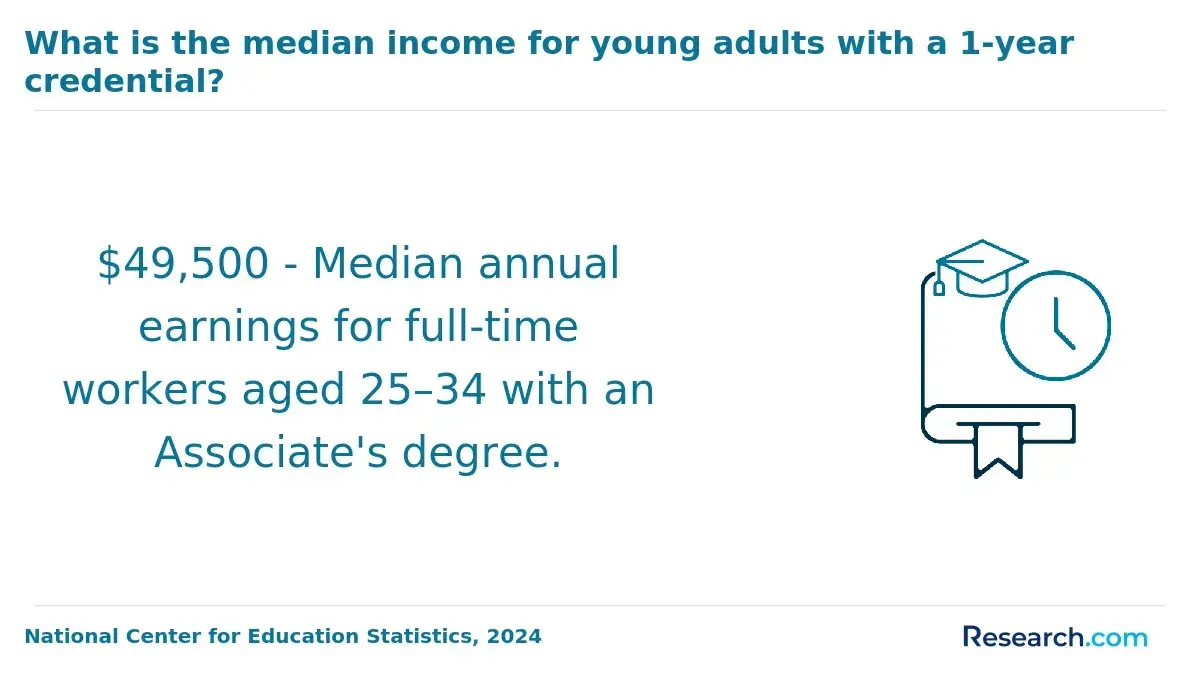
Pivoting from a general studies degree to careers with stronger financial prospects reveals distinct patterns in median earnings, especially when compared to traditional placement salaries. Certain sectors consistently offer higher compensation, tied closely to their economic structures and the skill sets required.
- Financial Services: Typical early-career roles in financial analysis, advisory, or compliance often outpace general studies baseline salaries by 30 to 50 percent. Mid-career compensation frequently benefits from performance bonuses and profit-sharing arrangements, pushing total earnings beyond $100,000. The industry's demand for analytical skills and regulatory knowledge aligns well with general studies graduates who pursue targeted certifications or training.
- Management Consulting: Entering consulting usually necessitates additional credentials or networking but rewards with competitive starting salaries, bonuses, and comprehensive benefits. Mid-career consultants commonly achieve six-figure incomes, reflecting the sector's appreciation for broad problem-solving and critical thinking abilities nurtured in general studies programs.
- Enterprise Technology: Roles in product management, business analysis, and user experience in tech companies mark another lucrative pivot. Aside from base salaries, equity compensation in startups can significantly boost total earnings. This path often requires supplementary technical skills but offers rapid financial advancement relative to typical general studies career tracks.
- High-Growth Startups: While initial pay may be modest, equity stakes and profit-sharing increase long-term compensation notably. These environments provide flexibility such as remote work and ongoing learning opportunities but demand higher risk tolerance and active networking from general studies alumni.
Compensation variations reflect underlying economic realities-industries with large profit margins and capital market exposure can afford richer compensation packages, whereas nonprofit, government, and lower-margin sectors offer steadier, often more modest pay. Evaluating opportunities requires examining total compensation-including bonuses, equity, retirement benefits, healthcare, and remote work flexibility-rather than focusing solely on base salary.
General studies graduates should realistically assess the upfront investments of additional credentials, time commitment, and professional networking against the potential financial returns. High-earning paths often demand greater startup effort but yield substantial long-term rewards, whereas moderate-compensation alternatives may allow faster, less costly career transitions with steadier income growth.
Several industry sectors are experiencing above-average employment growth-driven by demographic trends, technology shifts, and global priorities-that present clear entry points for professionals with general studies backgrounds. These sectors value broad-based skills such as critical thinking, communication, research, and adaptability, all cultivated extensively in general studies programs.
- Healthcare and Health Services: Expansion fueled by aging populations and health equity efforts creates roles in patient advocacy, care coordination, and health education. These positions require communication skills and cultural competency rather than clinical credentials, making them accessible to general studies graduates.
- Information Technology and Digital Services: Digital transformation demands professionals who excel in learning agility and project coordination. General studies graduates fit well in digital project management, content strategy, and user support by leveraging their interdisciplinary understanding and problem-solving strengths.
- Renewable Energy and Sustainability: Climate action priorities drive growth in policy analysis, community outreach, and regulatory compliance roles. These areas align with general studies competencies in research and analysis, offering viable career pivot options.
- Financial Services and Insurance: Growing regulatory complexity and digitization increase demand for risk management, compliance, and client relations experts. Strong communication and analytical skills help general studies holders enter through adaptable training pathways.
- Education and Training: The rise of lifelong learning fuels opportunities in adult education, corporate training, and curriculum design. The multidisciplinary knowledge base typical of general studies supports success in these roles.
- Government and Nonprofit Organizations: Expansion in social services, community development, and policy research requires program coordination and grant writing-areas well suited to general studies graduates.
Top employers in these sectors-often startups and rapidly scaling firms-tend to value demonstrated competencies and learning agility more than formal credentials. Job seekers should research organizational growth trends and talent strategies to tailor applications effectively. Balancing these opportunities against sector volatility and indivi
dual risk tolerance helps integrate growth-sector targeting into a sustainable career pivot plan.
This evidence-based approach empowers graduates and career changers with a general studies credential to strategically navigate diverse pathways, emphasizing transferable skills over traditional degree constraints.
Graduate certificates offer a focused, time-efficient alternative to traditional degree programs-typically requiring six months to a year to complete and costing significantly less, according to the National Center for Education Statistics (NCES). For general studies graduates, these credentials can strategically enhance career pivot success by filling specific skill gaps without the extended commitment of master's or doctoral degrees.
These certificates provide targeted expertise valued by employers, especially in competitive labor markets.
Program Duration and Cost: Graduate certificates demand less coursework and tuition, allowing quicker workforce entry or reentry. This makes them an attractive option for those seeking timely upskilling. Research shows growth in hiring preference-about a 25% increase in five years-for candidates with graduate certificates in technical and management fields.
Career Signal Value: The American Council on Education stresses that not all certificates hold equal weight. Those with recognized accreditation and strong employer recognition are most effective at conveying competencies, particularly in fields like data analytics, project management, UX research, public health, nonprofit management, and financial analysis. Project management certificates, for example, can boost median earnings by 10-15%.
Timing Integration: Align certificate pursuit with your pivot timeline-earn it before applying to clear credential barriers, during job searches to demonstrate commitment, or post-hire as ongoing professional development. This approach maximizes return on investment and career flexibility.
For those considering extended education paths, exploring options like the cheapest AACSB accredited online MBA can also provide valuable credentials.
Graduate certificate benefits for general studies graduates extend beyond credentials-they offer practical pathways into high-growth sectors with positive salary prospects. Understanding how graduate certificates enhance career pivot success for general studies degree holders helps ensure informed decisions within evolving labor markets.
Professional certifications act as crucial labor market signals-distinct from academic credentials-that validate specific competencies and commitment, which can be especially valuable for career-pivoting general studies degree graduates. Unlike academic degrees that demonstrate broad foundational knowledge, certifications provide industry-recognized evidence of specialized skills that employers in many fields prioritize when hiring.
However, the value of certifications depends heavily on their alignment with target roles; pursuing certifications unrelated to a chosen career path rarely improves hiring prospects and may divert limited resources.
Key professional certifications supporting common general studies career pivots include:
- Project Management Professional (PMP): Requires documented project management experience and successful completion of a comprehensive exam; preparation typically takes 3-6 months; costs range between $405 and $555; highly valued for project manager roles in IT, construction, and other industries.
- Certified Analytics Professional (CAP): Demands professional analytics experience and passing a certification exam, with preparation of 3-4 months suggested; fees are approximately $495 for members and $695 for non-members; beneficial for data analyst and business intelligence positions.
- SHRM-CP (Society for Human Resource Management - Certified Professional): Requires HR-related experience or education; exam preparation usually takes 2-4 months; costs hover around $300-$400; suitable for HR specialist and recruiter roles.
- Salesforce Administrator: Involves passing a single exam; preparation time is commonly 1-3 months; exam costs about $200; crucial for CRM administration roles in various sectors.
Additional credentials, such as Certified Digital Marketing Professional, CompTIA IT Fundamentals, and Certified Fundraising Executive, may also offer strategic advantages depending on the pivot. Candidates should research certification relevance by scanning job postings for preferred qualifications, reviewing LinkedIn profiles of successful professionals, and conducting informational interviews to discern which credentials carry weight in their target industries.
This approach ensures the pursuit of professional certifications for validating general studies career pivots is both targeted and cost-effective.
Strategically sequencing certification efforts alongside job search and networking maximizes impact. Candidates can list in-progress certifications on resumes and mention them during interviews-signaling active professional development that may positively influence employer perceptions before credential completion.
This deliberate integration supports a smooth transition into new fields while leveraging the broad skillsets a general studies degree provides.
For those curious about how a general studies degree can open diverse career pathways, including environmental fields, exploring resources like what can you do with an environmental studies degree offers insightful guidance and reinforces the value of strategic certifications in career pivots.
Freelance and contract work provides a swift entry point for general studies degree holders seeking to pivot careers by gaining practical experience in sectors aligned with their broad skill sets. Roles such as content creation, research assistance, data entry and analysis, virtual support, communications consulting, and project coordination match well with the interdisciplinary abilities of critical thinking, communication, and organization cultivated in general studies programs.
These freelance projects yield tangible deliverables and client feedback that enhance portfolios and resumes, boosting credibility for full-time positions.
Platform Selection: Opting for freelance marketplaces offering a variety of projects and reliable client feedback mechanisms helps general studies graduates test different career paths while building trustworthiness.
Service Packaging: Defining clear, targeted offerings-like article writing bundles or data cleaning services-demonstrates professionalism and attracts prospective clients.
Rate-Setting: Beginners benefit from competitive initial pricing to establish a client base and accumulate positive reviews before increasing fees.
Credential Positioning: Presenting a general studies degree as evidence of adaptability and interdisciplinary insight distinguishes proposals in a crowded freelance market.
Portfolio Development: Delivering quality projects and securing repeat engagements generate references and concrete work samples valuable in traditional job searches.
Financial and Industry Suitability: This approach fits those with financial flexibility and willingness to embrace variable income, while recognizing that some regulated or government fields rarely support freelance entry points.
According to a 2023 Freelancer Economic Report, over 60% of freelancers reported that gig work significantly accelerated their career advancement-highlighting freelancing's potential as a strategic accelerator for professional transitions among general studies graduates.
Intentional networking plays a vital role for career changers with a General Studies degree-especially because many do not have established connections in their new industries. Research from Harvard Business Review and MIT Sloan Management Review highlights how weak ties and referral hiring often unlock opportunities beyond formal applications.
To effectively pivot, graduates must engage in specific, actionable networking strategies rather than generic advice.
- Alumni Network Activation: Locate alumni from your General Studies program who have successfully transitioned into your target field. Reach out with personalized messages referencing shared experiences to open authentic dialogues and gain valuable insights.
- Professional Association Entry: Join relevant industry associations to attend events, serve on committees, and interact directly with practitioners-this structured engagement builds visibility and genuine connections.
- Informational Interview Campaigns: Craft clear, respectful requests that emphasize learning over job seeking, such as, "I admire your path and would appreciate 20 minutes to understand your role better." Prepare thoughtful questions that reflect sincere curiosity.
- LinkedIn Strategic Connection-Building: Connect by sending tailored messages referencing mutual interests or recent posts. Follow up regularly by engaging with their content to nurture relationships gradually.
- Community of Practice Engagement: Actively participate in online or local professional groups-contributing to discussions, sharing resources, and volunteering promotes trust and recognition within the community.
Networking anxieties-like imposter syndrome, fear of rejection, or discomfort with self-promotion-can be mitigated using prepared conversation scripts and templates for outreach. Establishing a consistent weekly networking routine with measurable goals and tracking progress transforms networking from a stressful, occasional activity into a sustainable career-building habit.
According to a 2023 LinkedIn report, 85% of jobs are obtained through networking, underscoring its indispensable value for career pivoters.
What Graduates Say About the Best Career Pivot Options for People With a General Studies Degree
- Lawrence: "Pursuing a degree in general studies gave me a unique edge-my broad skill set translated well across multiple industries, especially when I focused on transferable competencies like critical thinking and communication. For those looking to pivot, I'd recommend entry-level roles in project coordination within tech firms, as they blend accessibility with exposure to high-growth sectors. Also, don't underestimate the power of targeted credentialing in your niche to boost credibility and open more doors."
- Yitzchok: "Reflecting on my journey, reframing my resume was a game-changer-I highlighted versatile skills rather than job titles, which resonated with employers across diverse fields. Networking through local professional groups really expanded my opportunities, especially in healthcare administration, a high-growth sector well suited to general studies grads. Long-term, cultivating these connections and continuously updating credentials ensured steady career growth and adaptability in an ever-changing market."
- Cameron: "As someone who's always taken a professional approach, I found that combining strategic networking with targeted credential strategies was key to a successful career pivot. General studies taught me adaptability, which I leveraged to step into entry-level business analyst roles in the finance sector-known to be high-growth and rewarding. Over time, these carefully chosen steps have led to promising long-term outcomes, proving that your degree's flexibility can be a powerful advantage."
Other Things You Should Know About General Studies Degrees
General studies degree holders should emphasize transferable skills such as critical thinking, communication, and problem-solving, which are highly valued across industries. Tailoring resumes to highlight relevant project experiences, internships, or coursework aligned with the target industry can improve appeal. Using clear, action-oriented language to demonstrate adaptability and a commitment to continuous learning also helps showcase readiness for new roles.
Yes. Many employers accept a portfolio when it shows job-specific skills, such as writing samples, data projects, lesson plans, or case studies. For regulated fields, you still need the required license or certification, such as CompTIA, SHRM-CP, or a state teaching credential.
Graduate programs provide specialized knowledge and credentials that can validate a pivot into more competitive or regulated fields. For General studies graduates, pursuing degrees or certifications in areas like business administration, education, or social sciences creates clearer pathways to new professions. Graduate education also expands professional networks, which often facilitates access to positions otherwise difficult to obtain.
Graduates can leverage their broad analytical and communication skills to enter technology-adjacent roles such as project management, user experience research, or technical writing. Supplementing their degree with technical certifications or bootcamps in areas like data analysis, coding, or digital marketing enhances their marketability. Demonstrating practical experience through internships or freelance projects helps bridge the gap between generalist education and tech-focused job requirements.
- How a Graduate Certificate Can Help You Succeed — Open Colleges https://www.opencolleges.edu.au/blogs/articles/what-is-a-graduate-certificate-and-how-can-it-help-me-with-my-studies
- Top 10 Highest Paying Jobs With General Studies Degree 2025 | Nexford University https://www.nexford.edu/insights/highest-paying-jobs-with-general-studies-degree
- Top 10 fields of study that will allow you to thrive in the job market https://en.antal.pl/insights/article/top-10-fields-of-study-that-will-allow-you-to-thrive-in-the-job-market
- Half of employers say degrees do not matter when hiring, survey reveals https://www.peoplemanagement.co.uk/article/1849841/half-employers-say-degrees-not-matter-when-hiring-survey-reveals
- 9 awesome careers you can get with any degree - Save the Student https://www.savethestudent.org/student-jobs/8-awesome-careers-you-can-get-into-with-any-degree.html
- Looking for a job? These are the sectors with the fastest-growing vacancies in the EU | Euronews https://www.euronews.com/my-europe/2026/02/26/looking-for-a-job-these-are-the-sectors-with-the-fastest-growing-vacancies-in-the-eu
- General Studies Degree Jobs: 10 Careers + Salaries (2026) | Extern https://www.extern.com/post/general-studies-degree-jobs-career-guide
- The Role of Certifications in Career Advancement - IT Staffing & Professional Recruiting Services | TalentLogic, Inc. https://www.talentlogic.com/the-role-of-certifications-in-career-advancement/
- The Role of Professional Certifications in Career Change https://riddleworkforce.com/the-role-of-professional-certifications-in-career-change/
- The importance of professional certificates in the labor market with the Institute for Total Development of Training https://mdit.edu.sa/en/blog/the-importance-of-profe-ional-certificate--in-the-labor-market


