2027 Fastest Accredited Online Clinical Psychology Degree Programs That Accept Transfer Credits

Co-Founder and Chief Data Scientist
If you already have college credits, the fastest path to an accredited online clinical psychology-related degree is not always the school with the biggest transfer-credit headline. It is the program that applies the most credits to your actual degree plan. National Student Clearinghouse reporting published in 2024 shows transfer enrollment continued to rebound, underscoring how common credit mobility has become.
This guide is for transfer students, adult learners, and degree completers who want a legitimate online route to graduation. You will learn how to compare accredited programs, transfer policies, residency rules, costs, and realistic timelines.
Key Things You Should Know
- The fastest realistic bachelor's-level online clinical psychology-related paths usually require about 30 remaining credits after a school accepts up to 90 applicable transfer credits toward a 120-credit degree.
- Transfer-friendly accredited options often include online psychology programs with mental health, counseling, addictions, or applied psychology concentrations from regionally accredited universities such as SNHU, Purdue Global, Liberty, UMass Global, Bellevue, and National University.
- A high maximum transfer limit does not guarantee speed: major requirements, upper-division coursework, residency rules, GPA minimums, and whether credits count as electives or degree requirements determine the real graduation date.
What Are the Fastest Accredited Online Clinical Psychology Degree Programs That Accept Transfer Credits?
The fastest accredited online clinical psychology degree programs for transfer students are typically bachelor's degrees in psychology with a clinical, counseling, mental health, addictions, or human services emphasis. At the undergraduate level, "clinical psychology" usually means preparation for graduate study or entry-level behavioral health roles, not independent clinical licensure. To become a licensed clinical psychologist, students generally need a doctoral degree, supervised experience, and state licensure.
For speed, focus on programs that combine institutional accreditation, short online terms, generous transfer limits, and a clear degree-completion structure. If your goal is broader healthcare leadership rather than counseling or graduate psychology study, comparing healthcare administration programs may help you choose a faster or more career-aligned pathway.
The table below summarizes common transfer-friendly online psychology options that may fit students searching for a fast clinical psychology-related degree. Policies can change, so treat these as decision points to verify with each school's registrar or transfer office before enrolling.
| Program type | Why it can be fast for transfer students | Typical transfer-friendly feature | Best fit | Watch for |
| SNHU online BA in Psychology with mental health concentration | Eight-week terms and a degree-completion model can help students with many prior credits move quickly. | Up to 90 transfer credits toward a 120-credit bachelor's degree, subject to applicability. | Students seeking a broad psychology degree with mental health coursework and flexible scheduling. | Transferred credits must satisfy general education, elective, and major requirements; not all psychology credits replace concentration courses. |
| Purdue Global online BS in Psychology with applied or addictions-focused options | Multiple start dates and 10-week terms support steady progress. | Up to 75% of the degree may be transferable, depending on evaluation. | Adult learners with prior college, military, or experiential learning documentation. | Quarter-credit conversion and program-specific requirements can affect how many credits actually apply. |
| Liberty University online BS in Psychology with counseling-related options | Eight-week courses and year-round enrollment can shorten the calendar for full-time students. | Often permits up to 75% transfer toward a bachelor's degree. | Students comfortable with a faith-based university environment and counseling-oriented electives. | Institutional mission, required coursework, and residency rules should match the student's goals. |
| UMass Global online BA in Psychology | Designed for working adults and degree completers with prior credits. | Commonly transfer-friendly, with substantial prior-credit acceptance subject to a degree audit. | Students who want a regionally accredited public-system-affiliated option with adult learner support. | Upper-division and major-course requirements may limit how much older coursework applies. |
| Bellevue University online BS in Psychology | Degree-completion structures can be efficient for students entering with associate-level credits. | May accept substantial transfer credit, often up to about 90 credits depending on the pathway. | Students seeking an applied psychology curriculum with career-focused coursework. | Cohort sequencing may affect start dates and course order. |
| National University online BA in Psychology | Short course formats can help motivated students complete remaining requirements quickly. | Transfer evaluations are commonly used to map prior semester or quarter credits into the program. | Students who prefer concentrated courses and frequent start opportunities. | Four-week courses can be intense, especially for students taking more than one course at a time. |
The fastest program for you is the one that leaves the fewest required credits after the official evaluation, not necessarily the one with the shortest advertised term length. Ask each school for a written preliminary degree audit showing exactly which courses remain.
How Fast Can You Complete an Online Clinical Psychology Degree With Transfer Credits?
With substantial transfer credits, many students can finish an online psychology bachelor's degree in about one to two years, but the fastest legitimate path depends on course load, term length, course availability, and whether the transferred credits meet major requirements. A student who transfers 90 credits into a 120-credit degree may still need a full year if required courses are sequenced or offered only in certain terms.
The table below gives practical timeline ranges based on remaining credits. These estimates assume the student stays continuously enrolled and passes courses on schedule, so they should be used for planning rather than as guarantees.
| Applicable transfer credits | Credits remaining in a 120-credit degree | Possible accelerated full-time timeline | More realistic working-adult timeline | Key limiting factor |
| 90 credits | 30 credits | About 8 to 12 months | About 12 to 18 months | Residency requirement, capstone, and upper-division psychology courses. |
| 75 credits | 45 credits | About 12 to 18 months | About 18 to 24 months | Whether lower-division psychology and statistics requirements are complete. |
| 60 credits | 60 credits | About 18 to 24 months | About 24 to 30 months | Remaining general education plus major core requirements. |
| 30 credits | 90 credits | About 30 to 36 months | About 3 years or more | Course load, work schedule, and prerequisite sequencing. |
| No transfer credits | 120 credits | About 3 years in an aggressive year-round format | About 4 years or more | Total credit requirement and personal time availability. |
To calculate your likely timeline, use a step-by-step approach before committing to a school. This helps you avoid enrolling in a program that is advertised as fast but still leaves you with too many required courses.
- Request unofficial transcript reviews from at least three accredited online programs before applying or paying deposits.
- Ask for the number of credits accepted, the number applied to the major, and the number still required for graduation.
- Confirm whether required courses are available every term or only in a fixed sequence.
- Compare the fastest full-time plan with a sustainable part-time plan based on your work and family schedule.
- Get the final evaluation in writing after official transcripts are received.
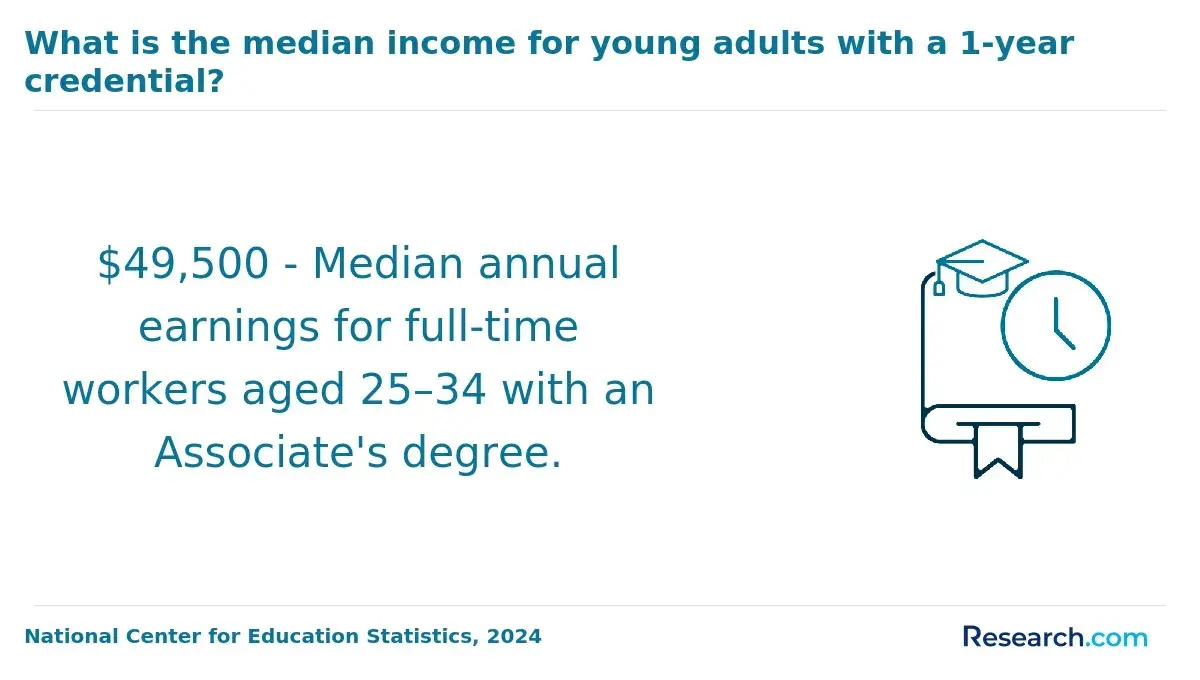
How Many Transfer Credits Can You Apply Toward an Online Clinical Psychology Degree?
Most bachelor's degree-completion programs require 120 semester credits or the quarter-credit equivalent. Transfer-friendly online psychology programs commonly allow up to 75% of the degree to come from prior coursework, which means up to about 90 semester credits may transfer in. The important distinction is between credits the university accepts and credits that reduce your remaining degree requirements.
The table below explains why two students with the same number of prior credits can have very different completion timelines. This is one of the most important issues for transfer students to understand.
| Credit category | How it may help | Why it may not shorten the degree as expected |
| General education credits | Can satisfy writing, math, humanities, social science, and science requirements. | Some schools require specific general education categories that prior courses do not match. |
| Psychology major credits | Can replace required courses such as general psychology, developmental psychology, abnormal psychology, statistics, or research methods. | Upper-division, lab, research, or capstone requirements often must be completed at the new school. |
| Free electives | Can fill remaining credit space and move the student closer to 120 credits. | Electives do not help if the student still lacks required psychology core or concentration courses. |
| Technical or vocational credits | May count as electives or prior learning in adult-focused programs. | They may not apply to a liberal arts psychology major if the catalog limits nonacademic credits. |
| Older credits | Often still usable for general education or electives. | Statistics, research methods, or science-related courses may need to be recent, depending on policy. |
Before choosing a school, ask transfer-credit questions that separate marketing claims from your actual path to graduation. The best programs will answer these questions clearly and put the results in a degree plan.
- What is the maximum number of credits the institution will accept toward this specific psychology degree?
- How many of my credits apply to general education, the psychology major, concentration requirements, and electives?
- How many upper-division psychology credits must I complete after transfer?
- Is there a minimum grade requirement for transferred courses, such as C or higher?
- Do credits from nationally accredited, regionally accredited, military, or international institutions receive different treatment?
- Will old statistics, research methods, or science courses expire for major purposes?
How Can You Verify Accreditation for Fast Online Clinical Psychology Degree Programs?
Accreditation is the quality-control checkpoint that protects the value of an online degree. For online clinical psychology-related bachelor's programs, the first requirement is institutional accreditation from an accreditor recognized by the U.S. Department of Education or the Council for Higher Education Accreditation. This is what typically matters for federal financial aid eligibility, transferability, employer recognition, and graduate admissions screening.
Psychology has an extra wrinkle: the American Psychological Association does not accredit bachelor's degrees in psychology. APA accreditation is most important at the doctoral level for clinical, counseling, and school psychology programs, as well as internships and postdoctoral residencies. Fully online doctoral clinical psychology programs are uncommon, and students seeking licensure should be especially careful about APA accreditation, in-person clinical training, and state board rules.
Use the following verification sequence before applying to any fast online program. It is especially important when a school uses language such as "clinical," "counseling," "mental health," or "therapy" in marketing materials.
- Confirm institutional accreditation in the U.S. Department of Education's accreditation database or through the school's official accreditation page.
- Check whether the accreditor covers the institution as a whole and whether the online program is included under that approval.
- If your goal is doctoral clinical psychology licensure, verify APA accreditation status for any doctoral program you may later pursue.
- Review state psychology board rules for your intended state of practice before assuming an online degree will meet future licensure requirements.
- Ask graduate programs whether the online bachelor's degree and any transfer-heavy transcript would satisfy admissions prerequisites.
A major red flag is any school that implies a bachelor's degree alone makes you a licensed clinical psychologist. Another red flag is a school that refuses to provide accreditation details, avoids naming its accreditor, or pressures you to enroll before a transfer evaluation is complete.
Which Types of Transfer Credits Can Count Toward an Online Clinical Psychology Degree?
Transfer credits can come from several sources, and each source is evaluated differently. Traditional college coursework usually has the smoothest path, but adult learners may also be able to use military training, standardized exams, professional certifications, or portfolio-based prior learning if the school allows it.
Students with healthcare or science credits should compare how each program classifies those credits. If your long-term goal is medication therapy, pharmacy, or another licensed clinical healthcare profession rather than psychology, reviewing online PharmD programs may be a better strategic fit.
The table below summarizes common credit sources and how they typically affect an online psychology degree plan. The key issue is whether the credit replaces a required course or simply adds elective credit.
| Credit source | Common use in a psychology degree | Speed advantage | Limitation |
| Regionally accredited college courses | General education, psychology core, electives, and sometimes concentration requirements. | Usually the most predictable and transferable source. | Course equivalency and grade minimums still apply. |
| Community college associate degree | Often satisfies lower-division general education and introductory major work. | Can put a student near junior standing. | Upper-division psychology requirements remain at the bachelor's institution. |
| Military training | May apply through ACE-recommended credit, electives, leadership, or general education areas. | Can reduce elective load for veterans and active-duty students. | Not all military credits map to psychology requirements. |
| CLEP or DSST exams | Can satisfy selected general education or introductory subject requirements. | May be faster and cheaper than taking a full course. | Schools cap exam credits and may restrict major-course exam credit. |
| Professional certifications | May count as electives or prior learning in adult-focused programs. | Helpful for students with healthcare, social service, or administrative experience. | Clinical psychology major requirements usually still require academic coursework. |
| Portfolio or prior learning assessment | Documents college-level learning from work, training, or volunteer experience. | Can accelerate degree completion when accepted. | Requires evidence, faculty review, fees, and alignment with course outcomes. |
Do not assume that experience in caregiving, coaching, peer support, or case management automatically replaces clinical psychology coursework. Schools usually require academic evidence for courses such as abnormal psychology, research methods, statistics, and ethics.
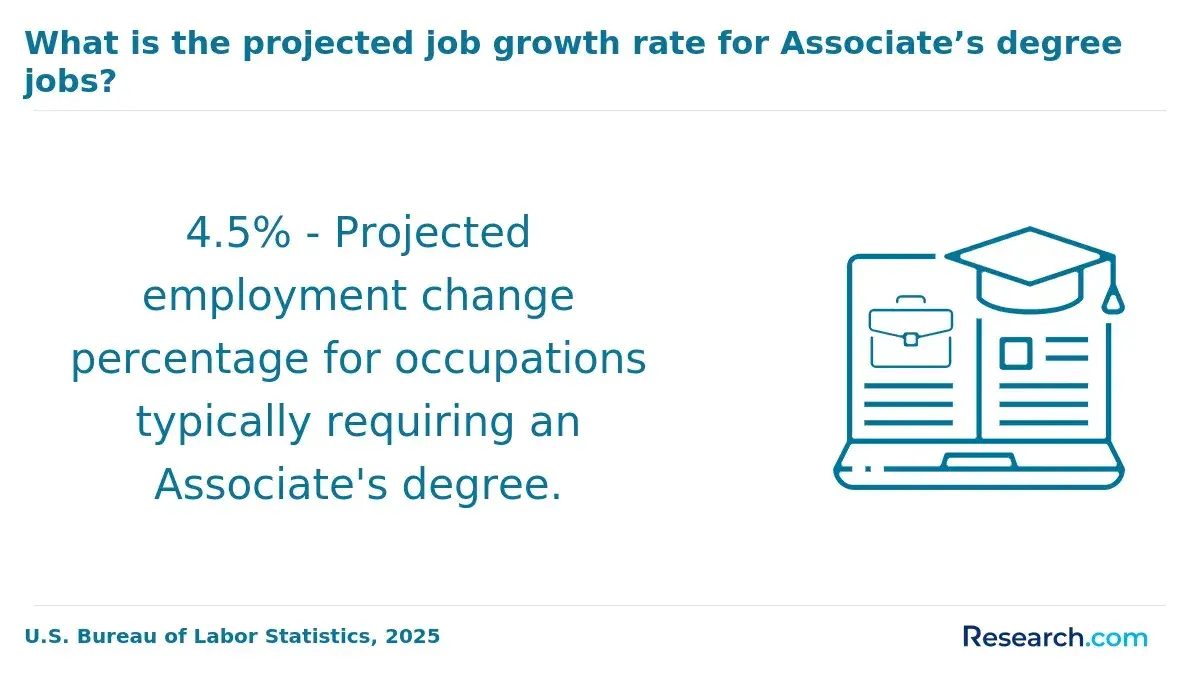
How Do Residency and Major Requirements Affect Transfer Credits for an Online Clinical Psychology Degree?
Residency requirements are the credits you must complete through the degree-granting institution. They are one of the biggest reasons a student who transfers 90 credits may still need 30 credits at the new school. Major requirements also matter because psychology programs often require a specific set of upper-division courses, research training, and a capstone.
The table below shows how residency and major rules can change your final timeline even when the maximum transfer-credit policy looks generous.
| Requirement | Typical policy | How it affects speed | What to verify |
| Institutional residency | Often about 30 credits at the awarding university for a 120-credit bachelor's degree. | Creates a minimum remaining workload even for students with many prior credits. | Whether online courses count fully toward residency. |
| Upper-division requirement | Programs may require a set number of 300- or 400-level credits. | Lower-division community college credits may not satisfy advanced psychology requirements. | How many upper-division credits remain after transfer. |
| Major core | Required courses may include abnormal psychology, lifespan development, statistics, research methods, ethics, and capstone. | Missing one prerequisite can delay later courses. | Whether prior courses are equivalent to required major courses. |
| Concentration courses | Mental health, counseling, addictions, or applied psychology tracks may require specific electives. | Accepted transfer credits may become electives instead of concentration credits. | Whether the concentration is optional or required for your goals. |
| Capstone or senior project | Usually completed at the home institution near the end of the program. | May require a final term even if all other requirements are nearly complete. | When the capstone is offered and what prerequisites it has. |
Common mistakes happen when students focus only on "up to 90 transfer credits" and overlook the catalog language that controls the degree. Avoid these traps before you enroll.
- Do not assume all accepted credits apply to the psychology major.
- Do not ignore upper-division requirements if most of your prior credits came from a community college.
- Do not choose a concentration before confirming that it will not add extra courses beyond the fastest route to graduation.
- Do not rely on a verbal transfer estimate when you can request a written degree audit.
- Do not skip graduate-school prerequisite checks if you plan to apply for a master's, PsyD, or PhD later.
Can Prior Learning, CLEP, Military Training, or Certifications Help You Finish an Online Clinical Psychology Degree Faster?
Prior learning credit can help some adult learners finish faster, but it is not a shortcut around core psychology training. It works best for general education, electives, introductory knowledge, military learning, or documented professional training that matches college-level outcomes. It is less likely to replace advanced clinical, research, ethics, or capstone requirements.
If you already hold healthcare administrative or revenue-cycle credentials, compare whether they reduce elective credits in a psychology degree or whether they point to a more direct career pathway such as the best medical coding online programs. The fastest degree is not always the best option if a shorter credential matches your employment goal.
These prior-learning options may be worth exploring if you need to reduce remaining credits. Each one has different documentation and approval requirements.
- CLEP exams may help with general education subjects such as composition, humanities, social sciences, or introductory psychology if the school accepts the exam and required score.
- DSST exams may help military and adult learners earn credit in selected subject areas, depending on institutional policy.
- ACE-recommended workplace or military training may convert to elective or subject credit after official documentation is reviewed.
- Joint Services Transcript credit may help veterans and active-duty students receive credit for evaluated military learning.
- Portfolio assessment may allow students to document college-level learning from work or volunteer experience, but it requires evidence and faculty review.
- Industry certifications may count in some adult-focused programs, though they rarely replace advanced psychology major requirements.
Before paying for exams or portfolio reviews, ask whether the credit will apply to a specific unmet requirement. Credit that only exceeds your elective limit may appear on a transcript but still fail to shorten your degree.
How Much Does a Fast Online Clinical Psychology Degree Cost After Transfer Credits and Financial Aid?
Transfer credits can lower total cost because you pay only for the credits you still need, but tuition is only one part of the calculation. Fees, books, technology charges, prior-learning assessment fees, transcript fees, and the number of terms needed to complete required courses all affect the final price.
College Board's 2024 pricing report lists average published tuition and fees for the 2024-25 academic year as follows. These national averages help frame the value of applying transfer credits before you compare school-specific online tuition.
For an online degree completer, the better question is not "What is the annual tuition?" but "What will I pay for the credits I still need?" A student with 30 remaining credits can sometimes pay far less than a student who chooses a lower per-credit tuition program but loses many credits in transfer.
The table below shows cost factors that can change the total price after transfer credits and financial aid. Use it to compare schools beyond the advertised tuition rate.
| Cost factor | Why it matters | Decision impact |
| Per-credit tuition | Most online bachelor's programs charge by credit hour or term. | Lower tuition helps only if the school also applies enough transfer credits. |
| Credits remaining | The largest cost driver for transfer students is the number of required credits left after evaluation. | A higher tuition school may cost less overall if it accepts more applicable credits. |
| Fees | Technology, graduation, course materials, and assessment fees can add to the total. | Ask for a full cost worksheet, not just tuition. |
| Financial aid eligibility | Institutional accreditation affects access to federal aid for eligible students. | Unaccredited or poorly accredited schools can create financing and recognition problems. |
| Pace of enrollment | Full-time study may finish faster, while part-time study can be easier to cash-flow. | Speed and affordability may point in different directions. |
| Opportunity cost | Longer completion timelines can delay eligibility for graduate study or advancement. | The cheapest program is not always the highest-value option. |
Students comparing psychology with other health-related online options should also look at career prerequisites, clinical requirements, and local labor demand. For example, ultrasound tech online programs may involve in-person clinical components and a different cost-benefit profile than a transfer-friendly psychology bachelor's degree.
How Do Accelerated, Competency-Based, and Self-Paced Online Clinical Psychology Degree Programs Compare?
Accelerated, competency-based, and self-paced programs can all shorten time to completion, but they work differently. The best choice depends on how many credits you transfer, how much independent study you can handle, and whether the program's format fits psychology coursework that requires writing, research, and applied analysis.
The table below compares the main online formats transfer students encounter. This can help you decide whether a fast term structure or a flexible competency model is more realistic for you.
| Format | How it works | When it can be fastest | Trade-off |
| Accelerated term-based | Courses run in short sessions, often 4, 6, 8, or 10 weeks. | Best for students who can handle steady deadlines and year-round enrollment. | Short courses compress reading, papers, discussions, and exams. |
| Competency-based | Students progress by demonstrating mastery, sometimes within subscription terms. | Best for self-directed learners with strong prior knowledge and time to move quickly. | Not all psychology concentrations or graduate prerequisites fit competency models equally well. |
| Self-paced | Students complete coursework within broad time windows, often with flexible pacing. | Best for disciplined students who want control over weekly workload. | Without structure, procrastination can make the program slower rather than faster. |
| Traditional online semester | Courses follow 15- or 16-week academic terms. | Best for students who need a manageable pace and predictable workload. | Calendar time may be longer, especially if courses are offered once or twice per year. |
Accelerated formats are not automatically easier. Psychology courses often require research papers, statistics assignments, discussion participation, and ethical analysis. Students who plan to work full time should test whether taking two accelerated courses at once is sustainable before building a graduation plan around that pace.
Use this decision rule: choose the fastest format you can complete with strong grades. If you plan to apply to graduate school, GPA, research preparation, faculty recommendations, and prerequisite quality may matter more than shaving one extra term off the timeline.
Are Fast Accredited Online Clinical Psychology Degrees Respected by Employers and Graduate Schools?
Accredited online psychology degrees are generally respected when they come from properly accredited institutions and appear on a transcript like comparable campus-based degrees. Employers and graduate schools usually care more about accreditation, coursework, GPA, experience, recommendations, and fit than whether every class was completed online.
Career expectations should be realistic. A bachelor's degree in psychology can support roles in behavioral health support, case management, human services, research assistance, community programs, and related fields, but it does not qualify someone to practice independently as a clinical psychologist. The U.S. Bureau of Labor Statistics reports a May 2024 median pay of $94,310 for psychologists, a category that generally reflects doctoral-level and licensed roles rather than bachelor's-only jobs. For readers, this means the bachelor's degree is often a foundation for graduate study, not the final credential for clinical practice.
Graduate schools may look closely at whether you completed core prerequisites such as statistics, research methods, abnormal psychology, developmental psychology, and biological bases of behavior. If your transfer-heavy route replaces too many foundational courses with electives, you may graduate quickly but still need prerequisites later.
Students who like psychology but want management-oriented healthcare roles may find that an online masters in healthcare management aligns better with leadership, operations, or administration goals after completing a bachelor's degree.
Before enrolling, ask admissions and advising teams these practical questions to protect recognition and future options.
- Will the transcript identify the degree as online, or is the modality not listed?
- Which graduate psychology programs have admitted recent alumni from this degree?
- Does the curriculum include statistics, research methods, and abnormal psychology as graded academic courses?
- Are there optional internships, research projects, service learning, or faculty-led projects available online or locally?
- Will faculty provide recommendations for graduate school if I complete the program online?
- Does the program publish clear career services, advising, and graduate-school preparation support?
The strongest online choice is one that balances speed with academic credibility. A slightly slower program with better major preparation, stronger advising, and clearer graduate-school alignment may be more valuable than the absolute fastest completion plan.
Other Things You Should Know About Clinical Psychology
No. A bachelor's degree can prepare you for graduate study or entry-level support roles, but licensed clinical psychologists typically need a doctoral degree, supervised clinical experience, exams, and state licensure. Check your state psychology board before choosing any clinical pathway.
Many graduate schools consider accredited online degrees, but they may review prerequisite courses, GPA, statistics and research preparation, recommendation letters, and academic rigor. A transfer-heavy degree is stronger when key psychology courses are graded, recent, and clearly listed on the transcript.
Either can work. A BA may include more liberal arts and counseling-related electives, while a BS may include more science, statistics, or research emphasis. For graduate clinical psychology preparation, course content matters more than the BA or BS label.
Collect official or unofficial transcripts, course descriptions or syllabi for psychology and statistics courses, military transcripts if applicable, exam score reports, certification documentation, and prior-learning records. More complete documentation can lead to a faster and more accurate evaluation.
References
- Explore One Year Psychology Master's Programs Online https://www.onlinemastersdegrees.org/best-programs/psychology/1-year-accelerated/
- Courses https://www.clearing-house.org.uk/courses
- Fastest Way to Finish a Psychology Degree Online https://www.collegetransitions.com/blog/fastest-way-to-finish-a-psychology-degree-online/
- History | cospp-2 https://www.cospp.org/history
- Psychology Accreditation: What you need to know https://www.onlinepsychologydegrees.com/articles/accreditation/
- Best Accredited Online Psy.D. Programs | Psychology.org https://www.psychology.org/rankings/best-online-psyd-degree-programs/
- Transfer credits | Study https://www.uottawa.ca/study/undergraduate-studies/transfer-credits
- Raising the Bar: The Impact of Accreditation on Psychology Training | SoMAP - The Society of Modern Applied Psychology https://thesomap.org/raising-the-bar-the-impact-of-accreditation-on-psychology-training/
- Online Master’s in Clinical Psychology https://onlinecounselingprograms.com/online-counseling-degrees/online-masters-in-psychology/clinical-psychology/
- How Do Transfer Credit Equivalencies Work? | University of Bridgeport https://www.bridgeport.edu/news/how-do-transfer-credit-equivalencies-work/