2027 Educational Studies Degree Programs for Career Changers

Co-Founder and Chief Data Scientist
Many professionals feel stuck in careers that lack personal fulfillment or growth opportunities. For these individuals, earning an Educational Studies degree offers a structured path to shift toward roles in education, training, or educational policy. Recent data shows that over 40% of adult learners pursuing education-related degrees do so to facilitate career changes, reflecting growing demand for flexible, skill-based programs.
This article explores how educational studies degree programs are designed to support career changers, highlighting practical options and strategies for a smooth transition into education-focused professions with confidence and efficiency.
Key Things to Know About Educational Studies Degree Programs for Career Changers
- Many programs offer flexible scheduling and accelerated formats, enabling working adults to complete degrees efficiently while balancing job and family commitments.
- Online or hybrid course options provide accessibility and adaptability, critical for career changers managing diverse responsibilities.
- Curricula often emphasize employer-relevant skills, aligning with industry demands to increase employment and advancement opportunities post-graduation.
What Educational Studies Programs Accept Career Changers?
Educational studies programs with flexible admissions and practical curricula are ideal for working professionals seeking a career change. Over 40% of graduate students are now aged 30 or above, highlighting the rise in adult learners pursuing advanced degrees geared toward career transitions.
Four common types of educational studies degree programs for working professionals that accept career changers include:
- Master's in Educational Leadership: This program often features adaptable prerequisites and a curriculum focused on transferable management skills, helping professionals move into leadership and administrative roles efficiently.
- Master's in Curriculum and Instruction: Designed for those looking to shift into instructional design or teaching, this program emphasizes practical teaching methods and the development of relevant skills.
- Certificate in Adult Education: Targeting professionals interested in workforce development and training, this certificate offers part-time study options with practical applications for adult learners.
- Master's in Education Technology: Focusing on innovative digital tools, this program supports career changers leveraging existing tech skills to enter educational technology fields.
These flexible structures make educational studies degree programs for working professionals especially suitable for adults balancing new career goals with other responsibilities. For those interested in specialized certifications, a bcba degree may also complement educational career paths by enhancing expertise in behavior analysis and support services.
What Educational Studies Specializations Are Best for Career Changers?
Selecting the right educational studies specialization greatly impacts how efficiently career changers can apply their existing skills while gaining new ones. Employment in education-related fields is projected to grow by 8% through 2031, reflecting steady demand for professionals with varied expertise. Below are four top educational studies specializations that offer excellent opportunities for career changers.
- Educational Leadership: Ideal for those with management experience, this specialization leverages leadership and organizational skills transferable from numerous industries. It prepares students to lead educational institutions and drive policy effectively.
- Curriculum and Instruction: Designed for individuals with strong communication and planning abilities, this specialization focuses on developing and implementing effective learning programs. It suits professionals seeking roles in instructional design and educational development.
- Educational Technology: Perfect for tech-savvy learners, it merges education with evolving technological tools, offering high adaptability across various educational settings. This concentration supports smooth transitions into roles that blend innovation with teaching.
- Special Education: Emphasizing empathy and customized teaching methods, this specialization is accessible to those with strong interpersonal skills and a passion for support roles. It equips career changers to address diverse learning needs with sensitivity and expertise.
Career changers interested in expanding their qualifications may also consider related paths such as the cacrep online counseling programs, which complement educational studies specializations for career changers seeking broader skillsets. Overall, selecting one of these best educational studies concentrations for nontraditional students can facilitate a confident transition into thriving education roles.
What Are the Admission Requirements for Career Changers Applying to a Educational Studies Program?
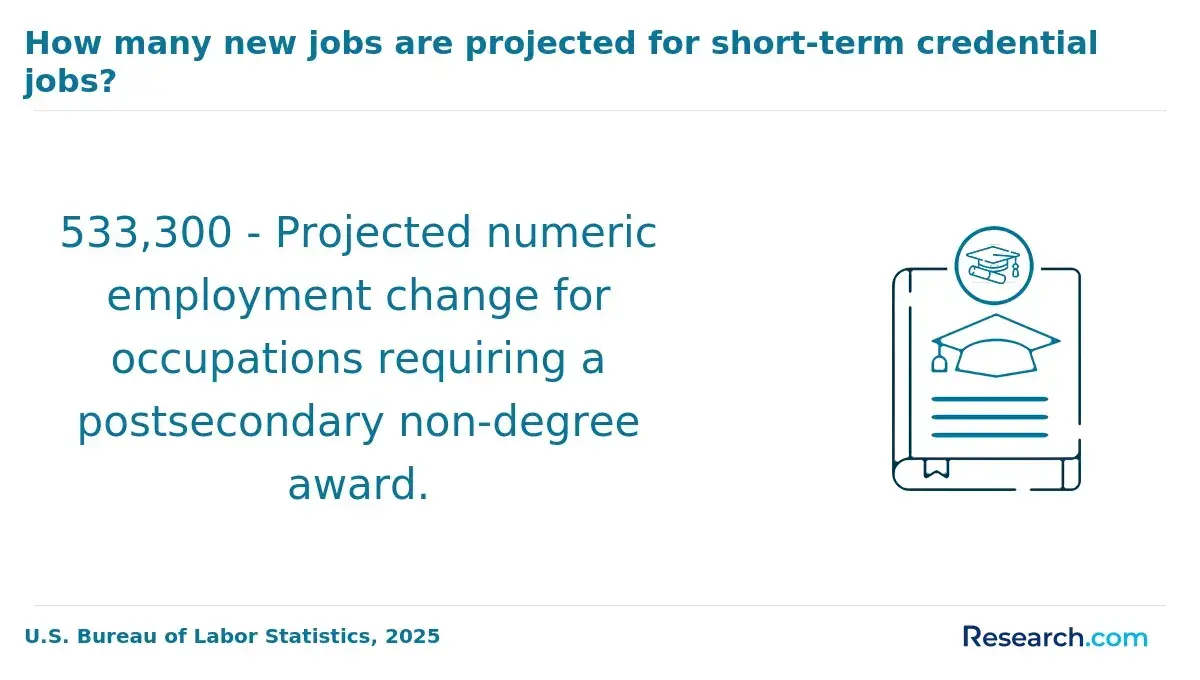
Admission requirements for career changers in educational studies programs differ from traditional pathways, reflecting the diverse backgrounds and experiences adult learners bring. Adults aged 25 and older account for nearly 40% of all U.S. postsecondary enrollments, showcasing the increasing role of nontraditional students. Below are common prerequisites tailored to working professionals pursuing an educational studies program.
- Bachelor's Degree: A degree from an accredited institution is generally required, but the field is often flexible to recognize transferable skills from various careers.
- Official Transcripts: Applicants must provide transcripts that demonstrate prior academic achievement, which assist admissions committees in evaluating readiness for graduate-level study.
- Professional Experience: Relevant work experience can highlight practical skills and commitment to education, sometimes substituting for specific academic prerequisites.
- Personal Statement: A reflective essay explaining motivation for the career change and educational objectives is essential to convey goals and fit.
- Letters of Recommendation: Recommendations should emphasize both academic potential and professional qualities to strengthen the application.
- Standardized Tests: While some programs require GRE scores, many waive this for working professionals to improve accessibility.
Flexibility remains key for nontraditional students, with many programs offering part-time, evening, or online formats. Transferable experience and alternative qualifications like certifications or portfolios can fulfill educational studies program prerequisites for nontraditional students, easing the transition. For those exploring related fields, options such as an online masters in marriage and family therapy also provide flexible, career-changing pathways that accommodate adult learners.
For career changers, knowing what a educational studies degree entails ensures the program aligns with their need for flexibility and practical relevance. This insight helps streamline their transition by targeting coursework that adapts to their schedules and professional goals. Key components often include:
- Foundations of Education: Examines historical and sociological perspectives to frame how education systems operate and evolve, providing essential context.
- Curriculum Development: Covers methods for designing and assessing instructional plans tailored to diverse learners, emphasizing adaptability.
- Instructional Strategies: Introduces a variety of teaching approaches and learning theories, allowing students to apply techniques suited to multiple settings.
- Educational Technology: Focuses on integrating digital tools to enhance learning experiences, reflecting modern educational environments.
- Research Methods: Teaches analysis and evaluation of educational studies, promoting evidence-based decision-making.
- Field Experience: Provides practical engagement opportunities that connect theoretical knowledge with real classroom or educational contexts.
A professional who completed an online educational studies program shared that balancing work, family, and coursework was a significant challenge. He noted, "Finding time for assignments while managing my job felt overwhelming at first, but flexible deadlines made it manageable." He appreciated how the practical projects connected directly to his career goals, saying, "It wasn't just theory; I could see how each course applied to what I wanted to do next." Overall, he found the experience encouraging, emphasizing that this focused coursework helped him feel confident in making the career leap.
Career changers must carefully consider program formats to find options that fit around work and personal commitments. With more than 40% of U.S. postsecondary students classified as adult learners, demand for flexible education pathways continues to grow. Below are some common program structures suited for those pursuing an educational studies degree while managing other responsibilities.
- Online Programs: Entirely internet-based coursework allows students to study from any location at their own pace. This format offers significant flexibility, making it ideal for working adults needing to balance education with job and family life.
- Hybrid Programs: Combining digital classes with occasional on-campus sessions, hybrid options provide interactive learning experiences without sacrificing convenience. They enable career changers to benefit from face-to-face engagement alongside flexible scheduling.
- Evening and Weekend Classes: Tailored for those with typical daytime work hours, these offerings let students attend in-person sessions outside traditional schedules. This format appeals to learners who prefer classroom settings but require alternative hours.
- Part-Time Enrollment: Taking fewer courses each term extends the time to degree completion but reduces stress and workload. Many institutions offer this adaptive pacing, which supports steady progress for busy professionals.
Each structure prioritizes accessibility and adaptability, crucial traits for adult learners navigating career transitions through educational studies programs.
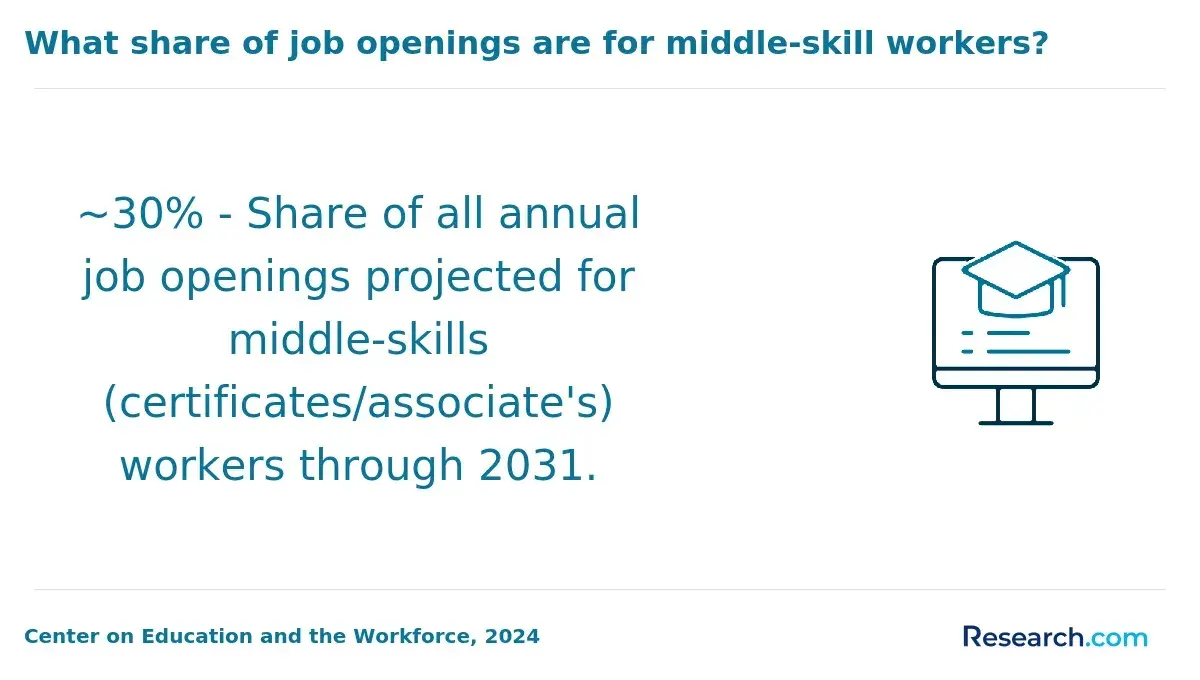
Skill development is crucial for career changers, especially adult learners balancing multiple responsibilities. According to a 2023 Workforce Reskilling Report, 78% of employers prioritize candidates with transferable skills that enhance adaptability in fast-changing industries. Below are five essential skills gained through an educational studies program that support these transitions.
- Instructional Design: This skill empowers graduates to craft effective training materials and curricula, making them valuable in corporate training, nonprofit education, and beyond.
- Communication Skills: Clear and persuasive communication is vital for collaborating with diverse teams, managing projects, and leading initiatives in any professional setting.
- Critical Thinking: Developing the ability to analyze information critically helps graduates solve complex problems and make informed decisions under pressure.
- Research Methods: Proficiency in conducting and interpreting research enables evidence-based strategies, essential for innovation and organizational improvement.
- Educational Technology: Familiarity with digital tools prepares learners to deliver instruction in virtual or hybrid environments, expanding their career possibilities in today's tech-driven workplaces.
One career changer who completed an educational studies degree shared that balancing coursework with full-time work was challenging but rewarding. She noted, "Applying instructional design principles during my final project helped me build confidence in creating real-world training modules." She also emphasized how mastering research methods shifted her approach to problem-solving, "It made me more analytical and prepared to adapt in a competitive job market." Her experience reflects how these acquired skills not only ease the immediate shift into new roles but also foster long-term career growth and flexibility.
Career changers pursuing a educational studies degree must carefully evaluate total program costs to balance financial commitments with academic goals. Recent data shows that the average graduate student's debt hovers near $71,000, underscoring why prudent cost management is vital. Key cost factors to consider include:
- Tuition: Tuition rates vary widely, typically ranging from $5,000 to $20,000 annually at public institutions for graduate-level programs, while private programs may cost between $20,000 and $40,000 each year. These figures form the bulk of expenses and often influence the choice of program format-online or in-person.
- Fees: Additional fees such as registration, lab usage, and student service charges can add several hundred dollars per term. These are sometimes overlooked but represent important recurring costs, especially for working professionals juggling multiple responsibilities.
- Textbooks and Materials: Required textbooks and course materials often add a few hundred dollars each semester. Opting for programs offering digital resources or rental options can help reduce expenses.
- Technology and Campus Resources: Some programs may require technology fees or charges for access to campus facilities. Online or hybrid programs often lower these costs by reducing commuting and housing expenses, a notable benefit for adult learners.
- Payment Flexibility and Funding: Many accredited programs provide flexible payment plans, employer tuition reimbursement, and scholarships targeted at working professionals pursuing an affordable educational studies degree. These options can significantly ease the financial burden by spreading costs or subsidizing tuition.
Students may find value in exploring affordable educational studies degree programs that suit their financial needs without sacrificing quality. For a broader view on managing educational expenses, consider reviewing affordable online bachelor degree programs as examples of cost-conscious academic pathways for working professionals.
Curriculum design plays a crucial role for career changers, as it must effectively bridge previous experience with new professional goals. This design particularly suits adults by addressing diverse backgrounds and fostering skills that apply across various industries. The following attributes illustrate how an educational studies curriculum benefits for career changers.
- Applied Learning: The curriculum includes experiences that connect academic theory directly to practical career applications. This approach helps students relate new concepts immediately to their evolving professional objectives.
- Transferable Skills: Emphasis on communication, critical thinking, and leadership equips learners with valuable abilities that are highly sought after across industries. Such skills ease professional transitions and broaden career options.
- Flexible Pacing: Recognizing that many career changers juggle education with work and family, programs offer adaptable timelines. This flexibility supports steady progress without compromising educational quality or personal commitments.
- Real-World Projects: Hands-on projects immerse students in practical challenges and problem-solving scenarios relevant to emerging job roles. These opportunities build confidence and practical expertise essential for smooth transitions.
- Critical Reflection: Learners are encouraged to integrate their past experiences with new knowledge through reflective practices. This deepens understanding and frameworks useful for applying education across professional contexts.
Adult learners considering career changes can also explore 1 year graduate programs that incorporate these curriculum benefits, accelerating their professional transitions with focused study.
For those switching careers, knowing potential outcomes helps identify roles where their existing skills can thrive. Jobs related to education are anticipated to grow by about 8% through 2032, highlighting consistent employer interest. Below are some common opportunities for graduates with a educational studies degree.
- Academic Advisor: Assists students in selecting courses and planning their academic journey, making use of counseling and organizational expertise. This role suits career changers who excel at guiding and supporting others.
- Instructional Coordinator: Designs educational programs and supports teacher training, leveraging a strong foundation in educational theory and project management. It's ideal for those who enjoy shaping curricula and improving learning outcomes.
- Corporate Trainer: Creates and leads training sessions for employees, applying presentation and interpersonal abilities. This path fits individuals who want to foster professional growth within organizations.
- Education Policy Analyst: Reviews and assesses educational initiatives and policies by utilizing research skills and critical analysis. This position attracts career changers interested in influencing education systems and legislation.
- Community Education Manager: Coordinates community-based learning projects, drawing on management and outreach experience. It's a good match for those passionate about facilitating educational access and engagement at the local level.
Salary expectations are critical for professionals switching careers as they influence financial security and lifestyle changes. Research from the Georgetown University Center on Education and the Workforce shows that reskilled workers often experience a 10% to 20% salary increase within five years of changing fields. Below are key compensation insights for those holding an educational studies degree:
- Typical Salary Range: Annual earnings usually fall between $40,000 and $70,000, varying by job role and location.
- Prior Experience Impact: Relevant skills and background can boost starting salaries, particularly in training and administrative roles.
- Specialized Sectors: Positions in corporate training or educational technology often offer above-average wages compared to traditional education roles.
- Geographic Variation: Urban areas tend to provide higher pay than rural regions, reflecting cost-of-living differences and job availability.
- Advanced Credentials: Additional certifications and degrees frequently lead to increased earning potential over time, enhancing career advancement opportunities.
What Graduates Say About Their Educational Studies Degrees for Career Changers
- Louis: "Deciding to pivot my career into education felt daunting, especially considering the cost which averaged around $25,000 for the full program. However, enrolling in an educational studies degree was the best investment I've made; the hands-on experience and theory deeply enriched my understanding and confidence in this new sector. Now, working as an educational consultant, I see how this degree was crucial in opening doors for me. "
- Zain: "After years in marketing, I sought a meaningful change and chose to pursue educational studies despite the $20,000 to $30,000 price tag. Reflecting on the journey, I appreciate how the program blended academic rigor with practical insights, enabling a smooth transition into curriculum development. The education was worth every penny for the professional growth and sense of purpose it brought. "
- Myles: "The decision to leave corporate finance for educational studies was driven by a desire to impact lives directly, though the estimated $22,000 tuition for career changers was a significant factor to consider. Completing the degree validated my choice by equipping me with relevant skills and expanding my network, which accelerated my entry into school administration. This investment transformed not just my career, but my outlook on lifelong learning. "
Other Things You Should Know About Educational Studies Degrees
In 2027, career changers pursuing an educational studies degree may access various scholarships and financial aid options tailored for them. Many institutions offer specific grants or scholarships for adult learners and career changers, alongside federal financial aid programs that can help reduce the financial burden.
Educational studies degrees often prepare graduates for roles beyond traditional teaching, so state-specific teaching licenses are not always required. However, if a career changer intends to pursue licensure, it's important to review state regulations and program accreditation. Some programs integrate certification pathways, while others focus on areas such as curriculum design or educational policy that do not require teaching licenses.
Many educational studies programs accept up to 60 semester credits from accredited prior college study, and some bachelor’s-completion tracks require at least 30 upper-division credits earned at the degree-granting institution. Transfer credit is reviewed by the registrar and department before admission is finalized.
- Alternative Education for High-Quality Careers | National Fund for Workforce Solutions https://nationalfund.org/alternative-education-for-high-quality-careers/
- Educational Studies - Athens State University https://www.athens.edu/programs/educational-studies/
- Types of Master's in Education Programs https://gsep.pepperdine.edu/blog/posts/types-of-masters-in-education-programs.htm
- Career Change: Making the Move to Education - Graduate Programs for Educators https://www.graduateprogram.org/blog/career-change-making-the-move-to-education/
- An Overview of Specialization Options in Education Degrees https://www.euroeducation.net/articles/an-overview-of-specialization-options-in-education-degrees.htm
- 10 Types of Education Degrees: How To Choose Your Career Path - Campus Library https://collegerover.com/campus-library/news/147/types-of-education-degrees
- Postgraduate Education Center https://podyplomowe.vizja.pl/en/specialization/education-and-career-guidance/
- Artwork of a gum leaf symbolising ‘welcome’ and acknowledging diverse countries, environments, communities, cultures, beliefs, and history. https://www.seek.com.au/education-studies-jobs
- How much do graduates with a Bachelor’s in Education Studies get paid? - Best Education Degrees https://www.besteducationdegrees.com/how-much-do-graduates-with-a-bachelors-in-education-studies-get-paid/
- Flexible Graduate Education Programs for Career Changers and Returners https://www.belmont.edu/stories/articles/2024/graduate-education-programs.html