2027 Educational Studies Degree Programs With No GRE or GMAT Requirements

Co-Founder and Chief Data Scientist
Many prospective students face barriers when applying to educational studies degree programs due to standardized tests like the GRE or GMAT. These exams often limit access for working professionals and nontraditional students balancing education with other responsibilities. Recent trends show that nearly 40% of educational studies programs have dropped GRE/GMAT requirements to increase diversity and inclusion in admissions. Removing these tests can reduce stress and financial burdens, allowing a broader range of applicants to compete. This article explores degree programs offering no-GRE or no-GMAT admissions, helping readers identify accessible options that align with their career goals and circumstances.
Key Benefits of Educational Studies Degree Programs with No GRE or GMAT Requirements
- Removing GRE or GMAT requirements increases access for nontraditional and working students, who represent over 40% of postgraduate enrollees, by offering flexible entry paths.
- Applicants save significant time and money, as test fees and preparation costs average $300-$1,000, streamlining the admission process.
- Admissions prioritize comprehensive criteria, such as academic performance and professional experience, better reflecting candidates' potential and practical skills.
What Does "No GRE or GMAT Required" Mean for a Educational Studies Degree?
Over 60% of graduate programs across many fields have eliminated GRE or GMAT requirements, reflecting a major shift in admissions policies to increase accessibility and diversity. These no-test admissions policies allow prospective students to apply without submitting standardized test scores, which can reduce stress and barriers for many applicants.
For those exploring no GRE or GMAT requirement for educational studies programs, here are key impacts on admissions and evaluation:
- Holistic Eligibility: Applicants are assessed more broadly on academic readiness, including undergraduate GPA and relevant experience, rather than focusing on a single exam score.
- Admissions Evaluation: Committees emphasize letters of recommendation, personal statements, and sometimes interviews to gauge candidates' potential and fit for the program.
- Accessibility: Removing test requirements benefits working professionals and non-traditional students who may lack time or resources for standardized test preparation.
- Diverse Applicant Pool: Programs attract a wider range of candidates, enhancing diversity and unique perspectives within cohorts.
- Optional Scores: Some educational studies degrees may still allow or recommend submitting GRE or GMAT scores as supplements to strengthen applications when desired.
These changes in admissions also align with how many advanced programs value overall candidate potential rather than test performance alone. Applicants interested in related fields might also find valuable information about online SLP degrees useful in planning their education pathways.
What Types of Educational Studies Programs Have No GRE or GMAT Requirements?
Standardized test requirements such as GRE or GMAT scores vary across educational studies programs due to differences in program format, target audiences, and admissions philosophies. Some programs prioritize practical experience and flexible learning over traditional testing metrics to widen accessibility and attract diverse candidates.
Programs that often waive GRE or GMAT requirements include:
- Online or hybrid programs: These are designed for working professionals and typically emphasize relevant work experience over standardized test results. The flexible format supports learners balancing education with job responsibilities.
- Master's in education programs: Especially those focused on curriculum development or leadership, tend to value practical skills and prior academic work more than GRE or GMAT scores. This approach supports candidates aiming for advancement without onerous admissions hurdles.
- Career changer programs: Geared toward non-traditional students entering the education field, these programs take a holistic view of applications by emphasizing professional backgrounds and personal statements rather than test scores.
- Certificate or graduate diploma programs: These short-term offerings emphasize targeted skill development and usually have streamlined admissions that do not require standardized tests.
Prospective students looking for educational studies graduate programs without GRE requirement can often find options aligned with their career goals and schedules. Similarly, master's in education programs no GMAT needed make advanced degrees more accessible for professionals seeking growth. For those considering affordability alongside accessibility, resources like the cheapest online counseling degree options may provide additional pathways worth exploring.
What Do Schools Look at Instead of GRE or GMAT for Educational Studies Admissions?
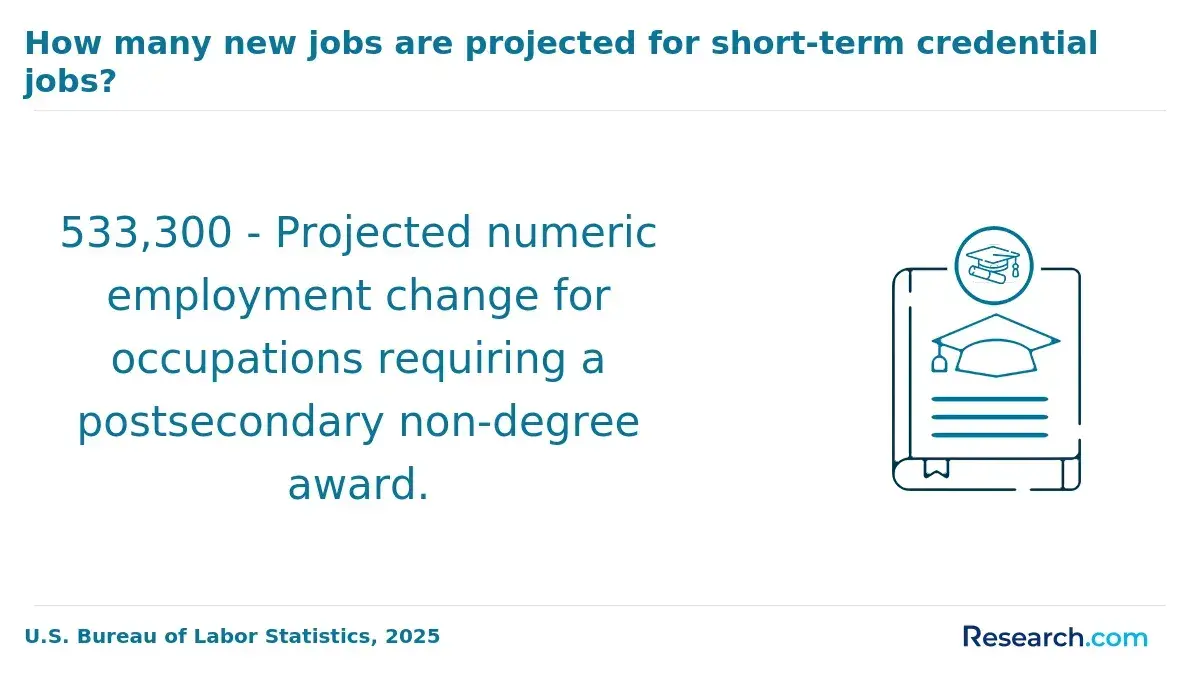
Many educational studies programs have waived GRE or GMAT requirements to reduce barriers related to test accessibility, cost, and concerns that these exams may not fully capture an applicant's potential. Reflecting this shift, over 60% of education programs now evaluate applicants through holistic review processes that do not require GRE or GMAT scores. This trend highlights how alternative admission criteria for educational studies are shaping access to graduate education.
Instead of standardized test scores, admissions committees examine several important factors to assess an applicant's readiness and fit for a program. These commonly include:
- Undergraduate GPA: This metric offers a reliable indicator of sustained academic performance and predicts success in graduate coursework better than a single exam score.
- Relevant Coursework and Experience: Admissions teams look for demonstrated knowledge or practical involvement in education-related subjects to confirm preparedness and genuine interest.
- Letters of Recommendation: These provide insight into an applicant's professional character, work ethic, and potential, as observed by trusted academic or workplace supervisors.
- Personal Statement: Through this narrative, candidates highlight their goals, educational commitment, and reasons for seeking admission, aligning personal aspirations with the program's values.
- Professional Experience: For working professionals, proven accomplishments and leadership roles can demonstrate applicable skills and maturity beyond academic measures.
These components allow schools to evaluate applicants more comprehensively, which complements the growing practice of how schools evaluate applicants without GRE or GMAT scores in educational studies. Prospective students seeking flexible graduate admission options might also explore affordable pathways such as online executive MBA programs.
Some educational studies programs offer waivers for GRE or GMAT requirements to broaden access for applicants who demonstrate readiness through other accomplishments. These waivers acknowledge that standardized tests are not the sole indicators of an applicant's potential for success in graduate education.
Below are typical groups who may be eligible for these test waivers:
- Experienced educators: Candidates with extensive teaching or leadership experience in education are often granted waivers, as their practical expertise provides strong evidence of capability beyond test scores.
- Academic achievers: Applicants boasting high undergraduate GPAs or holding advanced degrees frequently qualify, reflecting consistent academic performance that suggests readiness for graduate study.
- Military personnel: Veterans and active service members are commonly excused from testing, with programs valuing the discipline and leadership skills fostered through military service.
- Accredited institution graduates: Students from reputable universities with rigorous curricula may receive exemptions, as their educational background signals advanced preparation.
- Certified professionals: Those with significant professional certifications or notable accomplishments in the education field can be considered for waivers due to their proven expertise.
A graduate of an online educational studies program without GRE or GMAT mandates shared that the waiver process was both relieving and somewhat uncertain. "I felt anxious about whether my professional experience would be enough, but the school's supportive admissions team made the steps clear," he recalled. He appreciated how the waiver made the application less stressful and allowed him to focus on highlighting his background and goals instead of preparing for a standardized test. This approach, he noted, helped reduce barriers commonly faced by nontraditional students like himself.
Many applicants wonder if educational studies programs that waive GRE or GMAT requirements maintain the same academic standards as those that require these exams. This concern arises from the belief that standardized tests indicate program rigor and student preparedness. The following points clarify how course demands compare between these program types.
- Curriculum consistency: Programs without test requirements typically offer core coursework that parallels those with GRE or GMAT prerequisites, focusing on foundational theories and practical skills essential to education.
- Learning objectives: Both program types emphasize the development of critical thinking, research capabilities, and applied knowledge to prepare students for educational roles.
- Faculty involvement: Professors in no-test and test-required programs alike oversee course quality through carefully designed syllabi and thorough student assessments, ensuring academic integrity.
- Assessment strategies: Evaluation methods such as exams, research projects, and presentations are generally consistent regardless of admissions testing policies, prioritizing content mastery.
- Support resources: Some no-GRE or GMAT programs may offer additional academic support or preparatory tools to enhance student success without lowering standards.
Overall, eliminating standardized test requirements tends to broaden admissions accessibility but does not diminish the academic expectations or workload of educational studies students.
Concerns about the academic rigor of no-GRE or no-GMAT educational studies programs are often addressed by the role of accreditation, which focuses on educational quality rather than admission tests. Many accredited programs have shifted to test-optional policies to broaden access and foster diversity without sacrificing standards. Accreditation bodies ensure curricula and outcomes meet established benchmarks, irrespective of standardized exam requirements. This trend has gained momentum as institutions recognize that quality education does not depend solely on GRE or GMAT scores.
Accreditation for these programs operates at multiple levels, starting with institutional accreditation that validates the overall excellence of the college or university. Additionally, some educational studies programs hold specialized accreditations that specifically assess their academic and professional relevance. Prospective students should confirm a program's accreditation through reliable sources like the U.S. Department of Education or the Council for Higher Education Accreditation. Doing so assures that choosing a no-GRE or no-GMAT option preserves both academic integrity and professional recognition.
Standardized testing expenses can significantly impact students preparing for an educational studies degree, with fees for the GRE and GMAT commonly ranging from $205 to $275. Additionally, many candidates spend between $200 and $1,000 on test prep, making fee waivers a notable financial consideration. Several factors determine whether skipping these exams actually lowers the overall cost of earning the degree.
- Testing and prep savings: Waiving exams eliminates the initial fees and expensive preparation materials or courses, offering immediate monetary relief for applicants wary of upfront costs.
- Application timelines: Forgoing standardized tests can speed up the admissions process, minimizing delays that might otherwise prolong enrollment and increase living or opportunity costs.
- Tuition differences: Certain programs with test waivers may charge different tuition rates, so savings on testing could be offset by higher program costs in some cases.
- Financial aid eligibility: While exam waivers generally don't affect access to scholarships or loans, they might influence competitiveness for limited aid, indirectly impacting overall expenses.
- Indirect costs: Reducing time spent preparing for or retaking exams helps avoid lost wages or extended education timelines, factors often overlooked when assessing total program affordability.
When I asked a graduate of a no-GRE educational studies program about her experience, she reflected on how waiving the test truly shaped her financial journey. "Not having to prepare for or schedule the GRE relieved a huge burden," she shared. "I was able to apply earlier and start classes without that added stress or expense." She recalled initial apprehension about whether skipping the exam would affect her chances but ultimately felt the decision saved her both money and time. She also noted that this flexibility allowed her to balance part-time work without the pressure of intensive test prep, which made the entire process feel more manageable and less costly than she had initially feared.
Time to graduation is a key consideration for prospective students because it affects career plans, financial commitments, and overall satisfaction with their educational journey. National statistics indicate that completing a master's degree typically takes around two to three years, although retention rates vary based on the support and flexibility offered by programs. Below are several factors influencing whether removing GRE or GMAT requirements impacts the time to complete educational studies degrees.
- Admissions readiness: Without GRE or GMAT scores, programs often rely on applicants' academic records and professional experience to gauge their preparedness. This evaluation can help ensure students are capable of progressing steadily through coursework, directly affecting completion speed.
- Course sequencing: The structure and clarity of course pathways play a crucial role. Programs with well-planned sequences allow students to efficiently complete required credits, avoiding delays that may arise from unclear or inflexible curricula.
- Academic support: Advising, tutoring, and mentoring services provide essential guidance, helping students overcome challenges and maintain consistent progress toward graduation. These resources are vital, especially in programs that have adopted no GRE or GMAT policies.
- Student demographics: Factors such as enrollment status (full-time versus part-time) and outside commitments like work or family responsibilities heavily influence pacing. These aspects often drive how quickly students can finish degree requirements.
- Program format: Online, in-person, or hybrid delivery modes affect access to resources and scheduling flexibility. This can shape how promptly students meet their academic goals, particularly in programs that attract diverse learners seeking alternative admissions routes.
Allowing applicants to enter educational studies programs without GRE or GMAT scores can improve accessibility and admissions competitiveness while still aligning with student progression goals. For those exploring options, understanding these influences may help when comparing various offerings, including affordable online bachelor degree programs that can complement graduate study pathways.
Considering the impact of no GRE no GMAT policies on educational studies program completion involves recognizing these factors collectively, as they determine how quickly students advance and graduate.
Many prospective students wonder whether employers value educational studies degrees differently when programs do not require the GRE or GMAT for admission. This concern is especially relevant as a 2023 survey by the Council of Graduate Schools found nearly 60% of graduate programs have adopted test-optional policies to increase accessibility and diversity. Understanding employer perception is essential for those considering how a no-GRE or no-GMAT educational studies degree might impact career advancement.
Several factors shape how employers view these test-optional degrees from educational studies programs:
- Professional experience: Employers often prioritize relevant work history over standardized test scores, especially for education-related roles where practical skills matter more.
- Skill assessment: Practical teaching portfolios and performance-based evaluations typically provide stronger evidence of candidate capability than GRE or GMAT scores alone.
- Program reputation: The accreditation and prestige of the degree-granting institution heavily influence employer confidence, often outweighing admissions criteria.
- Industry trends: Increasingly, employers focus on interpersonal skills, cultural competency, and field experience instead of traditional test benchmarks.
- Awareness of changes: Some employers may still be unaware of the shift to no-GRE or no-GMAT policies, but broader educational trends favor credentials that promote equity and accessibility.
Overall, the benefits of no GRE or GMAT educational studies degree for career advancement include greater accessibility to programs and a focus on real-world skills that align with employer needs. Prospective students seeking pathways with fewer standardized testing barriers could also explore an associates degree as another accessible option for professional growth.
Prospective students often wonder if choosing an educational studies program with or without GRE requirements affects their future earnings. Research shows graduates from GRE-required programs typically begin their careers earning about 5% more than those from no-GRE programs. However, over time, salary differences tend to diminish as experience and skills play a larger role in career advancement.
Several factors contribute to these salary variations:
- Program reputation: Programs that require the GRE are often seen as more selective, which can enhance a graduate's credibility and open doors to higher-paying positions.
- Work experience: Hands-on experience through internships or field placements complements academic credentials, providing a boost to initial and long-term earnings.
- Skill development: Proficiency in sought-after skills like data analysis or educational technology can increase employability and lead to better compensation.
- Industry demand: Regions or specialties experiencing teacher shortages or educational reforms tend to offer elevated salaries due to competitive hiring.
- Regional variations: Geographic differences in cost of living and job market saturation strongly influence salary levels across states.
What Graduates Say About Their Educational Studies Degree Program with No GRE or GMAT Requirements
- Lois: "I chose to pursue an educational studies degree with no GRE or GMAT requirements because I wanted a smoother admission process without the pressure of standardized testing. The overall cost was surprisingly affordable compared to other programs, which made it accessible for me as a working adult. Graduating from this program opened doors to new leadership roles in my school district, and I feel more confident in my professional growth."
- Zain: "My decision to enroll in an educational studies degree program that didn't require GRE or GMAT scores was driven by my need to balance family commitments and study. The reasonable tuition fees made it easier to manage financially without compromising my education quality. Since completing the program, I've been promoted to a curriculum developer position, which has been a fulfilling step forward in my career."
- Myles: "Going for an educational studies degree with no GRE or GMAT prerequisites was a practical choice for me, eliminating the stress of extra exams and application hurdles. Considering the cost, which was well within my budget, it felt like a great investment. The degree significantly enhanced my qualifications as an education consultant, allowing me to serve clients more effectively and expand my professional network."
Other Things You Should Know About Educational Studies Degrees
In 2027, students enrolling in educational studies programs without GRE or GMAT requirements can access various financial aid opportunities. These include federal student loans, scholarships, grants, and work-study programs offered by institutions. It's important to check each program's specific aid options and eligibility criteria.
Yes. Many universities offer tuition waivers, assistantships, or graduate scholarships for Educational Studies applicants, even when no GRE or GMAT is required. Common awards are based on GPA, FAFSA results, or department review. Deadlines often fall between December and March for fall entry.
Prospective students should review the curriculum and faculty credentials to assess program rigor, as the absence of GRE or GMAT requirements does not imply lower academic standards. Many no-test programs maintain challenging coursework and research expectations equivalent to those that require standardized tests. Students are encouraged to evaluate syllabi, course descriptions, and faculty expertise to ensure the program meets their educational and career goals.
Yes, many educational studies programs that waive GRE or GMAT requirements place increased emphasis on professional experience. Applicants with relevant teaching experience, administrative roles, or educational leadership positions can strengthen their applications by demonstrating practical skills and contributions to the field. Admissions committees often consider detailed resumes, letters of recommendation, and personal statements to evaluate candidates without standardized test scores.
- Best Online EdD Programs – No GRE Requirement - Degreechoices.com https://www.degreechoices.com/blog/best-online-edd-programs-with-no-gre-requirement/
- The 25 MBA Programs That Don't Require GMAT (or GRE) https://www.joinleland.com/library/a/mba-programs-that-don-t-require-gmat-or-gre
- 2025's Best Online Master’s Programs: No GRE Required https://www.onlinemastersdegrees.org/best-programs/no-gre/
- 18 Highest Paying Jobs With an Education Degree (not teaching) | Devlin Peck https://www.devlinpeck.com/content/jobs-with-an-education-degree
- Where can I study in USA without GRE/GMAT for Masters? https://www.hotcoursesabroad.com/india/test-preparation/how-to-prepare-for-gre-exam/masters-in-usa-without-gre-gmat/
- Master of Education in Educational Studies (MEd) https://www.grad.ubc.ca/prospective-students/graduate-degree-programs/master-of-education-educational-studies
- Exhaustive List of Online MBA No GMAT or GRE Programs https://www.geteducated.com/online-college-ratings-and-rankings/online-degree-selects/regionally-accredited-online-mbas-that-do-not-require-the-gre-or-gmat/
- Master Education | Lasell University https://www.lasell.edu/graduate-studies/academics/master-of-education.html
- Explore Online Masters in Teaching MAT Degree Programs https://teach.com/online-ed/education-degrees/online-mat-programs/
- How Do Employers Determine which College Degrees Rank Higher? https://www.greatvaluecolleges.net/faq/how-do-employers-determine-which-college-degrees-rank-higher/