2027 Educational Studies Degrees Explained: Are They Classified as Professional Degrees?

Co-Founder and Chief Data Scientist
Many prospective students mistakenly believe that all educational studies degrees are professional degrees leading directly to licensure or guaranteed career advancement. In reality, only a subset of these programs qualify as professional degrees, which can confuse applicants aiming to maximize their employment prospects. According to the U. S. Bureau of Labor Statistics, employment in education-related occupations requiring advanced degrees is projected to grow 8% from 2022 to 2032, emphasizing the importance of choosing the right type of program. This article clarifies the distinctions between academic and professional educational studies degrees, detailing accreditation, costs, and outcomes to guide informed decisions.
Key Benefits of Professional Educational Studies Degrees
- Holders of professional educational studies degrees often qualify for leadership positions in schools and educational organizations, enhancing career advancement potential.
- These degrees typically lead to higher salaries, with graduates earning up to 20% more over their careers compared to those with only bachelor's credentials.
- The degree may be required for regulated roles, such as specialized educational consultants or advanced certification necessary for certain educational authorities.
What Is Considered a Professional Educational Studies Degree?
Knowing what qualifies as a professional educational studies degree is essential for students exploring career-focused and licensure-oriented education pathways. This clarity helps ensure that programs meet specific criteria for state certification and practical job readiness. Enrollment in teacher preparation programs has increased by 3%, indicating sustained demand for professional degrees aligned with licensure standards.
Below is a myth-versus-fact structure that clarifies common misconceptions about professional educational studies degree programs.
Licensure Guarantee
- Myth: All educational studies degrees automatically guarantee licensure and career-ready skills.
- Fact: Only professional educational studies degree programs that include applied practicum and curriculum designed to meet state licensure requirements prepare students for certification and career readiness.
Theoretical vs. Applied
- Myth: Educational studies degrees primarily focus on teaching practical skills for education careers.
- Fact: Many educational studies degrees emphasize theoretical knowledge and research rather than applied training and supervised clinical hours required for licensure.
Career Outcomes
- Myth: A professional educational studies degree only prepares you for classroom teaching roles.
- Fact: These degrees often lead to diverse careers such as school counseling or administration, supported by program outcomes aligned with specific state certifications.
For students considering advanced education, it is important to compare programs, including options like MBA programs, to find pathways that best support their professional goals.
Who Should Pursue a Professional Educational Studies Degree?
Identifying the right candidates for professional educational studies degrees is essential for students seeking career-focused, practice-oriented education designed to meet state certification requirements. These programs emphasize hands-on training and accreditation standards crucial for licensure and career advancement. Enrollment in professional educational studies programs has grown by more than 20% over the past five years, highlighting rising demand for formally trained educators.
Below is a myth-versus-fact overview to clarify who benefits most from pursuing a professional educational studies degree.
Licensure Focus
- Myth: Professional educational studies degrees suit everyone interested in education.
- Fact: These degrees primarily serve early-career professionals aiming for licensure and roles requiring state certification, offering structured pathways aligned with licensure requirements.
Specialized Roles
- Myth: Professional educational studies programs do not prepare students for specialized or regulated education roles.
- Fact: Individuals seeking specialized or regulated positions benefit from the practical skills and accreditation emphasized in these programs, making them vital for career advancement.
Career Changers
- Myth: Career changers aiming to enter education cannot leverage professional educational studies degrees effectively.
- Fact: Career changers find these degrees valuable as they provide practical credentials and a clear framework for transitioning into teaching or administration roles.
Students evaluating options should also explore online degrees in counseling as part of understanding careers requiring professional educational studies degree credentials within education and related fields.
What Are the Most Common Professional Educational Studies Degree Programs?
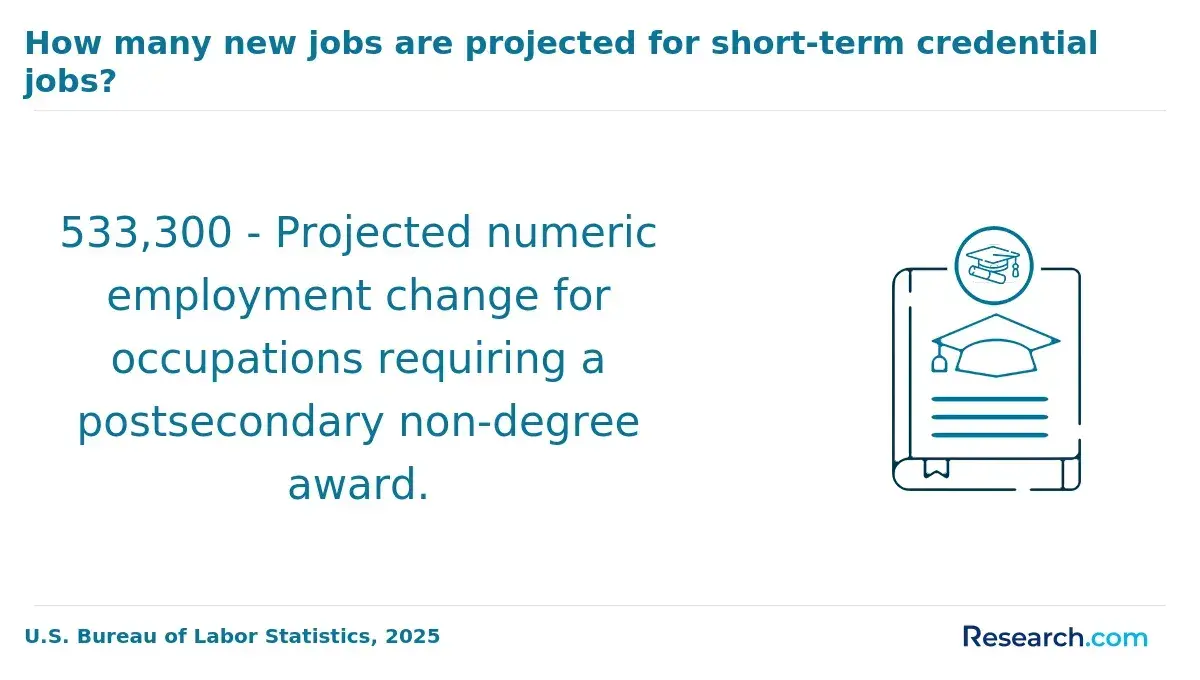
Choosing the right professional educational studies program is crucial for aligning with specific career objectives within education. Awareness of available options helps students select programs that best suit their licensure and skill development needs. Enrollment in teacher education programs, for example, has grown by 10% over the last five years, reflecting rising demand for qualified educators nationwide.
Here are some of the most common professional educational studies degree programs:
- Teacher Preparation: This program focuses on instructional methods, classroom management, and subject-specific teaching techniques. It remains the most widely enrolled due to ongoing needs for skilled teachers.
- Educational Leadership: Designed for those aiming at administrative roles, this program covers organizational management, policy analysis, and leadership principles critical for effective school governance.
- Special Education: With growing legislative backing for students with diverse needs, this program emphasizes customized teaching strategies and knowledge of legal frameworks surrounding disabilities.
- Curriculum and Instruction: Concentrating on course design and instructional improvement, this program trains educators to develop effective educational materials and teaching approaches.
Accreditation is an essential factor for students considering professional educational studies degree programs, as it ensures that the program meets recognized standards of quality and legitimacy. Over 85% of education-related degree programs with accreditation from recognized bodies report significantly higher graduate employment rates, emphasizing the real-world benefits of accreditation. Students often wonder about the role of accrediting bodies and the implications for licensure and career advancement.
Below are common misconceptions clarified with facts regarding accreditation for professional educational studies degrees.
Accreditation Types
- Myth: All professional educational studies degrees require programmatic accreditation from specific education councils.
- Fact: Accreditation can be institutional or programmatic. Institutional accreditation is granted to the entire college or university by regional or national agencies recognized by the US Department of Education, while programmatic accreditation targets specific educational studies or teacher preparation programs, often overseen by entities like the Council for the Accreditation of Educator Preparation (CAEP).
Licensure and Aid
- Myth: Accreditation is optional and does not affect licensure or financial aid eligibility.
- Fact: Accreditation from recognized agencies is generally necessary for graduates seeking teaching licenses and federal financial aid. Employers also favor accredited programs due to the assurance of consistent educational quality and standards.
Accreditor Authority
- Myth: All accrediting bodies are equally authoritative and recognized.
- Fact: Only accreditors acknowledged by the US Department of Education or the Council for Higher Education Accreditation (CHEA) hold official authority for professional licensing and degree recognition. It is critical for students to verify that their program's accreditation comes from legitimate sources, especially for professional educational studies degrees overseen by regional accreditation organizations for educational studies degrees in the United States.
Students should research accreditation carefully when considering professional educational studies programs, which often align with broader regional accreditation organizations for educational studies degrees. For those interested in related fields, exploring marriage and family therapy online programs accredited by recognized bodies may offer additional insights into program quality and oversight.
Knowing the admission requirements helps applicants gauge their readiness and competitiveness in entering professional educational studies programs, which often lead to career growth and licensure. Demand for these programs is growing steadily, with some reporting a 20% annual increase in applications, highlighting the importance of thorough preparation.
The following outlines essential criteria typically expected by admission committees.
- Bachelor's Degree: Applicants generally need an accredited bachelor's degree, ideally in education or a related field, to ensure foundational knowledge relevant to advanced study. This prerequisite confirms academic preparedness for graduate-level coursework.
- Minimum GPA: Many programs require a GPA around 3.0 or higher. This threshold helps identify candidates who have demonstrated consistent academic success and can handle challenging material.
- Standardized Test Scores: Submission of GRE or other standardized test results is often necessary to objectively evaluate verbal, quantitative, and analytical skills essential for graduate study.
- Letters of Recommendation: These provide insight into the applicant's professional abilities, character, and interpersonal skills. Strong endorsements signal readiness to thrive in educational environments requiring collaboration and dedication.
- Statement of Purpose: This document articulates career goals and educational commitment, allowing programs to assess alignment between candidate aspirations and program values.
Choosing the right professional educational studies degree requires a clear understanding of curriculum and practical components to ensure alignment with career goals and licensure requirements. These elements are vital for prospective students who need to assess how a program develops essential skills for education careers.
The following highlights common course and training requirements found in these programs.
- Educational Psychology: Focuses on how students learn and develop, covering theories of motivation, cognition, and behavior. This course equips students with knowledge to tailor instruction to diverse learner needs, a foundation for effective teaching practices.
- Curriculum Development: Teaches the design and evaluation of instructional programs. Students learn to create lesson plans and educational materials that meet both state standards and student learning objectives, which is critical for advancing in educational roles.
- Assessment Strategies: Covers methods to evaluate student learning and educational outcomes. Students gain skills in formative and summative assessments, enabling them to measure effectiveness and guide instructional improvements.
- Instructional Technology: Explores tools and resources to enhance learning experiences. Training in educational technology prepares students to integrate digital tools and innovative techniques within classrooms or educational settings.
- Practical Training for Educational Studies Professionals: Incorporates supervised fieldwork and student teaching assignments where theoretical knowledge is applied in real classrooms. This hands-on experience is essential for developing classroom management skills, adapting to varied learner needs, and fulfilling requirements for teaching licensure or certification.
Prospective students evaluating program options may consider accelerated paths, such as an accelerated bachelor's degree online, which can offer a streamlined route to fulfilling these rigorous academic and practical requirements. Understanding the balance between coursework and practical training enables candidates to select programs that truly prepare them for educational careers and professional growth.
Understanding the cost of professional educational studies degrees is essential for prospective students evaluating their educational options and planning their finances. On average, tuition fees for professional education programs range from $10,000 to over $40,000, depending on various factors including institution type and program format.
Several key financial components influence the total cost of completing a professional educational studies degree.
- Tuition and fees: This represents the largest expense and varies widely between public versus private institutions, as well as on-campus compared to online delivery. Tuition fees for professional education programs often reflect these differences, impacting affordability.
- Books and materials: Programs require specialized textbooks and educational resources, which can add several hundred to several thousand dollars to overall costs. These expenses are sometimes overlooked but are necessary for successful completion.
- Technology and software fees: Especially significant for online programs, these fees may be bundled with tuition or billed separately and contribute to the total financial commitment.
- Living expenses: Full-time, on-campus students must consider housing, transportation, and food costs, which substantially increase the amount needed to complete their degree.
- Additional certification costs: Some programs require licensing exams, background checks, or other certification-related fees that add to both the time and cost of obtaining credentials.
Many students now choose flexible and hybrid options to reduce living expenses and shorten time-to-completion, thereby lowering costs. For those seeking efficient career advancement, exploring the best online certificate programs can complement their professional educational studies degree while managing expenses effectively.
Financial aid is often a critical factor for those exploring professional educational studies programs due to the significant costs involved and the impact on career decisions. Nearly 70% of graduate students in education make use of financial aid, highlighting its importance in this field. Below are common myths and facts about financial aid eligibility for these degrees.
Loan Eligibility
- Myth: Professional educational studies degrees are typically excluded from federal financial aid because they fall under nontraditional or continuing education categories.
- Fact: Accredited professional educational studies programs usually qualify for federal aid, including Direct Subsidized and Unsubsidized Loans, with eligibility based primarily on accreditation and enrollment status rather than degree type.
Scholarship Access
- Myth: Scholarships and grants for educational studies students are scarce or unavailable.
- Fact: Many scholarships and grants specifically support education professionals, with additional funding options such as employer tuition reimbursement and public service loan forgiveness for qualifying educators.
Clarifying which careers require a professional educational studies degree helps prospective students target programs wisely and avoid unnecessary investment. Licensure and specialized roles often demand accredited degrees aligned with state regulations, which can significantly affect employment opportunities. For instance, the U.S. Bureau of Labor Statistics projects a 4% growth in education administrator jobs through 2031, underscoring steady demand for qualified professionals holding recognized credentials.
Here are some common myths contrasted with factual insights.
Degree Necessity
- Myth: All education-related careers require a professional educational studies degree.
- Fact: While many roles need such degrees, non-licensed positions in adult education, training, or education support often accept broader qualifications.
Licensure Requirements
- Myth: Licensure is the same across states and jobs, so one degree fits all.
- Fact: Licensure rules differ by state and job type; only degrees meeting specific accreditation and certification criteria qualify candidates for licensed roles like teaching or counseling.
Specialized Roles
- Myth: Specialized education positions do not require professional degrees.
- Fact: Positions such as school counselors and educational administrators generally require degrees accredited by recognized bodies plus state licensure or certification to ensure competency.
Evaluating the financial returns of professional educational studies degrees helps students decide if the investment in time and tuition is worthwhile. These degrees aim to enhance careers, but understanding their impact on salary is essential for informed choices. Below are common misconceptions and the realities regarding earnings and career benefits from these degrees.
Salary Guarantee
- Myth: A professional degree in educational studies always leads to higher pay.
- Fact: While such degrees can improve qualifications, increased salary depends on job role, geographic location, school funding, and extra certifications.
Career Advancement
- Myth: Educational studies degrees ensure quicker promotions or leadership roles.
- Fact: These degrees may open doors to specialized or administrative positions, but career growth also requires experience, licensure, and professional networks.
Top Earnings
- Myth: Holding this degree automatically qualifies you for the highest-paying education jobs.
- Fact: High-paying roles often demand advanced credentials and extensive experience beyond the degree itself.
Long-Term Gains
- Myth: Professional degrees guarantee strong financial growth over time.
- Fact: While steady salary increases are possible with ongoing development, the degree alone doesn't secure lasting financial success without continued skill enhancement and strategic career planning.
In short, salary increases from professional educational studies degrees vary significantly. It's important for students to review program accreditation, curriculum relevance, and alignment with career goals before committing resources to such degrees.
What Graduates Say About Their Professional Educational Studies Degree
- Louis: "Choosing a professional educational studies degree program was one of the best decisions I've made. The flexibility allowed me to balance work and study seamlessly, and knowing the average cost of attendance made planning easier. Since graduating, I've seen a significant impact on my career growth and confidence in educational leadership roles."
- Zain: "Reflecting on my journey, the professional educational studies degree program offered me the adaptability I needed to pursue higher education without sacrificing my job. Understanding that the cost was manageable motivated me to take the leap. Today, my enhanced skills have opened doors in curriculum development and training that I hadn't imagined before."
- Myles: "As a professional, I valued the practical approach of the educational studies degree program and its flexible schedule, which fit perfectly with my busy lifestyle. The investment was reasonable compared to the career advancement I have achieved since completion. This degree truly equipped me with the tools to succeed in educational consulting and management."
Other Things You Should Know About Educational Studies Degrees
Yes, many institutions offer online professional Educational Studies degree programs. These programs often include synchronous and asynchronous learning options, allowing students to balance studies with work or personal commitments. However, some programs may require in-person practicums or field experiences for licensure or certification purposes.
For licensure, the program should hold regional accreditation, and the educator-preparation component should be approved by the state education department or board. Many states also require Council for the Accreditation of Educator Preparation (CAEP) recognition for teacher-licensure pathways, plus supervised fieldwork and a passing score on the state’s required exam.
Many programs offer specializations such as curriculum development, special education, educational leadership, or counseling. Choosing a specialization can tailor a degree to specific career goals and meet employer or licensure requirements in niche areas of education.
- The Top 3 Grad School Myths – Busted | Lebanon Valley College https://www.lvc.edu/news/grad-school-myths-busted/
- Educational Studies Program | Otterbein University https://www.otterbein.edu/programs/educational-studies/
- Educational Studies - Majors at Mizzou https://majors.missouri.edu/educational-studies-bes/
- Debunking dangerous myths about teachers’ pay - Grattan Institute https://grattan.edu.au/news/debunking-dangerous-myths-about-teachers-pay/
- Education and Educational Studies Major, Minor, and Concentration | Haverford College https://www.haverford.edu/academics/education-and-educational-studies-major-minor-and-concentration
- Financial Aid Myths - College for TN https://www.collegefortn.org/financial-aid-myths/
- Requirements https://www.middlebury.edu/college/academics/education-studies/requirements
- Tuition and Fees - Graduate Certificate in Educational Studies - Teaching Students with Complex Communication Needs https://www.ualberta.ca/en/education/professional-learning/graduate-certificate-in-educational-studies/teaching-students-with-complex-communication-needs/tuition-and-fees.html
- Online Degree Programs Myths And Facts, Check Details https://pwskills.com/blog/online-degree-programs-myths-and-facts/
- What’s it like studying Education Studies? https://durham-student.org/whats-it-like-studying-education-studies/