
2027 Different Types of Educational Studies Degrees and Their Salaries

Co-Founder and Chief Data Scientist
The demand for skilled professionals in education continues to rise as schools and organizations seek experts who can address evolving learning needs and improve outcomes. Employment in education-related fields is projected to grow steadily over the next decade, reflecting increased investment in training and development. Understanding the various pathways within educational studies is crucial for making informed decisions about career trajectories and earning potential. This article offers a detailed exploration of the different types of educational studies degrees and outlines the expected salary ranges for graduates in each area, providing valuable insights for those planning their educational and professional futures.
Key Points About Different Types of Educational Studies Degrees and Their Salaries
- Individuals with an associate degree in educational studies typically start in support roles such as teacher aides or administrative assistants and earn median salaries around $30,000 to $40,000 annually, reflecting entry-level opportunities with limited advancement.
- Bachelor's degree holders in educational studies have access to a wider range of teaching and coordination positions, with average salaries ranging from $45,000 to $60,000, and they experience stronger job growth due to qualification requirements for many K-12 teaching roles.
- Master's degree graduates in educational studies often qualify for leadership positions like curriculum specialists or education consultants, commanding median salaries between $65,000 and $85,000, while benefiting from increased job security and higher long-term career growth.
What Are the Different Types of Educational Studies Degrees Available?
Understanding the different types and levels of educational studies degrees is crucial for students before selecting a program because each degree caters to varied career goals and educational backgrounds. Making an informed choice ensures that your academic experience aligns with your professional aspirations and personal interests. To help clarify your options, here is an overview of the main types of educational studies degrees and what distinguishes each.
Below are the key degree types and their specific academic focuses:
- Associate Degree in Educational Studies: This degree provides a foundational introduction to educational theory and general studies, including child development and basic teaching strategies. It prepares students for entry-level roles such as teaching assistants or serves as a stepping stone toward higher degrees.
- Bachelor of Arts or Science in Educational Studies: Offering a broad interdisciplinary perspective, this degree explores education's links to psychology, public policy, and sociology. Coursework often includes educational philosophy, assessment, curriculum design, and teaching diverse learners but does not lead to teacher licensure.
- Bachelor's Degree in Early Childhood or Elementary Education: Focused on supporting young learners, this degree emphasizes child development, literacy, math, and creating developmentally appropriate learning environments for pre-kindergarten through elementary students.
- Bachelor's Degree in Secondary Education: Designed to prepare educators for middle and high school, this program combines subject-area content with adolescent development and instructional methods tailored for older learners.
- Master of Education (M.Ed.) or Master's in Instructional Design: These programs advance knowledge in curriculum development, educational research, and leadership. Instructional design degrees focus on technology integration and assessment design to create effective learning experiences.
- Educational Specialist Degree (Ed.S.): A post-master's credential, the Ed.S. offers deeper expertise in educational leadership, school administration, and instructional supervision topics, aimed at specialist or leadership roles.
- Doctoral Degree in Education (Ed.D. or Ph.D.): The highest academic level focuses on research, educational theory, and policy, with coursework in advanced research methods, data analysis, and original scholarship development.
Salary ranges and career prospects vary widely depending on the degree level, with median annual wages spanning from roughly $29,000 for associate degree roles to over $80,000 for those holding advanced doctoral degrees. For students exploring the most in demand college majors, educational studies remain a versatile and rewarding field. More detailed insights are available at most in demand college majors.
What Specializations Are Available in Educational Studies Degrees?
Choosing a specialization within an educational studies degree is a crucial decision that helps students focus their learning on specific career objectives. This targeted approach ensures that graduates acquire relevant skills and knowledge tailored to the demands of their desired professions.
Below are some common Educational Studies specializations and the opportunities they provide:
- Educational Studies: Teaching, Learning, and Leadership: Emphasizes instructional strategies and leadership across various educational settings. Key skills include curriculum development, classroom management, and mentoring, preparing graduates for roles in corporate training, community education, or school administration.
- Educational Studies: Innovation, Technology, and Society: Focuses on the integration of technology and social dynamics in education. Students develop expertise in digital tools, data analysis, and instructional design, often pursuing careers as instructional designers, technology specialists, or multimedia developers.
- Educational Studies: STEM: Specializes in science, technology, engineering, and mathematics education. This track enhances pedagogical skills and the use of hands-on learning approaches, leading to careers in STEM curriculum development, informal science education, and public engagement.
- Educational Studies: Policy and Advocacy: Centers on education policy, law, and social justice issues. Graduates gain abilities in research, policy evaluation, and advocacy, securing roles in government agencies, non-profits, or think tanks.
- Educational Studies: Child and Adolescent Development: Explores cognitive, social, and emotional growth from early childhood through adolescence. Students are prepared for careers in child welfare advocacy, youth counseling, and family services.
- Educational Studies: Global Education: Investigates education in international and multicultural contexts. This specialization develops skills in comparative education, policy analysis, and human rights, with graduates often working in NGOs, international development, or global exchange programs.
For those considering their academic path, selecting the right focus can boost job satisfaction and earning potential. Students interested in flexible learning options may find easy college classes to take online useful for complementing their educational studies degree.
How Long Does It Take to Complete Each Type of Educational Studies Degree?
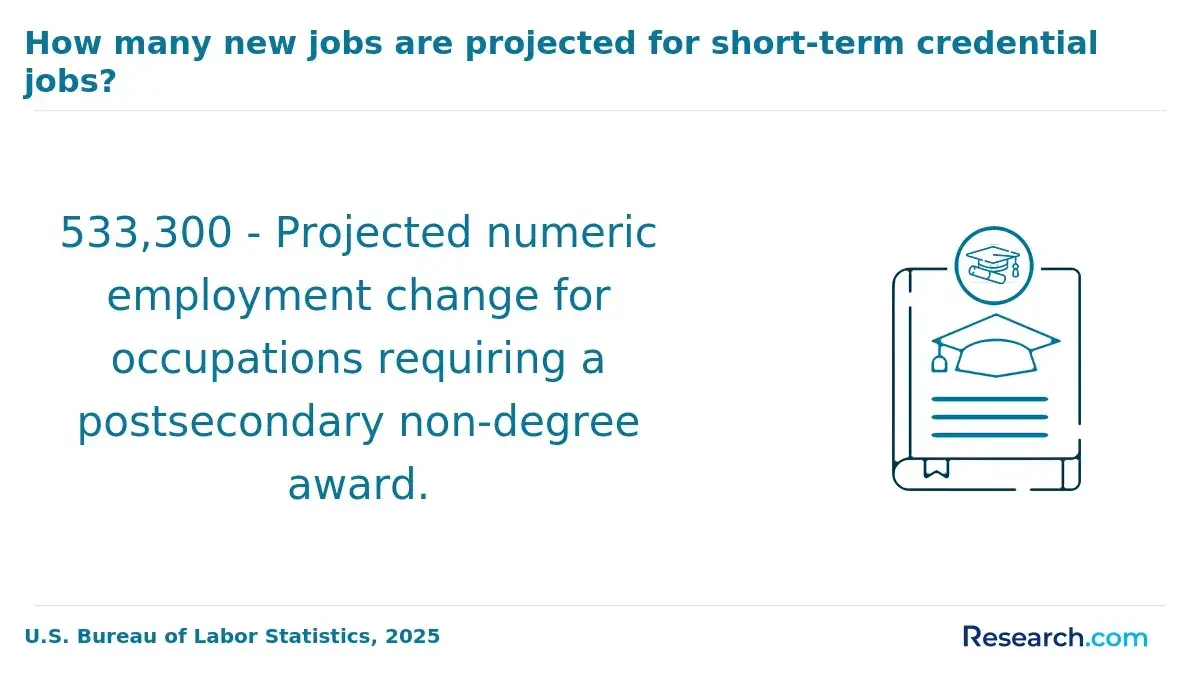
Understanding the typical duration of educational studies programs is essential for students as it helps them plan their academic journeys and career timelines effectively. Knowing how long each degree type usually takes can also assist in managing financial and personal commitments.
Below is an overview of the main educational studies degree types and their typical completion times.
- Associate Degree in Educational Studies: Usually completed in about two years of full-time study, this degree can sometimes be finished sooner if students transfer credits from high school or attend summer sessions. Part-time options can extend the timeline beyond two years. Many schools also offer online formats that provide flexibility for working students.
- Bachelor's Degree in Educational Studies: Typically requires four years of full-time study, though students with prior college credits or who take accelerated courses might complete it in three years. Part-time enrollment or balancing work and study can lengthen this period. Online and hybrid programs are frequently available to accommodate diverse schedules.
- Master's Degree in Educational Studies: Generally takes between one and two years of full-time study after earning a bachelor's degree. Some programs offer accelerated tracks that finish in a year, while part-time options may extend the timeline to three or more years. Online master's degrees are common, making it easier for professionals to continue working while studying.
- Doctoral Degree in Educational Studies: This is the longest program, often requiring anywhere from three to seven years to complete depending on the research focus, dissertation progress, and enrollment status. Part-time pathways and professional commitments can increase this timeline, though some universities provide structured online doctoral options to enhance flexibility.
Accelerated educational studies degree programs do exist and are designed to help students shorten the time needed to complete their degrees compared to traditional formats. These programs often allow undergraduates to take graduate-level courses during their junior or senior years, enabling them to earn both a bachelor's and a master's degree in as little as five years instead of the typical six or more.
Some programs, especially online options, use condensed course schedules-such as 7- or 8-week terms-and offer year-round enrollment to maximize credit accumulation annually. Additionally, many accelerated tracks recognize transfer credits or prior learning experiences, which can further reduce the total time required, sometimes enabling students to complete a bachelor's degree in as little as 18 to 24 months if enough credits are transferred or validated.
Common formats for these accelerated pathways include dual-degree structures like 4+1 or 5-year BS/MS programs that blend undergraduate and graduate coursework, condensed or intensive term schedules, and flexible online or hybrid delivery models ideal for working adults or those with family obligations. Programs also often accept prior college credits or experiential learning to cut down on course requirements.
However, key considerations include the intensity of the workload-accelerated programs demand a heavier course load and little downtime, which can heighten stress and challenge time management-and strict eligibility criteria, such as maintaining a minimum GPA and completing certain credits before progressing to graduate courses.
While accelerated graduates may have competitive advantages in education administration or policy roles, candidates should carefully evaluate if they have the academic preparedness and personal resilience needed to succeed in such fast-paced environments.
Online educational studies degree programs maintain academic standards comparable to traditional formats by following rigorous curricula, frequent assessments, and identical accreditation requirements. Many well-established universities offer online degrees taught by the same faculty who instruct on campus, ensuring alignment in course content and expected learning outcomes. Research spanning over a decade, including meta-analyses, shows that students in online programs often perform as well as, or slightly better than, their traditional counterparts, with average effect sizes favoring online or blended learning by about +0.20.
These programs utilize technology to deliver engaging multimedia content and provide regular feedback, which fosters student engagement and progress tracking. Accreditation remains a key factor; degrees from accredited institutions, whether earned online or in person, are widely recognized, maintaining quality assurance that employers and graduate programs increasingly expect.
Employer acceptance of online educational studies degrees has significantly increased in recent years. Surveys indicate that a large majority of online students believe their degrees' value equals or exceeds their cost. Moreover, 83% of business leaders acknowledge that an online degree from a reputable institution holds the same value as a traditional degree.
Human resource leaders increasingly view online learning as equal or superior in quality to traditional methods, with 61% expressing this view-a notable rise over previous years. Job placement rates for graduates of accredited online programs are comparable to those from traditional programs.
While some employers may inquire about the degree format, the emphasis is overwhelmingly on the reputation and accreditation of the institution rather than the mode of delivery. For prospective students, this means the credibility of an educational studies degree depends more on the institution's quality than on whether the program is online or on campus.
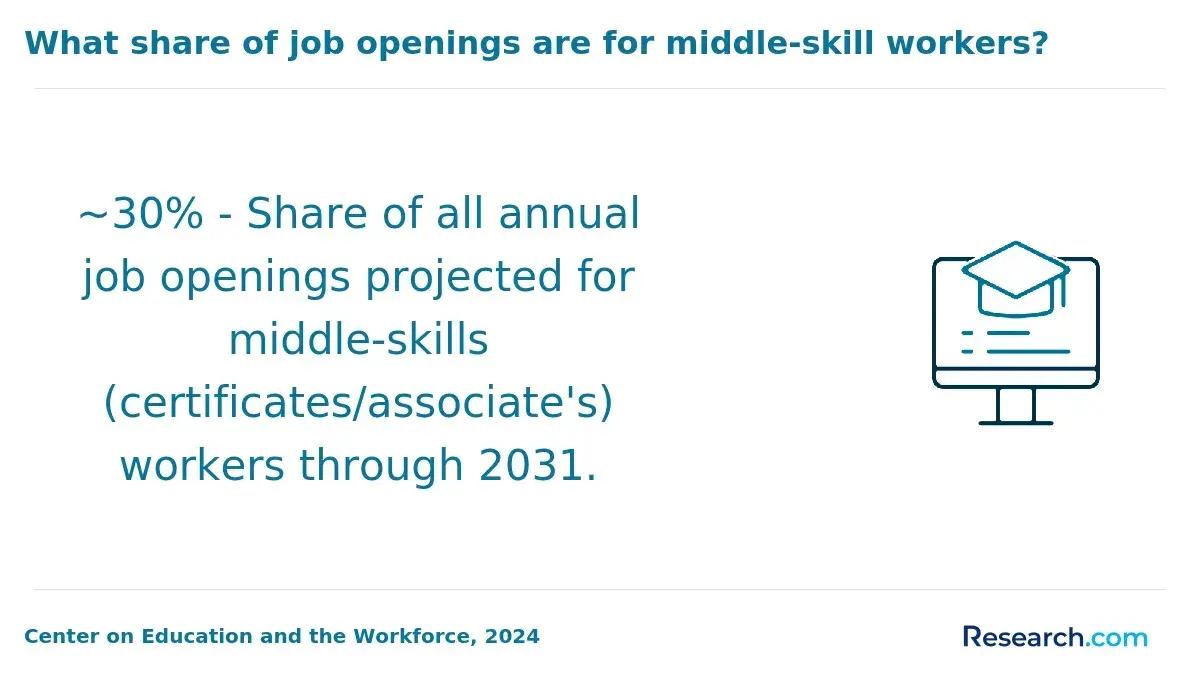
Understanding the tuition differences across educational studies degree levels is essential for effective budgeting and long-term financial planning. These costs can vary widely based on degree type, institution, and delivery format.
Below is an overview of the typical tuition ranges for each type of Educational Studies degree to help prospective students gauge their investments.
- Associate Degree in Educational Studies: Tuition for associate degrees is generally the most affordable, with community colleges charging around $3,332 per year for online programs and approximately $4,110 for in-district students at public colleges. Many students benefit from federal grants like the Pell Grant, which can significantly lower expenses for those who qualify.
- Bachelor's Degree in Educational Studies: Costs vary notably between public and private institutions. Public universities typically charge about $9,594 annually for online programs, with in-state on-campus tuition averaging $9,750 and out-of-state tuition reaching up to $27,457. Private universities tend to be the most costly, often near $38,800 per year. Financial aid options include federal grants, state scholarships, and institutional aid such as the TEACH Grant for those entering high-need teaching fields.
- Master's in Educational Studies: Online master's programs have an average yearly tuition of approximately $7,911. Some institutions, like Western Governors University, charge by term ranging from $4,125 to $4,950 every six months. Graduate students often access funding through scholarships, assistantships, and federal loans, which help mitigate the cost differences between public and private schools.
- Doctorate in Educational Studies: Doctoral tuition averages around $9,856 annually for online options, but fees can be significantly higher at prestigious research universities. Many doctoral candidates secure fellowships, research assistantships, or tuition waivers that reduce their financial burden while providing valuable professional experience.
The level of your educational studies degree-whether associate, bachelor's, master's, or doctoral-significantly influences the career opportunities and roles you qualify for. Higher degree levels generally lead to more advanced positions, increased leadership responsibilities, and higher salaries.
Below is a list outlining common jobs associated with each level of educational studies degree to help guide your career planning.
- Associate Degree in Educational Studies: Graduates with an associate degree typically enter entry-level roles such as teacher's aide, daycare provider, camp counselor, or recreation worker. These positions often focus on supporting classroom activities, child supervision, and early childhood education settings. The average salary for teacher's aides is approximately $29,360 per year.
- Bachelor's Degree in Educational Studies: Holders of a bachelor's degree qualify for roles like academic advisor, community outreach coordinator, instructional designer, tutor, education publisher, and school counselor. These jobs involve advising students, designing educational programs, and coordinating community services. Some graduates also work as charter school teachers or career counselors in private education. Academic advisors earn an average of $40,967 annually, while instructional designers make about $61,251. For more information on top-paying options related to this level, see bachelor's degrees that make the most money.
- Master's Degree in Educational Studies: Master's degree graduates often assume specialist and management positions such as training and development manager, education administrator, instructional coordinator, or educational consultant. Their responsibilities may include overseeing educational programs, curriculum design, and staff training. Education administrators typically have median salaries around $100,340 per year.
- Doctoral Degree (PhD or EdD) in Educational Studies: Doctoral graduates qualify for senior leadership, research, and postsecondary teaching roles, including university professor, education policy analyst, or executive director of educational organizations. These roles often involve leading research, shaping policy, and directing large educational initiatives, with median salaries ranging from $80,560 to $110,070 depending on position and institution.
Degree level often influences earning potential in educational studies, with higher credentials typically leading to better salaries and more career opportunities. Understanding these differences can help students make informed decisions about their education and future careers, especially when choosing among various degree types.
Below is an outline of typical salary ranges for each level of educational studies degree.
- Associate Degree in Educational Studies: Graduates with this degree usually earn around $50,000 annually. Entry-level roles such as teaching assistant or preschool teacher are common, and salaries can vary based on location and school district resources.
- Bachelor's Degree in Educational Studies: Holding a bachelor's degree opens doors to positions like classroom teacher, tutor, or instructional aide. Average salaries hover near $52,000 but range widely from $35,000 for preschool teaching to over $70,000 for specialized high school educators, affected by region and skill level.
- Master's Degree in Educational Studies or Education: Master's degree holders can expect salaries between $66,000 and $80,000, often working as instructional coordinators, curriculum developers, or principals. These advanced degrees also provide access to administrative roles with higher responsibility and pay.
- Doctoral Degree (PhD or EdD) in Educational Studies: Those with doctorates pursue careers as university professors, researchers, or higher education administrators, earning from $99,000 up to $170,000 or more depending on experience and role complexity.
Salaries in educational studies also depend on factors like employer type, geographic location, and specialization. Students seeking online programs might explore options at the top non profit accredited online colleges to balance career advancement with flexibility.
There is moderate to high demand for educational studies degree holders in the U.S. job market, particularly in fields aligned with evolving workforce needs and emerging technologies. Key areas experiencing strong demand include special education, STEAM (science, technology, engineering, arts, and mathematics), academic advising, and educational leadership. These fields often require advanced qualifications such as a Master of Education or Ed.D. Connecticut, for instance, reports competitive annual salaries for roles like special education directors and STEAM teachers.
Moreover, the growing emphasis on learner-centered, flexible pathways in postsecondary education has increased the need for academic advisors and student support specialists. Emerging technologies have significantly influenced employer expectations, with job postings requiring AI skills jumping to 1.7% in 2024, especially for candidates holding bachelor's, master's, or doctoral degrees.
As educational studies degrees traditionally focus on pedagogy and leadership, integrating technology and data literacy into these programs is becoming more critical to meet workforce demands. Regional differences also play a role: urban and suburban districts generally provide more opportunities and higher pay, while rural areas face shortages in teaching and counseling staff, further driving need.
The overall outlook for educational studies degree holders entering the workforce remains positive, particularly for those who specialize or adapt to workforce trends. Graduates who pursue advanced credentials or focus on high-need specializations are more likely to secure stable employment and competitive salaries.
While median earnings for bachelor's degree holders nationwide hover around $40,500, educational studies graduates often earn at the lower end unless occupying administrative or specialized roles. Students considering educational studies should be aware of these factors, as the sector is continuously evolving with technology and workforce dynamics.
For students exploring career options, it may also be helpful to review information on highest paying trades to compare potential earnings and opportunities across fields.
Choosing the right educational studies degree level is a critical decision that shapes your career path and aligns your education with both your professional goals and personal circumstances. Making an informed choice ensures you invest your time and resources wisely to support your future aspirations.
Consider these key factors when evaluating which degree level best suits your needs.
- Career Goals: Your desired role within the education sector should guide your degree choice. For example, entry-level teaching roles typically require a bachelor's degree, while administrative and leadership positions often demand a master's or higher, such as an Ed.D.
- Time Commitment: Different degree levels require varying lengths of study. A bachelor's usually takes four years, a master's one to two years, and terminal degrees like an Ed.D. may require two to three years, so consider how much time you can dedicate to your education.
- Financial Investment: Tuition and associated costs vary widely across degree types. Higher degrees generally involve greater expenses, so assess your budget and potential funding options before committing.
- Specialization Interests: Determine if you want to focus on areas like curriculum design, special education, or instructional leadership. Some specializations align better with certain degree levels, influencing both your academic experience and job prospects.
What Educational Studies Graduates Say About Their Degree and Salary
- Amara: "Completing my degree in early childhood educational studies opened so many doors for me, especially in community-centered roles that focus on holistic child development. The coursework gave me a deep understanding of how to nurture young minds not just academically but emotionally, which has made a real difference in my classroom. I feel incredibly fulfilled knowing I am shaping the foundation for lifelong learning and well-being. The opportunities for continuing professional growth in this field are abundant, and the job stability in early childhood education never fails to reassure me."
- Kalen: "With a focus in educational technology studies, my degree equipped me to step confidently into a rapidly evolving career landscape. The unique blend of pedagogy and tech strategy taught me to innovate how education is delivered, especially for under-resourced communities. Working at the intersection of education and technology has challenged me daily and allowed me to grow as both an educator and a problem solver. There's a profound satisfaction in knowing my work helps bridge educational gaps and shape future-ready learners."
- Celeste: "Reflecting on my journey in comparative educational studies, I'm grateful for the broad worldview this degree gave me. It pushed me to critically examine different educational systems and inspired me to advocate for equity and access on both local and global scales. Professionally, it enhanced my ability to lead initiatives that address systemic challenges in education, and personally, it fueled my passion for social justice. The collaborative environments I've worked in consistently value the global perspective that this degree fosters."
Other Things You Should Know About Educational Studies Degree Programs & Salaries
Most school counselor roles require a state-issued school counseling credential, a master’s degree in school counseling or a closely related field, and a supervised internship of about 600 hours. Public schools also require district hiring approval, and some states require the Praxis School Counselor exam.
Yes, advanced degrees like master's or doctorates in educational studies typically lead to higher salaries. These qualifications open doors to senior administrative, policy-making, or academic positions, which usually pay more than entry-level teaching roles held by bachelor's degree holders.
- Educational Studies - Majors at Mizzou https://majors.missouri.edu/educational-studies-bes/
- Faculty - Faculty of Educational Studies https://wse.amu.edu.pl/en
- 10 Most Affordable Education Studies Degrees - Best Education Degrees https://www.besteducationdegrees.com/most-affordable-education-studies-degrees/
- Educational Studies (DES) - Griffith College https://www.griffithcollege.edu.au/study-options/diploma/education/
- Structure of studies in Poland https://study.gov.pl/structure-studies-poland
- Types of Educational Degrees https://www.edwiseinternational.com/blogs/types-of-educational-degrees-Nov-2019.html
- Study Education, why & how to study https://www.thecompleteuniversityguide.co.uk/subject-guide/education
- Why choose an education studies degree? - University of Sunderland https://www.sunderland.ac.uk/student-experience/explore/education-society/why-choose-an-education-studies-degree/
- Are Online Degrees Respected and Credible? | Goodwin University https://www.goodwin.edu/enews/are-online-degrees-respected-credible/
- Accelerated Teacher Education Program - Edgewood University https://www.edgewood.edu/academics/programs/accelerated-teacher-education-program/


