2027 Does a Health Education Degree Require Internships or Clinical Hours?

Co-Founder and Chief Data Scientist
Many prospective students struggle to understand if a health education degree requires internships or clinical hours, complicating their program and career planning. According to the National Commission for Health Education Credentialing, over 70% of health educators report that supervised field experience significantly improves job readiness, yet program requirements vary widely.
This inconsistency affects how quickly students can complete degrees and gain professional credentials. This article clarifies the typical internship or clinical hours expectations for health education degrees and explores how these requirements influence program length, practical experience, and employment prospects in the health education workforce.
Key Things to Know About Health Education Degree Internships or Clinical Hours
- Many health education degrees require internships or clinical hours to fulfill hands-on experience needed for graduation and professional certification eligibility.
- Online programs often coordinate local placements for practical hours, while campus-based programs may offer on-site clinical opportunities, impacting flexibility and supervision style.
- Completing practical requirements increases time commitment but enhances career readiness and correlates with higher employment rates in health education roles postgraduation.
Does a Health Education Degree Require Internships or Clinical Hours?
Whether a health education degree requires internships or clinical hours largely depends on the individual program and institution. Many accredited programs mandate practical experiences such as internships or fieldwork, but clinical hours are not always required in the traditional sense seen in medical or nursing degrees.
These experiential components are designed to give students real-world exposure and essential skills in community health promotion, program planning, and public health communication. Including health education degree internship requirements in curricula helps ensure that graduates are better prepared for professional roles.
Typically, internships or practicum experiences occur during the final year or semester of study and involve direct engagement with public health organizations, schools, or government agencies. This structure supports the development of interpersonal and organizational skills necessary for entry-level health education positions.
For those pursuing certification as health educators, documented clinical hours or internships may be required to satisfy credentialing processes such as the Certified Health Education Specialist (CHES) exam. Prospective students should consider these obligations carefully, as practical experience greatly influences career readiness and employment opportunities.
For individuals interested in advancing within allied health fields, exploring options like an online pharmacy school can provide additional pathways beyond health education.
Are Internships Paid or Unpaid in Health Education Programs?
Internships in health education programs vary between paid and unpaid positions, depending largely on the program type and employer. This distinction is important for students when considering program costs, time commitment, and balancing unpaid clinical hours for health education students with other responsibilities.
About 60% of internships in this field are unpaid, highlighting a significant trend toward non-compensated experiential learning.
Key factors influencing internship compensation include:
- Payment Structures: Some internships offer hourly wages or stipends, while others provide academic credit or professional experience without direct financial payment. This variation affects how students budget their time and resources.
- Type of Host Organization: Nonprofit and government agencies commonly offer unpaid internships supported by academic credit, whereas private sector and healthcare organizations are more likely to provide paid opportunities to attract highly competitive candidates.
- Career and Academic Value: Despite being unpaid, many internships deliver essential hands-on experience and networking opportunities. These positions often fulfill program requirements critical for certification and professional development.
Students seeking to optimize their educational and financial outcomes can explore programs such as medical billing and coding schools online with financial aid, which may offer different internship compensation models and support pathways. Understanding these options helps in making informed decisions about balancing unpaid clinical hours for health education students with gaining valuable real-world experience.
What Is the Difference Between Internships or Clinical Hours in Health Education Degree Levels?
Different degree levels in health education require varying commitments to internships and clinical hours, which can significantly influence students' academic and career paths. Recognizing these distinctions helps prospective students plan for the time and skills needed at each stage.
The expectations shift depending on the degree, reflecting increasing complexity and responsibility.
Below is a summary of typical practical experience requirements across degree levels:
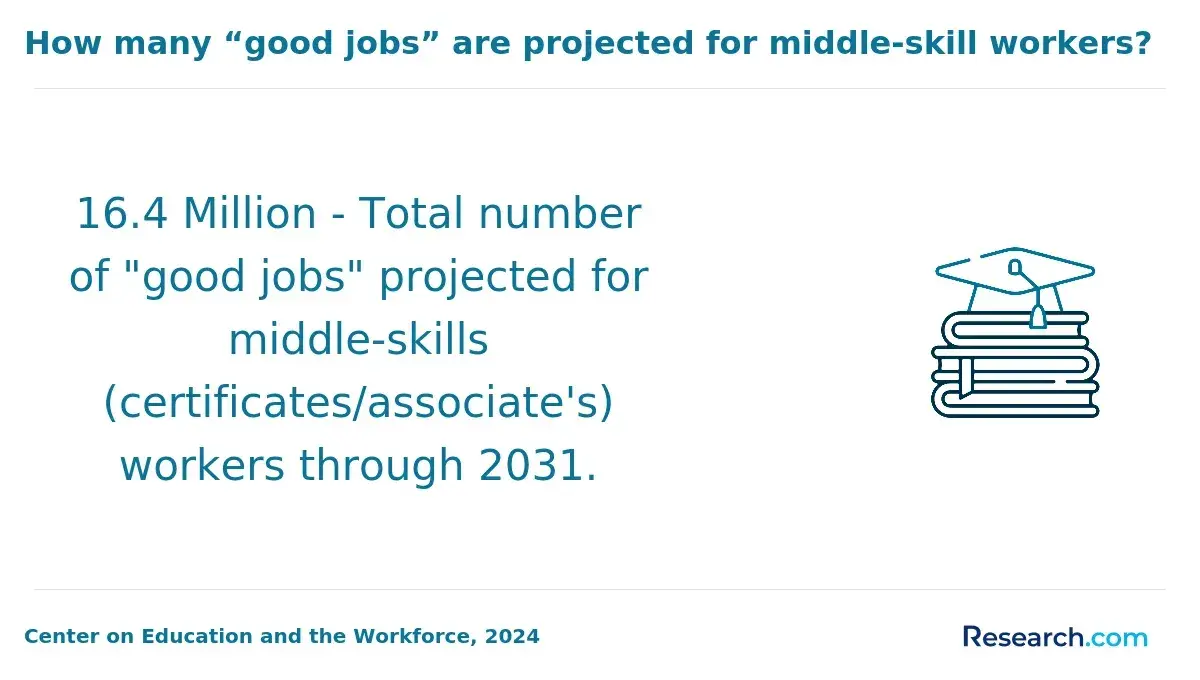
- Associate degree: Practical experiences at this level are usually limited or optional, focusing on introductory exposure to health education settings. Students gain basic observational skills with close supervision and shorter time commitments.
- Bachelor's degree: Internship requirements often consist of community-based placements that last about a semester. These internships emphasize applying foundational health education theories in real-world environments, supervised by professionals, and developing core skills such as program planning and outreach, fulfilling typical health education degree internship requirements.
- Master's degree: Students usually engage in more intensive internships or clinical hours extending over longer periods. Responsibilities involve conducting health assessments, managing intervention programs, and applying advanced critical thinking with less direct supervision.
- Doctoral degree: Clinical hours focus on research, leadership, and policy development. Doctoral candidates undertake complex, independent projects with expert collaboration, preparing them for roles in academia or administration.
Those exploring related career opportunities might consider a healthcare management degree online to complement their health education background.
Accelerated health education programs compress traditional clinical or internship requirements into a shorter timeframe by carefully balancing course intensity with hands-on experience. Students are often required to complete the same number of clinical hours as in standard programs, but schedules are designed to fit these hours into evenings, weekends, or breaks between classes.
To ensure academic rigor and practical proficiency, these programs integrate internships concurrently with coursework, allowing students to gain experience without extending their time to graduation.
Students must develop strong time-management skills to juggle the accelerated pace alongside demanding clinical commitments. Programs maintain compliance with licensure and certification requirements by collaborating with healthcare providers to offer placements tailored for accelerated learners.
Recent data shows that about 35% of health education students now choose accelerated paths, demonstrating increased interest in faster program completion without compromising clinical training quality.
A graduate of an accelerated health education degree shared that "the most challenging part was fitting clinical hours into an already packed schedule." He described how "some evenings were dedicated entirely to clinical work, leaving little downtime."
Despite the pressure, he appreciated how the program's structure "helped me stay focused and develop discipline," emphasizing that "balancing coursework and hands-on experience felt intense but rewarding." His experience highlights the personal commitment required to succeed in accelerated formats and the value of program support in navigating these demands.
Internship and clinical hour requirements for health education degrees are largely consistent between online and on-campus formats. Enrollment in online health-related programs has surged by more than 30% over the last ten years, highlighting wider acceptance without sacrificing quality.
Both delivery methods uphold professional standards and accreditation demands, ensuring students complete essential hands-on experiences before graduating. Expected learning outcomes like health promotion, program planning, and communication skills are assessed equally in both formats.
The main distinctions lie in the logistics of completing internships. Online students typically benefit from greater geographic flexibility, enabling them to secure placements closer to home. Scheduling is often more adaptable to fit diverse time zones and work obligations.
Supervision usually combines in-person visits and virtual check-ins, offering a balanced approach that maintains oversight while accommodating convenience.
Specialization selection in health education degree internship requirements by specialization significantly influences the types and settings of clinical experiences students must undertake. Different focus areas such as community health, school health education, or occupational health require tailored practical experiences that develop skills specific to each field.
For instance, community health students often engage in internships with public health organizations or non-profits, involving community outreach and program implementation. According to the Department of Labor, about 60% of health educators complete hands-on training, highlighting the growing demand for internships that enhance workforce readiness.
These specialization differences affect scheduling, workload, and career preparation outcomes in important ways. Students focusing on community health may need to accommodate evening or weekend hours to participate in public events, while those in school health education typically complete clinical hours during the school day, emphasizing student health counseling and curriculum support.
Balancing academic responsibilities with internship demands can be challenging but equips students with valuable real-world experience tailored to their career path. Prospective students looking for an affordable pathway might also consider exploring an online nursing program as a complementary option to broaden their healthcare knowledge and opportunities.
Work experience can sometimes count toward internship requirements in health education degree programs, though acceptance largely depends on several critical factors. This issue often concerns students juggling full-time jobs and academic commitments, seeking ways to meet practical training hours without overextending themselves.
Relevant professional experience may substitute formal internships if it aligns closely with health education goals, spans an adequate timeframe, and is verified by an employer. Additionally, institutional accreditation standards heavily influence whether work experience is considered acceptable.
For instance, mid-career professionals who have built applied skills in health-related roles are more likely to receive credit for prior work, whereas students pursuing entry-level qualifications generally must complete structured internships to develop hands-on competencies.
Key factors impacting approval include the relevance of duties to health education, duration of employment, documentation authenticity, and specific program policies. Because requirements vary widely across degree levels and institutions, students should proactively consult their advisors to understand substitution possibilities and ensure their experience meets program criteria.
The author spoke with a graduate of a health education degree who reflected on her journey balancing a full-time healthcare role with academic internship demands. She shared how her employer's formal verification of her day-to-day responsibilities helped her petition for partial credit toward internship hours, easing her workload.
"It wasn't straightforward-I had to provide detailed job descriptions and negotiate directly with the program," she said. Despite some initial stress, the process ultimately validated her professional experience and reduced redundant training. Her story highlights how navigating these policies requires persistence but can lead to valuable recognition of one's practical background.
The length of internships or clinical rotations significantly influences how soon students can finish their health education degree and enter the workforce. Industry data shows that these practical experiences typically involve between 100 and 300 hours, often spanning about one academic semester or 12 to 16 weeks.
Below are common timelines students encounter during their internships or rotations.
- Short-term rotations: These usually last 6 to 8 weeks and concentrate on specific skill areas. They provide targeted exposure, allowing students to develop particular competencies without an extended time commitment.
- Semester-long internships: Generally lasting 12 to 16 weeks, these combine multiple practice settings or disciplines. This structure offers a broader experience aligned with a full academic term, often accommodating a range of community and clinical environments.
- Extended rotations: Spanning an entire academic year, these are common when students balance part-time coursework alongside clinical practice. Extended formats often reflect more rigorous accreditation demands, especially for specialized health education tracks emphasizing clinical proficiency.
Program requirements and accreditation standards heavily influence the duration and design of these internships. Specializations such as community health may offer more flexible scheduling to accommodate students' personal commitments, while clinical practice-oriented degrees usually require longer hours with stricter timelines.
Selecting a program with a rotation length that fits personal goals and academic plans helps ensure a smoother path toward career readiness.
Job placement outcomes are a key concern for many prospective students because they reflect the return on investment in time, effort, and tuition costs. According to a survey by the National Association of Colleges and Employers, students who completed internships were 60% more likely to receive a job offer before graduation than those who did not, highlighting the impact of internships on health education job placement.
The following points explain how internships improve employment prospects after earning a health education degree internship benefits.
- Employer preferences: Employers in the health education field often favor candidates who have real-world experience. Internships demonstrate a student's ability to apply theoretical knowledge in practical settings, signaling readiness for immediate contribution.
- Skill development: Internships hone essential skills such as community outreach, program planning, and health communication. These practical skills complement academic learning and are highly valued in professional roles.
- Networking opportunities: Internships provide connections to mentors and organizations within the health sector. These networks can lead to job leads, references, and professional growth that accelerate career advancement.
- Conversion to employment: Some internships lead directly to full-time positions. This pathway reduces the job search period and helps students secure permanent employment soon after graduation.
Students considering advanced degrees in health fields may also explore options like the cheapest DNP online program to enhance their qualifications while balancing cost and career goals.
Practical experience, such as internships or clinical rotations, often leads to higher starting salaries for health education graduates by demonstrating their ability to apply knowledge in real-world environments. Studies show that graduates with such experience can earn around 10% more in their initial roles compared to peers without hands-on training.
Several factors contribute to how this translates into pay differences.
- Employer valuation: Employers prefer candidates who have proven skills through direct experience, viewing them as more job-ready and reducing onboarding time.
- Negotiation leverage: Hands-on experience equips graduates to confidently negotiate better starting salaries since they bring a practical skill set that lowers employer training risks.
- Industry standards: Certain health education fields prioritize clinical hours or internships as essential credentials, which influences salary expectations and hiring practices within those sectors.
- Program specifics: Health education programs that integrate experiential learning often produce graduates favored by employers seeking applied knowledge, though the prominence and impact of this can vary by specialization, such as community health versus corporate wellness.
The influence of practical training on compensation is shaped by the sector and degree focus-those completing clinical components in areas like public health or nursing may see greater salary advantages than graduates of purely classroom-based programs. Incorporating such experiences into a health education track typically improves both job prospects and earning potential by aligning graduates' skills with employer demands.
What Graduates Say About Their Health Education Degree Internships or Clinical Hours
- Aimee: "Completing the internship requirement for my online health education degree was a truly rewarding experience. Despite the average cost being around $2,500, it was an investment that opened doors to real-world applications and networking opportunities I wouldn't have had otherwise. Today, I feel more confident and prepared in my professional role thanks to this hands-on experience. "
- Grace: "The internship portion of my online health education program provided a practical complement to my studies, and while the costs were manageable, I appreciated that it fit within my overall budget. It gave me a chance to reflect on my career goals and see how classroom theories play out in diverse community settings. This experience has significantly shaped my approach as a health educator. "
- Hiro: "From a professional standpoint, the online health education internship was invaluable. The roughly $3,000 cost was justified by the expertise and insight I gained, which directly impacted my ability to develop effective health strategies at my workplace. Participating in this internship was a critical step in advancing my career and expanding my professional network. "
Other Things You Should Know About Health Education Degrees
In 2027, accreditation by respected bodies like the Council on Education for Public Health (CEPH) often includes internship requirements. This affiliation assures quality education and enhances graduates' chances of securing meaningful internships essential for experience and career development.
Yes. Programs aligned with Certified Health Education Specialist standards usually include at least 200 hours of supervised fieldwork before graduation. The Society for Public Health Education and the National Commission for Health Education Credentialing expect this experience to build practical skills needed for CHES exam eligibility.
Some health education programs allow alternative practicum experiences, such as community-based projects, research assistantships, or virtual internships. These alternatives still provide practical skills but may better fit students' schedules or geographic limitations. Approval from faculty or program coordinators is usually required to ensure the experience meets learning objectives.
In 2027, faculty advisors remain integral in guiding health education majors to secure internships. They provide vital support by connecting students with industry contacts, advising on application processes, and ensuring that selected internships align with academic and career objectives.
- Work Experience vs. Education: What Matters More? - Jobstreet Malaysia https://my.jobstreet.com/career-advice/article/work-experience-vs-education
- Equivalences for Education and Experiences https://www.etsu.edu/human-resources/hiring/equivalences.php
- Nurturing Health: Health & Physical Education Degrees Explored https://www.ucumberlands.edu/blog/health-and-physical-education-degrees-explored
- 5 Internships for a Health Sciences Student - Healthcare Administration Degree Programs https://www.healthcare-administration-degree.net/lists/5-internships-for-a-health-sciences-student/
- Education vs Experience: What Do Employers Want More? https://www.cdicollege.ca/news/education-vs-experience-what-do-employers-want-more/
- Clinical Experience for Aspiring Healthcare Professionals https://advclinical.org/clinical-experience-pre-health/
- Fast-Track Your Education: Accelerated Programs in the Medical Field https://www.edumed.org/resources/accelerated-medical-programs/
- Your Guide to Remote and Virtual Public Health Internships https://masterspublichealth.com/remote-public-health-internships/