2027 What Prerequisites Do You Need for a Health Education Degree? Entry Requirements, Credits & Eligibility Rules

Co-Founder and Chief Data Scientist
Many prospective students find themselves uncertain about the varied prerequisite requirements for health education degree programs. A 2022 survey showed that nearly 40% of applicants felt underprepared for the specific coursework needed before admission, highlighting the need for better guidance on entry expectations.
This article aims to clarify common prerequisites, credit requirements, and eligibility rules for health education degrees. Understanding these factors can help applicants plan their academic path more effectively and meet program standards with confidence.
Key Things to Know About the Prerequisites for a Health Education Degree
- Applicants typically need foundational coursework in biology, psychology, and statistics, ensuring a solid base for understanding health promotion and behavior.
- A minimum GPA of 2.5 to 3.0 is commonly required, reflecting academic readiness and commitment to rigorous study.
- Health education programs often expect 60-90 transferable credits and emphasize communication skills, cultural competence, and basic research abilities.
Do Health Education Programs Require Specific High School Prerequisites?
Health education programs in 2027 generally do not require strict high school prerequisites, but specific subjects are often recommended to prepare applicants. Requirements vary by institution and program type, with some focusing more on demonstrated academic readiness than on particular courses.
The most common high school subjects recommended for health education degree 2026 applicants include:
- Biology: This subject is emphasized due to its focus on human anatomy, physiology, and public health principles, which are central to early health education coursework.
- Chemistry: Often encouraged, chemistry helps students understand the chemical processes in body functions and medications, enhancing their grasp of health risks and interventions.
- Psychology: Psychology courses support insight into human behavior and mental health, key components in designing effective health programs and communicating health information.
- Mathematics: Particularly statistics, mathematics aids in analyzing health data, evaluating research findings, and supporting evidence-based practice in health education.
While minimum GPA and standardized test scores may be required by some programs, the focus remains on readiness demonstrated through these courses rather than fixed high school prerequisites.
Applicants should check specific college admission details to confirm expectations. As enrollment in health-related fields grows, the competition increases, making well-planned preparation important for prospective students interested in a accelerated bachelor degree online.
Those researching required courses for health education programs admission will find that a solid foundation in science and mathematics enhances success and eligibility. Staying informed on individual program requirements is key for meeting evolving standards in this field.
What College-Level Prerequisites Are Required Before Starting a Health Education Degree?
Being aware of college-level prerequisites is essential for prospective students to ensure they are academically prepared and can progress smoothly through their health education degree. These foundational courses help build the necessary skills for advanced study in the field. Below are some common prerequisites typically required:
- Introductory Health or Public Health Courses: These introduce key concepts and terminology, providing a solid base for more specialized topics encountered later in the program.
- Statistics: A basic statistics course is vital for analyzing health data and understanding research methodologies, essential skills for interpreting studies in health education.
- Writing-Intensive Courses: These prepare students to communicate complex health information clearly and effectively, a critical competency for future professionals.
- Lab Science Courses (Biology, Anatomy): Some programs require these to deepen understanding of human health and disease, which supports learning in epidemiology and health behavior theories.
Health education degree entry requirements in 2027 often reflect these standards. According to a 2023 report by the Association of Schools and Programs of Public Health, 85% of programs mandate at least one statistics course, while over 70% include writing or communication prerequisites.
Students interested in exploring what is the easiest bachelor degree may find it helpful to compare these entry requirements with other fields to determine their best fit.
How Many Credits Can You Transfer Into a Health Education Degree?
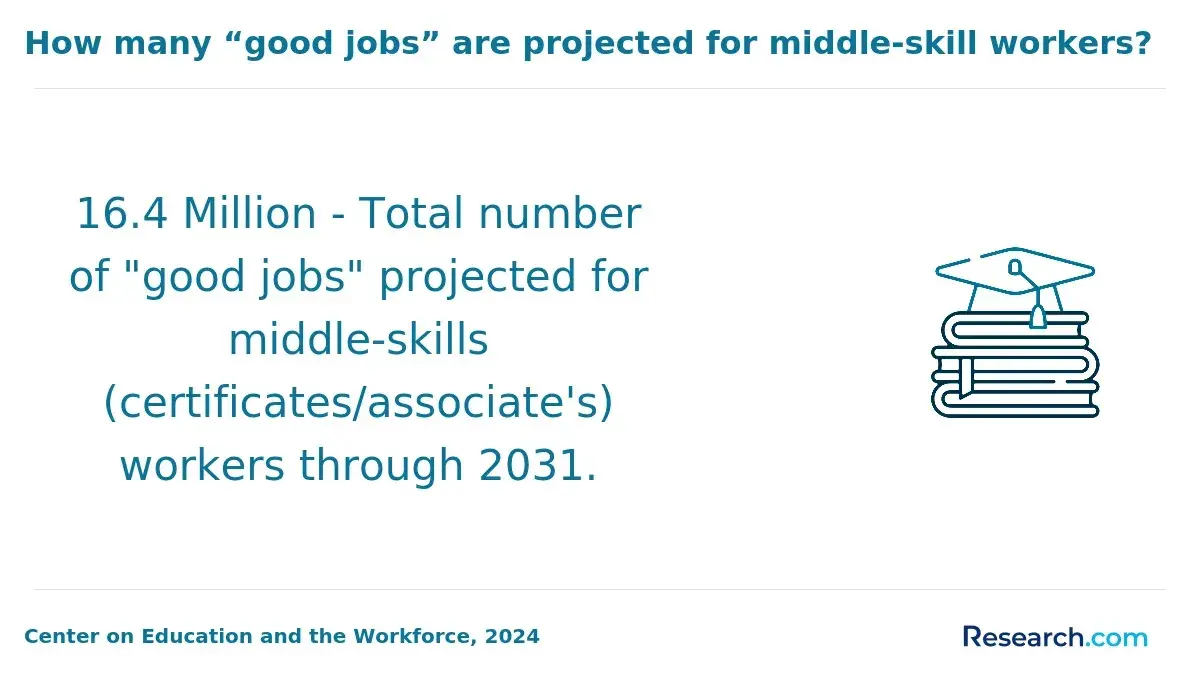
Students transferring credits into a health education degree typically bring in between 30 and 60 credits, though this range varies widely depending on the institution, accreditation status, and the program's requirements.
Many schools cap transfer credits at about half of the total needed for the degree, often reflecting one to two years of completed coursework.
Whether credits count depends on factors like the academic level of previous courses, minimum grade criteria (often a C or better), and whether the transfer institution mandates a certain number of credits to be earned in residence.
Transferability is also influenced by how well prior coursework aligns with the core health education curriculum. Courses in subjects such as biology, anatomy, and public health tend to transfer more easily than unrelated electives.
Common restrictions include the exclusion of remedial or pass/fail classes, limits on credits earned from community colleges, and policies that differentiate between general education and major-specific credits. Planning ahead and reviewing school policies can help avoid obstacles during transfer.
A student enrolled in a health education degree shared that navigating credit transfers felt overwhelming at first, especially when trying to confirm which classes would apply toward her major.
She mentioned, "It was a relief once I learned that my biology and nutrition credits were accepted, but a setback to find some of my electives didn't transfer."
She also highlighted the importance of staying organized and proactively communicating with academic advisors, noting, "Having clear guidance made a big difference in maximizing the credits I could bring from my previous studies."
Breakdown of Private Fully Online For-profit Schools

Most health education degree programs no longer require SAT or ACT scores for admission, reflecting a growing trend toward test-optional or test-free policies by 2026. This shift, accelerated by the COVID-19 pandemic, has been embraced by over 1,600 colleges nationwide aiming to make admissions more accessible.
However, standardized test scores remain relevant in certain instances, such as for highly competitive programs, merit-based scholarships, or specific public university systems that use scores to help differentiate applicants.
These selective cases often depend on limited enrollment spots where objective measures like test results aid in ranking candidates.
In place of relying heavily on standardized tests, many programs focus on alternative admission standards. These include maintaining a strong overall GPA, completing prerequisite health science courses, and submitting personal essays that highlight motivation and knowledge about public health.
Some schools may also require portfolios or evidence of relevant experiences demonstrating commitment and skills. Admissions panels seek candidates with solid communication abilities, community involvement, and foundational understanding in biology or social sciences to ensure readiness for the demands of health education.
Students entering a health education degree program need a core set of skills to excel academically and in their future careers. These abilities help them grasp complex health topics and apply knowledge effectively in community settings.
Key skills to develop before enrollment include:
- Foundational Academic Skills: Strong reading comprehension and basic math proficiency are essential for understanding course material and analyzing health data accurately.
- Technical Competencies: Familiarity with data management software and presentation tools enables efficient program planning and evaluation.
- Analytical and Problem-Solving Skills: The ability to assess community health needs and devise strategies is vital for impactful health promotion.
- Communication Skills: Clear written and verbal communication ensures health messages are delivered effectively to diverse audiences.
- Field-Specific Readiness: A grounding in public health principles and ethics prepares students for real-world challenges in health education.
When I spoke with a graduate about what skills were critical before starting this degree, he reflected on his experience balancing coursework with hands-on learning. "I had to sharpen my analytical thinking to connect theory with community issues," he recalled.
The technical aspects required patience, especially mastering software that was new to me. Communication was another challenge; learning to explain complex health topics simply took practice. Despite initial doubts, building these skills early on made the program manageable and rewarding."
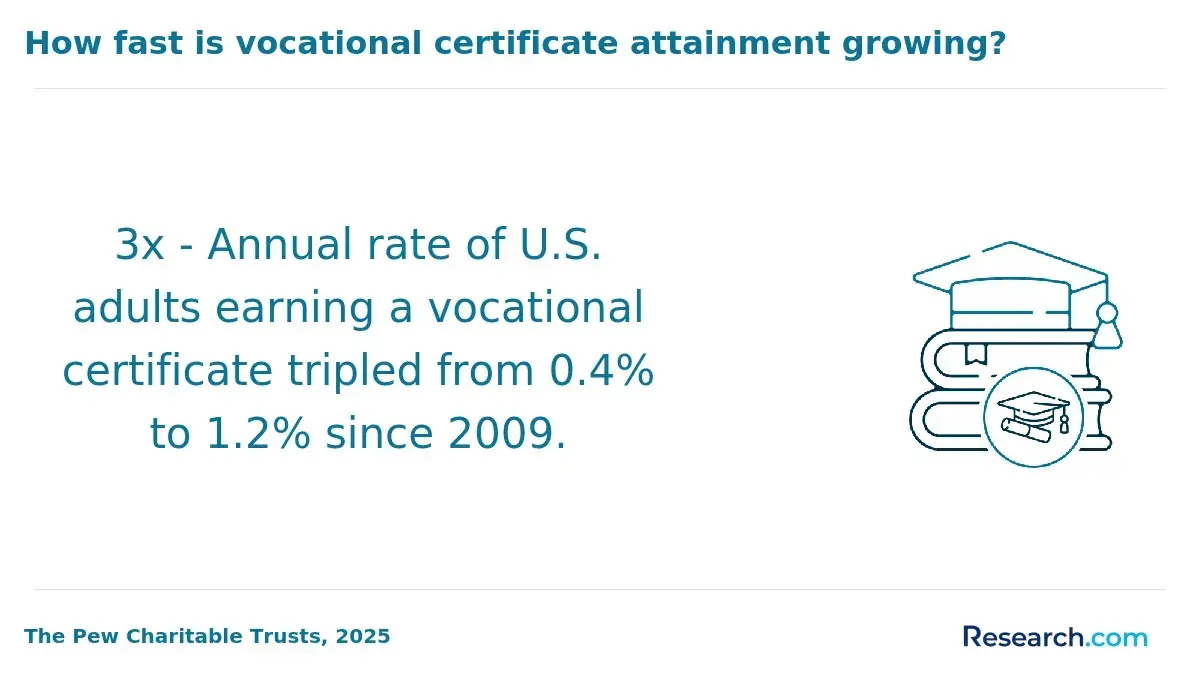
Whether professional experience is required to enter a health education degree program depends on the institution, program level, and area of focus. Undergraduate programs typically do not mandate prior work experience, concentrating instead on academic qualifications like a high school diploma and relevant classes.
Graduate programs, especially those oriented toward public or community health, often recommend or require 1 to 3 years of related experience. This experience may come from roles such as health promotion assistant, community outreach worker, or patient educator, which help demonstrate practical knowledge relevant to the field.
Programs value professional experience because it signals readiness for applied learning and engagement with complex health topics. Admissions committees may see prior work or volunteer involvement as proof of commitment and maturity, particularly in competitive master's or certification programs.
However, applicants lacking direct experience can still be admitted if they have strong academics, internships, or volunteer work, allowing them to develop skills during their studies. This approach balances the importance of experiential background with opportunities for students to gain hands-on learning within the curriculum.
Online health education programs require specific technology standards to ensure students can fully engage with coursework and access all learning materials without interruptions.
These prerequisites are essential for maintaining an effective virtual learning environment, especially given the complex health topics and interactive assignments frequently involved.
The 2027 technology requirements for online health education degree programs typically include:
- Reliable Computer: Students need a modern desktop or laptop with an updated operating system (Windows 10 or higher, macOS Catalina or later), at least 8GB of RAM, and sufficient processing power. This hardware ensures smooth operation of software and multimedia content critical to health education.
- High-Speed Internet Access: A stable connection supporting at least 10 Mbps download speed is necessary for seamless video streaming, virtual classrooms, and on-time submission of assignments, all of which are vital in an interactive learning setting.
- Software and Learning Platforms: Familiarity with widely used tools like Zoom, Microsoft Teams, or Canvas is needed since these platforms facilitate lectures, group discussions, and resource access integral to health education courses.
- Basic Digital Literacy Skills: The ability to navigate online portals, submit assignments electronically, and troubleshoot common technical problems helps students avoid disruptions and stay on track with course requirements.
Meeting the tech skills prerequisites for health education programs in 2027 is increasingly important as these programs often incorporate simulations, video tutorials, and real-time communication to mimic practical health care training.
Students who do not meet these standards risk missing vital learning experiences essential for healthcare careers. Online enrollment in health-related degrees continues to rise, highlighting the importance of clear technology requirements to support student success.
For those aiming at high earning master's degrees, ensuring preparedness with these tech prerequisites is a crucial first step.
International students applying for health education programs often face additional prerequisites beyond those required of domestic applicants. These requirements help ensure that candidates are prepared academically and legally for study in the United States.
Key prerequisites typically include:
- English Language Proficiency: Most universities require international applicants to demonstrate proficiency in English through standardized tests such as TOEFL or IELTS. This ensures students can effectively participate in coursework and clinical experiences.
- Credential Evaluation: Applicants must usually have their previous academic transcripts evaluated by an authorized credential evaluation service. This process verifies that their foreign coursework meets U.S. educational standards for health education programs.
- Visa Documentation: International students must secure the appropriate student visa (typically an F-1 visa) before enrolling. This involves submitting proof of acceptance, financial support, and other immigration documents.
- Prerequisite Courses: Many health education programs require prior completion of specific courses like biology, anatomy, or public health. International students must demonstrate they have completed equivalent coursework to be eligible.
- Standardized Testing: Some programs may require GRE scores or other standardized tests to assess academic readiness. Requirements vary depending on the institution and program.
Learn more about the shortest doctorate degree programs to help you complete your academic requirements in no time.
Recognizing the differences between general university admission requirements and program-specific prerequisites is critical for applicants aiming for health education degrees. These distinctions influence academic planning and directly affect eligibility for enrollment and graduation timelines.
General University Admission Requirements
- Minimum GPA Standards: Most universities require a baseline GPA, commonly between 2.5 and 3.0 on a 4.0 scale, to ensure adequate academic readiness.
- English Language Proficiency: Non-native English speakers must demonstrate proficiency through standardized tests like TOEFL or IELTS to meet communication standards.
- General Education Coursework: Completion of foundational courses such as English composition, math, and social sciences is typically mandated to develop well-rounded academic skills.
Program-Specific Prerequisites for Health Education
- Required Science and Math Courses: Applicants often need prior coursework in biology, health sciences, statistics, or anatomy to build essential knowledge for the field.
- Minimum Performance in Key Subjects: Some programs require a minimum grade or GPA in specific prerequisite courses to ensure mastery of foundational content.
- Demonstrated Experience or Portfolios: Presentation of healthcare-related volunteer work, internships, or a portfolio may be requested to assess practical experience and commitment.
These differences significantly impact student eligibility and academic timelines. For example, a student admitted based on general criteria may still need to complete essential science or math prerequisites before officially joining the health education program. This can extend the time to graduation if not anticipated early.
According to the Association of Schools and Programs of Public Health, approximately 30% of health education programs require completion of prerequisites prior to enrollment, a factor affecting both transfer students and working professionals planning their education.
Applicants interested in health education should align their coursework strategically with both sets of requirements. Early planning is particularly important for those seeking to enter this field, which is recognized as one of the best career for introverts.
Keeping informed about changes and differences in admission requirements for health education programs in 2027 can improve preparedness and streamline the path to degree completion.
Students generally must pay for prerequisite courses before applying to a health education program. These courses, whether taken at the same university, a community college, or via online platforms, usually involve tuition and fees.
Community colleges often provide more affordable options, with tuition sometimes as low as $100-$150 per credit hour, whereas universities may charge $300 or more per credit.
Online courses vary in price; some mirror community college rates, while others can be more expensive. Prerequisites like biology, psychology, or statistics must typically be completed upfront to meet program eligibility and ensure readiness.
To reduce expenses, many students turn to financial aid such as federal grants, loans, or scholarships focused on health-related studies. Transferring credits from prior coursework or passing exams like CLEP can also lower costs.
Dual-credit programs during high school and tuition discounts for in-state or qualifying students further help manage financial burdens. According to national data, about 45% of undergraduates use financial aid to offset tuition, including for prerequisite classes.
What Graduates Say About the Prerequisites for Their Health Education Degree
- Miles: "Getting accepted into the health education degree program was a milestone for me after completing all the prerequisite courses, which really prepared me well for the rigorous curriculum. Although the average cost was higher than I initially expected, it was a worthwhile investment considering the comprehensive knowledge and practical skills I gained. Today, I confidently use what I learned to develop impactful community health initiatives that truly make a difference. "
- Winona: "The journey to enroll in a health education program required careful planning to meet the prerequisite requirements, but it was manageable and set a strong foundation for my studies. The program's cost was reasonable compared to other options, and I found various financial aid opportunities to help. Reflecting on my career, this degree has been invaluable in advancing my role as a wellness coordinator, enabling me to implement effective health promotion strategies. "
- Ulysses: "Meeting the prerequisites to enter the health education degree was challenging but essential for my professional development. The investment in tuition paid off, as the average cost was balanced by the quality of instruction and resources offered. Earning this degree has opened doors for me in healthcare administration, where I apply evidence-based health education principles daily to improve patient outcomes."
Other Things You Should Know About Health Education Degrees
Yes. Many bachelor’s programs ask for at least 12 to 16 prior science credits, usually in biology, anatomy, or health-related courses. Some schools also require a minimum 2.5 GPA and grade “C” or better in prerequisite classes before admission or upper-division entry.
Many institutions offer conditional or provisional admission options for students who have not completed every prerequisite. These pathways might include taking required courses concurrently or enrolling in prerequisite classes before fully entering the health education program.
Such flexibility helps students meet eligibility while progressing toward their degree.
- Online Health Technology Management Degree Program https://chartercollege.edu/programs/health-care/health-technology-management-bs/
- Career Change to Healthcare: Complete Prerequisites Guide for Non-Medical Professionals - Prereqcourses https://www.prereqcourses.com/career-change-to-healthcare/
- Careers in Implementation Science: Health Education Specialist | Implementation Science https://impsci.med.ufl.edu/careers-in-implementation-science-health-education-specialist/
- How to Become a Health Education Teacher- SHAPE America https://apeas.shapeamerica.org/APEAS3/career/fields/health-education.aspx
- Health Information Technology Required Courses https://www.northwoodtech.edu/academic-programs/degree-programs-and-certificates/health-information-technology/curriculum
- The 9 Best Careers with a Health Education Degree https://www.saintleo.edu/about/stories/blog/the-9-best-careers-with-a-health-education-degree
- Health Education (BS) https://www.morgan.edu/health-education-bs
- Health Education Degree Online https://www.snhu.edu/online-degrees/bachelors/bs-in-community-health-education
- School Health Education https://www.uvu.edu/chps/health-sciences/health-ed.html