2027 Part-Time vs. Full-Time Health Education Degree Programs

Co-Founder and Chief Data Scientist
Many students find it difficult to choose between part-time and full-time health education degree programs, especially when juggling work, finances, and academic goals. Recent data shows that 40% of health education students opt for flexible learning options, reflecting a growing need to balance study with other responsibilities. This trend highlights the importance of understanding the trade-offs involved.
This article will explore key differences between part-time and full-time health education programs, including workload, duration, and cost. By clarifying these aspects, readers can make informed decisions about which format best suits their personal and professional needs in pursuing a health education degree.
Key Benefits of Part-Time vs. Full-Time Health Education Degree Programs
- Part-time programs allow students to maintain employment, supporting financial stability while gaining practical experience integral to health education careers.
- Reduced course loads in part-time study promote better work-life balance, minimizing burnout and enhancing long-term academic success.
- Extended program duration in part-time studies accommodates deeper comprehension and gradual skill development critical for health education professionals.
How Are Part-Time Health Education Programs Structured Compared to Full-Time Programs?
Choosing between part-time and full-time health education degree structures significantly influences a student's learning pace and academic experience. Differences in scheduling and course load affect how students balance their studies with other responsibilities, making it essential to understand these distinctions before enrolling.
Part-Time Program
- Reduced Course Load: Students typically take one or two classes per semester, allowing a manageable workload alongside other commitments.
- Weekly Time Commitment: Part-time students usually dedicate 10 to 15 hours per week to coursework.
- Scheduling Flexibility: Evening, weekend, and hybrid options are often available, accommodating working adults' varied schedules.
- Online Learning Options: Approximately 40% of health education degrees offer online components, which benefit part-time learners seeking more control over study times.
Full-Time Program
- Intensive Course Load: Students enroll in four to five courses per semester, resulting in a more immersive study experience.
- Weekly Time Commitment: Full-time students generally spend 30 or more hours per week on their studies.
- Structured Scheduling: Consistent daytime classes foster direct interaction with faculty and campus resources.
- Hands-On Experiences: Greater access to internships and practical learning is integrated into regular hours due to full-time availability.
Understanding part-time versus full-time health education program scheduling helps prospective students select a format that meets their lifestyle and career goals. For those seeking a quicker or more flexible path, some explore 1 year masters programs online for accelerated options.
How Long Does It Take to Earn a Part-Time vs Full-Time Health Education Degree?
Knowing the time to complete part-time health education degree programs versus full-time formats helps students plan their academic and career timelines effectively. Completion durations depend mainly on course load, program structure, and flexibility offered by schools.
- Full-Time Duration: Typically, a full-time bachelor's degree in health education takes about four years, with most students finishing within 4.5 years according to National Center for Education Statistics data. A standard load ranges from 12 to 15 credit hours per semester.
- Part-Time Duration: Part-time students often extend their studies to six to eight years by taking fewer credits each semester, balancing work or family commitments. Transfer credits can shorten this time for those with prior relevant coursework.
- Accelerated Options: Some programs allow full-time students to finish faster-sometimes in as little as three years-by enrolling in summer courses or taking heavier course loads. Part-time accelerated tracks are rarer but may also reduce time by increasing credits per term.
Students exploring flexible schedules may also consider research on what is the easiest bachelors degree to get, which can inform decisions about degree commitment and duration.
Are Admission Requirements Different for Part-Time vs Full-Time Health Education Programs?
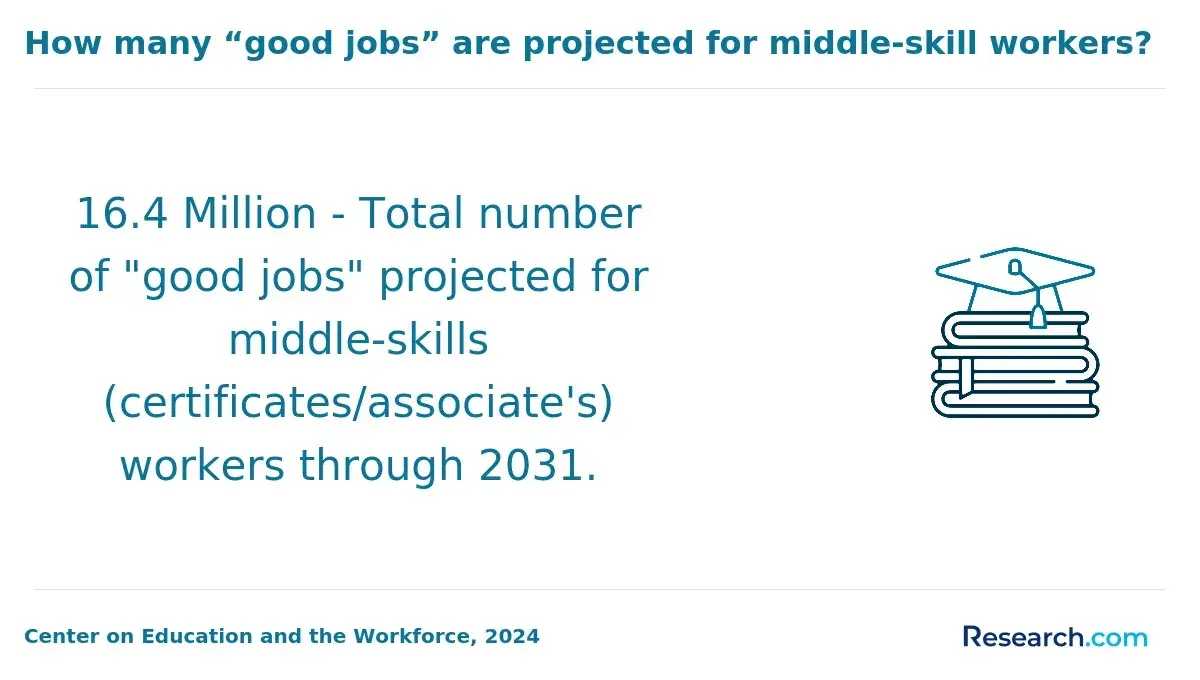
Admission requirements for part-time versus full-time health education programs share many similarities but reflect distinct priorities due to their differing student populations and program structures. Understanding the health education program entry criteria differences can help applicants identify the best fit for their background and goals.
- GPA Requirements: Both formats generally expect an undergraduate GPA between 2.5 and 3.0. Part-time programs often offer more flexibility with GPA thresholds to support working adults balancing education with careers.
- Prerequisite Coursework: Full-time students usually must complete foundational courses in subjects such as biology, psychology, or statistics before admittance. In contrast, part-time programs may permit conditional admission with some prerequisites taken alongside the degree due to their extended timelines.
- Professional Experience: Work experience holds greater weight in part-time admissions, recognizing the value of practical skills and career commitments. Full-time programs tend to emphasize academic preparedness more than prior job experience.
- Standardized Tests: While neither format commonly mandates exams like the GRE, some competitive full-time master's programs might require them. Part-time options typically waive these tests to reduce barriers for working professionals.
- Supporting Documents: Both require transcripts, letters of recommendation, and personal statements. Applicants to part-time programs are encouraged to highlight professional achievements in their personal statements to strengthen their applications.
Those exploring whether a part-time or full-time format suits them should consider how these admission distinctions align with their academic profile and career stage.
For individuals curious about future earning potential linked to degree paths, what bachelor degree makes the most money is useful context when planning studies alongside work. Awareness of part-time vs full-time health education admission requirements is essential for making an informed decision about program type and career trajectory.
Tuition fees for health education degrees vary significantly between part-time and full-time study due to how costs are structured and charged.
Full-time students generally pay a set fee covering a fixed credit load each term, providing cost predictability but higher upfront expense. Part-time learners are billed per credit, offering flexibility but potentially leading to higher cumulative costs because of extended program lengths and recurring semester fees.
Consider the following factors influencing tuition differences:
- Per-Credit Tuition: Part-time students pay for each credit hour, which can range widely depending on institution and residency, often between $300 and $600 per credit. Full-time students benefit from flat rates covering around 12 to 15 credits.
- Total Program Cost: Full-time enrollment often results in immediate higher annual tuition, typically $9,000 to $12,000, while part-time study spreads these costs over many terms. However, longer program duration can increase overall expenses for part-time students due to added fees each semester.
- Financial Aid Availability: Aid packages tend to favor full-time students who meet minimum credit requirements, including scholarships and grants. Part-time learners may encounter limitations, which can heighten their out-of-pocket spending despite flexible scheduling.
- Additional Fees: Part-time students might face extra charges for registration, technology, or other services each term, amplifying costs over time. These fees accumulate because part-time attendance lengthens the enrollment period.
A graduate of a part-time health education degree program shared her experience. "Balancing work, family, and school was challenging, especially keeping track of semester fees that popped up unexpectedly." She noted that spreading tuition payments eased the financial strain but lengthened her timeline, which meant paying some fees multiple times.
"It felt like a puzzle to manage my budget, but the flexible credits allowed me to continue working full-time, which I couldn't have done as a full-time student." Her reflections highlight how part-time tuition offers adaptability at the cost of longer commitment and layered expenses.
Part-time health education degree programs provide significantly more online and hybrid course options than full-time programs. These formats are specifically designed to support students balancing work and family, offering greater flexibility in course delivery.
Below is an overview of how part-time and full-time formats differ in their approach to course availability and structure.
- Student Demographics: Part-time students are often older and employed, which prompts universities to offer asynchronous and evening courses to fit non-traditional schedules. Full-time students tend to be younger and more available for daytime, on-campus classes.
- Program Design: Part-time curricula incorporate more technology-driven instruction and hybrid models, blending online lectures with occasional in-person labs or seminars for practical experience. Full-time programs typically emphasize in-person engagement and a traditional semester schedule.
- Institutional Flexibility: Schools tailor part-time options to enable study alongside professional and personal commitments, providing varied online and hybrid options. Full-time formats usually focus on campus attendance, reflecting a conventional academic structure.
Most institutions offering health education degrees allow students to switch between part-time and full-time enrollment, though the exact procedures vary. Typically, students need to submit a formal request or complete an enrollment status change form, often requiring approval from an academic advisor.
Before making this switch, students should consider several factors including how it may affect their academic progress and financial aid eligibility. Policies usually aim to ensure the transition aligns with students' educational and personal goals. Flexibility exists, but clear communication with program coordinators is essential to avoid unexpected issues.
Common requirements often include maintaining good academic standing and understanding the potential impact on scholarships or federal aid. Part-time students might face limited course selections each term, which could delay graduation.
Conversely, moving to full-time may accelerate completion but also increase workload. Mandatory advising helps students fully grasp these consequences. Ultimately, switching enrollment status can either extend or shorten the time needed to finish the degree depending on individual circumstances.
When I spoke with a graduate who experienced this process firsthand, he shared how he initially enrolled part-time due to work commitments but later transitioned to full-time to finish sooner.
He recalled, "Filing the paperwork wasn't difficult, but getting advising approval took some time. I had to rearrange my job schedule, which was challenging, but once I switched to full-time, I felt more focused and motivated." He emphasized the benefit of clearer goals and steady momentum after the change, though he advised others to weigh their personal situations carefully before deciding.
The choice of delivery format significantly shapes students' learning experiences, with varying levels of flexibility for part-time and full-time study. Understanding how online, hybrid, and campus-based health education formats affect scheduling, workload, and resources can help learners select the best path for their goals.
- Scheduling Flexibility: Online health education programs provide the greatest scheduling flexibility, ideal for part-time students balancing work or family commitments. Full-time students benefit from asynchronous courses allowing self-paced study, while part-time learners can spread credits over longer periods without fixed class times.
- Workload Management: Campus-based programs usually follow structured schedules and deadlines suited for full-time immersive study. In hybrid options, part-time students juggle scheduled in-person sessions and online coursework, requiring disciplined time management to prevent overload.
- Accessibility and Resources: Online delivery increases accessibility for part-time learners, especially in rural or underserved areas, while full-time campus-based students enjoy better access to labs and direct faculty interaction. These resources enhance practical skills essential in health education fields.
- Learning Pace and Retention: Part-time learners in online or hybrid formats often set their own pace, which can improve retention but may lengthen program duration. Full-time campus students typically finish programs faster but encounter more intense workloads, as noted in studies on degree completion rates.
- Student Support Services: Full-time on-campus students access more robust support such as counseling and peer groups. Online part-time learners depend heavily on virtual advisement and tech support, which has improved but may lack the immediacy of campus-based services.
Those exploring a quick degree that pays well should consider how these delivery formats affect both their lifestyle and academic success. Comparing online and hybrid Health Education program options with campus-based versus online Health Education learning formats allows prospective students to align their education with their professional and personal needs.
Employers do not universally prefer full-time health education degrees over part-time options, but certain key factors influence their perceptions. Full-time degrees are often seen as more rigorous because of their immersive, continuous study format, which signals strong time management skills and dedication.
This intensity suggests a candidate can handle demanding workloads typically found in health education roles. However, the employer preference for full-time health education degrees can vary based on how much they value demonstrated academic commitment versus practical experience.
Industry-specific trends further shape this dynamic, making the part-time versus full-time health education degree value dependent on the sector. Healthcare organizations with structured entry paths often favor full-time graduates who are immediately available and have comprehensive training.
In contrast, agencies focusing on workforce development and adult education may prefer candidates with part-time degrees who bring current workforce experience and multitasking skills. To enhance career readiness, part-time students should showcase internships, project work, and relevant job experience.
Those interested might also explore what certifications pay the most, as many employers emphasize skill proficiency and professional credentials over degree format alone.
Return on investment (ROI) is essential when choosing between part-time and full-time health education degree programs, as it reflects the balance of costs and benefits over time.
This includes tuition fees, the duration of study, income lost while studying, and the financial gains achievable after graduation. Evaluating ROI helps students decide how to efficiently invest their time and money for future career growth.
Full-time programs demand higher upfront tuition and more intensive time commitment but tend to accelerate degree completion. It also provides quicker access to various roles and can lead to increased salary, with an average boost of 15-20% in the first year post-degree.
Conversely, part-time study reduces immediate costs and allows continued earnings during coursework. However, it extends the timeline to graduation and delays potential salary growth and career advancement.
Selecting the appropriate study format is essential for aligning your academic progress with career ambitions and personal responsibilities. Choosing between part-time and full-time health education programs affects how quickly you graduate and how you manage your daily life.
- Time Availability: Assess how many hours weekly you can devote to coursework. Full-time programs demand a significant time commitment, while part-time offers more manageable weekly hours.
- Financial Resources: Consider your budget and funding options. Part-time study may spread out tuition costs, but full-time programs often reduce the total duration, potentially lowering overall expenses.
- Career Goals: If rapid entry into your field is a priority, full-time study accelerates completion. Part-time routes suit those preferring to gain work experience simultaneously.
- Learning Style: Reflect on whether you perform better with an intensive pace or steadier progress. Full-time can be more demanding, whereas part-time allows gradual learning.
- Program Duration: Full-time programs usually last about two years for a master's degree, while part-time options may extend to three to five years, affecting your long-term plans.
- Flexibility: Evaluate if the program scheduling fits your lifestyle. Part-time offerings often cater more to work and family commitments.
What Graduates Say About Their Part-Time vs. Full-Time Health Education Degree
- Chantelle: "Pursuing a full-time health education degree was an intense yet rewarding journey. The immersive learning experience helped me quickly build solid knowledge and skills, which I now apply daily in my public health career. Although the average cost of attendance was a significant investment, it was worth every penny for the career opportunities it unlocked."
- Kiara: "Balancing work and studies during my part-time health education degree was challenging but manageable thanks to the flexible schedule. This program allowed me to deepen my understanding of community health without sacrificing income, and the cost was reasonable compared to full-time options. The degree truly transformed my approach to wellness advocacy."
- Danilo: "Enrolling in a part-time health education program gave me the chance to advance my expertise while maintaining my job. The paced learning allowed for thorough absorption of course materials, and considering the average attendance cost, it proved to be a wise financial choice for career growth. This degree elevated my professional credentials and personal confidence. "
Other Things You Should Know About Health Education Degrees
In 2027, full-time health education students typically complete their degree in two to four years, depending on the program. Part-time students, balancing other commitments, may take longer, often up to six years, as they enroll in fewer credits per semester. This allows for flexibility but extends the overall duration.
Most colleges define full-time enrollment as 12 or more credits per semester and part-time enrollment as 6 to 11 credits. Some accelerated programs count full-time graduate study as 9 credits. Schools publish the exact policy in their academic catalog and registrar rules.
- Bachelor’s Degree in Community Health and Wellness (Online) https://www.monroeu.edu/academics/undergraduate-programs/school-allied-health-professions/online-bachelors-degree-community
- Undergraduate Degree in Health Education and Behavior with UF Online https://ufonline.ufl.edu/degrees/undergraduate/health-education-behavior/
- Health Education Degree Online https://www.snhu.edu/online-degrees/bachelors/bs-in-community-health-education
- Online Master of Science Degree in Health Education and Promotion https://www.purdueglobal.edu/degree-programs/health-sciences/master-degree-health-education/
- Master of Science in Public Health Education and Promotion Online https://online.txst.edu/degrees/graduate/public-health/ms-education-promotion/
- Expectations of employers in the United States for entry-level public health job skills with a bachelor’s degree: an analysis of the positions advertised in an online job portal https://pmc.ncbi.nlm.nih.gov/articles/PMC10585022/