2027 Can You Get Into a Health Education Program with a Low GPA? Admission Chances & Workarounds

Co-Founder and Chief Data Scientist
Students with low GPAs often face tough competition when applying to health education programs, where average admitted GPAs typically range around 3. 0 or higher. Recent data shows that nearly 70% of successful applicants meet or exceed this benchmark, highlighting a significant challenge for those below it.
This article examines practical workarounds for applicants with less competitive GPAs, including alternative pathways such as relevant experience, strong recommendation letters, and supplemental coursework.
Key Things to Know About Admission Chances Into a Health Education Program with a Low GPA
- Enhancing your application with strong letters of recommendation and relevant volunteer work can significantly improve admission chances despite a low GPA.
- Completing additional coursework in key subjects like biology or public health can demonstrate commitment and boost academic readiness.
- Documenting professional experience in healthcare or community outreach often strengthens applications, as 45% of successful candidates have prior related work history.
What Is the Minimum GPA Required to Apply for a Health Education Program?
For applicants targeting admission to a health education program, the minimum GPA requirements generally start around 2.5 on a 4.0 scale, though more competitive programs often expect a GPA closer to 3.0 or higher.
Requirements vary notably depending on the institution and program selectivity, with some selective universities demanding GPAs of 3.5 or above. Average admitted GPAs tend to cluster between 2.8 and 3.4 according to data from the National Center for Education Statistics.
Flexibility in GPA expectations sometimes occurs for candidates showing recent academic improvement or strong dedication, which can be an important consideration for those concerned about the minimum GPA for health education program admission.
Applicants should be aware of several common GPA-related policies when applying to health education programs. Most programs enforce a minimum cumulative GPA requirement, and some also require specific minimums in science or prerequisite courses.
Certain schools apply a strict cut-off GPA below which applications aren't considered, while others use GPA as one factor within a holistic review, allowing some accommodation for borderline scores. Policies on repeated courses and grade replacement vary, which can affect the calculated GPA.
For students exploring options, learning about different program requirements is crucial, as well as researching college majors for the future that align with personal and academic goals.
How Do Admissions Committees Evaluate Health Education Program Applicants with Low GPAs?
Admission committees in health education programs consider GPA as just one part of an applicant's profile. They evaluate candidates holistically, especially in 2027 where health education program admission criteria continue to evolve to identify potential beyond grades alone.
Key factors committees assess when evaluating applicants with low GPAs include:
- Coursework rigor: Admissions look at whether applicants challenged themselves with demanding classes related to health education fields. Taking advanced or specialized courses signals readiness despite a lower GPA.
- Academic trends: A steady improvement in grades over time is highly valued. Programs often prioritize applicants who exhibit growth and better performance in later undergraduate years.
- Relevant volunteer activities and internships: Showing involvement in health education through internships, practicums, or volunteering demonstrates genuine interest and basic knowledge. This adds practical context that can outweigh GPA weaknesses.
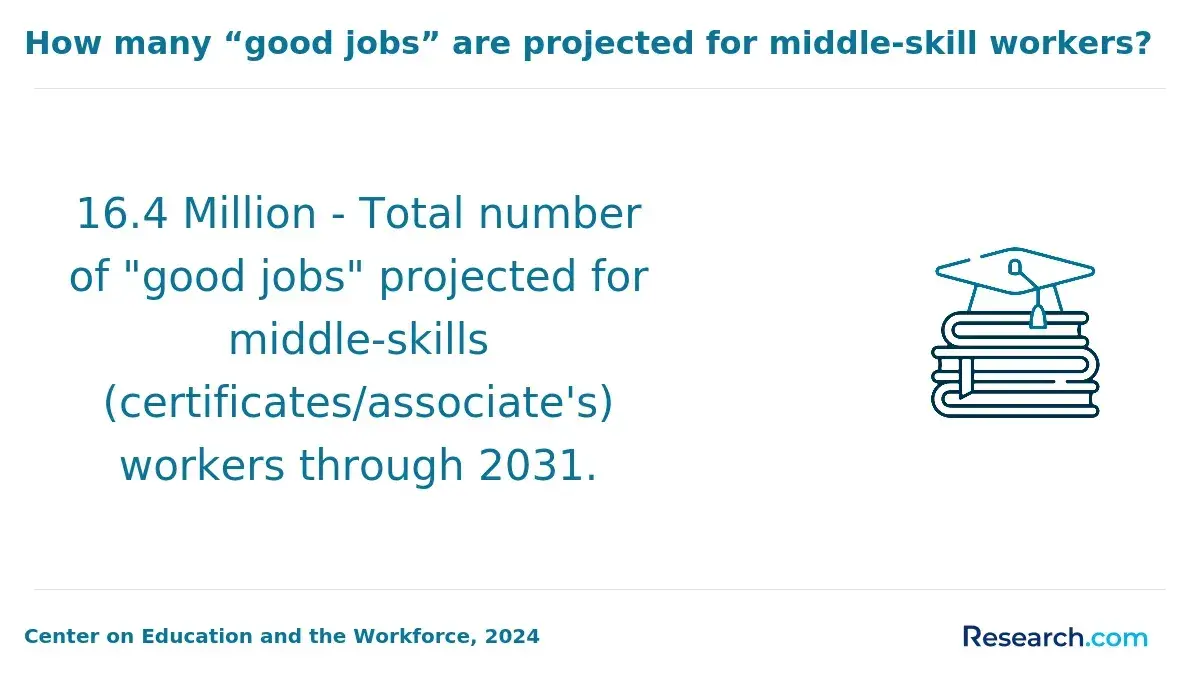
Applicants can also explore certificate programs that pay well without a degree to enhance their qualifications and improve their application profile for health education studies. Evaluating low GPA applicants for health education requires recognizing many dimensions beyond numerical grades.
Can Professional Experience Offset a GPA Below the Health Education Program's Minimum?
When GPA falls short of health education programs' minimum requirements, applicants often look to professional experience to enhance their candidacy. Admissions committees generally evaluate a mix of academic records and practical work history to gain a fuller understanding of an applicant's potential.
Relevant professional experience that can bolster an application includes:
- Leadership Roles: Taking charge in health-related environments reflects an ability to guide teams and demonstrate responsibility, which can offset academic weaknesses by highlighting management skills and initiative.
- Industry Involvement: Engagement in community health initiatives, wellness programs, or patient education activities aligns directly with the goals of health education, presenting applicants as dedicated and well-prepared for the field.
- Applied Skills: Proficiency in communication, program development, and data handling shows practical capabilities essential to health education, signaling readiness to perform effectively beyond just academic credentials.
Such experiences provide concrete evidence of an applicant's commitment and competence, often making a noticeable impact on admissions decisions.
The Society for Public Health Education emphasizes that practical experience can help compensate for lower GPAs by portraying candidates as capable contributors to health programs.
Submitting strong standardized test scores can help demonstrate academic capabilities beyond a lower GPA, offering a clearer picture of readiness for demanding health education programs.
These scores provide admissions committees with additional measurable evidence of an applicant's potential to succeed.
- Score thresholds: Many programs require minimum scores on exams like the TEAS or HESI to confirm foundational skills. Achieving or surpassing these benchmarks assures admissions that applicants meet essential academic standards despite a weaker GPA.
- Subject relevance: High performance in biology, chemistry, and reading comprehension sections is particularly valued. These results highlight mastery of core content areas critical to health education and can offset less competitive overall grades.
- Percentile rankings: Ranking above a certain percentile compared to peers can indicate strong scholarly ability. Even with a lower GPA, a high percentile shows an applicant's relative strength among candidates.
- Consistency with other academic indicators: Test scores aligned with transcripts and recommendation letters reinforce a coherent academic profile. This consistency strengthens the credibility of an applicant's readiness beyond just the GPA.
Research from the National Association of Health Education Specialists indicates that scoring above the 70th percentile can increase acceptance chances by about 20%, emphasizing the value of strong test results in admissions decisions.
When academic records show a lower GPA, pursuing additional coursework can help demonstrate both readiness and dedication to a health education program.
Completing prerequisite classes allows applicants to highlight mastery of essential topics and show evidence of recent academic improvement.
- Subject Mastery: Prerequisites focus on foundational health sciences, giving applicants a chance to prove their knowledge in critical areas like biology or anatomy. This reassures admission committees that candidates possess relevant skills needed for success.
- GPA Improvement: By earning strong grades in these targeted courses, students can boost their academic transcripts in core subjects. This improvement often helps offset earlier academic challenges and paints a picture of growth.
- Commitment to the Field: Successfully completing prerequisites signals genuine interest and determination to pursue a health-related career. It also suggests applicants are prepared to meet program demands and motivated to excel.
A graduate of a health education program shared her experience about the impact of prerequisite courses on admission chances. Facing a low GPA, she enrolled in several prerequisite classes, knowing each grade could make or break her application.
"It was stressful balancing the workload, but I wanted to prove to the admissions team that I was capable," she recalled. Her improved performance in these courses caught the attention of the program's committee, meeting their required GPA standards and demonstrating her readiness.
She reflected, "Those classes weren't just a box to check-they really helped me build confidence and show I belonged."
This suggests that strategic prerequisite completion can meaningfully enhance admission prospects for applicants with lower GPAs.
Applying early to health education programs can provide strategic advantages, especially for those with weaker academic records. Early applications allow admissions committees to evaluate candidates more holistically before the highest volume of applicants arrives.
Key benefits of early application include:
- Increased available seats: More spots remain open early in the cycle, giving applicants a better chance of acceptance before programs fill their quotas.
- More holistic reviews: Admissions officers tend to place greater emphasis on personal statements, practical experience, and recommendation letters during early review periods rather than relying heavily on GPA alone.
- Reduced competition: Applying early means facing fewer applicants. Research in nursing and allied health education indicates that acceptance rates can be 10-15% higher for early applicants compared to those who apply later.
Strategies focused on early application benefits for low GPA health education programs are increasingly recognized by institutions like the American Public Health Association, where GPA cutoffs may be flexible or supplemented with other criteria.
For those considering advanced pathways, exploring a doctoral degree no dissertation might also be a viable alternative to traditional methods of proving academic strengths.
Conditional admission offers entry into health education programs for those whose academic records fall just short of standard GPA requirements. This pathway allows students to prove their ability to succeed by meeting set criteria before receiving full acceptance.
- Prerequisite or Bridge Courses: Students must complete designated courses that build essential skills. These courses aim to reinforce foundational knowledge often lacking due to prior academic struggles. Successful completion demonstrates preparedness for program demands.
- Initial Probationary Term: During an initial trial period, students must earn satisfactory grades to confirm their commitment and capability. This phase helps programs assess if applicants can handle rigorous coursework. Positive performance leads to continued enrollment.
- Maintaining a Minimum GPA: Conditional students are required to uphold a set GPA while enrolled. This ensures steady academic progress and readiness for full admission. Falling below this benchmark may result in dismissal or extended probation.
The use of conditional admission has grown recently, reflecting an increased focus on expanding access to health education despite earlier academic challenges.
Students applying to health education programs with low GPAs often seek financial support to take additional courses or access academic resources that can help improve their academic standing.
While direct scholarships for GPA improvement are rare, several funding opportunities can indirectly assist students in enhancing their GPA.
- Merit-Recovery Scholarships: These awards target students who show potential despite past academic setbacks. Funds are typically provided to retake prerequisite courses or enroll in supplementary classes crucial for boosting GPA.
- Need-Based Grants: These grants help cover costs for tutoring, study materials, or enrollment fees in academic support programs. By easing financial burdens, they enable students to acquire skills and knowledge that can improve their overall GPA.
- Scholarships for Academic Support Programs: Some institutions offer scholarships specifically for participation in structured workshops or mentoring programs. These resources provide personalized coaching and skill-building seminars, helping students perform better in their courses.
Applicants with lower GPAs looking for scholarships for low GPA health education applicants should also consider enrolling in accredited schools that offer free online applications, as this reduces barriers to accessing quality programs and financial aid.
Exploring such options can provide an affordable pathway to strengthen academic records while pursuing health education degrees.
Guidance from experienced mentors or academic advisors is especially valuable for applicants with low GPAs seeking admission into health education programs.
Academic advising support for low GPA health education applicants often focuses on key areas that enhance both academic skills and admissions readiness:
- Customized Study Strategies: Mentors help develop effective study habits and time management tailored to the student's learning style. This personalized approach encourages consistent improvement and better grades over time.
- Course Selection Guidance: Advising ensures students choose courses that strengthen critical prerequisites and fill necessary gaps, which can compensate for earlier academic weaknesses.
- Academic Accountability and Motivation: Regular meetings with advisors create a system of accountability that maintains steady progress toward academic goals, preventing procrastination and drop-offs.
- Application Navigation and Support: Mentors assist in crafting compelling personal statements and securing strong recommendation letters, which are crucial for standing out despite a low GPA.
For students who also need affordable study options while working to raise their academic standing, exploring cheap online schools for working students can be a valuable resource.
What Graduates Say About Getting Into a Health Education Program with a Low GPA
- Alfred: "Despite entering the health education degree program with a low GPA, I discovered that persistence truly pays off. The cost was reasonable compared to other programs, which made it accessible for me. This degree has profoundly impacted my career, opening doors to roles where I can make a real difference in community health."
- Mia: "Starting my health education journey felt challenging because of my academic past, but the affordable tuition made it possible to keep going. Reflecting now, the program not only enhanced my knowledge but also boosted my confidence in professional settings. It's been a transformative experience that changed how I approach public health."
- Robin: "With an initial low GPA, I was worried about gaining acceptance into a health education degree program; however, I found options that valued my potential beyond grades. The cost was manageable and fair, considering the quality of education delivered. Professionally, this degree has been instrumental in advancing my career and empowering me to influence public wellness initiatives effectively."
Other Things You Should Know About Health Education Degrees
Applicants with a low GPA can enhance their 2027 health education program admission prospects by retaking challenging coursework, participating in extension programs, and gaining healthcare-related work experience. Building strong relationships for standout recommendation letters can also significantly bolster applications.
Yes. Some programs admit students conditionally if they meet minimum criteria such as a 2.5 GPA, submit a statement of purpose, and complete prerequisite courses. They may require a 6–12 credit-hour probation period or a first-semester GPA of 3.0 to continue in the program.
Engaging in research projects demonstrates commitment and expertise, serving as a valuable supplement to a low GPA. In 2027, applicants showcasing hands-on research experience in their field can make their applications stand out, potentially increasing their admission prospects.
- Why a low GPA may not sink your medical school application https://www.ama-assn.org/medical-students/preparing-medical-school/why-low-gpa-may-not-sink-your-medical-school-application
- 12 Ways to Get Into Med School With a Low GPA + Requirements https://www.stepful.com/post/how-to-get-into-med-school-with-a-low-gpa
- Medical School with Low GPA Cheatsheet: 6 Admission Tips https://blog.acceptedtogether.com/get-into-medical-school-with-low-gpa/
- University of Arkansas at Little Rock https://catalog.ualr.edu/preview_program.php
- Applicants from Quebec https://www.nosm.ca/en/nosm-university-admissions-learner-recruitment/ume-program-md-degree-admissions/application-information-requirements/minimum-requirements/
- Beyond Medical School GPA; How to Get into Medical School with a Low GPA - Windsor https://www.windsor.edu/beyond-medical-school-gpa-how-to-get-into-medical-school-with-a-low-gpa/
- Do Transfer Credits Affect GPA? The Impact on Your Academic Record https://www.edvisorly.com/student-guides/do-transfer-credits-affect-gpa
- Low GPA MPH Programs | Top 10 MPH Programs that Accept Low GPA https://www.gradschools.com/degree-guide/mph-programs-that-accept-low-gpa
- Top 90 Healthcare Scholarships to Apply for in December 2025 https://bold.org/scholarships/by-major/healthcare-scholarships/
- Does GPA Matter for Grad School Applications? | by Dr. Philippe Barr | Medium https://medium.com/@admit-lab/does-gpa-matter-for-grad-school-applications-the-admit-lab-cf6b76a2bbd