2027 Health Education Degree Programs for Career Changers

Co-Founder and Chief Data Scientist
Many adults face uncertainty when shifting to a career in health education, especially those without prior experience in healthcare. Nearly 40% of adult learners pursue new degrees to improve job stability in growing fields like health education. Workforce demand for skilled health educators is rising due to increasing focus on preventive care and public health initiatives. However, returning to study while managing work and family responsibilities can be daunting. This article explores the essential aspects of health education degree programs tailored for career changers, offering practical guidance for a smooth transition into this expanding profession.
Key Things to Know About Health Education Degree Programs for Career Changers
- Most programs are highly welcoming to career changers.
- When choosing a program, ensure it is accredited (typically by CEPH) and makes you eligible for the Certified Health Education Specialist (CHES) exam.
- Unlike undergraduate programs that focus heavily on general health knowledge, graduate-level programs for career changers emphasize program planning and evaluation.
What Health Education Programs Accept Career Changers?
Many health education programs with flexible admissions for working professionals recognize the unique needs of adults changing careers. These programs often provide adaptable prerequisites and emphasize skill transferability to help students build relevant expertise efficiently. Recent data shows that nearly 40% of graduate students in health-related fields are over the age of 30, underlining the demand for accessible programs tailored to career changers.
Common health education degree programs for career changers include:
- Bachelor's in Health Education: These foundational programs often accept credits from other degrees and do not require prior health experience, making them accessible for those entering the field from different backgrounds.
- Master's in Public Health (MPH): MPH programs with a health education focus typically offer flexible entry requirements and practical training that builds on existing skills, ideal for professionals seeking a smooth transition.
- Certificate Programs in Health Education: Short, targeted certificates provide core competencies quickly, allowing individuals to develop new skills without interrupting full-time work or study commitments.
- Graduate Diplomas in Health Promotion: These diplomas usually have fewer prerequisites and stress applied learning, offering career changers hands-on experiences essential for real-world practice.
These diverse options support working professionals by combining accessible curricula with adaptable learning formats. For those interested in expanding their qualifications further in health fields, exploring a list of online DNP programs can provide additional career pathways.
What Health Education Specializations Are Best for Career Changers?
Selecting the right health education specialization is essential for career changers because it leverages existing skills while opening new professional opportunities. For instance, labor statistics project a 13% growth in demand for community health workers over the next decade, underscoring the value of strategic specialization. Here are four top health education specializations that suit career changers well:
- Community Health Education: Ideal for individuals with strong communication and organizational skills, this specialization offers roles in outreach and program development. It typically requires no prior healthcare experience, making it accessible for newcomers looking to transition smoothly.
- Health Promotion and Wellness: This track suits professionals passionate about lifestyle improvement, building on transferable coaching and motivational techniques. Certifications are often accessible, providing a practical pathway for career changers to gain relevant credentials.
- Public Health Education: Focused on policy and preventive strategies, this specialization appeals to those with social sciences or management backgrounds. It offers diverse career mobility and opportunities in various health sectors.
- Health Informatics Education: Combining healthcare knowledge with technology skills, this area is perfect for individuals experienced in IT or data management. It addresses growing tech-health roles that continue to expand rapidly.
Exploring health education degree programs with specialization options for career changers can help nontraditional students find the best health education career tracks that align with their backgrounds and goals. For those considering advanced study paths, reviewing easy DNP programs could also provide valuable options to further enhance qualifications and career prospects.
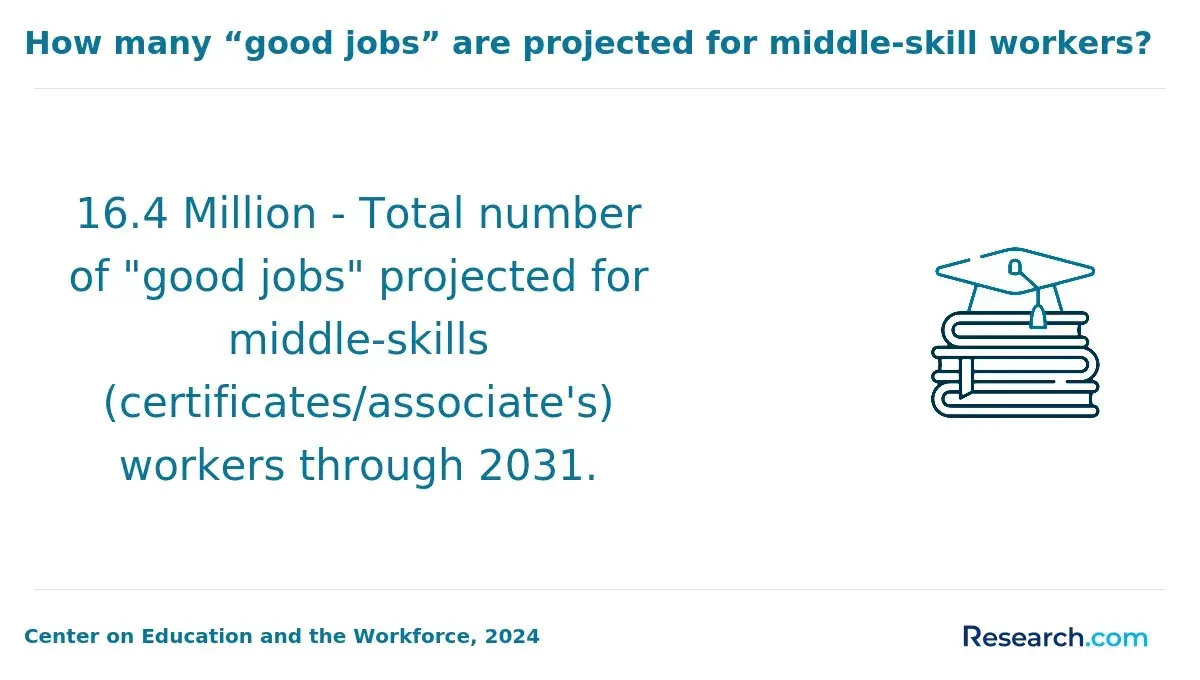
What Are the Admission Requirements for Career Changers Applying to a Health Education Program?
Admission requirements are especially important for career changers because they clarify the qualifications and steps needed to transition smoothly into a new field. Approximately 38% of U.S. postsecondary students are aged 25 or older, reflecting the growing number of adult learners who balance education with work and life commitments. Below are common prerequisites and qualifications for health education program applicants who are changing careers.
- Application and Fee: A completed application form and fee provide the initial screening to assess readiness. Many programs offer flexible submission deadlines or waivers to accommodate working professionals.
- Official Transcripts: Transcripts from previous institutions verify academic background. Transfer credits from related fields can sometimes satisfy prerequisites or reduce course load.
- Résumé or CV: Highlighting professional experience helps demonstrate transferable skills and relevant work history valuable in health education.
- Letters of Recommendation: These often come from employers or academic mentors and offer insight into the candidate's abilities, work ethic, and potential for success in the program.
- Personal Statement: This narrative explains the motivation for switching careers and choosing health education, helping admission committees understand applicants' goals and commitment.
- SAT or ACT Scores: Standardized test requirements are frequently waived for adult learners, acknowledging their practical experience and alternative qualifications.
Programs often provide part-time, evening, or online options to support working professionals. Transferable experience in healthcare, education, or management may fulfill some prerequisites, while some applicants demonstrate proficiency through standardized tests or foundation courses. Applicants interested in financial details should explore the medical billing and coding online courses cost, which can be a practical step in related health education fields.
For career changers, knowing what coursework to expect in a health education degree helps balance previous experience with new learning demands and schedules. Flexible course delivery and clear content focus are especially valuable for managing time and setting realistic goals. The curriculum typically includes the following key areas:
- Public Health Fundamentals: Covers epidemiology, biostatistics, and health policy frameworks, providing foundational knowledge critical across health sectors. These courses often offer online modules to accommodate working students.
- Health Promotion: Focuses on methods to design and assess interventions targeting behavior change and disease prevention, linking theory with applied strategies in various settings.
- Community Assessment: Teaches techniques for analyzing local health needs and planning tailored educational programs, emphasizing practical project work and community interaction.
- Environmental Health: Examines how environmental factors influence population health, with coursework designed to be accessible through hybrid or asynchronous options for adult learners.
- Ethics and Communication: Highlights culturally competent messaging and professional standards, preparing students to communicate effectively across diverse populations.
One professional who completed an online health education degree shared his experience: "Balancing work and study was tough at first, especially shifting from a completely different field. The flexibility of online courses made a huge difference-being able to review lectures after hours helped me grasp challenging topics." He added, "What stood out was applying what I learned directly to community projects. Even though I worried about keeping up with academic demands, support from advisors kept me on track." His story underscores how coursework coupled with institutional support can smooth the pathway for career changers entering health education.
Choosing the right program format is crucial for career changers juggling work and personal responsibilities, as it affects degree completion time and learning convenience. Currently, more than 40% of U.S. higher education students are adult learners, many opting for programs offering online or flexible options. Below are some common health education program formats catering to these needs.
- Online Programs: These fully virtual programs enable students to study anytime and anywhere, accommodating irregular schedules and allowing learners to advance at their own pace.
- Hybrid Programs: Combining online coursework with occasional in-person classes, hybrids provide flexibility while fostering direct engagement with instructors and classmates.
- Evening and Weekend Classes: Designed for working professionals, these on-campus courses are scheduled outside typical work hours so students can maintain employment while attending classes.
- Part-Time Study: Allowing a reduced course load each semester, part-time options help students balance their education with existing commitments by spreading coursework over a longer period.
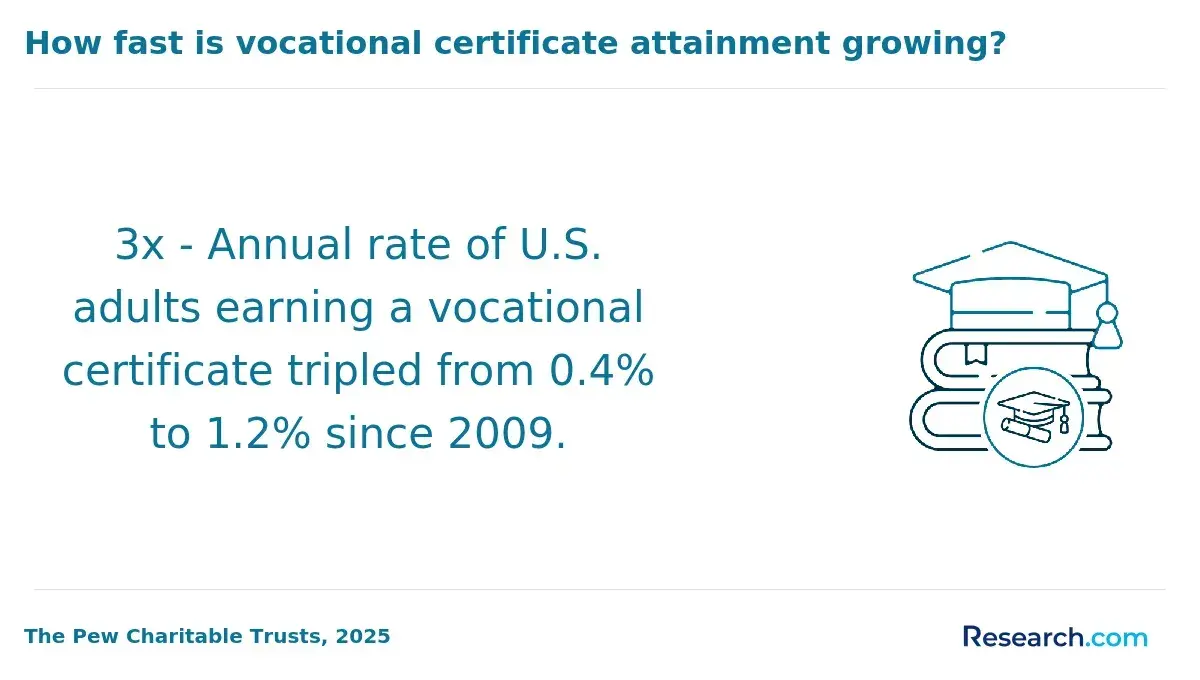
Developing new skills is vital for career changers entering the health field, especially as nearly 54% of employees will require reskilling by 2025, according to the World Economic Forum. This growing need makes targeted education crucial for those shifting into healthcare roles. The following highlights key skills gained in a health education program that support successful transitions.
- Communication Skills: Mastering clear and effective communication equips learners to share complex health information with varied audiences confidently. This skill fosters patient advocacy and strengthens public speaking abilities vital in many healthcare environments.
- Program Planning: Training in designing, implementing, and evaluating health initiatives prepares students to manage projects in community organizations or workplace wellness efforts. This practical expertise directly enhances employability in diverse settings.
- Data Analysis: Interpreting health data cultivates evidence-based decision-making skills crucial for roles in research and policy development. Being able to analyze statistics improves problem-solving and strategic planning.
- Cultural Competency: Developing awareness of cultural differences enables graduates to engage respectfully with diverse populations. Employers prioritize this skill to improve health outcomes and foster inclusive care practices.
- Behavioral Health Knowledge: Understanding lifestyle and mental health factors helps craft targeted interventions and supports a deeper grasp of patient needs, making professionals more effective in prevention and treatment roles.
When I spoke with a career changer who recently completed a health education degree, she reflected that the journey was "challenging but eye-opening." Transitioning from a marketing background, she initially struggled with mastering medical terminology and adapting to the research-heavy coursework. However, she found that her new communication and cultural competency skills boosted her confidence in patient interactions and community outreach. "It wasn't just about learning facts," she explained, "but about understanding people's stories and applying knowledge to real-world health issues." Her story illustrates how the skill set gained can transform both professional ability and personal perspective.
Career changers often face unique financial challenges when pursuing graduate education, with an average debt load nearing $66,000 among U.S. graduate students. For working professionals exploring affordable health education programs, carefully assessing total program costs is essential to balance education with existing financial obligations. Below are the main components affecting the total cost for adult learners transitioning into health education careers.
- Tuition and Fees: Tuition varies widely depending on whether the program is offered by a public or private institution and the program's length. Annual costs generally range from $5,000 to $25,000. Many institutions offer flexible payment plans to accommodate working professionals' schedules and reduce immediate financial burden.
- Books and Materials: Textbooks, software, and other educational resources typically add $500 to $1,500 per year to the overall expenses. These costs can sometimes be reduced by opting for used books or digital versions.
- Additional Expenses: Some programs require technology fees, lab fees, or access to specific online platforms. These fees vary but should be factored in as part of the total investment in the degree.
- Employer Support: Career changers can often benefit from tuition reimbursement programs or flexible work schedules offered by some employers. This support can significantly offset costs and ease the challenge of balancing work and study.
- Financial Aid and Scholarships: Seeking scholarships, federal financial aid, or other grants is a common strategy to reduce out-of-pocket expenses. Many adult learners also explore online or hybrid program formats to lower commuting and relocation costs.
Career changers can find ways to reduce costs by researching options such as an online nursing school, which may offer affordable health education degree pathways designed with working professionals in mind.
The structure of a health education curriculum is especially important for career changers because it addresses the unique challenges faced by adults seeking to transition into new fields. Well-designed programs combine foundational knowledge with practical skills to help these learners move confidently into unfamiliar roles. Here are key ways a health education curriculum supports career transitions:
- Applied Learning Opportunities: Internships, simulations, and community projects provide hands-on experience that bridges theory with real-world practice, enhancing workplace readiness for students.
- Transferable Skill Development: Emphasis on communication, critical thinking, and program planning equips learners with versatile skills valuable across many health professions.
- Flexible Pacing: Options like part-time study and online coursework accommodate working adults and those with personal commitments, supporting diverse life schedules.
- Real-World Projects: Integrating practical projects into the curriculum fosters problem-solving abilities and builds tangible outcomes for professional portfolios or resumes.
- Current Health Issues Focus: Coursework grounded in evidence-based practices ensures students gain up-to-date expertise relevant across a broad spectrum of health education roles.
These curriculum benefits make a health education degree ideal for those seeking efficient, confident career change paths. Adult learners can balance their studies with work while gaining skills designed for adaptability. For those exploring affordable options, programs such as cheap RN to BSN online programs also demonstrate how flexible and accessible health education can be.
Ultimately, the skills gained from health education degree programs extend beyond specific roles, empowering career changers with strong foundations and practical capabilities that facilitate successful transitions within the health sector.
For career changers, recognizing potential job opportunities after earning a health education degree helps align current skills with market demands and improves transition success. The U.S. Bureau of Labor Statistics forecasts an 11% growth in employment for health educators and community health workers from 2022 to 2032, indicating robust job prospects. Below are common career options for graduates in this field.
- Health Educator: Develop and implement initiatives aimed at encouraging healthy lifestyles. Professionals with strong communication and instructional abilities can adapt well to this role.
- Community Health Worker: Serve as a link between individuals and health resources, supporting access to care. Those with interpersonal skills and community insight tend to excel here.
- Wellness Coordinator: Organize and oversee health programs within workplaces, utilizing leadership and planning strengths. This position is a natural fit for those experienced in management and event coordination.
- Public Health Specialist: Engage in research and advocacy to influence health policies. Analytical and investigative talents enhance effectiveness in this career.
- Healthcare Program Manager: Oversee various health-related projects and budgets, applying project management expertise to ensure program success. Prior management experience facilitates entry into this role.
Salary expectations play a key role for those shifting careers and investing in a health education degree. Research from 2023 shows professionals reskilling in healthcare roles, including health education, experience an average salary boost of about 15% within three years of career transition. Below are typical salary ranges and factors influencing compensation in this field.
- Entry-Level Health Educators: Salaries generally fall between $40,000 and $55,000 annually, reflecting foundational roles for newcomers building expertise.
- Mid-Career Professionals: With 5-10 years of experience, earnings often rise to $55,000-$75,000 per year, emphasizing the value of accumulated skills.
- Corporate Wellness Specialists: These roles can command $85,000 or more, benefiting from specialized knowledge in workplace health promotion.
- Advanced Positions: Jobs requiring certifications or graduate degrees typically reach $90,000 to $110,000 annually, highlighting the payoff of further education.
- Geographic and Employer Differences: Pay varies significantly by location and sector, with urban areas and private organizations usually offering higher compensation packages.
What Graduates Say About Their Health Education Degrees for Career Changers
- Miller: "Deciding to change careers felt daunting, but enrolling in a health education degree program was the best choice I made. The average cost of attendance was about $30,000, which seemed like a lot at first, but it truly was an investment in my future. Completing the program opened doors I never imagined, allowing me to work confidently in community health initiatives."
- Emery: "After years in a different industry, I chose to pursue a health education degree to align my work with my passion for helping others. I was pleasantly surprised that the program's cost, around $28,500 on average, was manageable with financial aid and careful budgeting. Reflecting on it now, this education was a pivotal step in redefining my professional path and making a meaningful impact. "
- Gabriel: "As a professional seeking a fresh start, I carefully evaluated the health education degree program's cost-effectiveness, which averaged near $32,000. The comprehensive curriculum and practical training validated every penny spent, equipping me with skills respected in the health sector. Today, I confidently say this program was essential in facilitating a smooth and successful career transition. "
Other Things You Should Know About Health Education Degrees
Yes, many health education degree programs value prior work experience, especially in fields related to wellness, community service, or education. Career changers with relevant experience may receive favorable consideration during admissions and sometimes can earn credit or advanced standing. However, requirements vary by institution, so applicants should review specific program policies before applying.
Career changers often need 12 to 24 semester credits in biology, anatomy and physiology, nutrition, psychology, or public health before matriculation. Many programs allow missing prerequisites to be completed before enrollment or during the first year. Some schools also require a minimum 2.5 to 3.0 GPA.
Many programs recognize the unique needs of adult learners and career changers by providing specialized support services such as flexible course scheduling, academic advising, and career counseling. These resources help students balance education with work and family responsibilities while navigating a career transition. Prospective students should inquire about available support when selecting a program.
- Career Change to Healthcare: Complete Prerequisites Guide for Non-Medical Professionals - Prereqcourses https://www.prereqcourses.com/career-change-to-healthcare/
- Post-Bacc Career Changer Programs | Admissions Helpers https://admissionshelpers.com/post-baccalaureate-programs-career-changers-part-1/
- Careers in Health Education https://www.shapeamerica.org/MemberPortal/career/fields/health_careers.aspx
- Why Pursue a Career in Health Professions Education? Impact and Opportunities https://www.mghihp.edu/news-and-more/opinions/health-professions-education-effects/why-pursue-career-health-professions-education-impact-and-opportunities
- Health Education Degree Online https://www.snhu.edu/online-degrees/bachelors/bs-in-community-health-education
- Complete Guide to Becoming a Health Educator (Degrees and Duties) https://www.allpsychologyschools.com/careers/health-educator/
- Top 5 Healthcare Jobs that Don’t Require a Degree https://medcerts.com/blog/top-5-healthcare-jobs-for-career-changers-that-dont-require-a-degree
- 7 tips for those who want to transition their career to the field of Health Management - MUST University https://mustedu.com/7-tips-for-those-who-want-to-transition-their-career-to-the-field-of-health-management/
- Health educators: Salary, career path, job outlook, education and more - RaiseMe https://www.raise.me/careers/community-and-social-service/health-educators/health-educators/
- FAQs on careers in public health - Faculty of Public Health https://www.fph.org.uk/training-careers/careers-in-public-health/faqs-on-careers-in-public-health/