2027 DNP Pediatric Primary Care NP Programs for Nurses in Montana: BSN and MSN Entry Routes and Clinical Training
Audited and Verified:
Our Editorial and Data Verification Process
Research.com uses government datasets, official education statistics and primary institutional information to support its career and degree guides. Our review process checks factual accuracy, occupational definitions, source dates and the requirements associated with the credentials discussed.
How This Article Was Fact-Checked
Our editorial team verifies salary estimates, employment projections, education requirements and program information against original data providers and official organizations. Salary figures are checked against the relevant occupational definitions and reporting periods. Information about licensure, accreditation and required in-person training is reviewed separately.
Fact-checked and verified on:

Co-Founder and Chief Data Scientist
Montana nurses interested in pediatric primary care face a specific program-search problem: a DNP with a family nurse practitioner track is not the same as a pediatric primary care nurse practitioner track. Before applying, nurses need to confirm that a school admits Montana students, prepares graduates for the intended certification, and can support supervised pediatric placements.
This guide compares BSN- and MSN-entry routes, explains what to verify about Montana and out-of-state programs, and helps you judge whether the clinical schedule and total cost fit your goal.
Key Things You Should Know
- A Montana-based DNP does not necessarily offer a pediatric primary care NP track; confirm the exact population focus and certification outcome before applying.
- BSN-entry students generally complete NP preparation and doctoral work; MSN-prepared applicants may need a program-specific gap review rather than a repeat of their entire graduate degree.
- Plan for supervised pediatric primary care experiences and a DNP practice-hour requirement commonly built around at least 1,000 post-baccalaureate practice hours; prior hours count only if the program accepts them.
What are DNP pediatric primary care NP programs in Montana?
A pediatric primary care nurse practitioner (PNP-PC) DNP is a practice-focused doctorate with formal preparation to assess, diagnose, manage, and coordinate care for children in primary care settings. Its pediatric population focus and supervised clinical education distinguish it from a general DNP, a family nurse practitioner (FNP) track, and a pediatric acute care NP track.
A DNP project typically applies evidence to a practice or quality problem; it does not replace pediatric patient-care training.
For a nurse who intends to practice in Montana, "in Montana" can describe either a campus located in the state or an out-of-state program authorized to enroll the nurse and arrange approved clinical experiences there. Those are different claims. Do not infer that a Montana nursing school offers PNP-PC preparation merely because it awards a DNP, or that an online school can place students at Montana sites.
The specialty choice should follow the intended patients and work. A nurse primarily seeking psychiatric care for children and adolescents should compare the psychiatric-mental health NP population focus instead; lower-tuition psychiatric nursing graduate programs address a different credential and should not be treated as PNP-PC substitutes.
What are the BSN and MSN entry routes for pediatric DNP programs?
The route depends on the nurse's existing license, graduate preparation, and desired certification. These entry points can lead to different amounts of coursework and supervised care even when both end in a DNP.
| Starting point | Potential route | Key question before applying |
| Licensed RN with a BSN | BSN-to-DNP with an explicit PNP-PC track | Does the track include pediatric primary care coursework, approved clinical placements, and certification preparation? |
| MSN-prepared RN without NP preparation | Post-master's PNP-PC preparation followed by or incorporated into DNP study | Which advanced courses and direct-care experiences must be completed? |
| Already-certified NP in another population focus | PNP-PC post-graduate preparation, with a DNP if wanted or required by the chosen school | What does the school's formal gap analysis require for the new population focus? |
An MSN in leadership or education does not itself establish NP eligibility. Likewise, an FNP's experience seeing children does not automatically replace PNP-PC specialty education. If the immediate objective is pediatric NP certification, an eligible MSN or post-graduate certificate may be more direct than a DNP; compare the academic award against the role you actually want.
These are postlicensure routes. A person without an RN license must first pursue initial nursing preparation; accelerated entry-level nursing master's study addresses that earlier step, not direct entry to pediatric NP practice.
Which Montana schools offer accredited pediatric primary care DNP programs?
Do not assume there is a Montana-campus PNP-PC DNP option. Montana State University offers DNP study, but the existence of its DNP or FNP preparation does not establish a dedicated PNP-PC track. A Montana-based school should be listed as a pediatric primary care option only after its current specialty catalog and admissions office confirm that exact track. Without that confirmation, an authorized out-of-state program is the more useful category to investigate.
The comparison below separates a known Montana DNP search starting point from the additional evidence needed for a PNP-PC decision. It is not a claim that either option is available to every applicant.
| Option to investigate | What it establishes | What still needs confirmation |
| Montana State University DNP | A Montana-based doctoral nursing option | Whether the intended entry term has a dedicated PNP-PC track; an FNP track is not equivalent |
| Out-of-state PNP-PC DNP accepting Montana students | A potential route to the exact specialty while living in Montana | Current nursing accreditation, Montana enrollment authorization, placement arrangements, campus visits, and certification eligibility |
Check the specific nursing program and track with the school, verify the program's accreditation status with its named nursing accreditor, and obtain written confirmation of Montana enrollment and clinical eligibility. Institutional accreditation alone does not answer those specialty or placement questions. A general guide to DNP programs with accessible admission requirements can help generate questions, but an easier admission process is not evidence that a program offers PNP-PC.
Expect schools to evaluate an active RN license, the required BSN or MSN, academic record, recommendations, and a statement connecting your experience to pediatric primary care. An MSN-entry applicant may also need transcripts, course descriptions, prior clinical-hour records, and proof of any existing NP certification so faculty can assess what remains. Individual programs set their own GPA, experience, interview, and application rules.
Admission is only one hurdle. Clinical sites may require background screening, immunizations, liability coverage, an eligible preceptor, and site agreements before a student can begin patient care. A nurse who lives far from a pediatric clinic should ask about placement feasibility before accepting admission, not after enrolling.
Ask admissions for a written answer identifying the exact track, accepted prior graduate work, Montana clinical-site requirements, and the first term in which specialty courses and placements are available. Prelicensure entrance exams are a separate issue: a list of nursing schools with no TEAS score requirement does not establish graduate PNP-PC admission criteria.
Online coursework may let a Montana nurse remain employed and avoid relocating, but pediatric clinical care still takes place at approved physical sites. Campus-based programs may make faculty contact and scheduled skills activities easier to plan, while requiring travel or relocation. Neither format guarantees that a pediatric preceptor near the student is available.
Compare the actual calendar rather than the delivery label. Ask how many live sessions, simulation days, campus visits, and weekday clinical shifts each term requires; whether the school secures placements or expects students to propose them; and what happens if a site withdraws. For a nurse balancing shifts and caregiving, an asynchronous lecture does not make a preceptor's clinic hours asynchronous.
Schedules described in comparing online PMHNP certificate schedules illustrate why "online" must be checked against live and clinical commitments, although those psychiatric certificates have different specialty requirements. Get the PNP-PC program's own schedule in writing.
PNP-PC preparation generally combines advanced health assessment, pathophysiology, pharmacology, pediatric growth and development, health promotion, and management of common childhood conditions. Supervised experiences should develop pediatric primary care judgment across relevant ages and settings, including preventive visits, family education, follow-up, and referral. Doctoral work adds evidence appraisal, systems improvement, and a practice-focused project.
The important distinction is between total doctoral practice hours and supervised pediatric direct-care hours. DNP programs commonly plan around the American Association of Colleges of Nursing's minimum of 1,000 post-baccalaureate practice hours. The school and certifying organization must also determine whether the student has sufficient qualifying PNP-PC clinical preparation. Work shifts, simulation, and earlier graduate hours should not be assumed to count in the same way.
Request a clinical plan showing who approves sites and preceptors, how pediatric encounters are evaluated, and how the program records hours accepted from a prior MSN. A shorter course sequence in another specialty, such as accelerated mental health NP master's coursework, offers no shortcut around PNP-PC patient-care competencies.
BSN-entry study generally takes longer than a post-master's DNP because it must include graduate NP preparation as well as doctoral work. An MSN-entry timeline depends on whether the nurse already completed an aligned NP specialty and how the receiving school evaluates prior courses and hours. Published "fastest" timelines may assume full-time enrollment, immediate course availability, and uninterrupted clinical placement.
No single Montana PNP-PC DNP price can be quoted without a confirmed program, entry route, credit evaluation, and tuition schedule. Compare schools using the same cost categories: remaining tuition and mandatory fees; books and technology; clinical screening and insurance; travel and lodging for visits; certification and licensing expenses; and income lost to scheduled clinical days. Ask for a term-by-term estimate, including any tuition charged while finishing the DNP project.
A guide to shorter DNP programs may help identify questions about pacing. It cannot establish that a particular school has a PNP-PC track or that previously earned hours will shorten your degree. If certification is the immediate goal, compare the full DNP cost with an eligible PNP-PC master's or post-graduate certificate route.
Graduation, national certification, and Montana APRN authorization are separate milestones. A graduate of an eligible PNP-PC track can review the Pediatric Nursing Certification Board's requirements for its Certified Pediatric Nurse Practitioner-Primary Care credential, commonly abbreviated CPNP-PC. The board determines examination eligibility from the applicant's education and documentation; a school's DNP award alone does not grant the credential.
For Montana practice, verify the Montana Board of Nursing's current APRN application, RN-license status, certification, and prescribing requirements. An employer may separately require credentialing, onboarding, and demonstrated competencies. Nurses planning care across state lines should check each jurisdiction's APRN and telehealth rules rather than relying on an RN compact privilege.
If you are not yet an RN, initial RN education and licensure come first. A nursing program admission accessibility guide concerns that entry stage; it cannot replace graduate pediatric NP preparation or Montana APRN authorization.
PNP-PC graduates may seek roles in pediatric practices, community clinics, health systems, and other child-focused outpatient services. Duties can include preventive care, assessment of common conditions, chronic-condition follow-up, family education, and coordination with specialists, within the clinician's certification, Montana authorization, and employer privileges. A DNP may also support practice-improvement or leadership work, but it does not guarantee a leadership position.
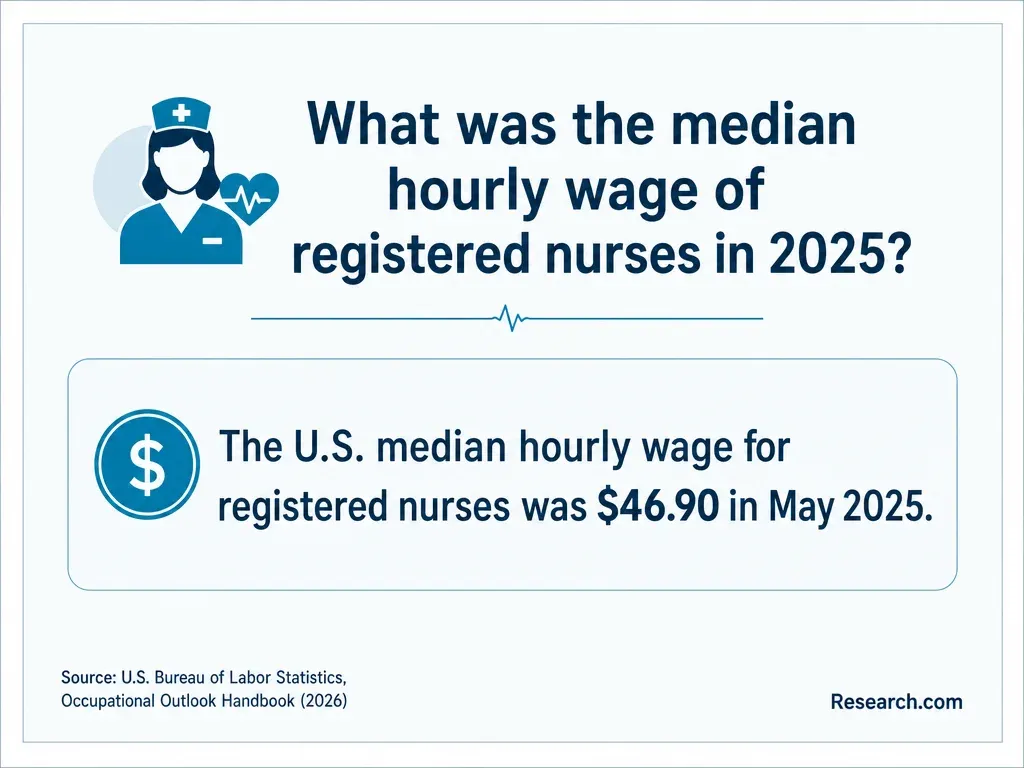
The U.S. Bureau of Labor Statistics reports wages for nurse practitioners as an occupation, not a separate Montana PNP-PC DNP salary. Its occupation-wide figures cannot predict an offer in a rural pediatric clinic. To evaluate an offer, compare base pay alongside patient mix, visit volume, call duties, benefits, loan assistance, orientation, and the availability of pediatric colleagues and referral services.
For someone exploring child healthcare without an RN license, shorter LPN education program comparisons describe a different nursing role. LPN preparation does not provide a bridge directly into independent pediatric NP practice; RN licensure and the required graduate specialty preparation remain distinct steps.
How strong is demand for pediatric primary care nurse practitioners?
National nurse practitioner employment projections indicate growth for the broader occupation, but they do not measure vacancies specifically for pediatric primary care NPs in Montana. A small local market can have substantial need yet few advertised positions, while a pediatric practice may recruit an FNP rather than a PNP-PC for a particular job. Neither an occupation-wide growth rate nor a statewide shortage claim establishes that a preferred clinic will hire a new graduate.
Test local demand before committing to a costly track. Review recent Montana pediatric outpatient postings for the required population-focus certification, ask prospective employers whether they hire PNP-PC graduates, and assess whether approved clinical sites could also provide mentoring after graduation.
For a nurse still choosing a specialty, child and adolescent behavioral health roles may lead toward PMHNP preparation instead; lower-cost online BSN-to-MSN degree routes would be relevant only to that different career decision.
Other Things You Should Know About Nursing
Not automatically. The program must approve the site, preceptor, patient-care activities, supervision, and documentation before counting hours toward its requirements.
Do not assume so. Check the patient's jurisdiction for applicable APRN licensure and telehealth requirements, as well as your employer's policies.
Only with the required organizational permissions, privacy protections, and any applicable quality-improvement or research review. Employment does not itself authorize access for a student project.
Tell the program before moving. Enrollment authorization, clinical-site approval, and eventual APRN licensure requirements may change with your location.
- Prescriptive Authority | mt.gov https://boards.bsd.dli.mt.gov/nursing/license-information/prescriptive-authority
- Cost of Attendance (Budget) | 2025-2026 Federal Student Aid Handbook https://fsapartners.ed.gov/knowledge-center/fsa-handbook/2025-2026/vol3/ch2-cost-attendance-budget
- DNP Family Nurse Practitioner Option | Montana State University https://www.montana.edu/nursing/graduate/DNP_FamilyNursePractitionerOption.html
- Pediatric Nurse Practitioner - IU School of Nursing https://nursing.iu.edu/academics/programs-degree/dnp-nursing/bsn-dnp-nurse-practitioner/pediatric-nurse-practitioner.html
- BS to DNP Primary Care Pediatric Nurse Practitioner | CU Anschutz Nursing https://nursing.cuanschutz.edu/degrees-programs/graduate-programs/bs-dnp/pnp-pc
- Pediatric Nurse Practitioner Primary Care | UW School of Nursing https://nursing.uw.edu/academics/dnp/pnp-pc/
- The Difference Between Acute Care NP and Primary Care NP | UTA https://academicpartnerships.uta.edu/healthcare-nursing-online-programs/msn-adult-gerontology/acnp/difference-acute-primary-np/
- Academics: College of Nursing: Post-Master's Certificate in Pediatric Nurse Practitioner Primary Care https://academics.waldenu.edu/catalog/nursing/post-masters-certificate/pediatric-nurse-practitioner-primary-care
- Pediatric Nurse Practitioner (PNP) Primary Care | Walden University https://www.waldenu.edu/online-doctoral-programs/doctor-of-nursing-practice/pediatric-nurse-practitioner-primary-care