2027 Counseling Psychology Degree vs. Certificate: Which Should You Choose?

Co-Founder and Chief Data Scientist
Students and professionals today must carefully consider whether to pursue a counseling psychology degree or certificate, as both options offer distinct advantages. A degree often provides comprehensive training and opens doors to licensure, while certificates can enhance specific skills or knowledge quickly. Each path supports career growth but differs in time, cost, and depth of study.
Research shows that about 65% of counseling psychology practitioners hold at least a master's degree, highlighting the value of in-depth education. However, certificates are increasingly popular for continuing education or specialization. This article explores the key differences between degrees and certificates to help you identify the best fit for your professional goals and lifestyle.
Key Points About Counseling Psychology Degree vs. Certificate Programs
- Degrees typically require 2-5 years, offer comprehensive training, and yield higher salary potential, with median annual earnings about $79,000 for licensed psychologists versus $45,000 for certificate holders.
- Certificate programs focus on specific skills, require less time, and boost practical knowledge quickly, appealing for career changers or professionals seeking targeted expertise.
- Degrees enable licensure eligibility and broader career options, while certificates enhance credentials but typically don't qualify for independent practice or advanced clinical roles.
What Are the Differences Between Counseling Psychology Degree and Certificate Programs?
Both Counseling Psychology degrees and certificate programs provide valuable career opportunities but differ significantly in several aspects. Knowing these distinctions can help students select the right educational path based on their professional goals and available time.
Below is a comparison of the key differences between the two options.
- Career advancement: A degree often opens doors to higher-level positions and licensure eligibility, appealing to those seeking long-term growth and clinical roles. Certificates may be better suited for individuals aiming to quickly enhance their skills or enter support roles without committing to extensive study.
- Depth of learning: Degree programs provide comprehensive training covering theory, research, and applied practice. Certificate courses focus on specific topics or skills, ideal for professionals needing targeted knowledge or supplemental education.
- Time commitment: Degrees require several years to complete, which suits learners prepared for an extended educational journey. Certificates can be finished in months, making them attractive for those balancing work or personal obligations.
- Flexibility and specialization: Certificates often offer flexible schedules and niche specializations, appealing to working adults or those seeking to specialize quickly. Degrees may involve more structured curricula with broader coverage, valuable for foundational expertise.
How Long Does It Take to Complete a Counseling Psychology Degree vs. a Certificate Program?
Completion time is one of the most important factors for students deciding between a counseling psychology degree program and a certificate. Understanding average timelines and flexibility can help you choose the right path based on your personal and professional goals.
- Typical Duration: A counseling psychology degree program duration usually ranges from two to three years for full-time students, with some accelerated options allowing for completion in 18 to 21 months. In contrast, counseling psychology certificate completion time is much shorter, often taking just one to six months for short-term certificates, and up to about a year for more comprehensive ones.
- Flexibility: Degree programs often require a full-time commitment but may offer part-time or accelerated tracks, which can extend or shorten the overall timeline. Certificate programs are generally designed for working professionals, featuring part-time or online formats that maximize scheduling flexibility.
- Factors Affecting Timeline: Several factors influence how long it takes to complete a program, including whether you study full-time or part-time, program structure differences between degrees and certificates, prior academic experience, transfer credits, and state licensure requirements that mostly apply to degree programs. Also, degree programs typically include internships or practicum experiences that lengthen the time to completion.
- Career and Educational Focus: Degree programs provide more extensive clinical training and broader licensure options compared to certificates, which focus primarily on foundational counseling skills and specialization but not supervised practice.
For students seeking a faster route to skill development, exploring a fast track associate's degree online may offer additional options. Overall, the counseling psychology degree program duration versus counseling psychology certificate completion time reflects a balance between depth of training and speed to credential.
Can You Complete a Counseling Psychology Degree or Certificate Entirely Online?
The rapid expansion of online education has increased access to both counseling psychology degrees and certificates across the US. Many institutions now offer fully online Counseling Psychology degree programs, such as Felician University's fully online Master of Arts in Counseling Psychology and Eastern University's hybrid or fully online MA in counseling psychology. These options provide flexible schedules and eliminate the need for on-campus residencies, making them attractive for working professionals or students facing geographic limitations.
Meanwhile, online Counseling Psychology certificate options are becoming more common, though their structures and requirements often vary by school. Some programs include hybrid formats or evening classes, blending online and in-person learning to accommodate diverse student needs.
While degrees and certificates may be completed mostly online, hands-on training remains essential. Most fully online counseling psychology degrees require supervised practicum and internship hours at approved sites, as required by state licensure boards. For example, Felician's online program mandates 100 practicum and over 600 internship hours.
Certificate programs may need less fieldwork but must meet accreditation standards such as CACREP or MPCAC for licensure eligibility. Students should thoroughly review program requirements and support for field placements, ensuring alignment with their career goals and state licensure policies. For those exploring easy college classes to take online, choosing the right program format is crucial to balancing convenience with professional preparation.
Admission requirements are essential in determining your eligibility and preparedness for either a counseling psychology degree or certificate program. Knowing these requirements allows you to choose the best path that fits your academic background and career goals.
Below is a side-by-side comparison of admission requirements for counseling psychology degree programs versus certificate programs.
Admission Requirements for Counseling Psychology Degree Programs
- Educational Background: Most degree programs require a bachelor's degree from an accredited institution, usually in psychology or a related field. Master's programs often accept applicants with at least 15 to 18 undergraduate psychology credits.
- Minimum GPA: Applicants generally must meet a minimum GPA, typically 3.0 for master's programs and higher, such as 3.5, for doctoral studies.
- Transcripts: Official transcripts from all relevant academic work must be submitted to verify your educational history.
- Personal Statement: A detailed statement outlining your academic and professional objectives helps assess your motivation and fit for the program.
- Letters of Recommendation: Two or more recommendations from academic or professional references are required to evaluate your potential in graduate studies.
- Resume or CV: A current resume documenting your relevant skills and experience is requested.
- Interview: Some programs require an interview to further assess your professional promise and suitability.
- Additional Requirements: Criminal background checks and application fees are common; GRE scores may be optional or not required.
This set of counseling psychology degree admission requirements in the US ensures you are prepared for advanced academic and clinical training.
Admission Requirements for Counseling Psychology Certificate Programs
- Educational Background: Certificate programs typically require at least a bachelor's degree but accept any major, reflecting greater flexibility.
- Professional Experience: Relevant work or volunteer experience in counseling, education, or human services is valued by some programs.
- Transcripts: Official transcripts to confirm degree completion are usually required.
- Personal Statement: A brief statement of interest may be requested, generally less rigorous than those for degree programs.
- Letters of Recommendation: Fewer programs require these; when needed, one or two references suffice.
- Resume: Often requested to document professional experience, especially for post-baccalaureate certificates aimed at working professionals.
- Application Fee: Most certificate programs charge a nominal application fee.
These certificate program prerequisites for counseling psychology make them accessible options for professionals seeking specialized skills or career advancement without the commitment of a graduate degree.
For those considering foundational education options, the cheapest way to get an associate's degree can also be an important stepping stone.
Knowing the credit requirements for counseling psychology programs helps students effectively plan their academic schedules and understand the time commitment involved. Comparing credits between degree and certificate paths clarifies the scope and depth of each option.
Here's how credit expectations typically compare:
- Counseling Psychology Degree: Generally requires between 36 and 60 credit hours for master's programs, varying by institution and licensure goals. Doctoral degrees often demand 75 or more graduate credits, reflecting comprehensive training.
- Counseling Psychology Certificate: Usually involves 12 to 21 credits, focusing on foundational counseling skills and specialized competencies, making it shorter and more targeted than degrees.
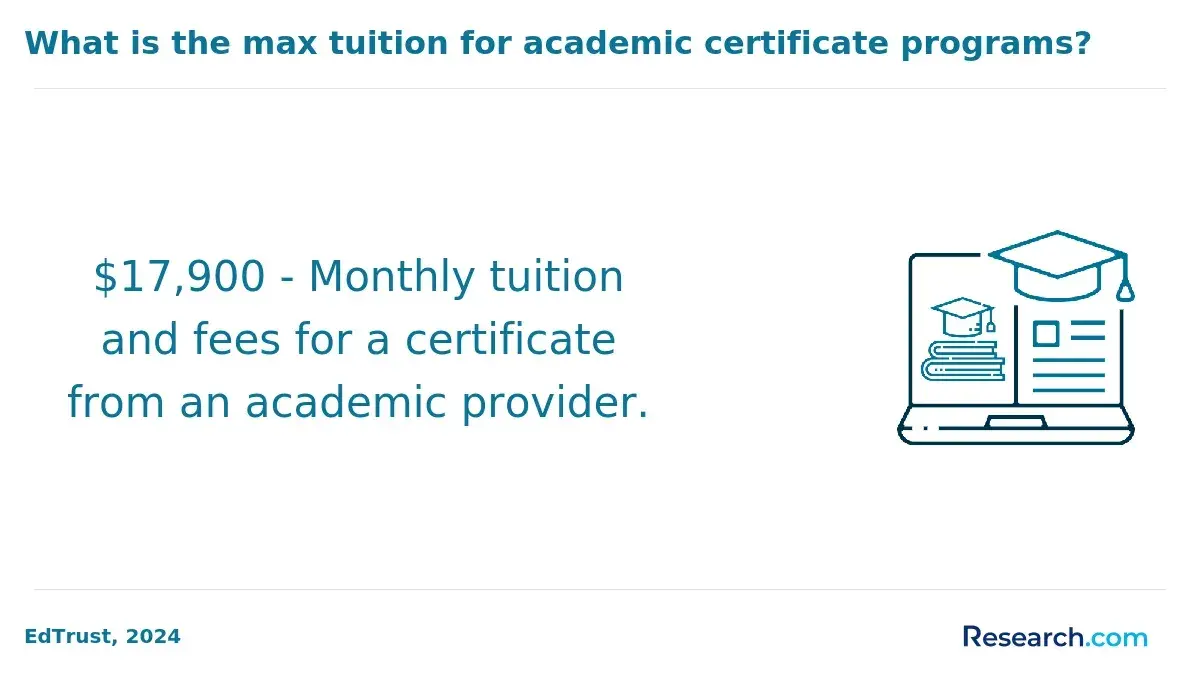
Tuition costs are a key factor when deciding between pursuing a degree or a certificate in counseling psychology, as they influence both immediate expenses and long-term investment value. Understanding the average tuition ranges for each option is essential for aligning educational choices with financial situations and career plans.
Below is a comparison of the average tuition for counseling psychology degree programs versus certificate offerings, highlighting important cost considerations.
Average Tuition for Counseling Psychology Degree Programs
- Tuition Range: Graduate counseling psychology degrees usually cost between $13,500 and $18,643 per year, with total program costs ranging from $24,000 to $81,469 depending on school, length, and concentration.
- Public vs. Private Schools: Private universities often charge higher tuition, with some master's programs exceeding $79,000 total, while public institutions generally offer rates toward the lower end of the spectrum.
- Online vs. On-Campus: Online master's programs average around $12,048 per year, compared to approximately $14,044 for on-campus programs, with 2-3 year durations affecting total costs.
- Program Length and Credits: Most degrees require 40-60 credits over 2-3 years, with per-credit costs ranging from $1,283 to $1,446 at some institutions.
- Additional Fees: Students should budget extra for technology, campus, and activity fees, which may total $1,000-$3,000 during the program.
Average Tuition for Counseling Psychology Certificate Programs
- Tuition Range: Counseling psychology certificate program cost typically falls between $4,000 and $12,000 total, though shorter online certificates may be under $5,000.
- Program Duration: Certificates usually last 1 year or less, requiring as few as 12-18 credits, making them a faster, cost-efficient alternative.
- Per-Credit Costs: Certificate per-credit rates may mirror degree programs, but fewer credits result in substantially lower overall tuition.
- Institution Type: Public and online providers often offer more affordable certificates, whereas private schools may charge more for specialized programs.
- Fees and Materials: Additional costs for course materials and technology are generally modest, ranging from $200 to $1,000.
Because tuition costs vary widely, prospective students should compare all expenses carefully before choosing their educational path. For those interested in shorter, flexible options, exploring quick and easy degrees that pay well may also be worthwhile.
You can sometimes transfer certificate credits toward a counseling psychology degree, but this depends on several factors. Primarily, transferability hinges on the policies of the receiving institution and whether both programs hold proper accreditation. The courses in the certificate program must align closely with the degree's curriculum in scope and content. Generally, only credits from accredited schools that meet these criteria are considered. Transfer decisions are often made individually, so outcomes can vary significantly between schools.
When considering credit transfer, it's important to note that many institutions impose limits on how many certificate credits can count toward a degree. Grades typically need to meet minimum thresholds-usually a "C" or higher for undergraduate courses and a "B" for graduate-level work. Confirming transfer policies with admissions or academic advisors before enrolling is crucial to avoid surprises. Verifying these details early helps ensure your certificate investment benefits your long-term academic goals.
Certificate programs in counseling psychology are not accredited in the same manner as counseling psychology degree programs. Degrees, particularly at the master's and doctoral levels, are usually accredited by established programmatic bodies like CACREP (Council for Accreditation of Counseling and Related Educational Programs) or, for doctoral programs, the APA (American Psychological Association).
These accreditations require schools to adhere to rigorous standards covering curriculum, faculty qualifications, and clinical training to prepare students for licensure. In contrast, counseling psychology certificate programs seldom receive such specialized programmatic accreditation. Although the institutions offering certificates may hold regional or national accreditation, the certificate itself typically lacks the recognized programmatic approval that degree programs possess.
Accreditation plays a crucial role in assuring the quality and rigor of education, facilitating credit transfer, and enhancing recognition by employers and licensing boards. Many states mandate a degree from an accredited program to qualify for counselor or psychologist licensure, making accreditation essential for professional practice.
When selecting a program, students should verify the accrediting organization (such as CACREP, APA, or MPCAC for degrees and institutional accreditation for certificates), check state licensure requirements, and seek transparency regarding faculty credentials, graduate outcomes, and clinical placements. Prospective students should always confirm accreditation status through recognized accrediting bodies before enrolling to ensure their education meets professional standards.
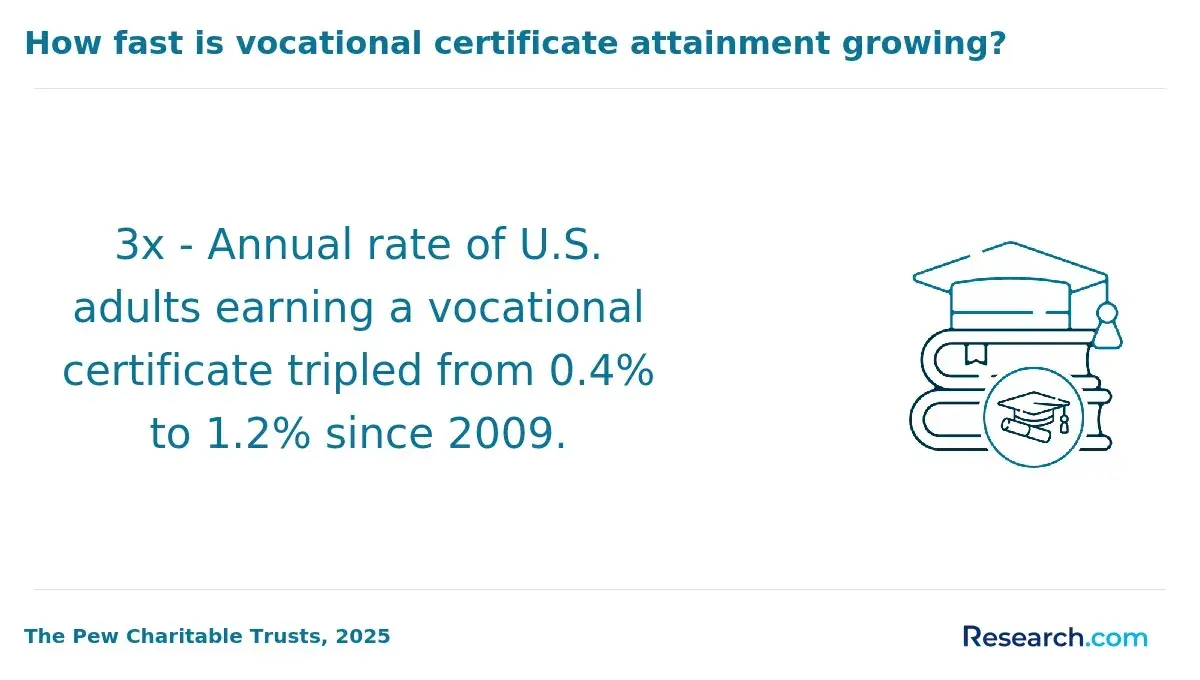
Both counseling psychology degrees and certificates open doors to career opportunities in mental health and related fields, though they prepare graduates for different types and levels of roles. Degrees typically lead to licensure and clinical positions requiring advanced training, while certificates often support roles that enhance mental health services without independent practice.
Below is a comparison of typical job pathways for each credential.
Jobs You Can Get with a counseling psychology Degree
- Mental health counselor: Provides direct therapy and support to individuals facing emotional or psychological challenges, usually within clinics or private practices.
- School counselor: Works with students to address academic, social, and emotional development in educational settings.
- Marriage and family therapist: Specializes in treating couples and families to improve relationships and resolve conflicts.
- Licensed professional counselor (LPC): Offers counseling services with a focus on mental health disorders, holding state licensure for independent practice.
- Clinical psychologist: Engages in advanced psychological assessment and treatment, requiring a doctoral degree and licensure.
Jobs You Can Get with a counseling psychology Certificate
- Wellness coach: Guides clients in setting and achieving health and lifestyle goals, often in community or corporate wellness programs.
- Life coach: Supports individuals in personal or professional growth without clinical therapy, focusing on motivation and goal-setting.
- Peer support specialist: Provides empathetic support based on lived experience to help others navigate recovery or life challenges.
- Program coordinator in social services: Oversees projects aimed at improving community well-being, often managing resources and outreach efforts.
- Behavioral technician: Assists in implementing behavioral interventions under supervision, commonly working with children or clients with developmental disorders.
Salary potential often varies significantly between counseling psychology degree holders and those with a certificate in counseling. Understanding this difference is crucial for prospective students weighing their educational options.
To provide clarity, here is a side-by-side comparison highlighting key points about the average starting salary for counseling psychology degree holders versus certificate graduates.
- Typical Salary Range for Degree Holders: Graduates with a counseling psychology degree, especially those holding a master's or doctorate, typically start with salaries between $45,000 and $60,000 in entry-level roles such as mental health, school counseling, or marriage and family therapy.
- Starting Salary for Certificate Holders: Those with a certificate in counseling generally earn between $30,000 and $40,000 annually in paraprofessional or support roles. These positions typically have limited licensure opportunities, affecting earning potential.
- Factors Influencing Salary: Level of education and licensure, work setting (private practice, schools, clinics), geographic region, and years of experience all significantly impact earning potential across both groups.
- Career Outlook: Counseling psychology degree holders benefit from stronger job growth projections and greater advancement opportunities, while certificate holders face more limited career progression and salary growth.
For those exploring educational paths, consulting rankings of the best online trades school may offer insight into certificate programs. Overall, the average starting salary for counseling psychology degree holders typically surpasses that of certificate holders, making the counseling certificate vs. degree salary comparison an essential factor in career planning.
Here's What Graduates of Counseling Psychology Programs Say About Their Degree or Certificate
- Kaysen: "Pursuing the counseling psychology certificate gave me a focused, faster learning experience that fit perfectly with my busy schedule. It was much more affordable than a full degree, which mattered since I was funding my education myself. For anyone balancing work and study, a certificate can be a great way to advance your career without the longer commitment a degree requires."
- Jalen: "Enrolling in the counseling psychology degree program was a deep dive that truly expanded my understanding and clinical skills over time. The comprehensive curriculum and slower pace helped me absorb complex theories and apply them in real-world settings. While the cost was higher than certificate options, the degree opened doors to licensed practice and greater career opportunities. It's a commitment that pays off if you want to make a professional impact. "
- Beau: "Having completed both the counseling psychology certificate and degree programs, I appreciate how each met different needs in my career journey. The certificate provided an economical and quicker introduction to core concepts, whereas the degree offered a thorough, extensive education that prepared me for advanced roles. Balancing cost and time against professional goals is key; the degree was a bigger investment but vital for long-term growth."
Other Things You Should Know About Counseling Psychology Degrees
In 2027, counseling psychology certificates are generally recognized by employers but are valued differently than degrees. Employers see certificates as a supplement to, rather than a replacement for, a degree. They indicate specialized knowledge or skills and can enhance career prospects when paired with a degree.
Yes, degree programs in counseling psychology often include comprehensive practicum experiences as part of their curriculum. In contrast, certificate programs may not offer clinical practicum experiences, focusing instead on specific skill offerings or theoretical knowledge.
Most counseling psychology master’s degrees require a supervised practicum of about 100 to 300 hours, plus an internship of 600 to 1,000 hours. Certificate programs usually do not include these fieldwork requirements, which is a major difference when preparing for licensure or supervised clinical practice.
- key-differences-between-psychology-and-counseling-degrees https://www.waldenu.edu/programs/counseling/resource/key-differences-between-psychology-and-counseling-degrees
- How Long Does Counselling Psychology Take? A Guide to Courses and Duration https://kipc.co.ke/2025/03/06/how-long-does-counselling-psychology-take-a-guide-to-courses-and-duration/
- Counseling vs. Psychology: Which Master’s Degree is Right for You? https://www.pace.edu/news/counseling-vs-psychology-degree
- The Benefits of Earning a Psychology Certificate vs. Degree - Saybrook University https://www.saybrook.edu/unbound/benefits-of-earning-a-psychology-certificate-vs-degree/
- Counseling Psychology Certificate Programs: Aspiring Therapists 2025+ https://www.gradschools.com/degree-guide/counseling-psychology-certificate-programs-a-guide-for-aspiring-therapists
- Behavioral Health and Counseling Psychology, Certificate https://bulletins.psu.edu/undergraduate/colleges/behrend/behavioral-health-counseling-psychology-certificate/
- Compare Counseling And Psychology Accreditation https://www.accreditedschoolsonline.org/psychology/resources/accreditation/
- How to Pursue Counseling Psychology with an Online Counseling Degree https://www.thechicagoschool.edu/insight/career-development/pursue-counseling-psychology-online-counseling-degree/
- Types of Counseling Certifications to Consider https://bouve.northeastern.edu/news/types-of-counseling-certifications-to-consider/
- How Much Does It Cost to Become a Therapist? — From Degree To Practice https://www.degreetopractice.com/therapist-career-blog/how-much-does-it-cost-to-become-a-therapist