2027 Return on Investment (ROI) of a Counseling Psychology Degree Program

Co-Founder and Chief Data Scientist
Many prospective students face uncertainty when deciding whether to pursue a counseling psychology degree due to concerns about high tuition costs and unclear career prospects. Recent data shows the counseling psychology workforce is expected to grow by 22% from 2021 to 2031, outpacing average job growth rates. This rising demand reflects broader recognition of mental health needs, offering potential for strong employment opportunities. This article examines the return on investment of counseling psychology programs, analyzing educational expenses, job market trends, and salary expectations to help readers make informed decisions about their academic and professional futures.
Key Things to Know About Counseling Psychology Degree ROI
- Graduates with a counseling psychology degree report median salaries near $58,000, with experienced professionals earning upwards of $90,000, reflecting strong earning potential.
- The degree opens pathways to leadership roles in mental health services, education, and corporate wellness, enhancing career advancement possibilities.
- Demand for counseling psychologists is projected to grow 22% through 2032, indicating job stability and expanding opportunities across various industries.
How Is ROI Calculated for a Counseling Psychology Degree Program?
Return on investment (ROI) in higher education evaluates how the financial benefits of a degree compare to the costs and time invested. This measure helps students determine whether their counseling psychology degree program will deliver adequate economic returns over time, guiding decisions about the value of their education.
Several important factors contribute to calculating ROI for counseling psychology programs, including the following key aspects:
- Tuition and Fees: These are the direct costs of education such as tuition, registration, books, and supplies. High tuition increases the financial amount students must recover through future earnings.
- Opportunity Cost: Opportunity cost represents the income lost while attending school, especially if students reduce working hours or leave a full-time job. Longer programs typically increase this cost, lowering overall ROI.
- Time to Completion: This includes all time needed to finish the degree, such as classroom hours and practicum requirements. Faster completion reduces opportunity and additional costs, positively impacting ROI.
- Post-Graduation Salary Outcomes: The initial salary and earning growth for counseling psychology graduates are crucial. Higher salaries enable quicker repayment of education expenses and improve financial return.
- Career Advancement and Long-Term Potential: The ability of a degree to unlock promotions, licensure opportunities, or specialized roles enhances earning potential, significantly improving long-term ROI.
For students exploring options like an MSW degree, understanding how return on investment for counseling psychology degrees is calculated can help identify programs that balance cost, duration, and career benefits effectively. Calculating ROI of counseling psychology programs is essential for making informed educational investments.
How Much Does a Counseling Psychology Degree Program Cost?
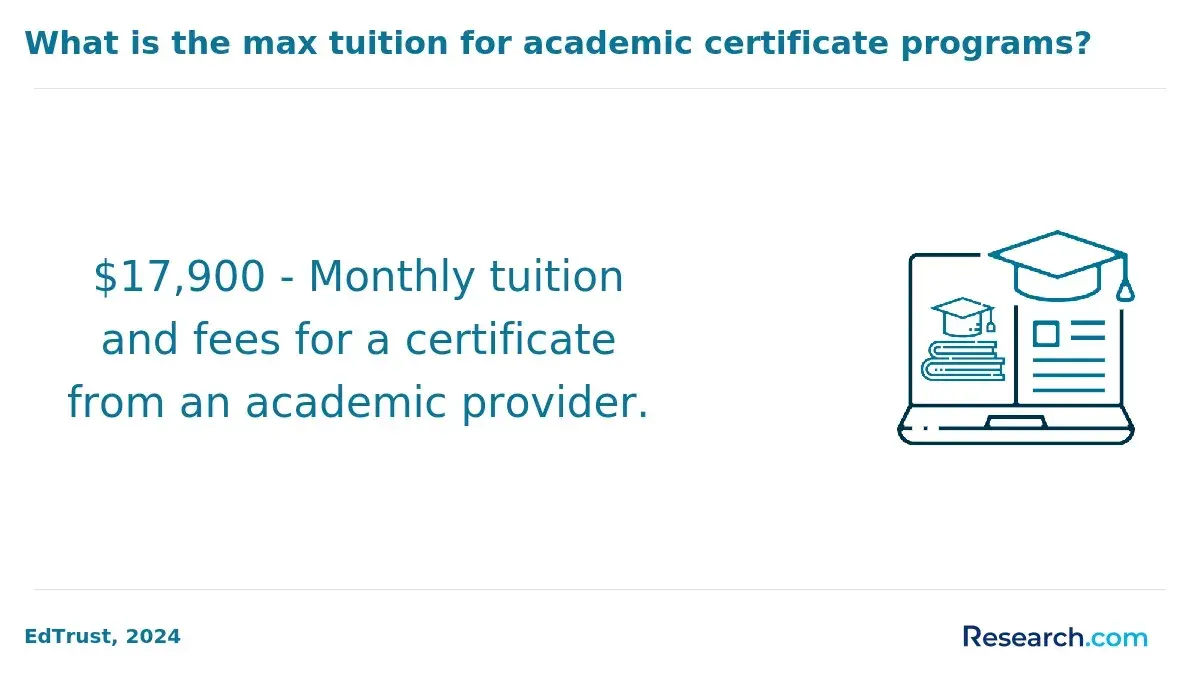
Accurately gauging the total expenses of a counseling psychology degree is vital for assessing its return on investment, especially as graduate tuition often exceeds $20,000 annually and average student debt surpasses $66,000. Evaluating all financial factors beyond just tuition is key to understanding the full cost burden and potential long-term benefits.
Several important elements influence the overall price and value of these programs:
- Tuition and fees: These vary greatly depending on whether the school is public or private and the degree level, comprising the largest share of program costs.
- Books and materials: Learning resources including textbooks, software, and clinical tools add recurring expenses throughout coursework and training.
- Living and relocation expenses: Housing, transportation, food, and sometimes moving costs can fluctuate widely based on the student's circumstances and location.
- Opportunity cost: Time invested in full-time study often means reduced or foregone income from employment, which is a less visible but significant financial consideration.
- Indirect costs: Expenses for licensure application fees, required background checks, and supervised clinical hours must also be factored into the total investment.
One counseling psychology graduate shared that managing finances was the toughest part of their journey. They described juggling part-time jobs to cover everyday costs while facing uncertainty about future earnings. "It wasn't just tuition," they noted, "but the stress of balancing debt, clinical hours, and personal life that really tested me." Their experience highlights that understanding all associated costs is essential before committing to this demanding path.
What Financial Aid Is Available for Counseling Psychology Degree Programs?
Financial assistance can significantly reduce the initial expenses of a counseling psychology program, helping to increase the long-term return on investment by minimizing debt burdens. Currently, around 60% of graduate students depend on federal loans for funding, underscoring the need to explore diverse financial support options. Below are several common types of aid that can improve affordability and enhance financial outcomes.
- Scholarships: Awarded based on merit or financial need, scholarships lower overall education costs since they do not require repayment, directly improving ROI by reducing debt.
- Grants: Provided by government agencies or private groups, grants are another form of non-repayable aid that can substantially decrease dependence on loans, easing future financial pressure.
- Fellowships: These competitive awards often include stipends to cover living costs, lessening the need for borrowing and thereby improving the financial benefits of pursuing an advanced degree.
- Employer tuition assistance: Some employers offer tuition reimbursement or support, which reduces out-of-pocket expenses and enhances net returns from earning the degree.
- Federal student loans: Characterized by generally lower interest rates and flexible repayment options compared to private loans, federal loans can make financing graduate education more manageable while preserving ROI.
The length of time it takes to complete a counseling psychology degree plays a significant role in its return on investment (ROI) by affecting opportunity costs, potential for earlier earnings, and overall expenses. Quicker completion means entering the workforce sooner, while prolonged study increases total costs and delays income. Several factors influence how long the degree takes and, in turn, impact ROI.
Key influences on time to degree include:
- Enrollment status: Full-time study typically shortens the path to graduation, enhancing ROI by allowing students to start earning earlier. Part-time options, while more flexible, stretch the timeline and delay financial benefits.
- Program format: Online or accelerated programs can reduce duration but might limit hands-on learning experiences. This trade-off can affect professional preparedness, which indirectly influences long-term ROI.
- Transfer credits: Applying previously earned credits can trim required coursework, speeding up completion and reducing tuition costs.
- Internship and thesis demands: These essential components add time but strengthen practical skills and licensure eligibility, which are crucial for career success and eventual financial returns.
- Scheduling flexibility: Options catering to working students allow balancing life and study but usually extend time to degree, postponing earnings.
When I spoke with a counseling psychology graduate about how long her degree took, she reflected on the balancing act involved. She explained, "I initially enrolled part-time while working full-time, which stretched the program longer than I expected. It was challenging managing coursework with job responsibilities, but I valued the flexibility." She later shifted to full-time study to speed up completion. The internship phase was "intense but rewarding," helping her gain confidence and practical skills. Overall, she felt that pacing her education according to personal circumstances helped her maintain motivation and eventually enter the workforce well-prepared, even if it meant a longer path than some peers.
Differences in format affect the return on investment (ROI) of counseling psychology degree programs through variations in cost, flexibility, and career outcomes. Over 40% of graduate students currently enroll in some type of online program, reflecting a significant shift toward remote education. These trends are important for students assessing the value of an online counseling psychology program ROI comparison against traditional campus options.
Key comparison points include:
- Tuition and fees: Online programs often have lower tuition and fewer additional expenses such as commuting or housing. However, the cost can vary widely depending on the institution, so researching the cheapest online counseling degree options might influence the overall financial investment required.
- Opportunity cost: Students in online programs frequently continue working full-time while studying, reducing income loss during the degree. In contrast, many on-campus students face a greater opportunity cost due to traditional class schedules and commuting demands.
- Time to completion: Some online counseling psychology programs offer accelerated tracks, allowing students to finish sooner and enter the workforce more quickly. On-campus programs may follow more fixed timelines.
- Networking and career services: On-campus education often provides stronger in-person networking, local internship opportunities, and access to career centers. While online students might have virtual resources, the hands-on experience can be limited.
- Employer perception and long-term earning: Though employer attitudes are evolving, some still favor traditional degrees. Research indicates comparable job placement rates for both on-campus and online graduates, but local industry preferences may impact long-term earning potential.
Post-graduation salary is a crucial driver of the return on investment (ROI) for a counseling psychology degree, as it directly impacts how quickly graduates can recoup their educational expenses. Average counseling psychology degree salary in the United States typically ranges from $50,000 to $85,000 annually, with salaries influenced by various factors that affect typical earnings with counseling psychology degree holders.
Several key factors influence salary outcomes and subsequently the degree's ROI:
- Industry: Graduates working in healthcare or private practice often earn higher salaries compared to those in educational or social service sectors, leading to a stronger ROI.
- Geographic location: Urban areas and states with higher costs of living generally offer greater compensation, making location a pivotal factor in salary levels.
- Prior experience: Relevant work history can boost starting salaries and accelerate career advancement, increasing overall financial returns.
- Specialization: Focusing on niches such as trauma or substance abuse counseling may result in higher pay and better ROI.
- Career level: Advanced positions like clinical supervisor or program director offer significant salary increases, improving long-term return on the degree investment.
Prospective students interested in flexible options might explore an online masters in marriage and family therapy, which can also influence cost and ROI considerations.
Promotions play a crucial role in improving the return on investment (ROI) of a counseling psychology degree by boosting salaries, expanding job responsibilities, and enhancing career mobility. These advancements help justify the time and financial commitment involved in earning the degree. A significant workforce trend is the increasing reliance on credential-based promotion, where employers often require advanced degrees or certifications for leadership roles.
Below are key ways a counseling psychology degree may enhance promotion opportunities and ROI:
- Credential requirements: Higher-level positions frequently demand a master's or doctorate in counseling psychology or related fields, making the degree essential for career advancement.
- Leadership preparation: Counseling psychology programs develop critical skills such as conflict resolution, supervision, and organizational behavior, which prepare graduates for managerial and supervisory roles.
- Employer tuition support: Some organizations offer tuition reimbursement or financial assistance, reducing the overall cost of education and improving the ROI of the degree.
- Internal promotion policies: Employers often prioritize candidates with relevant advanced degrees when filling leadership vacancies, increasing the likelihood of internal career progression.
- Experience + education: Combining practical work experience with formal education in counseling psychology creates a stronger professional profile that appeals to decision-makers promoting employees.
For those considering pathways to enhance their credentials further or explore complementary degrees, options like an accelerated bachelors degree online may provide flexible and timely educational opportunities.
Return on investment for counseling psychology degrees depends heavily on how the degree facilitates career advancement with counseling psychology degree holders often positioned better for promotion-driven salary increases and broader career roles.
Return on investment (ROI) for counseling psychology graduates varies widely by industry due to differences in salary levels, career advancement opportunities, and demand for specialized skills. These factors influence not only initial earnings but also long-term financial stability and professional growth.
Industries offering the strongest ROI for counseling psychology graduates typically combine competitive pay with opportunities for promotion and skills application. Key sectors include the following:
- Healthcare: High salaries and persistent demand driven by mental health needs create excellent job security and specialization options, making this sector a top choice for those seeking the best industries for counseling psychology graduates.
- Education: Positions in schools and universities provide stable employment, often supplemented by union protections and tenure-track opportunities, supporting steady career progression and benefits.
- Corporate and Organizational Settings: Increasing corporate focus on employee well-being and organizational development translates to rising compensation and expanding roles for counseling psychologists.
- Government and Public Services: These careers offer consistent employment, pension benefits, and a focus on community mental health, providing reliable long-term returns.
- Private Practice: Although income can fluctuate, experienced professionals with strong client bases and business acumen may achieve high earning potential in this sector.
For those evaluating the highest ROI careers in counseling psychology, selecting industries aligned with personal strengths and career goals is essential. Variations in promotion pathways and market demand significantly impact career satisfaction and financial rewards. Prospective students and professionals considering counseling psychology may also explore top online degrees to complement their training and enhance employability.
Accreditation in counseling psychology degree programs signifies formal approval by a recognized agency that the program adheres to established quality and academic benchmarks. This designation is crucial because it determines whether graduates qualify for professional licensure, which is mandatory to practice in many states.
Employers increasingly prefer candidates from accredited programs, indicating a workforce trend that values verified training standards and enhances job market competitiveness. Such recognition ultimately contributes to a stronger return on investment by supporting graduate employability and professional credibility.
The long-term ROI of a counseling psychology degree is significantly shaped by accreditation, as it fosters greater employer confidence and opens access to federal financial aid, reducing overall educational expenses. Accreditation also facilitates the transfer of academic credits between institutions, promoting flexibility for students who may relocate or seek further education.
Moreover, completing an accredited program is often a prerequisite for licensure, which enables broader career opportunities and geographic mobility. These factors collectively enhance both immediate and sustained financial and professional gains for graduates.
Assessing the return on investment (ROI) for a counseling psychology degree involves considering factors such as program expenses, duration, potential earnings, and career growth opportunities. Typically, completing a master's takes two to three years, while doctoral programs can extend from four to seven years, affecting both cost and time commitment. Graduates often see median annual salaries between $58,000 and $80,000, varying by experience and work environment. Advanced qualifications, including licensing and specialization, can lead to higher earnings and expanded job prospects.
The value of a counseling psychology degree depends on individual circumstances, including career objectives and financial resources. Growing demand for mental health professionals supports steady employment, making the degree attractive for those seeking long-term stability in clinical roles. Options like part-time or online programs can reduce income loss during study, and scholarships may offset costs. However, those seeking rapid income growth might explore alternatives, as the path requires considerable time and adherence to licensing requirements to maximize financial benefits.
What Graduates Say About The ROI of Their Counseling Psychology Degree
- Senna: "Choosing to pursue a counseling psychology degree through a traditional campus program was a big commitment, especially considering the average cost of attendance around $30,000 per year. However, knowing the long-term career opportunities and the ability to truly connect with clients in person made it worth every penny. This degree has already accelerated my career growth, allowing me to work as a licensed therapist with confidence and purpose."
- Gus: " As an online student, I was initially skeptical about the value of a counseling psychology degree given the significant tuition fees, usually about $20,000 annually. Reflecting back, investing in this program was wise because of the flexibility it offered alongside my job. Completing it online has empowered me professionally by providing updated skills and credentials that opened doors for advanced counseling positions."
- Beau: "Balancing work and studies, I opted for a part-time counseling psychology degree, which helped spread out costs near the $15,000 per year mark and manage financial strain. While the journey took longer, the ROI has been clear: the degree has enhanced my career trajectory and client outcomes significantly. I appreciate the thoughtful pacing and practical skills gained through this path in my counseling practice."
Other Things You Should Know About Counseling Psychology Degrees
Most states require 2,000 to 4,000 postdegree supervised clinical hours before full licensure in counseling or psychology. These hours are completed over 1 to 3 years and must be documented under a board-approved supervisor. Requirements are set by each state board, not by the degree itself.
Higher job placement rates can significantly improve the ROI by reducing the time graduates spend unemployed or underemployed. Counseling psychology programs with strong industry connections and internship opportunities often boast better placement outcomes. Graduates from programs with established professional networks typically find relevant positions faster, increasing the value of their educational investment.
Yes, licensure is a critical factor influencing the ROI due to its impact on employability and earning potential. Graduates must complete supervised clinical hours and pass licensing exams to practice independently. The time and cost involved in obtaining licensure can delay income generation but ultimately lead to higher salaries and job security in the field.
- Is a Master’s in Counseling Worth It? https://teach.com/online-ed/counseling-degrees/best-online-counseling-programs/is-a-counseling-masters-worth-it/
- Counseling Careers Guide: 18 Specializations + Salaries https://careersinpsychology.org/starting-a-career-in-counseling/
- Why Psychology School Accreditation Matters | All Psychology Schools https://www.allpsychologyschools.com/psychology-grad-school-admissions/accreditation/
- Counseling Program Tuition and Fees https://chss.wwu.edu/psychology/counseling-program-tuition-and-fees
- 2025/2026 Cost of Attendance - M.A. Counseling Psychology https://www.pacifica.edu/financial-aid/cost-of-attendance/2025-2026-cost-of-attendance-m-a-counseling-psychology/
- Return on Investment https://psych.csuci.edu/students/graduateschoolguide/return-on-investment.htm
- Is a Bachelor's Degree in Counseling Psychology Worth it? Pros vs. Cons https://www.counselingpsychology.org/bachelors-counseling-psychology-worth-it/
- Financial Aid For Psychology Students | Psychology.org https://www.psychology.org/resources/financial-aid/
- Counseling Psychology (MS, MFT, PCC) Tuition and Aid https://www.dominican.edu/admissions/tuition-and-financial-aid/total-cost-attendance/graduate-tuition-and-aid/counseling-psychology-ms-mft-pcc-tuition-and-aid
- 50+ Scholarships & Resources for Counseling Master's Students https://www.onlinemastersdegrees.org/student-resources/counseling/