2027 Choosing an Online Data Science Master's for a Career in Payment Processing

Co-Founder and Chief Data Scientist
Choosing an online data science master's for a payment processing career means looking beyond a program's machine learning course list. Fraud detection, payment approvals, and transaction operations involve high-volume data, costly errors, and strict controls on sensitive information. This guide is for prospective students who want to compare programs against those demands - and decide whether a master's is the right next step.
Key Things You Should Know
- Prioritize programs that teach statistics, machine learning, data engineering, and model evaluation through substantial projects; a fraud-themed course description alone is not enough.
- Check whether projects address false declines, changing fraud patterns, and restricted transaction data - not just prediction accuracy.
- The U.S. Bureau of Labor Statistics projects 35% growth for data scientist employment from 2025 to 2035, but that occupation-wide forecast does not measure payment processing jobs or guarantee an outcome.
What is payment processing data science?
Payment processing data science uses transaction and operational data to improve decisions across the payment flow. A processor might use models to flag suspected fraud, analyze why legitimate payments are declined, detect service failures, or forecast transaction volume. Relevant data can include transaction amounts and timing, merchant categories, device or account signals, authorization responses, and dispute outcomes. Access depends on an organization's systems, permissions, and privacy obligations.
The central trade-off is not simply catching more fraud. A model that blocks too many legitimate transactions may protect against losses while harming customers and merchants. That makes false positives, delayed fraud labels, shifting behavior, and the effect of a decision on the business essential parts of the analytical problem. Look for a degree that teaches students to evaluate those trade-offs, rather than treating payment data as an ordinary classification exercise.
What degree prepares you for a payment processing data science career?
An online data science master's is a strong fit when it combines statistical inference, machine learning, database or data engineering work, and applied projects. A statistics degree may be preferable for someone targeting advanced experimentation or model methodology; computer science may suit someone focused on building production payment systems. Neither the degree title nor an industry-themed elective substitutes for checking actual coursework.
For an applicant who already builds models and works with production data, a full master's may not be necessary. Focused coursework, employer-supported projects, or a move into an adjacent analytics role could address a narrower gap. Choose a master's when you need sustained technical development, a structured portfolio, or access to projects and mentorship that would be difficult to obtain at work.
How do you choose an accredited online data science master's?
Start by verifying that the university holds recognized institutional accreditation; then evaluate the specific degree separately. Institutional accreditation does not certify that a program teaches payment analytics well. Confirm the school's current accreditation status through the institution and the relevant accreditor, and ask whether it can enroll students residing in your state.
Next, compare required courses - not just electives - with the work you want to do. The following checks help distinguish a useful industry fit from a program that merely mentions finance:
- Technical foundation: Confirm substantial work in probability, statistics, SQL or databases, machine learning, and data pipelines.
- Applied depth: Examine syllabi or project descriptions for imbalanced data, time-based validation, model monitoring, and business-cost trade-offs.
- Project access: Ask whether students can propose a payments-related capstone using appropriately de-identified, public, or synthetic data.
- Support and outcomes: Ask about faculty feedback, career services, and outcomes specifically reported for online students; do not assume campus outcomes apply to them.
A warning sign is a program that advertises a payments pathway but cannot identify relevant courses or explain how online students complete substantial projects.
What do you learn in an online data science master's program?
The most relevant curriculum moves from statistical reasoning and programming to building, testing, and communicating models. For payments, students should be able to join messy data, define when a fraud outcome becomes known, and test a model on later transactions rather than accidentally letting future information into training data. They should also learn why accuracy alone can hide poor performance when the event of interest is uncommon.
A strong portfolio project might compare a baseline fraud rule with a model, report missed fraud and legitimate transactions flagged, and explain how changing the decision threshold affects each. Another could investigate authorization declines by merchant segment while distinguishing patterns in the data from causes. Neither project requires access to live cardholder data; programs should support privacy-conscious alternatives.
As automated decisions affect customers, governance coursework becomes more relevant. Students considering graduate AI degrees with governance coursework should still check for the statistics and data-engineering depth needed to work with transaction data.
How do online and campus-based data science master's programs compare?
Delivery format matters mainly because it affects access to instruction, collaborators, and projects - not because one format is inherently better for payment processing. The comparison below highlights what to verify before choosing.
| Consideration | Online program | Campus-based program |
| Schedule | May offer more flexibility, but live sessions and group deadlines can still be required | Typically requires regular on-site attendance |
| Collaboration | Depends heavily on remote project design and faculty availability | May offer more in-person interaction and campus activities |
| Employer access | Can let students remain in their current job and location | May make nearby campus recruiting easier to use |
Choose online study if remaining employed and avoiding relocation outweigh the value of in-person access. Before enrolling, ask about required live meetings, time zones, team projects, exams, and any campus visits. Readers comparing schedules can explore balancing employment with a data science master's; flexibility should be verified at the course level, not assumed from the word "online."
What are the admission requirements for an online data science master's?
Requirements vary by institution, but applicants commonly need to document a bachelor's degree and readiness for quantitative and programming work. Programs may assess transcripts, prerequisite courses, work experience, recommendations, statements, or other materials differently. Check the current admissions page for each program rather than treating another school's policy as the standard.
If your background is in payments operations, risk, or business analysis, domain experience may strengthen your application but may not fulfill a formal calculus, statistics, or programming prerequisite. Ask admissions which prior coursework counts and whether a prerequisite can be completed before or after admission. If an application essay is a particular constraint, graduate ML study without a required personal statement offers a related route to investigate - but compare its curriculum with your intended payment processing role.
How long does an online data science master's take and cost?
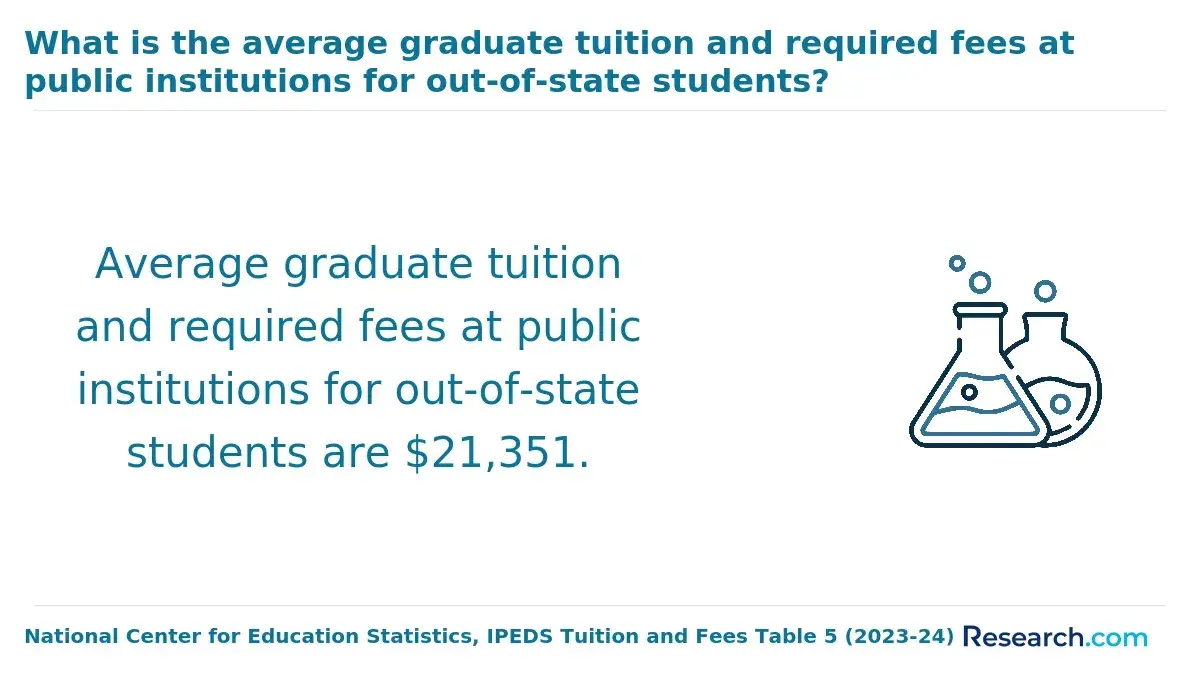
There is no reliable single duration or price for online data science master's programs: credit requirements, course availability, enrollment pace, and tuition policies differ. Calculate the cost of a specific completion plan using the school's current tuition and fee schedule. Include required fees, materials or software, any travel, and the possibility that taking longer changes the total. Ask whether employer tuition assistance applies before committing.
Compare costs on the same basis - total expected program expense, not one school's per-credit tuition against another's advertised total. Cost-conscious online data science degrees can help build a shortlist, but confirm current charges directly with each university. A lower-priced program is less attractive if it lacks the technical courses or project support your target role requires. Likewise, a higher salary after graduation would not, by itself, show that the degree caused the increase.
What jobs can you get in payment processing with a data science master's?
Relevant targets include fraud data scientist, risk analyst, payments or authorization analyst, machine learning engineer, and analytics roles supporting disputes or merchant operations. Titles and responsibilities vary by employer: some roles emphasize experiments and modeling, while others center on pipelines, production systems, or communicating findings to risk and product teams.
Choose projects and internships around the work you want to demonstrate. Someone aiming for fraud modeling should show thoughtful evaluation of errors and changing data; someone aiming for engineering should show reproducible pipelines and an implementation plan. A degree alone does not establish either capability. When assessing career support, ask whether online students can reach industry mentors and alumni; comparisons of artificial intelligence graduate degrees and alumni engagement may offer useful questions to ask, though access to payments professionals is the more relevant test.
How much can payment processing data scientists earn?
The U.S. Bureau of Labor Statistics reports a $120,230 median annual wage for data scientists in May 2025. This is a national figure for the occupation, not a payment processing salary or a prediction of what a new master's graduate will earn. Compensation depends on the role, experience, employer, location, and responsibilities; risk analyst and machine learning engineering jobs may also be classified differently.
Use the BLS figure as broad career context, then examine current postings for the roles and locations you would realistically pursue. When comparing a degree's cost with potential earnings, distinguish your likely change in pay from the occupation's overall median.
What certifications and standards matter in payment processing data science?
Payment Card Industry Data Security Standard (PCI DSS) requirements matter when work involves cardholder data or systems in scope for those requirements. The standard is not a data scientist license, and a master's degree does not authorize someone to access sensitive payment information. Employers determine access and compliance responsibilities according to their systems and obligations.
When comparing programs, look for practical instruction in data governance, access controls, privacy, and secure handling - not a claim that a certificate alone makes a graduate compliant. Vendor cloud or security certifications can help demonstrate tool-specific skills, but their value depends on the employer's technology and the job's duties. Prioritize evidence that you can work responsibly with restricted data and explain model decisions to risk, security, and business stakeholders.
Other Things You Should Know About Data Science
Yes. Public or synthetic datasets can demonstrate your methods, provided you explain how their limitations differ from live payments data. Do not claim that performance on a practice dataset predicts production results.
Not without explicit authorization. Check employer agreements, university project rules, and applicable data-handling requirements first. An approved, de-identified description of your methods may be safer than sharing records or internal results.
Usually not for roles focused on card transactions, fraud, or authorization analytics. Choose it when the specific jobs you want involve blockchain systems; otherwise, prioritize statistics, transaction data, and production modeling skills.
Not necessarily. Payment operations, authorization analysis, and data engineering can provide relevant entry points. A project showing careful evaluation of transaction decisions can help you test your interest before committing to a narrower specialty.
References
- Post-Secondary Employment Outcomes (PSEO) - Census.gov https://www.census.gov/data/experimental-data-products/post-secondary-employment-outcomes.html
- Payment Card Industry Data Security Overview | NCOSC https://www.ncosc.gov/state-agency-resources/statewide-electronic-commerce-program-secp/merchant-card-program/payment-card-industry-data-security-overview
- Internships and Capstone Projects: Gain New Skills and Experiences | eccuedu https://www.eccu.edu/student-services/internships/
- Eight In-Demand Fintech Careers (+ Salary Info) | Pace University New York https://www.pace.edu/news/fintech-careers
- Considering Student Workload | CITT - University of Florida https://citt.it.ufl.edu/resources/course-design-basics/develop-and-implement/considering-student-workload/
- What is MSc in Data Science? Key Insights and Opportunities | Walbrook Institute London Limited https://www.walbrook.ac.uk/subjects/data-science/what-is-msc-in-data-science/
- Understanding Payment Card Industry Data Security Standard (PCI DSS) | Controller's Office https://controller.ucsf.edu/how-to-guides/accounts-receivable-banking-services/understanding-payment-card-industry-data-security
- 12 Data Science Skills (+10 Hard-Won Career Lessons) | Syracuse University https://ischool.syracuse.edu/data-science-skills/
- OU Online Data Science Degrees: Which One Is Right for You? https://online.ou.edu/hub/ou-online-data-science-degrees-which-one-is-right-for-you/
- 5 ways banks use data science | American Banker https://www.americanbanker.com/list/5-ways-banks-use-data-science