2027 Choosing an Online BA in Psychology - General Psychology Around A Term-Length Preference Based on Employer Billing
Audited and Verified:
Our Editorial and Data Verification Process
Research.com uses government datasets, official education statistics and primary institutional information to support its career and degree guides. Our review process checks factual accuracy, occupational definitions, source dates and the requirements associated with the credentials discussed.
How This Article Was Fact-Checked
Our editorial team verifies salary estimates, employment projections, education requirements and program information against original data providers and official organizations. Salary figures are checked against the relevant occupational definitions and reporting periods. Information about licensure, accreditation and required in-person training is reviewed separately.
Fact-checked and verified on:

Co-Founder and Chief Data Scientist
An employer education benefit can make an online psychology BA affordable - but only if the school's term calendar fits the employer's billing rules. A short course may finish quickly yet trigger a tuition charge before benefits renew; a longer semester may delay the grade needed for reimbursement. This guide is for working adults comparing online general psychology programs. It explains how to match term length to payment deadlines, benefit-year limits, workload, and degree progress so you can choose a schedule you can actually finance and complete.
Key Things You Should Know
- Match the billing event, not just the course length: Ask whether your employer assigns a course to a benefit year by its start date, tuition charge date, completion date, or grade-posting date.
- Compare the full payment cycle: Short terms may bring charges closer together; semester-length terms may postpone the grade and documents required for reimbursement.
- Get both policies in writing: Confirm the school's payment and refund deadlines and your employer's approval, grade, claim, and repayment rules before enrolling.
What Is an Online BA in General Psychology?
An online Bachelor of Arts in general psychology is a broad undergraduate degree covering behavior, psychological science, and research methods, alongside general education and electives. "General" usually means the student is not pursuing a formally designated specialization. It does not mean that every school uses the same curriculum or calendar.
For an employee using tuition assistance, the most important format distinction may be term structure: when a course opens, when tuition is assessed, and when a final grade becomes available. Schools offering similar online coursework may use short sequential sessions or longer semesters. A comparison of psychology degree schools and online formats can help you identify options, but obtain the billing calendar for each program you consider.
Is an Online Psychology Bachelor's Degree Accredited?
Check the institution's accreditation status with its recognized institutional accreditor and confirm that the online BA is awarded by that institution. Accreditation matters for academic credibility and may be a condition of employer tuition assistance; it does not establish that a particular course qualifies for reimbursement.
Do not look for American Psychological Association accreditation as a test of a general psychology BA. APA accreditation applies to specified professional psychology training programs, not general undergraduate majors. If graduate study is a later possibility, apply the same institution-level check when comparing affordable graduate psychology programs, while separately checking any accreditation relevant to the intended profession.
Send HR the school's official institution name, degree designation, and accreditation information before committing. Ask whether approval covers the entire degree, only job-related courses, or courses approved individually each term.
What Careers Can You Pursue with a General Psychology Bachelor's Degree?
A general psychology BA can support applications for nonclinical work in community services, research support, recruiting, program coordination, and other roles that value communication and evidence evaluation. Eligibility depends on the employer, relevant experience, and the job's actual duties - not the major alone. Someone already working in a nonprofit or service organization may get more immediate value from applying research and evaluation skills in their current role than from expecting the degree to produce an automatic career change.
Recovery-service jobs illustrate the distinction: some involve outreach, referrals, or peer support, while counseling roles may require a state credential and supervised training. Review career options in recovery services against local job postings before choosing electives or requesting employer approval. A BA does not authorize psychotherapy, diagnosis, or independent psychological assessment.
Programs commonly combine introductory psychology, statistics, research methods, subject-area courses, writing, general education, and electives. Requirements and sequencing vary. Statistics may have to precede research methods, and a capstone may be available only in particular terms - details that can disrupt an otherwise well-matched employer billing schedule.
Request a degree audit and a term-by-term course map. Identify required courses that cannot be moved across a benefit-year boundary, then use electives - where the program permits - to balance the workload and eligible charges. If later forensic graduate study is the goal, compare its prerequisites and research expectations before using electives; short-format forensic psychology graduate program choices are not interchangeable with undergraduate course requirements.
First-time applicants generally need evidence of prior secondary education; transfer applicants typically submit college transcripts. Individual schools set their own admission, transfer, and major-entry rules. Acceptance of a prior course does not necessarily mean it satisfies statistics, research methods, or another BA requirement.
If you are returning to school, obtain an official transfer evaluation before asking HR to approve a multi-term plan. The evaluation determines your remaining courses; HR determines benefit eligibility. If your longer-term objective is a regulated addiction-counseling role, distinguish BA admission from admission to qualifying professional education, such as online addiction counseling degree programs. Requirements for that role depend on the state and credential.
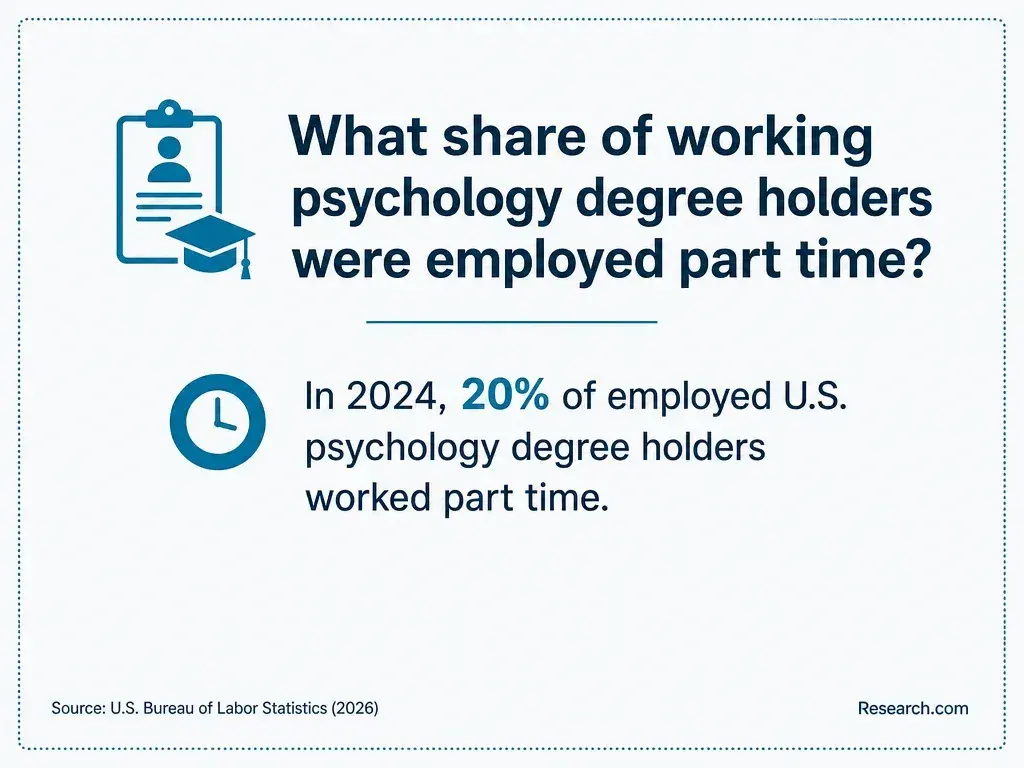
Completion time depends on credits still required, course availability, prerequisites, and how many courses you can manage while working. Shorter terms do not automatically shorten the degree: a school may offer fewer simultaneous courses, and rapid deadlines may make a full workload unrealistic.
The comparison below shows why the term calendar and the employer payment cycle must be evaluated together. These are scheduling patterns, not promises about a particular school.
| Term pattern | Potential advantage | Billing risk to check |
| Short sequential sessions | Focus on fewer courses at once; grades may post sooner | Charges and reimbursement claims may occur more frequently |
| Longer semesters | Fewer billing cycles to administer | Final grades may arrive after an employer claim deadline or benefit-year cutoff |
| Overlapping courses | May increase progress when courses are available | Tuition charges and weekly work can accumulate together |
Ask the registrar for a projected schedule showing each charge and grade-posting date. If a graduate degree is also planned, treat accelerated psychology master's study for working adults as a separate time-and-funding decision; a faster BA calendar does not establish graduate eligibility.
There is no dependable total without a school-specific degree audit and published charges. Compare tuition for the credits you still need, mandatory fees, books or software, and any travel or placement expense. Then separate what the school bills from what the employer will ultimately pay: reimbursement may arrive only after you pay tuition and submit an eligible grade.
Use the school's written cost estimate and an online psychology tuition comparison guide to shortlist options, but calculate your own likely out-of-pocket cost. A lower per-credit price may be less useful if required courses fall outside your employer's eligible terms.
Before enrolling, reconcile these parts of the transaction with the bursar and benefits administrator:
- When each course is charged, when payment is due, and whether direct billing is available.
- Which benefit-year cap, course limits, fees, and minimum grades apply.
- When a dropped course receives a refund and who owes any unrecovered balance.
- When reimbursement is paid and how financial aid or a payment plan affects the balance you must cover meanwhile.
Online delivery removes a regular commute but does not guarantee self-paced study. Weekly deadlines, live meetings, group projects, exams, or supervised experiences may still affect work hours. Campus courses may offer easier access to certain in-person activities but introduce travel and fixed meeting times.
Ask for sample course schedules, not just a label such as "asynchronous." If you expect to pursue counseling later, investigate professional-program scheduling separately: faster completion planning for accredited clinical counseling study involves different fieldwork and credential considerations from an online general psychology BA. For the BA decision, choose the format whose actual deadlines fit both your workweek and employer claim process.
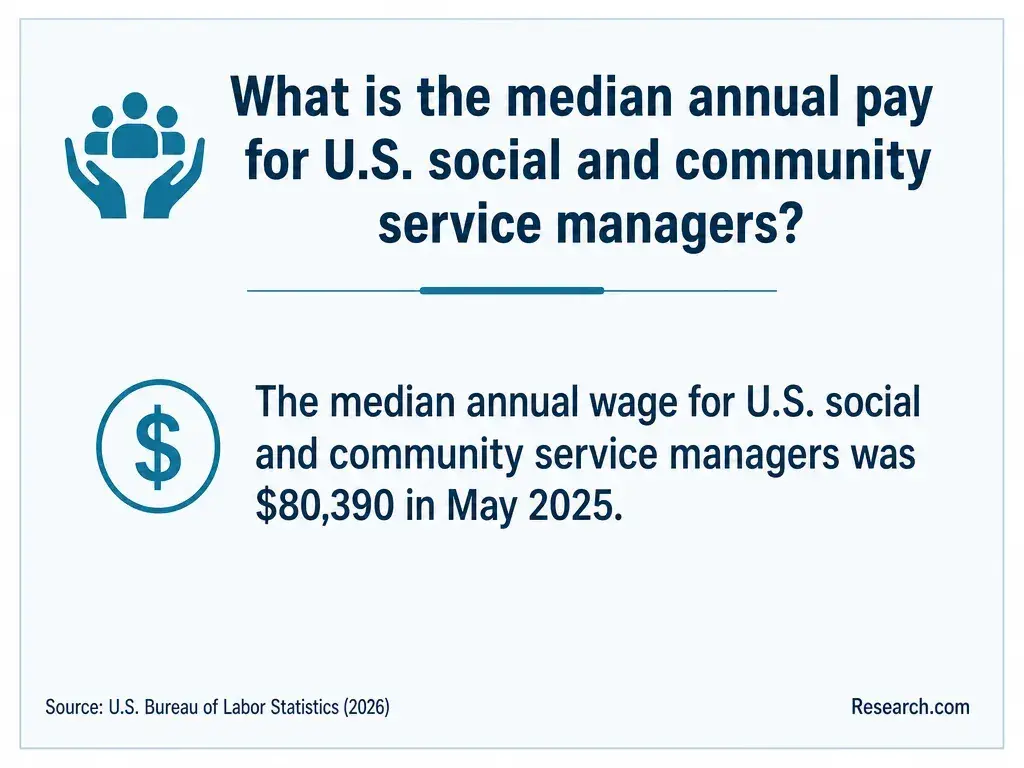
No single salary represents online psychology BA graduates. Pay depends on the occupation, location, employer, and experience; published occupational medians should not be read as earnings promised by a particular degree. For a working employee, the more useful financial question may be whether the BA meets a documented requirement for an internal role or pay grade.
Compare the qualifications and posted pay for jobs you would actually pursue with the remaining tuition and time away from other opportunities. Avoid using earnings associated with a different credential - such as the graduate-level roles discussed in forensic psychology master's careers and earning potential - as an estimate of a BA's return. Ask your employer whether completing the degree changes eligibility for advancement; reimbursement alone does not imply promotion.
Do Psychology Bachelor's Graduates Need Licensure or Certification?
There is no general license required simply to hold a psychology BA or perform ordinary nonclinical work. Specific jobs may require a state credential, professional certification, supervised experience, or a different qualifying degree. A general psychology BA alone does not qualify its holder to practice as a licensed psychologist or counselor.
If your target is therapy, verify the state licensing board's educational and supervised-practice requirements before choosing the BA for that purpose. Compare the additional investment using information on mental health counseling graduate costs and career outcomes. If your goal is instead advancement in a current nonclinical job, ask whether the BA - or a narrower course or credential - actually satisfies the employer's requirement before committing to the full degree.
Other Things You Should Know About Psychology
Your employer's benefits policy controls reimbursement eligibility. Ask for written approval of the specific course before its enrollment or payment deadline; an academic advisor cannot approve an employer claim.
School enrollment rules and employer benefit rules are separate. Check both for approval requirements, claim deadlines, and whether a return to study requires a new authorization.
Some policies contain repayment conditions. Read the agreement you sign and ask HR how any obligation is calculated before relying on the benefit.
Keep the course approval, itemized bill, proof of payment, final grade, claim submission, and reimbursement notice. Your payroll or tax professional can advise how to handle your specific benefit.
- The Basics of School Accreditation - Study in the States https://studyinthestates.dhs.gov/schools/apply/the-basics-of-school-accreditation
- Accreditation in the U.S. | ed.gov http://www.ed.gov/laws-and-policy/higher-education-laws-and-policy/college-accreditation/accreditation-in-the-us
- Frequently asked questions about educational assistance programs | Internal Revenue Service https://www.irs.gov/newsroom/frequently-asked-questions-about-educational-assistance-programs
- Online Bachelor's in Psychology | University of Kansas https://online.ku.edu/undergraduate-programs/online-bachelors-psychology
- Bachelor of Arts in Psychology - Texas State's online programs https://online.txst.edu/degrees/undergraduate/ba-psychology/
- How Do Transfer Credits Work When You Go Back to School? | Whitworth Online https://online.whitworth.edu/news-articles/how-do-transfer-credits-work-when-you-go-back-to-school/
- Psychology Program FAQs | University of La Verne https://health.laverne.edu/psychology/faq/
- Part-Time & Full-Time Enrollment - Student Payment Center https://www.payments.pitt.edu/tuition-fees/part-time-full-time-enrollment
- Tuition and Fee Definitions - Student Business Services https://www.sbs.txst.edu/sbs-policies/tuition-and-fee-definitions.html
- Bachelor of Arts in Psychology - Degree Completion | Notre Dame de Namur University https://www.ndnu.edu/psychology/ba-completion-psychology.html