2027 Choosing an Online BA in Psychology - Addictions Around A Research Lab Meeting in a Different Time Zone
Audited and Verified:
Our Editorial and Data Verification Process
Research.com uses government datasets, official education statistics and primary institutional information to support its career and degree guides. Our review process checks factual accuracy, occupational definitions, source dates and the requirements associated with the credentials discussed.
How This Article Was Fact-Checked
Our editorial team verifies salary estimates, employment projections, education requirements and program information against original data providers and official organizations. Salary figures are checked against the relevant occupational definitions and reporting periods. Information about licensure, accreditation and required in-person training is reviewed separately.
Fact-checked and verified on:

Co-Founder and Chief Data Scientist
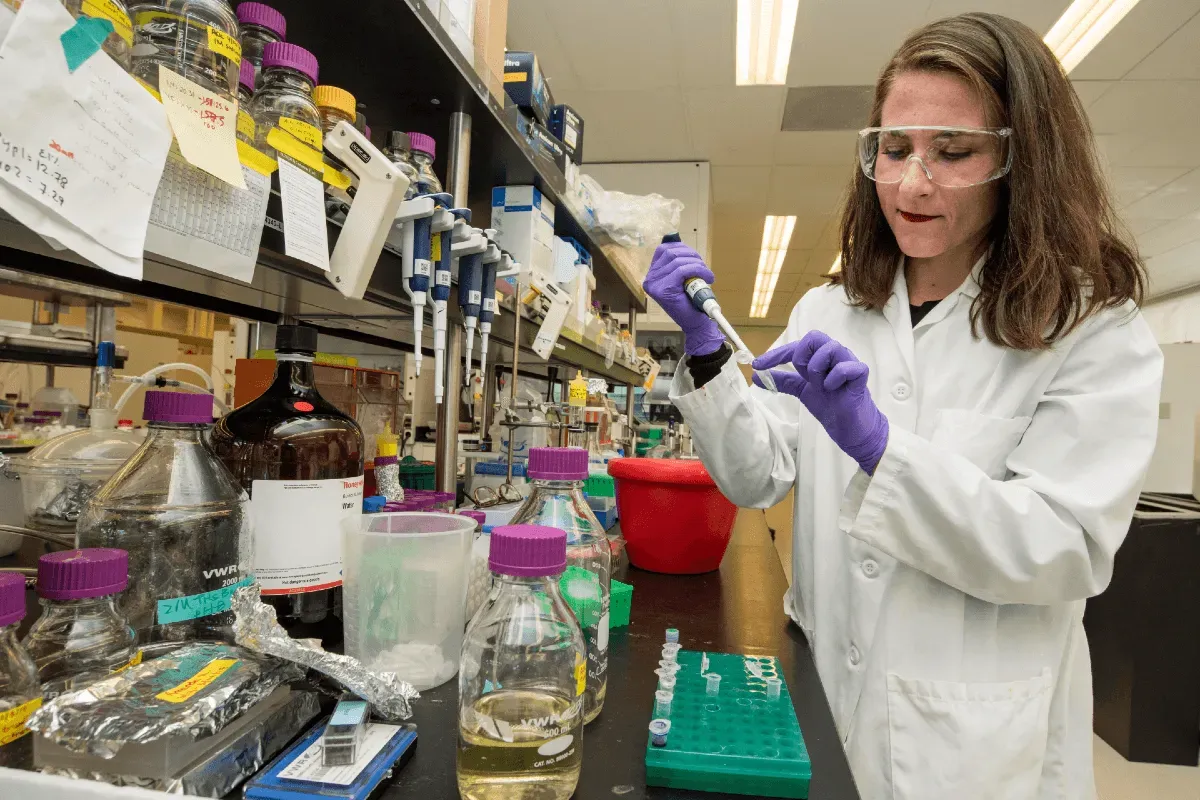
An online psychology BA can fit around work and home life until a research lab schedules its weekly meeting in another time zone. For a student interested in addictions research, that meeting may determine whether the most valuable experience in the program is accessible at all.
This guide helps prospective US students evaluate lab schedules, remote research duties, degree requirements, costs, and career boundaries. You'll leave with questions that reveal whether a program offers a workable research opportunity, not just flexible online classes.
Key Things You Should Know
- Ask whether an addictions research lab actually accepts online undergraduates; an asynchronous degree does not make lab meetings asynchronous.
- Confirm the meeting's local time, daylight-saving changes, required attendance, and alternative tasks before counting a lab toward your degree plan.
- A psychology BA can support nonclinical research and recovery-service work, but it does not itself qualify you to diagnose, provide therapy, or practice as a licensed addiction counselor.
What Is an Online BA in Psychology With an Addictions Focus?
It is a bachelor of arts in psychology that combines broad study of behavior and psychological research with coursework about substance use, prevention, recovery, or service systems.
"Addictions focus" might mean an officially named concentration, a set of electives, or a student-designed research interest. Those distinctions matter: only the institution can confirm what appears on the transcript and which courses fulfill degree requirements.
For someone aiming to join a research lab, the strongest fit is not necessarily the program with the most addiction-themed course titles. Look for research methods and statistics, a faculty member studying a relevant question, and a documented route for online students to participate.
If the goal is specifically a state-regulated counseling credential, compare addiction counseling education options online against that state's rules rather than assuming a psychology focus meets them.
Is an Online Psychology Degree Accredited and Recognized?
Check the institution's accreditation through its stated accreditor and the US Department of Education's accreditation database. Institutional accreditation concerns the school.
It does not establish that an addictions focus qualifies graduates for counseling licensure or that a research placement is available. The American Psychological Association does not accredit general undergraduate psychology BA programs.
Recognition for your purpose requires a second check. Ask the psychology department whether online students can enter faculty labs, earn major credit for research, and obtain supervision remotely.
If you may apply to graduate school, check the intended programs' prerequisite and research-experience expectations. When comparing psychology degree options for distance learners, verify these details for your entry term rather than treating institutional accreditation as proof of equal lab access.
What Careers Can You Pursue With an Addictions Psychology Bachelor's Degree?
Depending on the employer and state, graduates may seek research-assistant, outreach, intake, case-coordination, or recovery-program support roles. A lab experience can provide evidence of literature searching, careful documentation, data handling, and teamwork; it is not a clinical practicum.
In roles in community recovery organizations, employers may value referral knowledge and respectful communication as much as academic specialization.
Read job postings for duties and credential requirements, not just titles. A position involving counseling, independent assessment, or a protected professional title may require separate education, supervised experience, and state authorization.
If your immediate goal is outreach or program administration, relevant work experience or targeted training may be a more direct next step than pursuing research participation solely for its résumé value.
Online lectures and assignments may be asynchronous, while a lab, group project, or faculty meeting may require everyone at once. Campus students often have more opportunities for informal contact and on-site tasks.
Remote students may be better positioned for literature reviews, coding approved materials, or analyzing an authorized dataset. Neither format guarantees a lab position.
The useful comparison is the schedule you must actually keep. Request a sample weekly timetable, ask whether meetings are mandatory or recorded, and check whether research hours include daytime availability or campus visits.
Factor in travel, unpaid research time, and caregiving before deciding that online study is cheaper or easier. Guides to psychology degree affordability for returning adults can help frame the financial comparison, but the school must provide your charges and remaining requirements.
Expect a psychology foundation that commonly includes research methods, statistics, and study of development, social behavior, and biological or abnormal psychology. Addiction-related options may examine substance use, prevention, treatment systems, or recovery.
Catalogs differ, so confirm which courses are required, which rotate infrequently, and whether an independent study or research-credit course is open to online students.
For lab readiness, prioritize the sequence that lets you evaluate evidence before handling a project: introductory psychology, statistics, research methods, then relevant electives and supervised research. If graduate research study is a possible next step, compare that preparation with prospective programs' requirements.
Shorter completion routes for psychology master's students are not a substitute for checking methods preparation or faculty fit. Coursework about addiction treatment does not authorize a student to deliver it.
Some labs rotate meeting times, offer an approved asynchronous update, or assign remote tasks that do not depend on attending every discussion. Others require live attendance because students must coordinate procedures, review decisions, or receive timely supervision. Accommodation is a lab policy to verify, not an automatic feature of an online BA.
Ask the faculty supervisor and program adviser these questions before accepting a research role or relying on it for credit:
- What is the meeting time in the lab's time zone, and does it change with daylight saving time?
- Which meetings are required live, how are absences handled, and are recordings permitted?
- Which tasks can I complete remotely, and who will review my work and provide feedback?
- Can this work earn degree credit, and what approval, hours, or final deliverable does that require?
- What happens if the meeting time changes or I cannot continue the assignment?
Make your own calendar conversion for the full term; US time-zone differences can shift when locations follow different daylight-saving rules.
If the meeting conflicts with work or caregiving, propose a concrete alternative, such as an agreed written update and a shorter supervisor check-in, then get confirmation that it satisfies both lab and course expectations. Do not treat access to participant or client data as part of a remote role unless the team authorizes it and provides the required privacy training and secure systems.
Research supervision is also different from clinical field training. Students considering later counseling study should separately examine the live and placement commitments described in accredited clinical counseling timelines for working students; a flexible research arrangement does not predict those requirements.
Employer Confidence in Online vs. In-Person Degree Skills, Global 2024

Requirements depend on whether you are a first-time undergraduate or a transfer applicant. Schools may request prior transcripts and apply separate rules for admission to the institution, declaration of the psychology major, and enrollment in research courses. Transfer admission does not establish that a previous statistics or methods course satisfies the major.
If you are returning with credits, request a written degree audit showing how each course applies, which prerequisites remain, and when research credit becomes available. Compare that audit with the lab's eligibility rules before planning your first term. Advice about accelerating a forensic psychology bachelor's degree may illustrate general completion questions, but a different concentration's course sequence cannot establish your addictions-focused timeline.
Your remaining credits, course availability, enrollment pace, and any approved transfer work determine the timeline. Research participation may be optional, competitive, unpaid, or tied to a course offered only in certain terms. A meeting that you cannot attend could therefore affect your plan even if all lecture courses are available online.
Ask for an itemized estimate based on your degree audit: tuition, required fees, books or software, research-credit charges, and any travel or lost work hours. Compare the estimate with the value of the experience for your goal.
For funding possibilities, consult undergraduate addiction counseling grants and scholarships, then confirm eligibility and award conditions with the school's financial-aid office; a related program's funding is not assured for a psychology BA.
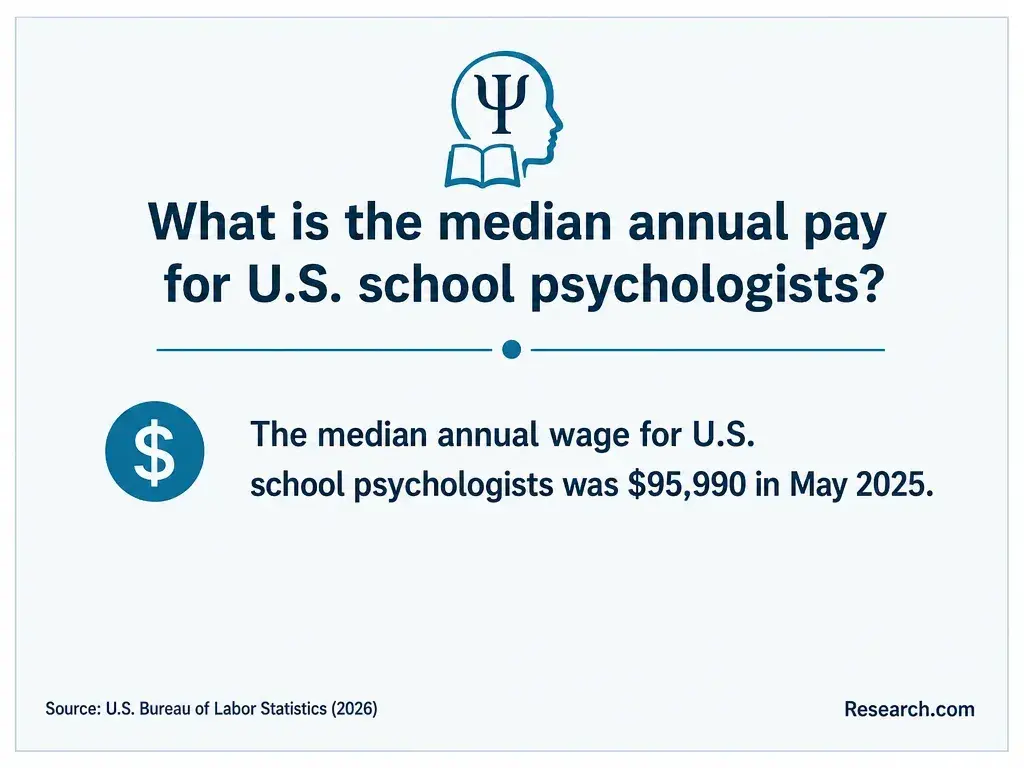
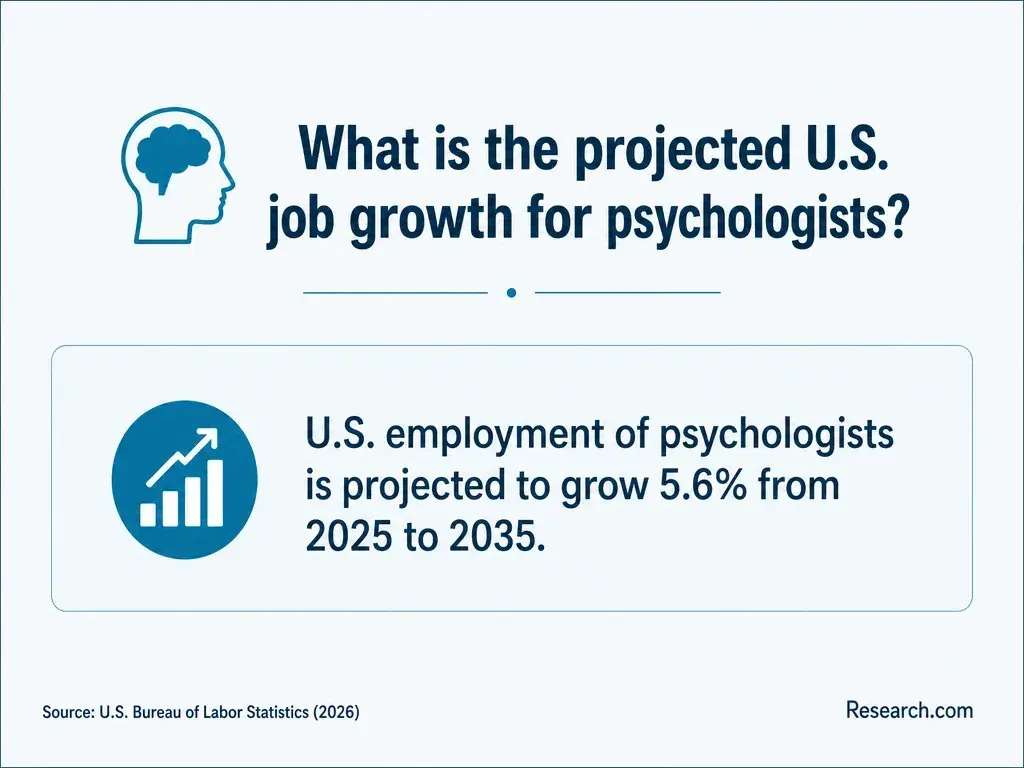
There is no single salary or growth rate for an addictions-focused psychology BA. The US Bureau of Labor Statistics reports occupational figures, not outcomes for graduates of a particular concentration. Its substance abuse, behavioral disorder, and mental health counselor category is especially easy to misuse: counselor roles can have education and credential requirements that a psychology BA alone does not meet.
For a useful comparison, choose a specific job posting, confirm its qualifications and duties, then consult the matching Bureau of Labor Statistics Occupational Outlook Handbook occupation for wage and outlook context. Treat that occupation-wide information as a market benchmark, not an offer or return-on-investment prediction.
Articles comparing affordable substance abuse counseling bachelor's costs and careers can inform your questions, but compare the credential and job requirements before applying any earnings discussion to a psychology BA.
Which Licenses and Certifications Require Further Psychology Education?
A psychology BA with addictions coursework does not itself authorize psychotherapy, diagnosis, or independent psychological assessment. Licensed psychologist pathways generally require doctoral-level professional preparation and additional jurisdiction-specific steps.
Licensed counseling and clinical social work follow different qualifying-degree and supervised-practice routes. Addiction counselor and peer-support credentials vary by state and credentialing body; some have pathways that do not require a psychology graduate degree.
Start with the regulator for the state where you intend to work. Match its required education, supervised experience, examinations, and permitted duties against the exact program, not its concentration label. Likewise, one-year online forensic psychology master's options may serve a different academic goal, but a nonclinical psychology master's should not be mistaken for a qualifying counseling or psychologist license pathway.
Other Things You Should Know About Psychology Programs
Briefly explain your research interests, relevant methods or statistics coursework, weekly availability in the lab's time zone, and the tasks you could help with. Ask whether the lab is considering online undergraduates rather than assuming there is an opening.
Ask the supervisor first. A description of your responsibilities or a public poster may be appropriate; do not share restricted data, participant details, unpublished materials, or collaborators' work without permission.
Ask about supervised research with a related health, prevention, or community-behavior question. A well-supported methods project may be more valuable than an addictions-labeled opportunity you cannot attend.
They may, but a detailed letter usually depends on seeing your work over time. Consistent contributions, feedback discussions, and a completed research task give a supervisor more specific evidence to discuss.
- Accreditation in the U.S. | ed.gov http://www.ed.gov/laws-and-policy/higher-education-laws-and-policy/college-accreditation/accreditation-in-the-us
- Bachelor of Arts in Psychology - Online Program | CSULB CPaCE https://www.cpace.csulb.edu/courses/bachelor-of-arts-in-psychology
- Tuition & Fees - University & Student Business Services | The University of Memphis https://www.memphis.edu/usbs/fees/
- Cost: University of Arizona Online https://financialaid.arizona.edu/cost/az-online
- How to Become a Substance Abuse Counselor: Your 6-Step Guide | UC News https://www.online.uc.edu/blog/how-to-become-an-addiction-and-substance-abuse-counselor.html
- Online Psychology & Mental Health Bachelor's Degree | George Fox University https://www.georgefox.edu/adult-degree/psychology-mental-health.html
- Bachelor of Arts in Psychology - Texas State's online programs https://online.txst.edu/degrees/undergraduate/ba-psychology/
- Applied Psychology: Addictions Studies, B.S. - CPS, CPSO | University of New Hampshire https://www.unh.edu/program/bachelor-science/applied-psychology-addictions-studies
- Tuition & Fees for Online Students | University at Albany https://www.albany.edu/cost-aid/tuition-fees/online-students
- Online Bachelor's Degree in Psychology in Addictions | Purdue Global https://www.purdueglobal.edu/degree-programs/psychology/bachelor-psychology-addictions/