2027 Child Development Degree Programs With Rolling Admissions

Co-Founder and Chief Data Scientist
Working adults exploring career shifts often face tight admission deadlines that clash with evolving schedules and family responsibilities. With nearly 45% of adult learners enrolling in programs offering flexible start dates, according to the National Center for Education Statistics, rolling admissions can ease the pressure of synchronizing academic and professional priorities. In child development degree programs, where practicum timing and credential milestones are critical, this flexibility may impact how quickly students transition into workforce roles requiring state licensure or early childhood education certifications. This article examines rolling admissions models, assessing their fit for diverse learners balancing practical training, enrollment timing, and career progression goals.
Key Benefits of Child Development Degree Programs With Rolling Admissions
- Rolling admissions in child development programs allow students to align enrollment with key workforce cycles, but may limit peer cohort consistency, which can affect collaborative learning essential to child-focused pedagogy.
- Flexible entry points attract candidates balancing work or caregiving, impacting the timing of skill acquisition employers expect for early childhood roles requiring up-to-date developmental theory application.
- Extended application periods distribute financial planning over time, yet potential delayed graduation risks miss immediate labor market needs where ongoing demand for qualified child development professionals is high.
How Do Child Development Degree Programs With Rolling Admissions Work?
Child development degree programs with rolling admissions offer a distinct operational model that directly addresses the unpredictable and evolving nature of workforce needs in early childhood education. This admissions approach is not merely a scheduling convenience but a strategic tool influencing how students enter programs, how curricula must be structured, and how institutions manage enrollment to align closely with workforce trends.
- Continuous Access: Unlike fixed deadlines, rolling admissions allow students to apply at any point during the year. This flexibility suits professionals who may decide mid-career to pursue formal training, enabling immediate application rather than waiting for traditional semester cycles.
- Workforce Responsiveness: The model caters to hiring fluctuations in early childhood settings, where demand for credentialed staff can spike throughout the year. Programs with rolling admissions can adjust enrollment and admit students in sync with these workforce shifts, thus enhancing student employability by matching education timing with job availability.
- Curricular Complexity: Offering multiple start dates requires programs to adopt modular or flexible course structures. While this supports diverse enrollment timing, it complicates academic planning and can challenge the consistency of cohort experiences and mentorship opportunities important in child development studies.
- Enrollment Management: Institutions use rolling admissions to stabilize class sizes and maintain program quality by reviewing candidates continuously. This evaluative process helps prioritize applicants demonstrating current experience or motivation aligned with sector trends over those applying simply to meet a deadline.
- Student Planning Challenges: The absence of fixed deadlines may lead some applicants to postpone applying, impacting financial aid processing and the scheduling of practicum placements, which are critical for licensure. This uncertainty can extend time-to-degree and affect readiness for certification requirements.
What Are the Admission Requirements for Rolling Admissions Child Development Programs?
Rolling admissions in child development programs inherently prioritize flexibility, but this does not simplify the evaluative rigor behind acceptance decisions. Because these programs review applications continuously, candidates who submit early with well-crafted materials often secure better alignment with workforce expectations. For example, applicants with meaningful child-related experience can compensate for lower academic metrics, a crucial consideration given many employers emphasize practical readiness alongside formal credentials.
GPA Requirement: Typically, a minimum high school GPA or equivalent is expected, but many programs weigh this alongside professional experience, recognizing the diverse academic backgrounds of child development students.
Standardized Test Scores: Increasingly optional, these serve to confirm college readiness rather than act as gatekeepers; test-optional policies particularly benefit returning students with recent relevant work.
Transcripts: Official transcripts document academic history and are essential for verifying foundational coursework, which supports readiness for the program's curriculum and field placements.
Letters of Recommendation: Usually required to assess interpersonal skills, professionalism, and motivation, reflecting employer and instructor insights relevant to child-focused roles.
Personal Statement: Essays that convey an applicant's practical experience with children and long-term career intent carry significant weight in admissions evaluations.
Background Checks and Health Clearances: Due to child safety regulations, many programs mandate these to ensure candidates meet legal and health standards necessary for internships and practicums.
Such requirements demonstrate that rolling admissions in child development do not equate to lower standards but rather a nuanced approach balancing academic competency with real-world applicability, crucial for employability in this sensitive profession. Prospective students may also look into other options such as best online degrees.
When Should You Apply for Rolling Admissions Programs?
Rolling admissions in child development programs function as an ongoing application review process without fixed cutoffs, creating a continuously shifting landscape of seat availability. Early applicants typically gain a tangible advantage through broader program capacity and improved access to limited financial aid, which often follows a first-come, first-served allocation. However, submitting prematurely can backfire if required prerequisites or documentation are incomplete, potentially delaying acceptance or causing reconsideration. Mid-cycle applicants who submit well-prepared materials may still secure enrollment, especially in larger programs that regularly replenish cohort openings, but this requires active monitoring of program capacity and clear communication with admissions personnel. Late applicants face the greatest uncertainty, as programs tend to fill seats early and prioritize candidates who demonstrate readiness promptly, which often leads to higher waitlist rates and reduced scholarship eligibility.
The strategic timing of applications thus involves balancing readiness and opportunity. Applicants who are not fully prepared may benefit from submitting preliminary elements early to reserve evaluation priority and later supplement their files as they finalize credentials, harnessing the adaptive nature of rolling admissions. Conversely, delaying application solely to ensure complete readiness can risk losing both placement and funding, since programs may close enrollment unexpectedly once capacity is reached. This timing strategy has practical repercussions beyond admission: employers increasingly value graduates who proceed through internships and practica in sync with typical academic calendars, making delayed matriculation an obstacle to timely workforce entry. Thus, precise alignment of application timing with program intake dynamics directly impacts both acceptance chances and subsequent professional transitions.
One recent applicant recalled hesitating to apply early because she lacked a couple of prerequisite course credits but worried that waiting too long would close her window entirely. She decided to submit her transcripts and partial documents early while finishing remaining classes over the quarter, updating her application as new grades posted. This phased submission not only kept her in active consideration but also resulted in an offer before the final deadline. Her experience underscored the importance of proactive communication with admissions to clarify expectations and demonstrated how flexible timing in rolling admissions demands strategic juggling of preparation and timing rather than simply "apply early" or "apply late."
Are Rolling Admissions Common in Online Programs?
Rolling admissions are notably more prevalent in online programs than traditional on-campus offerings, particularly within child development degrees. This trend reflects the need for greater flexibility to serve remote learners who often balance varied professional and family demands. Institutions prioritize scalability and efficient enrollment management by allowing students to apply and begin coursework at multiple points throughout the year, smoothing out demand spikes common in fixed-term cycles. However, not all online child development programs adopt rolling admissions; some maintain cohort-based models to ensure synchronized progression, which can restrict flexible start dates but may better support structured learning and career pacing.
For students, rolling admissions in online child development programs often mean faster application reviews and more control over when to start, which is crucial for those managing unpredictable schedules. Yet, this can introduce competition during popular enrollment windows, potentially decreasing acceptance odds when demand surges. According to a 2022 survey by the Online Learning Consortium, around 38% of online bachelor's degrees feature rolling or open admissions, underscoring gradual adoption aligned with remote accessibility goals. Prospective students who value flexible entry should also consider that availability varies widely, making it important to assess each program's enrollment policies in light of personal and career timelines. For practical insight into flexible program options, candidates might explore offerings such as those found in an accelerated healthcare management degree online as comparative models of rolling admissions implementation.
Do Rolling Admissions Schools Have Higher Acceptance Rates?
The belief that rolling admissions schools inherently have higher acceptance rates oversimplifies the admissions landscape. Rolling admissions is a procedural approach where applications are reviewed continuously, not after a single deadline, which can create the impression of easier entry. However, acceptance rates are primarily shaped by program capacity, overall demand, and cohort size, not the timing mechanism itself. Early applicants might benefit from having access to more available seats, improving their admission odds, whereas those applying later may face tighter competition as spots fill, though the fundamental selection criteria remain consistent throughout.
This dynamic is especially relevant in child development degree programs, where enrollment goals and workforce needs vary widely. Programs targeting flexible scheduling for working adults might maintain broader acceptance windows to accommodate diverse applicants, whereas research-intensive programs often preserve stringent standards regardless of when candidates apply. The wide variability in acceptance rates across rolling admissions institutions reflects these differing priorities, not a uniform reduction in selectivity. Prospective students should weigh how application timing interacts with program design and admissions capacity rather than assume rolling admissions equate to lowered academic expectations or better chances universally.
How Much Do Rolling Admissions Child Development Programs Cost?
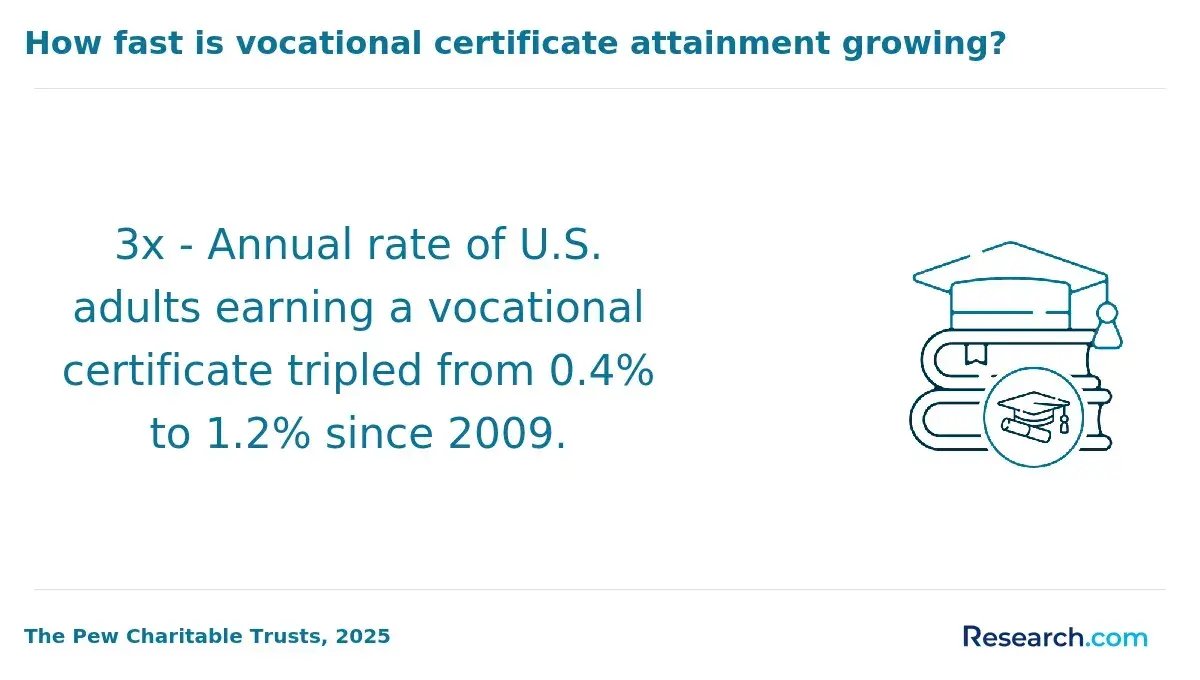
Tuition in child development programs with rolling admissions commonly follows a per-credit-hour structure, typically ranging from $200 to $600 per credit depending on whether the institution is public, private, or delivers courses online. This pricing model gives students the advantage of managing their costs by adjusting course loads each term, which suits those balancing work or family obligations. While rolling admissions does not change tuition rates directly, it allows students to control when they start and pace their expenses, spreading out payments to avoid lump sums often required by fixed admission deadlines. This financial flexibility can be critical for students navigating varying income streams or unexpected expenses during their studies, making cost predictability and timing as important as the tuition price itself. Notably, average tuition fees for child development rolling admission degrees should be analyzed with this timing dimension in mind rather than a static cost figure.
Beyond tuition, additional fees substantially influence the total cost of rolling admissions child development programs. Typical charges include institutional technology fees, which usually range between $50 and $150 per term, especially in programs incorporating hybrid or online elements. Lab or clinical fees, often between $100 and $400 per term, are common in courses requiring hands-on practice, reflecting real-world training demands. Different program designs-whether accelerated, hybrid, or cohort-based-affect the overall financial experience by altering term length, course load flexibility, and fee application.
Candidates seeking a flexible schedule may also explore a range of educational pathways, such as fast track medical programs, which share some structural and financial similarities. Understanding these dynamics is essential for evaluating how rolling admissions child development costs translate into actionable investment choices aligned with workforce requirements.
Are Career Outcomes Different for Rolling Admissions Students?
Admission timing through rolling admissions does not inherently influence career outcomes for child development students; instead, the substantive elements of the education drive professional success. Factors such as the program's accreditation, curriculum rigor, and field specialization-whether early childhood education, family studies, or developmental psychology-hold far greater sway in determining employability and advancement. Practical experience remains paramount; internships and real-world learning opportunities significantly enhance skill development and networking potential. Additionally, regional labor market variations affect job availability, underscoring that geographic context often has more impact than when a student applied. While enrolling earlier in a rolling admissions schedule might allow some students to complete their studies sooner and enter the workforce on an accelerated path, this benefit hinges on course availability and institutional policies rather than rolling admissions alone. A survey by the National Association for the Education of Young Children found that 63% of employers prioritize hands-on experience and professional credentials over enrollment timing, reinforcing that practical competencies eclipse admissions dates in employer evaluations.
Institutions offering rolling admissions vary widely in how they support students, with some providing expedited application reviews or enhanced advising, potentially improving access and engagement but not guaranteeing better career outcomes. Consequently, the admissions process itself should be viewed as an enrollment convenience rather than a criterion linked to professional success. Students aiming for long-term growth should weigh program quality, field alignment, and experiential opportunities above application windows. Early admission might ease scheduling for some, but it does not substitute for the foundational aspects that shape the trajectory of child development graduates navigating a competitive, experience-driven job market.
One graduate recalled weighing the decision to apply early through rolling admissions against the need to complete prerequisite coursework. Initially hesitant to submit an incomplete application, she waited until a few necessary credits were finished despite an open enrollment window. This delay pushed back her start date but allowed her to enter better prepared, leading to a smoother progression through internships and ultimately a more confident job search. She reflected that the timing of her application mattered less than the readiness she gained during the interim and the relationships built through her practicum experiences, reinforcing that admissions timing is a small piece amid broader professional development considerations.
Can Rolling Admissions Programs Lead to High-Paying Careers?
Rolling admissions programs in child development are administrative tools designed to increase enrollment flexibility and do not inherently influence salary trajectories or access to high-paying roles. Career outcomes depend more significantly on factors such as specialization within child development-like early intervention or child psychology-program accreditation, and the strength of experiential learning opportunities. Graduates from accredited institutions with strong internship pipelines and professional networks tend to secure better-compensated positions. For instance, an individual specializing in developmental psychology who completes internships in healthcare settings may have a competitive advantage over peers, regardless of whether they enrolled via rolling admissions.
That said, rolling admissions can produce indirect effects related to workforce entry timing. Students admitted earlier through rolling windows may graduate and start professional roles sooner, potentially accelerating salary growth over time compared to cohorts admitted later under strict deadlines. However, this temporal advantage is not unique to rolling admissions but reflects the broader benefit of entering the labor market early. Salary ranges within child development vary broadly-entry-level educators might earn $25,000-$35,000 annually, while specialists and coordinators in certain regions can see $60,000-$75,000 depending on experience and location as reported in recent labor data. Ultimately, employer hiring decisions prioritize demonstrated competencies and relevant experience over admissions format, underscoring that the choice of rolling admissions should be aligned with personal scheduling needs rather than anticipated salary impact.
What Are the Disadvantages of Rolling Admissions Programs?
Rolling admissions in child development programs can seem appealing for flexibility but carry significant drawbacks that affect student planning and workforce integration. These challenges often complicate applicants' efforts to align education with professional goals and personal responsibilities, making the supposed convenience less advantageous in concrete terms.
- Uncertainty of seat availability leads to late applicants risking deferral or loss of preferred start dates, which disrupts timelines crucial for adult learners juggling work and family obligations.
- Misalignment with financial aid cycles means students often miss key scholarship deadlines, limiting access to essential funding and potentially increasing debt burdens.
- Employers typically expect graduates to complete programs on standard academic schedules; rolling admissions can stagger graduations, reducing eligibility synchronicity with certification exams and entry-level hiring windows.
- Fragmented cohort entry hampers peer networking and collaborative learning, vital components in child development education that shape practical skills and professional relationships.
- The National Association for College Admission Counseling reported in 2022 that 42% of rolling admissions applications arrive within the first quarter, creating an uneven distribution that pressures early, sometimes rushed, applications and stresses program resources unevenly.
This uneven application rush can undermine preparation quality and exacerbate stress, contradicting the flexibility that such programs promote. These collective issues highlight core inefficiencies in many rolling admission structures, especially for students prioritizing strategic timing for employment and financial planning within child development fields.
Students seeking financial support might explore alternatives such as a medical assistant course online that offers defined aid cycles. Understanding these tradeoffs is critical when evaluating challenges with rolling admission programs in child development education and their real-world impact on degree completion and job readiness.
How Do You Choose the Best Child Development Program With Rolling Admissions?
Comparing child development degree programs with rolling admissions requires scrutiny beyond the flexibility of enrollment deadlines. Students must weigh program quality, practical relevance, and alignment with career goals to avoid extended time or diminished job prospects. Rolling admissions can tempt applicants to prioritize schedule convenience over substantive program features, which can lead to credential mismatches or limited field readiness.
- Accreditation and academic standards: Accredited programs guarantee adherence to licensing and employer expectations, affecting graduate recognition and credit transferability - critical for candidates balancing work or family.
- Integration of internships and practicum: Theoretical coursework paired with supervised field experience improves workforce readiness and networking, often differentiating more effective programs.
- Faculty expertise and mentorship: Instructors active in early childhood education sectors bring crucial practical insights and influence professional opportunities.
- Program format and scheduling: Many rolling admissions programs embrace online or hybrid models, which accommodate diverse student schedules but may complicate access to hands-on practicum or support services.
- Graduation and retention rates: These metrics reflect program pacing and support, essential for nontraditional students who depend on rolling admissions for academic flexibility.
- Post-graduation outcomes: Employment rates and alignment with state certification pathways matter more than tuition alone; practical state licensure alignment provides specific career advantages.
For those exploring specialized tracks or seeking efficient transitions between degrees, related programs such as accelerated MSN psychiatric np programs reflect broader trends toward rolling admissions in healthcare and education fields. Prioritizing these factors over mere admission dates ensures more informed decisions when choosing the best child development rolling admissions programs online.
What Graduates Say About Child Development Degree Programs With Rolling Admissions
- Yves: "I chose the program with rolling admissions because I needed the flexibility to start while still working part-time, which made balancing finances manageable. The decision to jump in quickly paid off when I secured an internship that prioritized practical skills over formal licensure, something many employers emphasized. However, I found that without additional certifications, salary growth was slower than expected, so I'm now planning to pursue those credentials to advance further."
- Jalen: "Managing a career shift with limited time was my biggest challenge, so the rolling admissions offered the chance to begin coursework without waiting months for a traditional cycle. I focused heavily on building a portfolio through coursework and volunteer work, which helped me land a remote assistant role supporting early childhood programs. Still, I discovered that competing for leadership roles requires a stronger mix of experience and licensure, which I'm prepared to pursue down the line."
- Beatrice: "Budget constraints pushed me toward a program with rolling admissions that allowed me to spread out expenses and avoid student loan overload. I took advantage of a part-time schedule to complete my studies while working locally, which led to an entry-level position in a community center. Employers here placed more value on demonstrated experience and internship performance than formal credentials, but I've realized advancement beyond a certain point is tough without additional qualifications."
Other Things You Should Know About Child Development Degrees
Rolling admissions often allow students to start courses throughout the year, which can lead to varied cohort sizes and class schedules. This flexibility means students might face irregular pacing, with some courses offered less frequently or compressed into shorter terms, affecting workload intensity. Prospective students should prioritize programs that provide clear, structured timelines despite rolling entry to avoid unpredictable academic demands that could hinder mastery of core child development concepts.
Yes, students admitted on a rolling basis may experience delays or off-cycle placements for fieldwork essential in child development training. Since practicum sites depend on local partnerships and schedules, starting mid-cycle can make securing timely placements more challenging, potentially extending program duration. Prioritizing programs with strong practicum support and flexible placement options reduces risks of prolonged completion and ensures critical hands-on experience aligns with academic learning.
Child development degree programs with rolling admissions in 2027 offer flexibility in start dates and pacing, allowing students to begin their studies multiple times throughout the year. This can facilitate better alignment with personal schedules and faster completion times, while still providing comprehensive education and practical experience in the field.
Rolling admissions programs afford flexibility but often limit cohort cohesion and networking events common in traditional semester models. For child development students, building relationships with peers and faculty can be crucial for mentorship and job leads in this field. Those valuing professional connections should weigh the convenience of rolling entry against a potential reduction in networking benefits and may consider supplementing studies with external professional groups or targeted internships.
References
- The Advantages and Disadvantages of Rolling Admissions – Prompt School https://www.promptschool.com/the-advantages-and-disadvantages-of-rolling-admissions/
- Top Half Day Pre-K Benefits for Early Learning and Flexibility https://kids1st.org/half-day-pre-k-benefits/
- Selecting a College for Early Childhood Education https://qualitystartsbc.org/choosing-an-early-childhood-program/
- The Highest Paying Early Childhood Education Jobs | Arizona Early Childhood https://azearlychildhood.org/resources/articles/the-highest-paying-early-childhood-education-jobs/
- What is Rolling Admission in College? https://collegewise.com/blog/what-is-rolling-admission
- Admissions https://toddlers.barnard.edu/toddler-admissions
- Which schools have ED rolling admissions? https://talk.collegeconfidential.com/t/which-schools-have-ed-rolling-admissions/723372
- Rolling Admissions Definition & Benefits https://www.act.org/content/act/en/students-and-parents/college-planning-resources/applying-to-college/rolling-admissions.html
- Careers in Early childhood education: What to do after - Mirasur School https://colegiomirasur.com/en/blog/opportunities-vt-early-childhood-education/
- Top 2025 Colleges with Rolling Admissions | Flexible Deadlines https://www.educationconnection.com/resources/colleges-with-rolling-admissions/