2027 Entry-Level Jobs With a Child Development Degree

Co-Founder and Chief Data Scientist
What types of entry-level careers are accessible with a child development degree? This question often arises for recent graduates navigating a competitive job market where practical experience and diverse skills are prized. Approximately 62% of child development graduates find positions in education, social services, or healthcare within the first year after graduation.
Beginner roles include preschool assistant, family support worker, and early intervention specialist, offering a foundation to build expertise. Understanding the range of job opportunities and required qualifications helps graduates make informed decisions. This article explores available entry-level jobs for child development graduates and outlines what to expect when launching a career in this field.
Key Benefits of Entry-Level Jobs With a Child Development Degree
- Entry-level jobs provide practical experience essential for understanding child development theories and applying skills in real-world educational or care settings.
- These roles often serve as stepping stones, offering pathways to advanced certifications and leadership positions within the field.
- Early career positions help graduates build professional networks and enhance resumes, increasing employability in a competitive job market.
What Entry-Level Jobs Can You Get With a Child Development Degree?
About 60% of child development graduates find entry-level jobs within six months, showing consistent opportunities in this growing field. These roles allow new professionals to gain valuable hands-on experience while building foundational skills.
Below are some common positions for beginners with a child development degree and how they support career growth.
- Preschool Teacher Assistant: This role involves helping lead teachers by implementing age-appropriate activities and supervising children during play. It offers a firsthand look at classroom dynamics and practical teaching techniques that form a strong base for early childhood education careers.
- Child Care Worker: Child care workers look after children's safety, provide direct supervision, and encourage social and emotional growth. This position builds critical communication skills and a deeper understanding of child behavior and daily care routines.
- Behavioral Technician: Focused on assisting children with developmental differences, behavioral technicians implement intervention plans under specialist guidance. This job provides experience in applied behavioral analysis and individualized care, useful for future specialization.
- Family Support Specialist: These specialists work with families to promote positive parenting and child well-being. The role develops counseling, case management, and resource coordination skills important for careers in social services.
- Early Intervention Assistant: Working with children who have developmental delays, early intervention assistants support specialists delivering targeted therapies. This experience enhances knowledge of developmental milestones and intervention strategies crucial for clinical or educational roles.
For prospective graduates aiming at sustainable career paths, exploring entry-level jobs for child development graduates offers practical ways to start building professional expertise early. Those considering related fields might also research nursing schools with high acceptance rates to expand their options.
Which Industries Hire the Most Child Development Graduates?
Graduates with a child development degree find opportunities across various industries, each valuing their expertise in child growth and learning. Approximately 20% of these graduates secure roles within healthcare, indicating rising demand for their skills in therapeutic and developmental settings.
Below are the main industries employing child development graduates and the roles they typically fill.
- Education: This sector includes public and private schools, early childhood centers, and specialized programs focusing on children from infancy to adolescence. Graduates often work as preschool teacher assistants, teaching aides, or child care coordinators, supporting learning and development in classroom environments.
- Healthcare: Facilities such as hospitals, clinics, and private practices hire graduates for pediatric care, developmental therapy, and early intervention services. Common roles include child life specialists and developmental therapists who assist with behavioral and emotional growth assessments.
- Social Services: Agencies focused on family support, child welfare, and community outreach rely on these professionals to serve as program assistants, case aides, or youth mentors. Their knowledge of child behavior contributes to effective intervention and family support programs.
- Nonprofit Sector: Organizations advocating for children's welfare, education reform, or developmental research employ graduates in program coordination, outreach, and administrative roles that benefit from their specialized understanding of child growth.
- Early Childhood Education Market: Daycare centers, preschools, and after-school programs represent vital employers where graduates apply developmental theories as classroom assistants or child care providers in hands-on settings.
A child development degree graduate shared their experience in navigating the job market across these industries. They described feeling initially overwhelmed by the variety of sectors but found that each path offered unique challenges and rewards. "I was drawn to social services because I wanted to make a direct impact on family dynamics," they said.
However, securing a position required persistence and adapting to the specific needs of different organizations. They highlighted the gratification of translating classroom knowledge into real-world support, emphasizing that the journey involves continuous learning and resilience.
Which Entry-Level Child Development Jobs Pay the Highest Salaries?
Entry-level salaries in child development vary significantly depending on job responsibilities, required expertise, and work environment. Positions involving specialized knowledge or support for children with particular needs often come with higher pay.
Below are some of the top-paying roles for recent graduates entering this field.
- Early Childhood Special Education Assistant: These assistants work closely with children facing developmental delays or disabilities, helping implement specialized educational plans. Their role demands understanding of complex needs and collaboration with special educators, with salaries typically ranging from $35,000 to $45,000 annually.
- Behavioral Technician: Also known as registered behavior technicians, entry-level behavioral technicians support behavior intervention programs for children with autism or related disorders. Due to the technical nature of behavior analysis, their starting salaries usually lie between $30,000 and $42,000.
- Child Life Specialist Assistant: These assistants focus on providing emotional support to hospitalized children and their families, applying child development principles in medical settings. Their wage range generally falls from $32,000 to $40,000, reflecting the specialized nature of their work.
- Preschool Teacher Assistant: Often involved in supervising and assisting with basic childcare tasks, these roles tend to offer lower starting pay, typically between $25,000 and $32,000, due to less specialized responsibilities.
Employers often prioritize candidate qualities beyond academic credentials when hiring entry-level child development graduates. According to a 2023 survey by the National Association for the Education of Young Children, 72% of employers value communication and relationship-building skills more highly than technical knowledge alone.
These essential skills guide their evaluation of potential hires in practical early childhood education settings.
- Interpersonal Communication: Effective communication is crucial in roles that require collaboration with children, families, and multidisciplinary teams. Clear instruction, active listening, and adapting messages to diverse audiences help ensure accurate information exchange and build trust.
- Observational Skills: Being attentive to children's behaviors and developmental milestones enables professionals to identify needs early. This supports timely interventions and personalized care, reinforcing foundations drawn from child development theories.
- Emotional Resilience: Patience and stress management are vital when addressing unpredictable challenges commonly encountered in working with young children. Maintaining empathy and composure fosters a supportive environment for both children and colleagues.
- Team Collaboration: Entry-level professionals must work effectively within broader educational systems, cooperating with educators and therapists to promote holistic child growth. Collaborative skills enable smooth coordination and shared problem-solving.
- Practical Problem Solving: Quick decision-making and adaptability are often tested through situational judgments during hiring. Demonstrating these skills indicates readiness to handle real-life scenarios that arise in early childhood programs.
Showcasing relevant entry-level child development graduate qualifications and certifications alongside these attributes can strengthen a candidate's appeal. Developing proficiency in classroom management and early childhood assessment techniques also aligns with what employers seek.
Students aiming to enhance their career prospects might explore a health care administration degree to complement their expertise in managing child-centered programs and services.
Employers often favor candidates with internship experience when hiring for entry-level roles in child development, as practical experience illustrates the ability to apply classroom knowledge. A 2023 survey by the National Association of Colleges and Employers found that 65% of child development graduates who completed internships received job offers within six months, versus only 40% of those without internships.
However, internship experience is not the only factor influencing hiring decisions. Many employers consider other qualifications depending on the specific role and organizational needs.
Graduates lacking internships can still be attractive candidates by highlighting strong academic records, relevant coursework, and involvement in research or volunteer activities related to child development. Showing transferable skills such as communication, teamwork, and problem-solving can also make a difference.
Since hiring criteria differ among employers and positions, some may prioritize practical experience while others focus more on skills and demonstrated passion. This variation allows graduates without internships to remain competitive when applying for entry-level jobs.
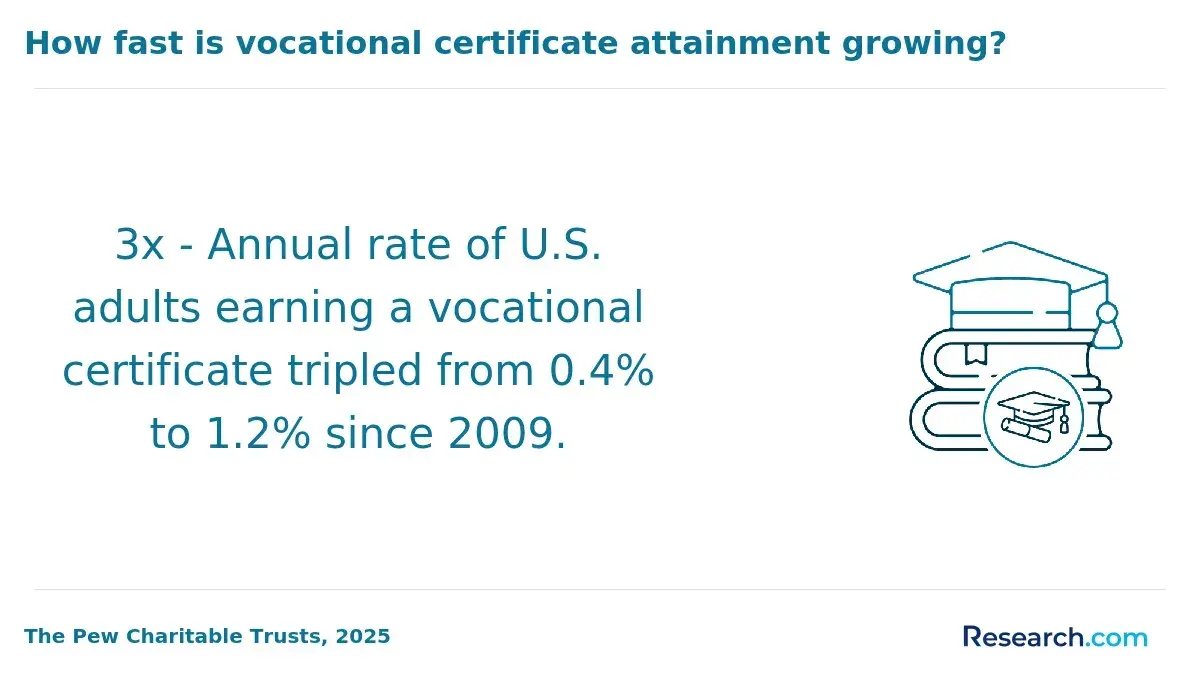
Earning certifications alongside a child development degree significantly enhances a graduate's appeal to employers by verifying specialized expertise and readiness for hands-on roles. Research shows that those holding relevant certifications are about 20% more likely to secure early career positions in this field.
Below are key certifications that strengthen job prospects for entry-level child development professionals.
- CDA (Child Development Associate) Credential: This credential is highly respected in early childhood education, confirming skills in activity planning, creating safe learning spaces, and supporting child growth. Employers often seek CDA holders for roles in preschools and childcare, trusting their practical knowledge.
- CPR and First Aid Certification: Essential for anyone working with children, this certification proves the ability to manage emergencies promptly and effectively. It reassures employers that the candidate can maintain safety in unpredictable situations.
- Preschool Teacher Certification: This certification validates understanding of age-appropriate teaching methods and classroom behavior management. It gives hiring managers confidence that entry-level teachers can contribute positively to early learning environments.
- Early Childhood Education (ECE) Certification: Emphasizing developmental stages and educational planning, this credential broadens qualifications. ECE-certified candidates are valued for their ability to engage diverse learners and support developmental progress.
- Family Child Care Certification: Tailored for those interested in home-based childcare, this certification highlights knowledge of health, safety, and supervision standards necessary for independent providers. It helps graduates demonstrate their preparedness for individualized care settings.
A professional with a child development degree shared that obtaining her CDA credential was a turning point in her job search. She described the process as challenging but rewarding, involving detailed assessments and practical demonstrations. "It really solidified my confidence," she said, explaining how employers responded positively to seeing proof of her skills.
She noted that while the certifications required dedication to achieve, they distinguished her from other candidates and opened doors to meaningful early career roles she otherwise might not have accessed.
Early preparation significantly boosts employability for students pursuing child development degrees, helping them meet employer expectations for practical skills and professional conduct. A recent survey found that 78% of employers prioritize candidates with relevant hands-on experience and workplace readiness.
Below are key strategies students can use to build career readiness before graduation.
- Gain Practical Experience: Volunteering or working part-time in childcare centers, schools, or community programs allows students to apply classroom knowledge in real-world settings, improving communication and observation skills while building valuable professional connections.
- Develop Soft and Technical Skills: Focusing on teamwork, communication, and problem-solving enhances interpersonal competence, while mastering educational tools and child assessment methods strengthens technical abilities essential for success in child development roles.
- Engage in Academic Projects: Participating in research or program design projects related to child development deepens understanding of developmental theories and child psychology while honing critical thinking and project management skills.
- Utilize Campus Resources: Taking advantage of career services, faculty mentorship, workshops, and networking events exposes students to current industry trends, employer expectations, and professional growth opportunities.
The entry-level job market for child development graduates is moderately competitive, with steady demand for qualified professionals alongside a substantial pool of applicants. Employment of preschool teachers and childcare workers is projected to grow by only 2% from 2022 to 2032, according to the U.S. Bureau of Labor Statistics, indicating slower-than-average growth compared to other occupations.
This suggests that while opportunities exist, they may not be sufficient for all new graduates immediately entering the field. Understanding the competitiveness of entry-level child development careers requires examining several influencing factors.
One major factor is the high volume of applicants. Many child development programs graduate large numbers of students who seek similar roles such as preschool teaching assistants, childcare providers, and early intervention support staff. Employer expectations also play a significant role, as many prefer candidates with skills in child observation, classroom management, and basic developmental assessments, even at entry-level positions.
Competitiveness further varies by job setting and geography; public schools often have formal hiring procedures and attract more applicants, while private centers may face less competition but offer fewer openings.
Urban areas generally have more opportunities but also higher applicant pools, compared to rural locations. Graduates interested in navigating this competitive market might consider expanding their qualifications through diverse experiences or exploring options at online schools no application fee.
The rise of remote work has created new opportunities for entry-level professionals in child development fields. A 2023 U.S. Bureau of Labor Statistics report shows that remote work among early-career workers increased nearly 25% in the last five years, highlighting the expanding availability of flexible roles. For recent graduates, several remote early childhood education jobs align well with their skills and education.
Below are some common remote-friendly beginner career paths in child development.
- Early Childhood Virtual Educator: Teaching young children through online platforms, this role involves delivering age-appropriate curricula and engaging families remotely. It enhances communication skills and curriculum adaptation essential for early-career professionals in remote early childhood education jobs.
- Remote Family Support Specialist: Providing guidance and resources to families by phone or video, specialists help address child development concerns and connect families with community supports. This position offers valuable experience in family dynamics and support services from home.
- Online Childcare Consultant: Working with childcare centers virtually to assess programs and train staff, consultants promote best practices in child development. This remote role builds expertise in program quality improvement and professional communication.
- Remote Child Development Research Assistant: Assisting in data collection and analysis for research projects, this role cultivates analytical skills and supports evidence-based insights essential for advanced studies or specialized careers.
- Virtual Behavior Intervention Aide: Supporting behavioral specialists by tracking children's progress during remote therapy sessions, aides contribute to tailored intervention plans. This job develops observational and reporting skills critical in child development.
These remote entry-level roles offer strong foundations for those seeking entry-level child development careers work from home. For professionals considering further education, pursuing a doctorate in healthcare administration can expand leadership opportunities related to child and family services.
Promotion timing for child development graduates varies widely depending on factors like individual performance, accumulated experience, and the employing organization's structure. Typically, early career advancement occurs within two to four years after starting in an entry-level position.
Research indicates about 35% of early childhood educators earn a promotion or take on greater responsibilities within three years of entering the workforce. These timelines align with common patterns for how fast do child development graduates get promoted.
Advancement often hinges on developing critical skills such as leadership, communication, and effective program management. Roles with direct child interaction reward those who demonstrate positive developmental outcomes, which can speed promotion. Complexity of responsibilities and organizational size also play significant roles, as larger employers may have more formalized promotion tracks compared to smaller settings.
Because the typical promotion timeline for entry-level child development jobs varies, career growth depends heavily on workplace evaluations and willingness to pursue extra duties or professional development. For those exploring related fields, accelerated nursing programs offer alternative paths with different advancement timelines.
What Graduates Say About Entry-Level Jobs With a Child Development Degree
- Kaysen: "Landing my first entry-level job in child development was exciting, especially because I had the option to apply for remote and hybrid roles. I learned that flexibility in work location is a huge factor for new grads, as it helps balance continuing education and practical experience. This position greatly boosted my confidence and gave me a solid foundation for advancing further in my career."
- Jalen: "When I was choosing an entry-level position, I focused on the team environment and opportunities for hands-on learning, which are vital in child development roles. I found that onsite jobs offer a richer experience despite the longer commute because of the direct interaction with children and colleagues. This first role was pivotal in developing my professional skills and shaping my future goals."
- Beau: "Starting my career in child development taught me how important it is to research the organization's mission and values before applying. I prioritized jobs that aligned with my passion for early childhood education, whether they were onsite or hybrid. This approach helped me secure a role where I could make a meaningful impact and laid the groundwork for my ongoing career growth."
Other Things You Should Know About Child Development Degrees
The Child Development Associate credential is the most common entry-level certification, and Head Start roles often prefer or require it. Some jobs also accept CPR and first aid certification, plus a state-specific childcare license for infant-toddler or preschool classrooms.
Yes, most entry-level jobs involving work with children require comprehensive background checks. These checks ensure the safety and well-being of the children and typically include criminal history, child abuse clearances, and sometimes fingerprinting. Employers prioritize candidates who can demonstrate a clean record and compliance with all legal requirements.
New graduates in child development typically work in environments such as preschools, daycare centers, community programs, and early intervention services. These settings are often fast-paced and require adaptability, patience, and strong communication skills. Candidates should be prepared for a collaborative atmosphere focused on supporting children's growth and development.
- Artwork of a gum leaf symbolising ‘welcome’ and acknowledging diverse countries, environments, communities, cultures, beliefs, and history. https://www.seek.com.au/entry-level-childcare-jobs
- Navigating Career Progression within Early Years https://careers.brighthorizons.com/uk/en/blogarticle/navigating-career-progression-within-early-years
- Top Certification Courses in Early Childhood Education https://dawn2dusk.org/top-certification-courses-in-early-childhood-education/
- Home https://www.greatermanchester-ca.gov.uk/what-we-do/children-and-young-people/greater-manchester-school-readiness/early-years-workforce/early-education/gm-early-education-and-childcare-workforce-campaign/what-qualifications-skills-and-qualities-do-i-need/
- 25 Best child development jobs in work from, home (Hiring Now!) | Workopolis https://www.workopolis.com/search
- Skills Employers Look for In Graduates https://careerdc.com.au/resources/what-skills-employers-want/
- <strong>What Employers Should Know Before Hiring Minors for Unpaid Internships</strong> https://www.bricker.com/employment-law-report/what-employers-should-know-before-hiring-minors-for-unpaid-internships
- Nanny Career Path: From Entry to Senior Level https://www.lighthouse-careers.com/blog/the-complete-nanny-career-path-your-guide-to-professional-growth/
- What employers are looking for in new graduates | University Canada West (UCW) https://www.ucanwest.ca/blog/education-careers-tips/what-employers-are-looking-for-in-new-graduates
- 4 Tips for Getting a Job at a Daycare Without Any Experience https://www.rasmussen.edu/degrees/education/blog/getting-job-at-daycare-without-experience/