2027 Cheapest International Business Degree Programs for Working Adults

Co-Founder and Chief Data Scientist
Working adults who want an international business degree usually face a practical trade-off: earn a credential that can support career mobility in global markets, or avoid taking on a schedule and tuition bill that do not fit adult life. The right program can make that trade-off manageable, especially when it is accredited, transfer-friendly, and designed for students who need to keep working.
International business programs focus on how companies operate across borders, including global marketing, trade, finance, logistics, management, and cross-cultural communication. These skills matter as employers continue to need professionals who can understand suppliers, customers, regulations, and teams in more than one market. The demand for qualified graduates with global market expertise increases alongside a projected 8% job growth in international trade and development through 2030.
This guide explains how to compare low-cost online international business degree options for working adults. It covers accreditation, tuition, transfer credits, schedule flexibility, financial aid, employer respect, career outcomes, and the warning signs that a “cheap” program may not be the best value.
Key Things to Know About the Cheapest International Business Degree Programs for Working Adults
- Cheapest international business degree programs often feature low tuition, online or hybrid formats, generous transfer credit policies, and flexible scheduling tailored for working adults' busy lives.
- Low-cost options increase accessibility but may trade off program length, employer recognition, and accreditation rigor; accelerated pathways are common but require disciplined time management.
- Evaluate total costs, financial aid, residency requirements, accreditation status, student services, and career support carefully to ensure long-term value and job market relevance.
What Are the Cheapest Accredited International Business Degree Programs Online?
The cheapest accredited online international business degree programs are usually offered by schools that combine lower tuition with generous transfer policies, online delivery, financial aid eligibility, and clear degree-completion pathways. For working adults, the lowest advertised tuition is only one part of affordability. A program that accepts more prior credits, avoids excessive fees, and lets students study part time may cost less overall than a program with a lower per-credit rate but stricter requirements.
Accreditation should be the first filter. With over one-third of college students now enrolled in at least one online course, employers and institutions are more familiar with online learning, but the degree still needs to come from a properly recognized school. Accreditation affects federal financial aid access, credit transfer, graduate school eligibility, and employer confidence.
How to identify the strongest low-cost options
- Confirm institutional accreditation: Choose a school accredited by a recognized accreditor. This is the baseline for academic quality, federal aid eligibility, and transferability.
- Review business accreditation when available: Specialized business accreditation can add value, but it should not replace institutional accreditation. It is most useful when comparing programs with similar cost and flexibility.
- Calculate total program cost, not just tuition: Include per-credit tuition, online fees, technology fees, books, course materials, graduation fees, and any residency or campus requirements.
- Prioritize transfer credit acceptance: A program that applies prior college credits toward major, general education, or elective requirements can reduce both cost and time to graduation.
- Look for adult-friendly scheduling: Asynchronous courses, part-time enrollment, and multiple start dates help students continue working while completing coursework.
- Check financial aid and employer benefits: Grants, scholarships, payment plans, and employer tuition reimbursement can make an accredited program more affordable than its sticker price suggests.
| Program feature | Why it matters for working adults | What to verify before enrolling |
| Accreditation | Protects degree credibility and financial aid eligibility | Accreditor name, school status, and program approval |
| Transfer credits | Can lower tuition and shorten time to completion | Maximum transferable credits and course equivalency rules |
| Online format | Reduces commuting and relocation barriers | Whether courses are asynchronous, synchronous, or hybrid |
| Fees | Can raise the real cost beyond published tuition | Technology, online, course material, and graduation fees |
| Student support | Helps adult learners stay enrolled and make steady progress | Advising, tutoring, career services, and transfer support |
If you are still comparing broader business options before choosing an international business concentration, a low-cost buisness degree online can also help you understand how tuition, accreditation, and transfer policies differ across affordable programs.
For those interested in accelerated healthcare degrees beyond business, exploring a 1 year DNP program online can provide another example of how working professionals compare speed, flexibility, and academic requirements in online education.
How Much Does an Online International Business Degree Cost for Working Adults?
The cost of an online international business degree for working adults depends on the school, tuition model, enrollment pace, transfer credits, residency status, and fees. Public universities, private nonprofit institutions, and for-profit schools may price programs differently, so students should compare the full degree cost rather than relying on a single tuition number.
Over 60% of undergraduate online students receive financial aid, which makes funding strategy a major part of affordability. A student who combines transfer credits, federal aid, scholarships, and employer tuition assistance may pay substantially less out of pocket than the posted program price.
Costs to include in your estimate
- Tuition model: Schools may charge by credit hour, semester, subscription period, or flat rate. Per-credit tuition may work better for part-time students, while flat-rate models may benefit students who can take heavier course loads.
- Transfer credit impact: Transfer-friendly programs can reduce the number of credits you must complete at the new school, lowering both tuition and time away from other responsibilities.
- Enrollment pace: Part-time study offers flexibility but can extend the calendar time to graduation. Accelerated study may finish faster but can be difficult for students with demanding jobs or caregiving duties.
- Technology and course fees: Beyond tuition, fees for course materials, technology, and digital resources can add several hundred to over a thousand dollars annually, depending on school policy and program requirements.
- Residency and campus requirements: Fully online programs usually reduce commuting and relocation costs, but hybrid programs may require travel, time off work, or lodging expenses.
- Financial aid availability: Federal aid, scholarships, institutional grants, payment plans, and employer reimbursement can change the practical cost of attendance.
| Cost factor | Potential effect on affordability | Question to ask the school |
| Per-credit tuition | Determines the base academic cost | Is the rate the same for online and out-of-state students? |
| Transfer credits | Can reduce required credits and total tuition | How many credits can be applied to the degree? |
| Fees | May increase the real cost of attendance | Are online, technology, exam, or graduation fees required? |
| Financial aid | Can lower out-of-pocket costs | Which grants, scholarships, and loans are available to online students? |
| Employer reimbursement | May cover part of tuition for working adults | Does the school provide billing or documentation for employer programs? |
Working adults should request a written degree plan and cost estimate before enrolling. The estimate should show accepted transfer credits, remaining credits, expected fees, and projected aid. For those comparing structured online pathways in another field, LVN to BSN programs can offer a useful point of comparison for how adult-focused programs organize tuition, transfer credit, and online progression.
Are Cheap International Business Degree Programs Legitimate and Respected by Employers?
Cheap international business degree programs can be legitimate and respected, but only when affordability comes from efficient delivery, public funding, transfer credit, or online access—not from weak academic standards. Employers generally care less about whether a program was inexpensive and more about whether the school is accredited, the curriculum is relevant, and the graduate can demonstrate practical business skills.
About 70% of employers now report trusting accredited online degrees, reflecting broader acceptance of online education. Still, not all low-cost programs carry the same value. A degree from an accredited institution with a serious business curriculum is very different from a poorly documented program with vague requirements, aggressive sales tactics, or limited student support.
Signs that an affordable program is credible
- Recognized accreditation: The institution should clearly state its accreditor, and students should be able to verify that status through official accreditation sources.
- Transparent curriculum: The program should list required courses in areas such as global business, international marketing, finance, management, trade, economics, logistics, or cross-cultural communication.
- Qualified faculty: Instructors should have relevant academic credentials, professional experience, or both.
- Clear transfer and graduation policies: Legitimate schools explain how credits are evaluated, how many credits must be completed in residence, and what students must do to graduate.
- Career and academic support: Advising, tutoring, library access, and career services signal that the school supports students beyond enrollment.
- Realistic career language: Credible programs do not guarantee jobs, salaries, promotions, or visa outcomes.
Warning signs to avoid
- Pressure to enroll immediately without time to review costs and policies.
- Unclear accreditation claims or accreditor names that are difficult to verify.
- Promises that credits will transfer anywhere without limitation.
- No published faculty information, curriculum map, or student support contacts.
- Tuition discounts that are emphasized more heavily than academic quality.
One international business degree graduate described communication, critical thinking, and adaptability as essential parts of the learning experience. Balancing coursework with work responsibilities was challenging, but group projects and case studies helped him practice collaboration across cultures and solve business problems with incomplete information.
“These soft skills were just as valuable as the technical knowledge,” he explained, “helping me connect with colleagues and understand the nuances of global business environments.”
What Are the Best International Business Degree Programs for Working Adults?
The best international business degree programs for working adults combine affordability, academic credibility, flexible delivery, and career relevance. A low-cost program is not automatically the best choice if it has limited transfer acceptance, rigid live class times, weak advising, or a curriculum that does not match the student’s career goals.
With about 41% of postsecondary students enrolled in distance education courses, online and hybrid programs have become a common route for adult learners. The strongest options are built around the realities of working students: uneven weekly availability, prior college credit, family obligations, and the need for a clear return on investment.
What makes a program a strong fit
- Flexible course delivery: Asynchronous classes are often best for students with changing work schedules, while live online sessions may benefit students who want more real-time interaction.
- Accreditation: Institutional accreditation is essential. Specialized business accreditation can be a plus when comparing otherwise similar programs.
- Transfer-friendly policies: Programs that accept prior coursework, military training, or other eligible learning can reduce cost and avoid repeating material.
- Reasonable tuition and aid access: Look at net cost after grants, scholarships, employer reimbursement, and accepted transfer credits.
- Career-aligned curriculum: Coursework should connect to global markets, data-informed decision-making, international trade, supply chains, marketing, finance, and intercultural management.
- Support for adult learners: Advising, tutoring, writing support, technical help, and career services are especially important for students returning to school after time away.
| If your priority is... | Look for... | Be cautious about... |
| Lowest overall cost | High transfer credit acceptance and clear fee disclosures | Programs with low tuition but high mandatory fees |
| Fast completion | Accelerated terms, multiple start dates, and degree plans | Course loads that may conflict with full-time work |
| Employer recognition | Accredited institutions and relevant business coursework | Unverifiable accreditation or vague program outcomes |
| Work-life balance | Asynchronous courses and part-time options | Required live sessions during work hours |
| Career change | Internship alternatives, projects, career coaching, and networking | Programs with little connection to practical business skills |
Students comparing flexible graduate or doctoral pathways in other fields can also review best online nursing PhD programs to see how accredited online programs structure cost, scheduling, and support for working adults.
Which International Business Degree Programs Offer the Most Flexible Schedules?
The most flexible international business degree programs are usually online programs with asynchronous coursework, part-time enrollment, multiple start dates, and transfer-friendly degree plans. Flexibility matters because many working adults cannot attend classes at fixed times every week or pause their careers to study full time.
Nearly 60% of adult learners participate in some form of online education, showing strong demand for programs that fit around jobs, caregiving, travel, and changing schedules. However, “online” does not always mean flexible. Some online programs still require scheduled live sessions, group meetings, timed exams, or short deadlines that can be difficult for full-time workers.
Schedule features to compare
- Asynchronous coursework: Students can watch lectures, complete readings, and submit assignments within set deadlines without attending live class at a specific hour.
- Part-time enrollment: Taking fewer courses per term can reduce weekly workload, though it may extend the time to graduation.
- Multiple start dates: Programs with several entry points allow students to begin when work and family demands are more manageable.
- Accelerated terms: Shorter sessions can help students move faster, but they may require concentrated weekly effort.
- Hybrid options: Some students benefit from occasional live interaction, but any campus or synchronous requirement should be clear before enrollment.
- Transfer credit flexibility: Prior credits can reduce the number of courses remaining, which may be the most meaningful form of schedule flexibility.
Questions to ask before choosing a flexible program
- Are lectures live, recorded, or both?
- How often are assignments due each week?
- Are exams proctored at fixed times?
- Can students pause or reduce course load without financial or academic penalties?
- How many terms are offered each year?
- Does the program require internships, residencies, or campus visits?
A professional with an international business degree described the first term as overwhelming because she was balancing coursework with a full-time job and family responsibilities. Asynchronous classes allowed her to study late at night and on weekends, while multiple start dates helped her begin during a lighter work period.
She also emphasized that transfer credits from previous education reduced her course load and made the process less stressful. “It wasn’t easy, but the flexibility gave me the freedom to prioritize both my career and my education,” she reflected.
What Are the Fastest and Cheapest International Business Degree Programs?
The fastest and cheapest international business degree programs usually share three traits: they accept substantial transfer credit, offer accelerated or year-round online courses, and keep tuition and fees transparent. Speed alone is not enough. A program that moves quickly but overloads students can lead to dropped courses, delayed graduation, and higher costs.
Recent data shows adult enrollment in online postsecondary courses has grown substantially, reflecting the continued shift toward accessible formats for nontraditional learners. For working adults, the best fast option is one that shortens the path to completion without sacrificing accreditation, academic quality, or manageable pacing.
Features that can reduce time and cost
- Accelerated course formats: Programs may offer shortened terms, such as 8-week or 5-week sessions, allowing students to complete credits more quickly than in a traditional semester format.
- Generous transfer credit policies: Prior college coursework, eligible certifications, military training, or evaluated prior learning can reduce remaining degree requirements.
- Asynchronous online delivery: Self-paced access to lectures and materials helps students complete work during available hours rather than around fixed class meetings.
- Competency-based education: Some programs allow students to progress by demonstrating mastery of specific skills instead of spending a fixed amount of time in class.
- Multiple annual start dates: More entry points reduce waiting time and help students maintain momentum.
- Clear degree mapping: A term-by-term plan helps students avoid taking unnecessary courses or missing prerequisites.
| Fast-track feature | How it can help | Potential drawback |
| Accelerated terms | Students can complete courses sooner | Weekly workload may be intense |
| High transfer credit acceptance | Fewer remaining credits can lower cost | Credits may not all apply to the major |
| Competency-based model | Students may move faster through familiar material | Requires strong self-direction |
| Year-round enrollment | Reduces long breaks between terms | Less downtime for work or family demands |
| Asynchronous classes | Allows study outside standard business hours | Less real-time structure for students who need it |
Before choosing the fastest path, working adults should estimate weekly study time honestly. A slightly slower program that students can sustain while employed may be more affordable than an aggressive plan that leads to withdrawals or repeated courses.
Which Schools Accept the Most Transfer Credits for a International Business Degree?
Schools that accept the most transfer credits for an international business degree are typically adult-focused online universities, public institutions with strong community college pathways, and schools with clear prior learning assessment policies. The exact number of credits accepted depends on the institution, degree level, accreditation rules, major requirements, and how closely prior coursework matches the new curriculum.
Approximately 40% of transfer students nationwide originate from community colleges or other institutions, which makes transfer credit policy a major affordability issue. For working adults, every accepted credit can reduce tuition, shorten the schedule, and make returning to school more realistic.
Transfer policies that matter most
- Maximum transfer allowance: Schools set limits on how many credits can be transferred into a bachelor’s degree. A high maximum is helpful, but credits must still apply to degree requirements.
- Course equivalency rules: Prior courses may transfer as general education, electives, major requirements, or not at all. Major-specific transfer is usually more valuable than elective credit.
- Accreditation compatibility: Credits from accredited institutions are more likely to be considered, though acceptance is never automatic.
- Articulation agreements: Formal agreements between community colleges and universities can make transfer outcomes more predictable.
- Prior learning assessment: Some schools evaluate work experience, military training, professional certifications, or portfolios for possible credit.
- Residency requirements: Most schools require students to complete a minimum number of credits at the degree-granting institution. Lower residency requirements can increase transfer flexibility.
Documents to prepare for a transfer evaluation
- Official transcripts from every college attended.
- Course descriptions or syllabi for older or specialized classes.
- Military training records, if applicable.
- Professional certification documentation, if the school evaluates it.
- A list of target careers or concentrations so advisors can map credits strategically.
Students should request an official transfer evaluation before committing to a program. Verbal estimates are useful for early planning, but a written evaluation shows which credits apply, which requirements remain, and whether the program is truly affordable.
What Financial Aid Options Are Available for International Business Students?
International business students may be able to use federal financial aid, scholarships, employer tuition assistance, military education benefits, payment plans, and institutional grants. Eligibility depends on the student, the school, enrollment status, program accreditation, and aid rules. Working adults should compare net cost after aid rather than assuming the lowest tuition automatically produces the lowest out-of-pocket expense.
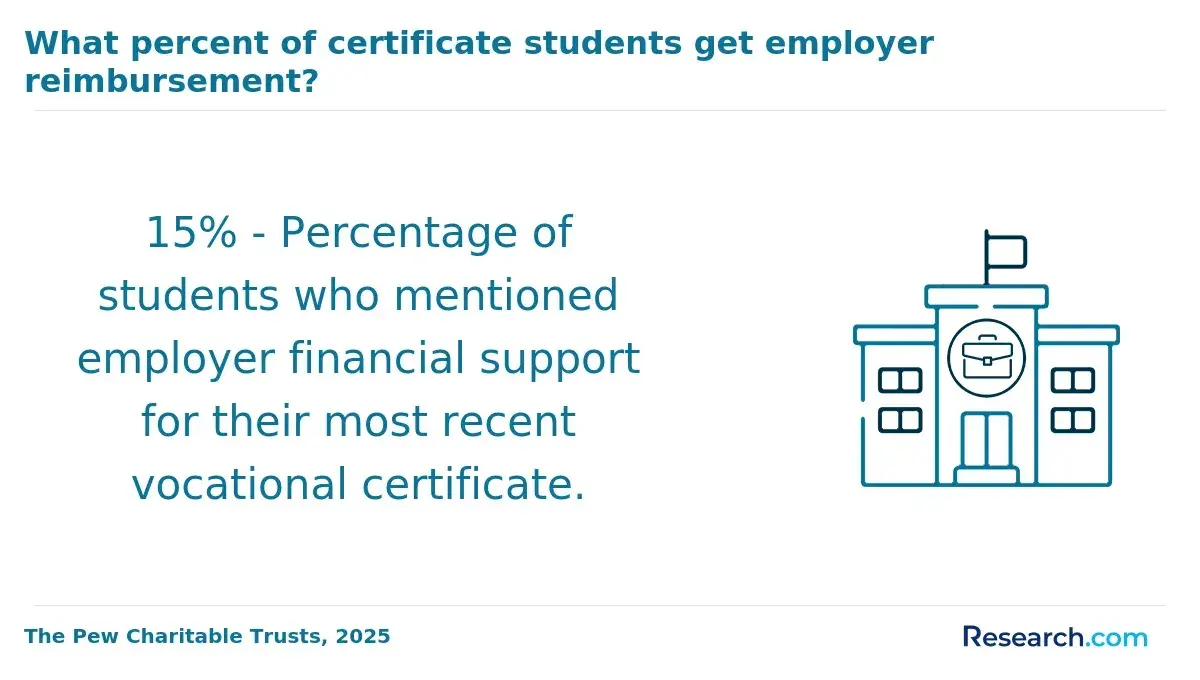
About 60% of employed undergraduate students receive some form of employer financial support, making workplace benefits especially important for adult learners. Affordability also depends on whether students can keep working while enrolled, avoid relocation, and apply transfer credits to reduce the number of courses they must pay for.
Common funding options
- Federal grants and loans: Pell Grants can reduce upfront costs for eligible students and do not require repayment. Federal student loans may also be available, but loans must be repaid after graduation or leaving school.
- Employer tuition assistance: Employers may reimburse tuition or pay part of the cost directly. Students should confirm grade requirements, annual limits, eligible majors, and whether they must remain employed for a set period.
- Scholarships for adult learners: Scholarships may be based on financial need, merit, field of study, transfer status, military status, or career goals.
- Military and veteran education benefits: Veterans, active service members, and eligible family members may use benefits such as the GI Bill to help cover tuition, fees, and other education-related costs.
- Institutional grants and payment plans: Schools may offer tuition discounts, installment plans, or grants for online, transfer, or adult students.
- Prior learning and transfer credit: While not aid in the traditional sense, accepted credits can reduce the total number of paid courses.
| Aid option | Best for | Important caution |
| Federal grants | Eligible students seeking funds that do not require repayment | Eligibility depends on federal rules and enrollment status |
| Federal loans | Students who need to finance remaining costs | Borrow only what is necessary because loans must be repaid |
| Employer assistance | Working adults whose employers support education | Reimbursement rules may require specific grades or continued employment |
| Scholarships | Students seeking to reduce tuition without borrowing | Deadlines and eligibility rules vary widely |
| Military benefits | Eligible service members, veterans, and dependents | Benefit use should be coordinated with the school’s certifying official |
Adult learners should contact both the financial aid office and an academic advisor before enrolling. The financial aid office can explain funding, while the advisor can show how transfer credits affect the cost and length of the degree. Students comparing affordability in another field can also review a master's in nutrition to see how flexible programs structure aid and tuition planning for working adults.
What Jobs Can You Get With a International Business Degree?
An international business degree can prepare graduates for roles in global operations, sales, marketing, logistics, finance, trade compliance, supply chain management, and business analysis. The exact jobs available depend on degree level, prior experience, language skills, technical skills, location, and industry. For working adults, the degree may support advancement within a current company or help with a shift into internationally focused roles.
Employment in business and financial occupations is projected to grow 8% from 2022 to 2032, underscoring steady demand for professionals with business training. An international business focus can be especially useful in organizations that work with overseas suppliers, cross-border customers, global teams, import/export requirements, or international market expansion.
Common career directions
- Operations and administrative roles: Operations coordinators, project assistants, and business support specialists use organization, communication, and process-management skills.
- Marketing and market research roles: Market research assistants, global marketing coordinators, and business development associates may support customer research, campaign planning, or international expansion projects.
- Trade and compliance roles: International trade compliance specialists and import/export coordinators help organizations follow trade rules, documentation requirements, and internal procedures.
- Supply chain and logistics roles: Logistics coordinators, procurement associates, and supply chain analysts work with vendors, shipping timelines, inventory, and cost control.
- Sales and account management roles: International sales representatives and account managers work with customers, distributors, or partners across markets.
- Management-track roles: With experience, graduates may move toward international sales manager, supply chain supervisor, operations manager, or global project lead positions.
Skills that can improve employability
- Data analysis and spreadsheet proficiency.
- Cross-cultural communication.
- Understanding of global markets and trade environments.
- Project management and teamwork.
- Business writing and presentation skills.
- Foreign language ability, when relevant to the target market or employer.
Students should review job postings before choosing electives. If postings in a target field emphasize analytics, supply chain software, compliance knowledge, or language skills, those requirements should guide course selection and professional development. For readers considering a healthcare career instead, guidance on how to become a nurse practitioner explains a separate path where additional credentials and clinical training are required.
What Should Working Adults Look for When Choosing a International Business Degree Program?
Working adults should choose an international business degree program by weighing accreditation, total cost, schedule flexibility, transfer credit, student support, and career fit. The best choice is not simply the cheapest or fastest program. It is the program that a student can afford, complete, and use toward realistic career goals.
Recent data from the National Center for Education Statistics shows that over 40% of online college students are adults managing employment alongside their studies. That makes adult-friendly design essential. A program may be academically strong but still be a poor fit if it requires frequent live attendance during work hours or offers limited advising outside standard office times.
Decision checklist for working adults
- Accreditation: Verify that the institution is accredited by a recognized accreditor. This supports credibility, transferability, and financial aid access.
- Total cost: Compare tuition, mandatory fees, books, materials, technology costs, and graduation fees. Ask for a complete estimate after transfer credits and expected aid.
- Transfer credit policy: Confirm how previous coursework, military training, professional certifications, or prior learning may apply to the degree.
- Schedule design: Look for asynchronous courses, part-time options, multiple start dates, and clear expectations for weekly workload.
- Curriculum relevance: Review whether courses cover international marketing, finance, trade, management, global strategy, supply chains, and cross-cultural communication.
- Student support: Adult learners benefit from responsive advising, online tutoring, technical support, library access, and career services.
- Career alignment: Compare the program’s coursework with real job postings in your target field. A degree should build skills employers actually request.
- Graduation requirements: Ask about capstones, internships, proctored exams, residencies, and minimum grades before enrolling.
| Choose this type of program if... | Best-fit feature | Reason |
| You work irregular hours | Asynchronous online courses | You can study outside fixed class times |
| You have prior college credit | Generous transfer evaluation | You may reduce cost and time to completion |
| You need the lowest net cost | Low tuition plus strong aid options | Net price matters more than advertised tuition |
| You want faster completion | Accelerated terms and multiple start dates | You can maintain steady progress year-round |
| You are changing careers | Career services and practical projects | You need evidence of skills, not only a credential |
Before applying, students should speak with admissions, financial aid, and academic advising—not only one office. Each can answer a different part of the decision: cost, eligibility, transfer credit, schedule, and completion plan.
What Do Students Say About Affordable International Business Degree Programs?
- : "Choosing a degree program as a working adult isn't easy, especially in International Business where schedules can be rigid. I made sure to find an affordable program with a strong accreditation that employers respect, which gave me confidence my investment was worthwhile. Additionally, prioritizing programs with flexible evening and weekend classes allowed me to balance work and study without burning out. —Shmuel"
- : "Reflecting on my journey, the most valuable insight was thoroughly vetting cheap International Business degree options to ensure they were legitimate and held in esteem by hiring managers. I also appreciated programs that accepted transfer credits, saving me time and money. Flexibility in course pacing was another crucial factor, as it let me tailor my studies around an unpredictable work schedule and long-term career aspirations. —Shlomo"
- : "My experience highlighted how essential it is to explore accredited International Business programs that don't break the bank but still offer quality education. Flexibility was a game-changer for me; choosing a program with asynchronous online courses meant I could keep working full-time. Finally, thinking ahead about how the program aligned with my career goals helped me stay motivated and on track despite life's demands. —Santiago"
Other Things You Should Know About International Business Degrees
Yes, many of the cheapest international business degree programs are designed specifically for working adults. These programs often feature flexible course schedules, including evening, weekend, or online classes, allowing students to balance their studies with job responsibilities. It is important to confirm the format and timing of classes before enrolling to ensure compatibility with your work schedule.
Many affordable international business degree programs include access to career support services such as job placement assistance, resume workshops, and networking opportunities. These services help students leverage their degree effectively in the job market. However, the scope and quality of career services can vary between institutions, so prospective students should inquire about these resources during their selection process.
Affordable international business degree programs often offer a range of specializations to cater to diverse career goals. Common options include global marketing, international finance, supply chain management, and cross-cultural management. Choosing a specialization aligned with your career interests can enhance your expertise and employability in specific sectors of international business.
References
- International Business Careers You Can Pursue with a Bachelor’s | Tiffin University https://www.tiffin.edu/news/international-business-careers-you-can-pursue-with-a-bachelors/
- Financial Aid by Country https://www.hec.edu/en/mba-executive-mba/mba/admissions/fees-funding/financial-aid-country
- Top 30 Most Affordable MBA in International Business Online Programs - Best Colleges Online https://www.bestcollegesonline.org/most-affordable/online-mba-international-business/
- Financial aid for international students https://www.mpowerfinancing.com/financial-empowerment/financial-aid-for-international-students
- Top 25 affordable business schools around the world https://www.wemakescholars.com/blog/top-10-affordable-business-schools-around-the-world
- 25 Best International Business School Programs for 2025 | UniversityHQ https://universityhq.org/business/international-business/campus-schools/
- 8 Best Places to Study Abroad for Business [+ How to Choose] https://www.semesteratsea.org/study-abroad-for-business/
- Top Online Schools That Accept Transfer Credits https://www.edvisorly.com/student-guides/online-schools-that-accept-transfer-credits