2027 International Business Degree Programs With Rolling Admissions

Co-Founder and Chief Data Scientist
Choosing an international business degree is often a timing decision as much as an academic one. If you are working, relocating, changing careers, or coordinating study plans with visa, employer, or family obligations, a single annual application deadline can delay your next move by months. Rolling admissions can reduce that friction by letting schools review applications as they arrive and admit qualified students until seats, start dates, or funding options are filled.
This flexibility is especially relevant for international business students because the field rewards timely skill-building in areas such as global markets, cross-cultural communication, trade, supply chains, finance, and digital commerce. According to the National Center for Education Statistics, over 40% of adult learners now enroll in programs offering nontraditional start dates, reflecting a broader shift toward education models built around working learners rather than only traditional academic calendars.
This guide explains how rolling admissions international business programs work, what applicants typically need, when to apply, how online formats compare, what costs to expect, and how to judge whether a flexible admissions model actually supports your career goals.
Key Benefits of International Business Degree Programs With Rolling Admissions
- Rolling admissions in international business programs offer staggered entry points, enabling students to align academic starts with volatile global market cycles, though this can complicate cohort cohesion and networking opportunities.
- Employers value graduates who demonstrate adaptability; rolling admissions may signal proactive decision-making and self-directed entry timing, which can enhance hiring prospects in dynamic international markets.
- Flexible application windows reduce financial strain by allowing students to defer enrollment without penalty, but may increase overall program duration, impacting time-to-degree and consequent opportunity costs.
How Do International Business Degree Programs With Rolling Admissions Work?
International business degree programs with rolling admissions review applications continuously instead of waiting for one fixed deadline. In practice, that means you may receive an admissions decision sooner, start in a later term without waiting a full academic year, or join a program when your work and personal schedule makes enrollment realistic.
Rolling admissions does not usually mean “open admission.” Programs still evaluate academic preparation, fit, prerequisites, English proficiency when relevant, and available seats. The difference is the review timeline: applicants are considered in the order or cycle in which materials are completed.
- Multiple application windows: Students can often apply at several points during the year. This helps working adults, transfer students, military learners, and international applicants who are coordinating employment changes, relocation, or visa-related timelines.
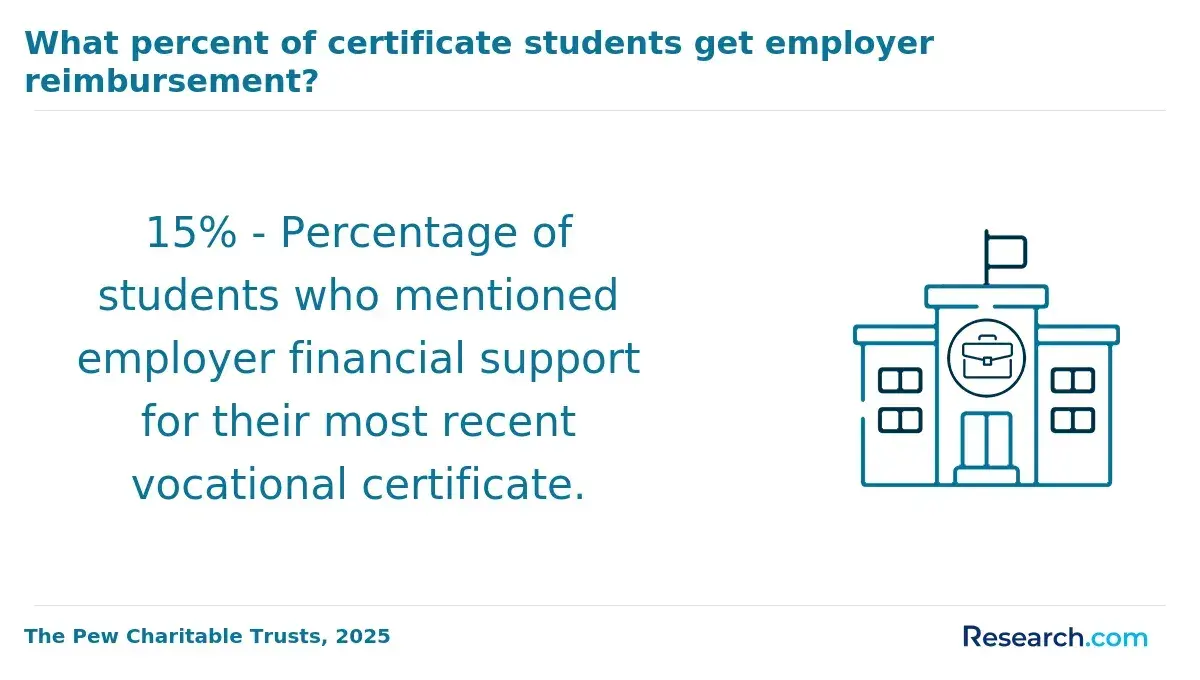
- Earlier decisions: Because applications are reviewed as they arrive, qualified applicants may avoid the long wait associated with single-deadline admissions. This can make planning for tuition, housing, employer reimbursement, or course registration easier.
- Seat availability still matters: A rolling process can become more competitive later in the cycle. Once a cohort, concentration, or start date fills, qualified applicants may be waitlisted or moved to a later term.
- Course sequencing requires planning: International business curricula often include courses that build on one another, such as economics, international finance, global marketing, trade policy, and business law. Students who enter mid-cycle should confirm how prerequisites and required courses are scheduled.
- Cohorts may be more varied: Rolling admissions can create classes with students entering from different professional backgrounds and start dates. That diversity can strengthen discussions, but it may also reduce the consistency of a single locked-step cohort experience.
The best way to use rolling admissions is to treat flexibility as a planning advantage, not as permission to apply casually. A complete, well-timed application is still stronger than a rushed one.
What Are the Admission Requirements for Rolling Admissions International Business Programs?
Admission requirements for rolling admissions international business programs are generally similar to those for programs with fixed deadlines. Schools still need evidence that you can handle college-level or graduate-level business coursework and that your goals match the program. Requirements vary by degree level, so undergraduate, transfer, master’s, and certificate applicants should read the program page carefully before submitting materials.
- Application form: The application collects your academic history, intended program, prior schools, work experience, and basic eligibility information. Accuracy matters because missing or inconsistent information can slow review.
- Official transcripts: Schools usually request transcripts from prior high schools, colleges, or universities. Relevant coursework may include economics, accounting, finance, statistics, management, foreign language, international relations, or business communication.
- GPA requirement: Some programs publish a minimum GPA, while others review applicants more holistically. A lower GPA may be balanced by strong recent coursework, professional experience, military experience, or a clear academic improvement trend, but this depends on the institution.
- Standardized test scores: Tests such as the SAT or ACT may be required, optional, or waived depending on the school and applicant type. Graduate programs may have different testing expectations, so applicants should verify current requirements directly with the department.
- Personal statement: A strong statement explains why international business fits your goals, what global or cross-cultural experience you bring, and how the program supports a specific career direction. Generic essays are a common missed opportunity.
- Letters of recommendation: Recommendations may be required or optional. The most useful letters come from instructors, supervisors, or professional contacts who can speak to your analytical ability, communication skills, leadership, reliability, and readiness for business study.
- English proficiency: Applicants whose prior education was not in English may need to provide proof of English proficiency. Because international business programs involve presentations, writing, negotiation, and group work, language readiness is not a minor requirement.
Before applying, confirm whether the program reviews applications only after all materials arrive. In many rolling admissions systems, an incomplete file is not “in line” for a decision, even if the application form was submitted early.
When Should You Apply for Rolling Admissions Programs?
You should apply as early as you can submit a complete, polished application. Rolling admissions rewards timing, but it does not reward weak preparation. Early applicants usually have access to more open seats, more course options, and better visibility into financial aid timelines. Later applicants may still be admitted, but they can face limited availability in popular start dates, concentrations, scholarships, housing, advising appointments, or internship pipelines.
The strongest strategy is to work backward from your preferred start date. Give yourself time to request transcripts, prepare the personal statement, secure recommendations, compare costs, and clarify transfer credits or prerequisites. International applicants should also account for visa processing and documentation requirements, which can make a late admission offer difficult to use.
- Apply early if: your materials are ready, you need financial aid consideration, you want a specific start date, or you are targeting a competitive online or campus-based cohort.
- Wait briefly if: another term of grades will strengthen your transcript, a recommendation will be significantly stronger with recent work, or your statement does not yet explain your goals clearly.
- Be cautious applying late if: you need scholarships, employer approval, visa time, internship placement, or specific course sequencing to stay on schedule.
One applicant recalled, “I hesitated because I wanted my recommendation letters to reflect more recent work experience, so I didn't apply right away despite the rolling timeline. By the time I submitted, several scholarships had already been awarded, and a few seats were filled, which made me anxious. Still, my improved application seemed to carry more weight, and I was admitted without delays. The tradeoff was nerve-wracking, but it underscored how rolling admissions really reward strategic timing coupled with thorough preparation.”
Are Rolling Admissions Common in Online Programs?
Yes. Rolling admissions are generally more common in online international business programs than in traditional on-campus programs because online programs are often built for working adults, transfer students, military learners, and students in different time zones. Surveys indicate roughly 60% of online business programs use at least partial rolling admissions versus less than 35% for exclusively on-campus options.
Online delivery also makes multiple start dates easier to manage. Instead of filling one fall cohort, schools may organize enrollment around shorter terms, modular courses, or several annual entry points. This can help students begin sooner and reduce the idle time between admission and the first class.
However, online rolling admissions are not automatically better. Some programs still use semester-based starts to preserve cohort cohesion, faculty planning, internship coordination, or accreditation-related academic structures. Students should ask whether online courses are mostly asynchronous, live, hybrid, or cohort-based because that format will affect networking, group work, and access to faculty.
- Best fit for rolling online formats: students who need schedule flexibility, are comfortable managing deadlines independently, and want to continue working while studying.
- Potential drawback: students may have fewer informal networking opportunities if classmates enter at different times or if courses are mostly self-paced.
- Key question to ask: “If I start in this term, will all required international business courses be available when I need them?”
Students comparing online models can also review how accreditation and program design vary across fields, including resources on CACREP accredited counseling programs, to understand how flexible delivery and professional standards can intersect.
Do Rolling Admissions Schools Have Higher Acceptance Rates?
Not necessarily. Rolling admissions is a review process, not a guarantee of easier admission. A selective international business program can use rolling admissions and still deny applicants who do not meet academic, professional, language, or program-fit expectations.
The misconception comes from timing. Early in a rolling cycle, more seats are typically available, so qualified applicants may have a practical advantage. Later in the cycle, the same program may become more competitive because fewer spaces remain. That does not mean standards changed; it means capacity changed.
- Acceptance rates depend on: program size, applicant volume, institutional goals, faculty capacity, and demand for the degree.
- Rolling admissions may help: applicants who are prepared early and submit complete materials before a cohort fills.
- Rolling admissions may hurt: applicants who wait until the final weeks, especially if they also need aid, course availability, or a specific concentration.
Applicants should focus less on whether rolling admissions is “easier” and more on whether their application is complete, timely, and aligned with the program’s expectations.
How Much Do Rolling Admissions International Business Programs Cost?
Rolling admissions usually does not change tuition. The main cost difference is timing: when you start can affect billing dates, payment plans, financial aid disbursement, course load, and how long you remain enrolled.
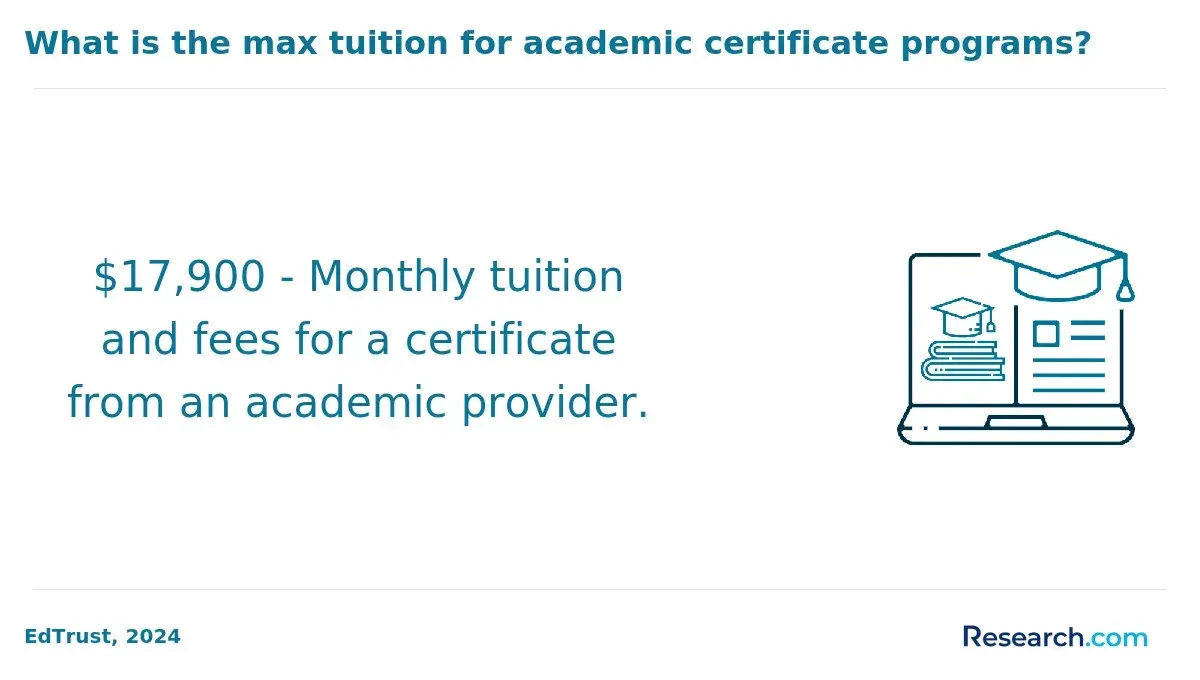
Tuition in rolling admissions international business degree programs typically follows a per-credit model, with rates ranging from about $300 to $700 per credit depending on whether the institution is public, private, or specialized. Additional institutional fees, such as technology charges, student services, and course materials, usually add several hundred dollars per term. Online or hybrid formats often charge technology fees between $100 and $400 per term.
Program design also affects the real cost. Accelerated tracks may require larger payments in a shorter period but can reduce time to completion. Cohort-based or competency-based models may use subscription-style pricing, such as a flat rate paid per month or term, which can benefit students who make steady progress. Part-time enrollment may be easier on monthly cash flow but can extend the total time before graduation.
- Ask about total program cost: Per-credit tuition alone does not show fees, books, residency requirements, software, travel, or exam costs.
- Confirm aid timing: A mid-year start may affect when grants, loans, scholarships, or employer reimbursement become available.
- Compare pacing options: The cheapest term-by-term path may not be the cheapest overall if it delays graduation or reduces course availability.
Students comparing costs across flexible business pathways may also want to review affordability guides for a business administration degree online, especially if they are deciding between a broad business credential and a more globally focused international business curriculum. For comparison with other flexible graduate models, an online doctorate organizational leadership program can also illustrate how pricing structures vary in online education.
Are Career Outcomes Different for Rolling Admissions Students?
Career outcomes are not usually different because of rolling admissions alone. Employers rarely care whether a student was admitted through rolling review or a fixed deadline. They care more about the degree’s credibility, the student’s skills, internships, work experience, communication ability, and fit for the role.
Rolling admissions can still influence career timing indirectly. A student who starts sooner may finish sooner and enter the labor market earlier. A student who starts late may need to wait for a required course sequence or miss a recruiting cycle. These effects are practical, not automatic, and they vary by program.
A 2020 report from the National Center for Education Statistics found that on-time graduation correlates strongly with student persistence and support systems rather than the timing of admission itself. For international business students, that means advising, tutoring, career services, internship access, and course planning may matter more than the admissions calendar.
One international business graduate recalls hesitating to submit his application during the rolling admissions window due to uncertainty about financial aid and course availability. He eventually applied late in the cycle, which delayed his start by one semester but allowed more time to secure funding and prepare professionally. Despite this, he found that his internship experiences and specialization in cross-cultural negotiation played a far greater role in landing his first role than the specific timing of his admission.
Can Rolling Admissions Programs Lead to High-Paying Careers?
Yes, graduates of international business programs with rolling admissions can pursue high-paying careers, but the admissions format is not what drives salary. Compensation depends more on specialization, experience, employer type, location, economic conditions, internships, language skills, technical ability, and the reputation and quality of the program.
Graduates with strong industry connections, relevant internships, and high-demand skills may see starting salaries ranging broadly from $60,000 to over $100,000, depending on their focus area and the economic context of their job market. Common higher-earning paths may involve global supply chain management, international finance, consulting, market strategy, business development, global operations, or roles tied to data and digital commerce.
Rolling admissions can help only in an indirect way: if it lets you begin earlier, complete the degree sooner, and take advantage of a timely job opportunity. It cannot compensate for a weak curriculum, limited career support, poor internship access, or lack of practical experience.
- Prioritize applied experience: internships, consulting projects, simulations, case competitions, and employer-sponsored projects can make the degree more marketable.
- Choose a focused skill area: international business is broad, so pairing it with analytics, finance, logistics, marketing, language study, or regional expertise can strengthen job prospects.
- Evaluate career services: ask whether the program supports international internships, alumni networking, resume development, interview preparation, and employer connections.
What Are the Disadvantages of Rolling Admissions Programs?
Rolling admissions can be convenient, but it also creates timing risks. Because applications are reviewed continuously, students may feel pressured to submit quickly before seats fill. That pressure can lead to weaker essays, rushed recommendations, incomplete financial planning, or poor program comparisons.
- Less certainty about availability: A program may still be accepting applications while preferred start dates, scholarships, concentrations, or course sections are already limited.
- Scholarship timing can be unfavorable: Rolling admissions deadlines do not always align with institutional aid deadlines, employer reimbursement cycles, or external scholarship calendars.
- Late starts can affect course sequencing: Some international business courses may be offered only in specific terms, which can delay graduation if you enter after a sequence has begun.
- Cohort connections may be weaker: Students entering at different times may need to work harder to build peer networks, study groups, and professional connections.
- Recruiting timelines may not align: Internship and employer recruiting cycles often follow predictable academic calendars. A nontraditional start can complicate internship planning if the school does not provide strong advising.
Data from the National Association for College Admission Counseling reveals that approximately 30% of applicants submit materials in the final two months of rolling admission cycles, coinciding with declining availability of spots and resources. That pattern shows why waiting too long can reduce options even when the application window is technically open.
Students comparing flexible admissions across career-oriented programs can see similar tradeoffs in resources on project management degree online accredited pathways, where convenience must also be weighed against accreditation, pacing, cost, and career support.
How Do You Choose the Best International Business Program With Rolling Admissions?
The best international business program with rolling admissions is not simply the one that lets you start fastest. It is the one that fits your goals, budget, schedule, academic preparation, and target career path while offering enough structure to help you finish.
- Verify accreditation and institutional credibility: Accreditation affects transfer credit, graduate school options, employer confidence, and financial aid eligibility. Do not rely only on marketing language.
- Review the curriculum: Look for coursework in global strategy, international marketing, finance, trade, supply chains, cross-cultural management, economics, analytics, and business communication.
- Check course sequencing: Ask whether your preferred start date allows you to take required courses in the right order without adding extra terms.
- Compare online, hybrid, and campus formats: Online and hybrid options can support working adults, but live interaction, group projects, and faculty access may be important for networking and skill development.
- Evaluate career support: Strong programs provide internship help, employer connections, alumni access, resume support, interview preparation, and guidance for international or remote roles.
- Understand costs before applying: Compare tuition, fees, books, technology costs, payment plans, transfer credit policies, and financial aid timing.
- Ask about outcomes carefully: Employment rates, internship participation, graduate school placement, and alumni roles are more useful than broad promises. Degrees with strong international business components often show employment rates exceeding those of more general business degrees within six months of graduation.
A practical choice process is to shortlist programs first by credibility and curriculum, then by cost and format, and only then by admissions flexibility. Rolling admissions should help you enter at the right time; it should not be the main reason you choose a weaker program.
For students comparing degree requirements across professions, resources such as do you need a masters to be a librarian can provide useful context on how academic credentials vary by career field.
What Graduates Say About International Business Degree Programs With Rolling Admissions
-
: "
Balancing a full-time job while enrolled in the international business program with rolling admissions was intense, but I chose it for the flexibility it offered me. I specifically needed to upskill quickly without quitting work, and this program provided that opportunity. While I didn't land a corporate management role immediately, the internship I secured through the school helped me gain practical experience in supply chain logistics, which later led to a stable position with room for growth. — Shmuel
"
-
: "
After a mid-career pivot with limited savings, enrolling in international business was a strategic move to open doors to global consulting. The rolling admissions allowed me to start right away, which was crucial given my financial constraints. However, I discovered that many employers value hands-on project work over just the degree, so I doubled down on building a portfolio through freelance projects. This investment paid off when I got hired at a boutique consultancy, though I remain cautious about advancement without additional certifications. — Shlomo
"
-
: "
Time management was my biggest challenge due to family commitments, so I opted for the rolling admissions international business program to maintain a flexible schedule. I made the conscious decision to focus on courses that highlighted digital marketing and e-commerce, anticipating market trends. This targeted approach helped me secure a remote internship, but I've noticed salary ceilings in more traditional roles; nonetheless, the program's practical skill focus gave me a solid foundation for gradual career transitions. — Santiago
"
Other Things You Should Know About International Business Degrees
When deciding between rolling admissions and traditional cycles, students should consider application flexibility, start dates, class sizes, networking opportunities, and curriculum pace. Rolling admissions programs often allow for greater start date flexibility, which can lead to diverse cohort experiences and varying levels of peer engagement.
Rolling admissions programs often offer increased flexibility in start dates, but this can lead to varied pacing structures, with possible compressed or irregular course sequences to accommodate staggered entry. Students may face challenges synchronizing with internship cycles or capstone projects critical for international business practical experience. Considering this, applicants should evaluate how adaptable their schedules are and whether the institution provides clear guidance on managing workload fluctuations inherent in rolling-start programs.
Rolling admissions provide a useful pathway for working professionals to enroll without waiting for fixed deadlines, but students must critically assess whether the program's internship options, international study tours, or global networking events align with their enrollment timing. Prioritizing programs that integrate real-world international business exposure at flexible intervals can maximize the return on work-study balance. Those unable to engage synchronously with key experiential components may find their career progression limited despite program flexibility.
Employer recognition generally hinges more on institution reputation and curriculum quality than admission timing; however, rolling admissions candidates may face scrutiny if their program's structure disperses student focus or internship timing irregularly. When aiming for competitive international business roles, candidates should highlight how their flexible start facilitated relevant skills acquisition or unique experiential opportunities. Clear communication of how the program's flexibility supported career continuity or specialization can offset potential employer reservations about nontraditional enrollment.
References
- Best Colleges with Rolling Entry https://www.themoodmeter.com/top-u-s-colleges-with-rolling-admissions-in-2025/
- Ultimate List of Colleges with Rolling Admissions in U.S. https://www.ivywise.com/blog/top-colleges-rolling-admissions-us/
- Opintopolku https://opintopolku.fi/konfo/en/hakukohde/1.2.246.562.20.00000000000000076813/valintaperuste
- Application and admission for BSc International Business Administration | Tilburg University https://www.tilburguniversity.edu/education/bachelors-programs/international-business-administration/application
- European Universities You Can Still Apply to for 2025 https://www.study.eu/article/european-universities-you-can-still-apply-to
- These Programs Are Still Open for 2025 Applicants | FIND MBA Online https://findmbaonline.com/articles/these-programs-are-still-open-for-2025-applicants
- Why do a Bachelor International Business ? - ESCE https://www.esce.fr/en/faq-all-the-answers-to-your-questions/why-do-a-bachelor-international-business/
- BBA-IB: Unfolding the Opportunities in International Business https://despu.edu.in/blog/bba-ib-unfolding-the-opportunities-in-international-business
- Online International Business Bachelor’s Degree https://www.linfield.edu/programs/online-international-business/index.html
- INSEAD Rolling Admissions: A Guide for Study Global Aspirants - MBA & Beyond https://www.mbaandbeyond.com/blog/insead-rolling-admissions-a-guide-for-study-abroad-aspirants