2027 Cheapest Health Services Degree Programs for Working Adults

Co-Founder and Chief Data Scientist
Juggling a full-time job while pursuing a degree in health services often demands careful planning and sacrifice. Many working adults face the challenge of balancing employment, family responsibilities, and the escalating costs of tuition. According to the Bureau of Labor Statistics, employment in health services occupations is projected to grow 16% through 2031, which increases demand for qualified professionals.
Fortunately, accredited programs offering asynchronous learning, transfer credit options, and competitive tuition rates make it possible to earn a degree without overwhelming financial strain. This article will examine the cheapest health services degree programs for working adults and the key considerations for evaluating affordability and flexibility.
Key Things to Know About the Cheapest Health Services Degree Programs for Working Adults
- Cheapest health services degree programs often feature low tuition, online or hybrid formats, generous transfer credit policies, and flexible schedules to accommodate working adults' varied commitments.
- Affordable programs may offer accelerated completion and employer recognition but require scrutiny of accreditation and potential tradeoffs in campus resources or networking opportunities.
- Prospective students should evaluate total costs, financial aid options, in-state eligibility, accreditation status, support services, and career outcomes to ensure a balanced investment and job market alignment.
What Are the Cheapest Accredited Health Services Degree Programs Online?
Accredited online health services degree programs offer working adults a flexible and cost-effective way to advance their education while managing work or family commitments. Key factors such as tuition structure, transfer credit policies, and program delivery format influence how affordable and accessible these programs are. With nearly 37% of undergraduates enrolled in distance education courses, the demand for flexible and affordable options continues to grow among adult learners.
Consider these important factors when comparing affordable accredited health services degree programs online:
- Accreditation Status: Accreditation ensures that a program meets quality standards and qualifies for federal financial aid. Choosing a program recognized by reputable accrediting agencies enhances the degree's acceptance by employers and graduate schools.
- Tuition and Fees: Programs with flat-rate tuition per term or discounted rates for online learners often reduce overall costs compared to per-credit pricing. Understanding fee structures helps working adults budget effectively.
- Transfer Credit Acceptance: Many self-paced bachelor's degree programs allow transfer of relevant college credits or professional certifications, which can shorten time to degree completion and lower tuition expenses.
- Scheduling Flexibility: Asynchronous course formats without mandatory live sessions provide greater flexibility for students balancing unpredictable work schedules and family responsibilities.
- Financial Aid Opportunities: Scholarships, grants, and employer tuition assistance can significantly offset costs. Investigating available aid options is essential to minimize student debt.
How Much Does an Online Health Services Degree Cost for Working Adults?
The cost of an online health services degree for working adults can differ widely depending on tuition structure, school type, transfer credit policies, residency status, and program format. Affordability and scheduling flexibility often drive enrollment decisions for nontraditional learners, balancing employment or family commitments.
Nearly 40% of undergraduate students enroll part-time, demonstrating the need for cost-effective and adaptable education options. Several key factors influence the overall cost of such programs, including:
- Tuition Models: Tuition may be charged per credit hour or as a flat-rate semester fee. Part-time learners often pay by credit, which affects total expenses based on course load, whereas full-time students may benefit from fixed-rate tuition, lowering per-credit costs.
- Transfer Credit Acceptance: Programs with generous transfer policies allow working adults to apply previous college credits, reducing the number of courses required and thus the total tuition paid. This is vital for accelerating degree completion and lowering expenses.
- Financial Aid Opportunities: Scholarships, grants, and employer tuition reimbursement programs can substantially offset costs. Many employers support employees pursuing degrees related to healthcare, making accredited programs more affordable.
- Technology and Fees: Beyond tuition, additional costs often include technology fees, course materials, and administrative charges, which vary by institution. Some schools bundle fees into tuition, while others list them separately, impacting out-of-pocket costs.
- Accelerated Program Formats: Flexible and accelerated online courses enable students to complete degrees faster, potentially reducing the overall tuition and fees by shortening the number of semesters required. Asynchronous formats also help balance work and study without relocation expenses.
Working adults seeking affordable options should explore average tuition rates for online health services degrees designed for adult learners to find programs aligning with their budget and schedule. For those interested in specialized pathways, reviewing healthcare administration courses online can provide insight into accelerated and flexible degree programs tailored to working students.
Are Cheap Health Services Degree Programs Legitimate and Respected by Employers?
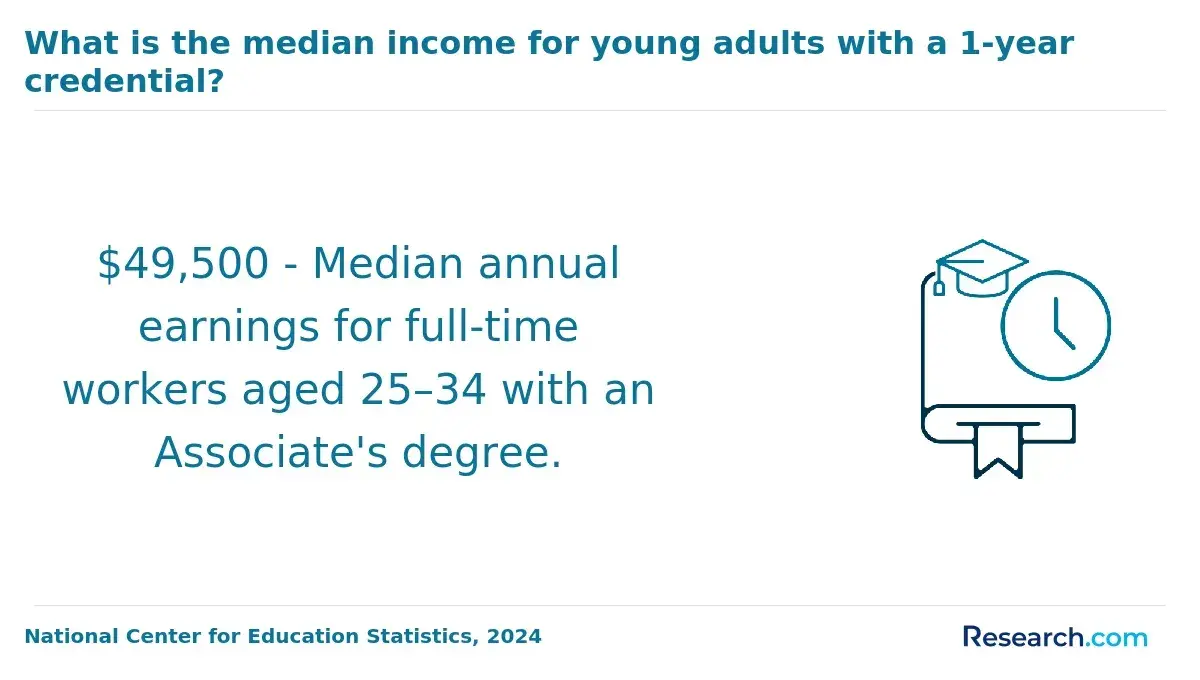
Choosing an affordable health services degree program does not automatically mean compromising quality or professional respect. Employer trust often hinges on factors such as accreditation, institutional reputation, curriculum integrity, and alignment with workforce needs-even for online or low-cost options. For working adults, considerations like flexible scheduling, credit transfer policies, and specific credential requirements shape how affordable programs fit their career paths.
Notably, a recent survey revealed that nearly 70% of employers value online degrees from accredited institutions as comparable to traditional credentials. Several elements determine whether affordable health services degree programs earn legitimacy and employer recognition:
- Accreditation Status: Accrediting bodies ensure programs meet national educational standards, providing external validation that institutions consistently maintain academic quality and institutional oversight, which reassures employers about degree credibility.
- Program Quality Standards: Curriculums designed around clear, measurable learning outcomes aligned with industry roles help graduates demonstrate relevant skills, preparing them effectively for real-world health services environments.
- Employer Acceptance of Online Learning: Increasing familiarity with accredited online degrees means many employers now accept these qualifications as legitimate, reflecting broader acceptance of flexible education options without sacrificing rigor.
- Faculty Expertise: Instructors with professional experience and credentials in health services enhance academic quality and enrich student learning, making graduates more attractive to hiring organizations.
- Credit Transfer Policies: Programs that accommodate prior coursework allow working adults to progress faster, balancing flexibility with maintaining standards by evaluating and accepting relevant transfer credits.
Reflecting on his experience, a health services degree graduate shared that managing coursework alongside full-time work was daunting but rewarding. He emphasized how the program taught him critical communication and problem-solving skills essential to patient care coordination.
"Balancing deadlines with job demands pushed me to develop time management and adaptability," he recalled. These soft skills, he said, often proved as valuable as technical knowledge when interacting with diverse healthcare teams and navigating complex workplace challenges.
What Are the Best Health Services Degree Programs for Working Adults?
Programs offering the best health services degrees for working adults typically combine affordability with flexibility, accreditation, and strong support systems. With online and hybrid formats increasing access, more adults can balance education alongside employment and family. According to the National Center for Education Statistics, about 75% of postsecondary students engage in some form of employment while enrolled.
These crucial factors help define valuable degree programs:
- Accreditation Standards: Accredited health services bachelor's programs validate quality and ensure credits transfer smoothly between institutions. This is essential for adults who might change schools or advance to graduate study.
- Scheduling Flexibility: Programs that offer asynchronous courses enable students to learn at their own pace, accommodating varied work schedules and family commitments without compromising educational rigor.
- Transfer Credit Policies: Acceptance of prior college credits or work experience helps accelerate degree completion, reducing both time and cost for employed students pursuing an affordable accredited health services bachelor's program.
- Financial Aid and Affordability: Competitive tuition along with scholarships or financial assistance designed for nontraditional learners make advanced study more accessible and help minimize debt burdens.
- Student Support Services: Access to advising, tutoring, and career resources tailored for adult learners enhances persistence and success, while employer recognition of online or hybrid degrees adds practical value to the credential.
For those interested in further advancement, exploring online PhD nursing programs can provide flexible and affordable pathways aligned with workforce demands.
Which Health Services Degree Programs Offer the Most Flexible Schedules?
Flexible scheduling is essential for working adults pursuing a health services degree, as it enables balancing education with job and family duties. Online and hybrid learning formats have broadened access to adaptable pathways, but availability and structure often vary by institution and program design. According to recent data, about 41% of undergraduates have engaged in online learning, highlighting the growing need for flexible options in higher education.
Key features that enhance scheduling flexibility in health services degree programs include:
- Asynchronous Coursework: Students can access lectures, assignments, and reading materials anytime, allowing them to fit study around work and family commitments without fixed class times.
- Part-Time Enrollment: This option lets learners spread their courses over extended periods, reducing weekly workload and helping maintain steady employment while progressing academically.
- Multiple Start Dates: Programs offering several annual entry points reduce wait times to begin or rejoin studies, accommodating changing schedules and personal circumstances.
- Hybrid Delivery: Combining online learning with occasional on-campus sessions provides face-to-face interaction while retaining the convenience of remote study.
- Accelerated Formats: Intensive courses completed over shorter periods allow motivated students to finish their degrees faster without prolonged interference with work or family roles.
A professional with a health services degree shared that balancing coursework with a full-time job initially felt overwhelming. They found programs with asynchronous classes and part-time options invaluable, as these allowed adjusting study hours around unpredictable work shifts and family needs.
"Having multiple start dates meant I didn't have to wait months to get back on track when life threw curveballs," they noted. This flexibility was crucial in maintaining momentum, reducing stress, and ultimately completing the degree while working and caring for loved ones.
What Are the Fastest and Cheapest Health Services Degree Programs?
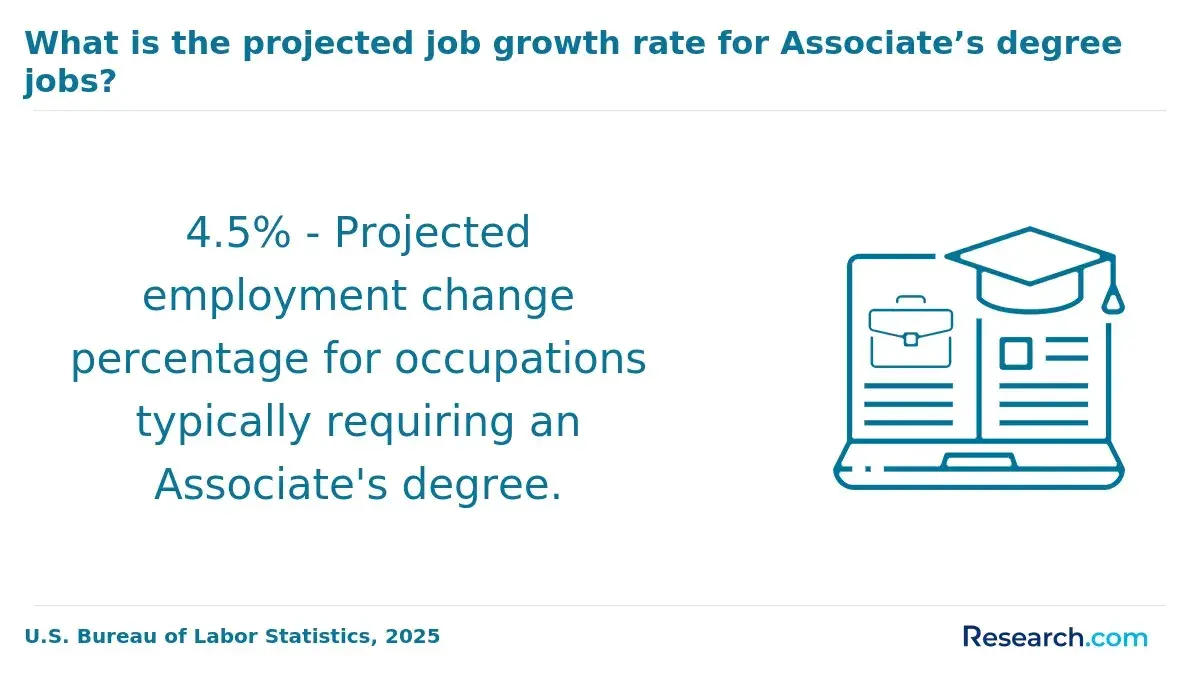
Many accredited health services degree programs cater to working adults by providing flexible scheduling, accelerated coursework, transfer credit options, and online learning formats that help reduce time and cost to graduation. Nearly half of adult learners use accelerated pathways or credit for prior learning to shorten their programs, highlighting the growing appeal of flexible, affordable education options.
Choosing a program often involves balancing speed, affordability, and academic quality to meet individual needs. The following features are commonly found in fast and cost-effective health services degree programs designed for nontraditional students:
- Accelerated Course Formats: Courses offered in shorter terms, often 5-8 weeks instead of traditional semesters, allow students to complete more classes annually. This compression can reduce the overall time and tuition required to finish a degree.
- Transfer Credit Acceptance: Programs frequently accept credits from other accredited institutions, helping students avoid repeating coursework and accelerate degree progress. This is particularly advantageous for those with prior college experience or relevant certifications.
- Asynchronous Scheduling: Many health services degrees use online, self-paced courses that enable learners to study at their convenience. This flexibility is ideal for balancing work, family, and education without sacrificing rigor.
- Prior Learning Assessments: Some schools award credit for professional experience, military service, or certifications through competency-based evaluations. This option can significantly reduce course load and associated tuition costs.
- Multiple Annual Start Dates: Offering several enrollment periods per year minimizes waiting times between sessions, allowing students to maintain steady progress toward degree completion on their own timeline.
Which Schools Accept the Most Transfer Credits for a Health Services Degree?
Transfer credit policies can significantly reduce the cost and time required for working adults to complete a health services degree by applying prior college coursework, military training, professional certifications, or other learning experiences toward degree requirements. Transfer flexibility varies by institution, influenced by accreditation standards and program frameworks.
Nationwide, nearly 60% of undergraduates transfer credits during their academic careers, reflecting the importance of such policies for adult learners. Several factors influence how many transfer credits a health services program may accept for working adults:
- Accreditation Compatibility: Institutions accredited by recognized agencies tend to accept credits from similarly accredited schools, ensuring transferred courses meet established quality standards. This alignment helps adults avoid retaking courses and reduces overall time and expenses.
- Transfer Equivalency Evaluations: Detailed course-by-course reviews assess whether prior coursework aligns with degree requirements. Accurate evaluations maximize credit acceptance, thereby lowering tuition costs and expediting degree completion.
- Residency Requirements: Many health services programs mandate completing a minimum number of credits on their campus or through their institution. Understanding these limits allows adult learners to plan their course of study and balance transfer credits effectively.
- Articulation Agreements: Formal partnerships between community colleges and universities provide clear transfer pathways, confirming credit recognition before enrollment. These agreements improve accessibility and scheduling flexibility for working adults.
- Prior Learning Assessments: Some schools award credit for workplace training, military experience, or professional certifications. This recognition of real-world experience helps reduce course loads and overall educational expenses.
By prioritizing these academic structures, working adults in health services fields can find programs that value their previous education and professional backgrounds, supporting affordable and timely degree completion.
What Financial Aid Options Are Available for Health Services Students?
Financial aid opportunities can substantially reduce the cost of earning a health services degree for working adults. These supports include federal grants, scholarships, employer tuition assistance, and institutional resources, though eligibility and availability vary by school, enrollment status, and accreditation. Affordability remains a key concern, with nearly 70% of undergraduate students using some form of financial aid to help manage educational expenses.
The following options highlight common avenues that can improve affordability for those seeking affordable financial aid programs for health services students:
- Federal Grants and Loans: Pell Grants and other federal aid target low-income students, lessening tuition burdens without immediate repayment. Loans designed for adult learners often feature flexible repayment plans to accommodate varying financial situations.
- Scholarships for Adult Learners: Many institutions and nonprofits offer scholarships specifically for nontraditional students balancing work and education, reducing out-of-pocket costs and recognizing professional achievements relevant to health services.
- Employer Tuition Assistance: Employer-sponsored programs may cover partial or full tuition, supporting staff development while enabling students to maintain steady income and work schedules during their studies.
- Military and Veteran Benefits: Programs such as the GI Bill help eligible veterans, active-duty members, and their families cover tuition and other education-related expenses, often reducing the need to rely on loans.
- Payment Plans and Prior Learning Assessments: Many schools offer payment plans that divide tuition into manageable installments to fit irregular income patterns. Additionally, prior learning assessments provide credit for relevant work experience, shortening degree completion time and lowering costs.
Working adults should also consider exploring tuition assistance options for working adult health services learners, including the CCMA to LPN bridge program, which can offer accelerated pathways with potential cost savings and flexible credit transfer opportunities.
What Jobs Can You Get With a Health Services Degree?
A health services degree prepares working adults for diverse entry-level, mid-level, or specialized career paths depending on their education, certifications, and long-term goals. Affordable, flexible degree programs support adult learners who need to balance work and family while advancing or shifting their careers. Employment in healthcare support occupations is projected to grow 15% through 2032, reflecting strong demand for skilled professionals.
Common career opportunities with a health services degree include the following:
- Support and Administrative Positions: These roles focus on assisting healthcare facilities through patient coordination, record-keeping, and office management. They provide foundational experience for those beginning their career in health services.
- Technical or Specialized Roles: Graduates often pursue jobs involving skills in medical coding, health information management, or billing, which are essential for the operational efficiency of healthcare organizations.
- Management-Track Opportunities: For those aiming for leadership, a health services degree can lead to supervisory or managerial roles that require understanding health systems and policies.
- Community-Based Work: Positions in health education, outreach, and advocacy help enhance public health outcomes and often involve collaboration with diverse populations.
- Industry-Specific Occupations: Some professionals enter specialized fields like insurance, regulatory compliance, or healthcare consulting, applying their knowledge to support organizational objectives.
Many affordable and flexible health services programs offer practical coursework that helps working adults gain transferable skills while accommodating credit transfers and evolving career goals in a competitive job market. Those interested in quick advancement may also explore options such as the 6-month RN to BSN program for accelerated pathways.
What Should Working Adults Look for When Choosing a Health Services Degree Program?
Working adults often assess health services degree programs by balancing cost, scheduling flexibility, accredited quality, and career relevance while managing work and family demands. The rise of online and hybrid courses has broadened access, with over 40% of adult learners enrolling in at least one online class according to a report from the National Center for Education Statistics. These factors influence accessibility and degree completion success.
Key considerations to evaluate include:
- Accreditation: Choosing accredited programs ensures recognized academic standards and boosts employer confidence in the degree, directly impacting educational value and job prospects.
- Scheduling Flexibility: Programs with asynchronous or evening courses help learners maintain work-life balance by allowing study at convenient times without sacrificing professional responsibilities.
- Transfer Credit Policies: Generous transfer options can shorten the time to degree completion, saving tuition costs and reducing overall program length by acknowledging prior college credits.
- Affordability and Financial Aid: Examining tuition rates alongside available scholarships, grants, or employer tuition assistance minimizes debt and improves access for working students.
- Student Support Services: Access to academic advising, career counseling, and technical support enhances persistence and successful graduation, especially in online learning formats.
What Do Students Say About Affordable Health Services Degree Programs?
- Jaime: "As a working adult balancing a part-time job and family responsibilities, I found that identifying affordable and accredited health services programs was crucial. I focused heavily on schools that accepted transfer credits to save time and money. Also, flexible scheduling options allowed me to attend classes without compromising my work hours, which made all the difference in staying committed to my education."
- Enzo: "Choosing a health services degree program felt overwhelming at first, but I made sure to verify the legitimacy of cheaper programs by researching their accreditation and employer reputation. Flexibility was another key factor since I had a full-time job; the programs offering evening and weekend classes worked best. Reflecting on my journey, prioritizing these elements helped me align my education with my long-term career aspirations."
- Rowan: "From my perspective as a nontraditional student, exploring health services programs meant looking beyond just the price tag. I carefully considered the balance between affordability and accreditation to ensure employers would respect my degree. Programs with flexible formats and generous transfer-credit policies gave me the freedom to integrate studying with my existing commitments, ultimately making my educational goals attainable."
Other Things You Should Know About Health Services Degrees
Yes, many affordable health services degree programs are designed specifically with working adults in mind. These programs often offer part-time enrollment, evening or weekend classes, and fully online options to accommodate demanding work schedules. This flexibility helps students maintain employment while progressing steadily toward degree completion.
Most accredited health services degrees, whether inexpensive or costly, require some form of practical experience, such as clinical rotations or internships. Affordable programs commonly partner with local healthcare providers to facilitate these experiences closer to the student's location. This ensures that working adults gain essential hands-on skills without incurring additional travel or housing expenses.
Transfer credits can significantly reduce both the time and expense needed to complete a health services degree. Many affordable programs accept a high number of transfer credits, especially for general education and prerequisite courses completed at accredited institutions. This recognition helps working adults avoid repeating coursework, accelerate graduation, and lower overall tuition costs.
References
- 50 Top Scholarships for Students of Medical & Health Programs https://www.edumed.org/financial-aid/scholarships/
- The Benefits of a Flexible Health Care Studies Schedule for Adult Learners https://www.healthcarestudies.co.uk/news.aspx
- Choosing a bachelor's in human services | edX https://www.edx.org/resources/how-to-choose-a-bachelors-in-human-services
- Budget-Friendly Public Health Bachelor’s Programs - CW https://www.cw.edu/blog/affordable-public-health-bachelor-degree-options-for-budget-conscious-students/
- 5 Factors to Consider when Choosing a Healthcare Management Degree - Healthcare Management Degree Guide https://www.healthcare-management-degree.net/list-articles/5-factors-to-consider-when-choosing-a-healthcare-management-degree/
- Balancing Flexibility and Rigor: The Online DHSc Program at MGH IHP https://www.mghihp.edu/news-and-more/opinions/health-sciences/balancing-flexibility-and-rigor-online-dhsc-program-mgh-ihp
- Scholarships and Financial Aid for Healthcare Students: How to Fund Your Education https://explorehealthcareers.org/resources/scholarship-financial-aid/
- A Quick Guide for Choosing the Right Healthcare Program https://medixcollege.ca/Home/NewsArticle/infographic-which-healthcare-program-should-you-choose/
- A Quick Guide to Transfer Credit for Nursing Students https://www.straighterline.com/blog/transfer-credit-for-nursing-students
- A Quick Guide to Transfer Credit for Nursing Students https://straighterline.com/blog/transfer-credit-for-nursing-students