2027 Health Services Clinical Hours Requirements: What Counts and How to Complete Them

Co-Founder and Chief Data Scientist
What counts as valid clinical hours in health services programs often causes confusion among prospective and current students preparing for field experience. Accredited programs frequently require between 500 and 1,000 supervised hours in settings like hospitals, community clinics, or rehabilitation centers to ensure practical training aligns with academic objectives. According to recent data, nearly 65% of health services graduates cite practicum training as crucial for employment readiness.
Understanding which activities qualify as clinical hours and how students can complete these supervised requirements efficiently is essential. This article clarifies clinical hours criteria and guides students through typical completion strategies in health services programs.
Key Things to Know About Health Services Clinical Hours Requirements
- Required clinical hours provide supervised hands-on experience, enabling students to apply classroom knowledge in real-world health services settings, enhancing practical skills and employability.
- Clinical placement depends on approved training environments; facilities must meet program standards, impacting where and how students fulfill their clinical hour requirements.
- Accurate documentation, ongoing supervision, and formal evaluations are essential for verifying clinical hours and ensuring students meet competency standards for successful program completion.
What Are the Clinical Hours Requirements for Health Services Programs?
Clinical hour requirements for health services programs in the United States generally range from 400 to 1,000 hours, depending on the discipline and degree level. Studies show that over 70% of students in health-related programs identify clinical education as crucial for their professional readiness. These hours are designed to provide hands-on training, allowing students to translate academic knowledge into practical skills through real-world experience. This immersive training ensures graduates are better prepared for patient care and complex healthcare environments.
Typically, health services programs integrate clinical hours as a mandatory component of their completion standards, requiring students to fulfill these hours before graduating. Meeting these requirements not only supports eligibility for licensure exams but also helps students develop applied competency essential for workplace performance. This structured practical experience fosters adaptability, critical thinking, and confidence within professional healthcare settings. For prospective students seeking programs with accessible entry criteria and practical training, exploring nursing programs with high acceptance rates can be advantageous.
What Counts as Clinical Hours in Health Services Programs?
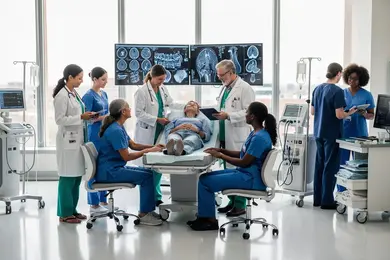
Clinical hours serve as a critical component in health services programs, providing students with essential hands-on experience that complements classroom learning. Research shows that 88% of students report enhanced clinical reasoning and patient management skills through experiential learning. These practical experiences focus on developing professional competencies necessary for healthcare careers. The following examples illustrate activities recognized as valid clinical hours in health services programs.
- Patient Interviews: Conducting patient interviews and collecting comprehensive medical histories help students practice communication and build rapport, which are indispensable for accurate diagnosis and treatment planning.
- Assisting Clinical Procedures: Supporting healthcare professionals during physical exams or minor clinical procedures allows students to observe technical skills and understand clinical workflows firsthand.
- Diagnostic Testing: Performing basic diagnostic tasks like measuring blood pressure or drawing blood introduces students to routine clinical assessments and laboratory processes critical to patient care.
- Health Education: Engaging patients in counseling and health promotion activities reinforces the importance of patient-centered care and empowers students to deliver evidence-based guidance.
- Documentation: Recording patient information and contributing to care plans sharpens students' attention to detail and familiarizes them with necessary healthcare documentation standards.
A Health Services degree graduate reflected on their clinical hour experiences, noting how "Balancing the responsibility of direct patient care with learning was both challenging and rewarding." They recalled the initial anxiety of performing procedures but emphasized that consistent supervision and feedback helped build confidence. The graduate shared that these hours were "where classroom concepts truly came alive" and stressed the importance of patience and adaptability when navigating diverse clinical environments. This firsthand perspective highlights the valuable role of varied clinical activities in preparing students for future healthcare roles.
Do Clinical Hour Requirements Vary by State?
State regulatory agencies and professional licensing boards play a significant role in shaping clinical hour mandates for health services programs. Research from 2021 indicates that required clinical hours may vary by up to 30% between states offering similar credentials. These discrepancies highlight important considerations for students planning their clinical training.
- Required Hours: States set differing minimum clinical hours needed to meet licensure or certification standards, with some requiring substantially more hands-on experience to ensure competence.
- Approved Experience Types: Jurisdictions often specify which clinical activities qualify toward hour requirements, affecting the range of acceptable practical experiences students can pursue.
- Verification Procedures: Documentation and submission processes for clinical hours vary, with some states imposing stricter reporting guidelines to validate completed experiences.
- Reciprocity Challenges: Clinicians moving between states may face hurdles if new state requirements exceed those of their original licensure, potentially complicating workforce mobility.
- Regulatory Updates: Ongoing changes in healthcare regulations lead some states to regularly revise clinical hour expectations, requiring students to stay informed about current mandates throughout their education.
Where Do Students Complete Health Services Clinical Hours?
Experiential learning is a vital part of professional healthcare education, with studies showing more than 60% of placements occur in direct patient care environments. These hands-on experiences enable students to transform academic knowledge into practical skills essential for healthcare careers. Below are some common settings where health services students fulfill their clinical hour requirements.
- Hospitals: Students gain exposure to acute medical conditions and diverse patient groups, developing critical thinking and clinical judgment. This fast-paced setting challenges learners to adapt quickly and make informed decisions under pressure.
- Outpatient Clinics: These community-based facilities focus on wellness, prevention, and managing chronic illnesses, offering opportunities to enhance patient communication and health education skills in less acute environments.
- Long-Term Care Facilities: Working with elderly or chronically ill populations in nursing homes or rehabilitation centers, students build skills in compassionate care and disease management over extended periods.
- Public Health Agencies: Students engage in community health initiatives such as disease prevention and health promotion programs, broadening their understanding of population health and program implementation.
Each placement setting immerses students in distinct aspects of health services, fostering professional growth by applying theory to real-world patient care and health management challenges.
How Are Clinical Placements Assigned in Health Services Programs?
Clinical placements provide essential supervised training that helps students meet their clinical hour requirements in health services programs. Nearly 85% of professional education programs use coordinated placement systems to balance student experience with site needs. The following outlines common approaches used to assign these placements.
- Centralized Coordination: Programs often use a central office to assign clinical sites based on availability, educational goals, and site capacity. This centralized method leverages software tools to streamline the health services clinical placement assignment process efficiently.
- Student Preferences: Many institutions ask students to rank their preferred clinical settings or specialties. Placement coordinators then incorporate these preferences while balancing logistical considerations, ensuring placements align with individual learning objectives.
- Partnership-Based Assignments: Some programs rely on formal agreements with specific healthcare facilities. These partnerships facilitate smoother placement processes within established networks and secure relevant clinical sites for students.
- Rotation Systems: Certain curricula use rotational scheduling, assigning students to diverse clinical environments sequentially. This structure ensures comprehensive exposure to multiple health services clinical site placements are chosen to meet varied training requirements.
- Lottery or Random Selection: When demand exceeds supply, some programs implement a lottery system to fairly distribute clinical spots among students, promoting equity in access to limited opportunities.
Prospective students interested in navigating these clinical placement systems can benefit from programs like masters in healthcare administration, which often include structured clinical experiences as part of degree requirements.
Can Health Services Clinical Hours Be Completed Online or Part-Time?
Health services clinical hours generally cannot be completed entirely online, though part-time options may be allowed under specific circumstances. Approximately 35% of health-related training programs now utilize hybrid formats that combine online coursework with required in-person clinical experiences. This limitation exists because hands-on patient interaction, real-time supervision, and practical skill development are essential for professional competency and cannot be fully replicated virtually. Understanding these requirements helps clarify why direct patient contact remains a crucial component of clinical hour completion.
Limited flexibility in how clinical hours are completed depends largely on program design and accreditation standards. Some programs allow students to complete theoretical modules online while mandating supervised clinical practice on-site to meet competency benchmarks. Part-time clinical schedules may be offered to accommodate students' personal obligations, but the total required hours and quality of supervision remain consistent across all formats. These policies ensure students receive adequate hands-on experience alongside academic preparation.
When asked about her experience, a professional with a Health Services degree reflected on the challenges of meeting clinical hour requirements. She recalled feeling the pressure to balance rigorous on-site hours with coursework but appreciated how hands-on training sharpened her skills in ways online learning could not. "It was tough managing everything, but being directly involved with patients and receiving immediate feedback made a huge difference," she shared. Her journey reinforced the value of in-person clinical experiences while acknowledging the usefulness of flexible scheduling when available.
What Supervision Is Required During Health Services Clinical Hours?
Supervision during health services clinical hours is typically provided by licensed professionals such as certified clinicians, experienced practitioners, or academic faculty affiliated with the program. This supervision is essential to ensure that students gain hands-on experience while maintaining safety and upholding quality care standards. The presence of qualified supervisors ensures that students perform clinical tasks competently and ethically, with guidance readily available for complex or unfamiliar situations. Research indicates that approximately 70% of successful professional training outcomes depend on quality supervised experiential learning, underscoring the importance of direct oversight during clinical practice.
Beyond safety, supervision plays a crucial role in enhancing student skill development and professional readiness. Supervisors offer constructive feedback and tailor instruction to individual learning needs, helping students refine clinical decision-making, communication, and ethical conduct. This evaluation process supports continuous improvement and accountability, preparing students for independent practice in real-world settings. Overall, consistent supervision fosters confidence, integrates theoretical knowledge with practical application, and builds essential competencies needed for a successful career in health services.
How Are Health Services Clinical Hours Tracked?
Tracking clinical hours is essential for documenting student progress and verifying the completion of required experiential learning in health services degree programs. Accurate records ensure students meet program standards and qualify for certification or licensure. A recent professional education survey found that over 85% of programs utilize digital or standardized systems to maintain reliable clinical hour documentation. Below are some common methods used to track these hours effectively.
- Digital Logging Systems: These platforms enable students to record their hours electronically, often including features like timestamp verification and detailed activity descriptions. This approach minimizes errors and simplifies the review process for faculty and compliance staff.
- Supervisor Verification Forms: Completed by clinical supervisors, these forms confirm students have fulfilled required hours and tasks. Supervisor signatures or digital approvals add a layer of accountability and authenticity to hour tracking.
- Attendance Documentation: Many programs require attendance sheets or site check-ins, enabling administrators to cross-verify student presence during scheduled clinical times. This helps ensure reported hours reflect actual participation.
- Progress Reports: Periodic submissions by students or supervisors track not only the number of hours but the quality and diversity of clinical experiences. These reports offer insight into competency development and adherence to curriculum goals.
- Integrated Tracking Platforms: These systems link clinical hours data directly with student records, facilitating real-time monitoring and the generation of official transcripts or completion certificates. Such tools streamline the entire documentation process.
Prospective students looking to optimize their clinical hour tracking should explore resources related to their degree path, such as the online PhD in nursing, which emphasizes best practices for documenting health services clinical hours. Proper tracking supports smooth credentialing and successful program completion.
What Challenges Do Students Face During Clinical Training?
Clinical training in health services education is often demanding, with approximately 70% of students reporting significant stress during their clinical rotations. These challenges arise as students strive to meet clinical hours requirements while coping with academic and emotional pressures. Below are some common obstacles in completing health services clinical hours.
- Balancing Responsibilities: Students must juggle coursework alongside onsite clinical hours, making time management essential. This balancing act can lead to fatigue and affect both academic performance and clinical learning experiences.
- Adjusting to Professional Settings: Rapidly developing communication skills and following clinical protocols under supervision require adaptability. Students often face difficulty integrating theoretical knowledge into practical, real-world applications.
- Managing Complex Schedules: Early mornings, late evenings, and weekend shifts are common, complicating personal planning. Such unpredictable hours can impact students' ability to maintain consistent study routines and self-care.
- Emotional Stress: Exposure to patient suffering and critical medical scenarios can take an emotional toll. Handling ethical dilemmas and high-stakes situations may affect students' mental well-being during training.
- Hands-On Learning Pressure: Translating classroom theory into practical skills in pressured environments demands resilience. Students must continuously adapt to experiential learning demands, which can be challenging.
These clinical training challenges emphasize the need for realistic expectations when pursuing health services education. For those interested in advanced pathways, exploring doctorate in healthcare administration programs can provide further professional development opportunities within the field.
What Strategies Help Students Succeed in Clinical Environments?
Success in clinical training relies heavily on preparation and adaptability, as these qualities enable students to handle dynamic patient care settings competently. Research indicates that students engaging actively in experiential learning environments score approximately 25% higher on performance evaluations compared to those focusing solely on theoretical knowledge. Such readiness is fundamental in meeting Health Services clinical hours requirements, where practical skills are essential. The following strategies support thriving in these settings.
- Effective Communication: Clear and compassionate communication fosters strong relationships with patients and healthcare teams, reducing misunderstandings and errors. Mastering this skill promotes confidence and smooth information flow in fast-paced clinical environments.
- Time Management: Prioritizing tasks efficiently helps students balance patient responsibilities with learning goals, enabling them to fulfill clinical hour requirements without undue stress. Managing time well enhances productivity and professional reliability.
- Professionalism: Demonstrating ethics, responsibility, and respectful conduct builds trust among colleagues and patients alike. It cultivates a positive reputation that supports long-term career advancement within health services clinical environments.
- Active Learning: Engaging in continuous reflection, seeking feedback, and asking insightful questions deepen understanding beyond textbook knowledge. This approach fosters skill development critical for succeeding in health services clinical training.
For those comparing pathways to advance their nursing education, reviewing Capella RN to BSN vs Chamberlain RN to BSN can offer useful insights on program options aligned with clinical hour requirements.
What Graduates Say About Health Services Clinical Hours Requirements
- Jaime: "Completing the clinical hour requirements in health services was both challenging and rewarding. While the cost of fulfilling these hours was higher than I anticipated, the hands-on experience I gained was invaluable. It truly shaped my confidence and skills as I transitioned into my professional career."
- Enzo: "Reflecting on my journey, the clinical hours required by health services taught me the importance of real-world application beyond textbooks. Managing the expenses related to these hours was tough, but it reminded me to budget wisely throughout my education. Ultimately, these clinical experiences opened doors to opportunities I wouldn't have otherwise encountered."
- Rowan: "From a professional standpoint, the clinical hours in health services were critical in developing my practical expertise. I was aware of the financial investment needed and planned carefully to meet these requirements without strain. The immersive nature of the clinical hours has greatly impacted my ability to deliver quality care in my current role."
Other Things You Should Know About Health Services Degrees
In 2027, documentation for health services clinical hours must include detailed records of the number of hours completed, the type of work performed, and supervision details. Proper signatures and dates from clinical supervisors are required to ensure the hours are verified and recognized by accrediting bodies.
Generally, health services programs allow students to accumulate clinical hours across various approved healthcare environments, such as hospitals, clinics, and community health centers. However, programs often specify a minimum number of hours in certain core settings to ensure comprehensive training. Students should verify these requirements with their academic advisor.
Yes, students must typically complete all clinical hours before graduating or within a specified timeframe set by the institution. Failing to meet the deadline can delay graduation or require repeating portions of clinical training. Timely completion ensures adequate preparation for professional licensure or certification exams.
Failing to complete the required clinical hours can result in academic probation or dismissal from the health services program. Additionally, incomplete clinical hours may prevent students from sitting for national certification exams or obtaining professional licensure. It is essential to meet these requirements to progress in the health services career pathway.
References
- Challenges Experienced by Novice Undergraduate Nursing Students in Their Clinical Learning Environment: A Qualitative Study https://www.cureus.com/articles/411718-challenges-experienced-by-novice-undergraduate-nursing-students-in-their-clinical-learning-environment-a-qualitative-study
- APNA's Career Pathways Program shines a light on primary health care, including aged care, for student nurses and helps to future-proof the primary health care nursing workforce. APNA works with universities and tertiary institutions to provide high-quality nursing placements for undergraduate and postgraduate students in dynamic primary health care settings. https://www.apna.asn.au/profession/career-pathways
- Minimum Clinical Training Requirements https://www.emoryhenry.edu/live/profiles/3000-minimum-clinical-training-requirements
- How to Get Clinical Hours as a Premed Student (Without Shadowing) https://www.clinicalskillsinstitute.com/post/how-premed-students-can-get-clinical-hours-fast-even-without-prior-experience
- Time Tracking for Medical Practices: What You Need to Know https://timebutler.com/blog/time-tracking-medical-practices/
- 10 Tips for Success in Clinical https://www.chamberlain.edu/blog/10-tips-for-success-in-clinical
- How Much Clinical Experience Do I Need for Med School Apps? https://medicalschoolhq.net/opm-121-how-much-clinical-experience-do-i-need-for-med-school-apps/
- What Counts as Clinical Experience for Med School: Shadowing, Volunteering, and Global Health Opportunities - MEDLIFE https://www.medlifemovement.org/medlife-stories/service-learning-trips/what-counts-as-clinical-experience-for-med-school-shadowing-volunteering-and-global-health-opportunities/
- Program Is No Longer Available - Futuro Health https://futurohealth.org/program-is-no-longer-available/
- How many practice hours are required to become a registered nurse? - British Journal of Nursing https://www.britishjournalofnursing.com/content/comment/how-many-practice-hours-are-required-to-become-a-registered-nurse