2027 Best Value Online Health Services Degree Programs: Affordable Accredited Options with the Strongest ROI

Co-Founder and Chief Data Scientist
Rising tuition costs and busy schedules challenge many working adults, parents, and career changers seeking online health services degree programs that balance affordability with quality. Accreditation is crucial as employers increasingly require recognized credentials for advancement. Transfer credit policies and hidden fees can significantly affect total cost, while flexible formats help learners manage education alongside work and family commitments.
Approximately 80% of health services graduates report improved salary outcomes within two years, highlighting the value of ROI-driven decisions. This article guides readers through comparing affordable, accredited online health services programs-focusing on cost, flexibility, accreditation, career outcomes, and long-term financial stability.
Key Things to Know About the Best Value Online Health Services Degree Programs
- The best-value online health services programs combine competitive tuition, financial aid, transfer credit options, and flexible formats to minimize total education costs for diverse learners.
- Evaluating accreditation, graduation rates, student support, pacing, and career outcomes ensures a program's educational quality and long-term ROI for graduates.
- Students must assess hidden fees, residency rules, credit transfer policies, salary prospects, and employer recognition to secure career advancement and financial stability.
What Are the Best Value Online Health Services Degree Programs?
Students increasingly seek online health services degree programs that balance affordability, regional accreditation, flexibility, and strong career outcomes. With average student debt exceeding $30,000, budget-conscious learners prioritize programs offering solid long-term ROI and pathways to in-demand roles in healthcare administration.
Demand for graduates with accredited health services degrees continues to grow as employers emphasize proven skills and credentials. Below are key program categories delivering the best value for working professionals and adult learners.
- Public State University Programs: These degrees often provide the lowest tuition for in-state students while ensuring recognized regional accreditation. Many public universities have expanded online options-allowing fully remote completion and favorable transfer policies that reduce time and cost to degree.
- Community College to Bachelor's Completion: Designed for transfer students, these pathways combine affordable associate degrees with smooth articulation agreements to four-year accredited institutions. This model is ideal for students focused on affordable, accredited online health services degrees for working professionals seeking cost-effective degree completion.
- Competency-Based and Self-Paced Programs: Offered mainly by public universities, these flexible formats enable students to progress based on demonstrated skills rather than fixed semesters. This approach reduces seat time and accelerates earning potential for experienced adults balancing work and study.
- Workforce-Aligned Accredited Programs: Curricula designed around health services sector demands help graduates enter growing fields with credentials that match employer needs. Schools emphasizing tuition-to-earnings outcomes deliver programs with measurable ROI backed by robust accreditation standards.
- Transfer Accessibility and Regional Accreditation: Strong value programs emphasize transparent transfer policies alongside regional accreditation, maximizing credit use and cost-efficiency to lower students' overall expenses and improve graduation rates.
For those evaluating costs, related certifications like medical billing certification costs also impact affordability considerations when planning career pathways in health services.
How Do You Choose an Affordable Accredited Online Health Services Degree?
Selecting an affordable accredited online health services degree is crucial for budget-conscious students and working professionals aiming to balance cost, accreditation, and long-term value. According to recent data, students who choose regionally accredited online programs tend to face lower average student debt while benefiting from broader employer recognition.
Navigating these factors helps learners maximize return on investment without sacrificing quality or flexibility.
- Accreditation Quality: Regional or national accreditation signals that a program meets rigorous academic standards and facilitates credit transfer and federal aid eligibility. Students should prioritize accredited institutions to ensure the degree holds value in the job market and supports graduate study options.
- Tuition Transparency: Clear, upfront tuition pricing with detailed fees helps prospective students estimate overall costs accurately. Institutions that publish cost calculators and graduation rates enable learners to compare true expenses and assess program efficiency.
- Flexible Online Learning: Programs offering fully online formats with competency-based or accelerated options accommodate working adults' schedules. Flexibility in pacing often reduces time to degree completion-key for adult learners balancing family and career while pursuing the best online health services degree programs for working adults.
- Transfer Credit Policies: Generous, well-documented transfer policies maximize credit recognition for prior coursework or associate degrees, saving time and money. Many state higher education boards provide articulation agreements that simplify these transitions.
- Student Support Services: Robust advising, accessible faculty, and strong online platforms improve retention and graduation outcomes. Schools committed to serving nontraditional learners typically offer personalized support enhancing educational success and workforce alignment.
For those researching affordable online options, exploring online nursing programs for working adults can provide insights into effective models combining affordability, quality, and career relevance.
Which Online Health Services Degree Programs Offer the Highest ROI?
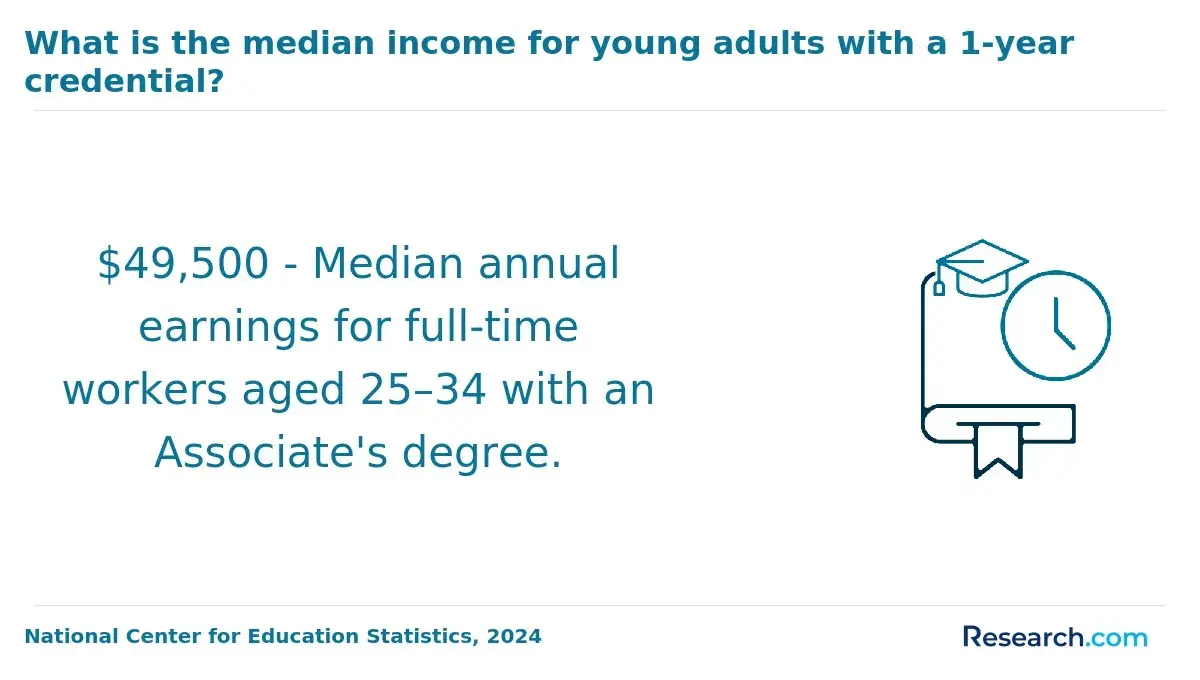
Return on investment has become a top priority for students choosing online health services degree programs, especially as average student debt surpasses $30,000 and employer demand for healthcare roles intensifies. Programs that effectively balance cost with earning potential help learners avoid excessive debt while positioning them for career growth.
Below are key elements influencing strong ROI in these programs.
- Completion Success: High graduation rates reduce time and expenses by helping students finish promptly. Programs designed for working adults often provide support systems that encourage persistence and timely degree attainment.
- Workforce-Relevant Curriculum: Degrees tied to in-demand health services fields-like health policy, administration, or informatics-tend to lead to higher salaries and job mobility. Collaborations with employers further boost employment opportunities after graduation.
- Transparent and Affordable Tuition: Clear disclosure of total costs including fees and materials allows students to assess affordability upfront. Options accepting transfer credits and offering regional accreditation give working adults flexibility and minimize financial strain.
- Flexible Learning Models: Online programs that offer adaptable scheduling and credit for prior learning help reduce time to degree, enabling learners to balance work, study, and personal commitments more effectively.
A professional who earned his health services degree online shared that managing full-time work alongside classes was challenging but rewarding. "Choosing a program that accepted my prior credits and offered evening courses was crucial," he explained.
"I felt supported through advising and could apply what I learned immediately at work, which made the expense worthwhile. It wasn't easy, but the payoff in career advancement and salary increase confirmed I made the right decision."
What Is the Average Cost of an Online Health Services Degree Program?
Comparing affordable accredited online health services degree programs requires careful consideration of total expenses beyond just sticker tuition. With rising education costs, public universities generally charge between $6,000 and $15,000 for a full undergraduate degree for in-state students, while private colleges typically exceed $15,000.
Recognizing key pricing elements can help budget-conscious students and working professionals plan effectively. The major cost factors influencing online degree affordability include:
- Residency Pricing: In-state tuition rates at public institutions provide substantial savings, often less than half the cost charged to out-of-state learners-making residency status a crucial factor in overall affordability.
- Flat-Rate Tuition: Some programs use flat or semester-based tuition fees, enabling students to manage costs predictably. This model benefits those taking heavier course loads to expedite completion without sudden price increases.
- Transfer Credit Policies: Generous acceptance of previous college credits or professional learning assessments can significantly cut down the total time and tuition needed for graduation, improving return on investment.
- Online Technology Fees: Additional mandatory fees to support digital classrooms and resources may add hundreds annually, which budget-conscious students should factor into total cost calculations.
- Accelerated Pathways: Programs designed for swift degree completion allow career changers and adult learners to reduce overall tuition by finishing faster, though these may require heavier course loads per term, impacting short-term affordability.
Those evaluating programs for long-term value might explore options like a fast-track medical LPN pathway, which combines accelerated pacing with cost efficiency to meet professional goals without excessive debt.
Are Affordable Online Health Services Degrees Respected by Employers?
Employer perception plays a crucial role for students evaluating affordable online health services degree programs, especially as online education has grown by over 200% in the past decade. Despite some misconceptions, employers increasingly value degrees that demonstrate rigorous academic standards and relevant professional skills.
Key factors contribute to whether such programs gain respect in healthcare hiring.
- Regional Accreditation: Degrees from regionally accredited institutions typically offer the strongest assurance of quality, as these agencies evaluate academic rigor carefully, making graduates more competitive in the job market.
- Nonprofit Status: Programs offered by nonprofit schools often reassure employers by focusing on educational mission over profit, which tends to translate into better resource allocation and program quality.
- Employer Partnerships: Collaboration with healthcare organizations fosters curricula aligned with industry needs, as well as internship opportunities-both of which signal to employers that graduates are work-ready.
- Transparency and Outcomes: Institutions sharing clear data on graduation rates and job placement build credibility, helping prospective employers gauge the true effectiveness of online programs.
- Transfer-Friendly Policies: Schools that accept prior credits enhance flexibility for working adults and reflect an understanding of career pathways, which employers view positively.
One professional who built her career after completing an affordable online health services degree recalled the challenges of balancing studies with full-time work. She emphasized how the program's flexible structure and reputable accreditation helped her confidently present her credentials to employers.
Reflecting on initial doubts, she noted, "Navigating skepticism about online education was tough, but my employer's recognition of the program's quality ultimately made all the difference." Her experience highlights that respect largely stems from a program's verifiable standards and real-world relevance rather than cost alone.
What Accreditation Should You Look for in an Online Health Services Program?
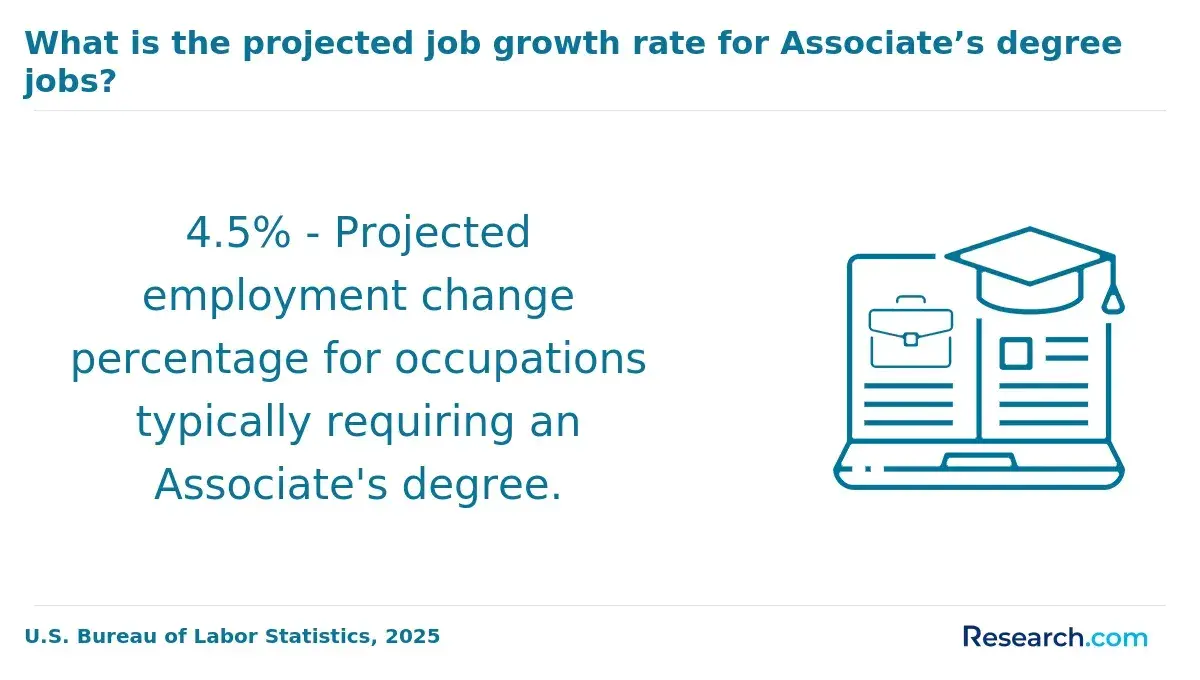
Accreditation serves as a crucial benchmark for assessing the legitimacy and value of online health services degree programs. Over 90% of employers prefer candidates with degrees from properly accredited institutions, reflecting the importance of recognized oversight and academic standards.
Below are key accreditation elements students should consider when choosing an affordable program.
- Regional Accreditation: Recognized by U.S. Department of Education bodies, this accreditation ensures that the institution adheres to strict academic quality and faculty qualifications. Degrees from these schools typically gain broader acceptance for credit transfers and employer recognition.
- Programmatic Accreditation: Specialized approval from organizations like the Commission on Accreditation of Healthcare Management Education (CAHME) confirms that specific health services curricula meet industry standards, enhancing graduate employability.
- Nonprofit Institutional Status: Schools operating under nonprofit governance often reinvest revenues into educational resources and student support, resulting in improved program quality and cost-effectiveness for learners.
- Federal Aid Eligibility: Accredited programs approved for federal loans and grants increase affordability options, supporting access for budget-conscious students without compromising academic standards.
- Transparency and Transfer Policies: Programs that openly share data on graduation rates, employment outcomes, and credit-transfer rules empower students to make informed decisions and maximize their educational investment.
Which Online Health Services Programs Are Best for Working Adults?
As flexible and affordable education gains importance for working adults, online health services degree programs are growing rapidly. Enrollment in online programs among adult learners has increased by over 30% in recent years according to national data. This trend reflects workforce upskilling demands and the need to balance education with full-time employment and family responsibilities.
The following key program types best support adult students seeking effective and accessible pathways.
- Asynchronous Learning: These programs allow students to complete coursework on their own schedules without fixed class times, offering maximum flexibility to manage work, family, or military duties while progressing steadily toward degree completion.
- Competency-Based Education: By awarding credit based on demonstrated skills rather than seat time, competency-based programs provide accelerated degree completion for those with relevant prior experience, reducing time and tuition costs.
- Transfer-Credit Friendly: Institutions that accept previous coursework credits minimize redundant classes-helping lower expenses and workload-and accelerate progress for adult learners returning to school.
- Employer-Aligned Programs: These degree paths align curricula to industry needs and often facilitate tuition reimbursement or career advancement opportunities, directly supporting working professionals.
- Flexible Scheduling and Part-Time Formats: Offering adaptable course loads and accelerated term structures, these programs let students balance academic progress with fluctuating job demands and personal priorities.
What Financial Aid Options Are Available for Online Health Services Students?
Financial aid and tuition-reduction strategies play a vital role for students comparing value-focused online health services degree programs-especially as nearly 60% of students take on loans to fund their education. With rising interest in flexible, affordable options, understanding key funding sources helps budget-conscious learners and working professionals minimize debt while maximizing return on investment.
Below are some prominent financial aid pathways and cost-saving opportunities available.
- Federal Aid Eligibility: Many accredited online health services programs participate in Title IV federal aid, making students eligible for Pell Grants and Direct Student Loans. These grants and loans offer need-based support that can reduce out-of-pocket costs significantly while requiring careful debt management.
- Employer Tuition Reimbursement: Working adults often benefit from employer tuition assistance programs that reimburse part or all of tuition expenses. This option not only alleviates financial burdens but also encourages career advancement without interrupting employment.
- Institutional Scholarships: Accredited online programs frequently award merit-based or need-based scholarships specifically for health services students. These scholarships vary by institution but remain essential for securing scholarships and grants for online health services students seeking cost-effective degree paths.
- Transfer-Credit Optimization: Transferring eligible credits from prior college courses or certifications shortens program duration and reduces tuition expenses. Schools with generous transfer policies help students complete degrees faster and more affordably.
- Military Education Benefits: Military learners and veterans can leverage GI Bill benefits and Tuition Assistance programs tailored to support enrollment in accredited health services online degrees. These benefits often provide substantial funding and flexible options for service members balancing education with service.
Prospective students seeking the best value should also consider factors like accreditation status and institutional policies affecting aid eligibility. For additional guidance on affordable programs designed to deliver a strong long-term return, explore the best dietetics master's programs, which offer competitive financial aid packages alongside flexible learning formats.
What Careers Can You Pursue With an Online Health Services Degree?
Students increasingly pursue online health services degrees to access flexible career pathways with competitive salaries and strong long-term advancement opportunities. Employment for health services-related roles is expected to grow faster than average, reflecting rising demand for qualified professionals in healthcare administration and technology.
Below are key career options for graduates seeking affordable accredited programs with a high ROI through practical online education.
- Entry-Level Positions: Graduates can enter the workforce as healthcare coordinators, patient service managers, or health information technicians-roles that offer accessible entry points for working professionals and help build essential industry experience.
- Management Careers: Online degrees often lead to supervisory and leadership roles such as clinical supervisors, practice managers, or department leads, many of which provide remote or hybrid work options and increased earning potential.
- Industry Specializations: Specialized fields like healthcare administration, medical billing and coding, and health informatics integrate healthcare knowledge with business and technology skills to meet employer demand and improve career mobility.
- Professional Upskilling: Those already in healthcare can use this degree to enhance expertise in compliance, quality assurance, or healthcare policy, enabling career advancement within organizations focused on efficiency and regulatory standards.
- Graduate Preparation: Students aiming for advanced studies in healthcare administration or public health benefit from programs that align with accredited graduate schools emphasizing research and evidence-based practice, supporting academic and professional growth. Additionally, for those considering clinical paths, exploring a nurse practitioner course may be a viable option.
Choosing accredited, flexible online health services degree programs offers budget-conscious learners, working professionals, and adult learners a pathway to careers in high ROI health services jobs in the US, combining affordability with workforce relevance and strong long-term professional value.
What Is the Salary Potential for Graduates of Online Health Services Programs?
Salary potential is a critical consideration when selecting an online health services degree program. Median annual wages for healthcare managers, for example, exceed $100,000, reflecting strong workforce demand and steady growth. Budget-conscious students and career changers should weigh factors that directly impact long-term earnings and return on investment.
The following points highlight major influences on graduate salary outcomes.
- Accreditation Importance: Programs accredited by recognized bodies enhance employer trust and often lead to higher salaries, as rigorous curricula better prepare students for competitive roles.
- Specialization and Skills: Graduates with expertise in in-demand areas like health informatics, regulatory compliance, or patient advocacy typically command better compensation due to their technical proficiency and industry relevance.
- Experience and Advancement: As professionals gain hands-on experience and certifications, salary growth accelerates, especially for those pursuing leadership or management positions within healthcare organizations.
- Geographic Variation: Earnings differ notably by region, with urban centers and states facing healthcare worker shortages providing superior wages compared to rural or less populous areas.
- Employment Outcomes: Programs focused on workforce alignment and career support, offering networking, internships, and credential preparation-foster sustained income gains and career stability over time.
Making well-informed choices about accreditation, specialization, and career resources can maximize the earning prospects associated with affordable online health services degrees, benefiting adult learners balancing education with work and other responsibilities.
What Graduates Say About Best Value Online Health Services Degree Programs
- Jaime: "As a budget-conscious student, finding an affordable and accredited online health services degree was crucial for me. I appreciated programs that not only kept costs low but also delivered a strong return on investment by preparing me for careers in healthcare management and administration. Choosing the best value program helped me balance quality education with financial responsibility, making my future career goals feel within reach."
- Enzo: "Working full-time while pursuing an online health services degree pushed me to look for programs with flexibility and the highest ROI. I valued schools that offered accredited courses and clear pathways into growing roles, such as health informatics and policy analysis. Reflecting on my experience, investing in a program that emphasized real-world applications really paid off as I advanced in my career."
- Rowan: "As a career-focused adult learner, selecting an online health services degree wasn't just about cost-it was about outcomes. I sought programs that combined affordability with accreditation to ensure my degree would open doors in fields like healthcare consulting and patient advocacy. This strategic approach has allowed me to confidently navigate new opportunities with lasting professional benefits."
Other Things You Should Know About Health Services Degrees
In 2027, some top accredited online health services degree programs offering strong ROI include the University of Central Florida, University of Florida, and the University of South Dakota. These programs balance affordability with high-quality education and positive employment outcomes, ensuring students gain crucial skills for their careers.
Yes, numerous health services programs offered online are designed with flexibility in mind, allowing students to enroll part-time. This scheduling option benefits working professionals balancing career and education, enabling them to progress at a manageable pace without sacrificing quality or engagement with coursework.
Online health services programs typically require reliable internet access, a computer capable of running learning platforms, and up-to-date software for assignments and virtual communication. Some programs may use specialized healthcare software or simulation tools, but these requirements are usually communicated during admissions and supported through orientation resources.
Many online health services degree programs accept transfer credits from accredited institutions, which can reduce time and costs to degree completion. Transfer policies vary widely, so prospective students should verify credit acceptance and articulation agreements with program advisors before applying.
References
- 11 Types of Healthcare Degrees You Can Earn in 2 Years or Less https://www.herzing.edu/types/healthcare-degrees
- Scholarships and Financial Aid for Healthcare Students: How to Fund Your Education https://explorehealthcareers.org/resources/scholarship-financial-aid/
- 11 Types of Healthcare Careers - Education & Requirements https://nursinglicensemap.com/resources/healthcare-careers/
- Best Online Doctors of 2026 - Telehealth.com https://www.telehealth.com/online-doctor/
- Healthcare Degrees Online https://www.snhu.edu/online-degrees/health
- Are Online Healthcare Degrees Respected by Employers? https://www.chcp.edu/blog/are-online-healthcare-degrees-respected-by-employers/
- Online Health Information Management Degrees: Top Schools https://www.edumed.org/online-schools/health-information-management-degrees/
- 10 Affordable Online Bachelor Degrees in Healthcare Administration - BestMedicalDegrees.com https://www.bestmedicaldegrees.com/cheapest-online-bachelor-degrees-in-healthcare-administration/