2027 Public Administration Concentrations That Lead to Budget and Finance Careers

Co-Founder and Chief Data Scientist
Many professionals with unrelated degrees face uncertainty when shifting into budget and finance roles within public administration. Without targeted knowledge, navigating specialized concentrations that align with financial management in government can be overwhelming. The challenge lies in identifying programs that balance practical skills and theoretical understanding essential for effective fiscal oversight.
This article reviews key public administration concentrations that equip students to excel in budgeting and finance careers. It aims to guide prospective graduate students and working professionals toward accredited, flexible pathways that prepare them to meet the demands of public sector financial management confidently.
Key Things You Should Know
- Public Administration concentrations in budget and finance emphasize financial management, policy analysis, and economic decision-making relevant to public sector roles.
- Graduates with these concentrations have a 7% higher employment rate in government finance roles compared to broader public administration fields, per 2025 labor data.
- Skills in budget forecasting, grant management, and ethical fiscal oversight are increasingly critical due to tightening public budgets and regulatory demands in 2026.
What are the main public administration concentrations that lead to budget and finance careers?
Key public administration concentrations for budget and finance careers include financial management, budgeting and fiscal policy, public sector accounting, and economic analysis. Graduates from these specializations gain essential skills in managing government expenditures, revenues, and financial planning. Financial management focuses on financial reporting, auditing, and investment strategies, critical for budget officers and controllers. Budgeting and fiscal policy prepare students to formulate and assess government budgets across local, state, and federal levels, which are vital for roles such as budget analysts or fiscal advisors.
Top public administration specializations leading to financial management roles also emphasize expertise in government accounting standards through public sector accounting, ensuring compliance and transparency. Economic analysis equips students with analytical tools to evaluate the economic impact of public projects and policies, enabling evidence-based budgeting decisions. Some concentrations may concentrate on sector-specific topics like healthcare finance or education funding, reflecting unique budgeting challenges in those areas.
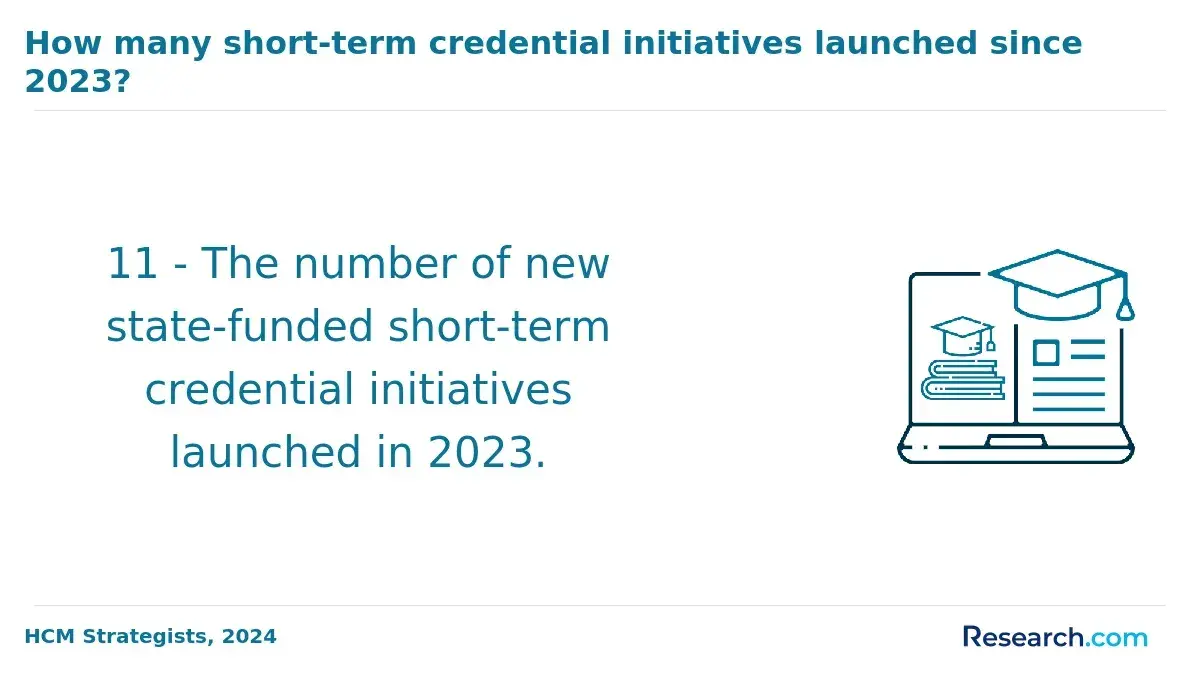
Practical experience through internships or certification programs in public budgeting can enhance career prospects. According to the Government Finance Officers Association and Lightcast, state and local public finance job postings increased by 14% from 2019 to 2023, while the qualified workforce grew by only 4%, highlighting the demand for professionals trained in these areas. Those interested in pursuing such pathways can explore options with an online administration degree to build relevant skills and access expanding opportunities in public finance.
How do budgeting and financial management concentrations in MPA programs prepare graduates for government finance roles?
Budgeting and financial management skills for government finance careers are essential components of MPA concentrations, designed to equip graduates with strong analytical and quantitative capabilities tailored to public sector demands. These programs focus on fiscal policy, public budgeting processes, and government-specific financial reporting standards. Graduates become adept at designing and managing budgets aligned with statutory requirements and strategic goals, promoting transparency and efficient allocation of public resources.
Core coursework typically includes topics like governmental accounting, cost-benefit analysis, and financial statement interpretation. This foundation enables graduates to evaluate financial performance and accurately forecast revenues and expenditures. Hands-on experience with financial modeling and data analytics software enhances decision-making abilities within complex fiscal environments.
Practical training often covers areas such as grant management, debt issuance, and intergovernmental fiscal transfers, helping students navigate public finance complexities. Communication skills are also emphasized, preparing graduates to clearly convey financial information to elected officials, stakeholders, and the public to foster accountability and trust.
MPA concentrations in budgeting preparing graduates for public sector finance roles respond to growing labor market needs. The U.S. Bureau of Labor Statistics projects an 8% employment growth for financial analysts in government sectors from 2022 to 2032, outpacing average occupational growth. This surge reflects the rising demand for evidence-based budgeting and modernization of government finance systems supported by sophisticated forecasting.
Those exploring further education may consider best accelerated project management degree programs online to complement budgeting expertise with broader management skills.
What budget and finance jobs can you get with a public administration degree, and what do they pay?
Graduates with a public administration degree have access to diverse finance career options within government and nonprofit sectors. Common roles include budget analyst, financial manager, government accountant, auditor, and grant administrator. Budget analyst salaries for public administration graduates typically feature a median annual income of about $78,970, reflecting the importance of reviewing budget proposals and allocating resources effectively.
Financial managers oversee agency financial functions, commanding median salaries near $131,710 due to their leadership roles. Government accountants and auditors ensure financial records' accuracy and regulatory compliance, with median pay around $71,550. Employment in these government financial roles is expected to grow by approximately 5% between 2022 and 2032, with over 126,000 average annual openings.
Grant administrators manage funding and compliance for public projects, earning between $50,000 and $90,000 depending on experience. Pay often varies according to government level and region, with federal jobs generally offering higher salaries. Credentials like Certified Government Financial Manager (CGFM) can further improve salary prospects and career advancement.
To excel, students should develop skills in financial analysis, regulatory frameworks, and software tools such as Excel or specialized budget management systems. Concentrations in financial management or auditing within public administration programs increase professional readiness. Those interested may also explore related fields through construction management courses, which can complement career pathways in public service finance.
Which public administration courses are most important for careers in public budgeting and financial analysis?
Critical courses for public administration courses for public budgeting careers emphasize practical skills in fiscal management, policy evaluation, and data interpretation. Core classes include government budgeting and financial management, which cover preparing, implementing, and monitoring budgets, along with fund allocation, revenue forecasting, and expenditure control vital for managing diverse municipal budgets.
Key public administration classes for financial analysis jobs often include public finance, focusing on tax policies, debt management, and intergovernmental fiscal relations. Financial analysis and performance measurement classes develop quantitative abilities such as analyzing financial statements, performing cost-benefit analyses, and using financial software common in government finance roles.
Statistics and data analytics play an important role by enhancing skills in interpreting economic and demographic data, essential for realistic budget projections and justifying fiscal policies. Ethics and public policy courses also train students to uphold accountability and comply with regulations governing public funds.
With many U.S. cities reporting increased revenues but facing hiring challenges in finance roles, proficiency in budgeting software, fiscal law, and analytical techniques is increasingly valuable. Practical experience through internships or applied projects further prepares graduates for complex budgeting environments in local governments and nonprofit agencies.
Students seeking affordable options may explore the cheapest online master's in project management, which can complement public administration skills in managing public projects efficiently.
How do online public administration programs in budget and finance compare with on-campus options?
Online public administration programs in budget and finance frequently offer flexibility and access to specialized courses that rival or surpass traditional on-campus options. These programs typically provide a core curriculum covering financial management, budgeting techniques, and public sector accounting, delivered by faculty with practical expertise. This structure helps working professionals enhance their skills without pausing their careers. A key advantage of online programs is asynchronous learning, which allows students to manage studies alongside job responsibilities, unlike on-campus programs that require fixed schedules and physical attendance.
On-campus programs offer valuable face-to-face interaction, networking opportunities, and direct access to campus resources such as career centers and faculty office hours, fostering mentorship and collaboration. Meanwhile, online programs increasingly incorporate interactive tools like video conferencing, discussion boards, and virtual group projects to boost engagement. Employers recognize the rigor of reputable online degrees, especially those from accredited institutions with specialized certifications in finance and budgeting.
Programs tailored to nonprofit finance address growing sector needs. The 2024 Nonprofit Finance Fund State of the Nonprofit Sector survey found 70% of nonprofits reported rising demand for services while 60% identified "financial management and planning capacity" as a significant challenge. Online courses focusing on grant management, donor relations budgeting, and fiscal compliance are particularly accessible to remote learners, meeting this critical workforce demand.
When choosing between formats, students should consider their learning preferences, career goals, and professional commitments. Online education suits those needing flexibility and immediate skill application, while on-campus programs benefit those seeking immersive experiences and direct networking. Both pathways equip graduates for complex budget and finance roles in public administration.
What education level and prior experience are typically required for budget and finance roles in government and nonprofits?
Budget and finance positions in government and nonprofit sectors generally require a bachelor's degree in public administration, finance, accounting, or related fields. Employers often prefer candidates with a master's degree in public administration or public finance for mid- to senior-level roles, as advanced education indicates specialized knowledge in budgeting, financial reporting, and fiscal policy necessary for effective public fund management.
Relevant experience is crucial. Entry-level jobs might accept internships or cooperative education in government finance or nonprofit organizations, while advanced roles typically demand three to five years in budget analysis, financial planning, or grant management. Experience within government agencies or nonprofits ensures familiarity with compliance, funding restrictions, and unique reporting standards.
The American Hospital Association's 2024 Cost of Caring report highlights growing financial challenges in health-related nonprofits, where expenses have increased nearly 20% since 2019 amid stagnant Medicare and Medicaid reimbursements. This gap drives demand for administrators with healthcare finance expertise, often gained through graduate education paired with targeted experience.
Certifications such as Certified Government Financial Manager (CGFM) or Certified Public Finance Officer (CPFO) improve job prospects by validating technical skills. Proficiency in budgeting software and data analysis tools, along with strong analytical abilities and knowledge of public sector accounting standards, is increasingly expected.
How long do public administration budget and finance programs take, and what do they typically cost?
Graduate programs in public administration budget and finance typically require 36 to 48 credit hours and take between one and two years for full-time students. Part-time or working professionals often extend their studies to three or four years, depending on course schedules and availability.
Tuition costs vary by institution type and location. Public universities usually charge $15,000 to $35,000 for in-state students, while out-of-state and private institutions range from $30,000 to over $70,000. Additional fees and living expenses can increase total costs by 20-30%. Online programs generally match these price points but reduce expenses related to housing and commuting.
Many programs offer scholarships, assistantships, or employer tuition reimbursement. Certificate programs in public finance, lasting six months to a year, cost between $3,000 and $10,000 and provide targeted skills without the commitment of a full degree.
There is growing demand for leaders skilled in education finance and budget management. The Edunomics Lab at Georgetown University reported that per-pupil K-12 spending in the U.S. hit a record high, yet more than half of districts face structural budget gaps due to expiring federal relief funds. This signals a critical need for professionals who can develop long-term funding strategies to address these fiscal challenges.
How can you check accreditation and program quality for public administration degrees focused on budgeting and finance?
Verify accreditation through bodies recognized by the U.S. Department of Education or the Council for Higher Education Accreditation (CHEA). Regional accreditors like the Middle States Commission on Higher Education and the Higher Learning Commission maintain university academic standards. Equally important is specialized accreditation from the Network of Schools of Public Policy, Affairs, and Administration (NASPAA), which directly assesses public administration programs, focusing on budgeting, finance, and public sector management.
Review whether the curriculum aligns with industry demands by including courses on financial management, cost analysis, budgeting techniques, and economic development finance. Faculty expertise and their published research in budgeting and finance also reflect program quality.
Employment outcomes and partnerships with organizations connected to public finance projects demonstrate practical value. The U.S. Economic Development Administration's investment of over $1.5 billion in public works and economic adjustment programs, supporting roughly 100,000 jobs, highlights the importance of real-world connections in this field.
Explore internship options through academic advisors or career services offered by government agencies or nonprofits specializing in capital flow and regional economic development finance. Rankings and reviews from reputable education research sites focused on public affairs provide additional quality indicators.
Ensure degree tracks offer specialization opportunities in budget analysis, financial planning, or economic adjustment to prepare comprehensively for public sector finance careers.
What is the job outlook for public administration graduates in budgeting, financial management, and public finance?
The job market for public administration graduates focused on budgeting, financial management, and public finance is projected to grow steadily. Opportunities are available across federal, state, and local government agencies, as well as international organizations, nonprofits, and consulting firms specializing in fiscal policy and public-sector finance. Graduates with expertise in budget formulation, financial reporting, and resource allocation can help optimize spending, enforce accountability, and oversee major public projects.
Proficiency in public finance analytics and relevant software improves job prospects, particularly in treasury management, internal auditing, and fiscal policy roles. Budget analysts review spending proposals and ensure compliance with financial regulations, while financial managers monitor agency budgets and analyze economic trends impacting public funds.
The global finance context underscores the need for skilled professionals. The World Bank committed $128.3 billion in financing, with a significant portion directed toward public-sector budget support, demonstrating the demand for experts in international finance and public budgeting, especially for development projects and foreign aid.
Successful candidates blend strong quantitative skills, regulatory knowledge, and clear communication to translate fiscal data into effective policies. Common roles include budget analyst, public finance advisor, grant manager, and financial controller. Increasing public-sector accountability and financial complexity continue to drive demand for these professionals.
How do professional certifications strengthen a public administration career in budgeting and financial management?
Professional certifications play a crucial role in advancing a public administration career focused on budgeting and financial management. Credentials like the Certified Public Finance Officer (CPFO), Certified Government Financial Manager (CGFM), and Certified Budget Analyst (CBA) prove advanced expertise in government accounting, budgeting, and fiscal policies. These certifications validate a professional's capacity to manage complex budgets, apply performance metrics, and promote transparency in public fund management.
With 58% of U.S. local governments now incorporating performance metrics in budgeting-up from 44% in 2019 according to the International City/County Management Association-there's increasing demand for professionals skilled in data analytics and performance budgeting. Certifications such as the CPFO specifically prepare administrators to meet these evolving requirements.
Certification holders gain practical skills in:
- Implementing data-driven budget controls and forecasting.
- Interpreting financial reports aligned with government regulations.
- Enhancing operational efficiency via performance measurement.
- Communicating budget goals transparently to stakeholders.
Employers value certified professionals for their adherence to ethical standards and commitment to continuous learning. For emerging public administrators, earning these certifications can close knowledge gaps, aid promotion, and open doors to leadership roles in municipal, state, and nonprofit finance departments. These recognized qualifications transform educational knowledge into career-enhancing credentials that boost competitiveness in the job market.
Other Things You Should Know About Public Administration
Strong analytical skills are crucial for interpreting financial data and budgeting reports accurately. In addition, effective communication abilities help public administrators explain complex budgetary information to stakeholders and policymakers. Skills in financial software and understanding government regulations also support successful performance in these roles.
A public administration concentration in budgeting and finance in 2027 equips students with analytical tools and ethical frameworks to promote transparency. This education helps implement open financial management practices, enhancing accountability and building public trust in government financial activities.
Internships in government finance departments, nonprofit organizations, or public agencies provide valuable hands-on experience. These opportunities allow students to apply budgeting techniques, assist in financial analysis, and understand public sector fiscal policies. Practical experience enhances job readiness and networking within the field.
No, budget and finance roles within public administration extend beyond government entities. Many professionals work in nonprofit organizations, healthcare agencies, and educational institutions where public funds require careful management. These sectors value public administration expertise to maintain fiscal responsibility and achieve mission-driven goals.
References
- Bachelor of Public Administration (B.P.A) in Public Financial Administration - Graham International University https://university.fgjf.org/bpa-public-financial-administration/
- How to Become a Public Administrator https://teach.com/careers/government/become-public-administrator/
- Trending Articles and Topics in Treasury and Finance https://www.financialprofessionals.org/training-resources/resources/articles/details/corporate-finance-job-descriptions
- What Is Fiscal Management? A Look at Career Options Including Public Administration https://online.norwich.edu/what-fiscal-management-look-career-options-including-public-administration
- Best 73 Online MPA Programs for 2024-2025 Academic Year https://www.mastersofpublicadministration.org/top-online-mpa-programs
- One moment, please... https://www.athensjournals.gr/business/2020-6-1-4-Tkachenko.pdf
- Online MPA Programs with a Specialization in Public Financial Management https://www.onlinempaprograms.com/specializations/public-financial-management
- What is a Budget Analyst? | University of Phoenix https://www.phoenix.edu/articles/business/what-is-a-budget-analyst.html
- Network of Schools of Public Policy, Affairs, and Administration, Commission on Peer Review and Accreditation - (NASPAA-COPRA) https://www.chea.org/network-schools-public-policy-affairs-and-administration-commission-peer-review-and-accreditation
- How To Advance Your Finance Career in Nonprofits and Associations https://www.staffingadvisors.com/blog/how-to-advance-your-nonprofit-finance-and-accounting-career/