2027 Cheapest Education Degree Programs for Working Adults

Co-Founder and Chief Data Scientist
How can working adults find affordable education degree programs that balance the demands of full-time employment and family responsibilities? With tuition rates rising faster than inflation, many adults worry about the financial burden of returning to school.
Nearly 60% of education professionals report pursuing additional credentials to remain competitive in the workforce, yet cost and scheduling flexibility remain key barriers. Accredited programs offering asynchronous courses, generous transfer credit policies, and financial aid can make advanced education degrees attainable.
This article explores the cheapest education degree options for working adults and highlights crucial factors for evaluating affordability, flexibility, and long-term career benefits.
Key Things to Know About the Cheapest Education Degree Programs for Working Adults
- Cheapest education degree programs for working adults often feature low per-credit tuition, fully online formats, generous transfer credit policies, and flexible pacing to accommodate work and family commitments.
- Low-cost programs provide accessibility and quicker completion but may involve tradeoffs in employer recognition; accreditation and accelerated options remain crucial for career credibility.
- Evaluate total costs, financial aid, state eligibility, institutional accreditation, student services, and career outcomes before enrolling to ensure long-term return on investment.
What Are the Cheapest Accredited Education Degree Programs Online?
Accredited online education degree programs offer working adults flexible and affordable pathways to earn their degrees while managing job and family commitments. Factors such as tuition structure, transfer credit policies, delivery formats, and institutional accreditation heavily influence cost and convenience.
With over 30% of online undergraduates aged 25 and older, affordability and accessibility remain key drivers for adult learners balancing multiple responsibilities.
When comparing the cheapest accredited online education degree programs, consider these essential factors:
- Accreditation Status: Accreditation ensures programs meet rigorous academic and institutional standards, which affects credit transferability, employer recognition, and eligibility for federal financial aid. Choosing properly accredited programs prevents future obstacles in career advancement or further education.
- Tuition and Fee Structure: Some schools charge per credit, while others offer flat rates for full-time enrollment. Additionally, online learners may benefit from reduced fees or exclusive discounts, so understanding these details can reveal hidden savings.
- Transfer Credit Acceptance: Programs that accept previous college credits help shorten time to degree completion and reduce tuition costs. Look for flexible policies that recognize completed coursework relevant to education degrees to avoid repeating material.
- Scheduling Flexibility: Asynchronous courses let students study on their own time, making it easier to juggle work and family obligations. Programs offering accelerated terms also enable focused, faster degree progress when schedules permit.
- Financial Aid Opportunities: Scholarships, grants, and employer tuition assistance can significantly lower out-of-pocket expenses. Reliable student support services enhance access to these resources, along with academic advising and career counseling for adult learners.
Prospective students may find value by exploring options such as the cheapest online pharmacy school approach to affordability models in related fields.
How Much Does an Online Education Degree Cost for Working Adults?
The cost of an online education degree for working adults varies significantly based on tuition structure, school type, residency status, transfer credits, and program format. Affordability and scheduling flexibility are major factors influencing enrollment decisions among nontraditional learners balancing work and family responsibilities.
According to the National Center for Education Statistics, about 40% of undergraduate students attend part-time. The total educational expenses often extend beyond tuition to include various fees and materials.
Several key factors affect the overall cost of pursuing an online education degree for working adults:
- Tuition Models: Some institutions charge per credit hour, while others use a flat-rate tuition allowing unlimited courses per term. Flat-rate models can lower costs for students able to take heavier course loads.
- Transfer Credit Acceptance: Schools with generous transfer policies reduce the number of credits students must complete, saving both money and time toward degree completion.
- Financial Aid Opportunities: Federal grants, scholarships, and employer tuition assistance can significantly reduce out-of-pocket expenses, easing affordability for working adults.
- Technology and Fees: Additional costs often include technology fees, online platform access, and proctoring services that add to total program expenses.
- Enrollment Status: Full-time or part-time enrollment affects tuition spread and time to graduate; part-time study offers flexibility but may increase overall costs.
For those seeking the cheapest online MHA, similar cost factors apply, reflecting broader trends in affordable accredited education programs for adult learners pursuing online degrees.
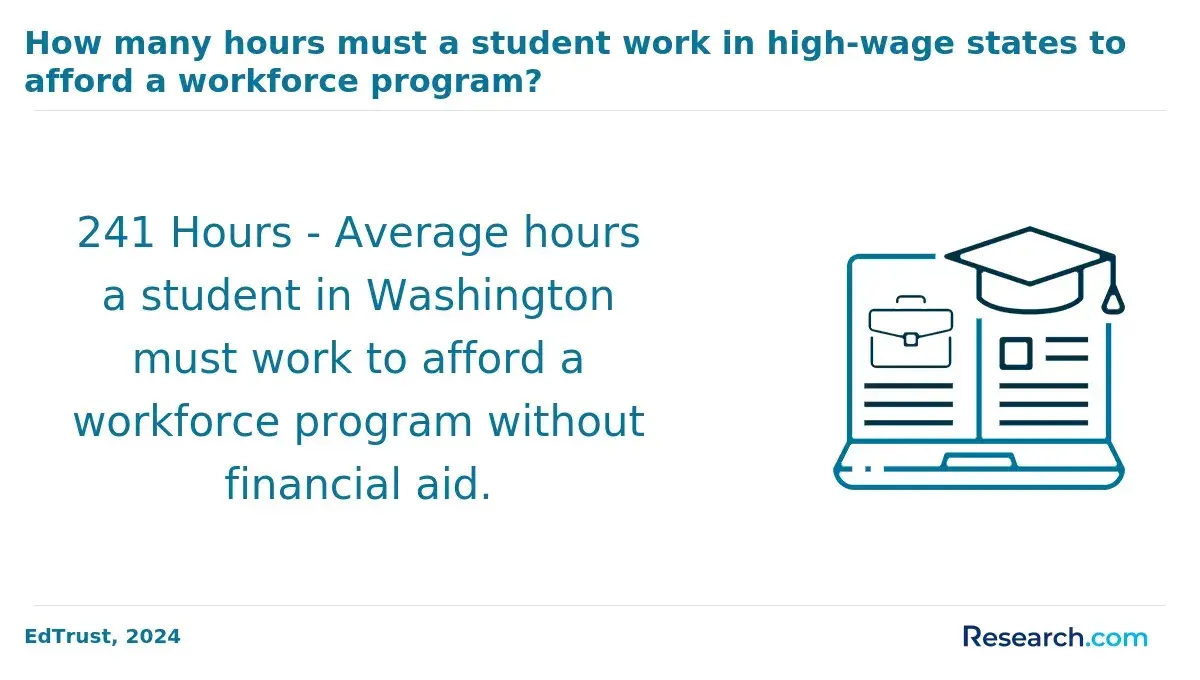
Are Cheap Education Degree Programs Legitimate and Respected by Employers?
Affordable education degree programs can offer genuine value and credentials despite their lower cost. Employers often emphasize accreditation, institutional standing, curriculum quality, and relevance to workplace skills when assessing these programs. Working adults may weigh these factors differently depending on their professional aims, scheduling flexibility, or credential needs.
Notably, a 2023 survey from the National Association of Colleges and Employers found that over 70% of employers view online degrees as equivalent to traditional ones if the program is properly accredited and meets accepted standards.
Several key elements influence employer trust and the legitimacy of affordable education degrees:
- Institutional Accreditation: Accreditation by recognized bodies ensures a school undergoes consistent review, confirming its commitment to academic standards and operational reliability. This is critical for employer recognition and degree credibility.
- Curriculum Alignment: Programs with up-to-date, workforce-focused curriculums reflect current educational theories and teaching practices, which can boost employer confidence in graduates' preparedness.
- Faculty Expertise: Having instructors with advanced degrees and practical experience signals program quality and enhances student learning through mentorship and meaningful instruction.
- Transfer Credit Acceptance: Flexible programs that recognize prior coursework enable faster degree completion, offering working adults cost savings and schedule convenience.
- Student Support Services: Access to advising, career counseling, and technical assistance supports retention and skill development, indirectly strengthening employer perceptions by encouraging timely graduation and career readiness.
An education degree graduate shared how developing soft skills was as important as academic content during his studies. He described feeling challenged early on, balancing family, work, and school commitments while improving communication, patience, and adaptability through group projects and real-world assignments.
"It was tough managing everything, but those experiences helped me grow as a teacher and a leader," he reflected. He also mentioned that the program's practical approach to collaboration and problem-solving gave him confidence to enter the classroom prepared for diverse student needs and unexpected challenges.
What Are the Best Education Degree Programs for Working Adults?
The best education degree programs for working adults balance affordability with key qualities such as scheduling flexibility, recognized accreditation, transfer credit policies, supportive resources, and career relevance. Online and hybrid formats have broadened access to education, enabling many adult learners to pursue degrees while managing work and family commitments.
Over 40% of undergraduate students are now aged 25 or older, highlighting the growing need for programs tailored to nontraditional students.
Factors that make education degrees especially suitable for working adults often include:
- Flexible Scheduling: Programs offering asynchronous coursework or evening classes allow students to engage with their studies at convenient times, reducing conflicts with employment or personal obligations.
- Accreditation Standards: Regional or national accreditation assures quality and promotes credit transferability, which is vital for adults who may wish to apply previous coursework toward their degree.
- Transfer Credit Acceptance: Recognizing prior academic achievements helps speed degree completion and lowers costs, making affordable online education degree programs for working adults more accessible.
- Academic Support Services: Resources like tutoring, advising, and career counseling provide essential guidance that helps adult learners stay on track, especially when balancing multiple responsibilities.
- Workforce Relevance: Programs aligning curricula with current industry demands improve practical skills, enhancing career readiness for students pursuing long-term professional goals. For example, those considering credentials like the certified professional coder (CPC) understand the value of targeted education that supports workforce certification.
Which Education Degree Programs Offer the Most Flexible Schedules?
Flexible scheduling options in education degree programs enable working adults to juggle employment, family duties, and personal life while pursuing their studies. Online and hybrid learning formats have broadened access to programs designed for adaptability, although the degree of flexibility can differ by institution, program design, and delivery methods.
Recent data shows that over 40% of postsecondary students engage in at least some online coursework, highlighting the rising demand for flexible learning environments.
Key features that support this flexibility often include:
- Asynchronous Coursework: Allows students to complete lessons and assignments on their own time, making it easier to fit study around work or childcare obligations without fixed class schedules.
- Part-Time Enrollment: Programs that permit taking fewer courses each term help balance academic workload with personal responsibilities, although they may extend time to graduation.
- Multiple Start Dates: Offering fall, spring, and summer sessions lets students begin or continue their degree journey without long delays between terms.
- Hybrid Delivery Models: Combining online learning with in-person sessions, often scheduled in evenings or weekends, increases accessibility for those working typical business hours while still providing face-to-face engagement.
- Transfer Credit Flexibility: Recognizing previous coursework can shorten program length and reduce redundancy, accommodating those who have prior academic experience.
A professional with an education degree reflected on her experience managing work and study: "Balancing a full-time job with school was tough, but having classes that were mainly asynchronous made it doable. I could start assignments after my kids were asleep and log in when it fit my schedule."
She appreciated being able to adjust her course load each term and valued the option to transfer some credits from earlier education, saying it "saved me time and made the whole process feel less overwhelming." This flexibility, she noted, was critical in helping her complete her degree without sacrificing career progress or family time.
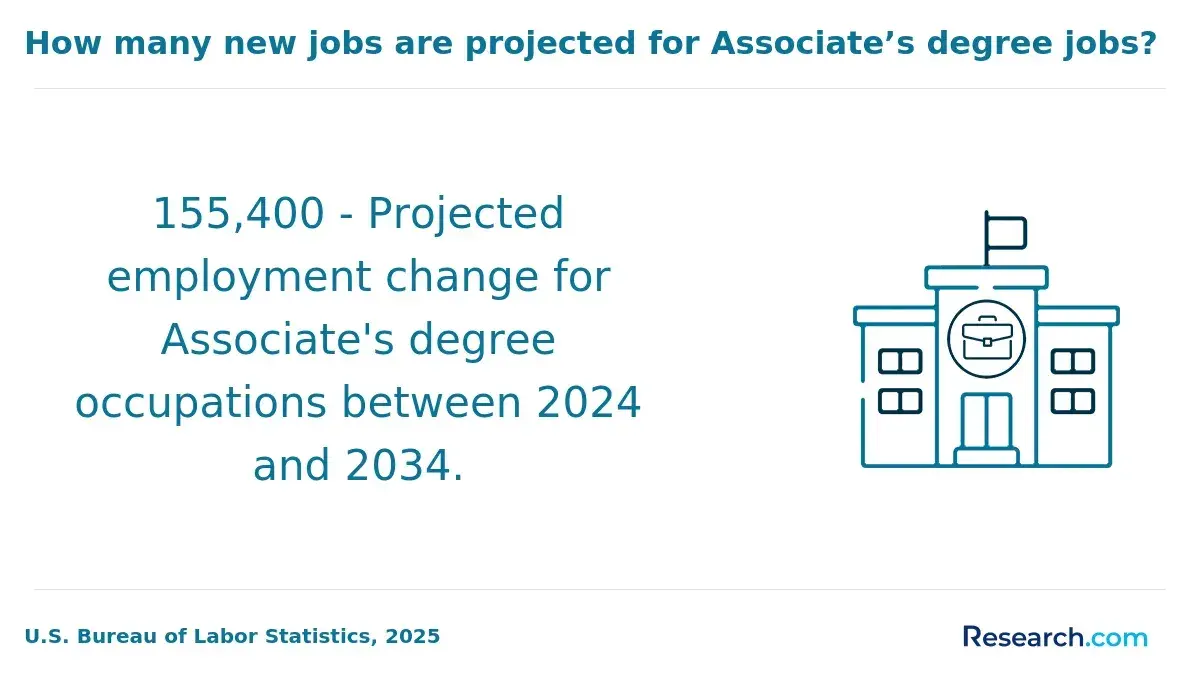
What Are the Fastest and Cheapest Education Degree Programs?
Many accredited education degree programs specifically support working adults by offering flexible scheduling, accelerated coursework, transfer credit options, and online learning formats to promote faster, more affordable degree completion.
Balancing speed, affordability, and quality is crucial for nontraditional students, especially as nearly 30% of adult learners now enroll in accelerated programs nationwide.
The following features are common among the fastest and most affordable education degree programs for working adults:
- Accelerated Course Formats: Shortened terms, often eight weeks instead of a full semester, enable students to take more classes annually. This condensed pacing helps reduce the time needed to finish the degree.
- Transfer Credit Acceptance: Programs frequently recognize college credits, military training, and professional certifications. This policy helps learners avoid repeating coursework, thus shortening program length and lowering tuition expenses.
- Asynchronous Scheduling Flexibility: Recorded lectures and online resources allow students to learn on their own time, accommodating work and family commitments without fixed class hours.
- Competency-Based Education: Some programs let students advance by proving mastery of material rather than attending set class hours. This model suits experienced adults who can move rapidly through familiar content.
- Multiple Annual Start Dates: Offering several enrollment periods throughout the year reduces waiting times between terms and promotes continuous progress, whether students attend full or part time.
Which Schools Accept the Most Transfer Credits for a Education Degree?
Transfer credit policies can significantly reduce the time and cost for working adults pursuing an education degree by recognizing previously earned college credits, military training, professional certifications, or other prior learning experiences. However, transfer flexibility varies widely depending on the institution's accreditation, program structure, and evaluation processes.
According to the National Student Clearinghouse Research Center, nearly half of bachelor's degree recipients transfer credits from other schools during their studies, emphasizing the importance of these policies for adult learners.
The following factors influence how many transfer credits an education degree program may accept:
- Accreditation Compatibility: Schools are more likely to accept transfer credits if the credits come from institutions accredited by recognized agencies. This ensures that transferred coursework meets quality standards and aligns with the receiving program's academic requirements.
- Transfer Equivalency Evaluations: Institutions conduct detailed reviews to determine if prior courses are equivalent in content and credit to their own curriculum. This process helps avoid redundant coursework, allowing adult learners to progress more quickly.
- Residency Requirements: Many schools require students to complete a certain number of credits directly through their program. Institutions with lower residency rules offer more flexibility to apply external credits, enhancing schedule adaptability and reducing tuition costs.
- Articulation Agreements: Formal partnerships between community colleges and four-year institutions streamline credit transfers by predefining course equivalencies. These agreements create clear, affordable pathways for adult learners seeking degree completion.
- Prior Learning Assessments (PLAs): Some education programs award credit for experiential learning, including military service or professional certifications. PLAs recognize real-world experience, helping working adults reduce both time and educational expenses.
What Financial Aid Options Are Available for Education Students?
Financial aid opportunities can significantly reduce the cost of earning an education degree for working adults through grants, scholarships, employer assistance, federal aid, and institutional support, though eligibility varies by school, enrollment status, and accreditation.
Affordability concerns strongly influence many adult learners returning to school, with nearly 40% of undergraduates employed while enrolled using some form of employer assistance or scholarships, according to the National Center for Education Statistics.
Common financial aid and affordability options include:
- Federal Grants and Loans: Pell Grants and federal student loans provide essential financial support, helping to reduce upfront tuition expenses and offering flexible repayment after graduation. These federal aid options are widely available for education learners who qualify through FAFSA applications.
- Scholarships for Adult Learners: Many scholarships target working adults or education majors and are offered by universities, nonprofits, and professional organizations. These funds do not require repayment and help lower tuition costs without increasing student debt.
- Employer Tuition Assistance: Numerous employers reimburse tuition fees for employees pursuing degrees related to their job roles, including education. This assistance supports balancing work and study while maintaining financial stability.
- Military and Veteran Benefits: Eligible service members and veterans can access tuition coverage, housing stipends, and credit for prior military training, which often accelerate degree completion with scheduling flexibility.
- Institutional Aid and Prior Learning Assessments: Schools often provide payment plans to spread tuition costs over time and assess prior learning experiences to reduce credit requirements and overall tuition.
For those considering related fields, researching radiology tech programs can showcase how affordability strategies apply broadly across healthcare and education sectors.
What Jobs Can You Get With a Education Degree?
An education degree equips working adults with foundational knowledge and skills applicable to a range of entry-level, mid-level, and specialized career opportunities. Flexible and affordable degree pathways, often allowing credit transfer and part-time study, enable adult learners to balance work and education while advancing or shifting their professional focus.
According to the U.S. Bureau of Labor Statistics, the employment of postsecondary teachers—a role requiring advanced education degrees—is projected to grow 12% from 2022 to 2032, indicating strong workforce demand in education-related fields.
Common career pathways available with an online education degree include:
- Support Roles: Positions such as teacher assistants, education coordinators, or program specialists provide valuable entry points where organizational abilities and foundational education knowledge help schools and educational organizations run smoothly.
- Technical Specializations: Careers like instructional designers, curriculum developers, or educational technology specialists require blending pedagogical theory with digital literacy, addressing growing needs for innovative learning tools and methods.
- Mid-Level Management: Roles such as school administrators, academic advisors, or training managers often demand leadership experience combined with an education degree, enabling professional growth into supervisory or policy-influencing positions.
- Community Engagement: Jobs including community education coordinators or nonprofit program managers focus on outreach and advocacy, leveraging communication skills and cultural awareness to serve diverse adult learner populations.
Working adults seeking affordable and flexible education degree programs designed for career mobility may also explore options like the 6-month RN to BSN program for related fields that emphasize credential attainment and workforce readiness.
What Should Working Adults Look for When Choosing a Education Degree Program?
Working adults often assess education degree programs by weighing factors like cost, flexibility, accreditation, career relevance, and lasting value, all while managing jobs, family, and personal commitments. The rise of online and hybrid models has broadened access for nontraditional learners, with over 40% of postsecondary students now classified as adult learners.
Key considerations include:
- Accreditation: Ensuring a program holds proper accreditation is critical, as it validates academic quality, eases credit transfers, and improves employer recognition. Accredited institutions typically allow students to qualify for federal aid and attain credentials respected in the education workforce.
- Scheduling Flexibility: Programs offering asynchronous classes or part-time options help students juggle education alongside work and family. Accelerated pathways can accelerate completion but should align with a learner's capacity to avoid burnout.
- Transfer Credit Policies: Clear and generous acceptance of prior coursework from accredited schools can shorten the time and cost to degree completion, minimizing redundant classes for returning adults.
- Affordability and Financial Aid: Besides tuition rates, available scholarships, grants, and employer tuition assistance make a significant difference in managing costs and reducing debt.
- Online Accessibility and Career Relevance: The availability of online courses improves convenience and lowers expenses, while curriculum relevance to current workforce demands enhances professional opportunities after graduation.
What Do Students Say About Affordable Education Degree Programs?
- Eiden: "Balancing a full-time job while pursuing an education degree was daunting, but focusing on accredited programs that accepted transfer credits made all the difference. Affordable tuition without sacrificing quality helped me stay on budget, and the option to attend classes online allowed me to fit coursework around my work schedule. I'd advise other working adults to prioritize flexibility and legitimacy to ensure their degree holds weight with future employers."
- Yusuf: "Choosing the right education degree program felt overwhelming at first, but I quickly learned the importance of researching schools that offer the most adaptable scheduling options. The ability to complete classes asynchronously was a game-changer for me as a nontraditional student working odd hours. It's crucial to verify that cheaper programs are truly accredited, as that impacts not only your career potential but also your confidence in the value of your education."
- Vincent: "From my experience, the most essential factors when selecting an education degree are cost-effectiveness, accreditation, and flexibility to accommodate work obligations. Programs that offer credit transfers saved me time and money, and I made sure to double-check employer recognition before enrolling. Staying goal-oriented about my long-term career helped me choose a program that was rigorous yet affordable, allowing me to excel without stress."
Other Things You Should Know About Education Degrees
Yes, many affordable education degree programs for working adults offer specialization options such as special education, curriculum development, or educational leadership. These specializations allow students to tailor their degree to specific career goals while keeping costs manageable.
Most affordable programs designed for working adults emphasize online or hybrid formats to accommodate busy schedules. While some programs may require occasional on-campus residencies or practical teaching experiences, the majority minimize in-person commitments to maintain flexibility.
In 2027, many affordable education degree programs for working adults include internships or practicum requirements. These components provide essential real-world experience, allowing students to apply theoretical knowledge in practical settings, which is crucial for career advancement in education.
Affordable education programs often offer flexible course schedules, asynchronous classes, and extended enrollment periods to help working adults balance their studies with employment. Many institutions also provide dedicated academic advising and support services tailored to nontraditional students' needs.
References
- What to Look for When Choosing a Teaching Program https://newmanu.edu/nth-degree/what-to-look-for-when-choosing-a-teaching-program
- Best Online Colleges For Working Adults https://www.affordablecollegesonline.org/college-resource-center/online-colleges-for-working-adults/
- Alternative career ideas for students with an education major https://theuniguide.com.au/career-planning/alternative-career-ideas-for-students-with-an-education-major
- 10 Cheapest Accredited Online Colleges (That Employers Actually Respect) | Copilot Careers https://www.copilotcareers.org/blog/accredited-online-schools-with-affordable-tuition-getting-degree-without-going-broke
- Flexible online colleges https://www.gatewayunj.org/student-stories/flexible-college-programs-making-it-possible-to-earn-your-degree-on-your-schedule
- Financial Aid for Education Students | All Education Schools https://www.alleducationschools.com/financial-aid/
- Choosing the Right Program as an Adult Learner - ReUp Education https://reupeducation.com/blog/choosing-the-right-program-as-an-adult-learner/
- Best Online Degree Programs for Working Adults https://www.scholaro.com/db/News/best-online-degree-programs-256
- 5 Best Colleges Offering Master of Education Programs for Working Professionals - Church Hill Classics Blog https://www.diplomaframe.com/chc-blog/5-best-colleges-offering-master-of-education-programs-for-working-professionals/
- 10 Best Online Degree Programs for Working Adults | UoPeople https://www.uopeople.edu/blog/online-programs-working-adults/