Careers After an Online MBA in Healthcare Management for Working Parents

Co-Founder and Chief Data Scientist
An online MBA in healthcare management can help a working parent prepare for a broader role without leaving a job, but completing the degree is only one part of a career move. Your current experience, the role you want, and the time your household can protect for study all matter.
This guide explains realistic career paths, earnings and job-outlook data, and the skills employers may expect beyond an MBA. It also shows how to judge whether a program's schedule and cost support your next step, or whether a narrower qualification would serve you better.
Key Things You Should Know
- The most accessible move is often from your current healthcare function into a related management role; an MBA alone rarely qualifies someone for senior leadership or clinical practice.
- The U.S. Bureau of Labor Statistics (BLS) reports a $126,520 median annual wage for management occupations in May 2025, not for healthcare MBA graduates specifically.
- For working parents, compare required live sessions, group work, campus visits, total cost, and leave policies, not just whether a program is labeled "online."
What careers can you pursue after an online MBA in healthcare management?
A healthcare management MBA is a general business degree with healthcare-focused study. It may support advancement in hospitals, medical groups, insurers, health technology companies, and other healthcare organizations.
The strongest pathway usually builds on work you already know: a clinic supervisor might seek practice operations responsibility, while a finance analyst might move toward a healthcare budgeting role.
The table separates plausible next moves from roles that typically require a larger experience jump. Job titles and qualifications vary by employer:
| Career direction | What the work involves | Experience that matters |
| Practice or clinic manager | Staffing, budgets, patient access, and daily operations | Ambulatory care operations or team supervision |
| Hospital operations manager | Service-line performance, workflows, and cross-department coordination | Hospital operations and responsibility for people or projects |
| Healthcare financial manager | Budgeting, financial analysis, and resource decisions | Finance or accounting experience, including healthcare payment concepts |
| Health plan operations manager | Administrative processes, service performance, and vendor coordination | Insurance, benefits, or payer operations experience |
| Senior executive | Organization-wide strategy and accountability | Substantial leadership experience beyond the MBA |
Parents changing industries should expect a bigger transition than parents advancing within healthcare. A business professional entering healthcare may need experience with care delivery, reimbursement, privacy, and regulated operations before competing for management posts.
Conversely, a clinician may bring valuable frontline knowledge but still need evidence of budgeting, staffing, and organizational decision-making. An MBA does not grant a clinical credential.
How much can you earn with an online MBA in healthcare management?
There is no dependable single salary for "online healthcare MBA graduates." Pay depends on the occupation, employer, location, scope of responsibility, and prior experience.
BLS reports that the median annual wage across all management occupations was $126,520 in May 2025. That broad U.S. benchmark includes managers outside healthcare and people without MBAs; it is not a starting salary or a predicted raise.
For a useful personal estimate, compare pay for the specific job you could realistically obtain next, not an executive title several promotions away, with your current compensation. Include benefits, schedule changes, and any loss of income if you reduce work hours.
To put potential gains beside education costs, a MBA tuition comparison can provide initial options; confirm each school's current total charges before making a budget.
What is the job outlook for healthcare management careers?
U.S. demand is promising at the occupational level, but it does not translate into automatic openings for new MBA holders. In its 2025-2035 projections, BLS expects about 1.1 million management-occupation openings per year, on average, across all industries.
Those openings include replacements for people leaving occupations permanently; they are not a count of healthcare management jobs or entry-level opportunities.
Healthcare organizations need managers who can coordinate people, finances, and services, but hiring remains role-specific. A parent seeking predictable hours should also distinguish office-based planning roles from positions accountable for round-the-clock clinical operations.
Before targeting a job, read local postings for experience requirements and ask prospective employers about on-call duties, weekend coverage, and travel.
Most MBA programs build a broad management foundation in areas such as accounting, finance, operations, strategy, analytics, and organizational leadership. Healthcare-focused courses may apply those skills to care delivery, payment systems, quality improvement, policy, or healthcare ethics.
The exact courses and their depth vary; a healthcare elective does not necessarily make a program a formal healthcare management concentration.
This distinction matters when choosing a career path. A clinic supervisor might use a budgeting project to demonstrate readiness for a larger practice, while a clinician moving into administration might need a capstone involving staffing or patient access. Neither project substitutes for clinical training or extensive operational experience.
If your goal is primarily health technology or systems leadership, compare the curriculum with your target job before committing to a healthcare concentration.
Lists of budget-conscious MBA program choices in information systems can help frame that alternative, but an information systems focus and a healthcare management focus prepare students for different responsibilities.
An online MBA can teach comparable management concepts, but its career value depends on the school, curriculum, employer recognition, and access to people and opportunities, not the delivery label alone.
For a working parent who intends to stay with a current healthcare employer, applying coursework immediately and building relationships with colleagues may matter more than campus recruiting. Someone making a substantial industry switch may place more weight on internships, employer introductions, and alumni access.
Ask whether online students can use the same career services as campus students, how group projects are scheduled, and whether networking events require travel. Also check how the credential is awarded and described by the university rather than assuming every online and campus experience is identical.
If you are comparing schools near home, online MBA programs with manageable tuition in North Carolina offer one regional starting point; verify each option's healthcare coursework and in-person requirements separately.
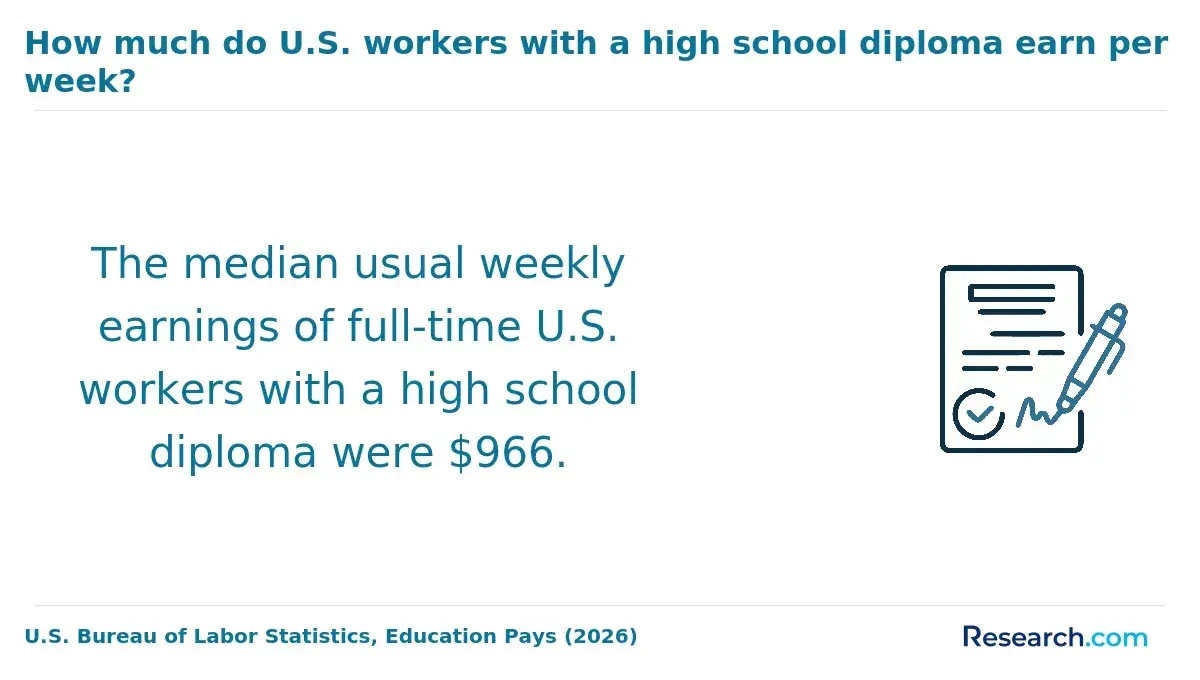
Requirements vary by university. Applicants commonly encounter a bachelor's-degree requirement and requests for a résumé, academic transcripts, recommendations, or a statement of goals.
Schools differ on professional experience, GMAT or GRE policies, minimum grades, interviews, and foundation coursework. A healthcare job or business bachelor's degree is not a universal prerequisite.
Working parents can strengthen an application by describing a specific, achievable move: for example, advancing from patient-access supervision to broader clinic operations.
If you have limited accounting or quantitative preparation, ask whether introductory work is required and when it must be completed. Check each school's current admissions page before scheduling a test or paying for prerequisite courses.
Completion time depends on course load, term structure, prerequisites, and whether the school permits breaks. An accelerated plan may reduce elapsed time while increasing weekly demands; part-time study may better protect work and caregiving commitments. Ask for a course-by-course plan that shows when required healthcare classes are actually offered.
Compare the total amount you would pay, not an advertised per-credit rate. Request tuition for all required credits, mandatory fees, books and software, any residency travel, and the likely cost if you pause or extend enrollment.
Subtract confirmed employer assistance only after checking its eligibility, grade, and repayment conditions. A guide to online MBA tuition and total cost can help organize those questions; the university must confirm your actual charges.
A lower-priced program is not automatically the better household decision if required live meetings create childcare costs or missed shifts. Likewise, borrowing to finish quickly may cost more than a slower plan supported by employer reimbursement.
Many administrative and operations positions do not require a general healthcare management license. Requirements can change with the job and state, however.
For example, a regulated facility leadership position may have state-specific licensing rules; clinical duties require the appropriate professional license regardless of an MBA. Check the exact position and state board before assuming you are eligible.
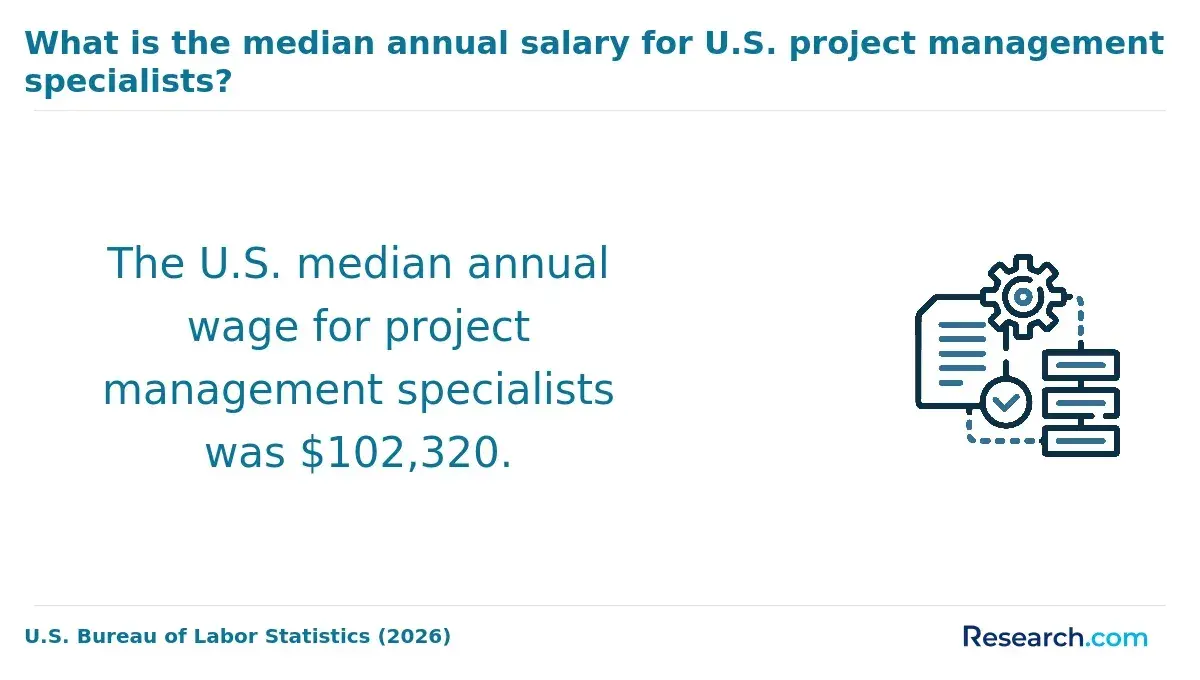
Voluntary professional certifications may help demonstrate expertise in areas such as project management or healthcare administration, but they are not interchangeable with a graduate degree or a license.
If postings for your target role consistently request a specialized credential, compare its eligibility requirements and cost with a full MBA before enrolling.
Start with recognized institutional accreditation, then check whether the business school holds specialized accreditation and whether that distinction matters to your employer.
Accreditation alone will not tell you whether the program is workable at home. Ask an adviser for a sample schedule from a recent term, including live classes, group meetings, exams, and any campus visits.
To test fit, compare programs against the commitments that are hardest for your household to move:
- Time: Identify fixed evening or weekend obligations, expected course load, and what happens if you need a leave.
- Career access: Confirm that online students can use career advising, alumni events, and employer-facing opportunities relevant to healthcare.
- Academic fit: Verify the official concentration name, required healthcare courses, and opportunities to complete projects related to your target job.
- Household cost: Obtain a written estimate of total charges and budget for childcare, travel, and possible reduced work hours.
If a school cannot clearly answer scheduling or cost questions, treat that uncertainty as a practical risk, not a detail to resolve after enrollment.
How does an online MBA support advancement into healthcare leadership?
The MBA is most useful when it helps you take on responsibilities an employer can see. A working parent already in healthcare might use a finance course to improve a department budget, lead a cross-functional process project, and seek supervision of a larger team. Those experiences make a stronger promotion case than the degree name by itself.
Before enrolling, identify a target role, find several relevant job descriptions, and compare their requirements with your current record. Then ask your manager which stretch assignments could close the gap and whether the employer offers tuition assistance.
If the gap is mainly one skill, a targeted course or employer training may be more direct. If you need broader business judgment and a credible path to larger operational responsibility, the MBA may be worth the greater investment.
Speed should serve that career plan, not override family capacity. Shorter online MBA completion plans may appeal to parents seeking a faster credential, but examine the actual weekly schedule and whether it leaves room to build relevant leadership experience while studying.
Other Things You Should Know About MBA
You can ask about on-call coverage, travel, and typical hours as job requirements. You do not need to disclose personal caregiving details to clarify when and where the work must be done.
Describe the gap briefly and accurately, then focus on recent skills, relevant projects, and your readiness for the role. You need not provide private family information.
Possibly, but travel expectations vary substantially by firm and assignment. Ask about client-site work before investing in a consulting-focused career plan.
Use scheduled individual conversations, virtual alumni meetings, and work-based projects to build relationships. Ask the program which career opportunities are genuinely accessible without attending events in person.
- Types of Flexible Work Arrangements | People & Culture https://hr.berkeley.edu/return-campus/flexible-work-arrangements/types-flexible-work-arrangements
- Online MBA Cost & Financial Aid: Is It Worth It? | Longwood Online https://online.longwood.edu/business/mba/paying-for-graduate-school/
- Online MBA vs Full-Time MBA: ROI, Cost and Career Outcomes | Jenkins MBA https://mba.ncsu.edu/2026/04/27/choosing-between-an-online-mba-and-full-time-mba/
- Careers: How to Research Salary and Job Outlook Data | America EDU https://america.edu/careers/
- What to Consider When Evaluating Online MBA Programs | Northeastern Online https://online.northeastern.edu/resources/what-to-look-for-when-choosing-an-online-mba-program/
- Types of Healthcare Management Careers | MACU https://www.macu.edu/blog/types-of-healthcare-management-careers/
- Salary Finder | careeronestop.org https://www.careeronestop.org/Toolkit/Wages/find-salary.aspx