2027 Can You Study Secondary Education Master's Programs Part-Time? Options & Duration

Co-Founder and Chief Data Scientist
Enrollment patterns reveal marked variation in part-time options for secondary education master's programs, reflecting evolving demands from employers and accreditation bodies. These programs compel students to navigate course sequencing and practicum timing alongside licensure requirements, often prolonging completion beyond traditional full-time durations. Cohort structures may restrict flexibility, while phased research obligations influence workload distribution across semesters. Students balancing teaching roles or career transitions face trade-offs between pacing their academic progression and meeting employer expectations for skill development. Institutional differences in support services and internship supervision further impact feasibility. This article examines part-time pathways, anticipated timelines, and critical factors shaping program selection and success.
Key Benefits of Studying Secondary Education Master's Programs Part-Time
- Part-time secondary education master's programs extend duration by 1-2 years versus full-time, increasing opportunity costs and requiring prolonged balancing of work, study, and personal responsibilities.
- Employers often recognize part-time degrees similarly to full-time, but some districts may prioritize candidates with accelerated credentials for leadership roles, reflecting nuanced workforce expectations.
- According to a 2024 study, 43% of part-time secondary education graduate students report cost savings by avoiding full tuition per semester, affecting access decisions and debt management strategies.
Can You Study a Secondary Education Master's Program Part-Time?
Part-time study in a secondary education master's program is most viable when the program's structure allows for flexible course sequencing and limited simultaneous project demands. Students managing employment or family obligations benefit when coursework and practicum placements can be scheduled non-consecutively or with extended deadlines. However, this flexibility varies widely across programs and subject areas since certain disciplines require intensive, cohort-based field experiences, internships, or clinical hours that complicate part-time pacing. For candidates balancing significant responsibilities, choosing programs designed with modular or asynchronous formats is crucial to realistically sustaining momentum over several years, reflecting growing interest in flexible secondary education graduate study options as documented by recent enrollment data.
The tradeoffs of part-time enrollment extend beyond simply a longer time to degree completion, which generally spans three to five years rather than one to two in full-time paths. Prolonging the duration can slow skill acquisition and reduce immersive networking opportunities essential for professional growth, impacting timely movement into advanced roles or leadership positions. Employers often value part-time credentials equally if accredited, but delayed graduation may hinder responsiveness to evolving educational standards or policy shifts. Sustaining motivation over an extended timeline presents challenges; the less continuous engagement with peers and faculty risks diminished collaborative learning and fewer hands-on practicum experiences that typically accelerate competence in this field.
Workers actively employed in education or those with substantial personal commitments stand to gain the most strategic advantage from part-time master's options, as these pathways enable concurrent income generation and gradual credentialing without career interruption. Conversely, career changers less encumbered by existing obligations might realize faster returns investing in full-time study despite increased immediate workload. Prospective students should weigh their individual capacity for sustained self-regulation, program support services, and long-term career timing against the inherent flexibility offered by part-time formats, particularly when comparing with alternatives like 1 year associate degree programs that may better align with specific vocational goals or life circumstances.
How Long Does It Take to Complete a Part-Time Secondary Education Master's Degree?
Part-time secondary education master's programs generally require two to four years to complete, but this timeframe varies notably based on how many credits a student takes per term and how the program is structured. Unlike full-time study, which often wraps up within one to two years, part-time pacing is tailored to those balancing work and personal obligations, resulting in longer but more manageable coursework periods. Students taking a lighter credit load each semester naturally stretch out their studies, while those enrolling in heavier portions can accelerate completion but rarely match full-time durations. According to the National Center for Education Statistics in 2024, nearly 58% of part-time graduate students in education fields took three or more years to finish their degrees, underscoring the commonality of extended timelines.
Course availability and sequence rigidity significantly impact how quickly students progress, especially when some needed classes are offered infrequently or require prior completion of prerequisite courses. Additional program elements like practicums or internships can further extend duration, particularly when they must be completed during school breaks or alongside full-time jobs. For professionals teaching full-time, scheduling constraints often limit enrollment intensity, stretching the study period to balance career demands. These realities create a dynamic where program design and external commitments combine to make completion highly individualized rather than uniform.
The extended completion period entails tradeoffs: longer durations allow flexibility but may delay the realization of degree-related benefits such as promotions or salary increases. Stretching coursework can affect how current the acquired knowledge feels at graduation, possibly influencing employability in fast-evolving educational environments. Financially, sustaining tuition and living expenses over more years can strain resources. Thus, prospective students must weigh immediate life demands against their long-term professional objectives when selecting part-time paths.
A prospective student recalled hesitating during a rolling admissions cycle, uncertain about when to apply while juggling job demands and family plans. The unpredictability of course spots and prerequisite openings added to the stress, prompting a strategic delay to secure an entry point that aligned better with work schedules. The student finally enrolled with a measured credit load, accepting a longer completion timeline but gaining the necessary flexibility to maintain job performance and personal responsibilities without compromising either.
How Are Part-Time Secondary Education Master's Courses Structured?
Part-time secondary education master's programs carefully balance flexibility with academic complexity, ensuring that learners can manage professional and personal obligations without sacrificing educational quality. Structures differ between programs, affecting how effectively students engage with content, collaborate with peers, and integrate learning into teaching careers.
- Extended Program Duration: Most part-time tracks span two to five years, which spaces coursework to ease immediate workload but requires long-term commitment. This extended timeframe allows for deeper integration of theory into ongoing professional practice but can also test sustained motivation and time-management skills over multiple academic cycles.
- Reduced Course Load Per Semester: Enrolling in one to three courses per term lowers weekly demands, facilitating balance with employment or family tasks. However, this slower pace may delay the acquisition of cumulative knowledge and professional credentials, requiring careful planning to maintain momentum and career progression.
- Hybrid Delivery Models: Combining asynchronous online lessons with synchronous sessions, often in evenings or weekends, provides learners with both autonomy and real-time interaction. While asynchronous components offer crucial flexibility, the periodic live engagement is key for fostering practical skill application, peer networking, and immediate feedback.
- Practical Components Scheduled for Flexibility: Applied elements such as student teaching or capstone projects are typically designed to fit around working professionals' schedules. This scheduling respects employment constraints but demands high organizational aptitude, as practical assignments require coordination with schools and often can't be postponed.
- Cohort-Based Structures: Programs frequently organize students into cohorts to promote accountability and mutual support, which can mitigate attrition risks common in part-time formats. Developing peer networks within cohorts enhances collaboration, though the slower pace may reduce the immediacy of shared learning experiences compared to full-time study.
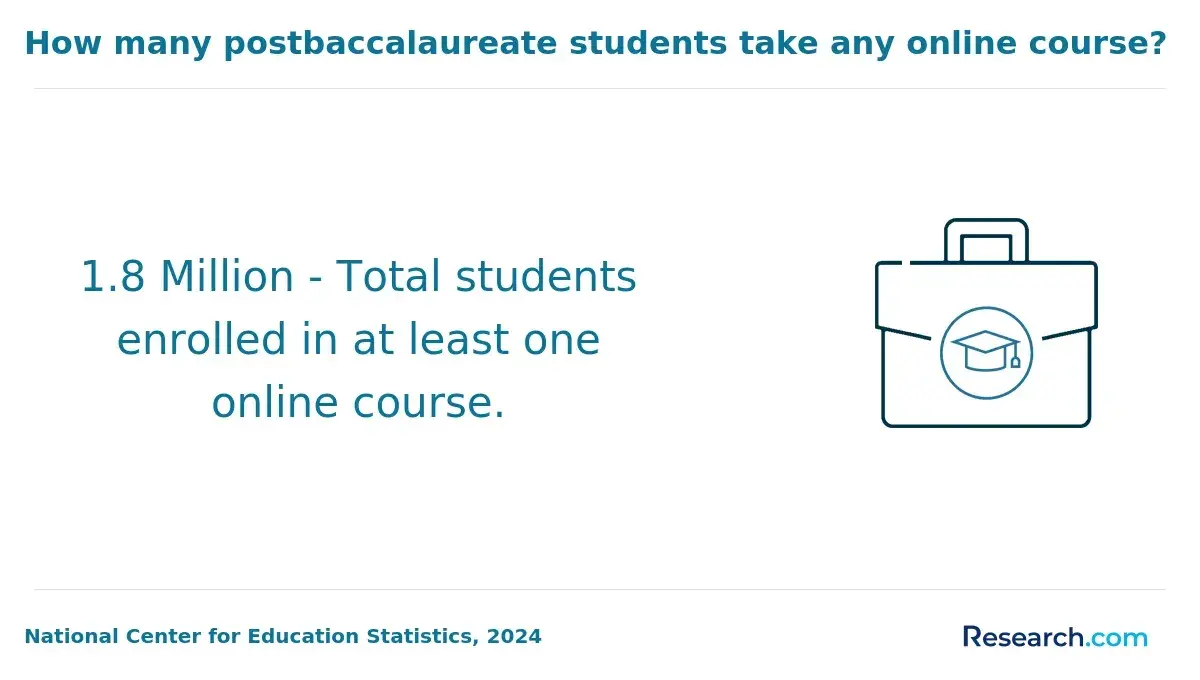
According to the National Center for Education Statistics in 2024, nearly 60% of graduate education students chose part-time enrollment, reflecting the demand for flexible formats that accommodate professional commitments without sacrificing academic standards.
Can Students Work Full-Time While Earning a Part-Time Secondary Education Master's Degree?
Balancing full-time work while enrolled in a part-time secondary education master's degree is achievable under certain conditions, particularly when programs offer asynchronous learning formats and predictable course pacing. Many part-time programs require 8 to 15 hours weekly, but the flexibility of online or hybrid courses can accommodate professionals who possess effective time management and relevant prior experience, reducing the learning curve. According to data from the National Center for Education Statistics in 2024, about 40% of part-time graduate students maintain full-time employment, underscoring that this educational path aligns with real-world work commitments. Choosing programs with clear schedules and resources that support working students is essential to managing these dual responsibilities effectively and aligning them with personal and employment circumstances.
The tradeoffs, however, include heightened risks of cognitive overload and burnout, especially when peak work demands coincide with academic deadlines or intensive practicum phases. Students often sacrifice opportunities for deeper engagement, such as networking, which can limit professional connections critical to long-term advancement. Furthermore, part-time enrollment extends the degree timeline, sometimes requiring three to five years rather than the accelerated pace of full-time study, which may delay immediate academic benefits. For many, these challenges make balancing a full-time job and part-time secondary education graduate studies a complex decision requiring realistic assessment of workload tolerance and institutional flexibility. Prospective students should also review relevant pathways such as LPC online programs that integrate flexibility with professional demands.
Which Universities Offer the Best Part-Time Secondary Education Master's Programs?
Choosing the best part-time secondary education master's program is a strategic decision that directly affects employability, salary progress, and career flexibility. What counts as "best" varies depending on a student's current stage in their career, available time for study, and specific teaching focus. A nuanced assessment of program features can guide working professionals and career changers toward options that support long-term success rather than quick convenience.
- Curriculum Design and Licensure Alignment: Programs that carefully integrate state certification requirements ensure graduates are eligible for teaching licensure without extra coursework. A streamlined curriculum focused on pedagogical theory balanced with practical application prepares candidates for classroom challenges and reduces the risk of delays in entering the workforce.
- Faculty Expertise and Industry Engagement: Instructors with active ties to K-12 education bring current methodologies and real-world insights, linking theory to evolving classroom realities. Faculty with ongoing research or leadership roles strengthen a program's relevance and help students develop skills aligned with employer expectations.
- Flexible Scheduling and Pacing Options: Asynchronous or modular course formats allow students juggling employment and family obligations to progress steadily, potentially extending overall program length but increasing completion likelihood. Programs that offer multiple enrollment cycles reduce barriers to entry and accommodate shifting personal or work demands.
- Practical Field Experience and Internship Access: Graduates entering education careers benefit from hands-on training embedded within their degree. Programs that facilitate placements or partnerships with local schools provide critical experiential learning, which employers often view as essential for classroom readiness.
- Alumni Outcomes and Employment Metrics: Transparent reporting on graduate employment rates and career advancement post-degree offers insight into a program's real-world impact. Programs with strong networks and positive employer recognition can accelerate hiring and promotion prospects for part-time candidates balancing competing priorities.
Data from the National Center for Education Statistics in 2024 indicates a 12% rise in part-time online enrollments for master's in education programs since 2020, reflecting a growing emphasis on flexible study models that align with workforce needs.
One graduate recalled wrestling with admission timing amid rolling application windows. Initially hesitant to apply due to incomplete prerequisite coursework, she waited as months passed, watching cohort start dates approach. The uncertainty created stress, but once accepted she appreciated the program's flexibility allowing her to tailor pacing around seasonal work demands. This experience underscored the importance of understanding enrollment cycles and preparatory requirements when evaluating programs to avoid unanticipated delays or missed opportunities.
How Much Does a Part-Time Secondary Education Master's Degree Cost?
Tuition for part-time secondary education master's degree programs typically ranges between $15,000 and $40,000 for the full course of study, according to recent data from educational authorities such as the U.S. National Center for Education Statistics and university disclosures. This broad range reflects differences in program length, credit requirements, and institutional type. Public institutions generally offer lower tuition, especially for in-state candidates, while private or highly ranked universities often charge at the higher end of this scale. These figures provide a realistic framework for evaluating the cost of part-time secondary education master's degree tuition fees beyond headline prices alone.
Cost variability in part-time secondary education graduate programs largely arises from credit-hour billing models, residency status, and program prestige. Per-credit charges can range from around $400 to $1,200, which amplifies price differences as students accumulate credits at different paces. Delivery format also matters: online programs often come with lower base tuition but may include additional technology fees, while on-campus formats frequently carry premium costs. Furthermore, part-time students extending their studies over multiple years may incur incremental fees or face tuition rate changes, increasing total expenses despite spreading payments out.
While spreading tuition costs over time can ease short-term budget pressure, extended enrollment generally increases overall financial exposure, potentially offsetting initial affordability. Employer tuition assistance and reimbursement programs, where available, are important mitigating factors that prospective candidates should explore. Those balancing family, work, and study often weigh these practical cost structures carefully alongside potential career impacts, such as how well a program aligns with employer expectations or regional job markets. For professionals exploring alternative credentialing, reviewing quick certifications that pay well can also complement or substitute advanced degrees depending on career goals.
Do Programs Help Arrange Flexible Clinical Placements for Part-Time Students?
Part-time secondary education master's programs often coordinate clinical placements through partnerships with local schools, districts, and educational organizations designed to provide diverse scheduling options. These arrangements may involve distributed placement networks allowing students to complete practicum hours during evenings, weekends, or summer sessions. Programs with dedicated placement coordinators typically manage placement logistics and align student availability with school partner schedules, but the degree of flexibility varies considerably based on institutional resources and program structure.
Despite these efforts, several practical constraints limit true scheduling flexibility for part-time students. Availability of partner schools willing to host part-time candidates can be scarce, especially in rural or underserved areas, forcing some students to travel farther or accept less convenient hours. Additionally, minimum clinical hour requirements and accreditation standards often mandate on-site hours during traditional school days, creating conflicts with students' full-time work commitments. According to a 2024 report from the National Center for Education Statistics, about 68% of part-time education graduate students report access to flexible clinical scheduling, highlighting that a significant portion still face rigid or insufficient placement options.
Given these realities, students improve placement outcomes by initiating practicum planning early and seeking programs with established relationships that facilitate smoother placements. Employer-based clinical opportunities, when available, can lessen scheduling tensions by enabling practicum within the student's workplace context. Prospective students should critically evaluate a program's clinical placement support infrastructure and its history of accommodating part-time schedules, as adequate placement flexibility often involves tradeoffs such as extended program duration or compromised practicum timing that can impact career progression timelines.
What Challenges Do Students Face in Part-Time Secondary Education Master's Programs?
Part-time master's programs in secondary education offer flexibility but demand a careful balance of academic, professional, and personal responsibilities. These programs' structure and workload intensity create unique challenges that can hinder timely progress and affect the quality of learning and skill application.
- Time Management Constraints: Juggling coursework alongside full-time employment and family duties requires sophisticated prioritization skills. Many students experience cognitive overload, leading to missed deadlines or reduced engagement, which ultimately impacts retention and mastery of complex pedagogical concepts.
- Extended Time-to-Completion: Part-time enrollment stretches program duration to three to five years, often causing motivation fatigue. Prolonged timelines delay salary or position advancements connected to degree credentials, forcing students to weigh immediate income needs against longer-term professional benefits.
- Limited Access to Faculty and Peer Interaction: Reduced participation in synchronous sessions curtails opportunities for mentorship, collaborative learning, and networking-critical supports identified by educational research that directly influence employability and career readiness.
- Scheduling Conflicts with Work and Practicum Requirements: Integrating clinical or teaching practicums with existing job responsibilities frequently creates logistical tensions. Inflexible scheduling can result in compromised experiential learning or extended program timelines, diminishing the practical relevance of theoretical training.
- Financial and Resource Pressures: While part-time study may lower immediate tuition costs, the accumulation of fees over time, limited scholarship options, and ongoing living expenses add financial strain. This sustained burden increases risk for attrition among students without employer support or robust financial planning.
A 2024 National Center for Education Statistics survey found over 60% of part-time graduate students identified managing job commitments alongside academic deadlines as the top obstacle to degree completion, underscoring the structural tension embedded in these programs.
Which Careers Benefit Most From Part-Time Graduate Education?
Part-time graduate education in secondary education functions as a strategic instrument for advancing careers where ongoing experience, credentialing, and continuous skill development critically influence progression. Its benefit is concentrated in roles where professionals must simultaneously apply new competencies while meeting employer-driven professional development benchmarks.
- Secondary School Teachers: Part-time master's programs enable these educators to deepen subject-area expertise or acquire specialized certifications without leaving the classroom. This approach aligns with employer expectations for continuous professional development and typically supports incremental salary increases and promotion eligibility, despite extending the time to degree completion compared to full-time study.
- Curriculum Specialists: For curriculum specialists, part-time graduate study allows direct incorporation of pedagogical theories and assessment methods into their work. This real-time application improves instructional design quality and positions these professionals for leadership roles by bridging academic learning with practical program development.
- Educational Consultants: Consultants working independently or part-time rely on flexible coursework to stay current with evolving educational trends and policy shifts. Part-time study supports maintaining client engagement while enhancing service offerings, which can translate to broader market relevance without disruption to business operations.
- School Administrators: Assistant principals, department heads, and other education leaders use part-time graduate programs to systematically build leadership capacity while managing daily administrative responsibilities. Given the U.S. Bureau of Labor Statistics projects a 7% growth in education administration through 2029, advancing qualifications through part-time study aligns closely with both job security and promotional pathways.
Nearly 40% of working educators pursuing advanced degrees do so part-time, according to a 2024 National Center for Education Statistics report, underscoring the synergy between part-time study and sustained employment. Professionals balancing family or multiple jobs particularly benefit from modular curricula that enable gradual progress, though these extended timelines demand disciplined time management and clear employer support. Understanding one's career trajectory and how part-time study intersects with long-term objectives is critical.
Part-time secondary education part-time master's programs career advantages often stem from the ability to immediately translate updated knowledge into practice while meeting credential requirements. For those interested in examining flexible academic structures that prioritize competency, a competency based masters degree model offers relevant insights into adaptable graduate pathways.
What Factors Matter Most When Comparing Program Flexibility?
Flexibility in a part-time secondary education master's program is a complex, multi-faceted attribute that significantly influences student outcomes and career integration. What may appear flexible at first glance can vary widely depending on program design and a student's individual circumstances, particularly for those balancing work and part-time secondary education graduate study. Evaluating flexibility requires dissecting academic structure, delivery modes, and administrative adaptability.
- Course Scheduling Structure: The availability of evening, weekend, or modular courses affects how students juggle professional and personal commitments. Rigid scheduling can delay completion, while adaptable timing supports consistent progress without overwhelming workload spikes.
- Asynchronous vs. Synchronous Delivery: Programs emphasizing asynchronous lessons provide critical autonomy, enabling learners to engage with material on their own schedule. In contrast, synchronous sessions, while valuable for interaction, can conflict with work or family hours and limit accessibility.
- Credit Load Adaptability: The option to adjust credit loads each term allows students to scale intensity based on life demands. Fixed full-time credit requirements can increase dropout risk, whereas flexible enrollment supports steady advancement and reduces burnout.
- Pacing and Accelerated Tracks: Availability of accelerated pathways or self-paced models can benefit some by shortening time-to-completion but may compromise depth or add pressure, while traditional pacing typically ensures thorough skill mastery over an extended period.
- Practicum and Internship Requirements: The timing and flexibility of field experiences are critical. Programs that offer adaptable practicum schedules or integrate them gradually prevent interruptions in career continuity and reduce logistical burdens.
- Administrative Responsiveness and Support: Proactive academic advising and technical support tailored for remote learners directly impact students' ability to navigate challenges, maintain momentum, and optimize program flexibility.
These dimensions collectively determine how well a program aligns with a student's scheduling needs and career objectives. According to the National Center for Education Statistics (2024), nearly 68% of graduate students value asynchronous course delivery most, underscoring its critical role in part-time secondary education master's program flexibility.
Students seeking the best fit should weigh these factors rigorously, reflecting on real-world implications for workload management and time-to-degree. Choosing a program with structural adaptability improves academic success and maintains career continuity-essential for working professionals and career changers.
For those evaluating options, resources like the best online college for military spouses provide focused guidance on balancing complex life responsibilities with graduate study demands.
What Graduates Say About Studying Secondary Education Master's Programs Part-Time
- Jase: "Completing my part-time secondary education master's helped me build a strong portfolio, which turned out to be more valuable to employers than just having a license. I found that internships and practical experience were often prioritized in hiring decisions, so I strategically focused on gaining classroom hours alongside coursework. While the program demanded balancing work and study, it definitely expanded the range of roles I could pursue, especially in schools open to flexible certification paths."
- Kyro: "I entered the program hoping to quickly advance my career, but discovered that without full licensure, salary growth can be modest and advancing to lead teacher or administrative roles is tougher. Remote teaching opportunities opened up thanks to my credentials, providing much-needed flexibility. It's a realistic path if you value work-life balance and steady employment, but be prepared for some competition when vying for permanent positions."
- Aaron: "After graduation, I realized that employers often weigh thorough classroom experience and specialized certifications over just the degree itself, particularly for roles in STEM secondary education. The pragmatic side of the program was invaluable - supporting me in career pivots and helping me navigate hiring challenges with tailored skills. It's not an easy path, but the decision to pursue part-time study allowed me to stay employed while building credentials that aligned with where I wanted to grow professionally."
Other Things You Should Know About Secondary Education Degrees
Part-time study can limit immediate exposure to fast-changing teaching standards and instructional technologies compared to full-time peers, since course pacing is slower and students engage less intensively over time. This staggered learning may delay adoption of new pedagogical tools and content frameworks critical in secondary education. Working professionals should weigh if the slower adaptation pace fits their current employment context or if accelerated familiarity-often found in full-time, immersive programs-is more advantageous for staying market-relevant.
Part-time students often have fewer opportunities for consistent peer interaction and live cohort engagement, which can constrain the development of robust professional networks important in secondary education careers. Limited on-campus presence or asynchronous learning formats may reduce meaningful collaborations with faculty and classmates. Prioritizing programs with scheduled synchronous sessions or cohort models is advisable for those seeking stronger community ties that extend into employment advantages such as referrals, mentorship, or cooperative learning.
Employers in secondary education sometimes perceive part-time degrees as less rigorous, especially if the program duration extends unusually long or lacks clear outcomes tied to full-time equivalents. While part-time study demonstrates commitment and time management, candidates should ensure their program's reputation and curriculum rigor align with district or state hiring standards. Focusing on accredited programs with a strong track record of graduate success can mitigate employer skepticism and strengthen the degree's practical worth.
References
- What Can You Do with a Master’s in Secondary Education? | University of Bridgeport https://www.bridgeport.edu/news/what-can-you-do-with-masters-secondary-education/
- Master Teacher Education in English part-time | Hogeschool Utrecht https://www.internationalhu.com/master-programmes/teacher-education-in-english
- Clinical Placements for Graduate Students: Challenges and Best Practices https://eimpartnerships.com/articles/clinical-placements-for-graduate-students-challenges-and-best-practices
- MASTER OF EDUCATION (PART-TIME MODULAR) | Maynooth University https://www.maynoothuniversity.ie/study-maynooth/postgraduate-studies/courses/master-education-part-time-modular
- 30 Best Master's In Education Programs | GSH https://www.gradschoolhub.com/best/masters-in-education/
- Postgraduate employment-based teaching degrees https://www.vic.gov.au/postgraduate-employment-based-teaching-degrees
- The challenges of the part-time student http://fionasaunders.co.uk/the-challenges-of-the-part-time-student/
- For Career-Driven Master's Students, a Flexible Program is Essential https://paloaltou.edu/resources/blog/career-driven-masters-students-flexible-program-essential
- Most Affordable Online Master's Degrees in Education: Top Programs https://www.degreesforgood.org/online-degrees/education-teaching-programs/masters/most-affordable/
- New report illustrates challenges part-time students face https://www.highereddive.com/news/new-report-illustrates-challenges-part-time-students-face/504501/